

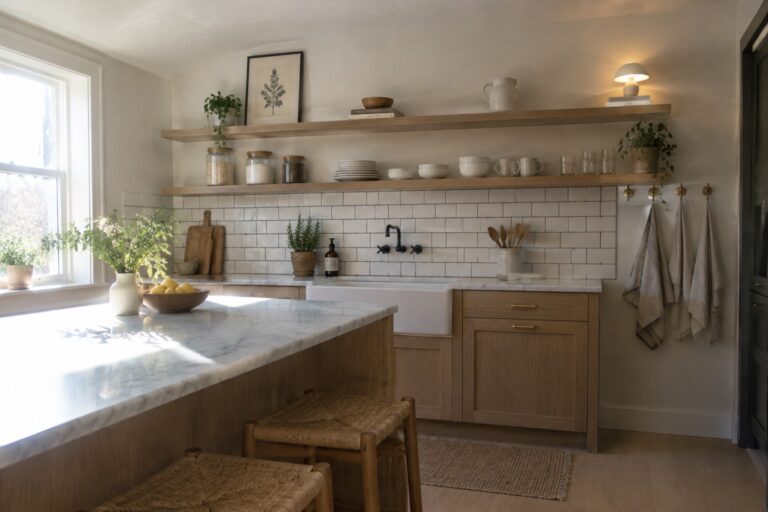
In kitchens where open shelving replaces most upper cabinets the whole room starts to feel lighter and more connected to how you actually move through it each day.
I learned this the hard way after keeping my own dishes out for a few months and realizing which pieces I reached for constantly and which ones just collected crumbs.
The real test shows up once daily life takes over.
Some arrangements keep heavier items on lower shelves so the display stays practical rather than turning into a constant stretch and restack routine.
Trying one small section of open shelving before committing to the whole kitchen often reveals whether the look fits the way the space gets used.
Open Shelving for Everyday Kitchen Storage
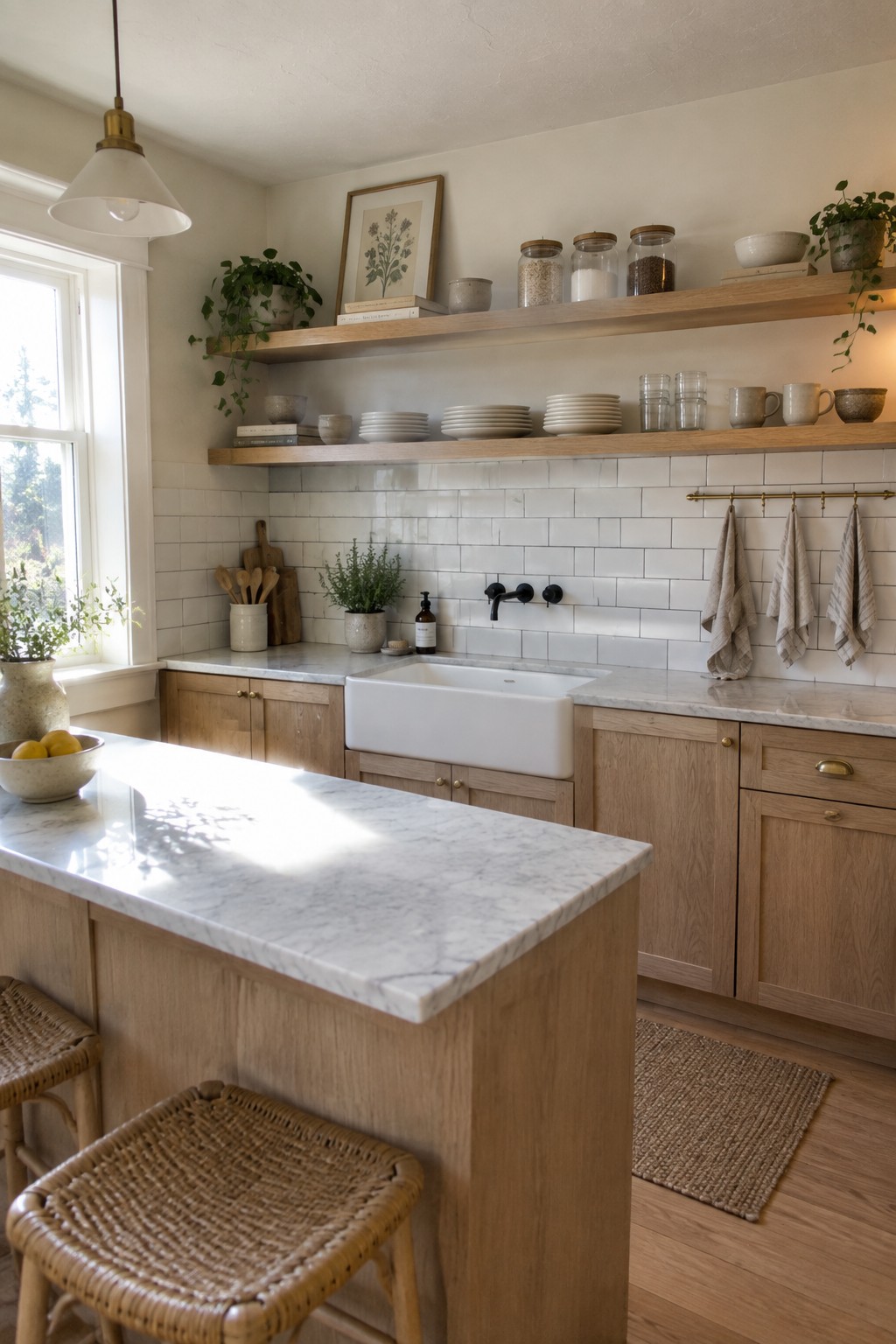
Open shelving keeps daily kitchen items in plain view instead of tucked away. Jars of grains, stacks of plates, and a few linens sit right where you reach for them, so the shelves work as both storage and a quiet record of what gets used most. This setup feels simple and practical rather than styled for show.
It suits homes where the kitchen sees steady use and the owners prefer easy access over perfect order. Keep heavier or less attractive items lower or in cabinets, and leave a little breathing room between groups so the shelves do not start to feel crowded.
Open Shelving For Everyday Kitchen Items
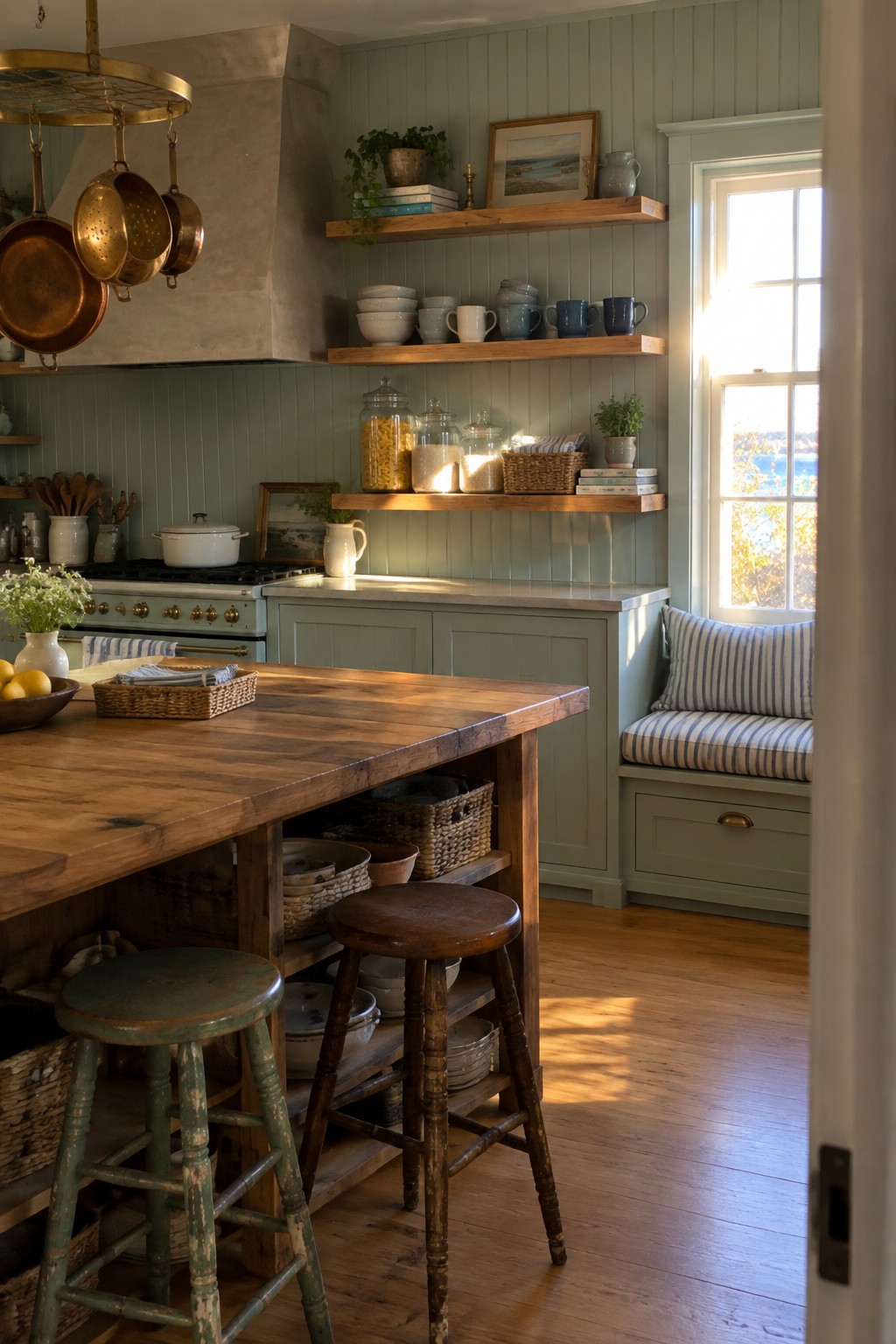
Open shelves work well when you want the kitchen to feel ready for daily use instead of tucked away. The wood shelves here hold stacks of bowls, mugs, and jars in plain sight, so the things you reach for most often become part of the room instead of hidden behind doors.
This style suits older homes or any kitchen where you like a relaxed, unfussy look. Keep the shelves at a height that feels comfortable to use and leave a little space between groups of items so the display stays practical rather than overwhelming.
Add A Ladder For Reaching High Kitchen Shelves
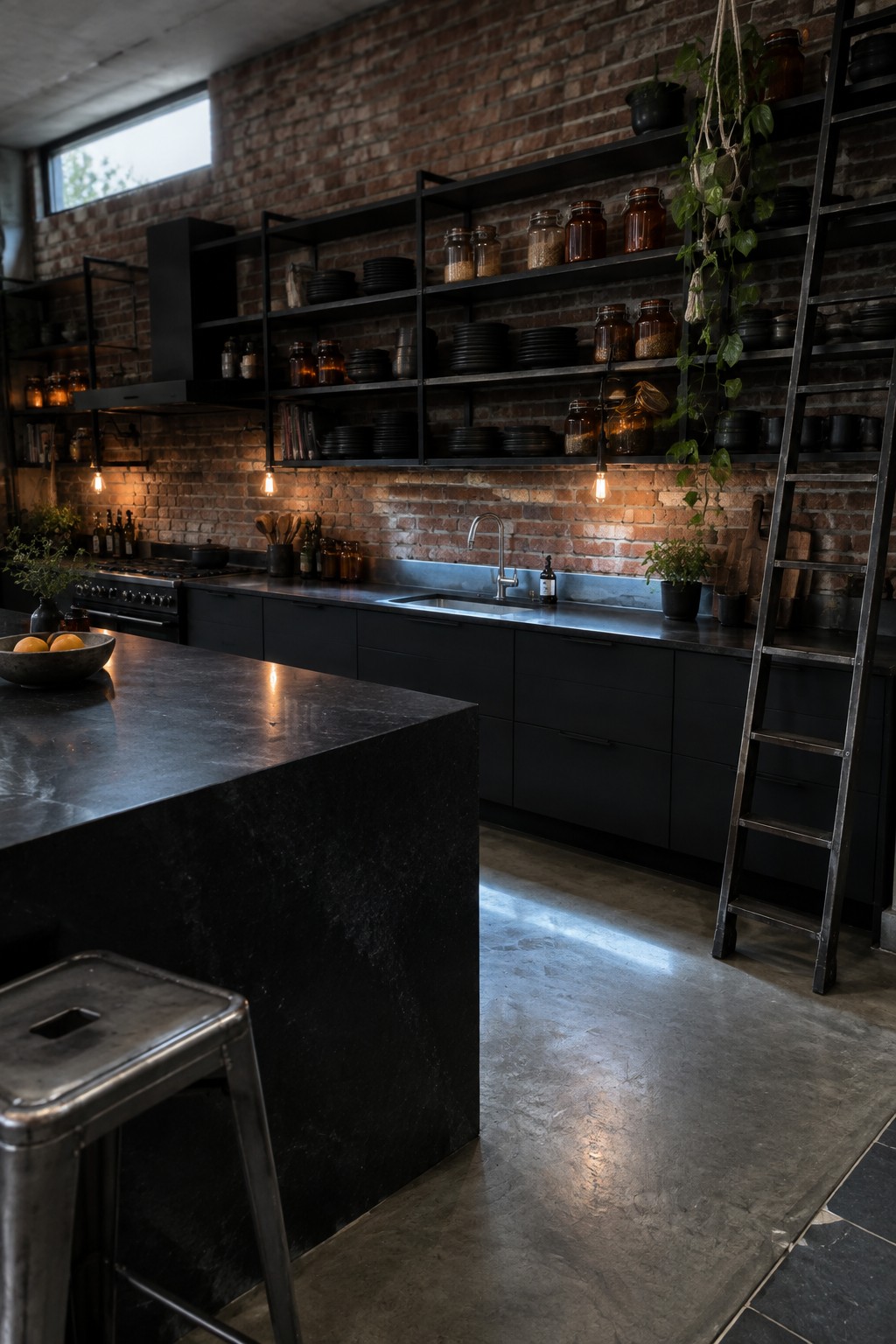
Open shelving works well for showing everyday items like plates and jars, but the top rows often end up out of reach. A rolling ladder solves that problem by turning tall storage into something usable instead of just decorative.
This setup suits kitchens with high walls or exposed brick where you want to keep things visible. Make sure the ladder slides smoothly and parks out of the way when not needed.
Open Shelving For Everyday Kitchen Items
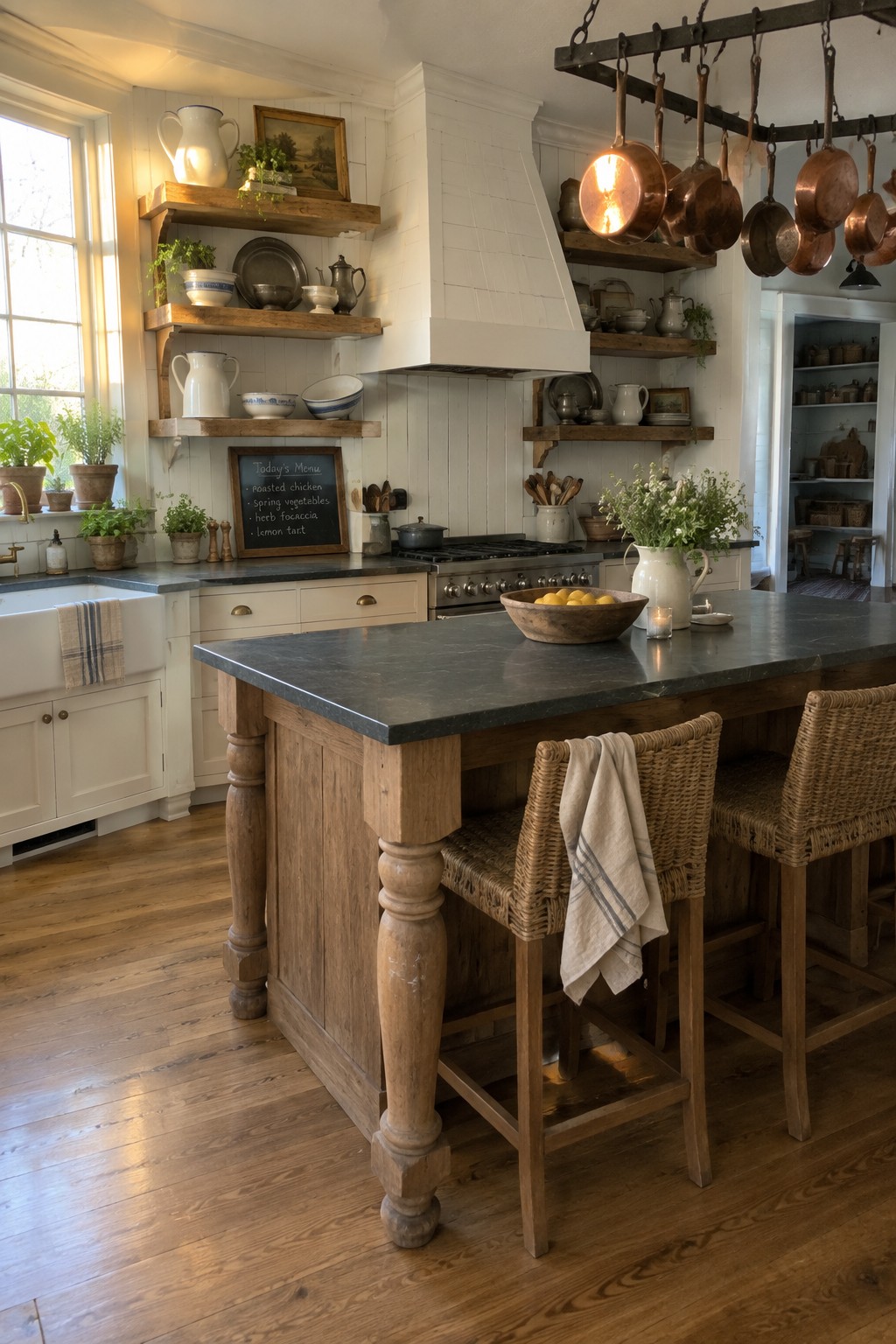
Open shelving lets you keep plates, bowls, and pitchers out in the open instead of tucked away. It turns storage into part of the room, so the things you use often also help shape how the kitchen feels. In this setup the shelves hold simple white ceramics and a few plants, which keeps the look relaxed without much effort.
This works best in kitchens that already have a casual style and enough wall space near the main work areas. Just watch how much you put out at once, since the shelves stay visible all the time and can start to feel busy if they fill up too quickly.
Open Shelving For Everyday Spice Storage
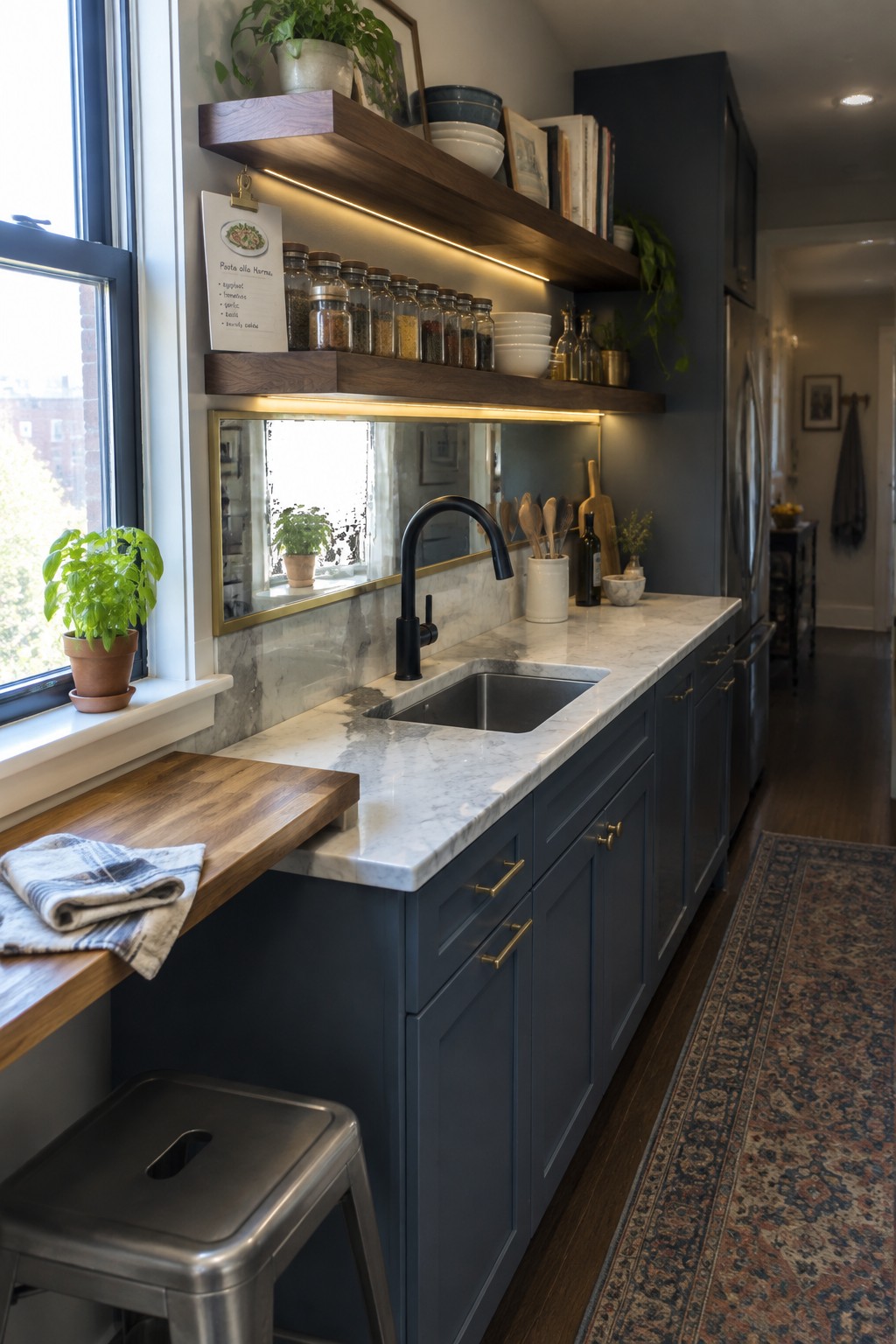
Open shelving works well when it holds things you reach for often. In this kitchen the wooden shelves sit right above the counter and keep spice jars, bowls, and a few books within easy reach, so daily cooking stays simple without constant cabinet opening.
This setup suits smaller kitchens or anyone who likes to see their staples at a glance. Just keep the number of items limited and choose matching jars so the shelves stay neat rather than crowded.
Open Shelving That Holds Everyday Kitchen Items
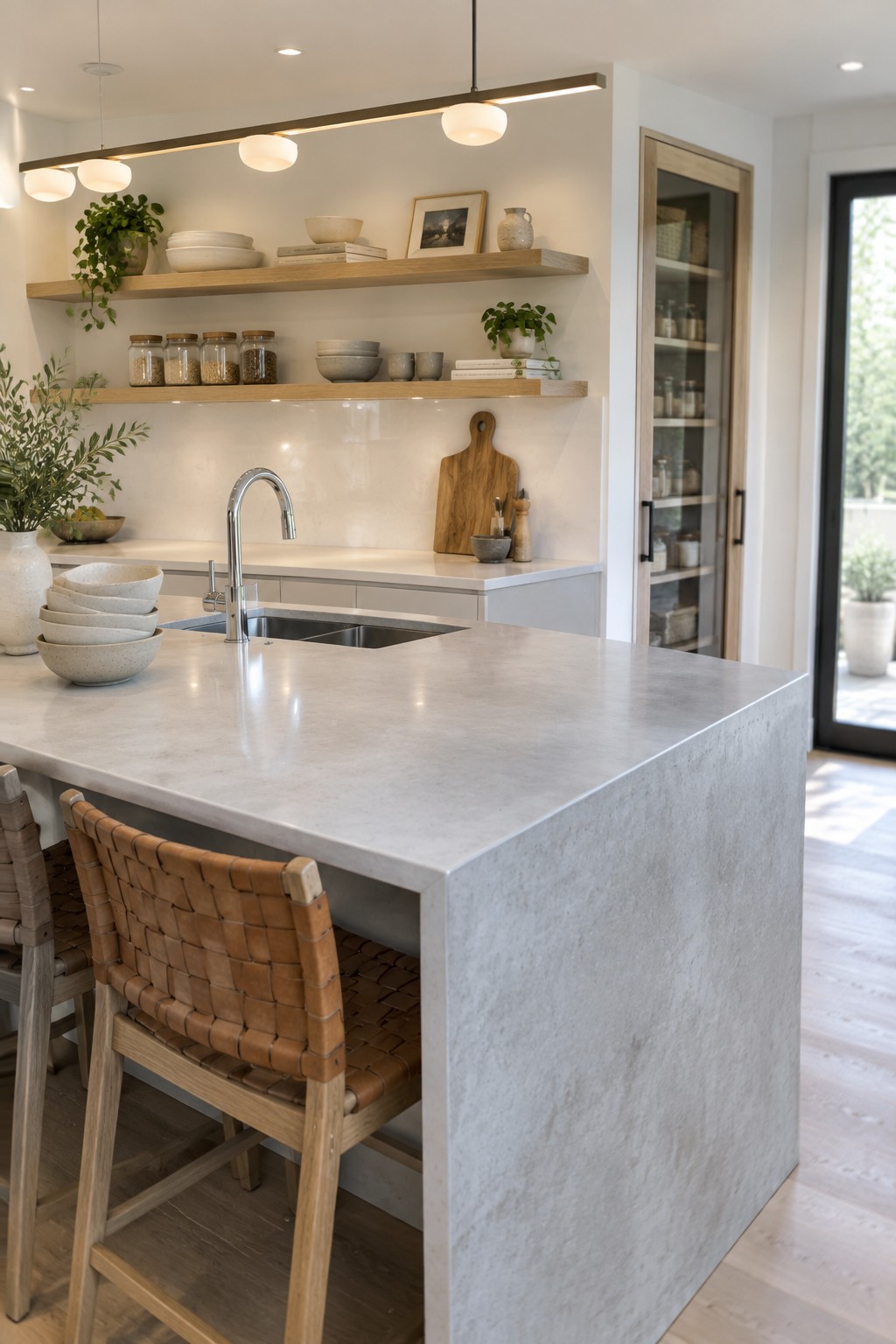
Open shelving works best when it holds the things you actually reach for instead of pieces saved for special occasions. Putting your regular bowls, jars, and cutting boards on display keeps the kitchen feeling useful and lived in rather than staged.
This approach suits homes where cooking happens often and people want their favorite items within easy reach. Just keep the arrangement simple so the shelves stay practical without looking crowded.
Open Shelving That Shows Everyday Dishes
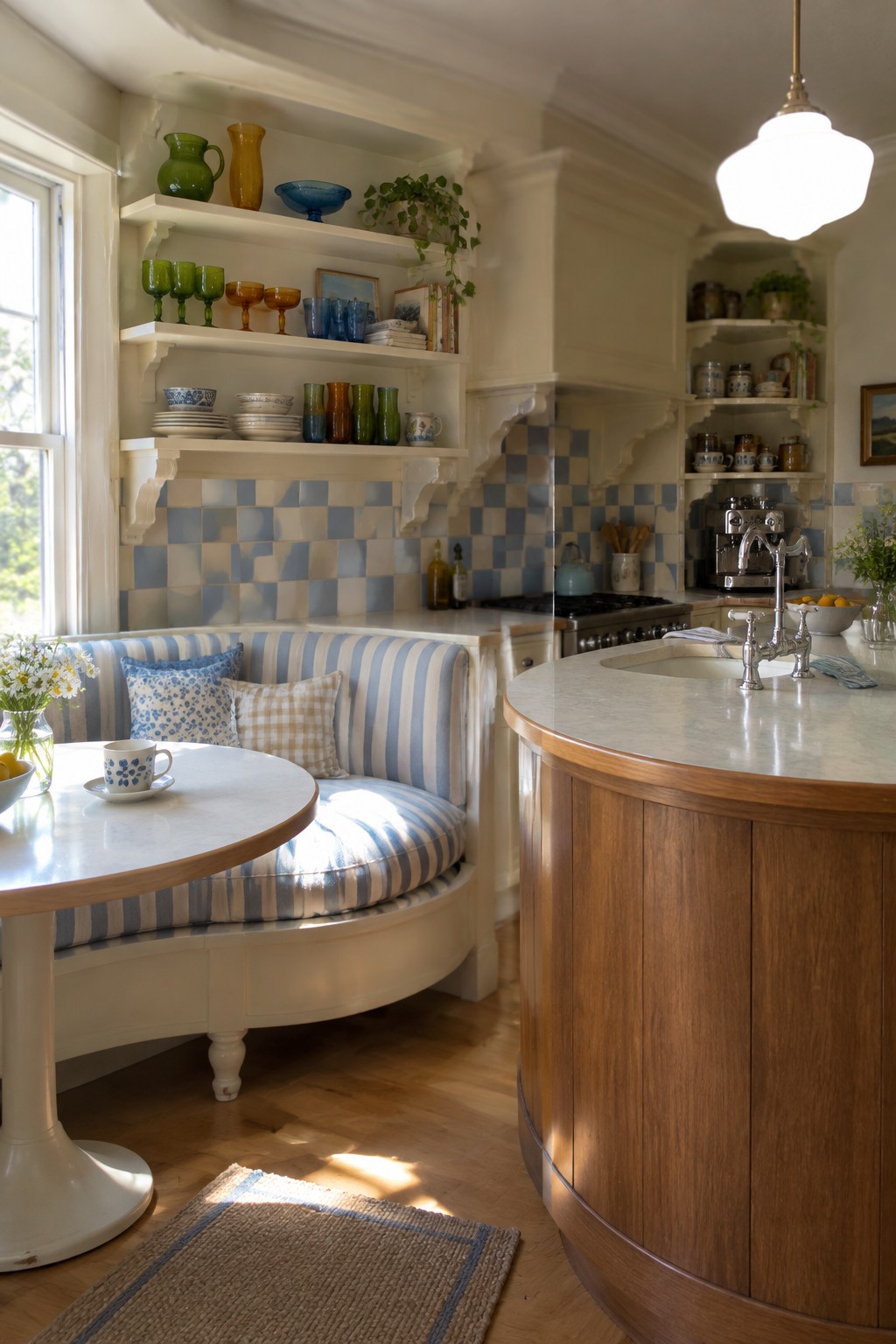
Open shelving works well when you want the things you use every day to stay visible and easy to reach. The shelves here hold rows of colored glassware and stacks of bowls and plates in plain sight, so nothing stays tucked away behind cabinet doors. It keeps the kitchen feeling lighter and more lived in.
This approach suits homes where the dishes and glassware already have some color or pattern worth noticing. Keep the shelves from getting overcrowded and place the items you grab most often at eye level. It works best in kitchens that already have some light and a bit of wall space to spare.
Open Shelves That Keep Everyday Dishes Handy
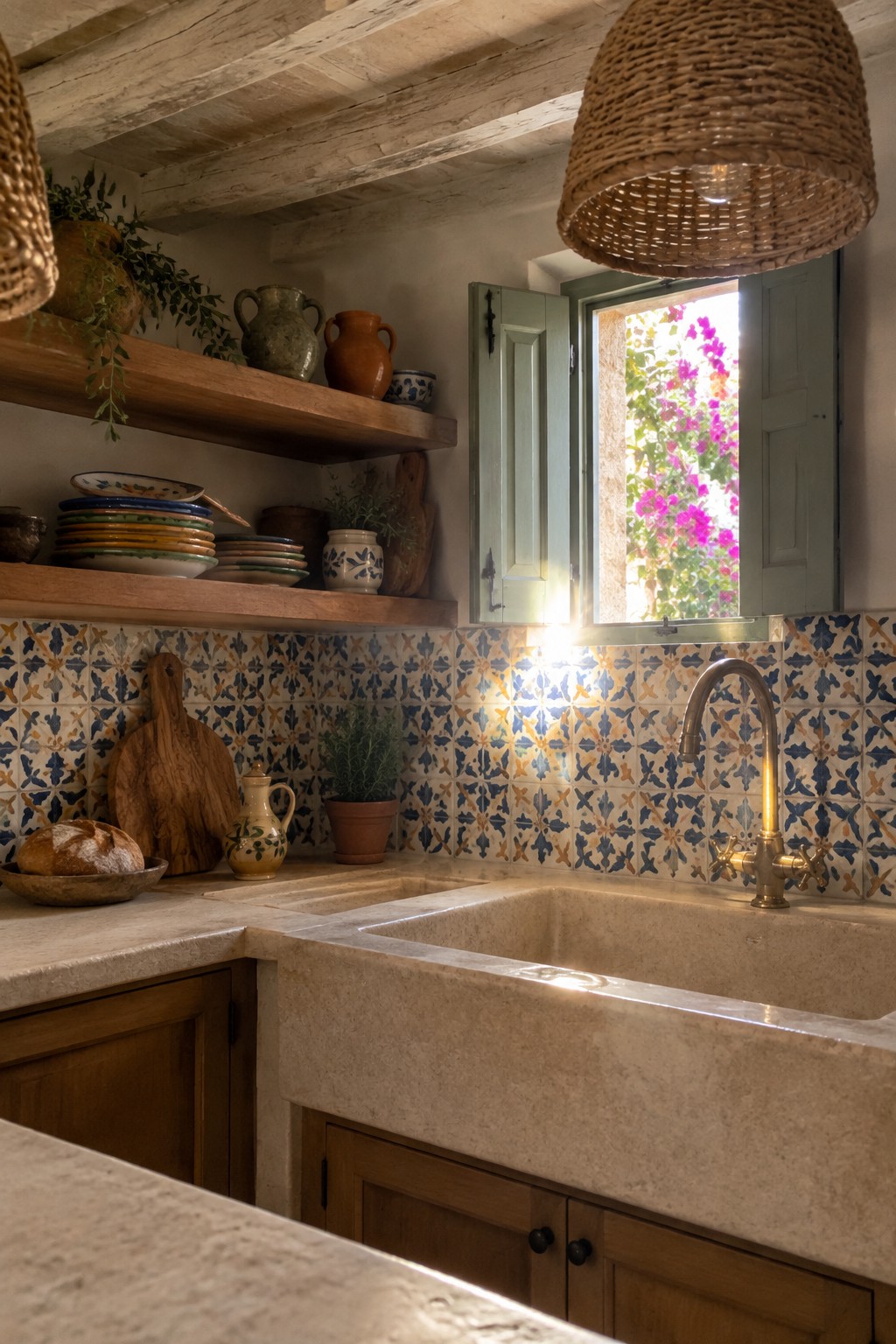
Open shelves make sense when you want plates, bowls, and pitchers right where you use them. The wooden shelves here sit above the counter and hold stacked dishes alongside larger ceramic pieces, so you can see what you have and reach for it without opening a cabinet.
This setup works best in kitchens that already feel casual and a bit rustic. It suits people who like the look of their everyday items on display and do not mind the occasional dusting. Just keep the spacing practical so taller pitchers fit without crowding the smaller stacks.
Long Open Shelves For Everyday Items
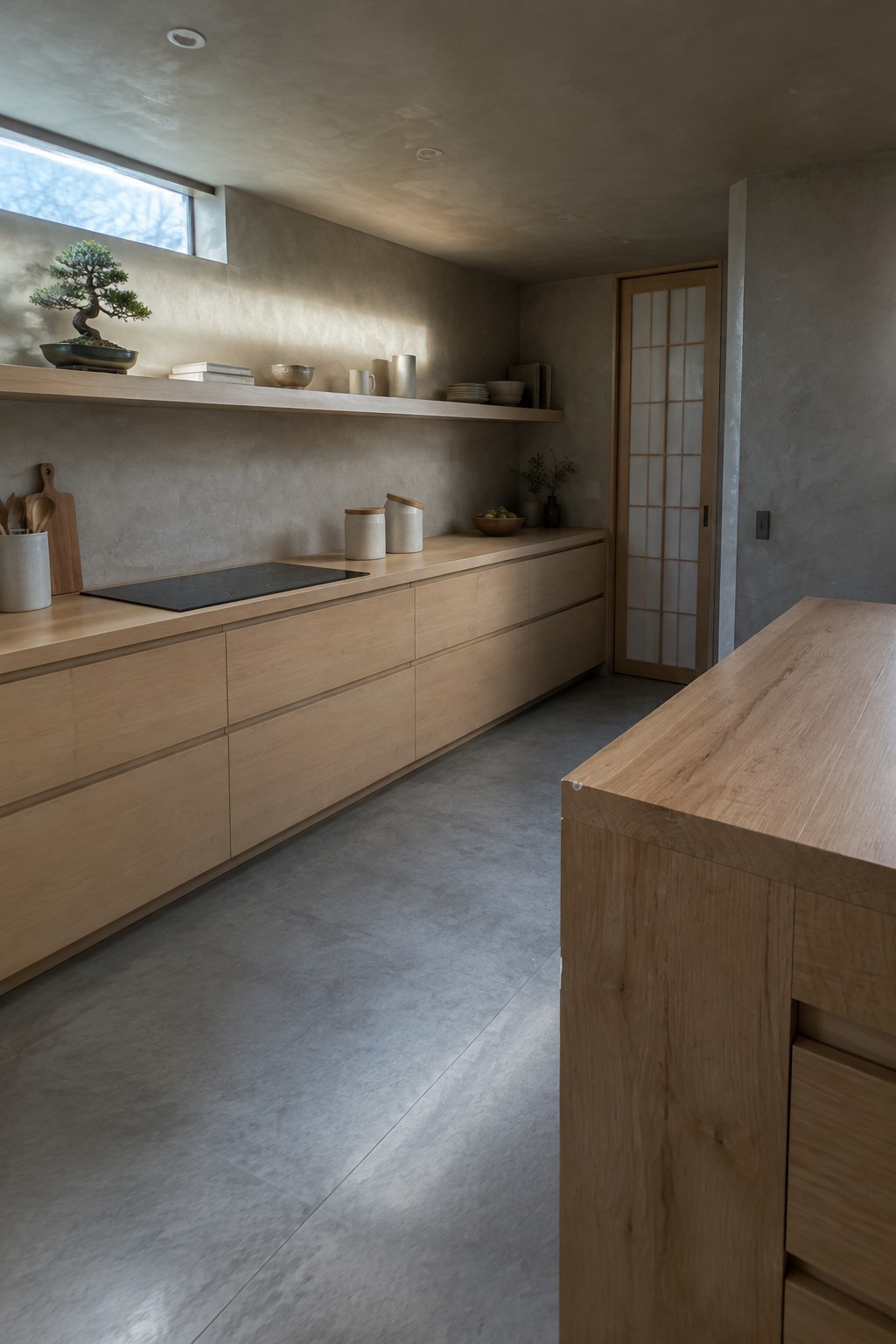
A long floating shelf above the counter gives you storage that stays visible and easy to reach. It works well when you want to keep a few things out without filling the space with more cabinets.
This approach suits smaller kitchens or ones that lean simple and calm. Stick to items you use often, and leave a little empty space so it does not feel crowded.
Open Shelving for Everyday Kitchen Storage
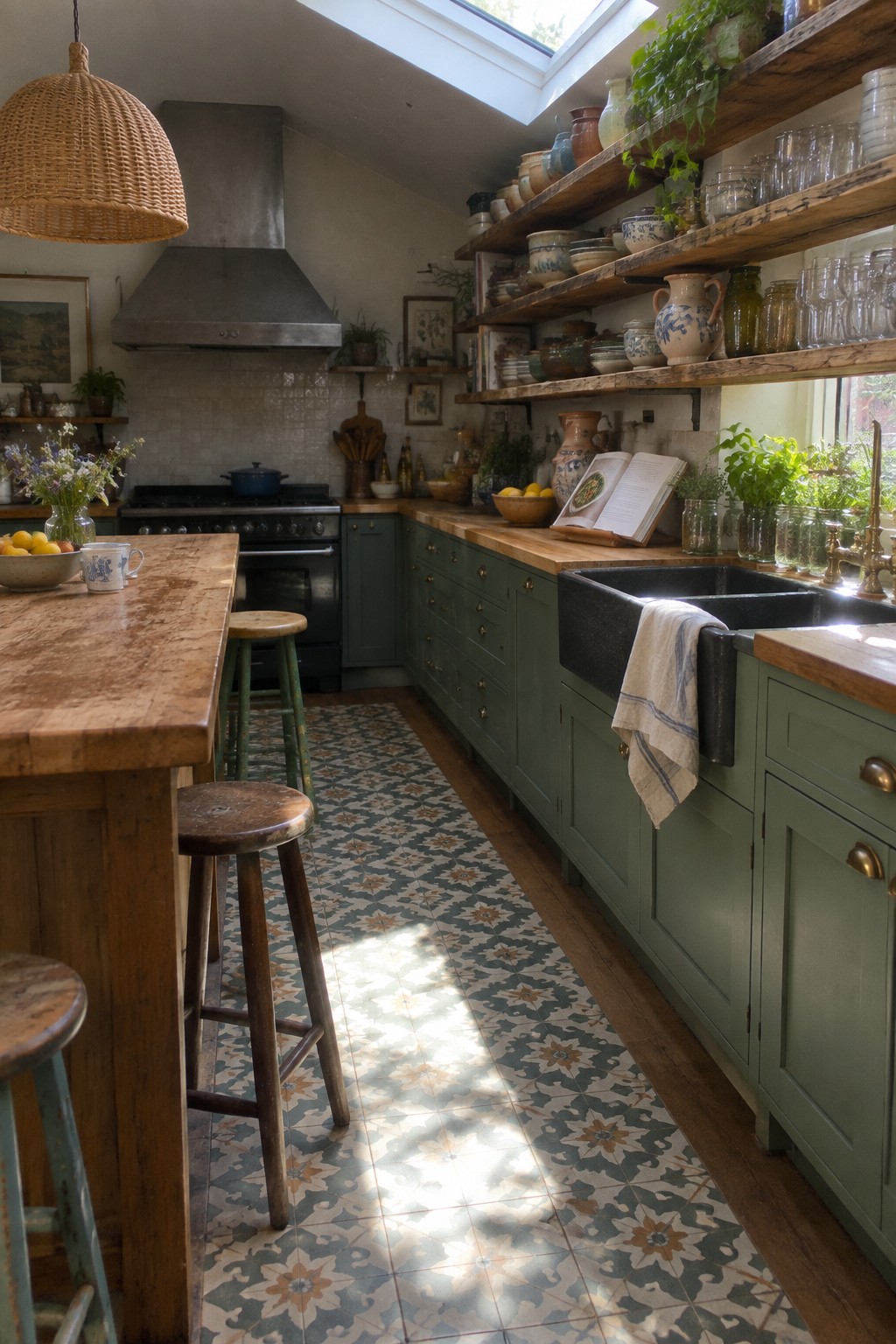
Open shelving works well when it holds the items you reach for daily instead of turning into a display only. Wooden shelves above the counters keep plates, bowls, and glassware in plain sight so you can grab what you need without opening doors. It also makes the space feel lighter because the shelves do not block the wall the way upper cabinets often do.
This setup suits kitchens that see regular cooking and casual meals because everything stays accessible. It works best when you edit what goes on the shelves and keep only the pieces you actually use. Too many rarely touched items can make the area feel cluttered over time.
Open Shelving That Holds Everyday Dishes
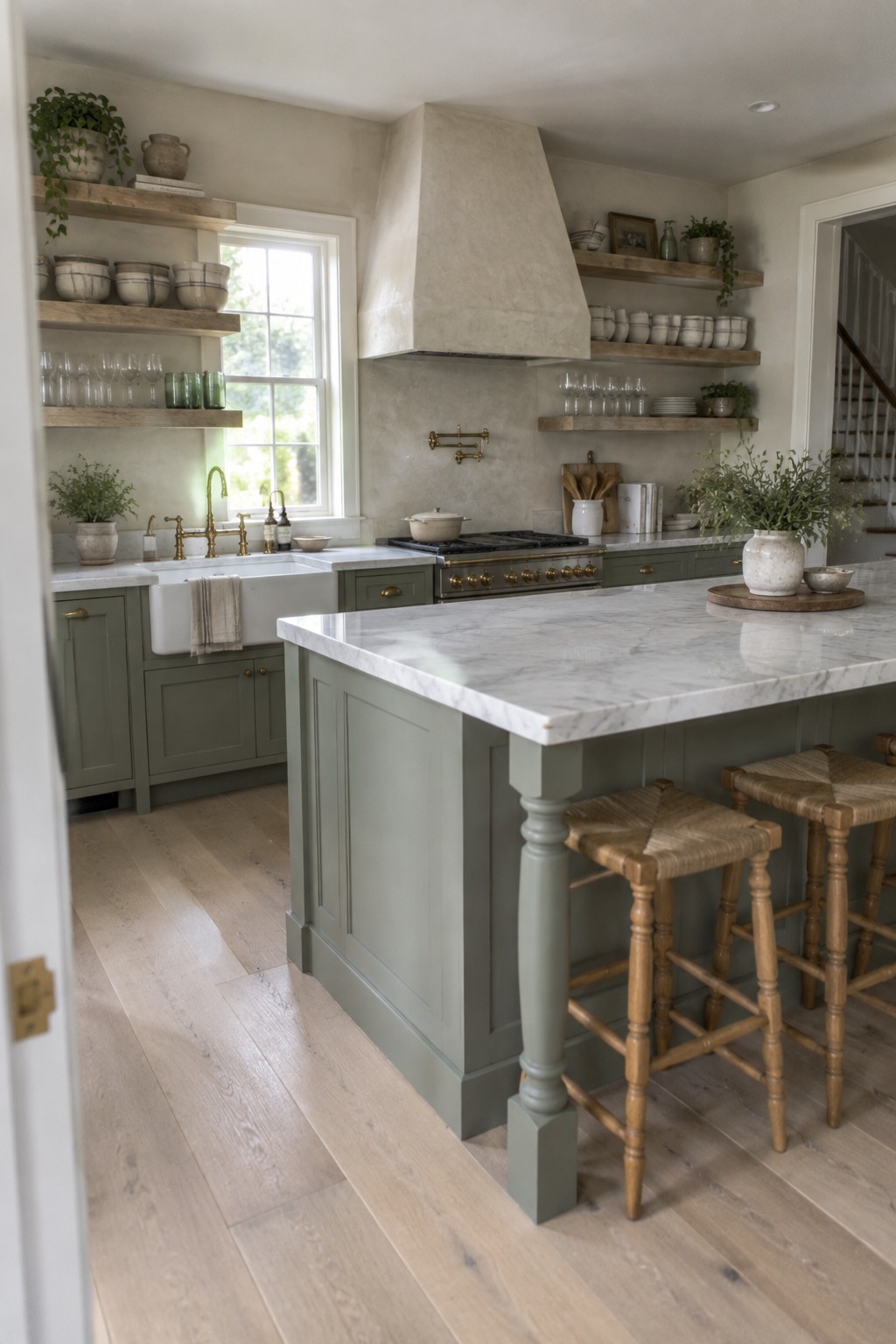
Open shelving works well when it shows the dishes and glassware people reach for daily. The wooden shelves here keep bowls, plates, and glasses within easy reach while adding a simple layer of storage above the counters.
This approach suits kitchens that already have enough cabinet space for less-used items. It helps if you edit what goes on the shelves so they stay useful instead of turning into extra clutter.
Open Shelving For Everyday Dishes
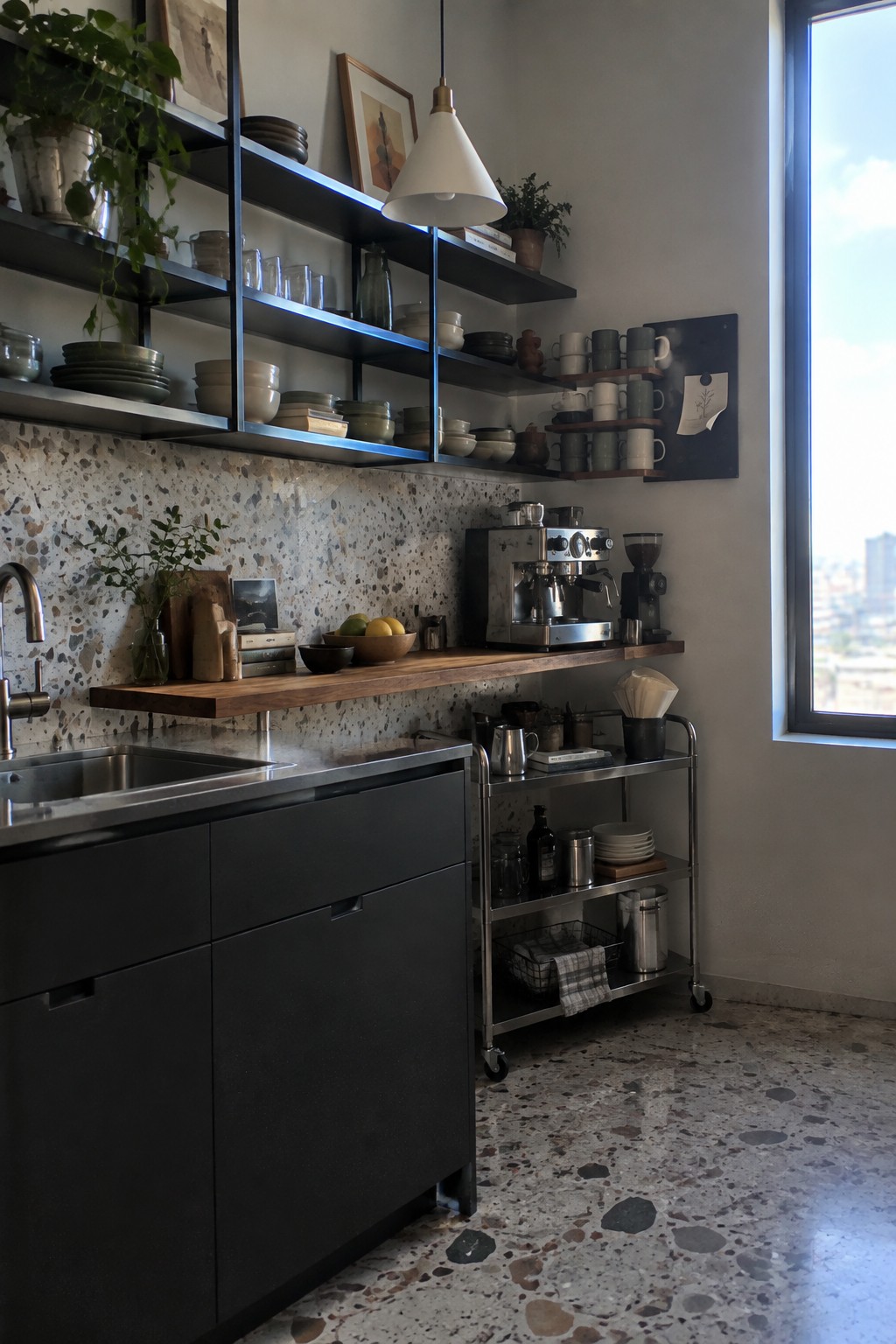
Open shelving works well when it holds the things you reach for every day. Stacking bowls and lining up mugs keeps them visible and easy to grab without digging through cabinets.
This setup suits smaller kitchens or anyone who likes a simple routine. Just leave a little space between items so the shelves do not start to feel crowded after a few weeks of normal use.
Open Shelving For Everyday Kitchen Storage
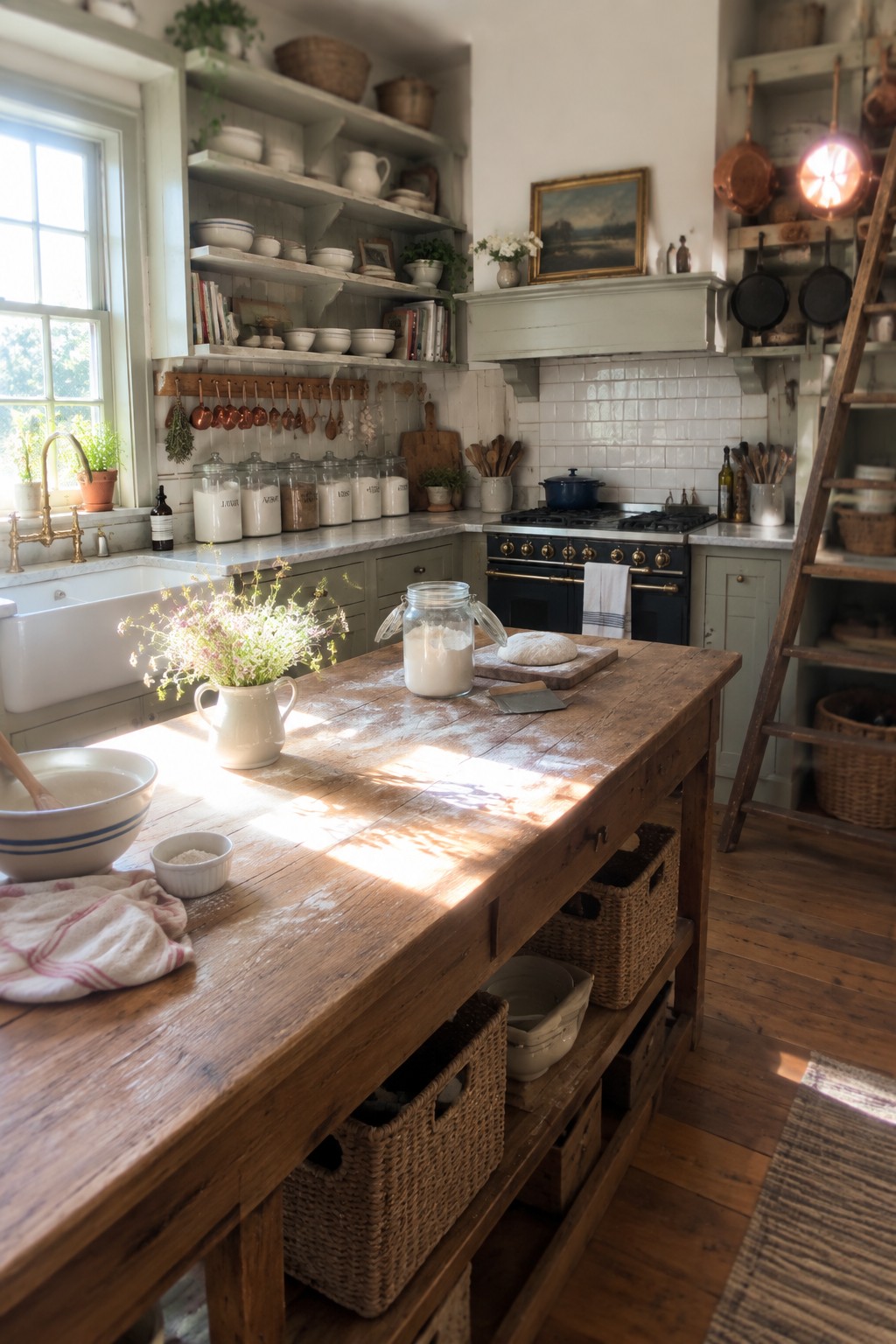
Open shelving keeps the things you reach for most days right where you can see them. Instead of tucking plates and jars behind closed doors, the shelves turn those items into the main storage solution and make the room feel lighter at the same time.
This works best in kitchens that already have some wall space above counters or near the stove. Use sturdier brackets and keep only what you actually use often so the shelves stay practical rather than crowded.
Open Shelving For Everyday Kitchen Items
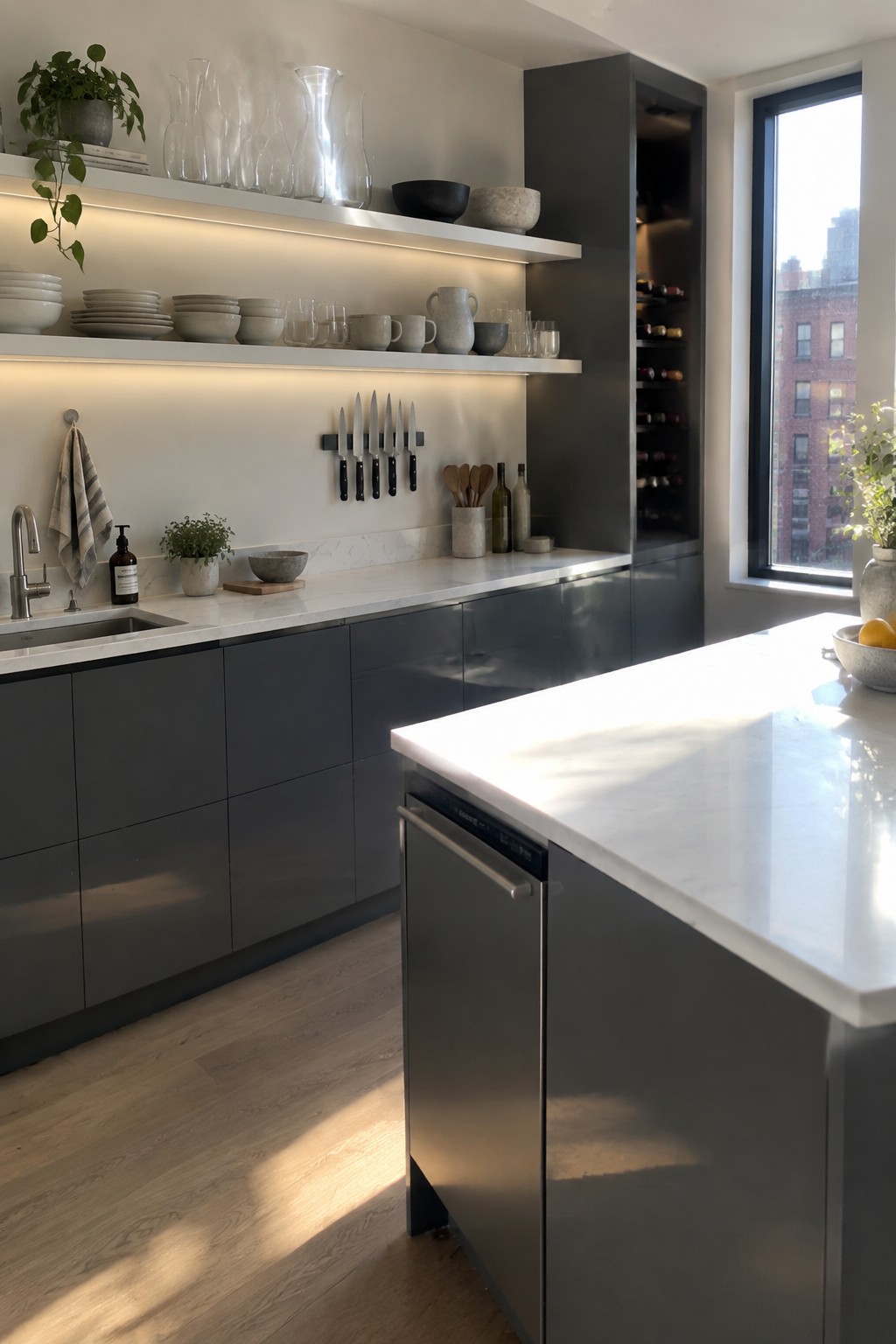
Open shelving works well when it holds the things you actually use every day rather than just decorative pieces. In this kitchen the shelves keep plates, bowls, and glassware right where they are needed, which cuts down on opening and closing cabinets during regular cooking and cleaning.
This setup suits homes with a fairly neutral palette and a mix of open and closed storage. Keep the shelves from getting overcrowded and stick to a few similar tones so the display stays practical instead of busy.
Open Shelving For Everyday Pantry Items
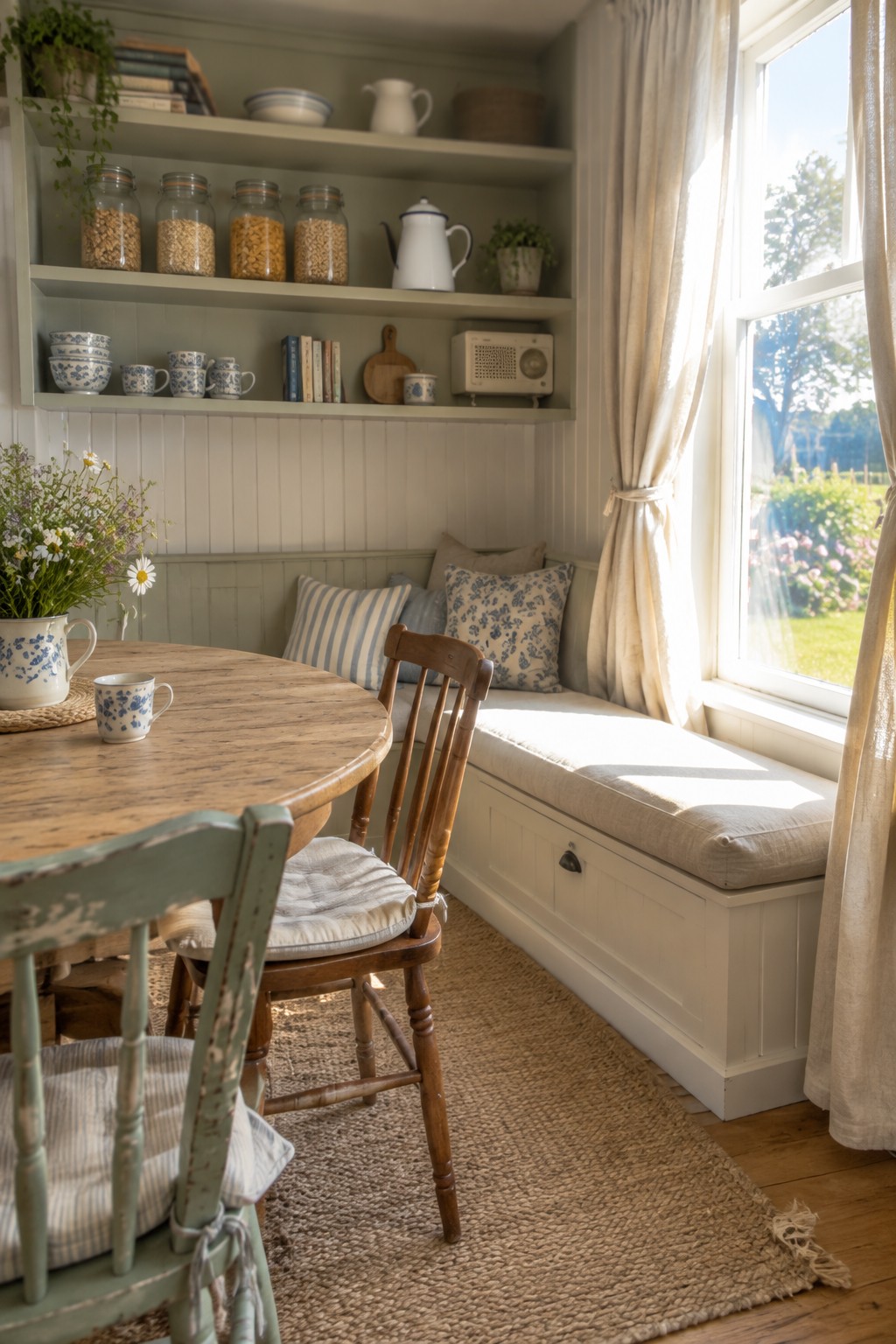
Open shelving works well when you want to keep daily staples visible and within reach. Glass jars of oats, beans, and grains sit right there on the shelves, so you can grab what you need without opening a cabinet. The mix of dishes and a few books keeps things from feeling too strict.
This setup suits smaller kitchens or breakfast areas where closed storage would crowd the space. It works best if you stick to items you actually use often and keep the shelves from getting overcrowded.
Open Shelving That Keeps Everyday Items Within Reach
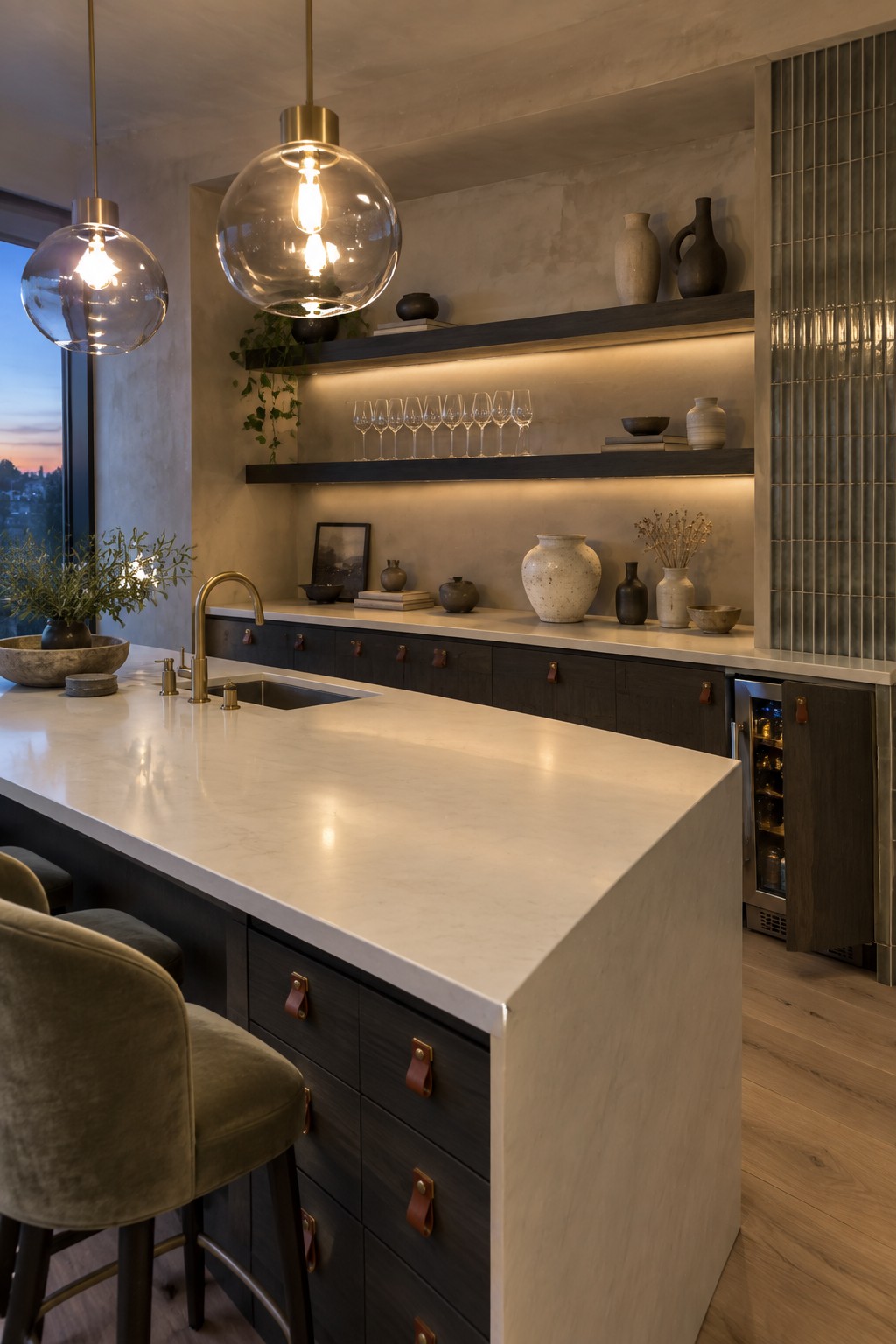
One practical way to handle open shelving is to use it for things you actually grab often instead of saving it only for special pieces. Here the shelves sit right above the counter and hold a full row of glasses, so they stay useful while also giving the wall a bit of life without extra effort.
This setup works well in kitchens that get daily use and where the owners already have a few decent ceramics or glassware worth seeing. It suits homes that want storage that feels relaxed rather than overly styled, though it does ask that you keep the items somewhat organized so the shelves do not start to look messy.
Open Shelving For Pantry Staples
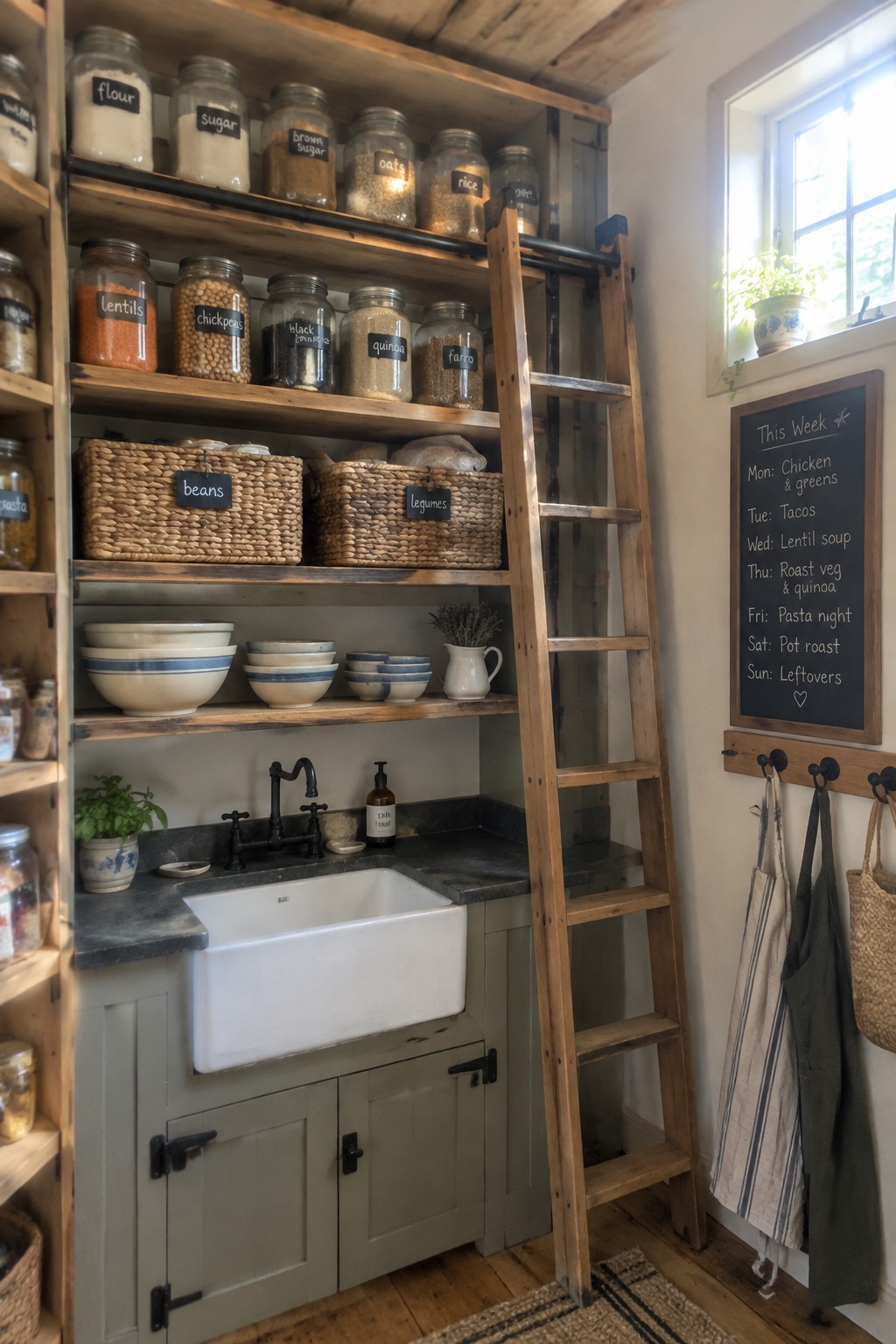
Open shelving works well when you want to keep everyday pantry items close at hand and easy to see. Glass jars and simple baskets let you grab what you need without digging through cabinets, and the setup adds a bit of order to a busy kitchen wall.
This approach suits smaller kitchens or older homes where closed storage is limited. Keep the shelves at a reachable height and stick to a few matching containers so the display stays practical instead of turning into a mess.
Open Shelving For Everyday Display Storage
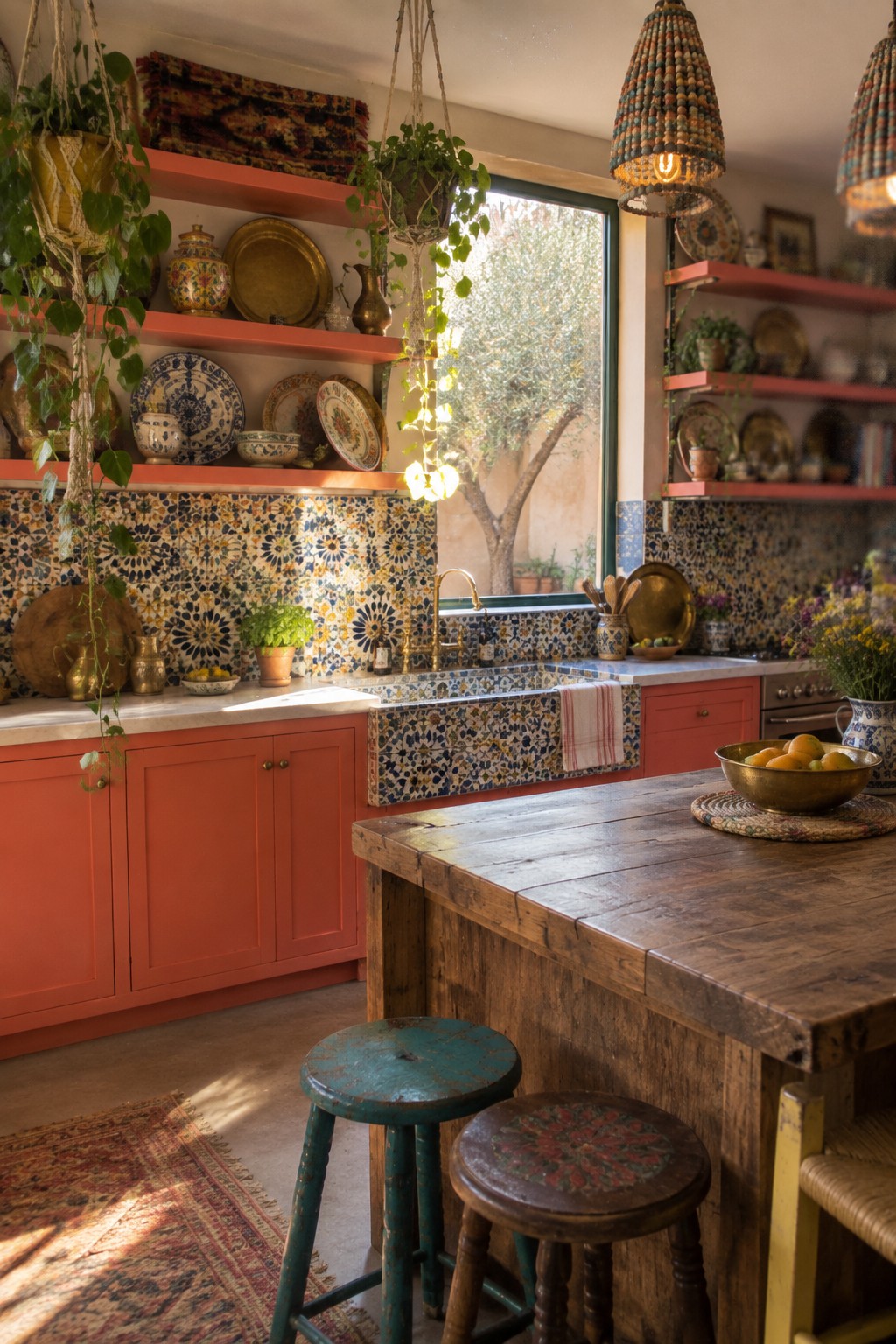
Open shelving lets you keep plates, bowls, and other daily items out where they add color and pattern to the room. The red shelves here hold a mix of patterned dishes that feel like part of the kitchen rather than something tucked away.
This works best in kitchens where you want easy access and do not mind a bit of visual clutter. Stick to pieces you actually use so the shelves stay practical instead of turning into extra dusting work.
Open Shelving For Everyday Kitchen Items
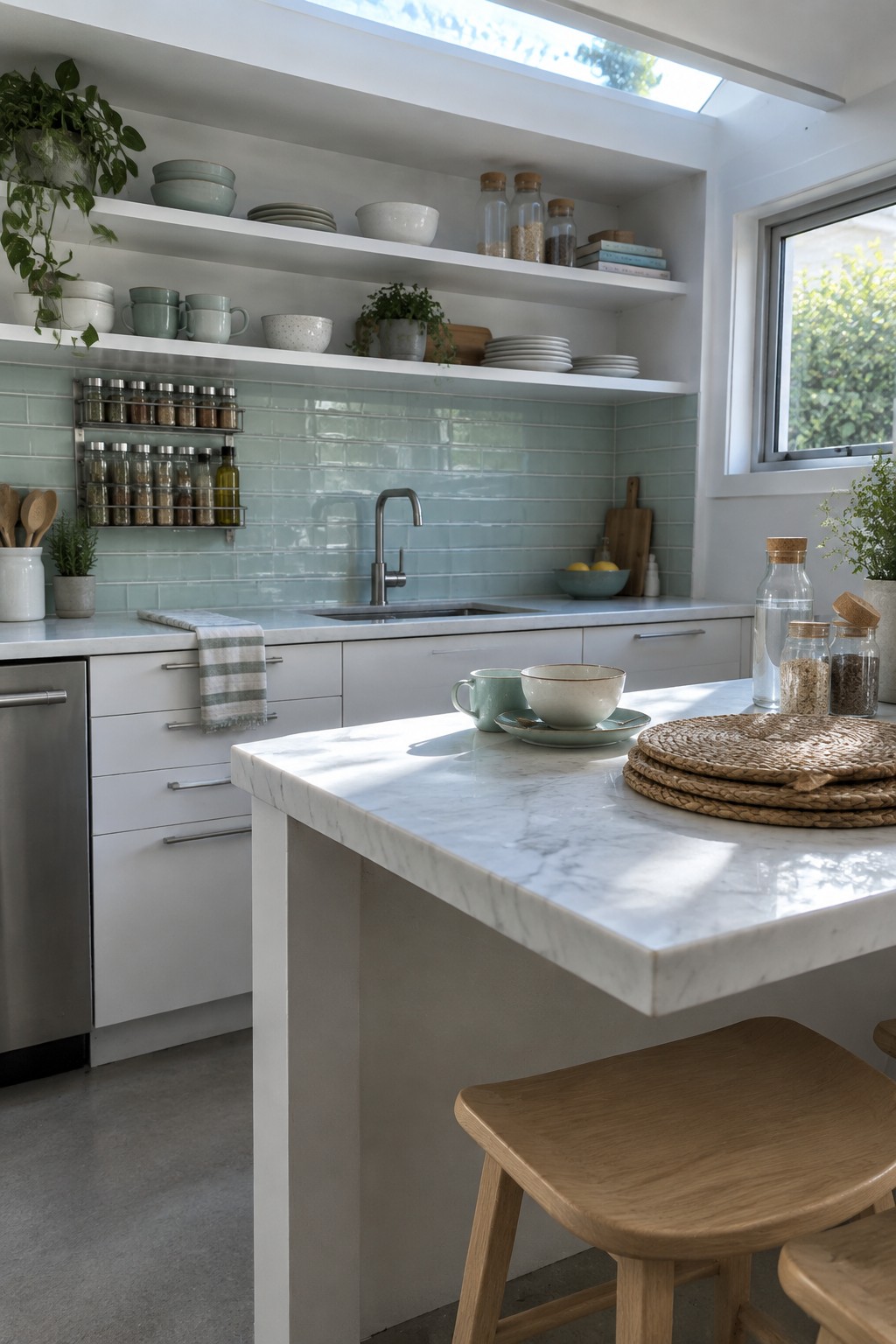
Open shelving lets you keep the things you reach for daily right where you can see them. Plates, bowls, and jars stay accessible without digging through cabinets, and the kitchen feels lighter because the walls are not solid blocks of closed doors.
This works best in kitchens that get regular use and do not mind a bit of visual clutter. Stick to a few matching sets or simple containers so the shelves stay easy to keep tidy, and leave a little breathing room between groups of items.
Frequently Asked Questions
Q: How do I stop dust from settling on everything I keep out on open shelves? A: Run a quick wipe with a dry cloth every week to stay ahead of it. Swap in fresh items from your cabinets every couple of weeks so nothing sits untouched too long.
Q: What happens if the shelves start to bow under the weight of my plates and bowls? A: Test the brackets first and move heavier stacks to the bottom rows. Lighter everyday mugs and glasses can stay higher up where the wood holds steady.
Q: Should I mix open shelves with my regular cabinets or go all in? A: Keep closed storage for the messier gear and use open spots just for the pieces you like seeing daily. This split keeps the kitchen practical without losing the display feel.
Q: Which of my regular kitchen items actually work best out in the open? A: Start with the plates and cups you grab every morning. They feel natural on the shelves and keep the whole setup looking lived in.
