

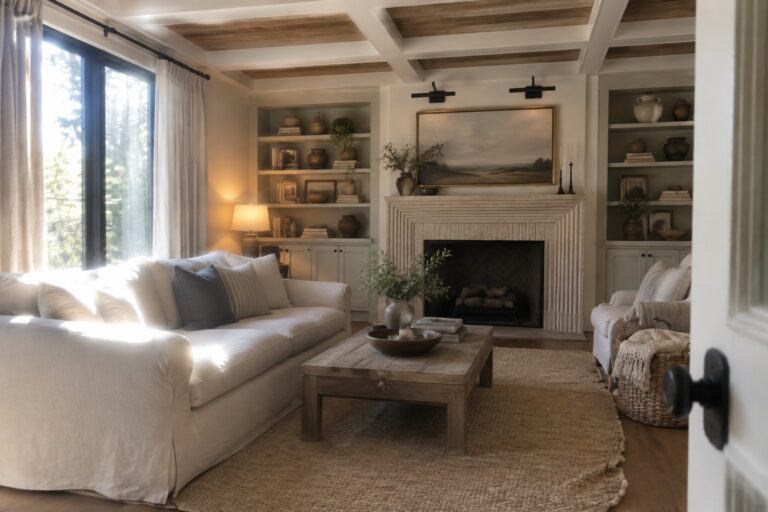
I often notice how a room starts to feel complete only after the ceiling gets some real attention instead of being left as an afterthought.
When I tried adding simple wood trim to the ceiling in my dining area, the whole space suddenly felt more balanced and less like it was missing something at the top.
Ceilings shape the room more than we usually admit.
I have seen plenty of otherwise finished homes where flat ceilings make everything below them feel a little unfinished even when the rest of the details are in place.
I keep a few of these wood and coffered examples in mind because they show ways to add depth that actually work in everyday rooms rather than just looking good in photos.
Wood Beams In Coffered Ceilings
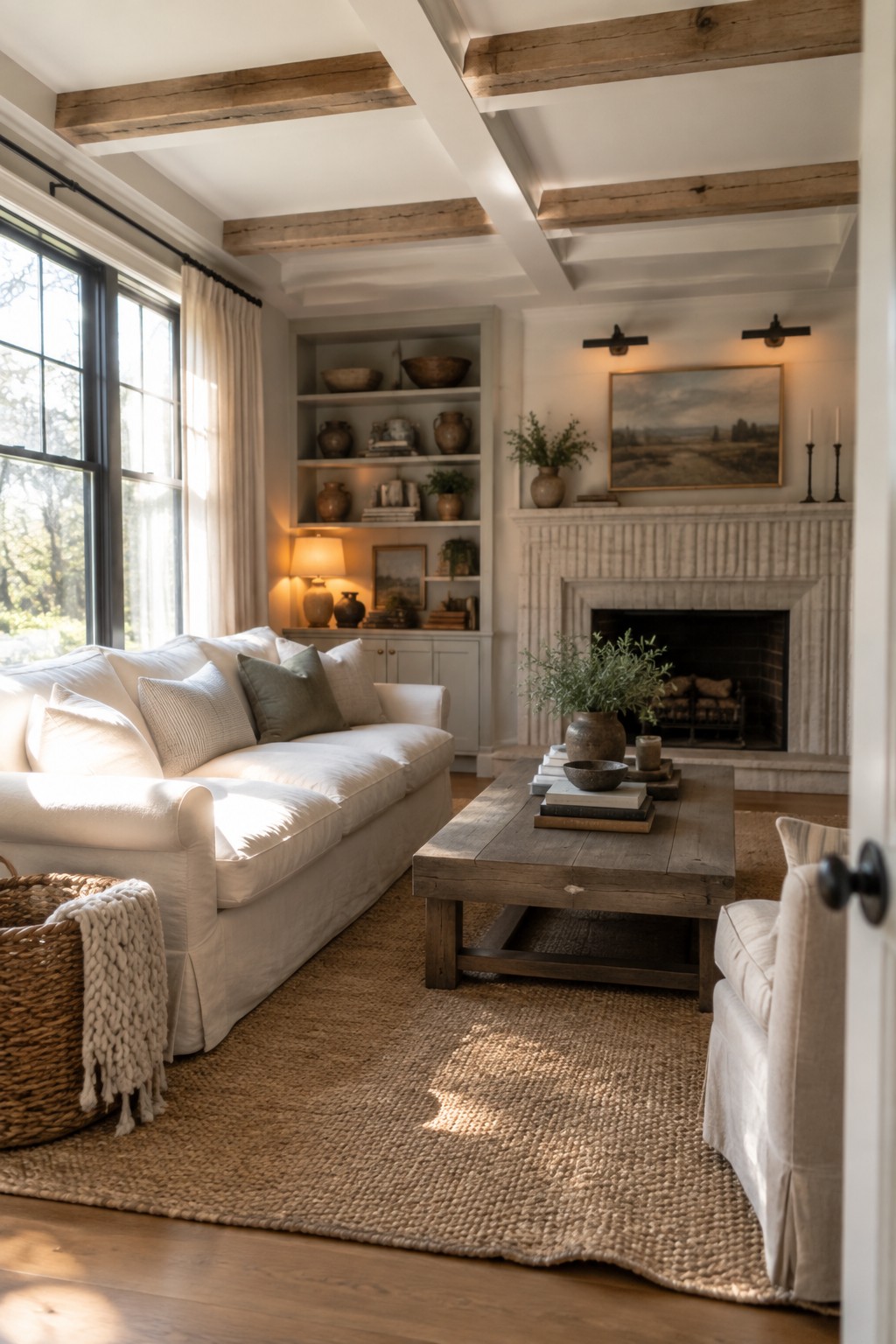
Wood beams add a layer of warmth and structure to a coffered ceiling that might otherwise feel too plain or bright. The mix of white panels and natural wood gives the ceiling real presence without making the room feel heavy or dark.
This approach works best in living rooms with decent ceiling height where you want a bit of traditional character. It pairs well with neutral walls and simple furniture, though it can look out of place in very modern or low-ceiling spaces.
Wood Paneled Ceilings With Exposed Beams
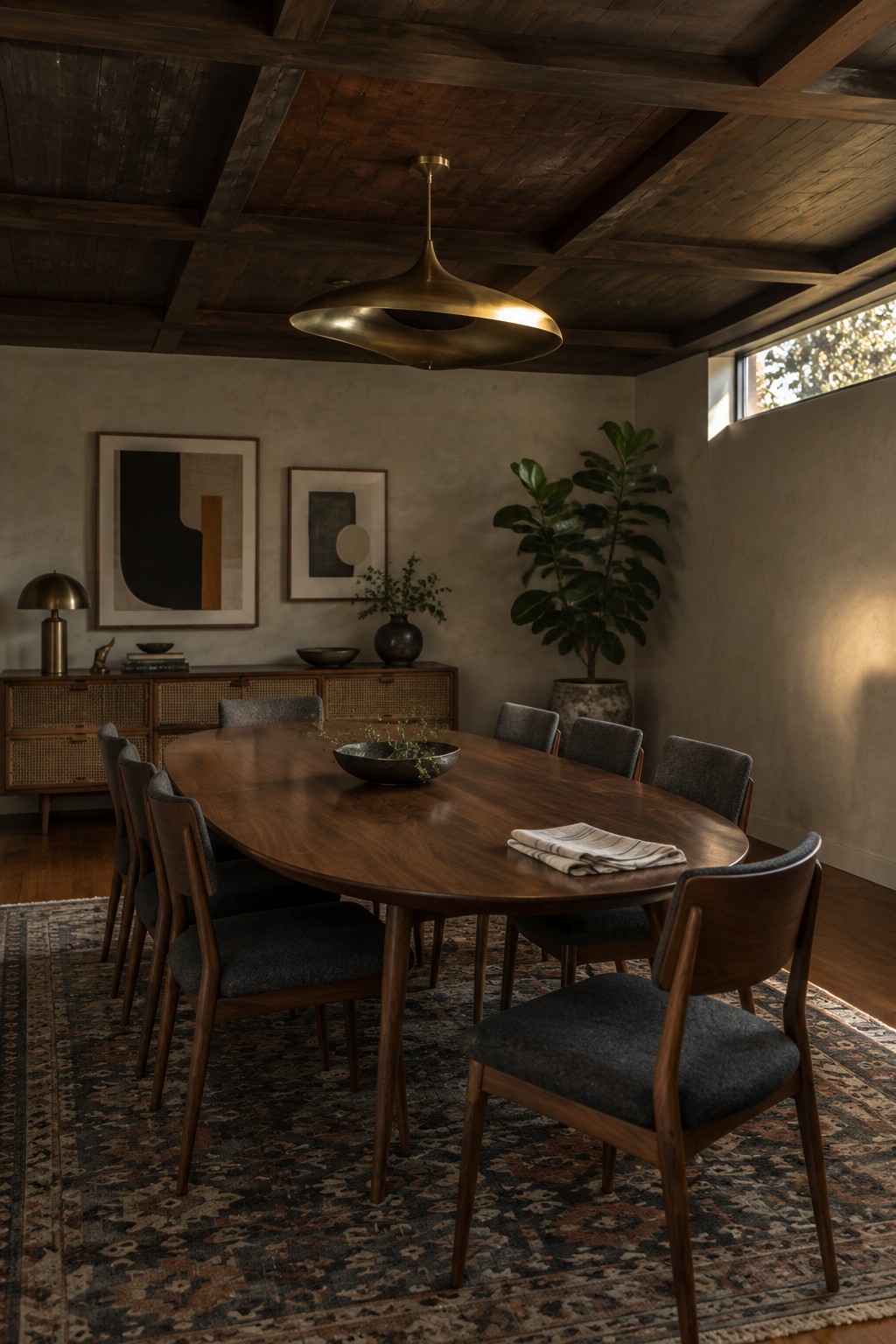
A wood paneled ceiling with exposed beams gives a dining room real presence without needing much else. The dark tone and visible structure make the space feel settled and a little more intimate, especially when the rest of the room stays fairly simple.
This approach works best in homes with decent ceiling height and some existing wood tones. It can feel heavy in smaller rooms, so keep walls and furnishings lighter if you want to avoid a closed-in look.
Wood Paneling That Continues Onto the Ceiling
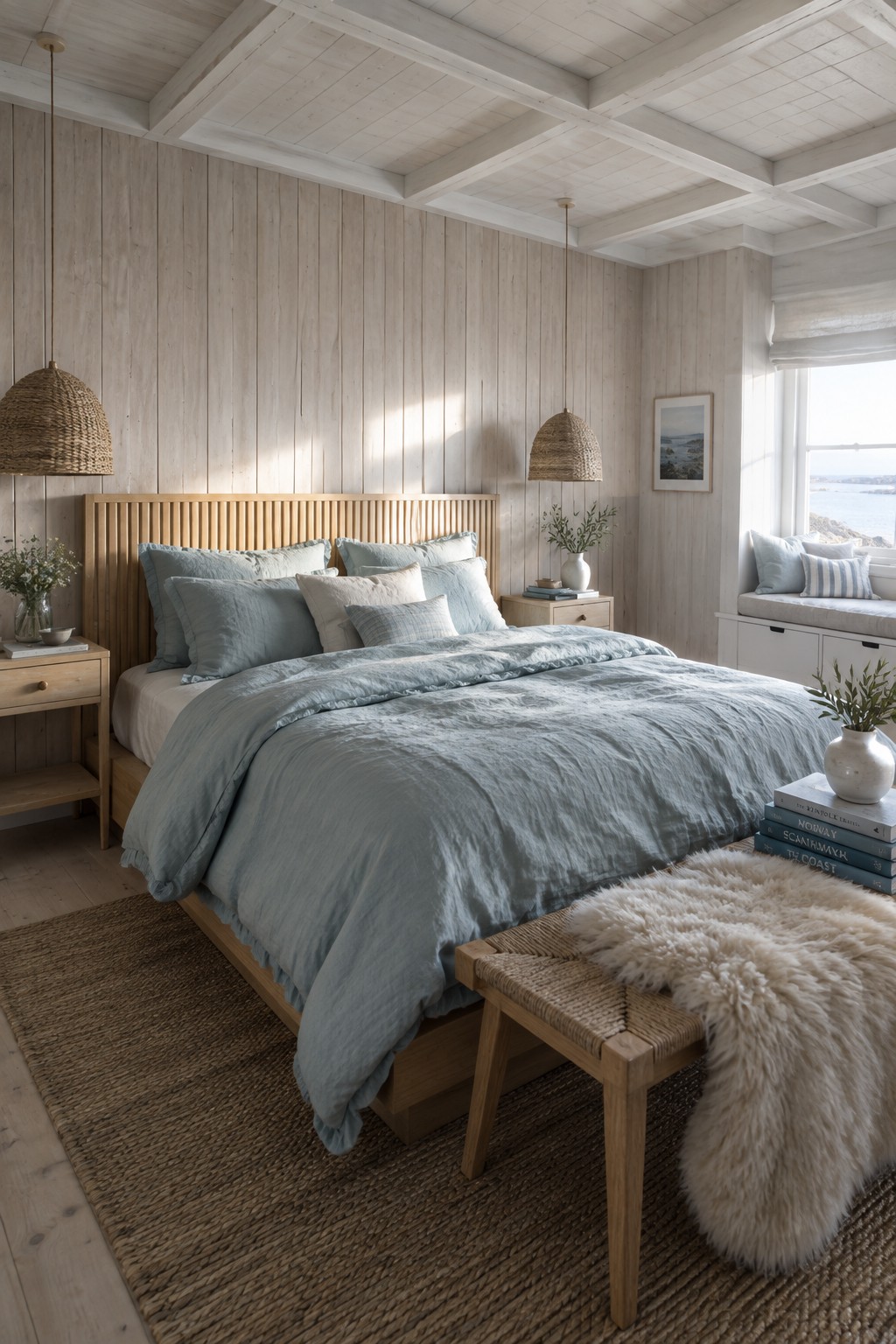
Carrying wood paneling from the walls up onto the ceiling gives a bedroom a quiet, wrapped-in feel. It makes the room feel more finished without adding extra trim or color changes.
This works best in spaces with lower ceilings or in homes that already lean toward natural materials. Keep the wood light and the furnishings simple so the room stays bright rather than heavy.
Coffered Wood Ceilings Add Character to Kitchens
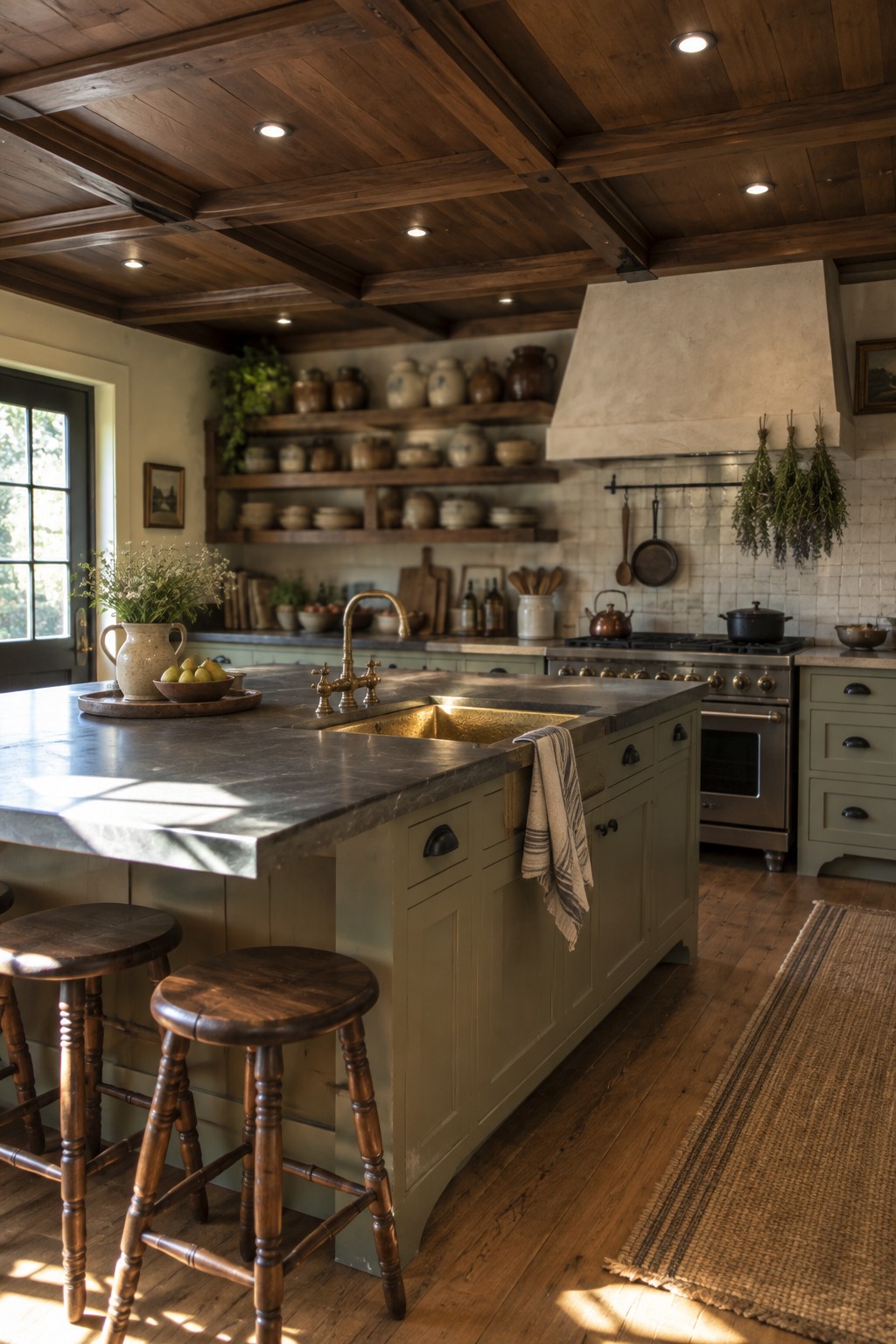
A coffered ceiling in dark wood gives a kitchen real presence without needing lots of extra trim or decoration. The beams create natural divisions that make the space feel more organized and finished, especially when the rest of the room stays fairly simple. It works because the ceiling becomes the main architectural feature.
This approach suits homes with higher ceilings where the detail can be seen from across the room. It pairs best with painted cabinets and stone surfaces that keep the look grounded rather than heavy. Just watch the scale so the beams do not overpower a smaller kitchen.
Coffered Ceilings In Entryways
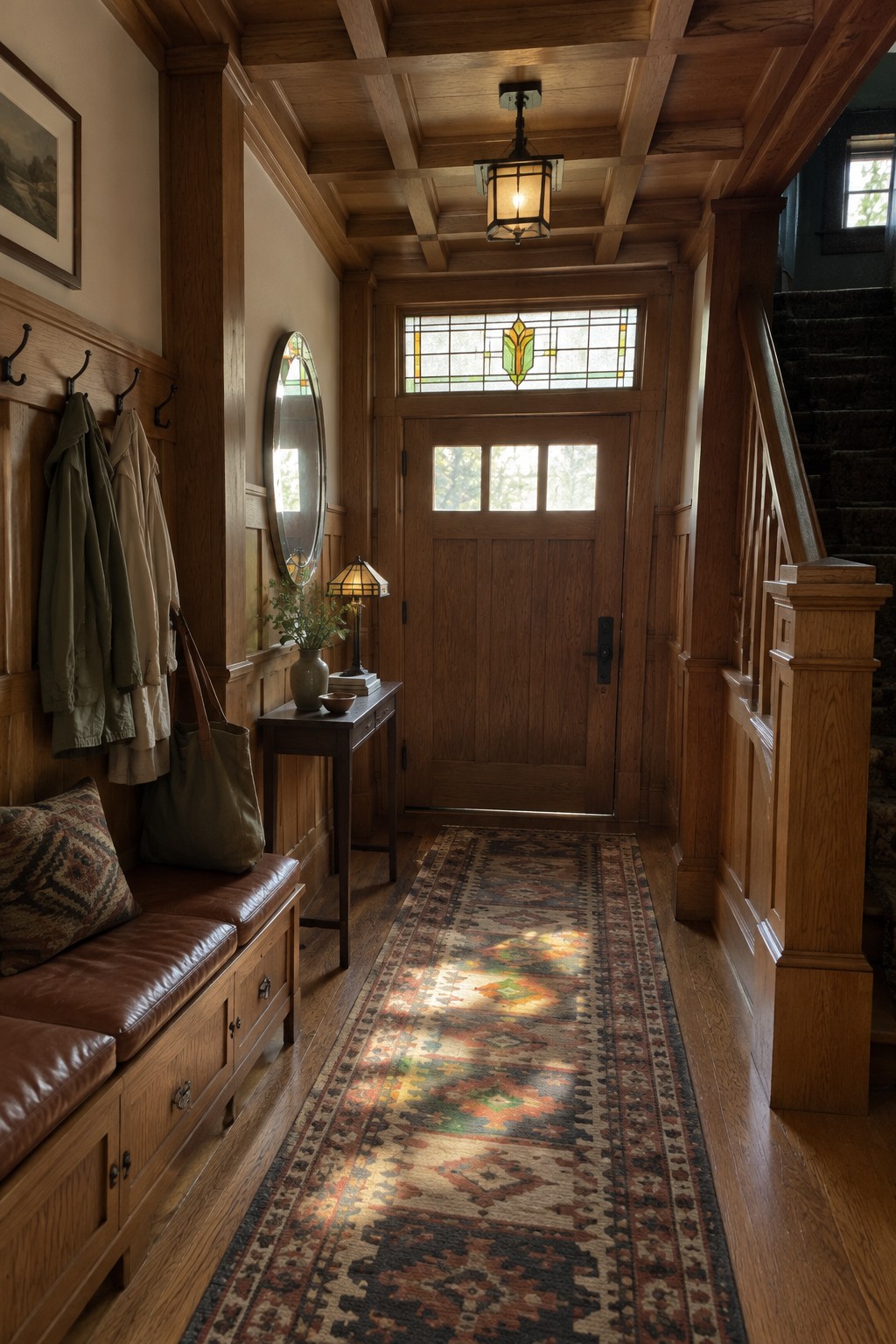
Coffered ceilings give an entryway instant structure and a finished look without crowding the floor. The wood tones add warmth the moment someone steps inside, which helps smaller or narrow spaces feel more settled.
This works best in homes that already lean traditional or craftsman. Keep the rest of the entry fairly simple so the ceiling stands out, and make sure the grid size fits the room scale. Too large a pattern can feel heavy in a tight foyer.
Wood Beams on Sloped Ceilings
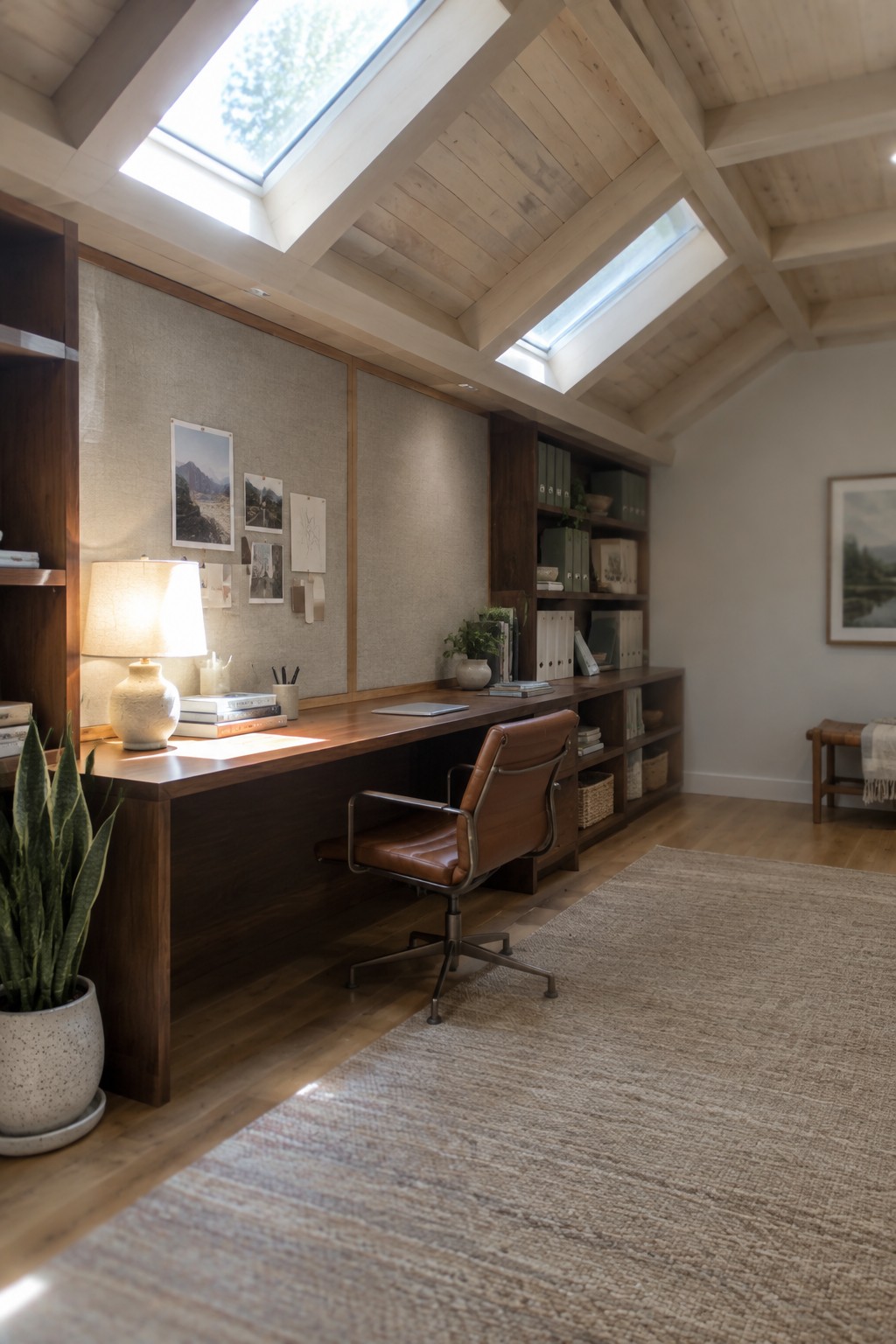
Wood beams and light paneling can turn a plain sloped ceiling into something that feels solid and warm. The beams break up the height without making the room feel heavy, and they work especially well when the ceiling runs long over a work area.
This approach suits attic offices or bonus rooms where you want the space to feel finished but not closed in. Keep the wood tone light if you need brightness, and let the beams run with the slope so the eye follows the shape of the room instead of fighting it.
Coffered Ceilings in Soft Blue
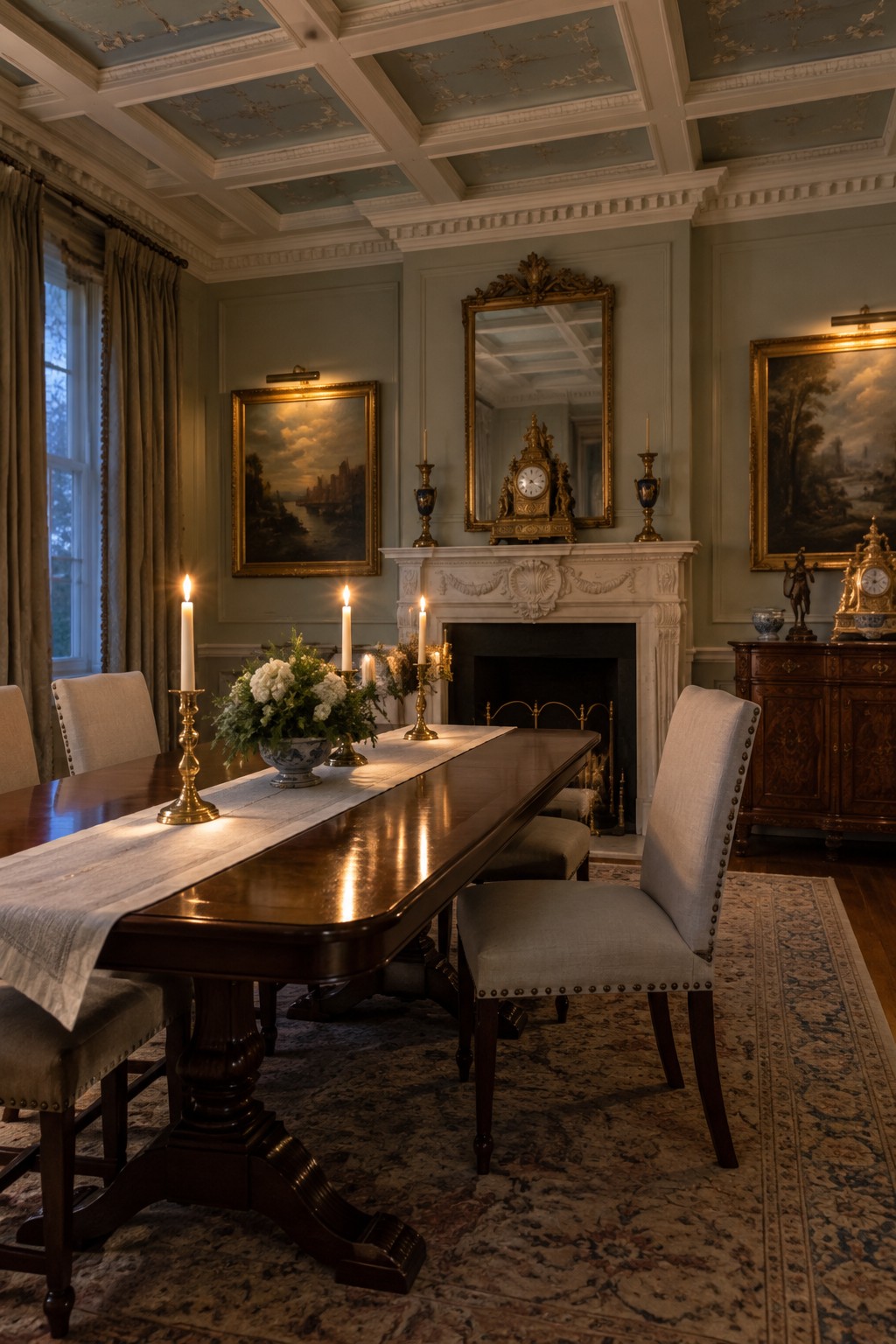
A coffered ceiling painted in a gentle blue adds quiet structure to a room without making it feel heavy. The white trim outlines each panel and gives the ceiling a clean, finished look that still feels approachable rather than formal.
This works best in dining rooms or living spaces where you want some architectural interest overhead but still need the room to feel livable. It suits homes with traditional details or older architecture, though it can feel out of place in very modern or casual settings.
Coffered Ceilings In Light Wood
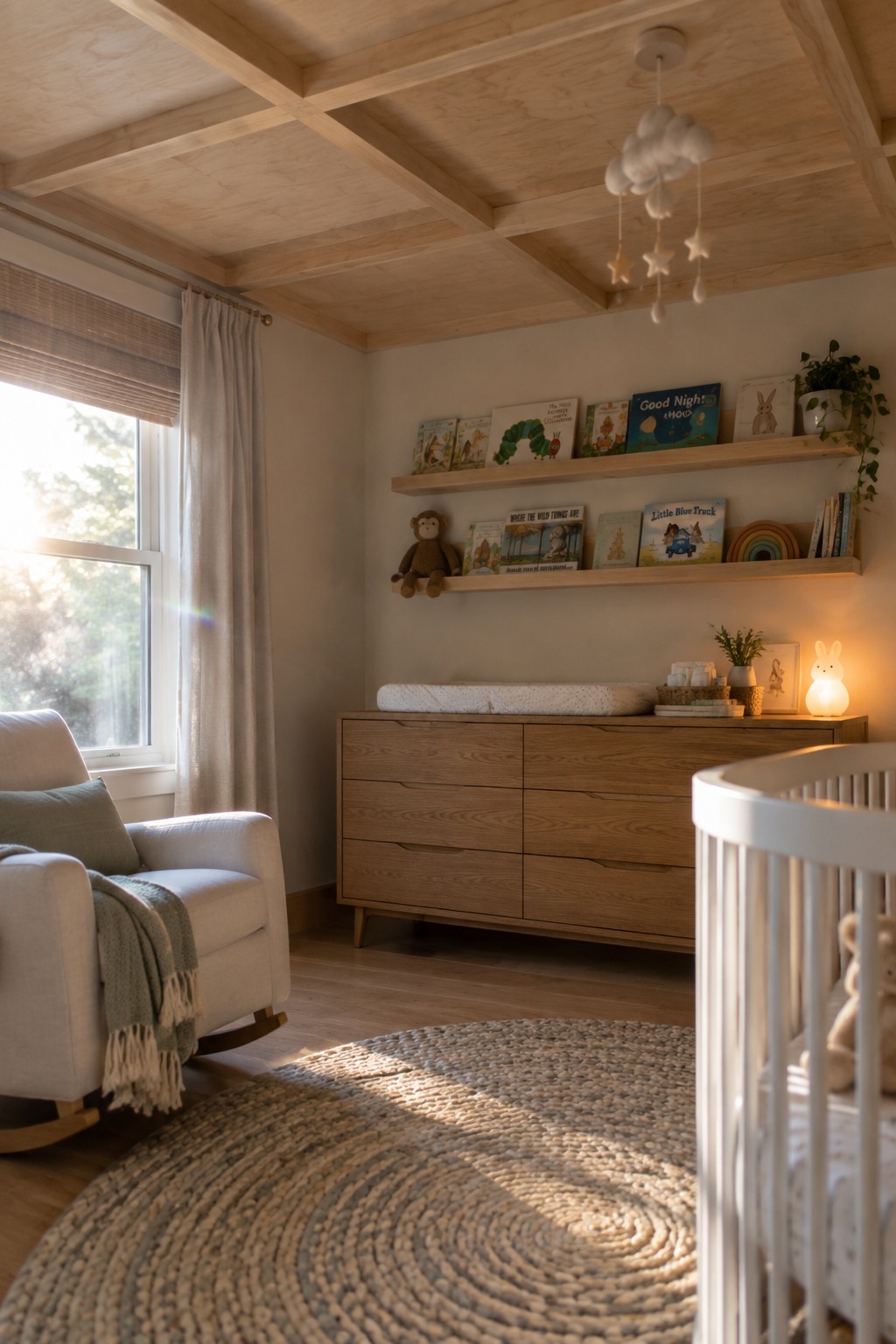
A coffered ceiling in pale wood gives a room shape without making it feel heavy. The grid of beams adds just enough structure overhead while the light tone keeps everything open and calm. It works especially well in spaces that get steady daylight, since the wood reflects rather than absorbs the brightness.
This approach suits rooms that need a bit of architectural weight but still want to stay soft and simple. It pairs best with pale walls and minimal trim so the ceiling stays the main detail. Avoid darker stains if the room is small or north-facing.
Coffered Wood Ceilings in Bathrooms
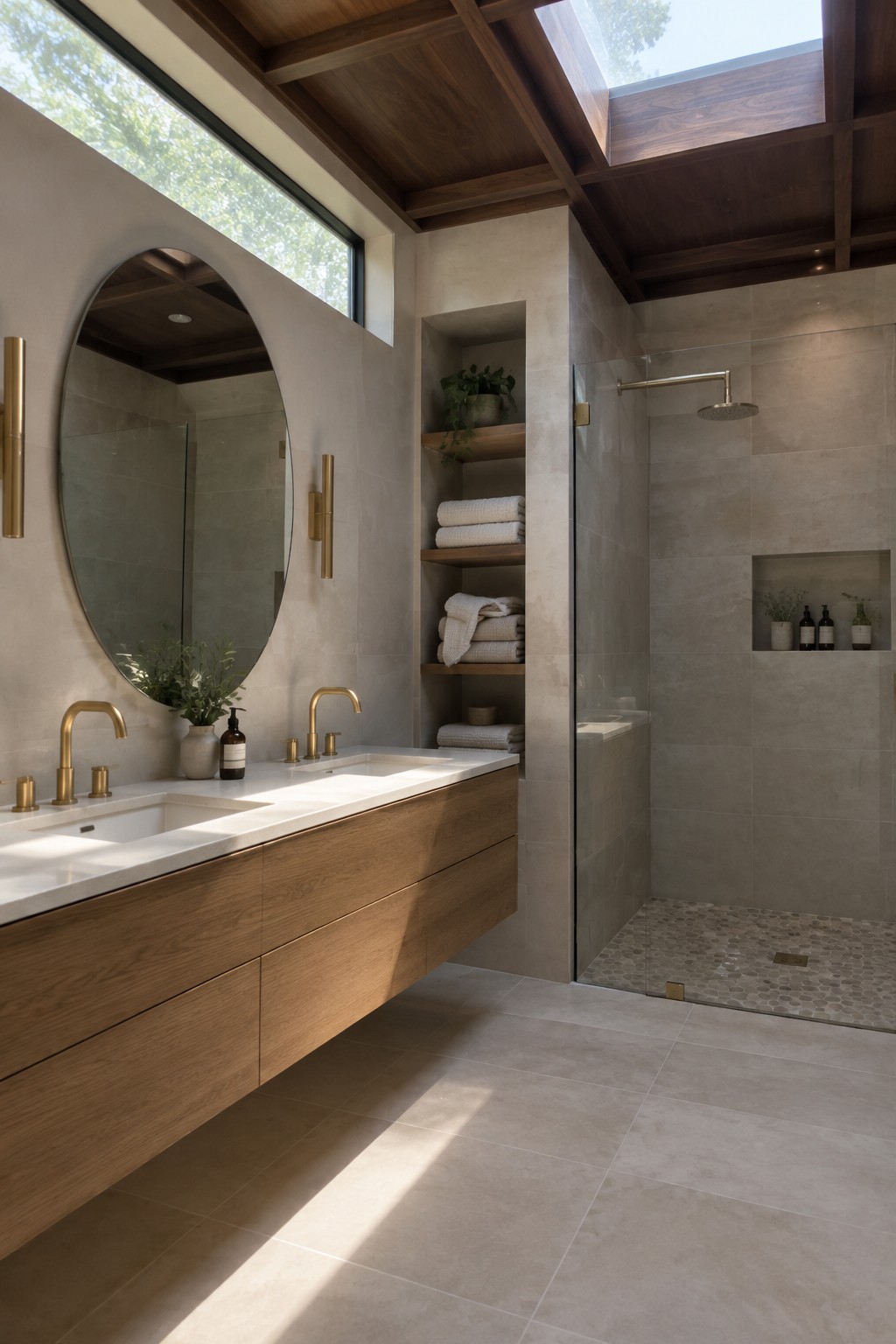
A coffered wood ceiling brings structure and warmth to a bathroom in a way that painted drywall rarely does. The grid pattern adds visual weight overhead, which helps balance the hard surfaces below like stone tile and counters.
This works best in rooms with enough height to show the depth of the beams. Pair the wood tone with similar finishes elsewhere so the ceiling feels like a natural extension rather than a separate feature.
Coffered Wood Ceilings Add Quiet Structure
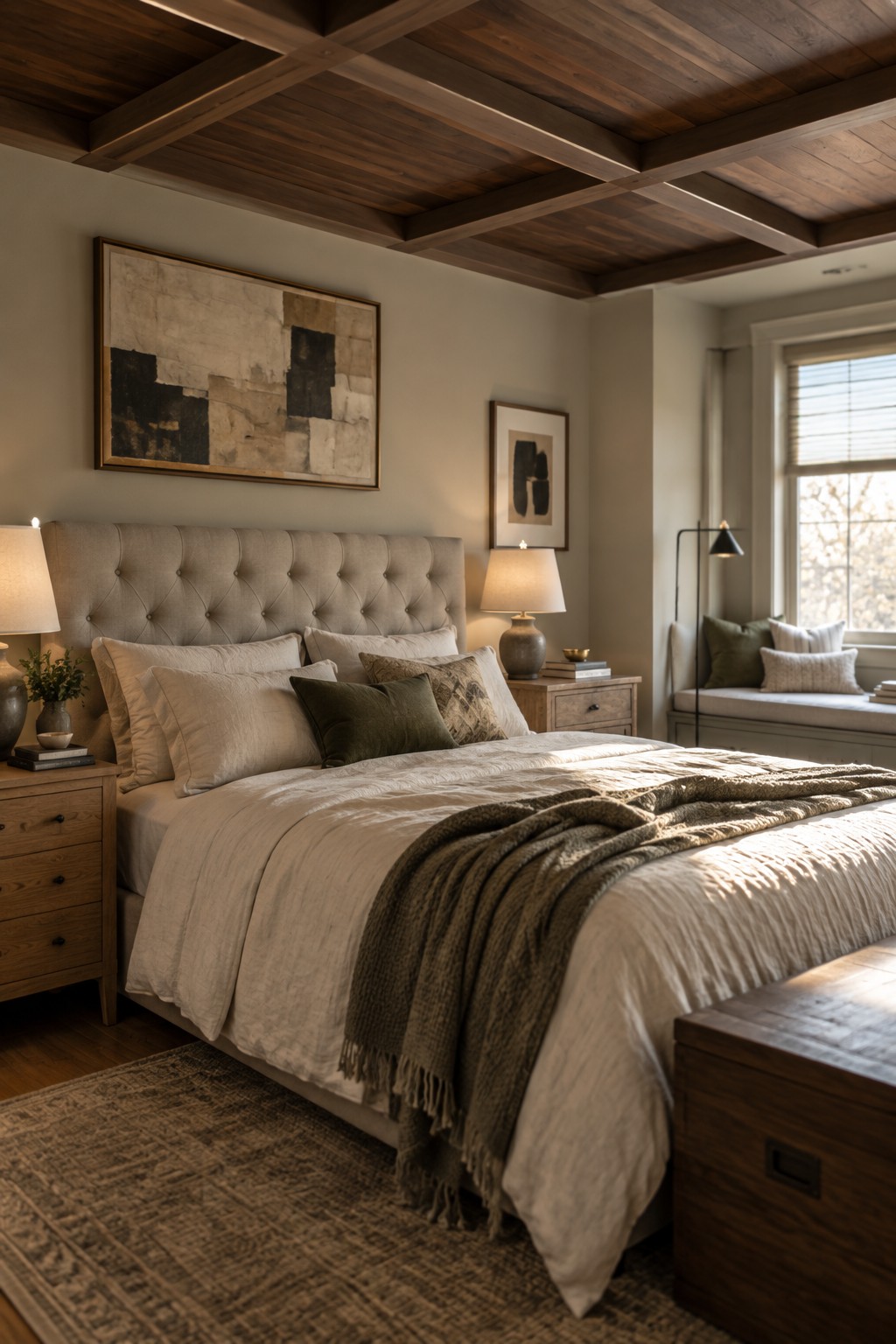
A coffered ceiling in dark wood gives a bedroom real presence without extra color or pattern. The beams break up the height overhead and keep the room from feeling flat, even when the walls and bedding stay simple and light.
This approach works best in spaces with decent ceiling height and a fairly neutral palette. It suits homes that already lean traditional or transitional, and it pairs well with plain furniture so the ceiling stays the main feature instead of competing with everything else.
Wood-Paneled Ceilings In The Kitchen
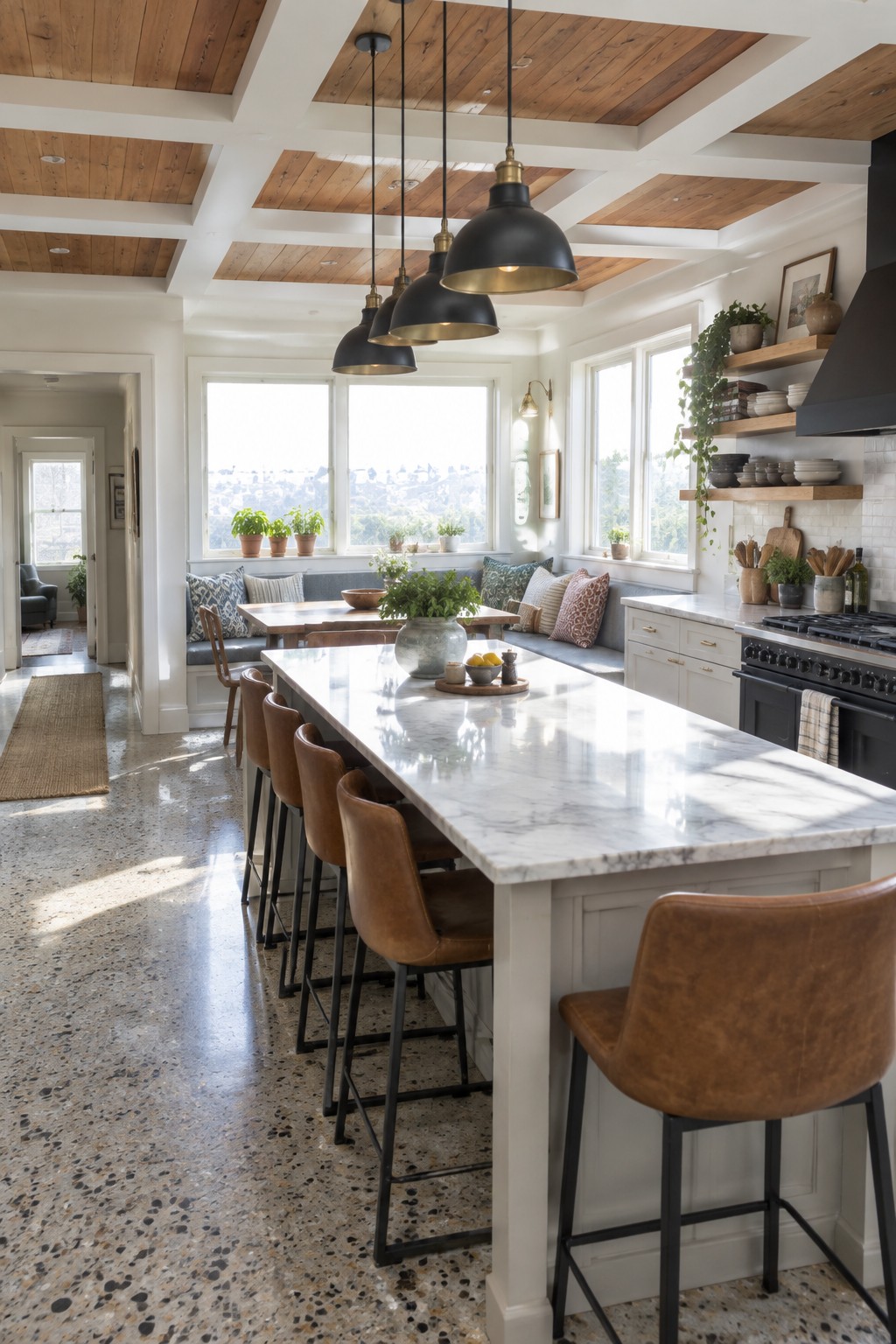
A wood ceiling can make a kitchen feel warmer without adding much clutter. The panels and beams bring in natural texture that works well against white walls and stone surfaces. It gives the room a bit of structure while still keeping the space open and bright.
This approach suits homes that already have some wood elsewhere, like floors or cabinet details. It works best when the ceiling height allows the panels to sit above the main activity areas without feeling low. Keep the finish simple so it does not compete with the rest of the room.
Coffered Ceilings In Utility Rooms
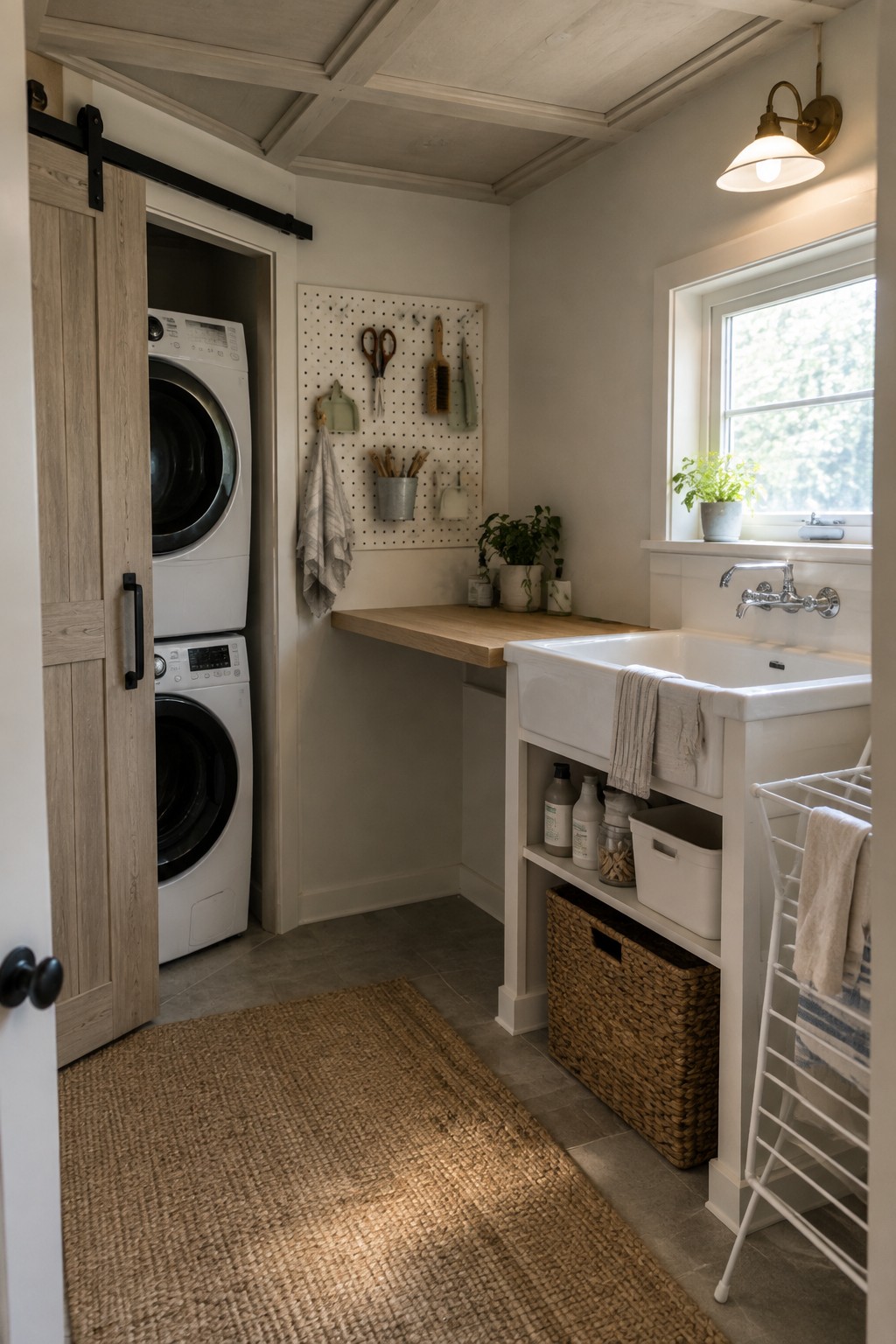
Coffered ceilings usually show up in dining rooms or entries, but they can bring the same quiet order to a laundry space. The grid of beams breaks up an otherwise plain ceiling and gives the room a finished look without adding much visual weight. Light paint on the wood keeps everything feeling open and simple.
This works best in homes that already use ceiling details elsewhere and want the look carried through every room. It suits smaller spaces especially well because the pattern draws the eye upward without crowding the walls. Stick to a straightforward grid and match the finish to the trim so the ceiling supports the room instead of competing with it.
White Wood Paneling on the Ceiling
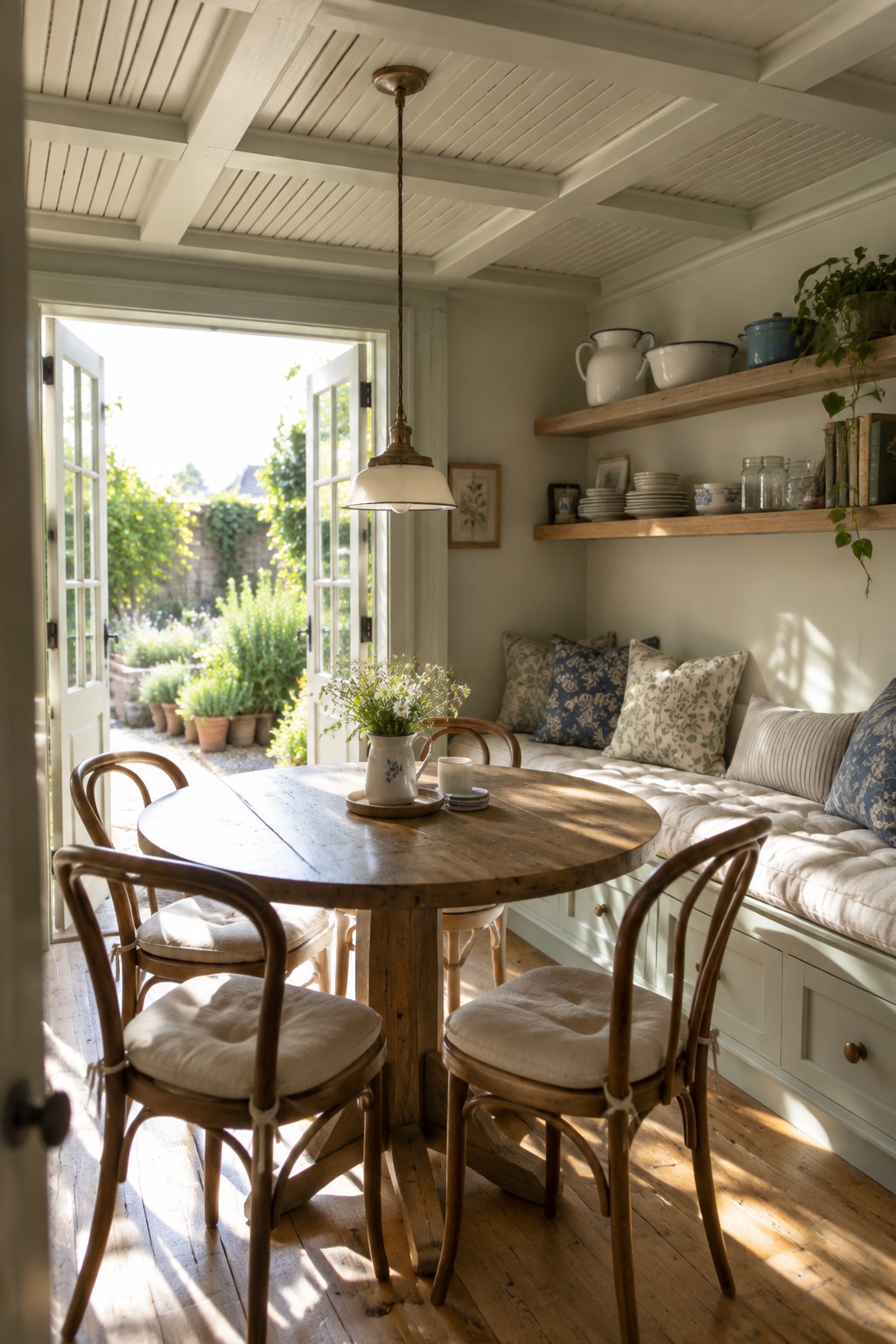
A white wood-paneled ceiling can make a room feel noticeably brighter without any extra fixtures or paint on the walls. The clean lines and soft texture bounce light around, which helps smaller spaces or rooms with limited windows feel more open during the day.
This works best in homes that already have good natural light, like dining areas near garden doors. Keep the paneling simple and avoid too many layers of trim, or the ceiling can start to feel busy instead of calm. Pair it with light walls and wood furniture so the whole room stays balanced.
Wood-Paneled Coffered Ceilings In Home Offices
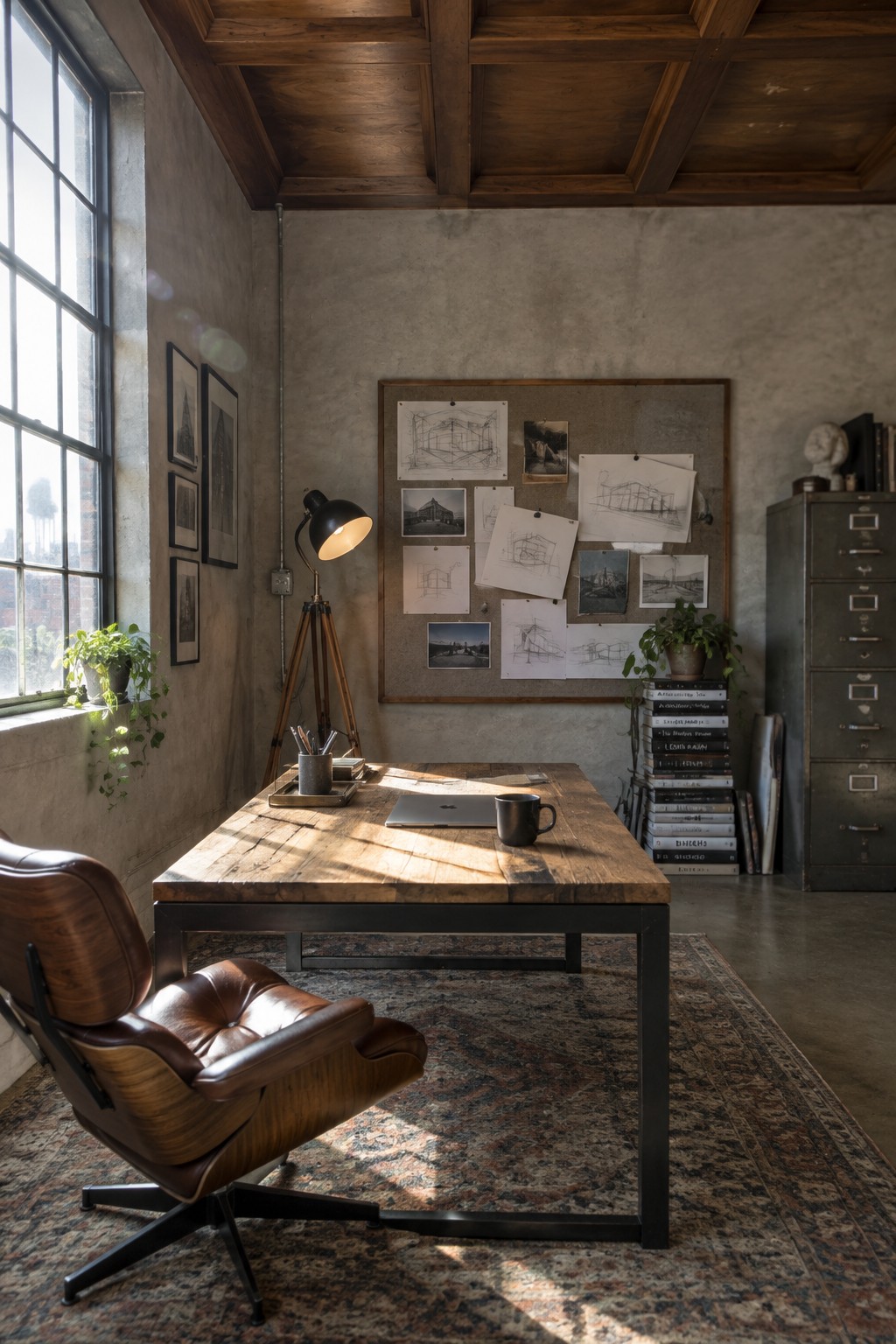
A wood-paneled coffered ceiling adds structure and warmth to a room that might otherwise feel too stark. In spaces with concrete walls and industrial details, the dark wood grid overhead creates a sense of enclosure without closing the room in.
This works best in home offices or studies where you want architectural interest that still feels practical. Keep the rest of the room simple so the ceiling can carry the weight, and make sure the ceiling height can handle the depth of the coffers.
Wood Ceilings That Add Warmth
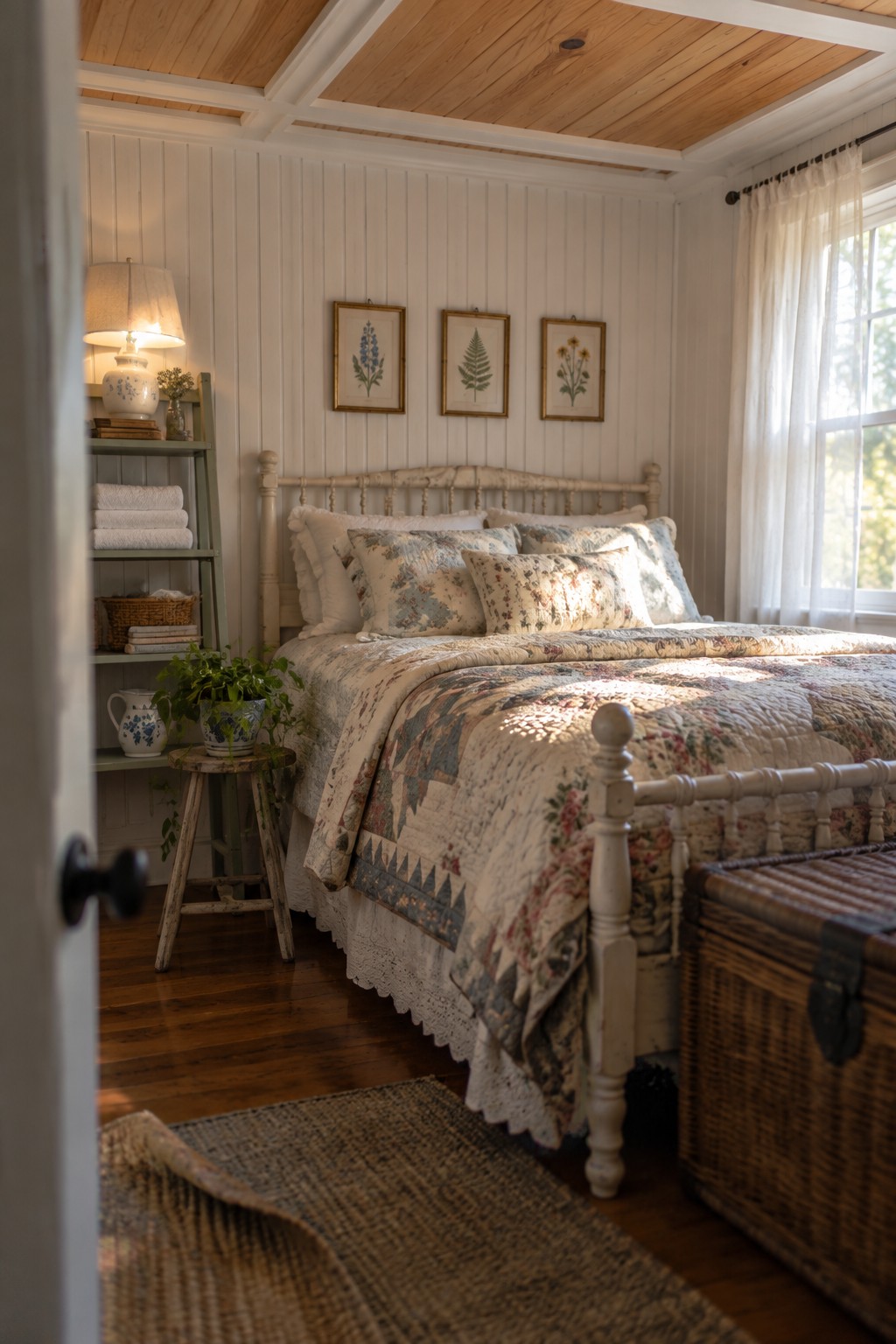
Many people treat the ceiling as an afterthought, but putting wood up there can shift how a whole room feels. The natural tone stands out against white walls and keeps things from feeling too stark or flat.
This works best in bedrooms or smaller spaces where you want a bit of texture without crowding the walls. It suits homes that already lean cottage or traditional, and it pairs well with simple bedding and light curtains so the ceiling stays the main feature.
Wood Ceilings With Skylights
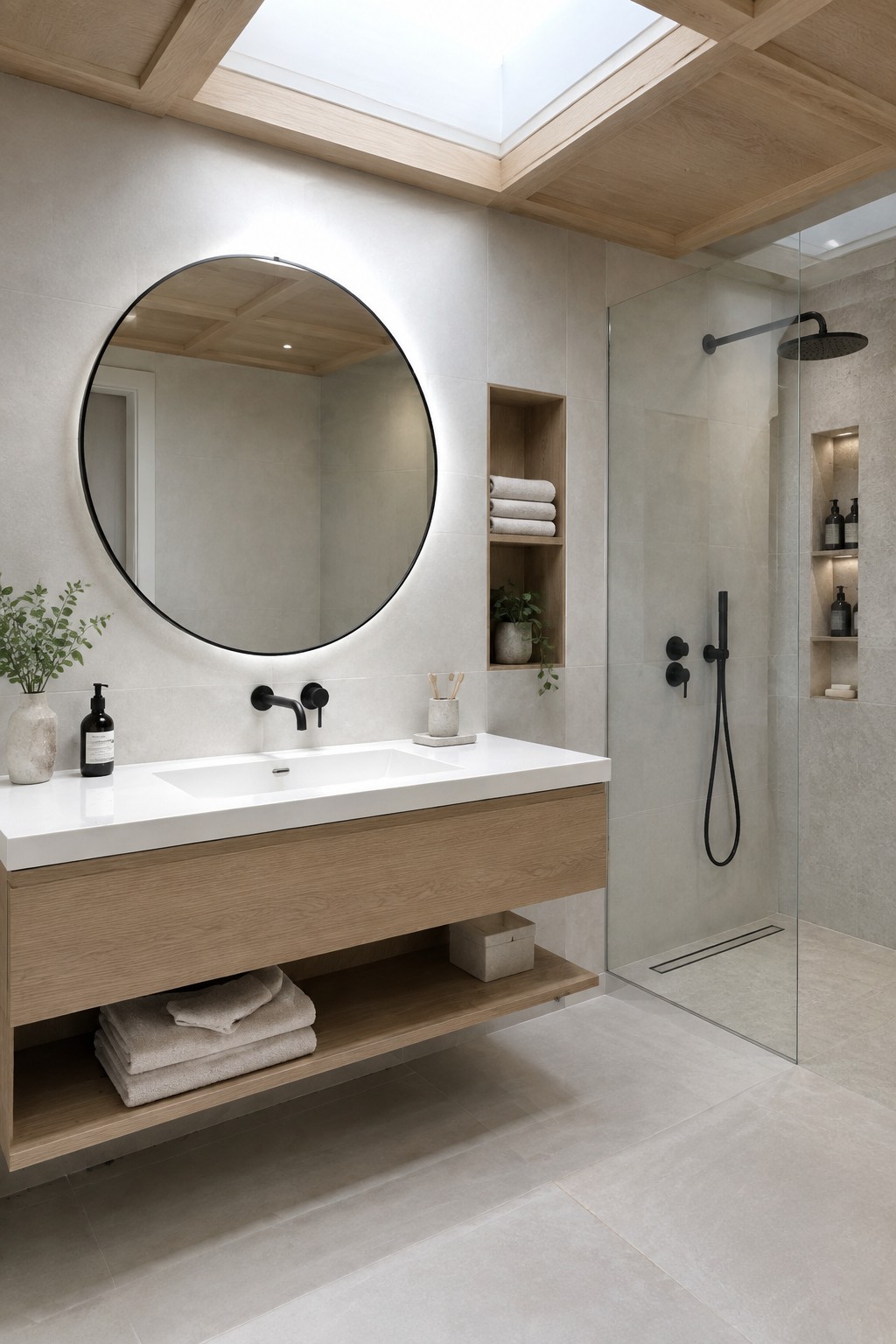
A wood paneled ceiling can change how a bathroom feels, especially when it includes a skylight. The wood adds warmth that plain drywall never quite manages, while the opening overhead brings in natural light that keeps the space from feeling closed in. This combination works particularly well in rooms that already use light tones on the walls and floor.
It suits homes that lean modern or transitional, where the ceiling can act as a quiet focal point without competing with other details. Keep the wood finish simple and light so it does not darken the room too much. Make sure the skylight is properly sealed and consider adding a shade if direct sun becomes an issue during certain hours.
Wood-Paneled Ceilings That Add Warmth To Bright Rooms
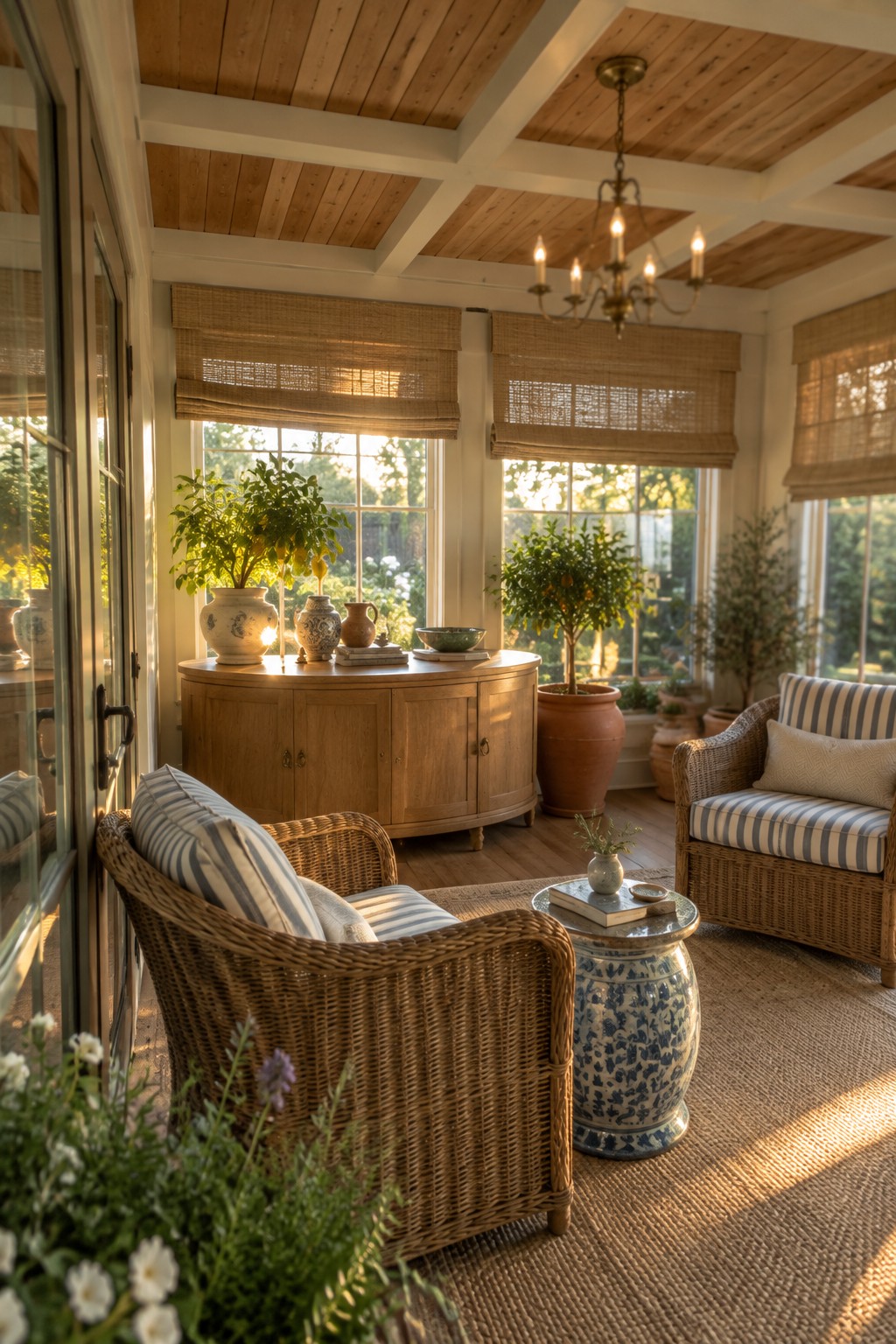
A wood ceiling with coffered panels and exposed beams gives a light-filled room something solid to rest against. The natural tones keep all the windows and pale walls from feeling too open or empty.
This approach suits sunrooms, breakfast areas, or any space that gets strong daylight most of the day. Keep the rest of the room simple so the ceiling does the main work.
Coffered Ceilings in Bathrooms
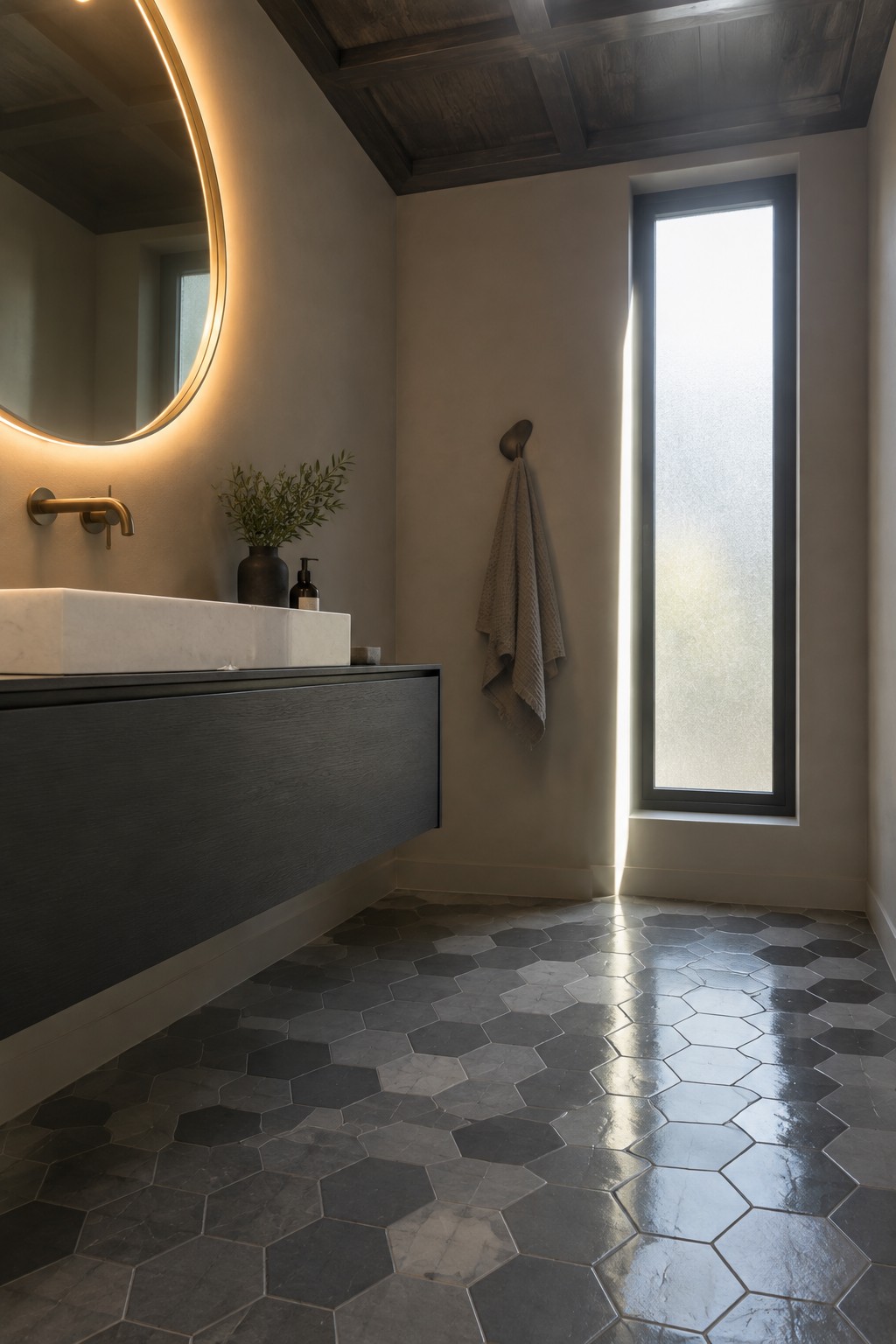
Coffered ceilings bring real structure to a bathroom, especially when the rest of the room stays simple. The wood panels add warmth and break up what can otherwise feel like a flat, utilitarian space.
This works best in bathrooms with decent ceiling height and homes that already use wood elsewhere. Keep the walls and floors quiet so the ceiling can do the work without competing.
Coffered Ceilings In Wood Paneled Rooms
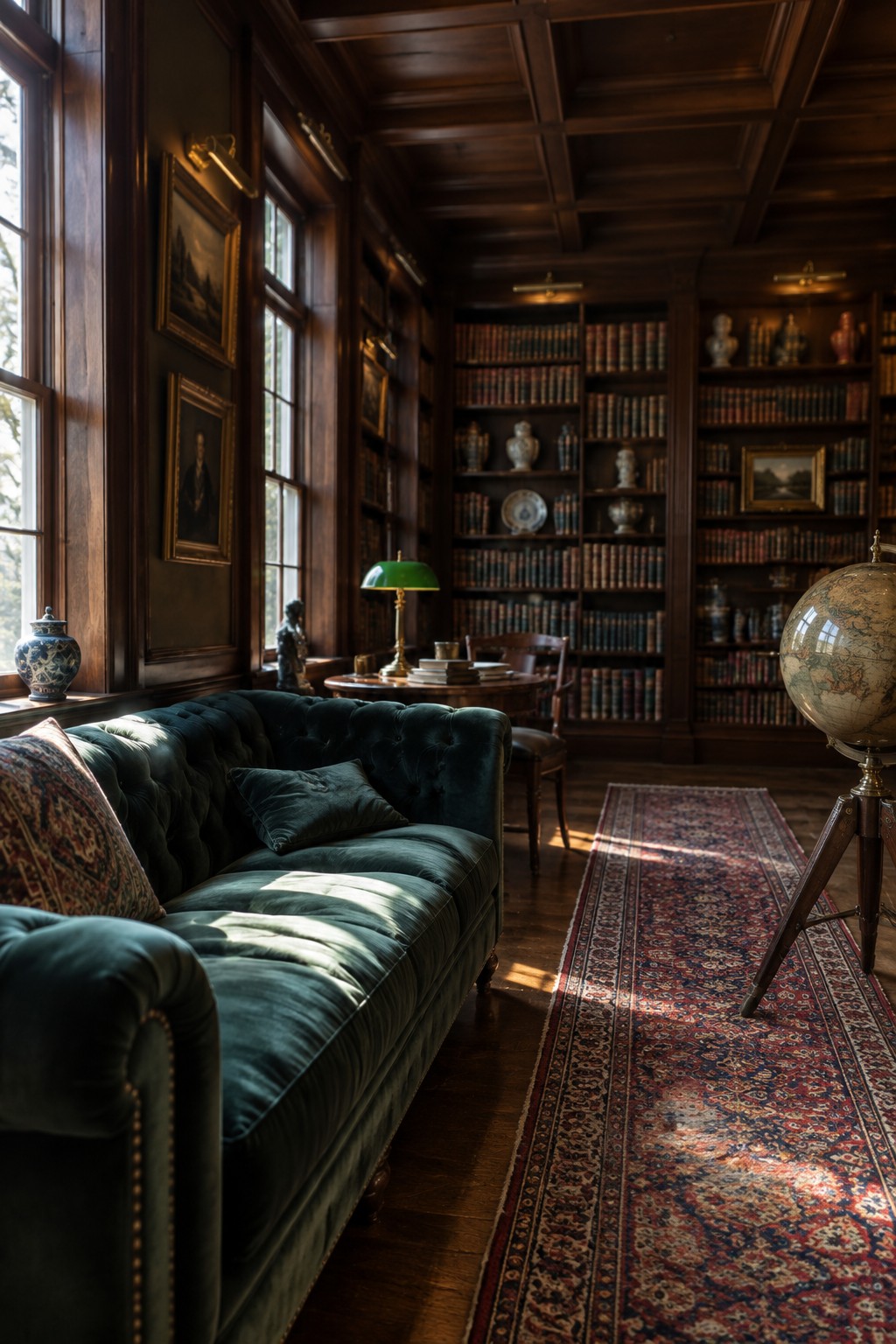
A coffered ceiling like this one brings real structure to a room that already has plenty of wood. The grid pattern breaks up the height and keeps the space from feeling like one long tunnel of dark paneling.
It works best in rooms meant for sitting and staying awhile, such as libraries or studies. Pair it with built in shelves and simple furniture so the ceiling remains the main feature instead of competing with too many other details.
White Coffered Ceilings Keep Small Rooms Feeling Open
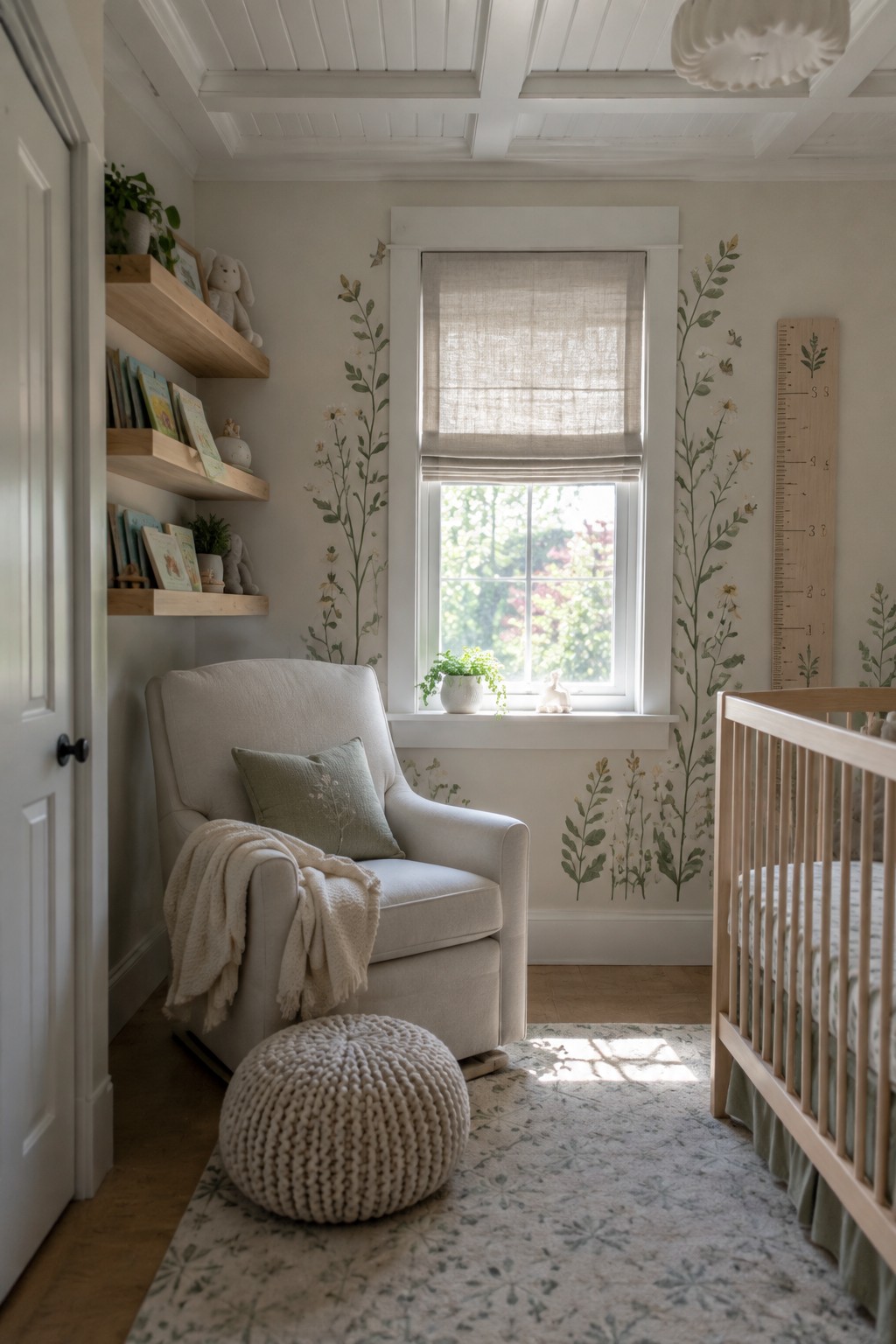
A white coffered ceiling adds quiet structure to a room without weighing it down. The painted wood grid catches light from the window and helps the ceiling feel higher, which is useful in compact spaces that need to stay calm and uncluttered.
This works well in nurseries or bedrooms where you want a bit of classic detail but still need the room to feel bright all day. Stick with a clean white finish rather than staining the wood dark, and keep the rest of the trim simple so the ceiling does the work.
Light Wood Ceilings In Kitchens
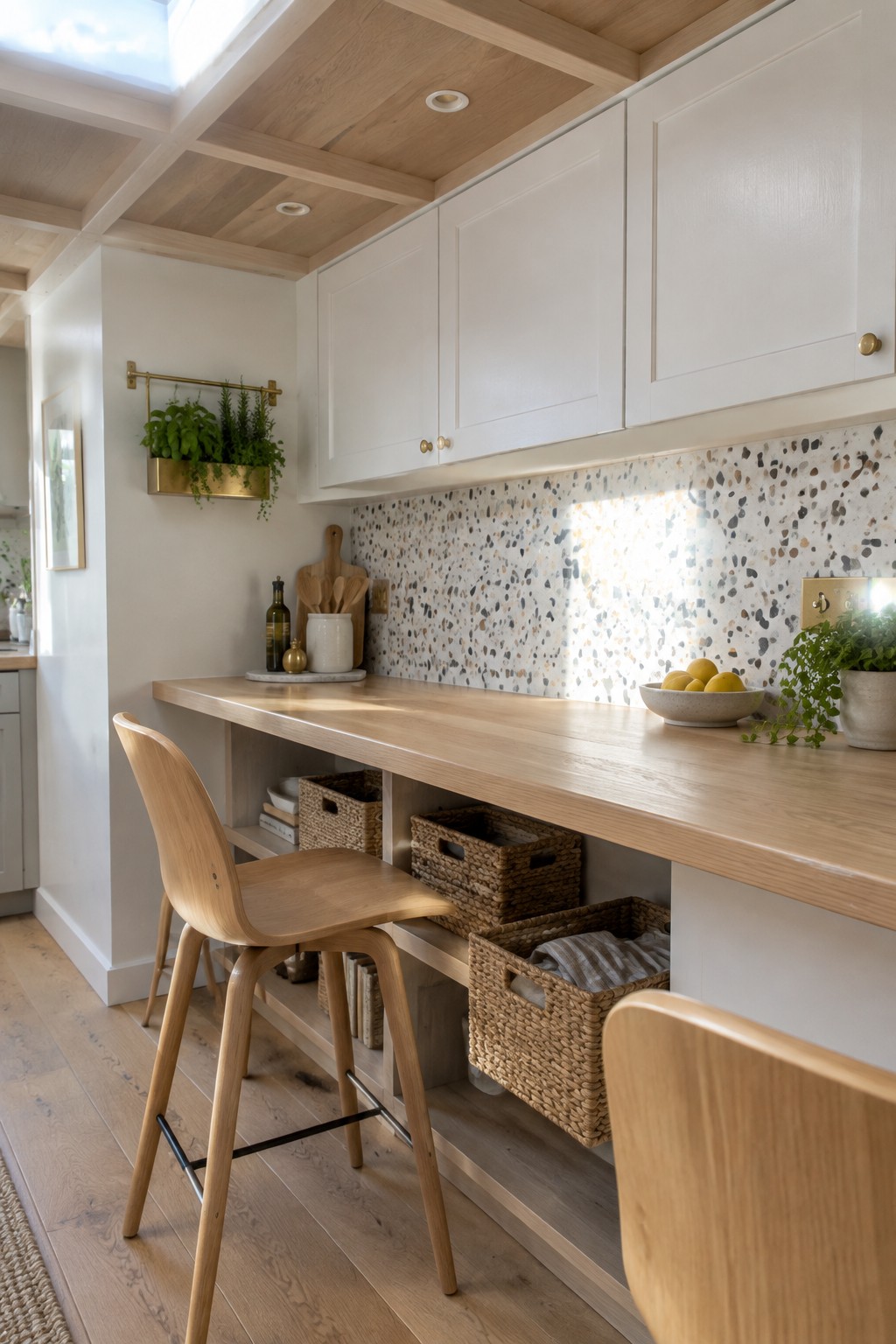
Many kitchens default to white ceilings, but switching to light wood adds a layer of warmth and subtle texture that still feels clean. The grain stays visible without overpowering the space, especially when the wood tone stays pale and the walls and cabinets remain simple.
This approach works best in rooms with decent natural light or a skylight to keep the wood from feeling heavy. It suits homes that want a touch of natural material without moving into rustic territory. Keep the rest of the finishes light so the ceiling reads as a quiet accent rather than the main event.
Coffered Wood Ceilings In Bathrooms
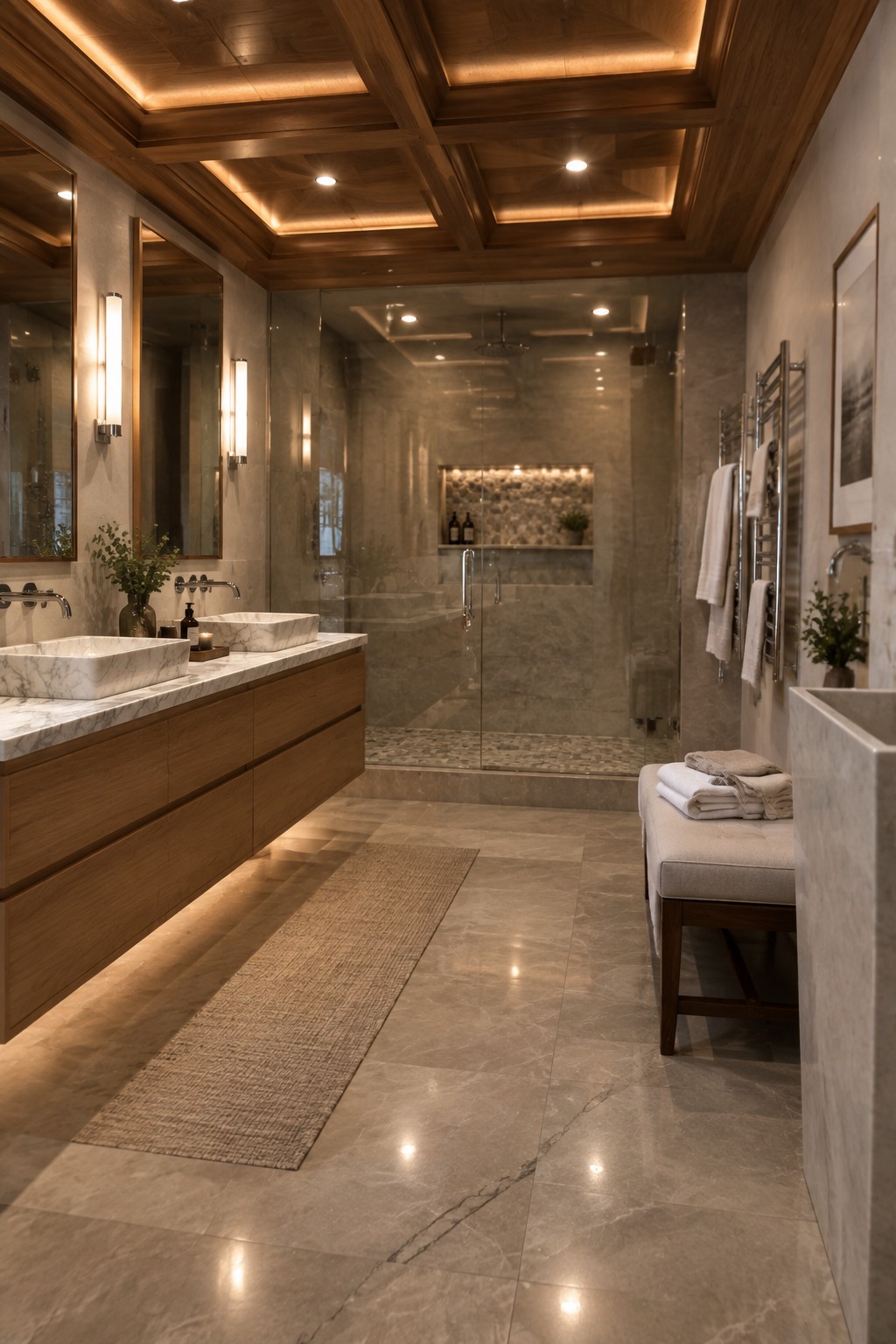
A coffered wood ceiling gives a bathroom more structure and warmth than a flat ceiling ever could. The recessed panels and soft lighting create depth while keeping the room from feeling too cold or clinical, especially when the rest of the space uses stone and glass.
This approach works best in rooms with decent height and square proportions. Keep the walls and floor relatively simple so the ceiling can carry the visual weight without competing with too many other materials.
Dark Wood Coffered Ceilings
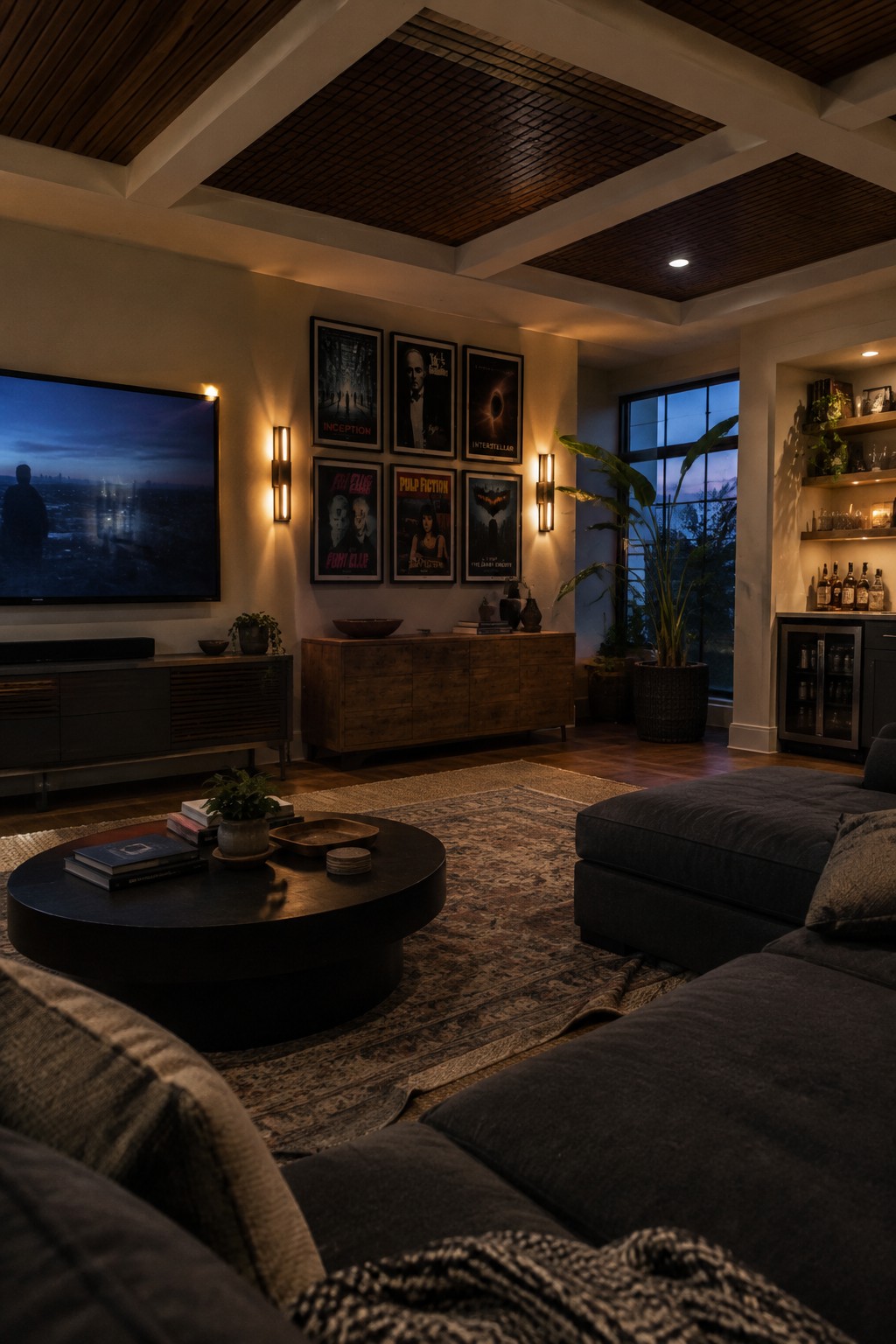
A dark wood coffered ceiling gives a living room real structure and warmth at the same time. The grid of beams and panels adds depth overhead without needing a lot of extra trim or decoration on the walls.
This approach works best in rooms that already have decent height and a fairly open layout. Keep the furniture and walls simpler so the ceiling stays the main feature instead of competing with everything else.
Wood Ceilings That Warm Up Neutral Rooms
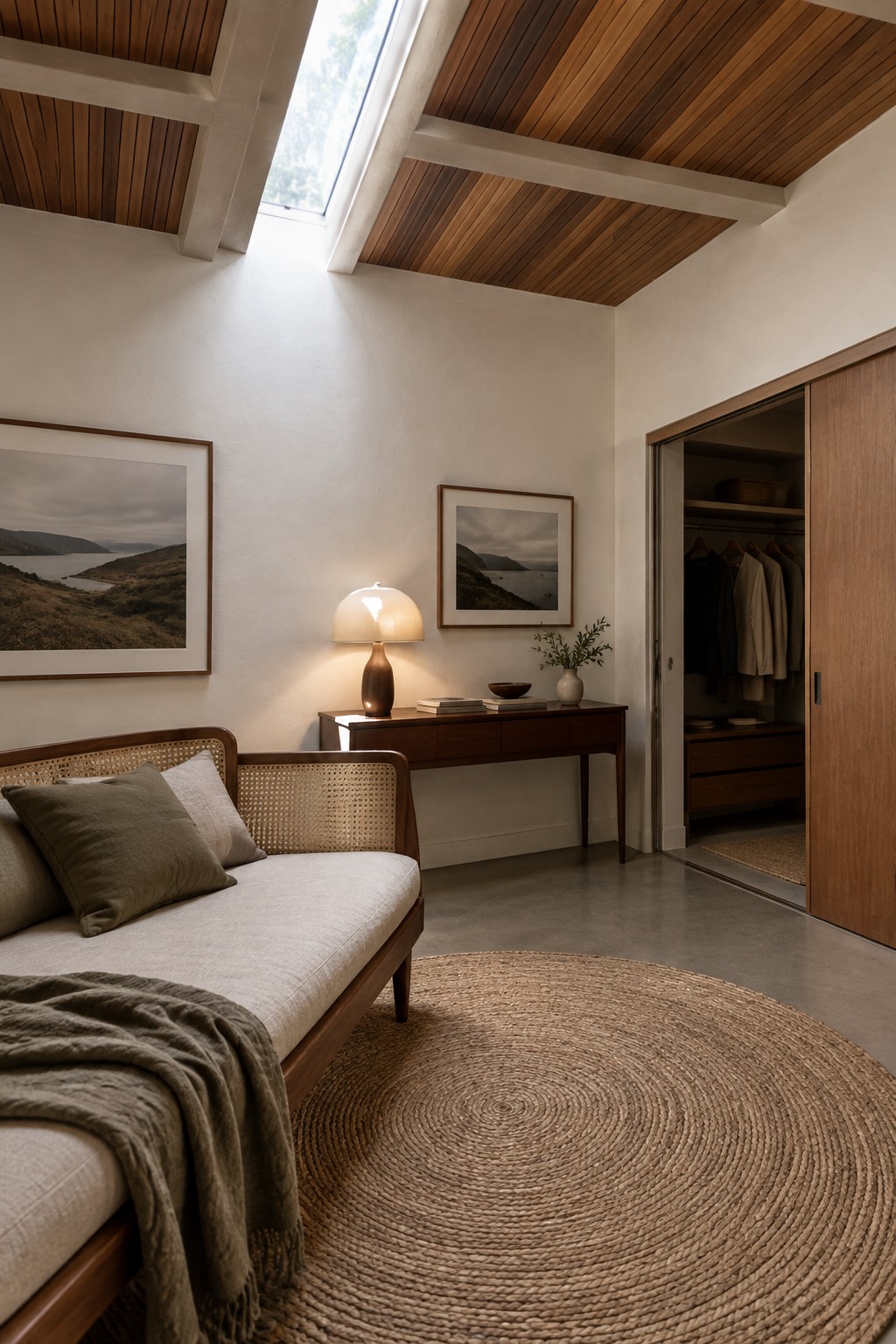
Wood ceilings stand out in rooms that keep everything else simple and light. The natural grain and warm tone give the space structure without needing bold colors or heavy furniture to make it feel finished.
This works best in bedrooms or sitting areas with decent ceiling height and some natural light from above. Pair it with pale walls and low-key furnishings so the ceiling does the work instead of competing with everything else in the room.
Frequently Asked Questions
Q: How do you install coffered ceilings over an existing flat one?
A: Start by marking out your grid on the ceiling and attaching wood beams or molding directly to it. This creates the recessed panels without tearing anything down. Measure twice so the proportions look balanced in the room.
Q: Will wood paneling on the ceiling make the space feel darker?
A: Pick lighter stains or paint the wood white to bounce light around the room. Darker tones work if you add plenty of windows or bright fixtures nearby. Test a small section first to see how your lighting hits it.
Q: Do these designs work in smaller rooms or just big open spaces?
A: Scale the beams narrower and keep the grid simple so the ceiling does not crowd the walls. Many people add them to bedrooms this way and the room still feels open. Focus on one main feature like a central panel to avoid clutter.
