

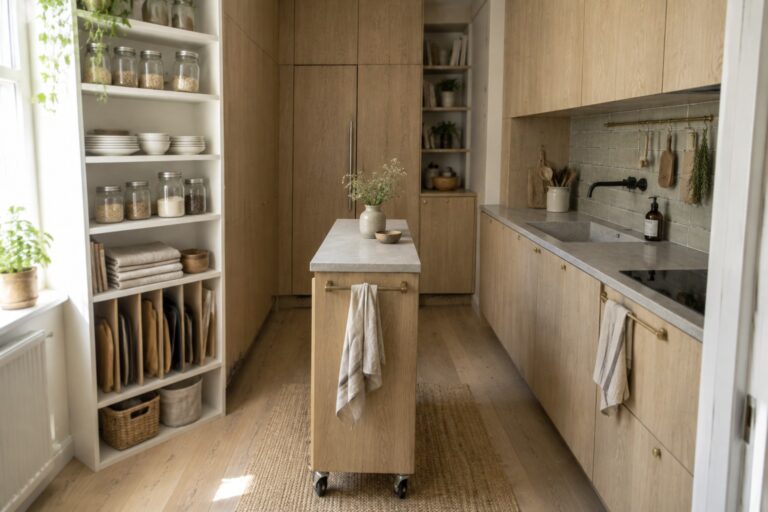
In a small kitchen the walls tend to decide how well the room actually works once you start cooking more than one meal a day.
I keep coming back to the same point that most of the clutter builds up because nothing has a place above eye level.
Vertical storage shifts the whole feel without touching the footprint or the cabinets already in place.
The changes that matter most are the ones that keep daily tools within reach while clearing the surfaces you need for prep.
I usually test a single rack or rail first to see if the space opens up before committing to anything larger.
Tall Open Shelving Maximizes Storage in Small Kitchens
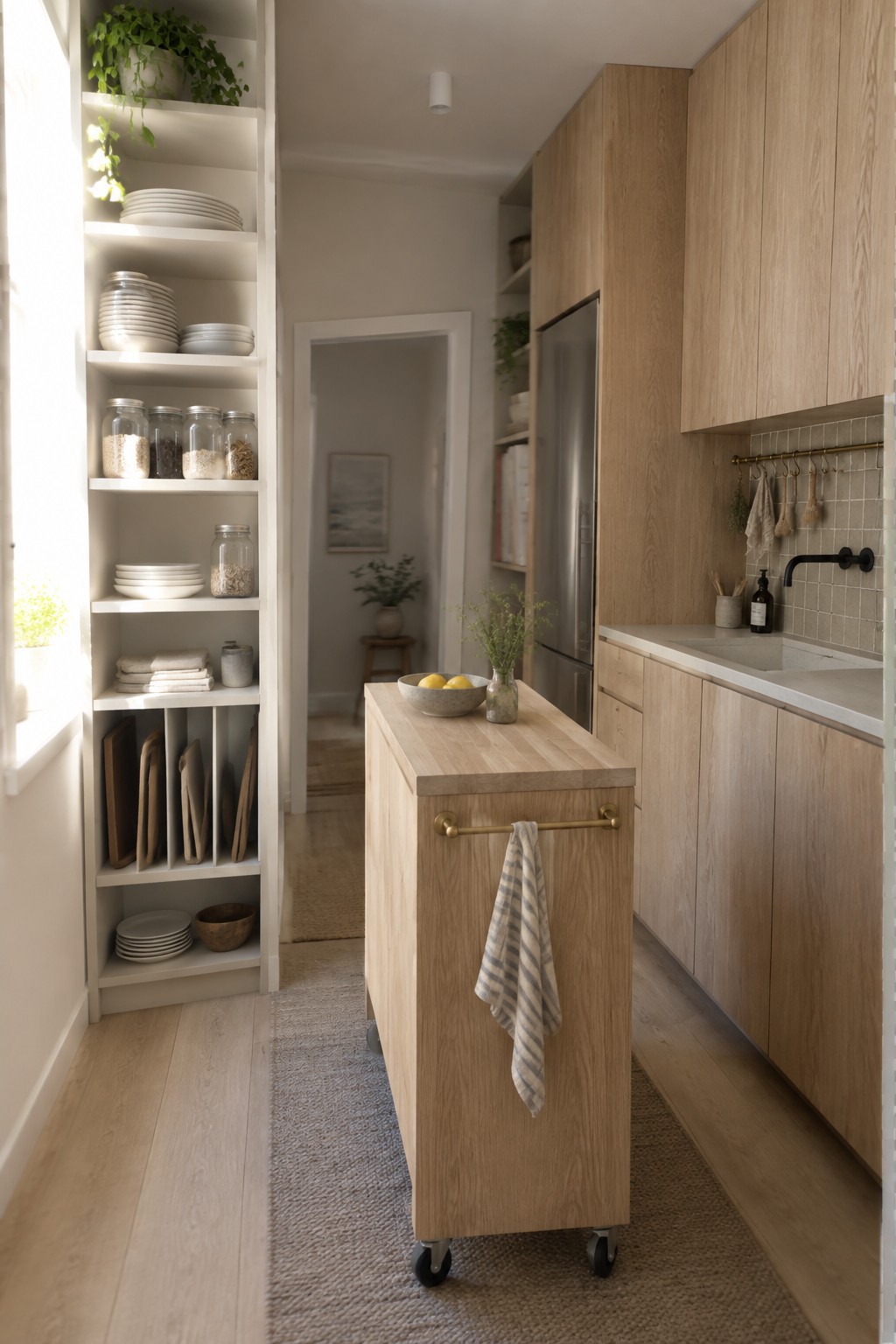
Going vertical with open shelving is one of the simplest ways to add real storage in a small kitchen without crowding the floor. A tall unit like this one holds dishes, pantry jars, towels, and cutting boards while keeping everything easy to reach and in view.
This works best in narrow kitchens or galley layouts where wall space is available but floor space is not. Keep the shelves organized and avoid overfilling them so the area stays functional instead of feeling messy.
Hang Pots And Pans On A Pegboard Wall
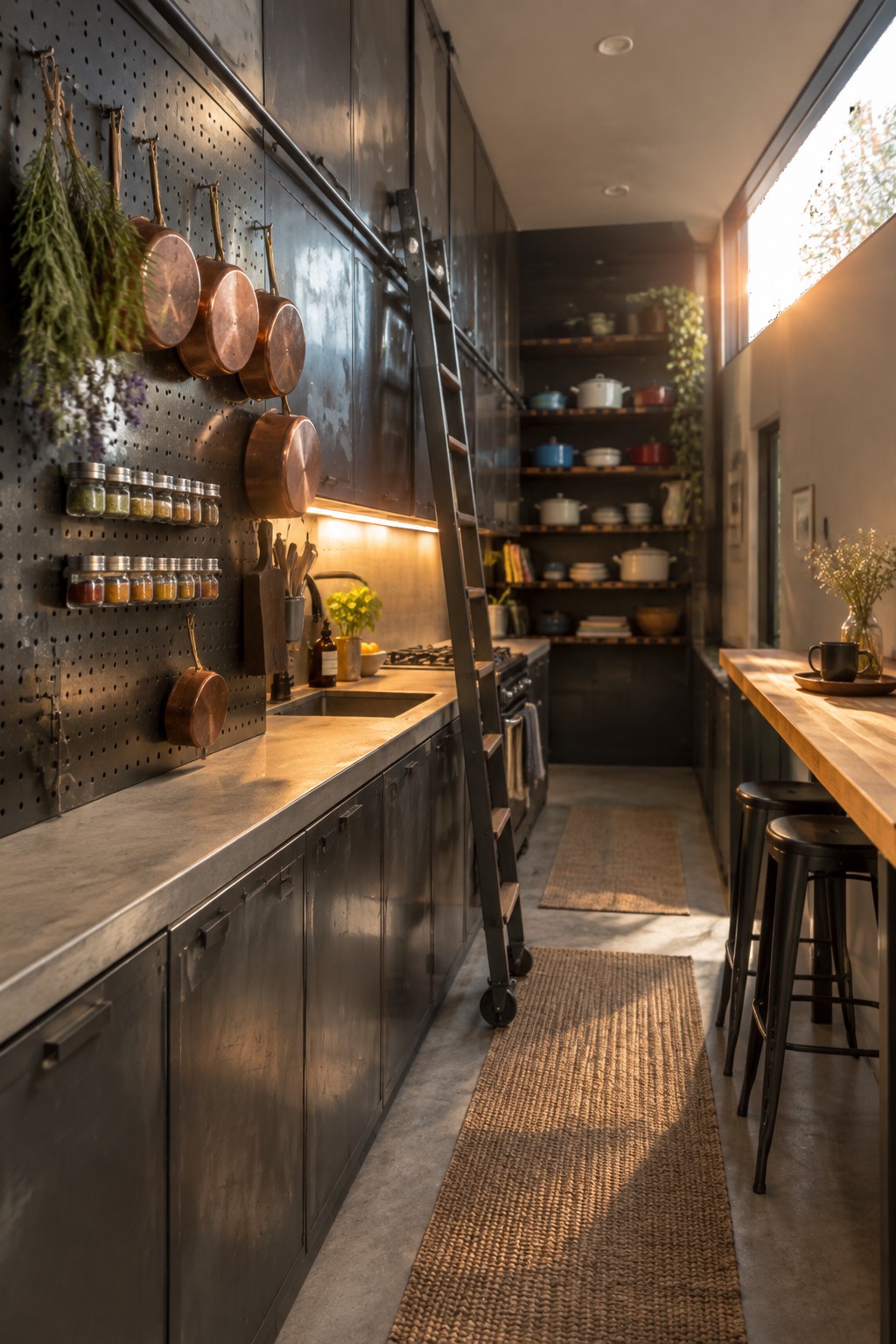
A pegboard wall turns empty vertical space into useful storage for pots, pans, and small jars. It keeps everyday items off the counter and within easy reach, which helps a narrow kitchen feel less cramped and more practical.
This idea works best in small homes or apartments where cabinet space runs out fast. Mount the board on a free wall near the stove, use sturdy hooks, and hang only what you reach for often. Check the weight limit on the board so it stays secure over time.
Tall Cabinets Stretch Storage In A Small Kitchen
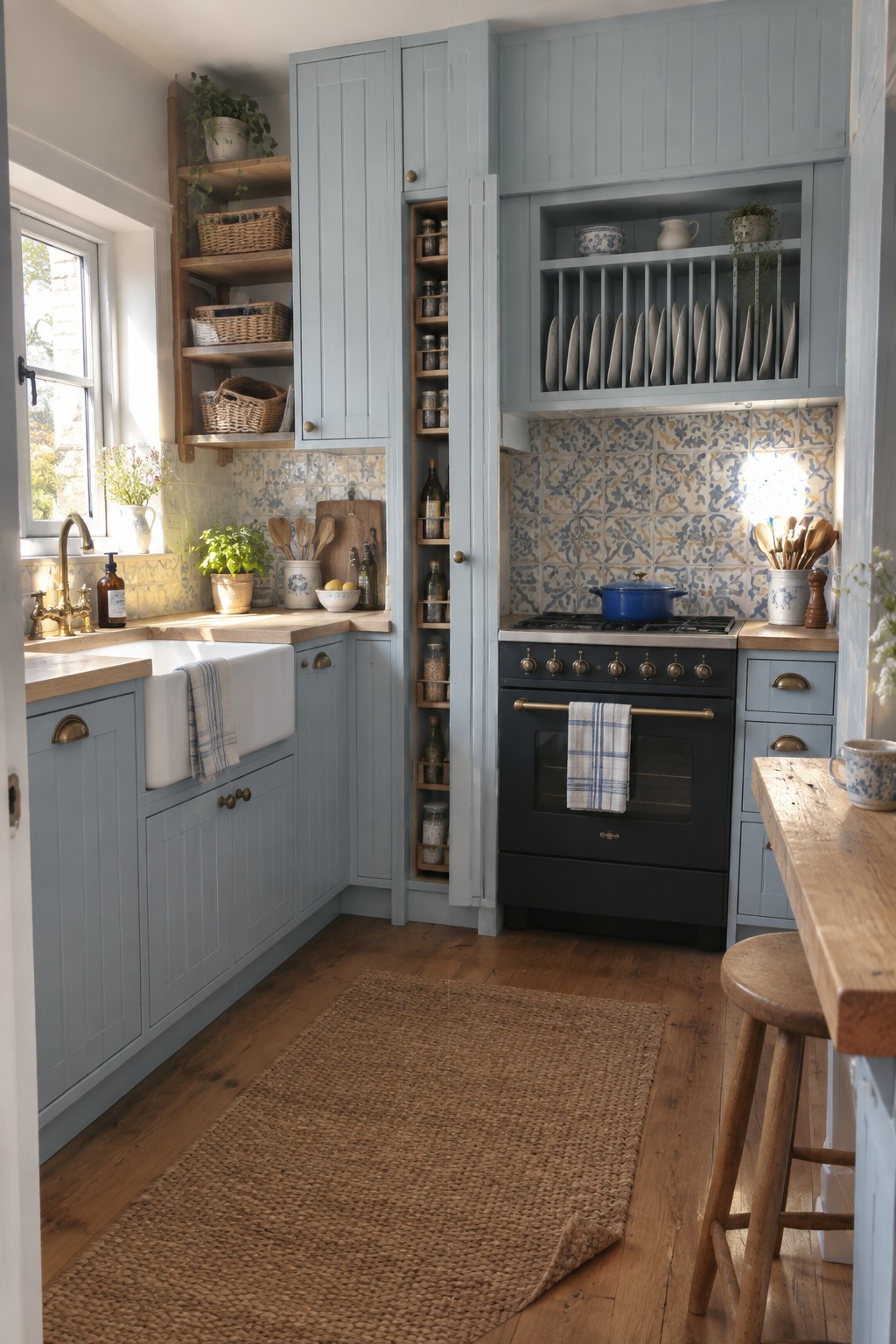
One simple way to gain more room in a tight kitchen is to build storage upward. Tall cabinets that reach near the ceiling hold everyday dishes, dry goods, and small appliances while leaving counters clear for cooking.
This works especially well in older homes or narrow layouts where floor space is fixed. Mix a few open shelves near the top for items used often, but keep the rest closed so the walls do not feel crowded.
Use Tall Cabinets To Add Storage
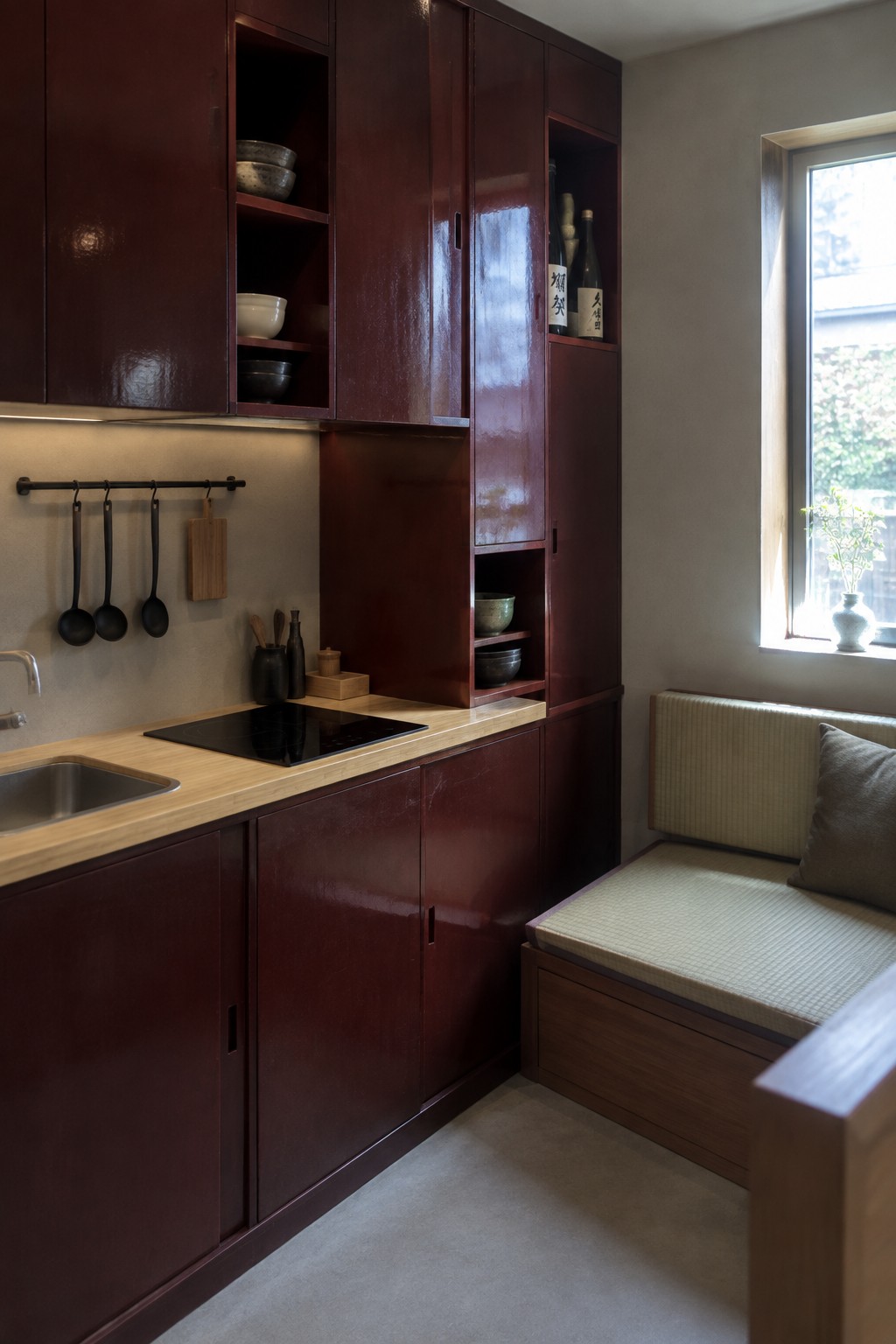
In a small kitchen, tall cabinets that run all the way to the ceiling give you room for the things that usually clutter the counters or lower shelves. The deep red finish here helps the units blend into one tall block, so the space feels less chopped up and more useful overall.
This works best in narrow rooms or apartments where floor space is tight. Mix closed doors on the bottom with a couple of open spots higher up for bowls or bottles you reach for often, and keep everyday items on the lower shelves so you do not need a stool every time.
Add Tall Open Shelving For More Storage
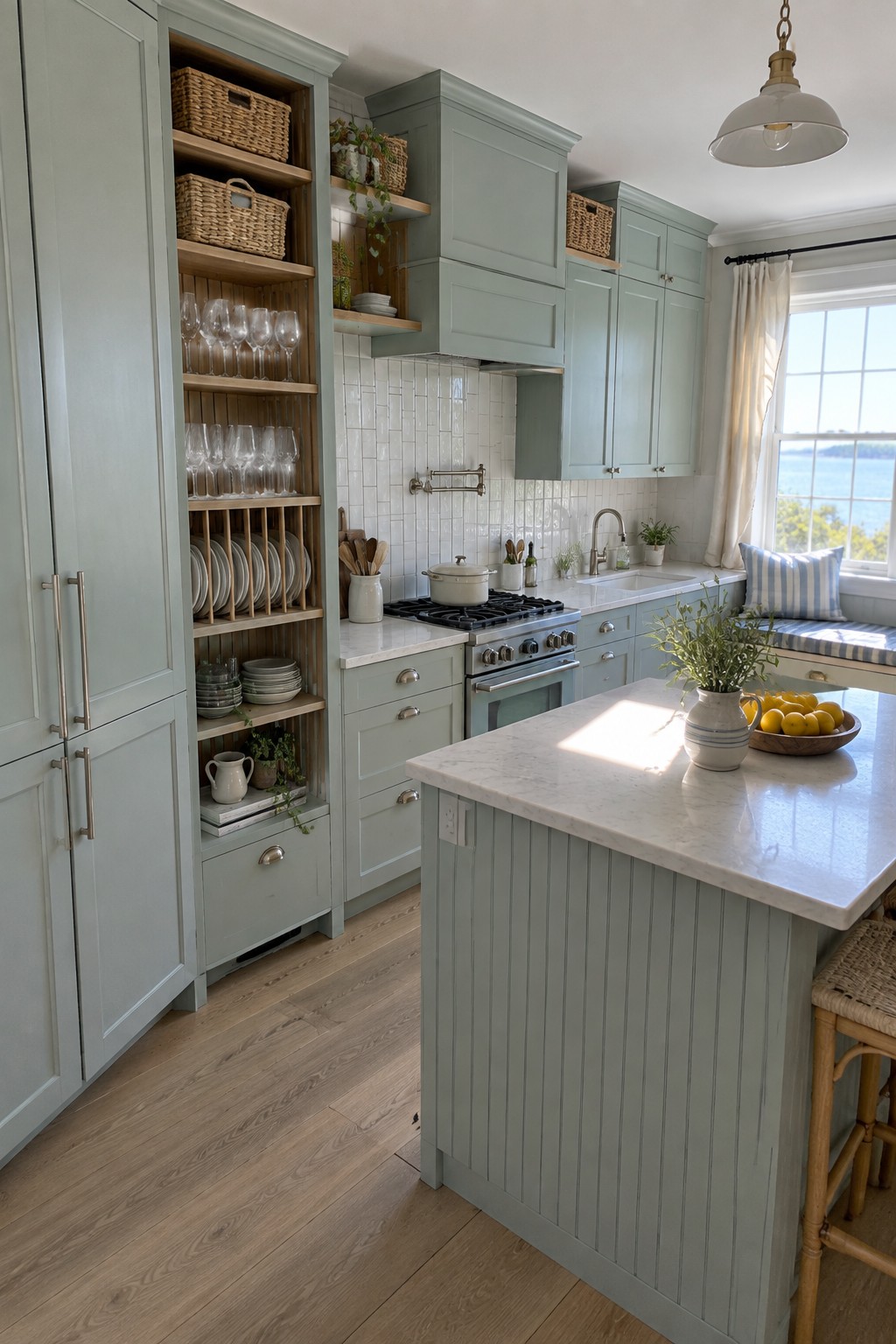
Small kitchens run out of cabinet space fast. Tall open shelving uses the full height of the wall to hold plates, glasses, and baskets in one spot so counters stay clear.
This works well in homes with standard or higher ceilings. Place everyday dishes on lower shelves and keep the top sections for items used less often. It suits compact layouts where adding more base cabinets is not an option.
Tall Cabinets Add Vertical Storage
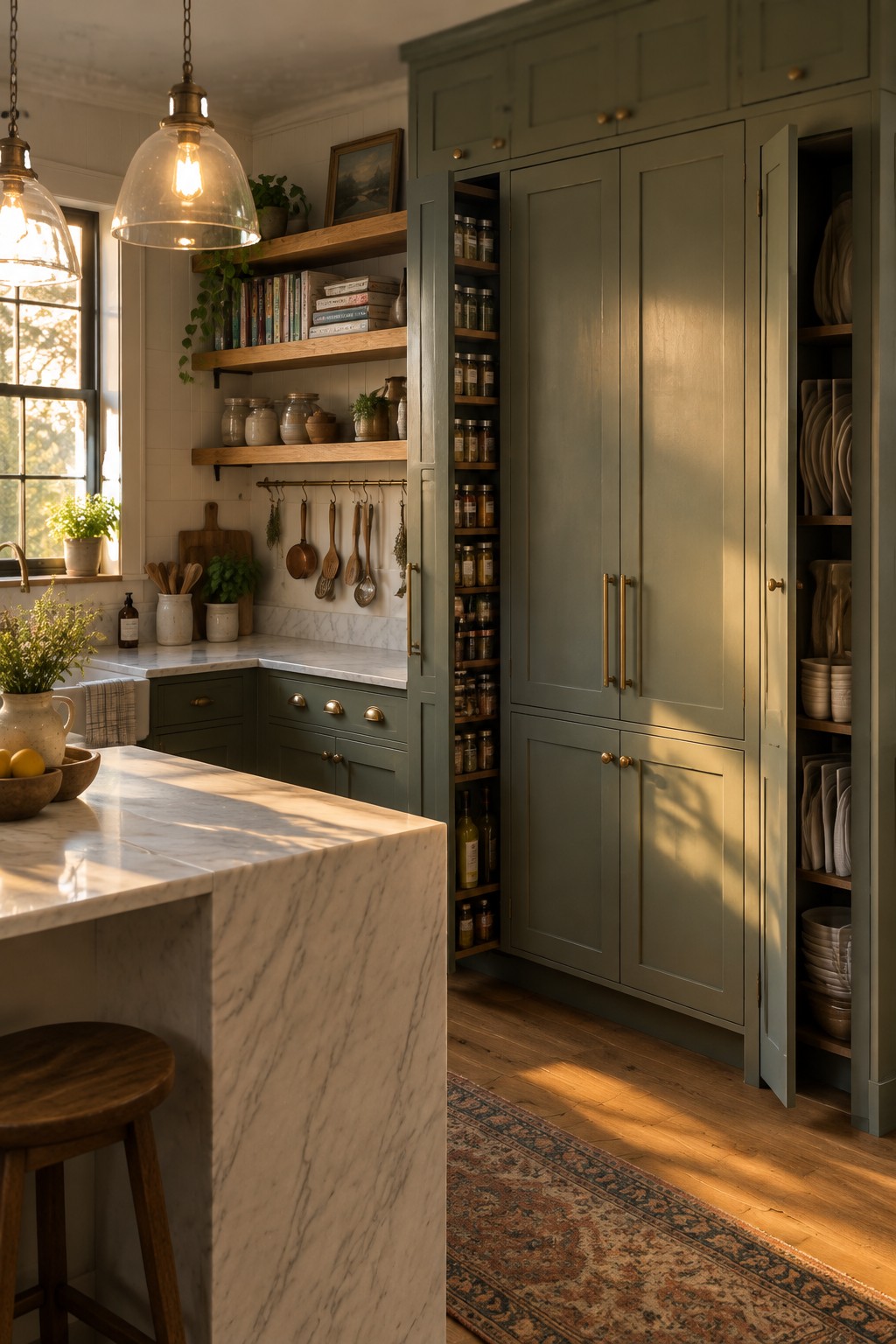
Tall cabinets that run from floor to ceiling give a small kitchen a lot more room to store things without crowding the counters. This approach keeps everyday items tucked away while still leaving the space feeling open and easy to move around in.
Open shelves above the workspace can hold jars and smaller items you reach for often. This setup works especially well in older homes with higher ceilings where the extra height would otherwise go unused.
Tall Cabinets With Built-In Vertical Storage
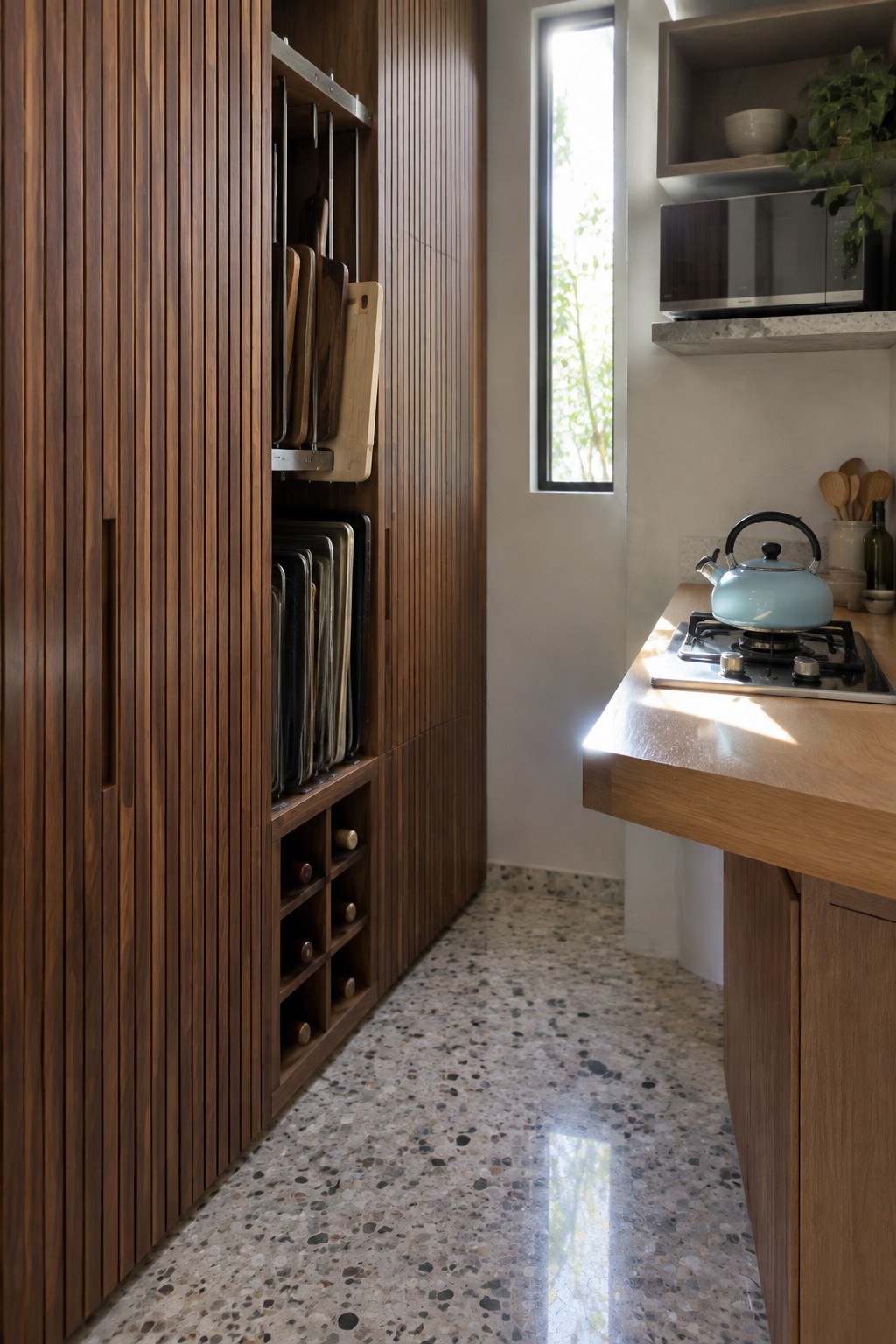
Many small kitchens struggle with limited wall space, but running storage all the way to the ceiling changes that. A tall cabinet with narrow vertical slots keeps cutting boards and trays upright and easy to grab without wasting any depth on the floor.
This approach works especially well in narrow or galley kitchens where every inch counts. It suits homes that already have higher ceilings and gives you room for wine storage or small appliances down low while keeping daily items within reach higher up. Just make sure the cabinet doors are easy to open in tight quarters.
Open Shelves Add Vertical Storage
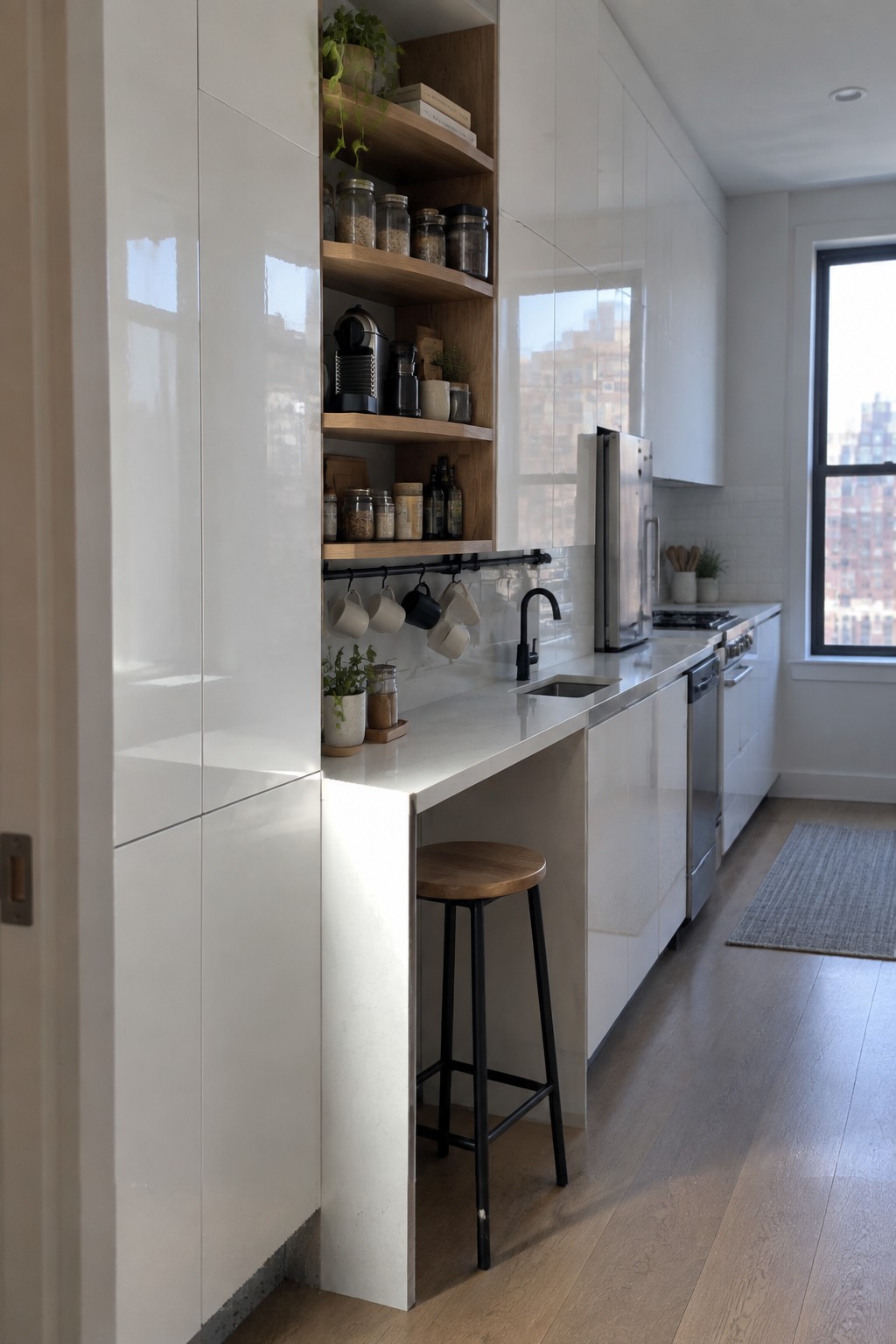
Small kitchens often run out of cabinet space before they run out of wall space. Open shelving stacked above the counter gives you room for jars, small appliances, and pantry items without crowding the work area below.
This approach suits narrow layouts and galley kitchens where floor space is limited. Place heavier items on lower shelves and keep the rack or rail for things you reach for daily, like mugs or utensils.
Open Shelves With A Hanging Rail
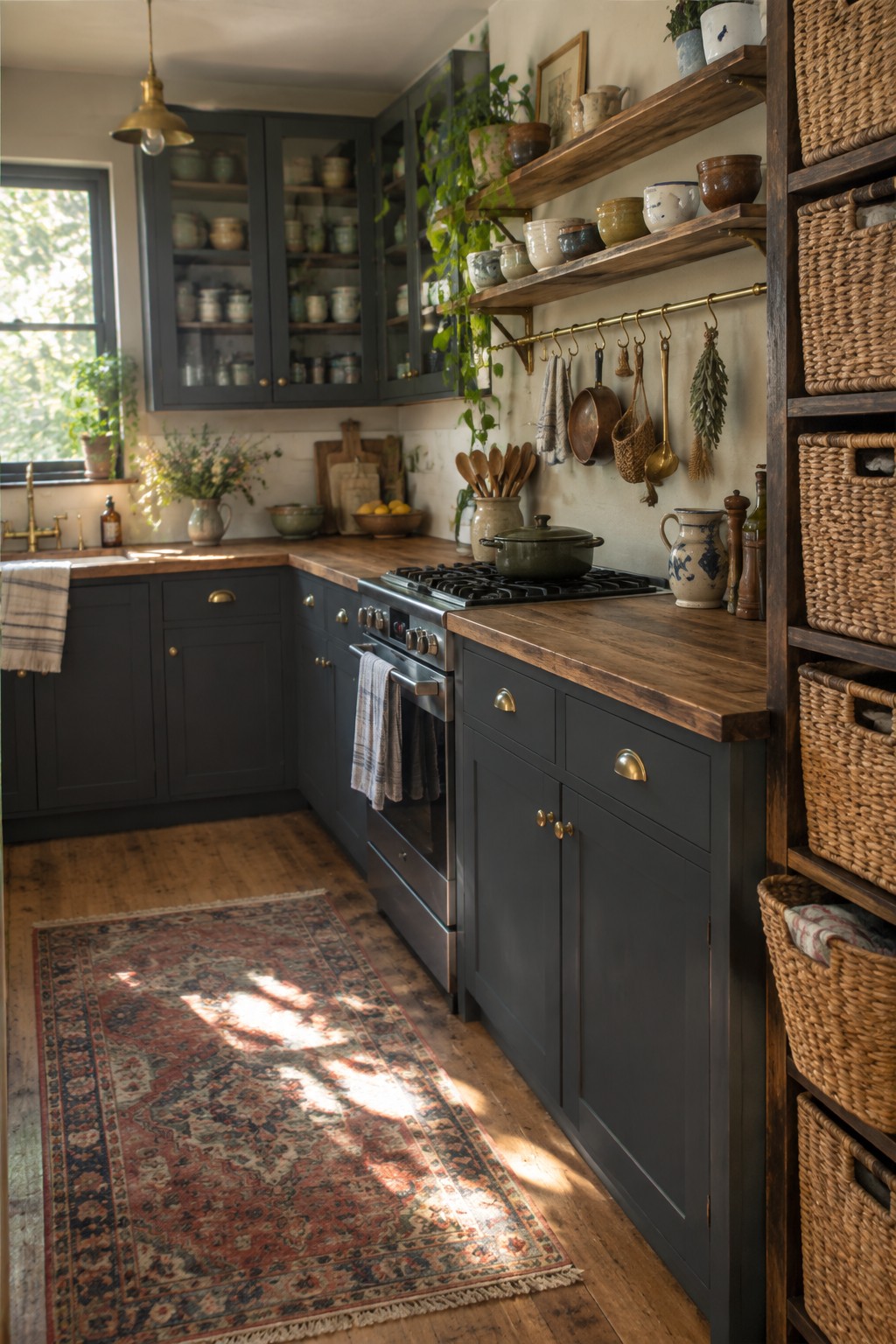
One simple way to gain storage in a small kitchen is to run open shelves across a blank wall and add a hanging rail below them. The shelves hold bowls and jars that would otherwise crowd the counters, while the rail keeps pots and tools right where you need them. This keeps the space feeling open instead of boxed in by more cabinets.
It works especially well in older homes or any kitchen with a bit of wall space above the stove or sink. Mount the rail at a comfortable height so you can reach everything easily, and use the shelves for items you use often. Just check that the brackets can handle the weight if you plan to store heavier pieces up high.
Vertical Open Shelving For Added Kitchen Storage
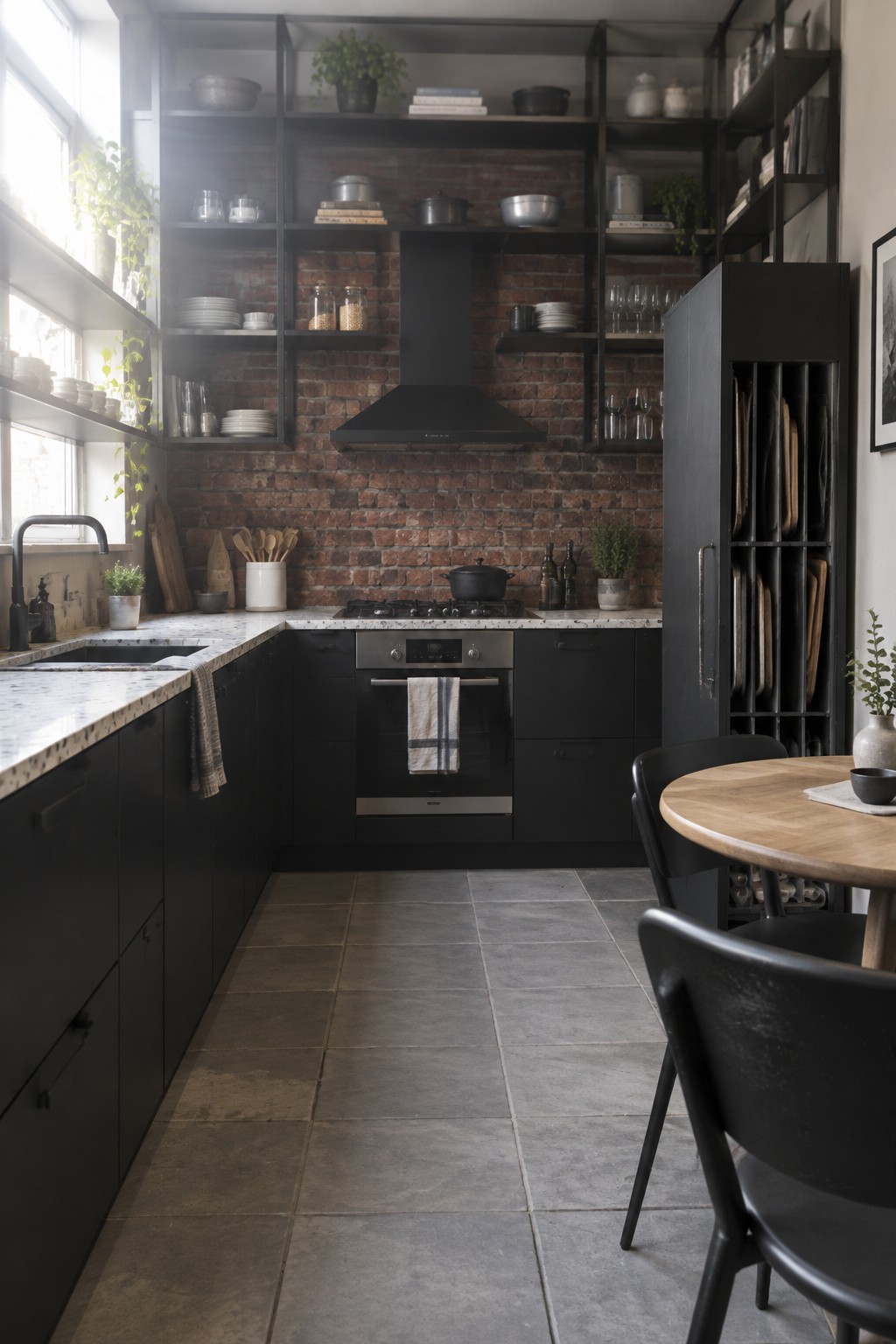
Open shelving that runs all the way up the wall gives you storage without eating into floor space. In smaller kitchens this approach keeps things practical because you can stack dishes, jars, and cookware higher while the lower counters stay clear for daily use.
It works best in rooms with decent ceiling height and a solid wall to anchor the unit. Just make sure the shelves are deep enough for what you reach for often and leave the top levels for items you only need now and then.
Go Vertical With Tall Cabinets
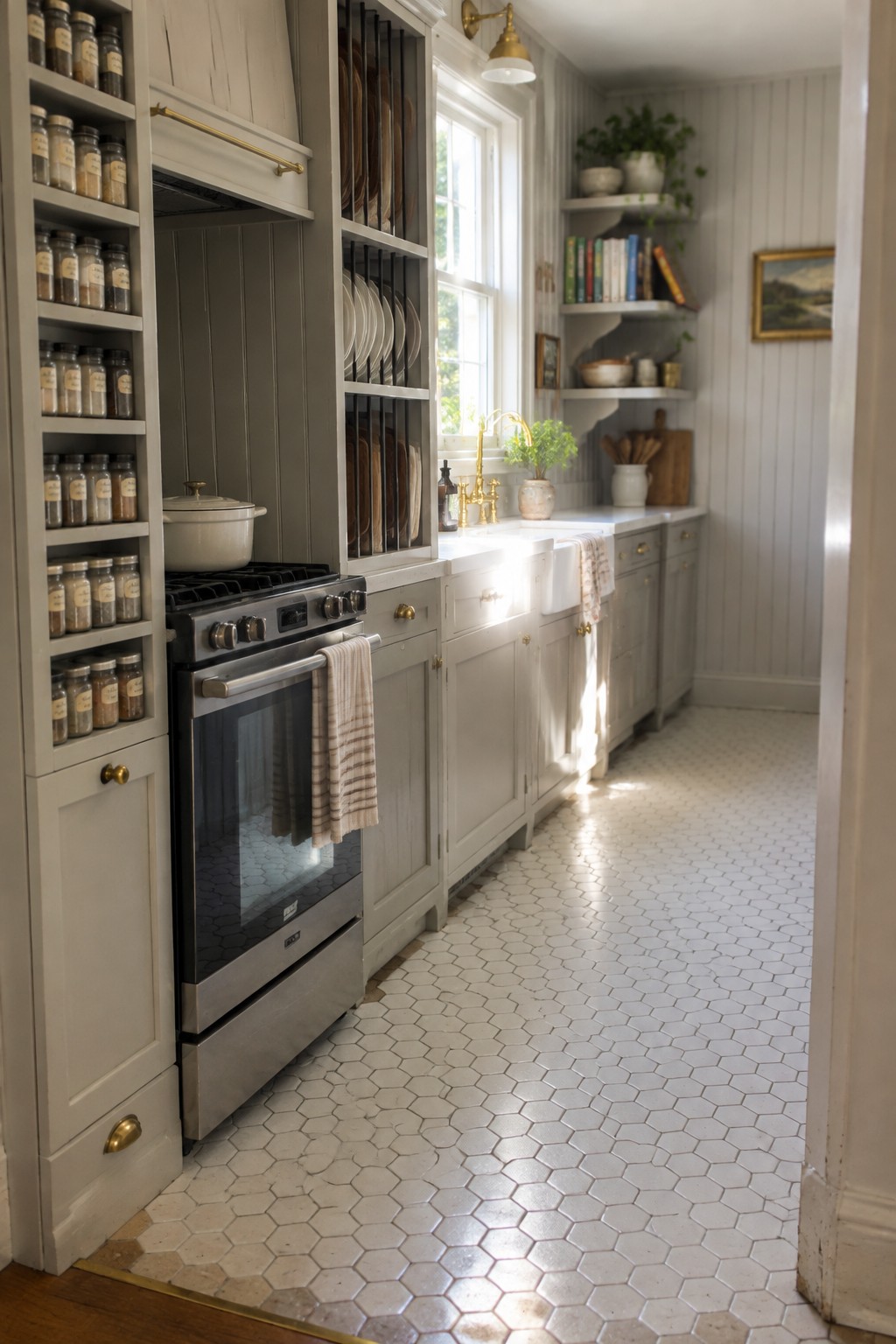
Small kitchens often feel cramped because every inch of floor space gets claimed by cabinets that stop at counter height. Going all the way to the ceiling with both closed cabinets and open shelving changes that. You gain real storage without pushing the walls out or crowding the walkway.
This works especially well in narrow rooms where width is limited. Keep the lower cabinets simple and let the upper sections hold less used items like serving pieces or pantry staples. Light paint on the tall units helps the room stay bright instead of feeling boxed in.
Fit Tall Vertical Racks Into Narrow Spaces
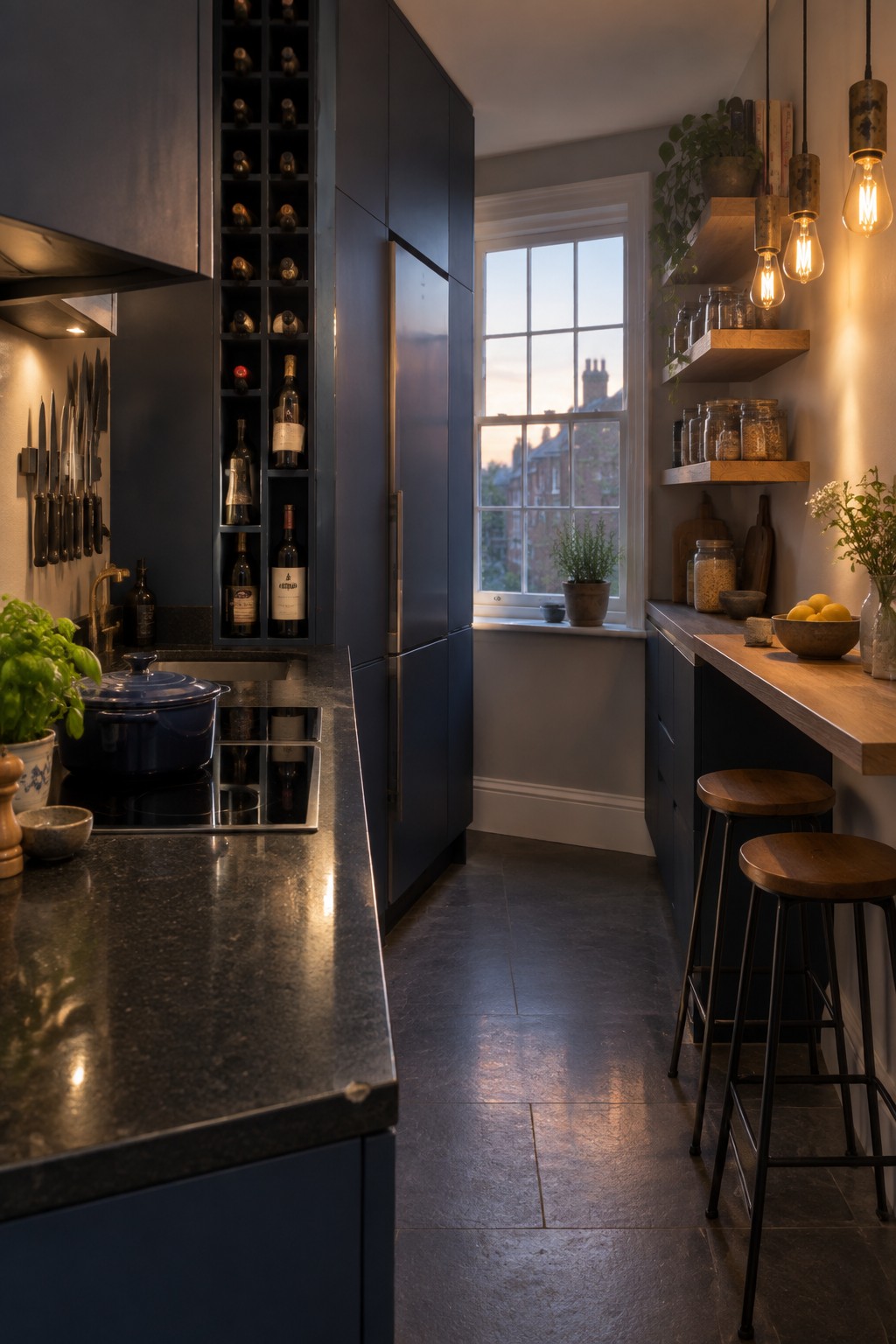
A tall narrow rack built into the cabinet run can hold a surprising number of bottles without eating into counter or floor space. In small kitchens this kind of vertical storage keeps everyday items off the worktop and still leaves the room feeling open.
It works best along a plain wall or between two runs of cabinets where you have a bit of height to spare. Keep the finish the same as your other cabinetry so the rack reads as part of the kitchen rather than an add-on.
Tall Open Shelving Adds Storage Without Taking Floor Space
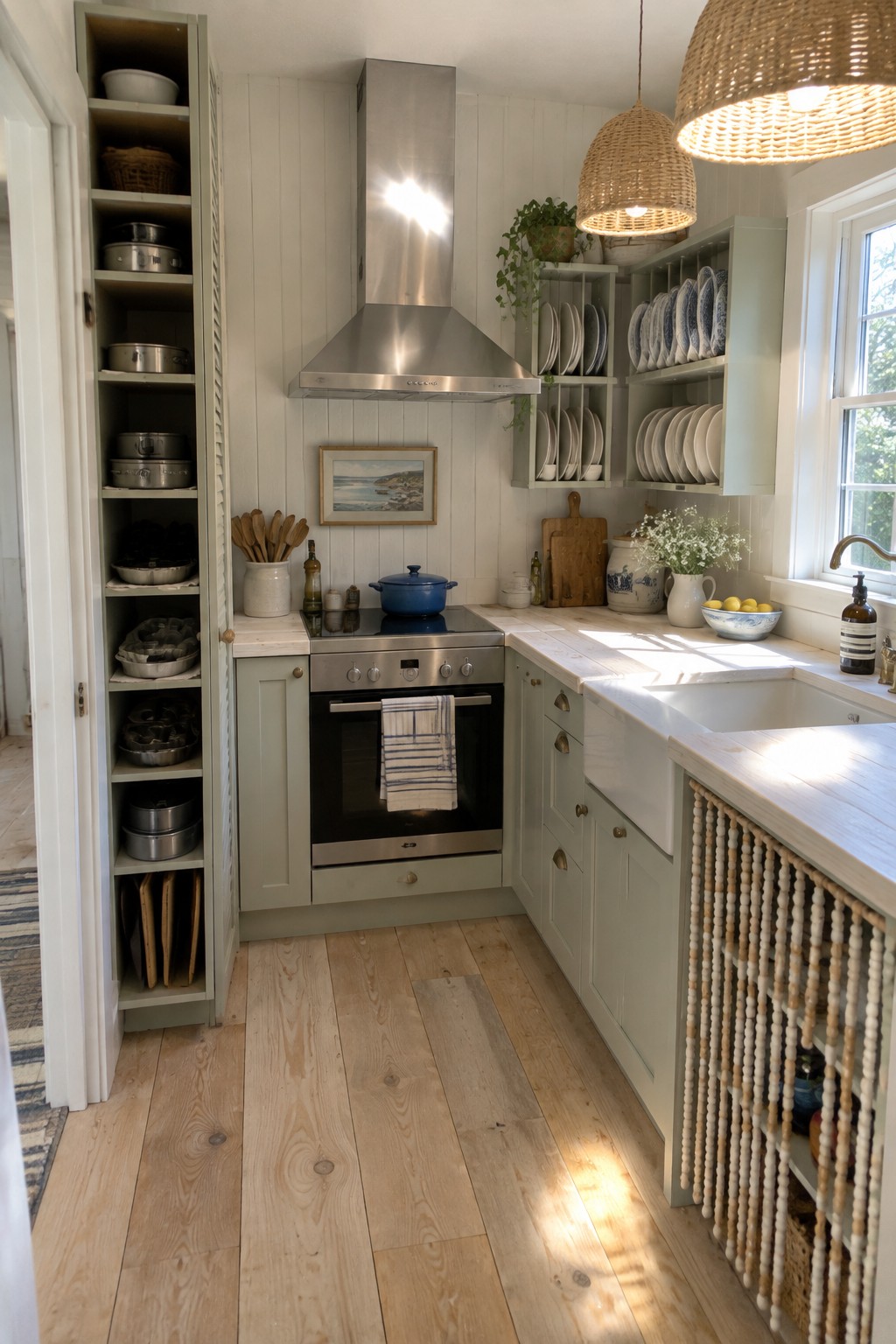
One useful approach in small kitchens is installing tall narrow open shelving along an unused wall. This lets you store stacks of pans, baking trays, and smaller appliances in one slim unit that reaches nearly to the ceiling, keeping the floor clear for movement.
It works best in kitchens where wall space is available but width is limited. Keep the shelves organized by grouping similar items together, and place frequently used pieces at eye level so the system stays practical day to day.
Tall Narrow Cabinets Add Useful Storage
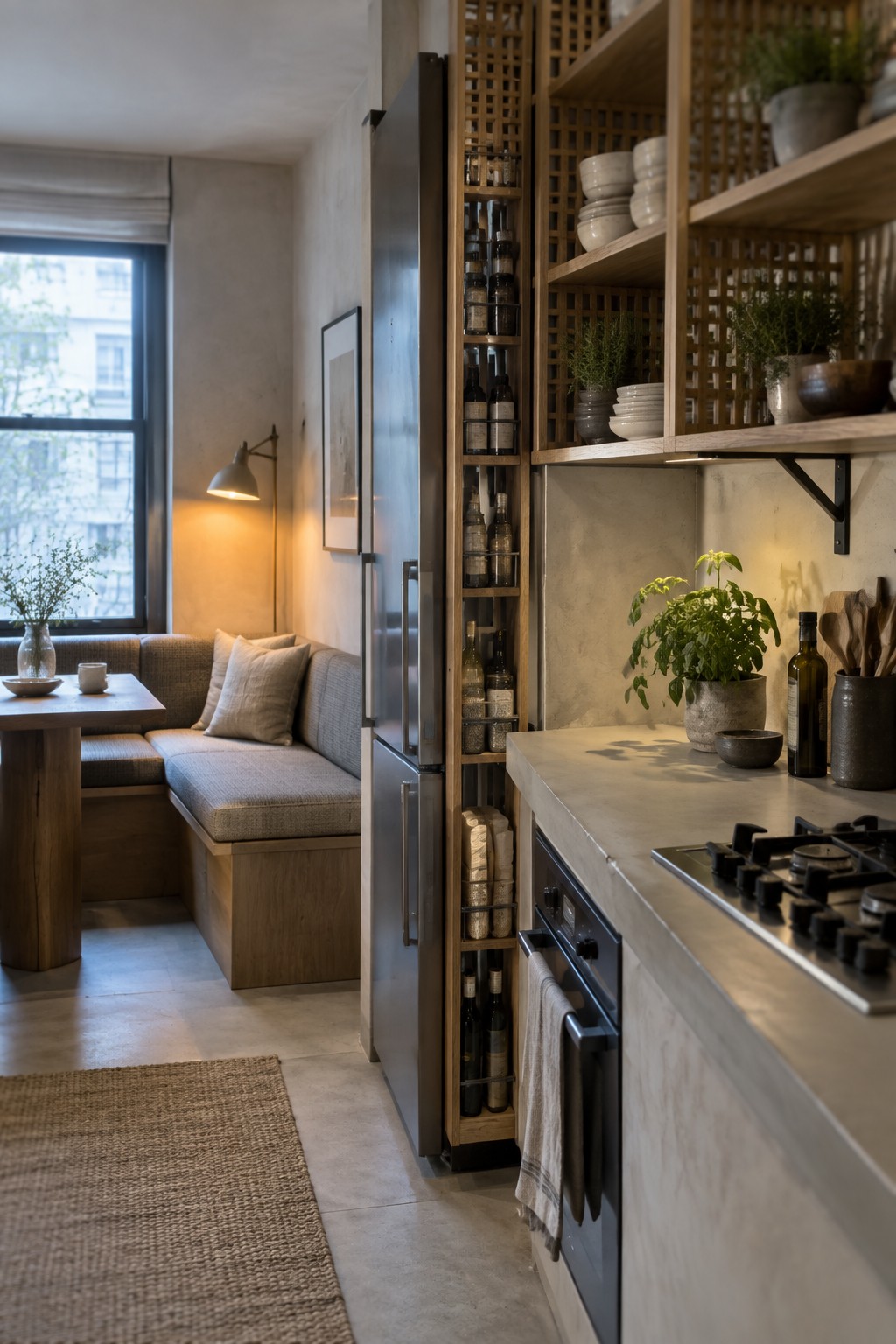
Small kitchens often struggle with limited floor space, but going vertical with a tall narrow cabinet changes that. A slim pull-out unit tucked beside the fridge holds bottles, dry goods, and smaller items without crowding the room. It keeps things organized while leaving the main counters clear for daily use.
This approach works best in apartments or older homes where every inch counts. Place the cabinet in any narrow gap you already have, and choose open or closed shelves based on how much you want hidden. Just measure the space first so the unit fits without blocking doors or walkways.
Add Wall Shelves And Hanging Racks For Vertical Storage
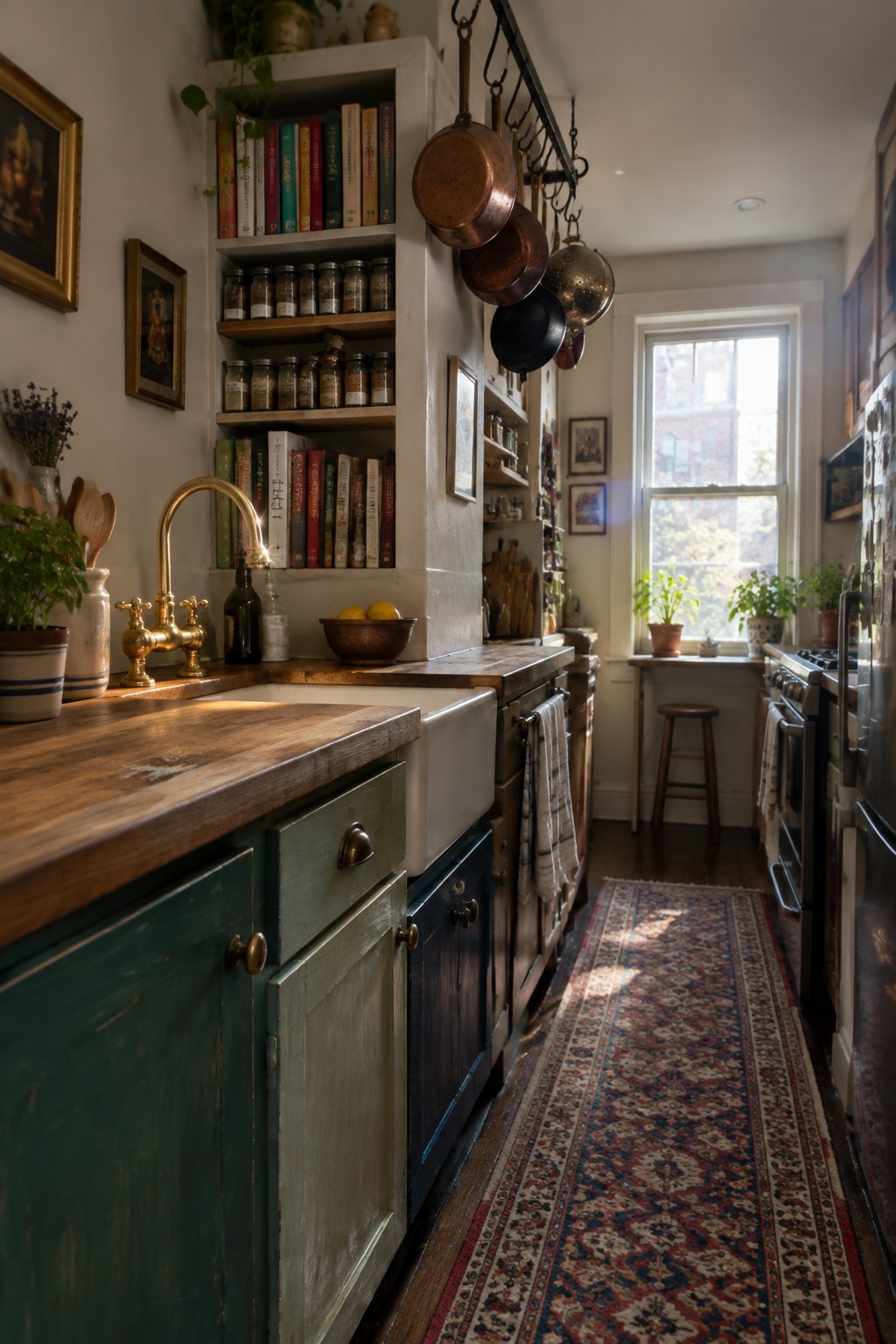
In a narrow kitchen, vertical storage keeps the counters clear while still giving you room for the things you reach for every day. Open shelves hold jars, books, and small items without crowding the walls, and a hanging rack puts pots and pans right where you need them.
This setup works best in older homes or small apartments where floor space is tight. Mount sturdy shelves above the workspace and add a ceiling rack if the ceiling height allows it. Keep daily items at eye level so you are not stretching or digging through stacks.
Tall Cabinets With Pull-Out Shelves Maximize Storage
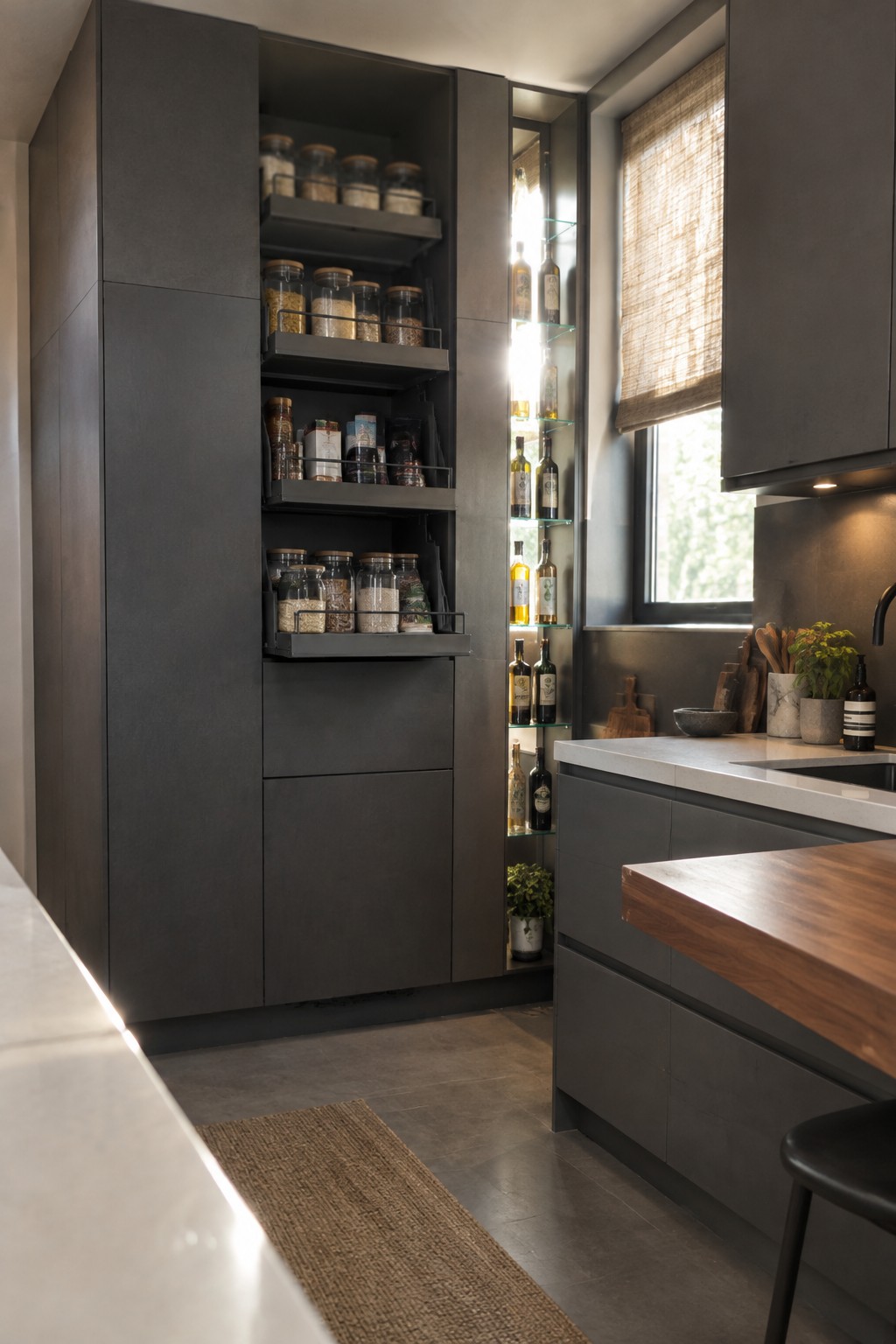
One way to gain real storage in a small kitchen is to run tall cabinets all the way to the ceiling and fit them with pull-out shelves. This keeps jars, grains, and bottles visible and reachable without needing deep base cabinets or extra floor space.
The setup works best along a blank wall or next to a window where you can spare the narrow depth. It suits compact layouts that already have limited counter room and helps keep everyday items off the work surface.
Vertical Shelving Expands Storage In Tight Kitchens
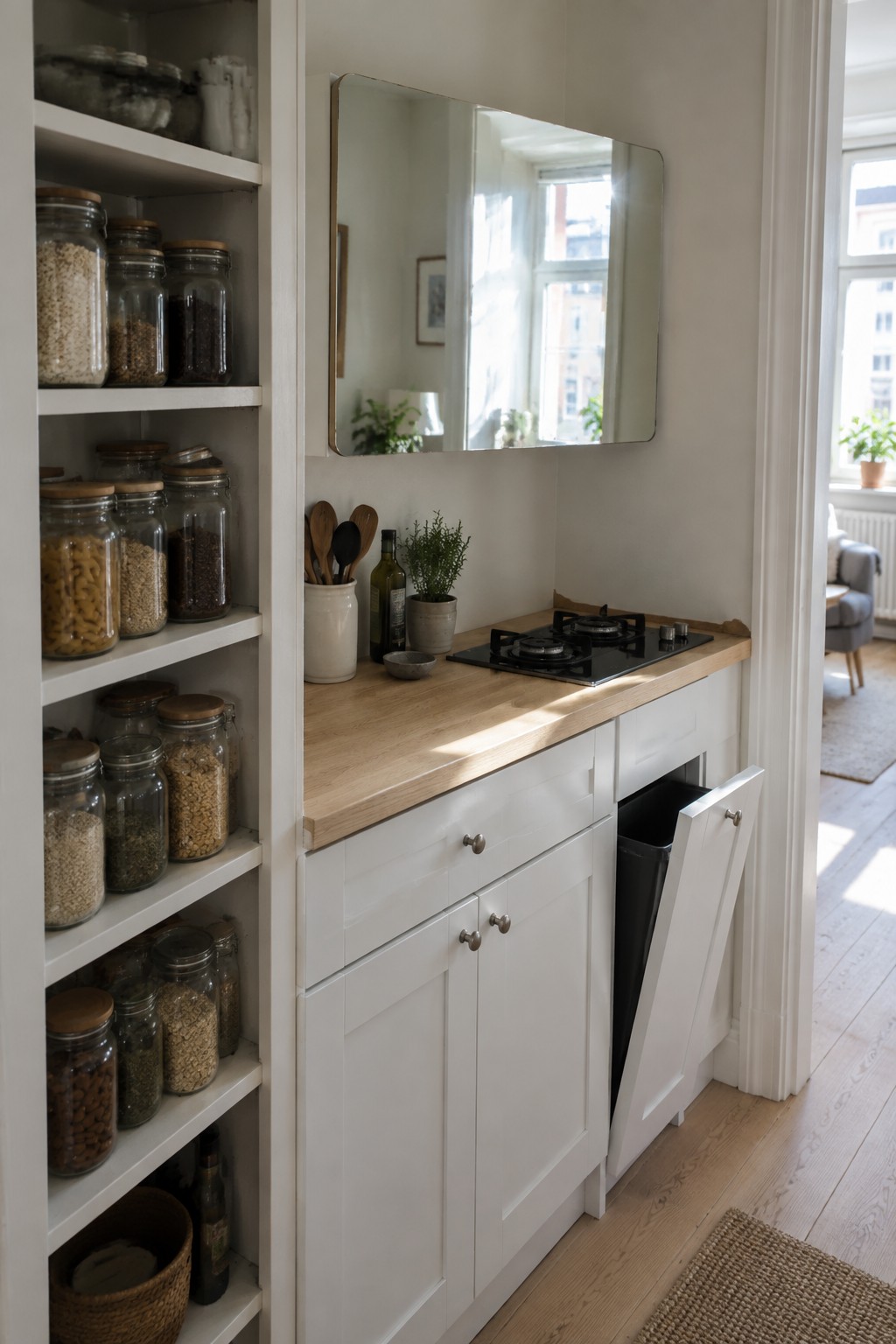
Many small kitchens gain a lot from open shelving that runs floor to ceiling along one wall. It turns unused vertical space into room for jars and dry goods while keeping the main counters free for cooking.
This setup works best in narrow galley kitchens or beside a range where wall space would otherwise go unused. Homeowners usually choose simple white units that match the cabinetry so the shelves feel like part of the original layout rather than an add-on.
Tall Pantry Cabinets Add Serious Storage
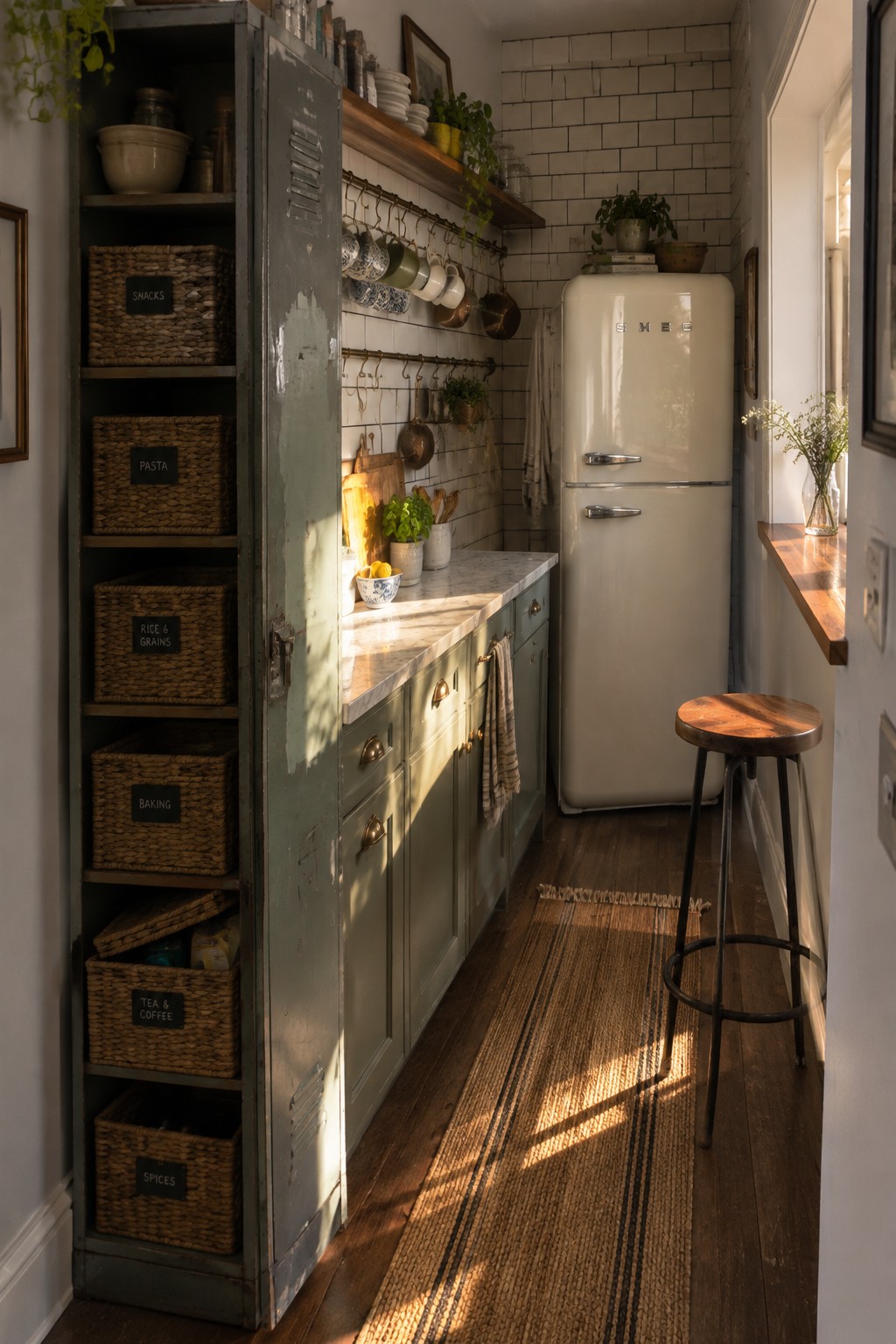
A tall pantry cabinet is one of the simplest ways to gain real storage in a small kitchen without eating up floor space. It turns an otherwise wasted wall into multiple levels of organized storage that keeps everyday items within reach.
This approach works best along a narrow wall or in a galley layout where width is limited. Keep the cabinet depth shallow so it does not crowd the walkway, and use open baskets or bins so you can see what is inside at a glance.
Open Shelving Adds Vertical Storage In Small Kitchens
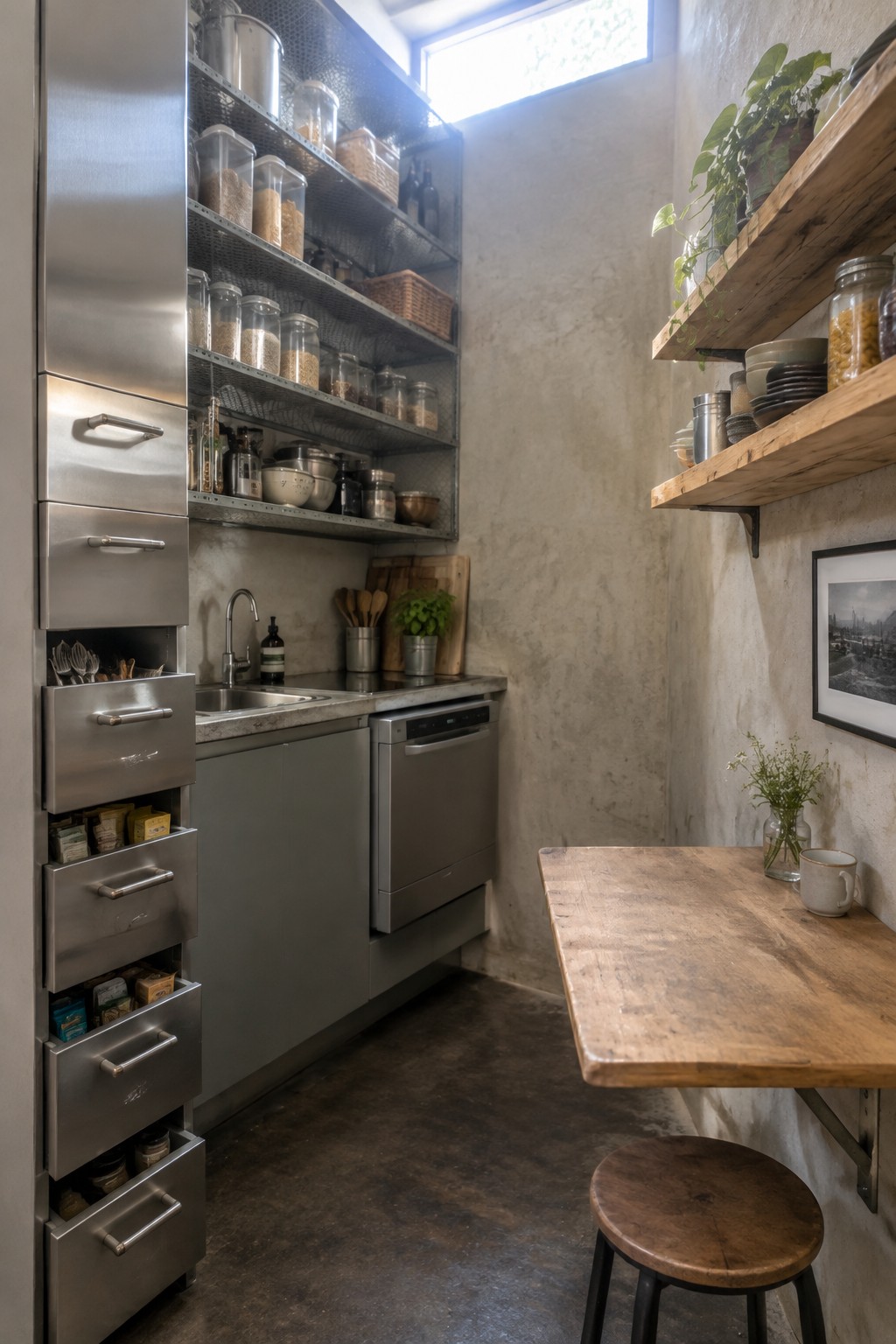
In a narrow kitchen, open shelving along the wall turns unused height into real storage. Wire racks hold jars, baskets, and cooking supplies while keeping everything within reach, and the tall cabinet next to the counter adds even more room without spreading out across the floor.
This works best in small homes or apartments where every inch counts. Stick to a few matching containers so the shelves stay tidy, and leave some breathing room between items so the space does not feel crowded.
Open Shelves Make The Most Of Vertical Space
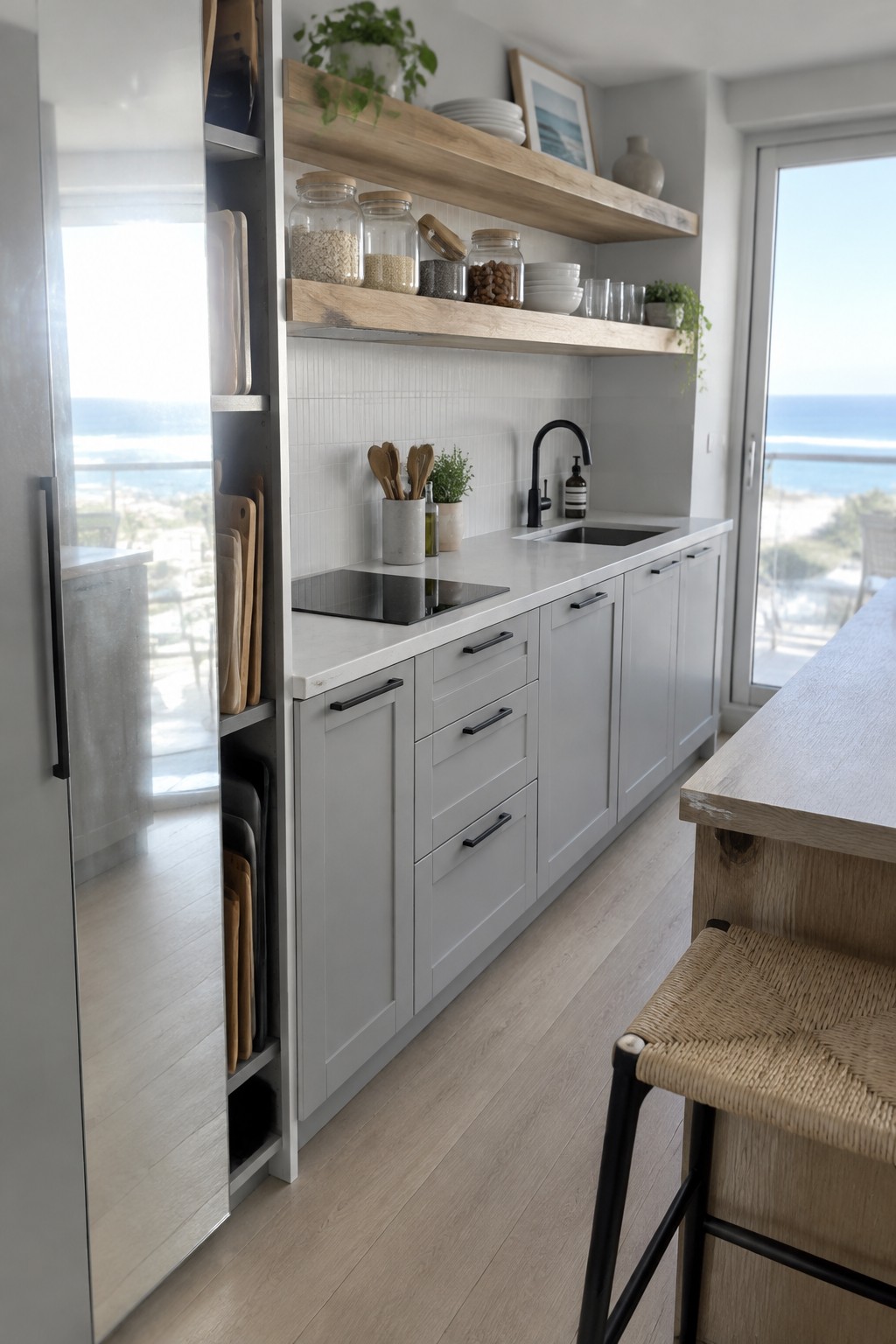
Many small kitchens lose valuable storage when they stick only to upper cabinets. Open floating shelves give you that extra room without closing in the space or blocking light. They work especially well above a run of base cabinets where you need daily items close at hand.
Place them in a single row or stack two levels if your ceiling height allows. Keep the shelves fairly shallow so nothing feels too heavy overhead. This setup suits compact kitchens that already have good natural light and a simple color scheme.
Mount A Peg Rail For Everyday Mugs
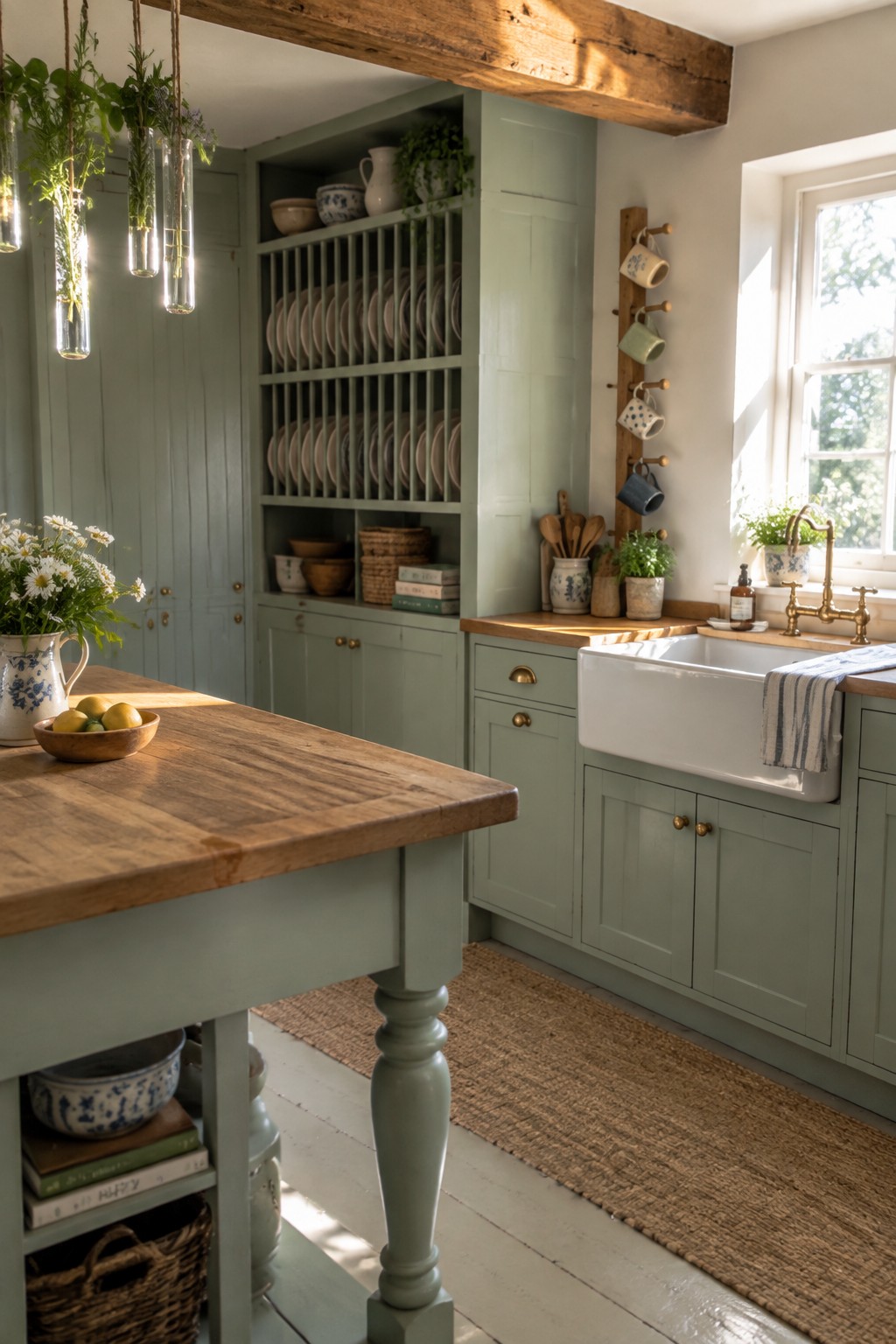
A peg rail gives you vertical storage without crowding the counters or needing extra cabinet space. In a small kitchen it keeps daily items like mugs and small tools right where you use them, and it works especially well on a blank wall near the sink or stove.
Try placing the rail at eye level so nothing feels out of reach, and stick to a simple wood style that blends with your cabinets. It suits older homes or any kitchen that already has some open wall space and needs a practical way to stay organized.
Tall Narrow Shelving Adds Storage In Tight Kitchens
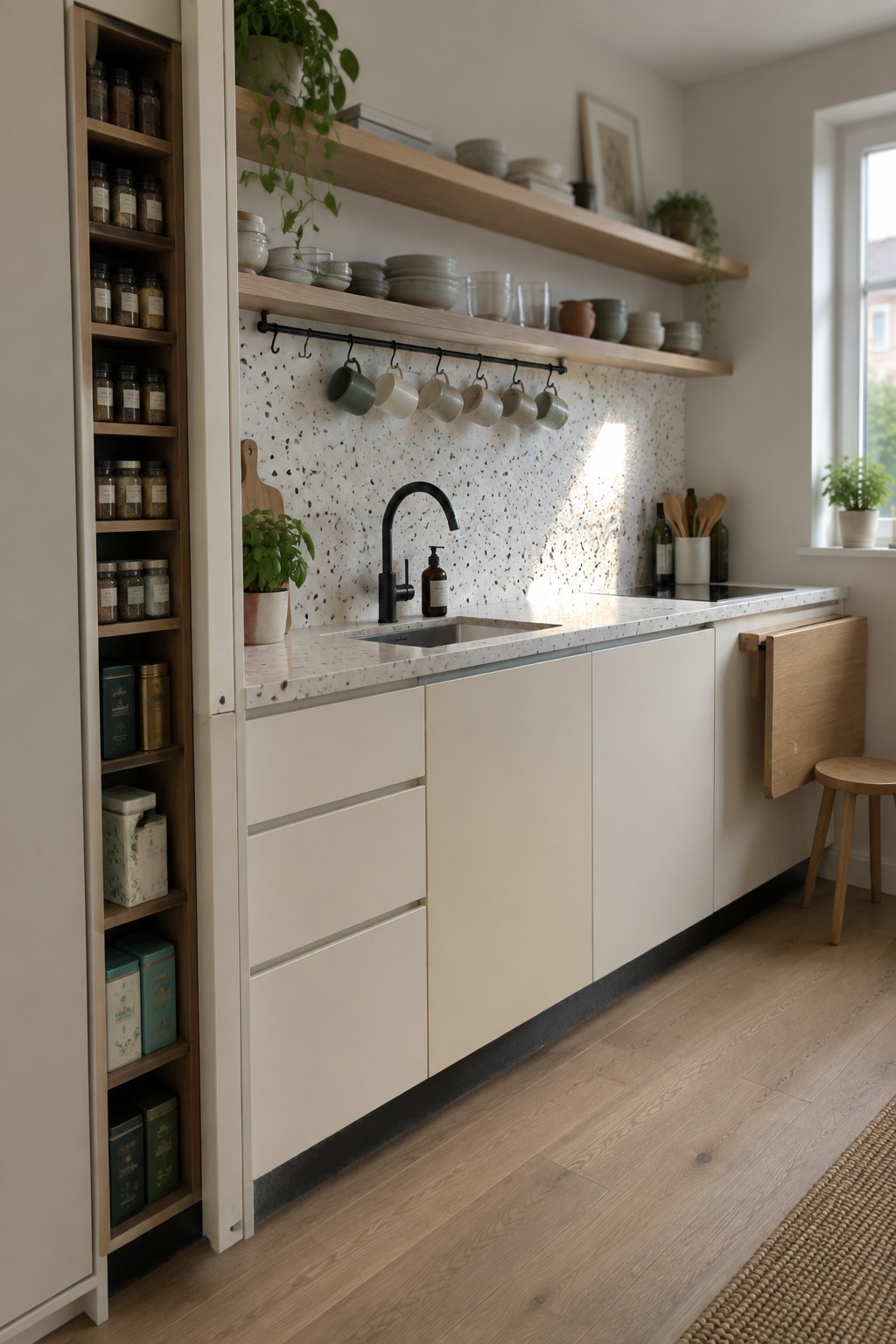
In small kitchens, vertical storage often makes more difference than people expect. A tall narrow unit tucked beside the cabinets can hold dozens of jars and tins without taking up any extra floor space or crowding the counters.
This works especially well in older homes or apartments where the kitchen footprint stays fixed. Keep the shelves fairly shallow so nothing gets lost at the back, and group items by type so you can find what you need quickly. It suits people who cook often and want everything visible rather than buried in deep cabinets.
Tall Open Shelving Adds Vertical Storage
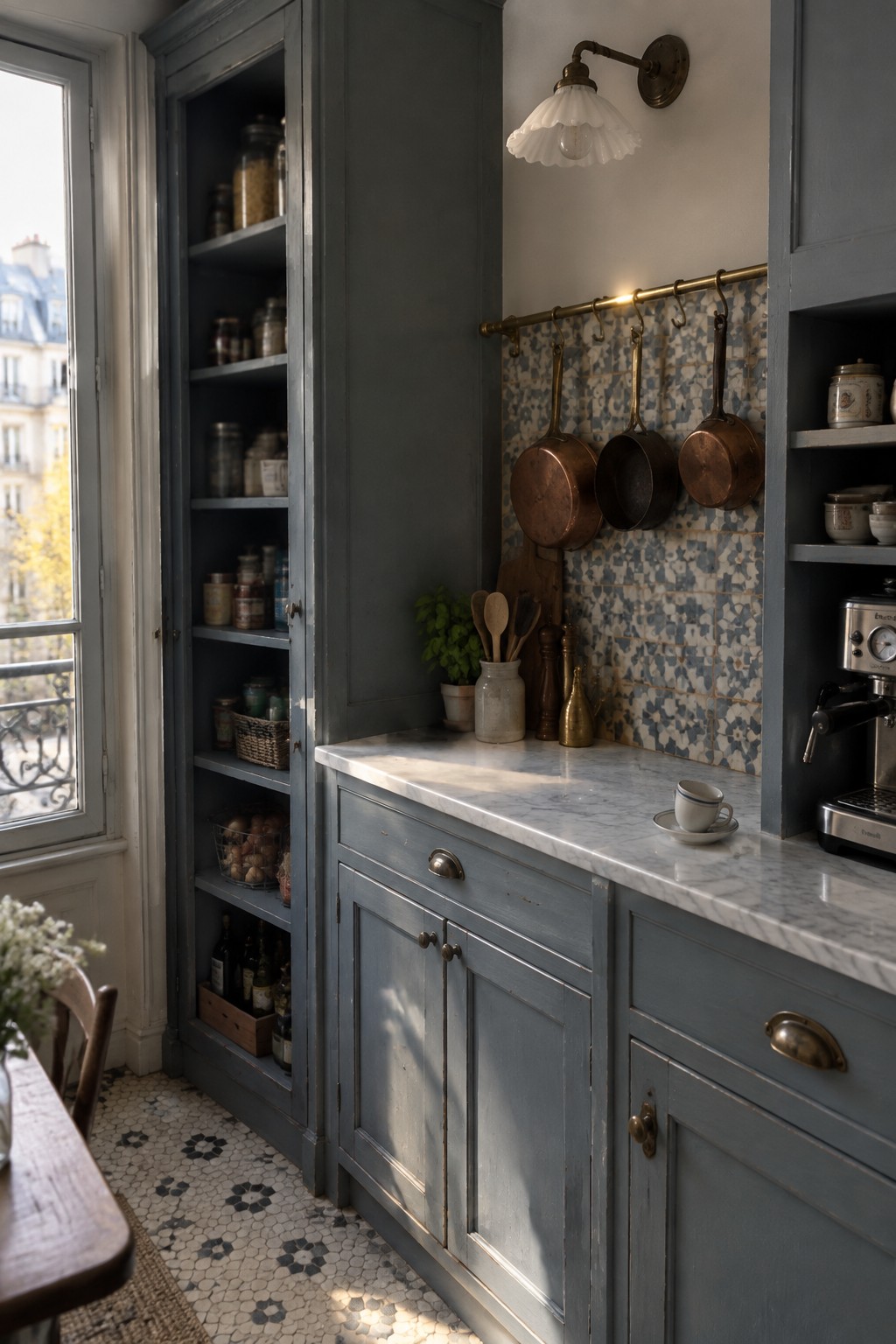
A tall cabinet with open shelves can hold far more than standard upper cabinets while keeping items easy to see and reach. In small kitchens this approach uses the full height of the room without crowding the floor area.
It works especially well in older apartments or narrow layouts where wall space is available but square footage is tight. Pair the shelves with a simple hanging rail for pots and pans to keep everyday items off the counter and within arm’s reach.
Use Vertical Wall Storage To Keep Counters Clear
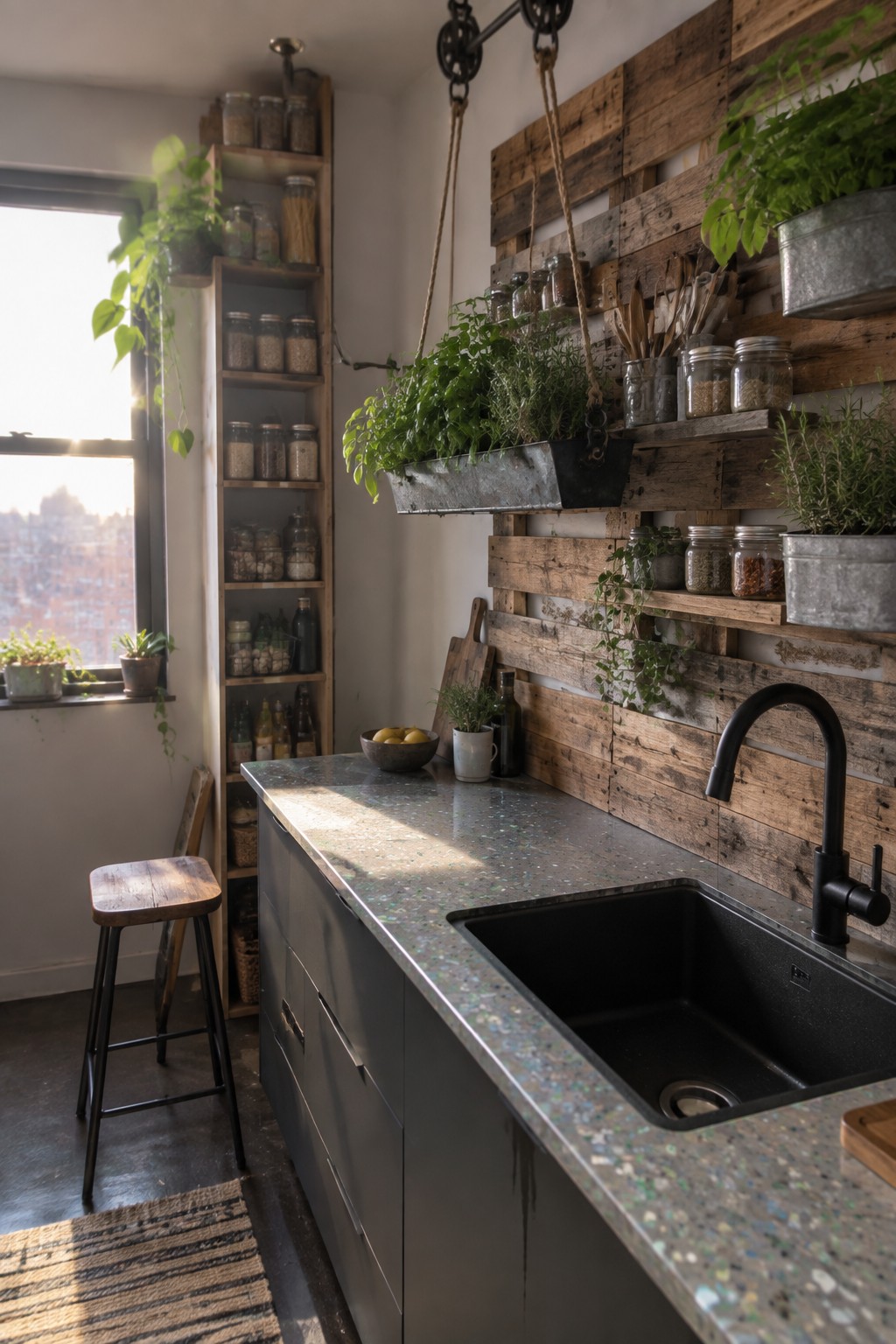
Vertical storage makes a big difference in small kitchens because it moves everyday items up and off the work surface. Wall-mounted shelves, racks, and hanging planters hold jars, herbs, and tools without crowding the limited counter area.
This setup works especially well in apartments or older homes where floor space is tight. Start with a simple wood plank or pallet system on one wall, then add hooks and narrow shelves to hold what you reach for most often. Keep the lower area open so the room still feels open.
Use Tall Narrow Units For Vertical Kitchen Storage
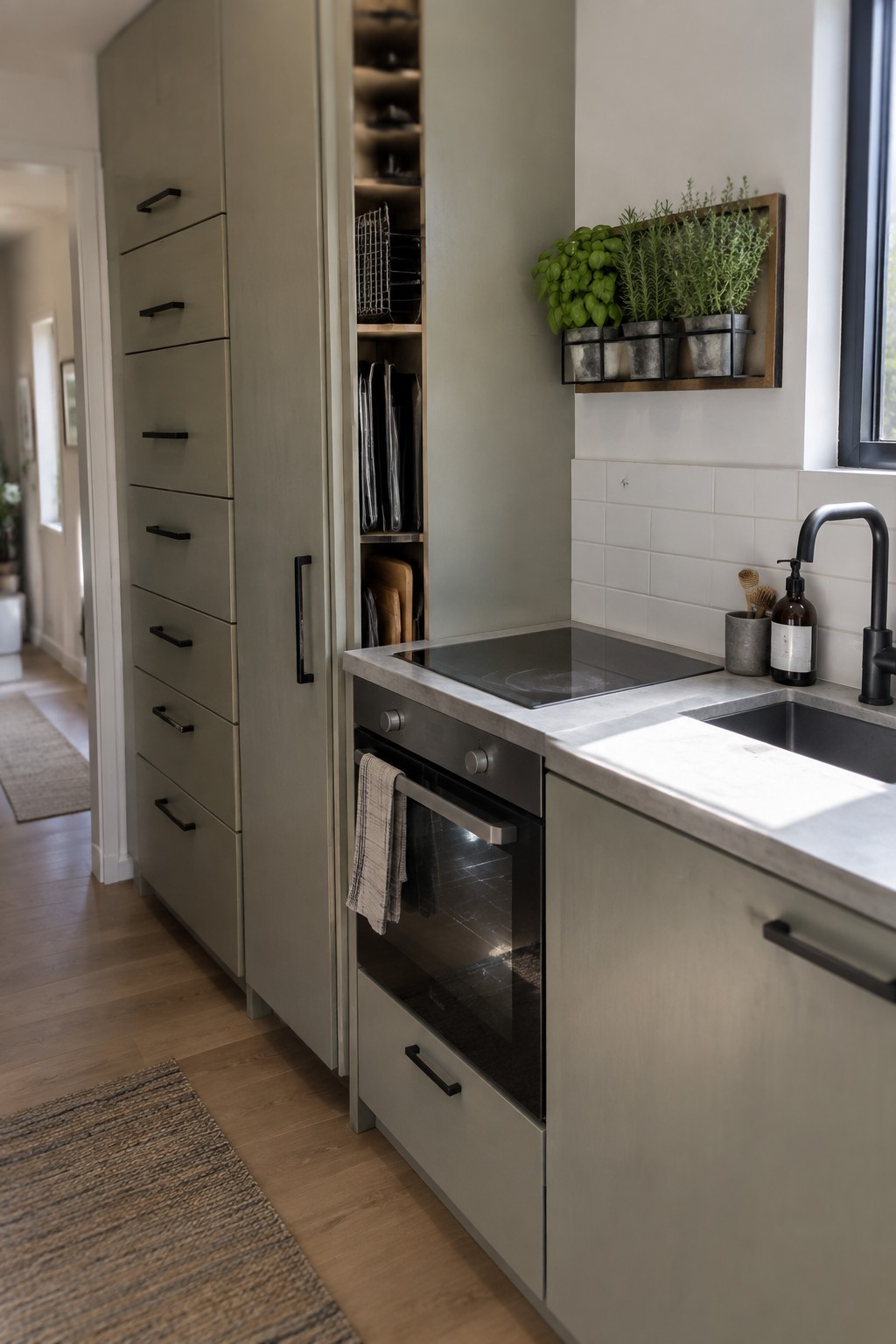
Tall narrow storage units work well in small kitchens because they use the full height of the wall without eating into floor space. Placing one right beside the oven keeps baking sheets, cutting boards, and trays standing upright so they stay easy to grab and do not clutter counters or drawers.
This setup suits compact homes or galley kitchens where standard cabinets would feel too wide. Keep the unit open or fitted with simple shelves so you can see what is stored and reach items without digging through stacks.
Frequently Asked Questions
Q: How high should I go with my vertical storage before it becomes hard to reach?
A: Keep daily items on shelves no higher than you can grab while standing flat on the floor. Use the top spots only for things you pull out a few times a year. Stand on your toes and test the spot before you hang anything.
Q: Can vertical storage work if I rent my place and cannot drill into the walls?
A: Freestanding tall carts or over door racks add height without any holes. Move them around until the layout feels right for your space. They store just as much as wall mounted options once you stack smart.
Q: What if my pots and pans end up looking messy on open vertical racks?
A: Hang only the ones you reach for often and line up the handles in the same direction. A tall plant or rolling pantry in front softens the view on busy days. Skip the rest and keep them in a lower cabinet instead.
