


I have always noticed how the walls set the tone in a living room more than almost any other surface.
When you add texture with stone or plaster the whole space starts to feel more grounded and less flat.
Texture changes everything.
Some of these approaches only click once you see them in a real setting rather than a photo.
I usually test one small section first before committing to a full wall.
Stone Accent Walls Behind Fireplaces
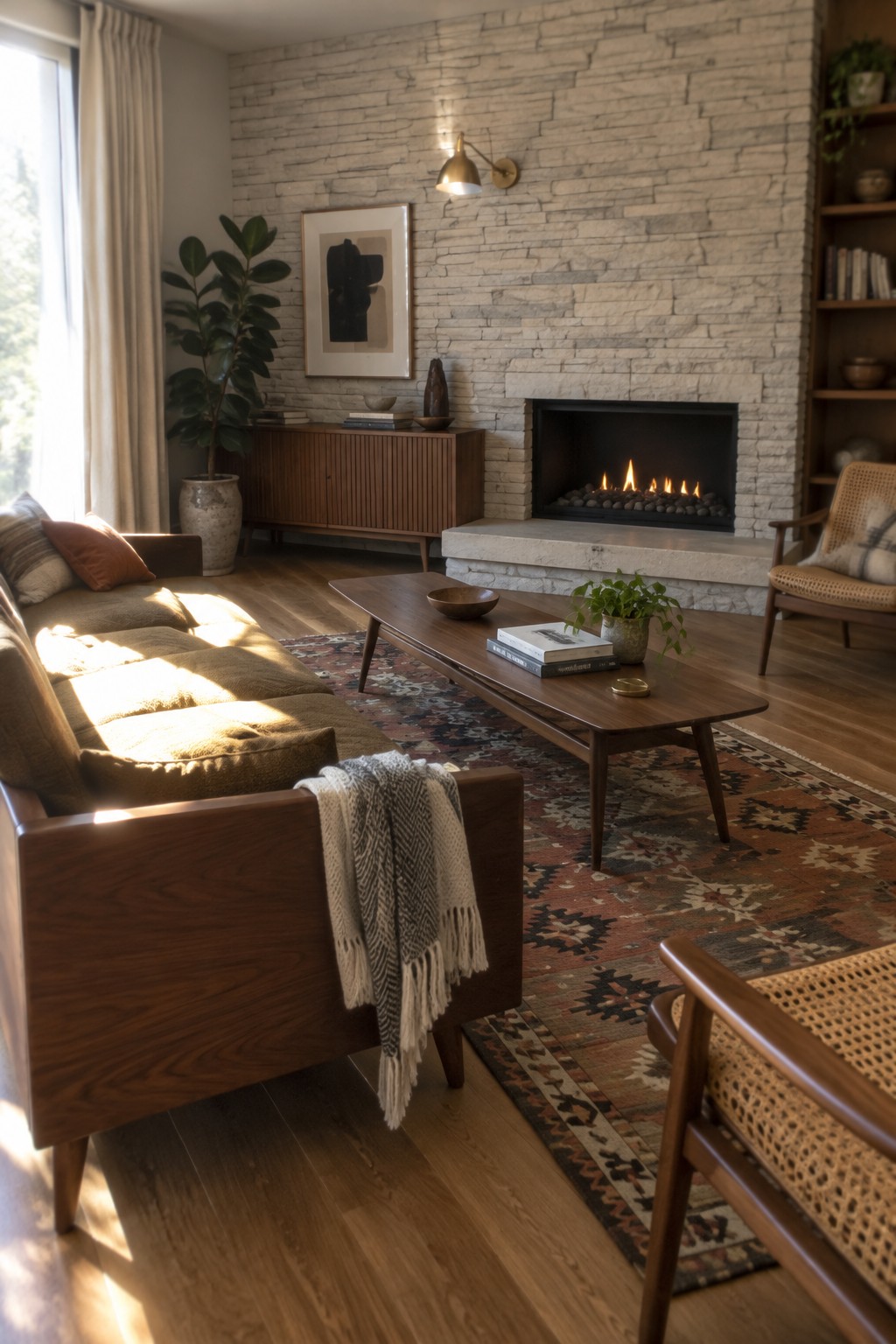
A stone wall behind the fireplace adds texture that feels natural and grounded in a living room. It works well when the rest of the space already has wood tones and simple furniture, since the stone gives the room something solid to rest against without needing extra layers.
This idea fits homes where the fireplace sits at the center of the layout. Use it in rooms with wood floors or mid-century pieces, and keep other surfaces fairly plain so the stone can do the work. Just watch that the stone color does not fight with the flooring.
Plaster Walls With Arched Niches
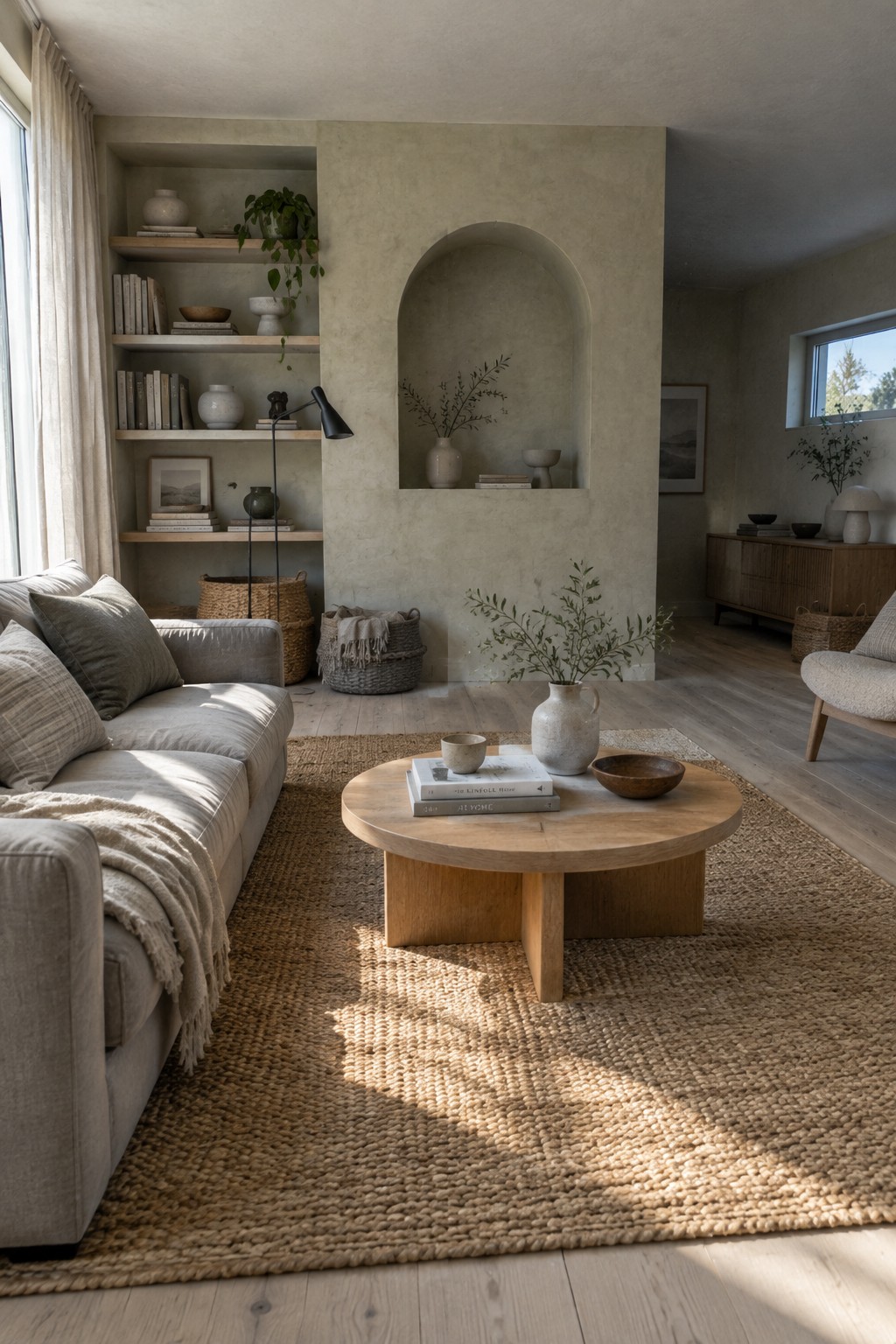
Plaster walls give a living room that soft, slightly uneven texture that feels warmer than flat paint. The surface holds light differently throughout the day and pairs easily with wood, linen, and stone without feeling busy.
An arched niche cut into the wall works as a built-in spot for a few objects and keeps the rest of the room calm. This approach suits homes that already lean toward natural materials and simple lines. It also helps avoid the need for extra art or shelving on every wall.
Stone Fireplace Walls Add Natural Texture
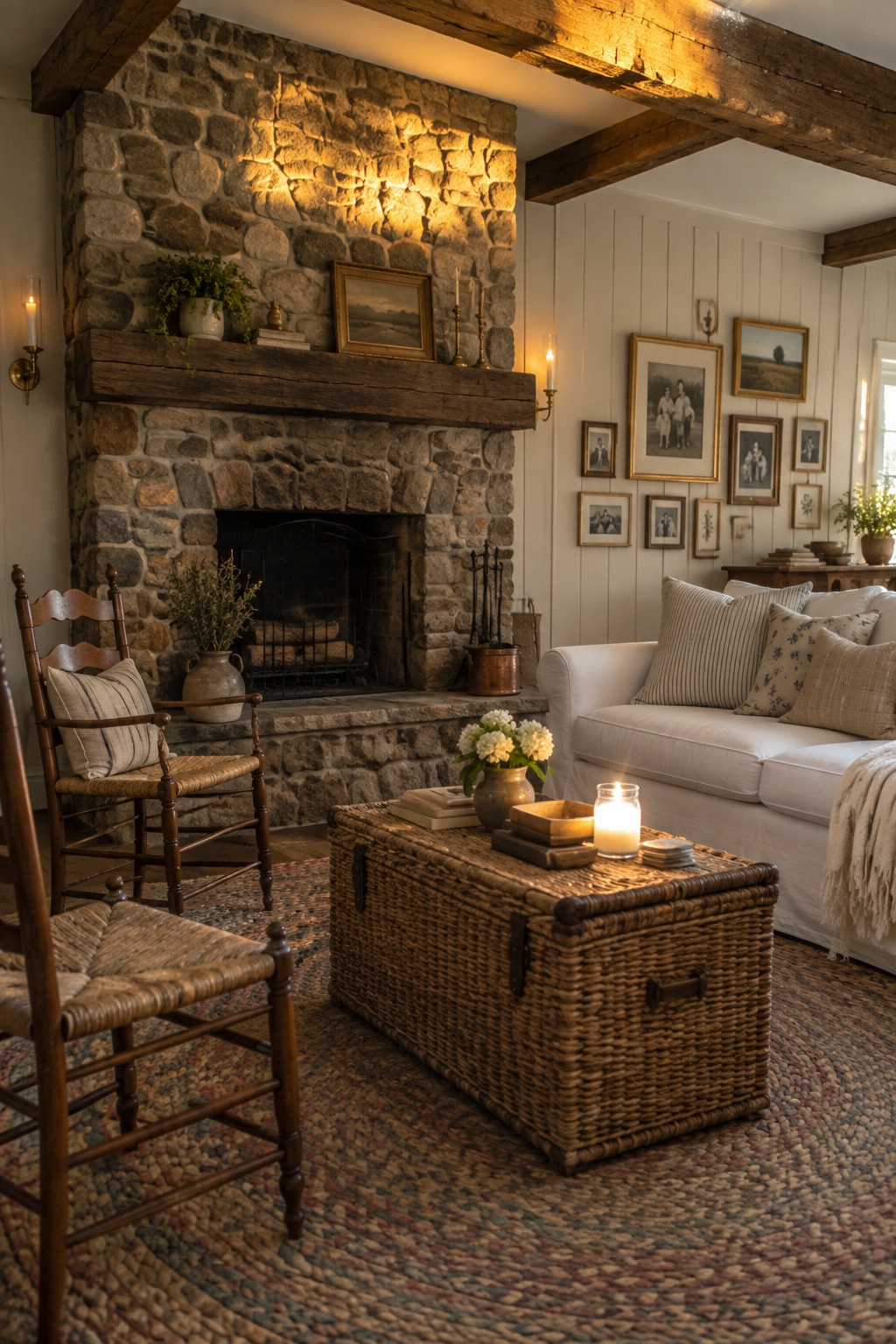
A big stone fireplace wall gives a living room real texture without needing much else. The rough surface stands out against smoother finishes and brings a grounded feel that works especially well in older or traditional homes.
This approach suits spaces where you want one strong material moment rather than layers of pattern. Keep the surrounding walls simple with painted paneling so the stone reads clearly. Avoid crowding the mantel or the floor in front of it.
Dark Textured Plaster Walls In Living Rooms
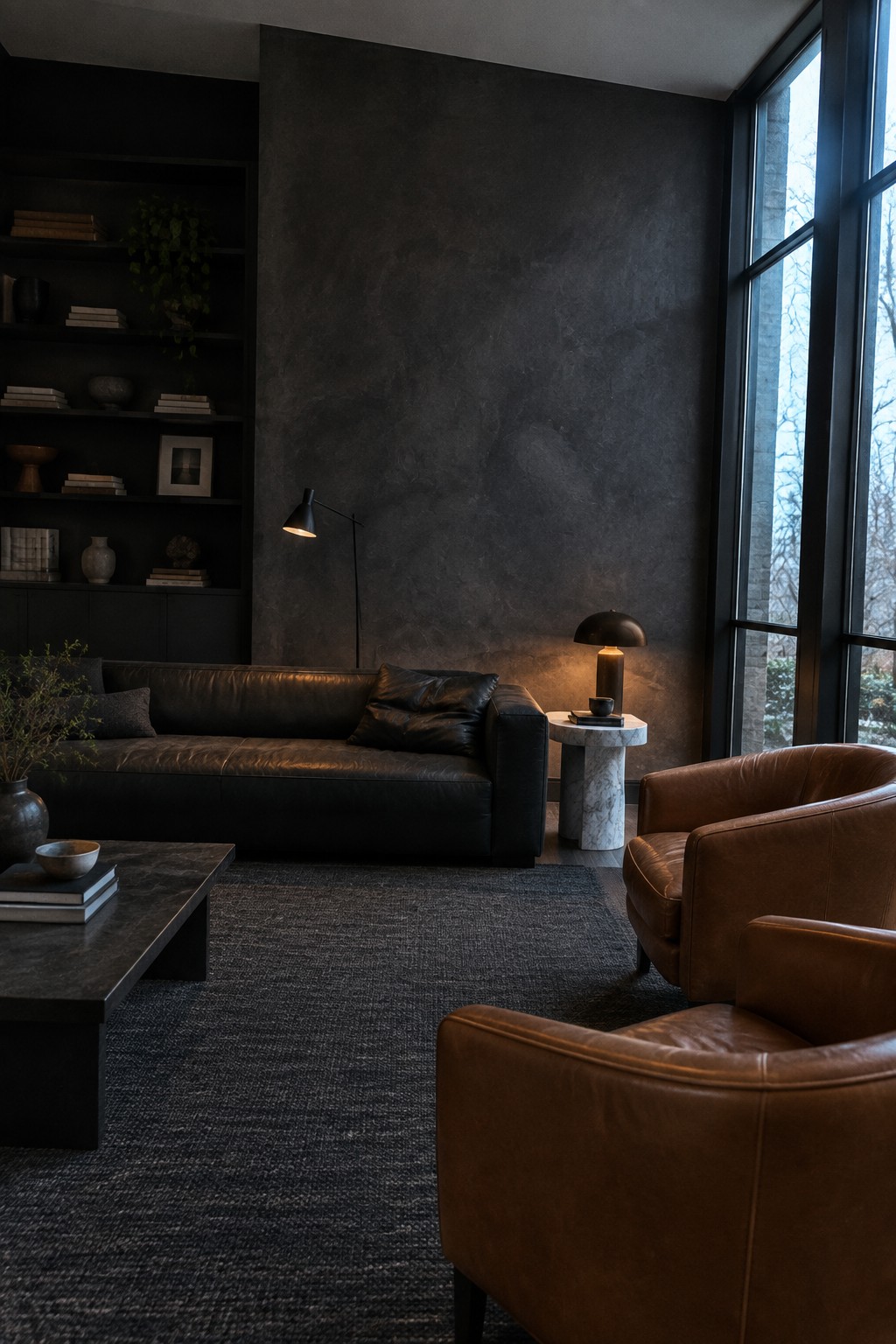
A dark textured plaster wall gives a living room weight and presence without crowding it with extra pieces. The surface catches light in a way flat paint cannot, so the room feels deeper and more settled even when the furnishings stay simple.
This approach suits homes that already lean toward darker tones or want a calmer, more enclosed feel. Keep the rest of the room fairly quiet with leather seating and open shelving so the wall stays the main feature. Test the plaster in your actual light before committing since the texture shifts a lot depending on the time of day.
Textured Plaster Walls For A Relaxed Living Room
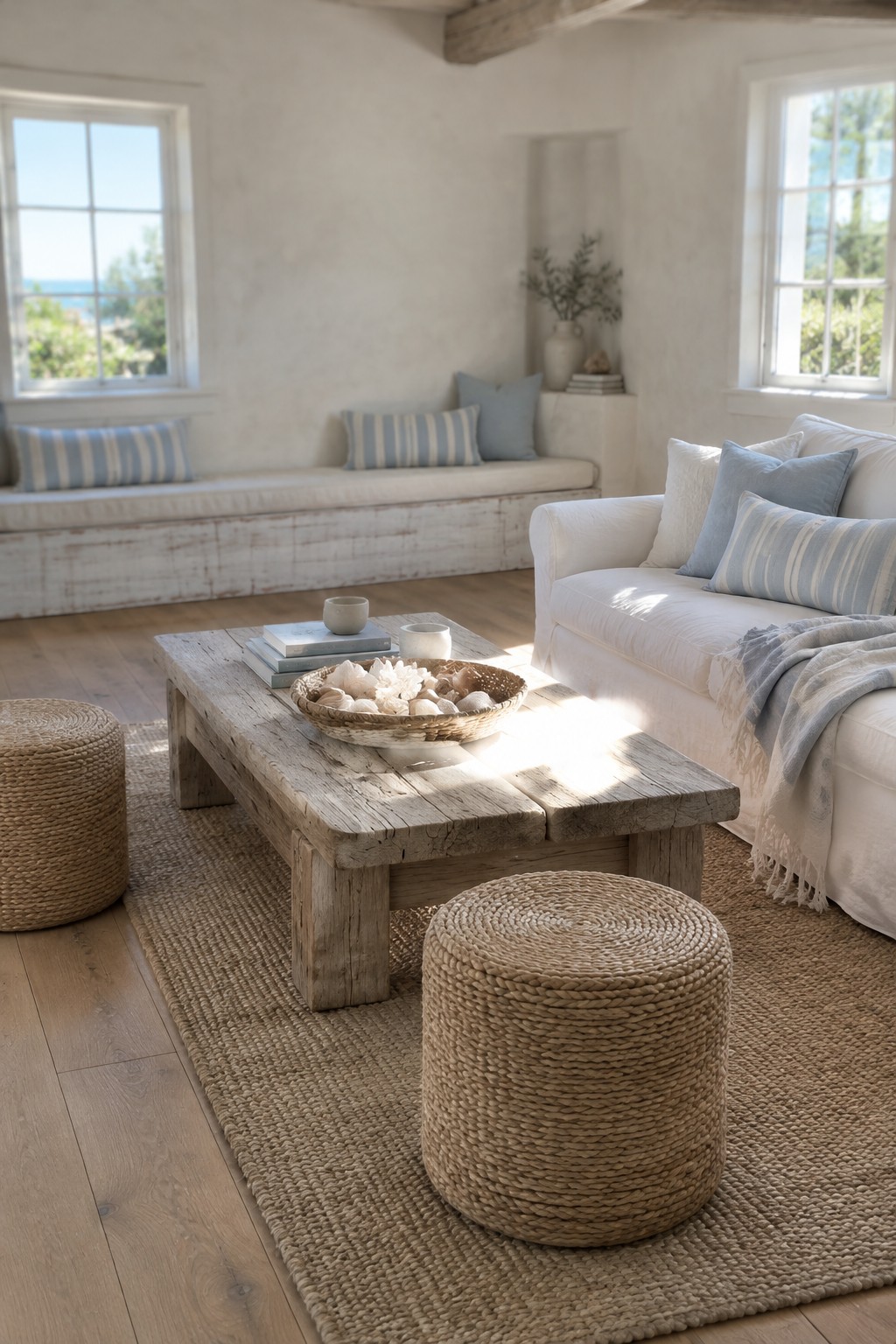
Textured plaster walls give a living room a quiet, handmade feel that smooth drywall never quite manages. The slight roughness softens the light and makes the space feel warmer without adding any extra color or pattern.
This works best in homes that already lean simple or coastal. Keep the furniture light and natural, and let the walls do most of the work. Just make sure the texture stays fairly fine so it does not read as unfinished.
Stone Accent Walls Add Texture to Living Rooms
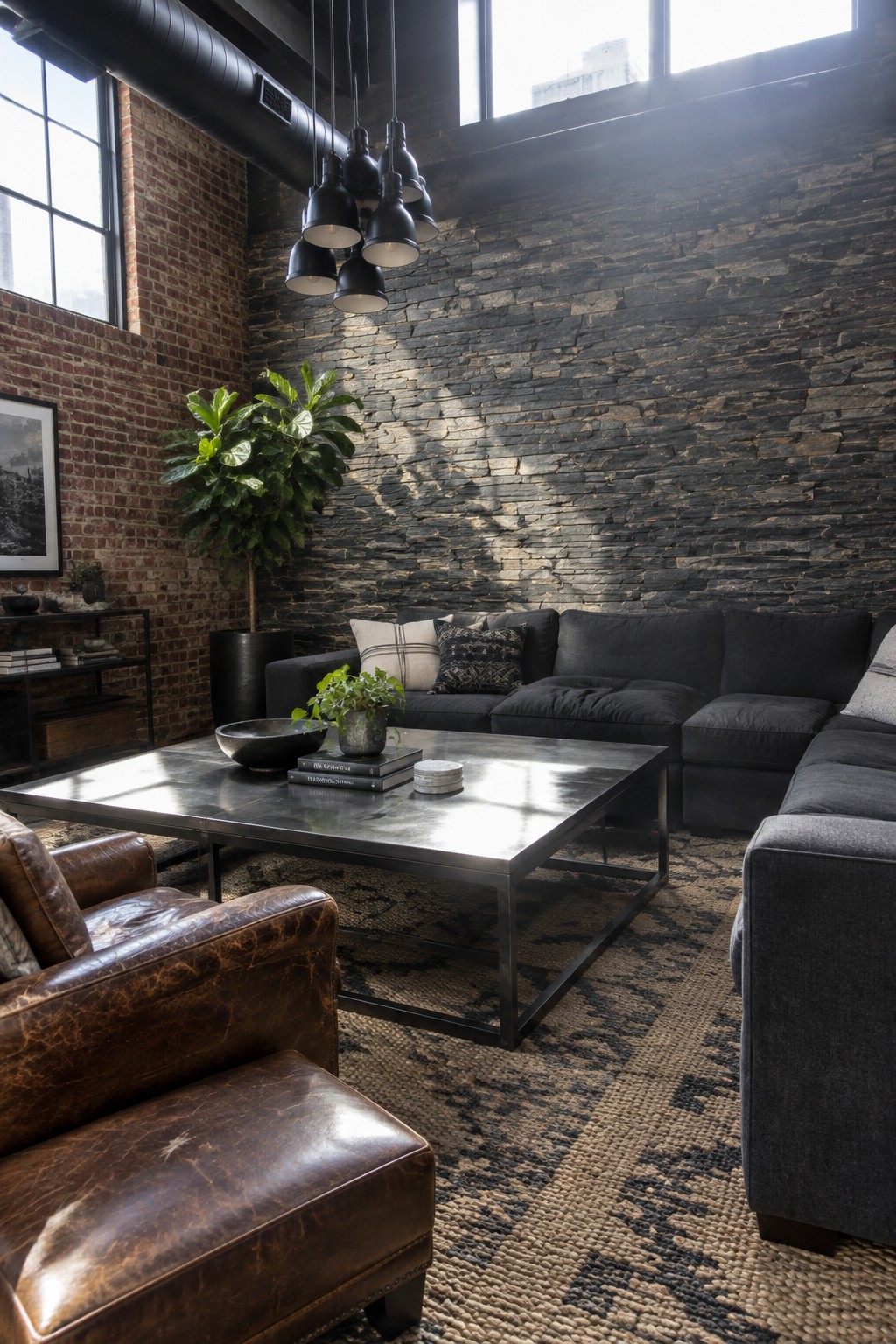
A stone accent wall gives a living room texture that feels substantial and lasting. The rough surface catches light differently throughout the day and creates a natural contrast with smoother furniture and finishes.
This works best in spaces that already have some industrial or modern character. Keep the rest of the room simple so the stone stays the main feature instead of competing with busy patterns or too many colors.
Textured Plaster On Living Room Walls
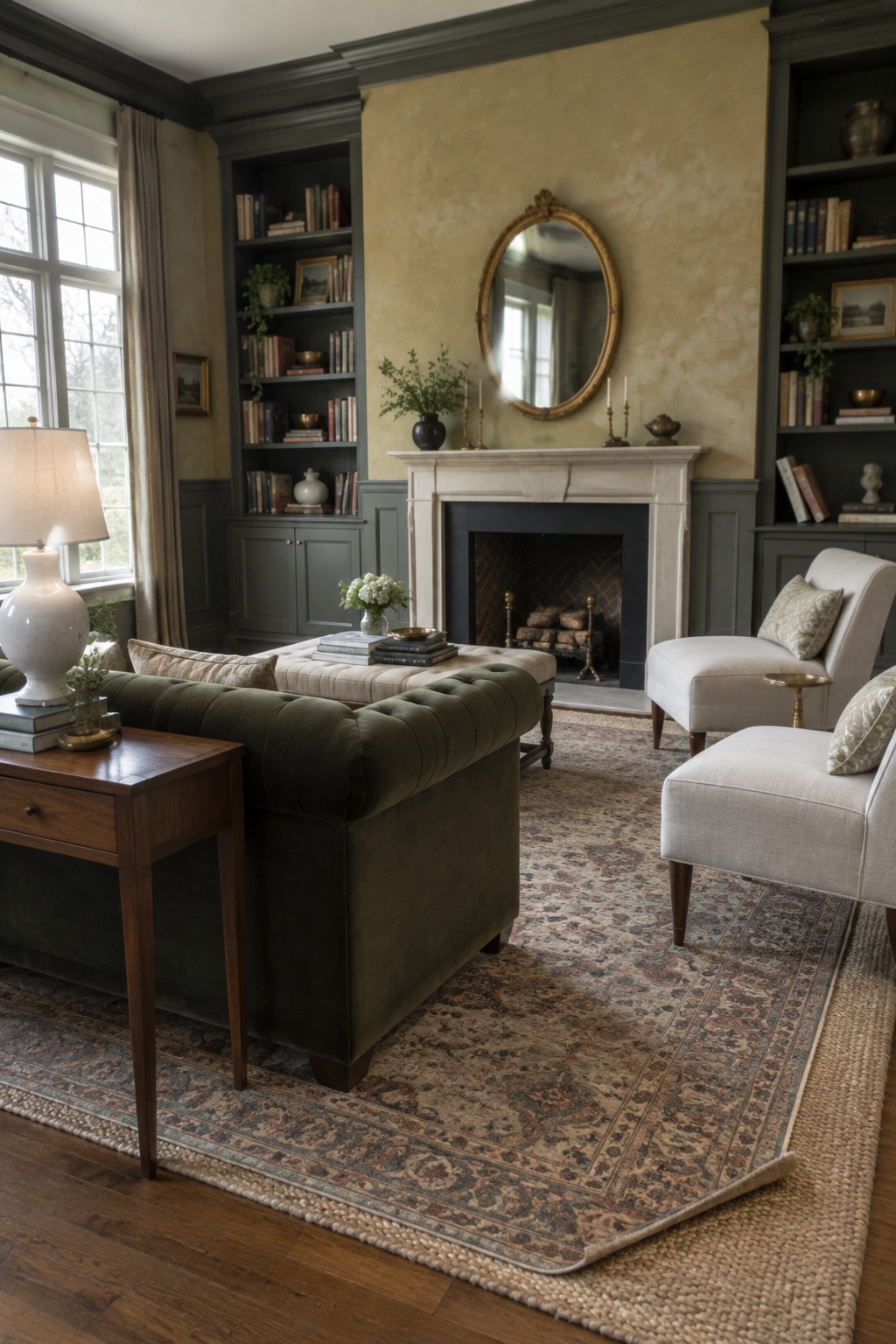
One approach that adds interest without much fuss is using a textured plaster finish on the upper walls. It brings a soft, slightly uneven surface that catches light differently than flat paint, and it works especially well when the lower walls and built ins stay in a deeper painted color.
This finish suits homes that already have trim or millwork in place. Keep the plaster on one main wall like the fireplace area, and let the surrounding bookshelves and paneling stay solid so the texture does not feel overwhelming.
Textured Plaster Walls In A Living Room
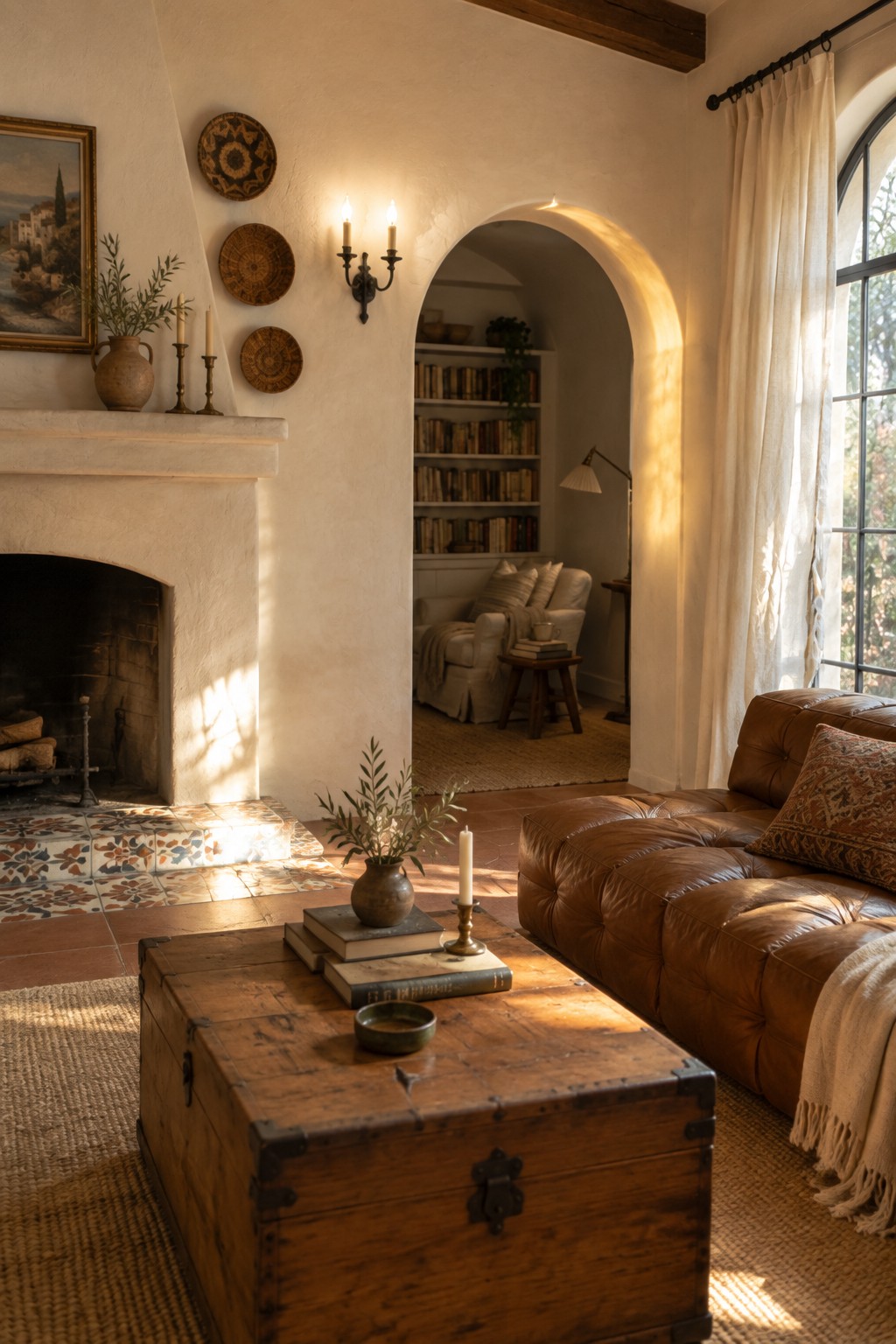
Textured plaster walls give a room a quiet depth that flat paint never quite reaches. The surface holds light differently throughout the day, so the space feels softer and less finished in a good way.
This approach suits older homes or any new room that needs to feel settled rather than brand new. Keep other surfaces simple and let the walls carry the texture so the room stays easy to live in.
Textured Plaster Walls In Living Rooms

A textured plaster wall gives a living room real warmth without needing lots of extra pieces. The surface catches light in a way that flat paint never does, and the slight color shifts keep the space from feeling too plain or cold.
This approach suits homes that already use wood furniture and natural textiles. Keep the rest of the room simple so the wall stays the main feature, and test the plaster color on a large sample first since earthy tones can shift quite a bit once they are up.
Textured Plaster On Living Room Walls
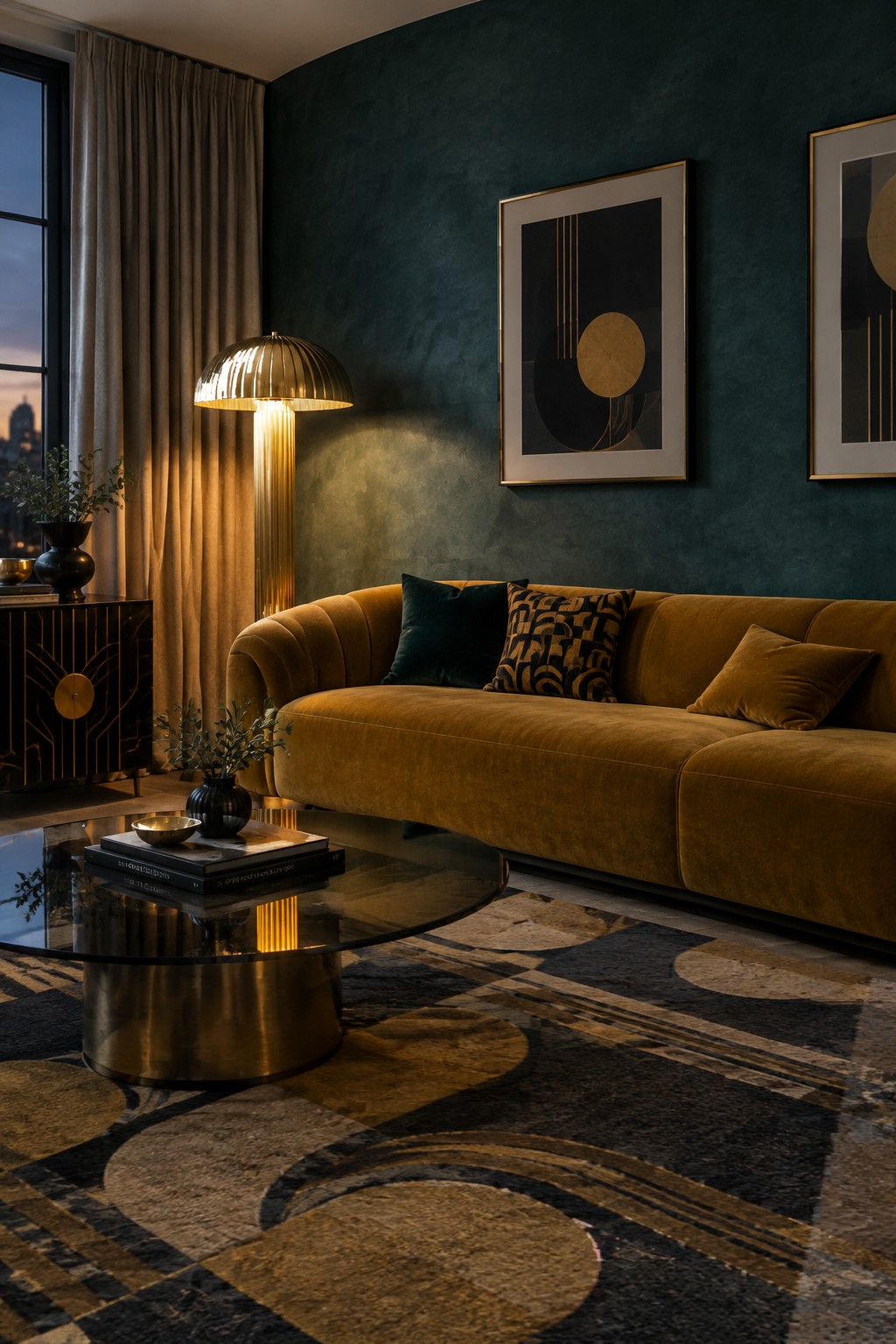
A textured plaster wall gives a living room a quiet sense of depth that flat paint cannot match. The surface holds light and shadow in a way that makes the whole room feel more finished, especially when done in a deeper color like this dark teal.
This works best in rooms that already have a strong sofa or larger furniture pieces, since the wall can carry some visual weight without competing. It suits homes that want a bit of character but still keep the overall look simple and unfussy.
Stone Walls Bring Texture To Living Rooms

A stone wall gives a living room texture that feels grounded and natural. The rough surface adds depth without needing extra patterns or layers, and it holds up well against softer pieces like fabric sofas and woven rugs.
This approach suits homes that already lean rustic or want a bit of outdoor character indoors. Keep the rest of the room simple with wood furniture and neutral textiles so the stone stays the main feature rather than competing with too many other materials.
Painted Paneling For Gentle Wall Texture
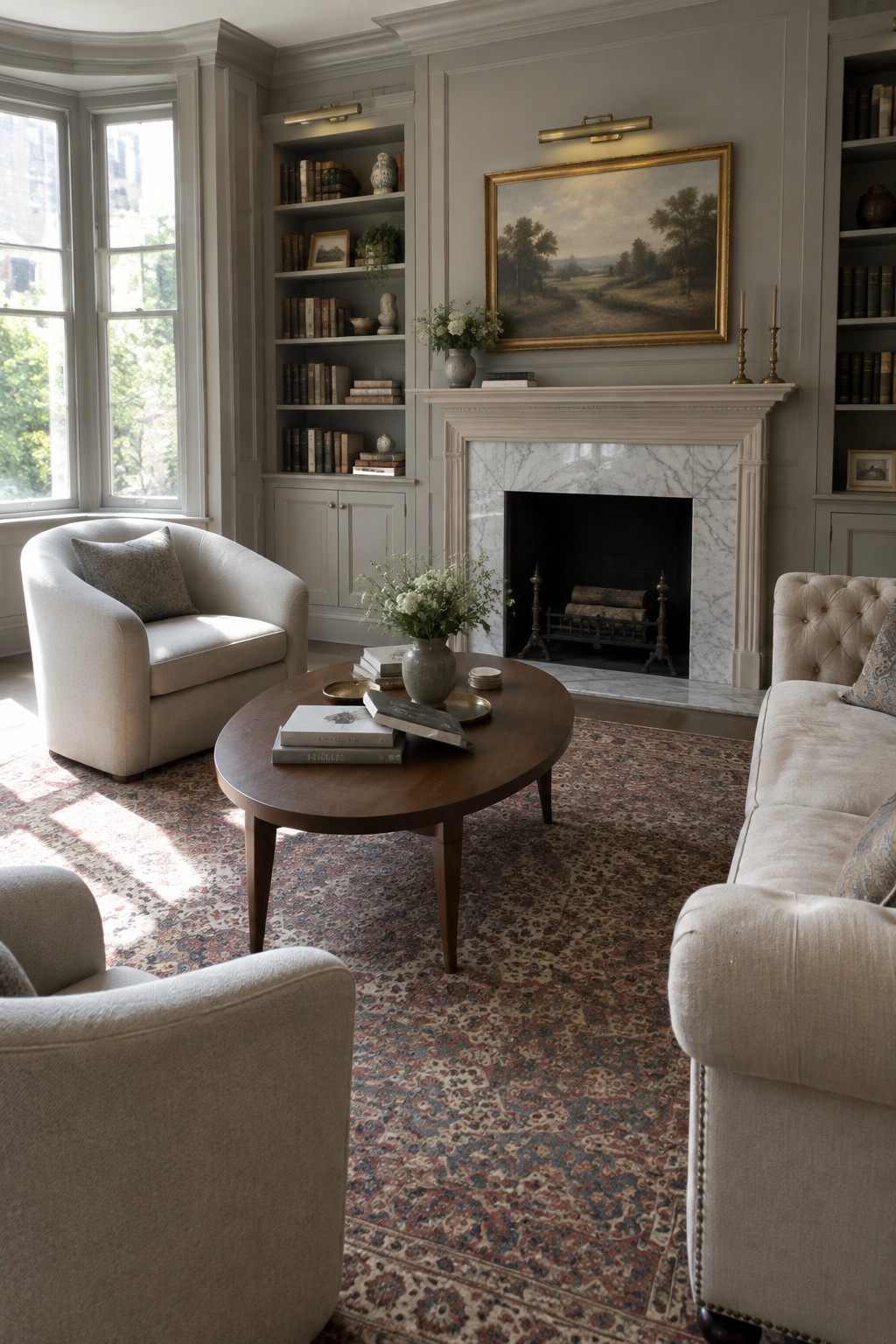
Painted paneling gives walls a quiet depth that flat paint never quite reaches. The raised edges catch the light in a soft way, so the room feels finished without looking busy or overdone. It works especially well when you want a bit of architecture in a space that still needs to feel relaxed.
This look suits both older homes and newer ones that need more character. Keep the color light and use it on all four walls or just the fireplace wall, then let the paneling frame built-ins or a mantel so the texture stays consistent throughout the room.
Plaster Textured Walls For Living Rooms

Plaster textured walls give a living room quiet depth without needing much else. The surface feels soft but still shows some roughness, which helps the space feel warmer than a flat painted wall would.
This works best in rooms where you want one main material to carry the look. Pair it with simple seating and a built-in fireplace like the one shown here, then keep everything else low and neutral so the texture does the work.
Stone Fireplace Walls Add Texture
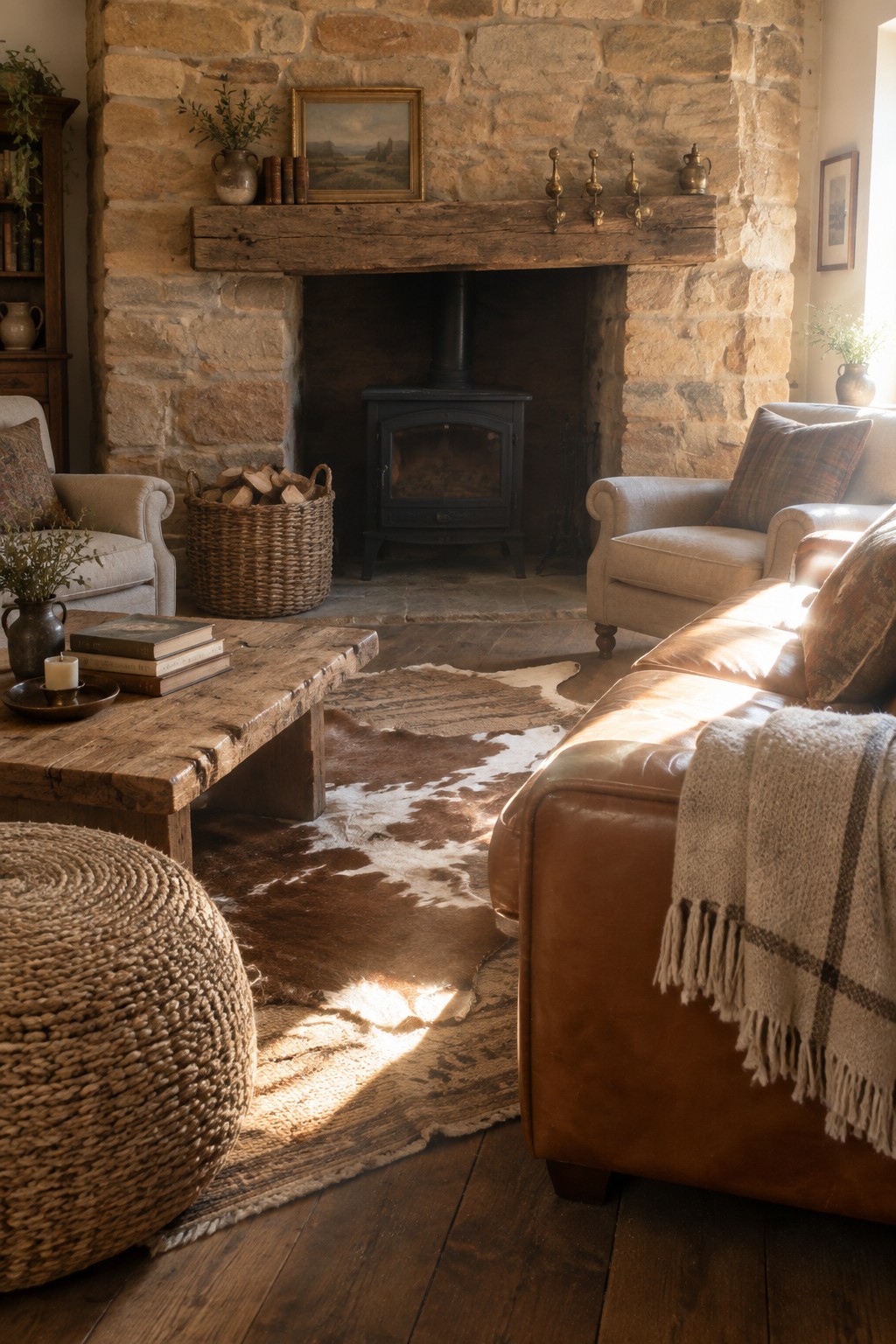
A stone wall around the fireplace gives a living room a solid, grounded feel that paint alone cannot match. The rough surface catches light and shadow in a way that makes the whole space feel more finished and less flat.
This works best in homes that already have wood floors or timber details, since the stone pairs naturally with them. Keep other walls lighter so the fireplace area stays the main point of interest rather than competing with too many textures at once.
Mixing Paneling With Plaster For Added Wall Texture
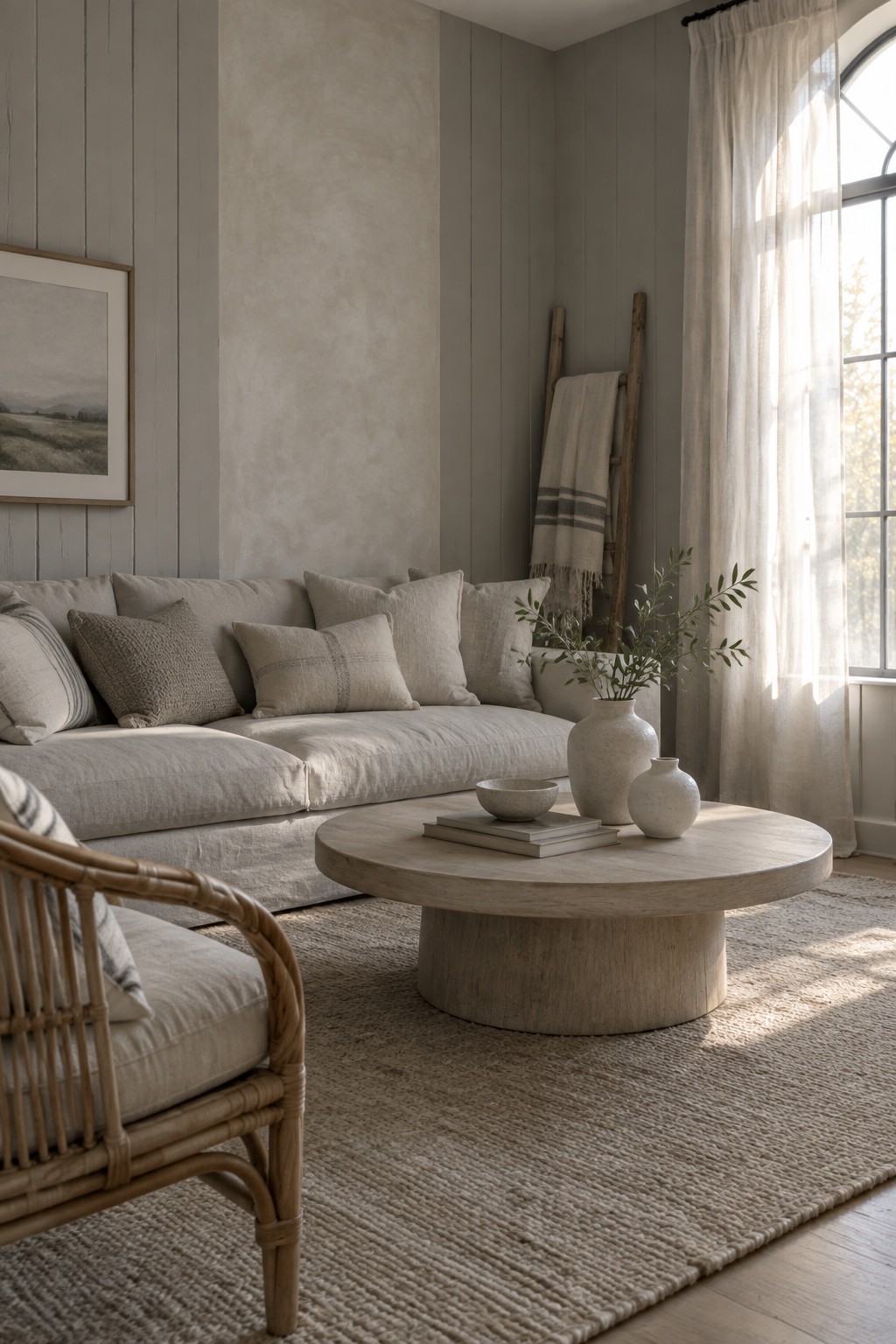
Vertical paneling paired with plaster gives walls a quiet layered look that feels more interesting than a single finish. The contrast between the lines of the wood and the softer plaster surface adds depth while still keeping the room calm and neutral. This approach works especially well when you want texture but do not want to add busy patterns or bold colors.
It suits older homes or new builds that need a bit more character on plain walls. Keep the palette light and let the materials do the work. Avoid using too many different finishes in one room or the effect can start to feel scattered.
Stone Accent Walls For Natural Texture
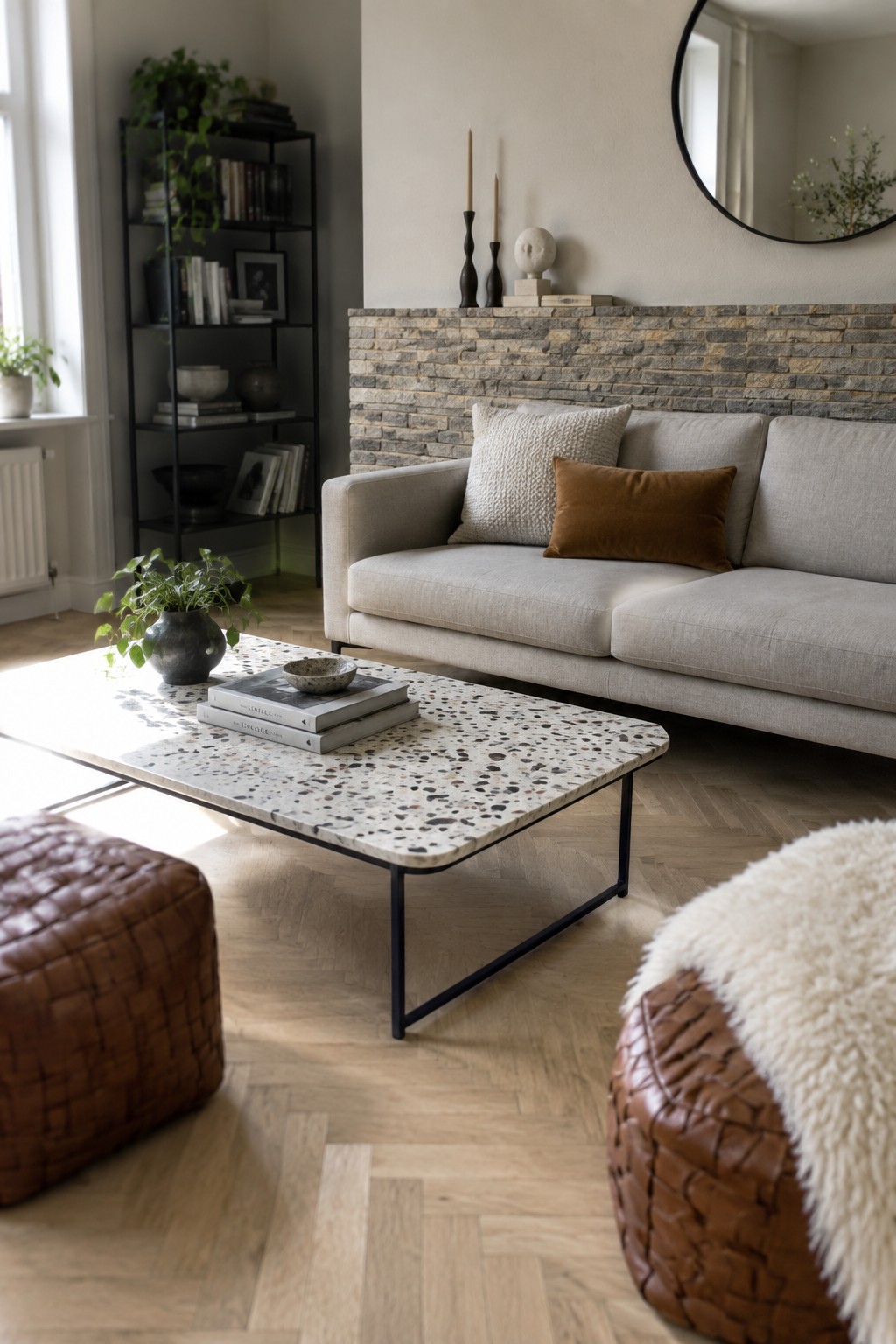
A stone accent wall behind the sofa brings in a layer of texture that feels solid and grounded next to softer seating. The varied tones in the stone keep the wall from looking flat while the neutral sofa in front lets the texture do the work.
This approach works best in rooms with wood floors and simple furniture. It can feel heavy in smaller spaces, so it suits open living areas where the stone has some breathing room around it.
Mixing Plaster And Paneling For Textured Walls
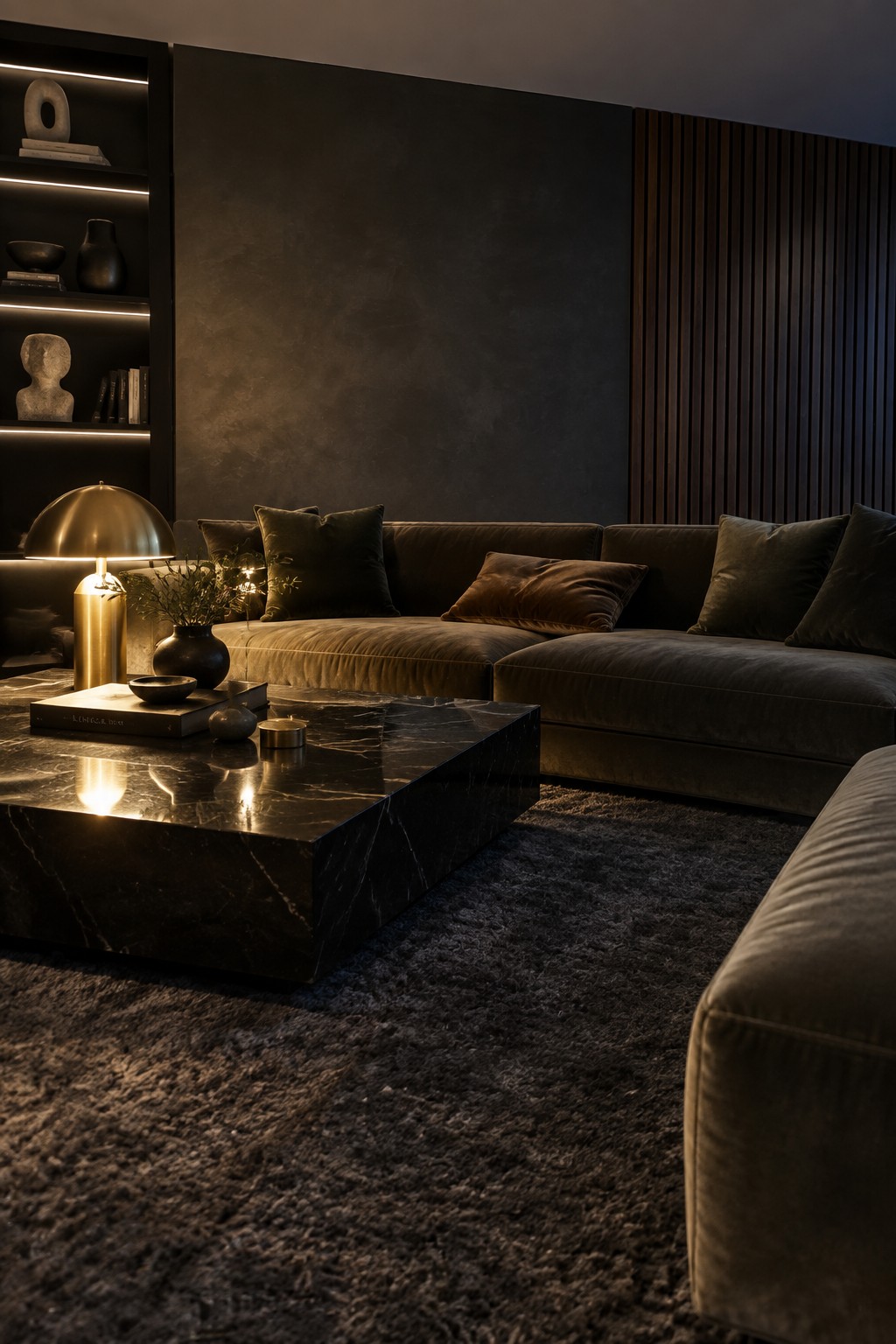
One simple way to give a living room wall more character is to combine a rough plaster surface with vertical wood paneling. The plaster adds an uneven, hand-finished quality while the paneling brings clean lines and a bit of warmth. Together they keep the space from feeling flat, especially in darker rooms where light plays off the different textures.
This mix works best when the wall sits behind a large piece of furniture like a sofa, so the textures do not compete with too many other details. It suits homes that already lean toward deeper colors and built-in shelving, since the paneling can echo the straight edges of those elements without needing extra trim or molding.
Stone Walls With Built-In Niches

A stone wall with a recessed niche gives a living room texture without needing extra layers or busy patterns. The rough surface adds quiet interest, while the niche keeps the look practical by holding a few books or small pieces instead of spreading things across shelves.
This works especially well in older homes or spaces that already have some age to them. Keep the rest of the room simple with soft fabrics and wood furniture so the stone stays the main feature rather than competing with too many other materials.
Mix Plaster With Vertical Wood Slats
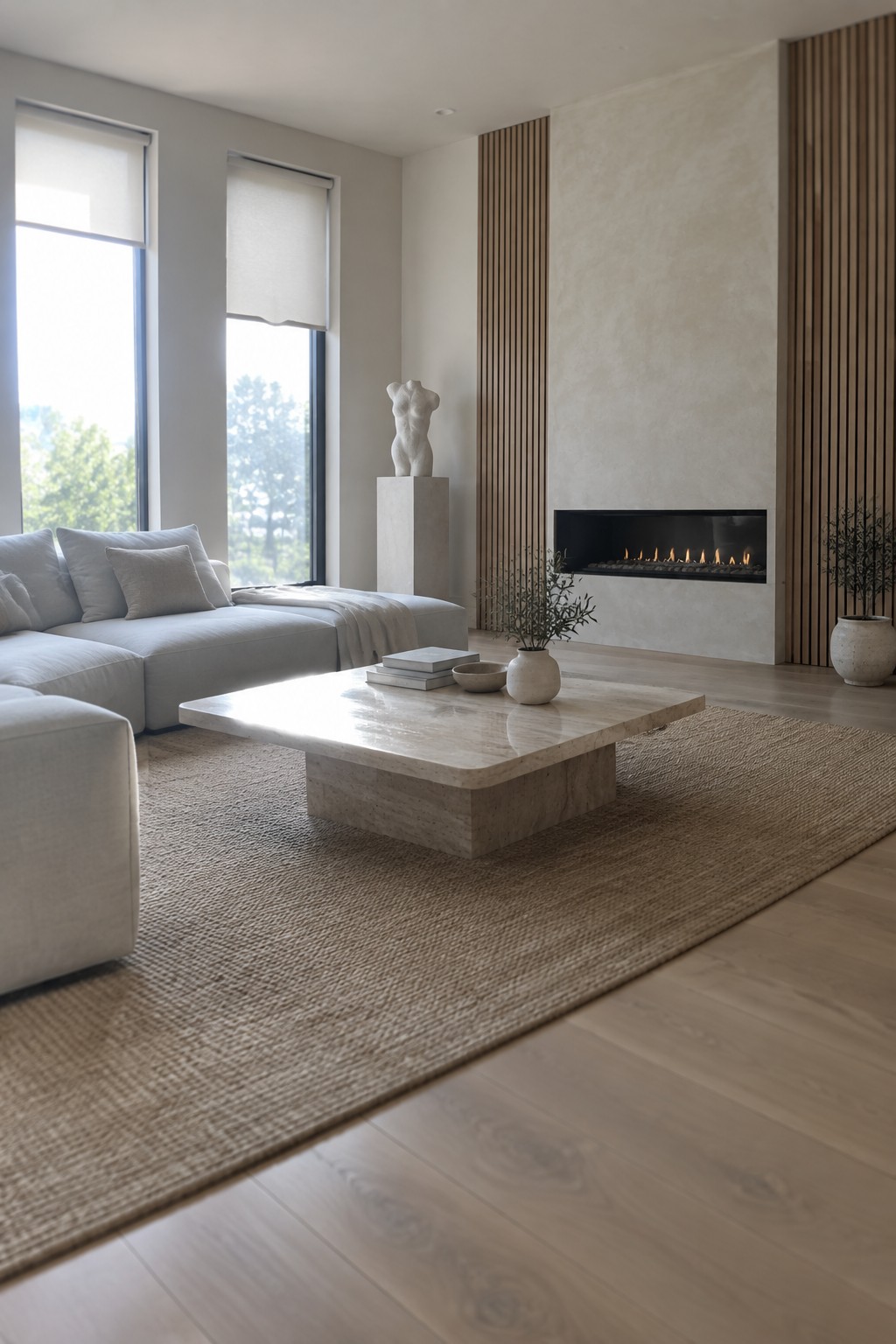
Many living rooms end up feeling flat when all the walls match. A section of textured plaster paired with vertical wood slats adds just enough contrast to make the space feel more layered and finished. The two surfaces play off each other without needing extra color or pattern.
This works best on a single feature wall, especially behind a fireplace. It suits homes that already lean on natural materials and soft neutrals. Keep the other walls plain so the mix does not compete with itself.
Plaster Walls Bring Warmth To A Living Room
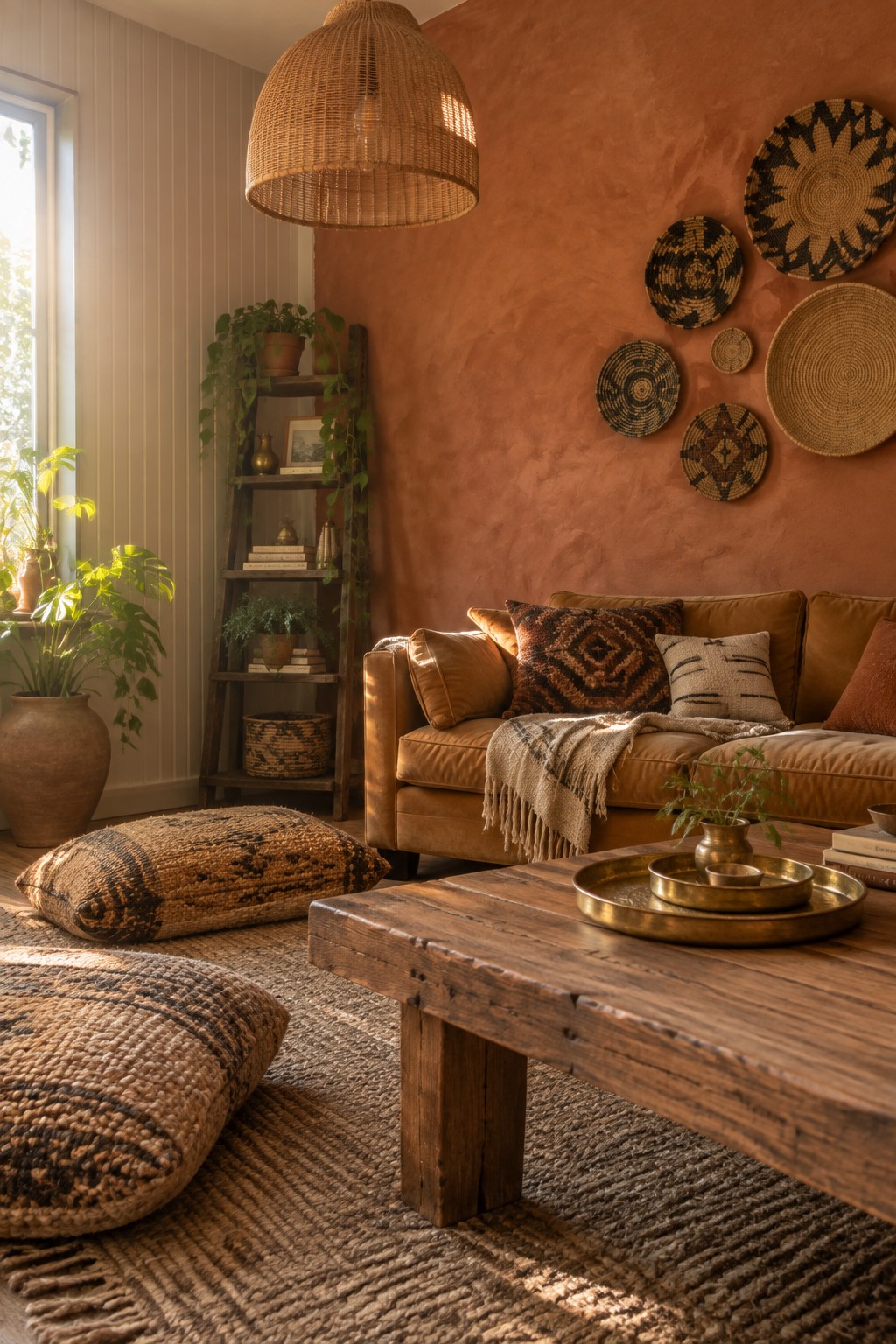
Plaster works well when you want a living room wall that feels soft and alive instead of flat. The uneven surface holds light in a quiet way and gives the room a sense of depth that paint alone rarely achieves.
This finish suits homes that already use natural materials like leather, wood, and woven pieces. A warm terracotta tone works best in spaces with decent daylight, and it pairs nicely with simple furnishings so the wall can do its job without needing extra decoration.
Frequently Asked Questions
Q: How do I pick between stone and plaster if my living room gets a lot of sunlight? A: Plaster handles bright light better because it reflects more and won’t fade unevenly over time. Stone can warm up the space too much in summer unless you pick a lighter shade. Try a small test patch first on the wall that gets the most direct rays.
Q: Will wood paneling make my room feel smaller or closed in? A: Vertical panels actually stretch the height and keep things open if you space them out. But horizontal ones can shrink the feel fast in already tight rooms. Paint the panels the same color as the ceiling to pull the eye up instead.
Q: Can I combine stone and plaster on the same wall without it looking random? A: Keep one texture to a single accent section and let the other cover the rest. This stops the mix from fighting for attention. Match the colors closely so the change feels like a natural shift rather than two separate ideas.
Q: How often do these textured walls need cleaning? A: A quick dust with a microfiber cloth every couple weeks handles most buildup on paneling and plaster. Stone needs the same plus a damp wipe now and then if you notice marks. (Skip harsh sprays or they can dull the finish.)
