

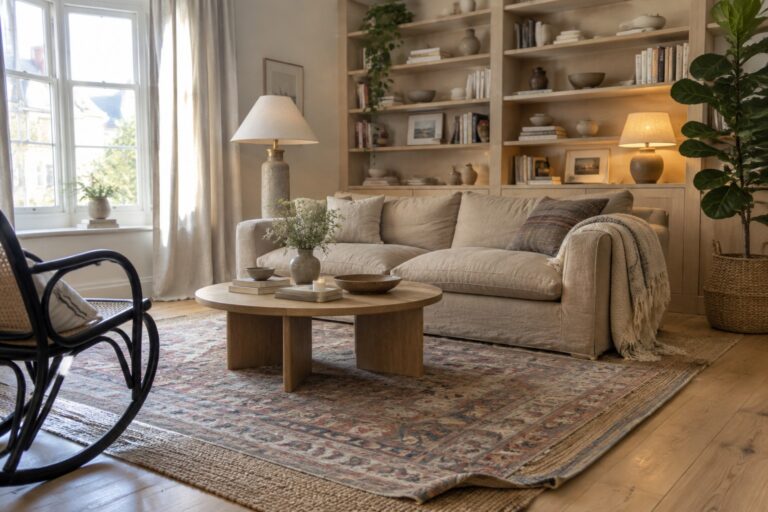
Living rooms tend to feel more settled when the floors have some depth instead of sitting flat with just one rug.
I have found that mixing different textiles can soften the edges of a space that otherwise looks too rigid after the furniture is placed.
Textures matter more than most people expect once the daylight hits them at different angles throughout the day.
Start small with what you already own.
Trying a few overlaps in person shows quickly which ones actually hold up to daily use.
Layer Rugs For Added Warmth And Texture
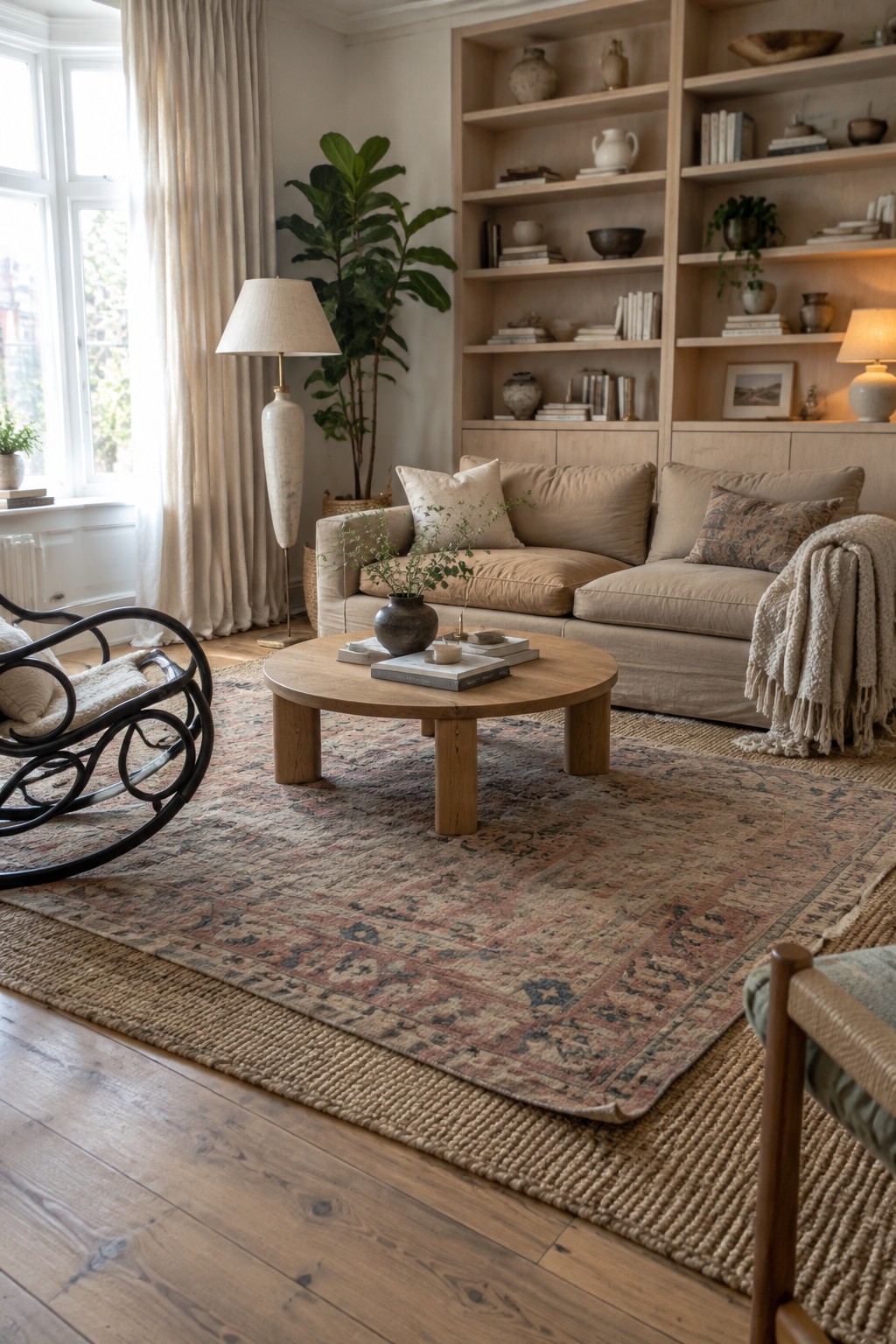
Layering rugs gives a living room more depth without adding much furniture. The bottom layer can be a simple natural weave that covers a larger area, while the top rug adds pattern and softness right where people sit and walk most. This works especially well on hard floors that feel cold or echo too much.
Start with a durable base rug that extends under the main seating area, then place a smaller patterned rug on top so the edges show on two or three sides. It suits most homes with wood floors and lets you change the look later by swapping just the top layer if needed.
Layer Rugs and Textiles for Added Warmth
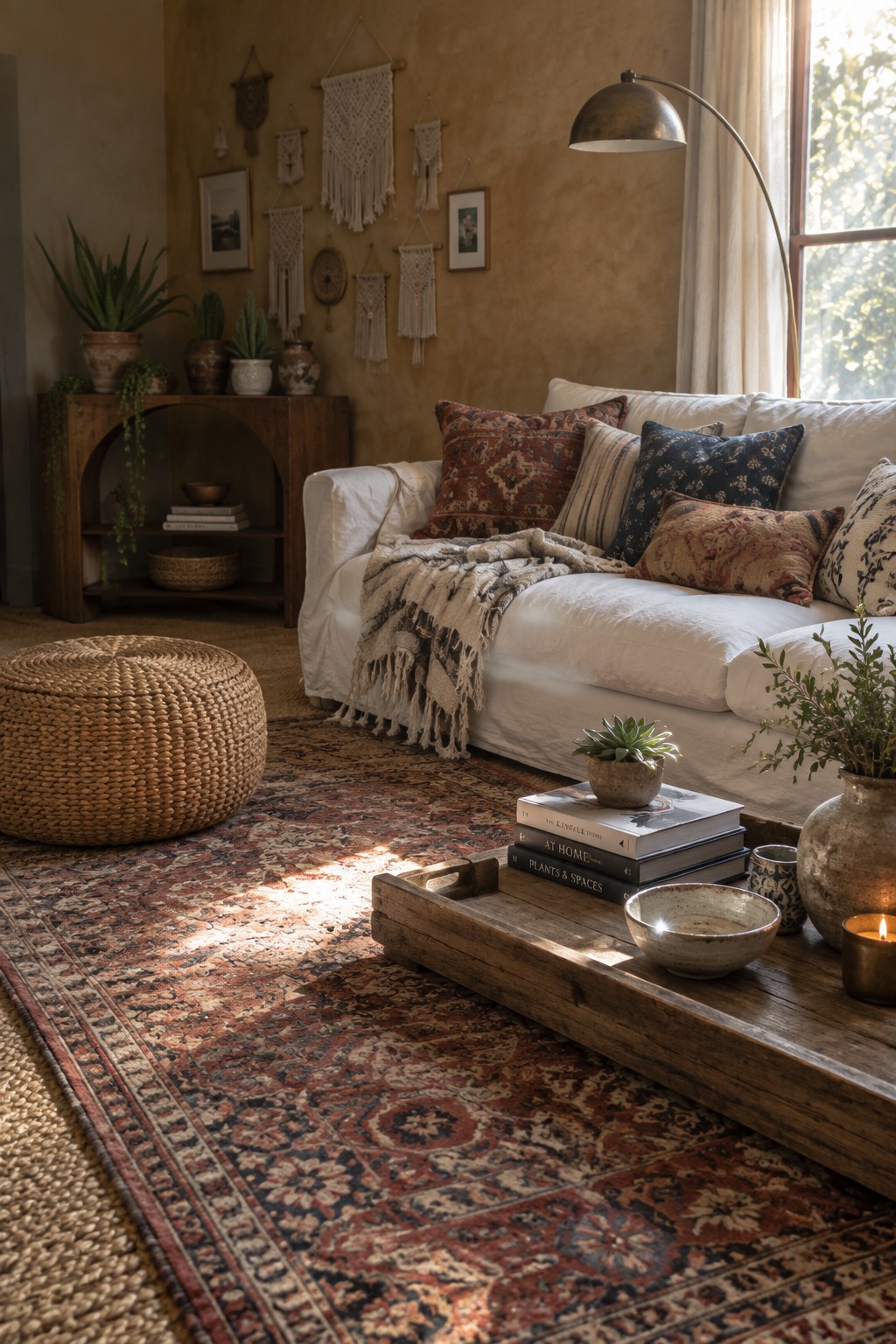
Layering rugs and textiles gives a neutral living room more depth and comfort without major changes. A large patterned rug under the seating area paired with natural fiber accents and a soft throw on the sofa helps the space feel lived in and settled.
This works best in rooms with light furniture and plain walls where you want some texture but still need the area to stay practical. Start with one substantial rug, then add a smaller woven piece or a blanket only where it gets regular use so the layers do not get in the way.
Layer Two Rugs for Added Texture
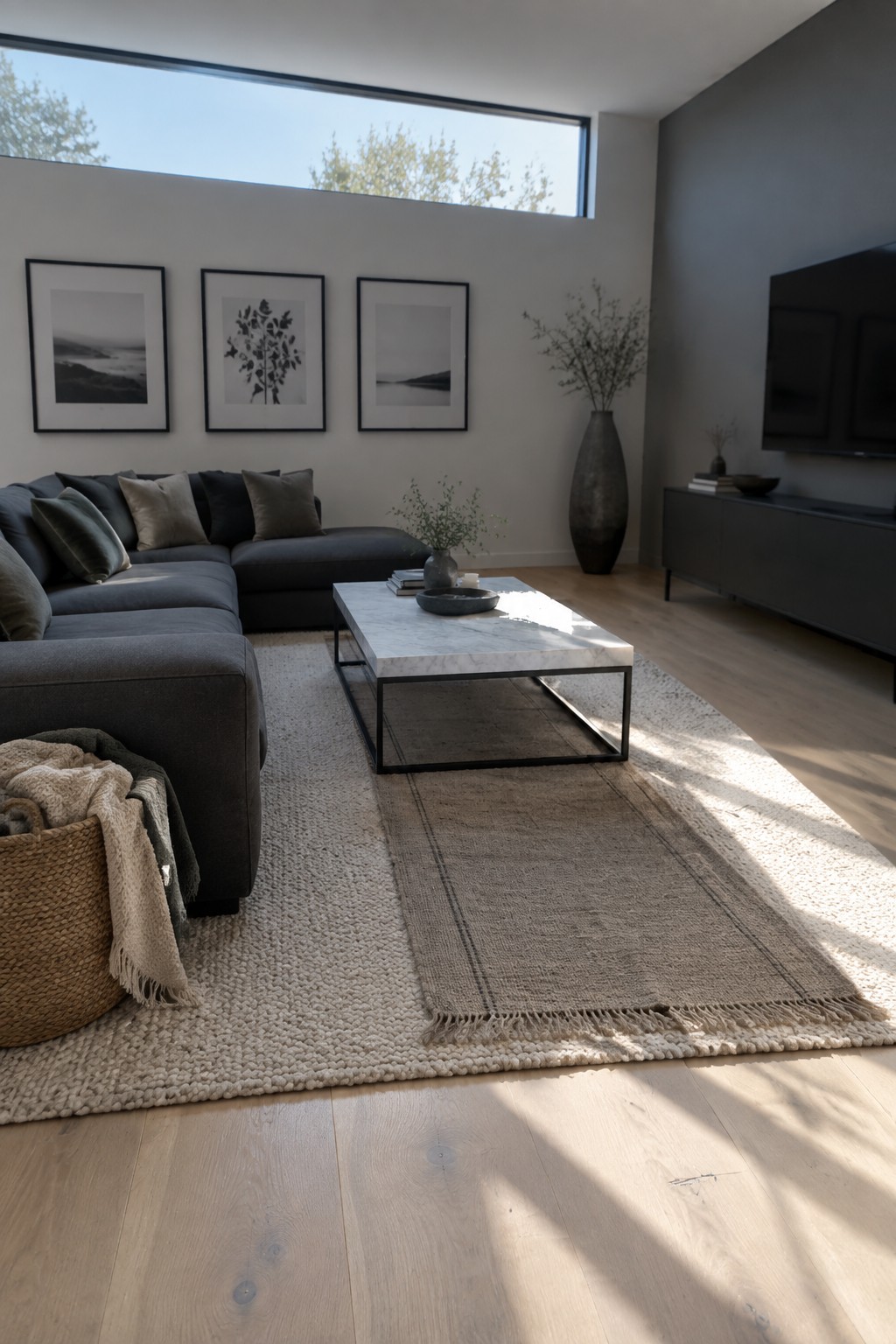
Layering rugs gives a living room floor more depth without adding clutter. A large textured rug underneath a smaller woven one creates a soft base while the top layer keeps the coffee table area feeling defined and practical.
This approach works best in neutral rooms where furniture already takes up visual space. Keep both rugs in similar tones so the layers blend rather than compete, and let the bottom rug extend well past the edges of the top one.
Create a Soft Center With Patterned and Woven Rugs
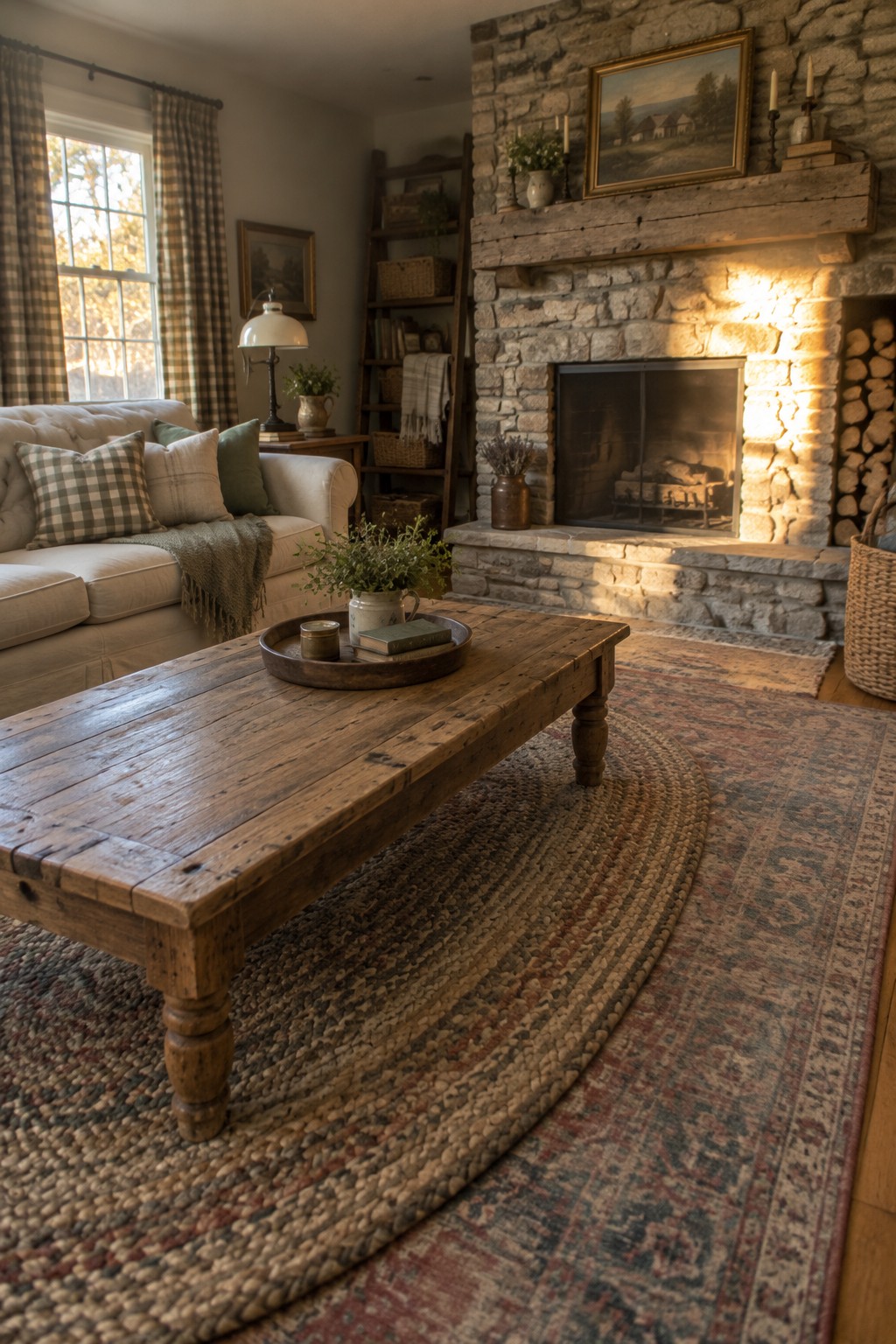
Layering rugs gives a living room more depth without needing new furniture or major changes. A larger patterned rug on the floor with a smaller woven one on top creates a natural center for seating while adding warmth underfoot. This works especially well in spaces that already have wood floors or stone features that can feel a bit cold on their own.
Try starting with a bigger rug that covers most of the seating area, then place a round or rectangular one made of a different material right under the coffee table. It suits older homes or casual rooms where you want the floor to feel softer and more collected over time. Keep the top rug smaller so the layers show clearly instead of blending together.
Mix Neutral and Patterned Rugs for a Flexible Seating Area
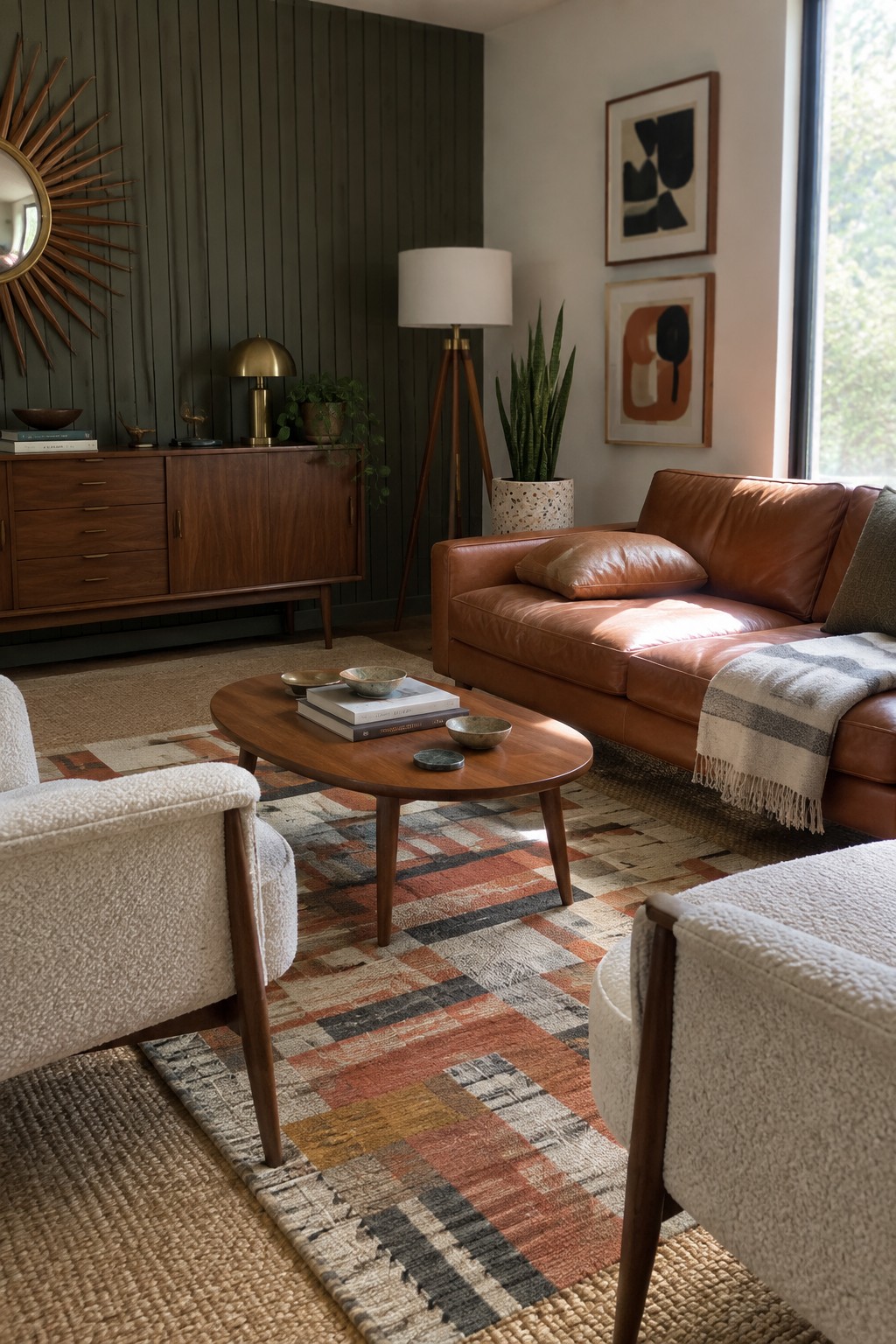
Layering rugs gives a living room floor more depth without needing a lot of new furniture. A large neutral base rug with a smaller patterned one on top creates a cozy spot that feels finished and pulled together. The mix of textures also helps soften harder floors and makes the seating area feel more defined.
This works best in rooms where you want flexibility. You can swap the top rug when you want a change in color or pattern, and it suits both small and larger living rooms. Just keep the bottom layer a bit bigger so the edges show and the whole setup stays balanced.
Layer a Large Area Rug to Anchor the Room
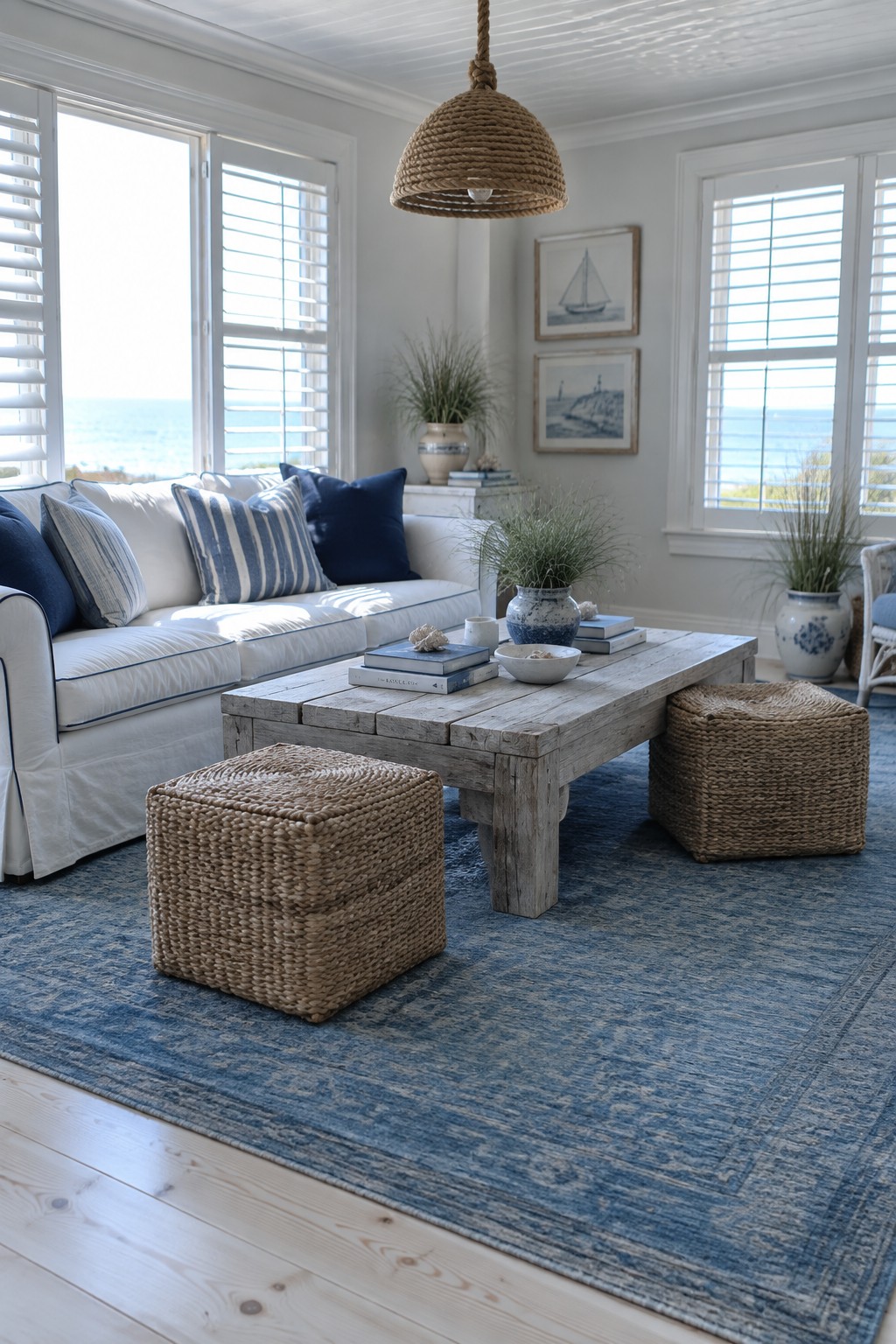
A large area rug does a lot of the heavy lifting in a living room by pulling the furniture into one clear zone. It adds softness underfoot and gives the space a finished look without much extra effort.
This approach works especially well in casual homes near the coast or anywhere you want a relaxed feel. Keep the rug big enough that the front legs of the sofa rest on it, then add a couple of natural woven pieces on top for contrast and texture.
Pair a Simple Base Rug With a Patterned Top Layer
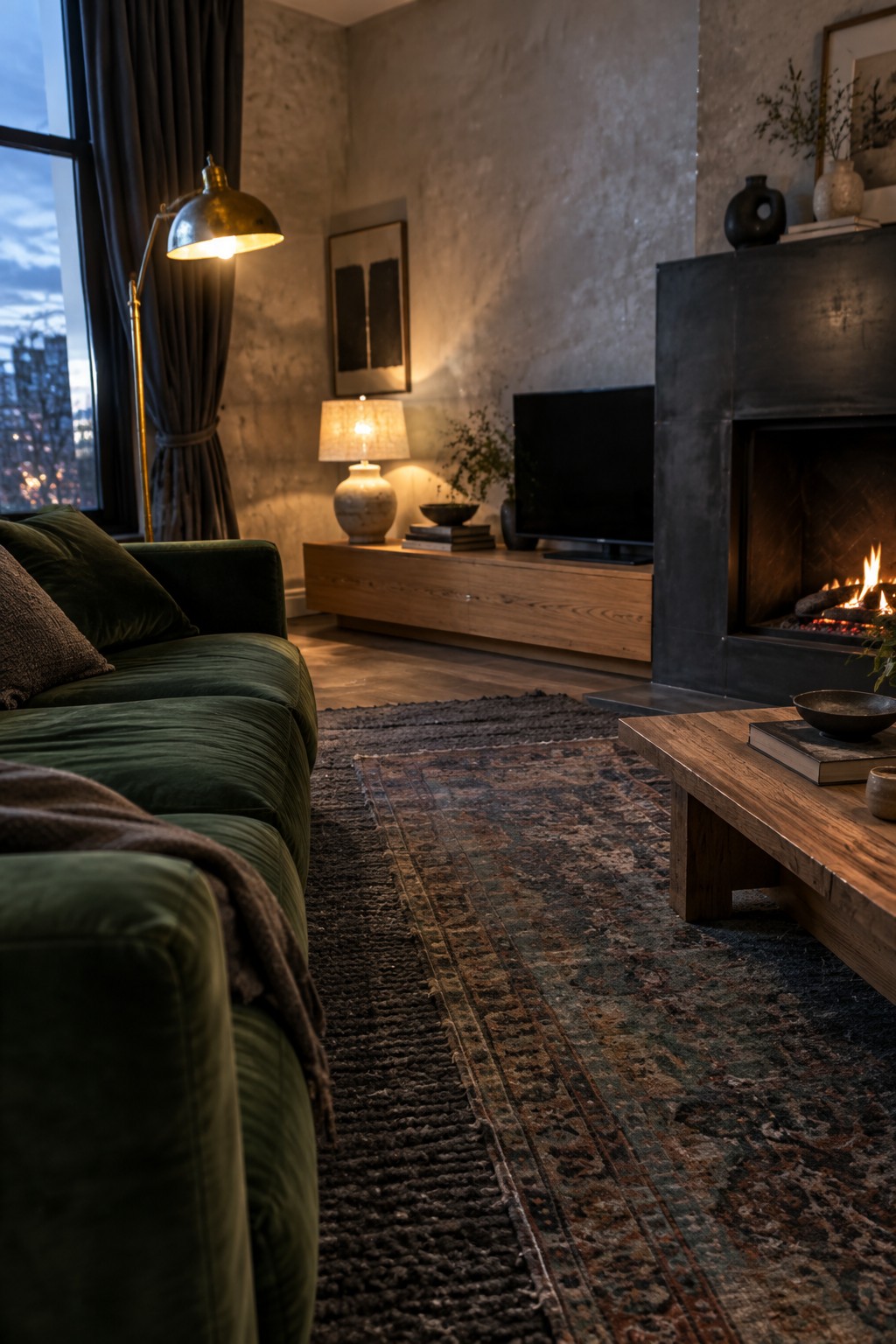
Layering rugs gives a living room floor more depth without needing new furniture or big changes. The mix of a soft base rug and a patterned one on top creates a settled look that feels comfortable underfoot and helps tie the seating area together.
This approach works best in rooms with wood or hard floors where you want extra softness. Keep the bottom layer simple and let the top rug bring the pattern, then add throws or pillows in similar tones so the whole space feels pulled together without looking too planned.
Layer Rugs for Extra Texture
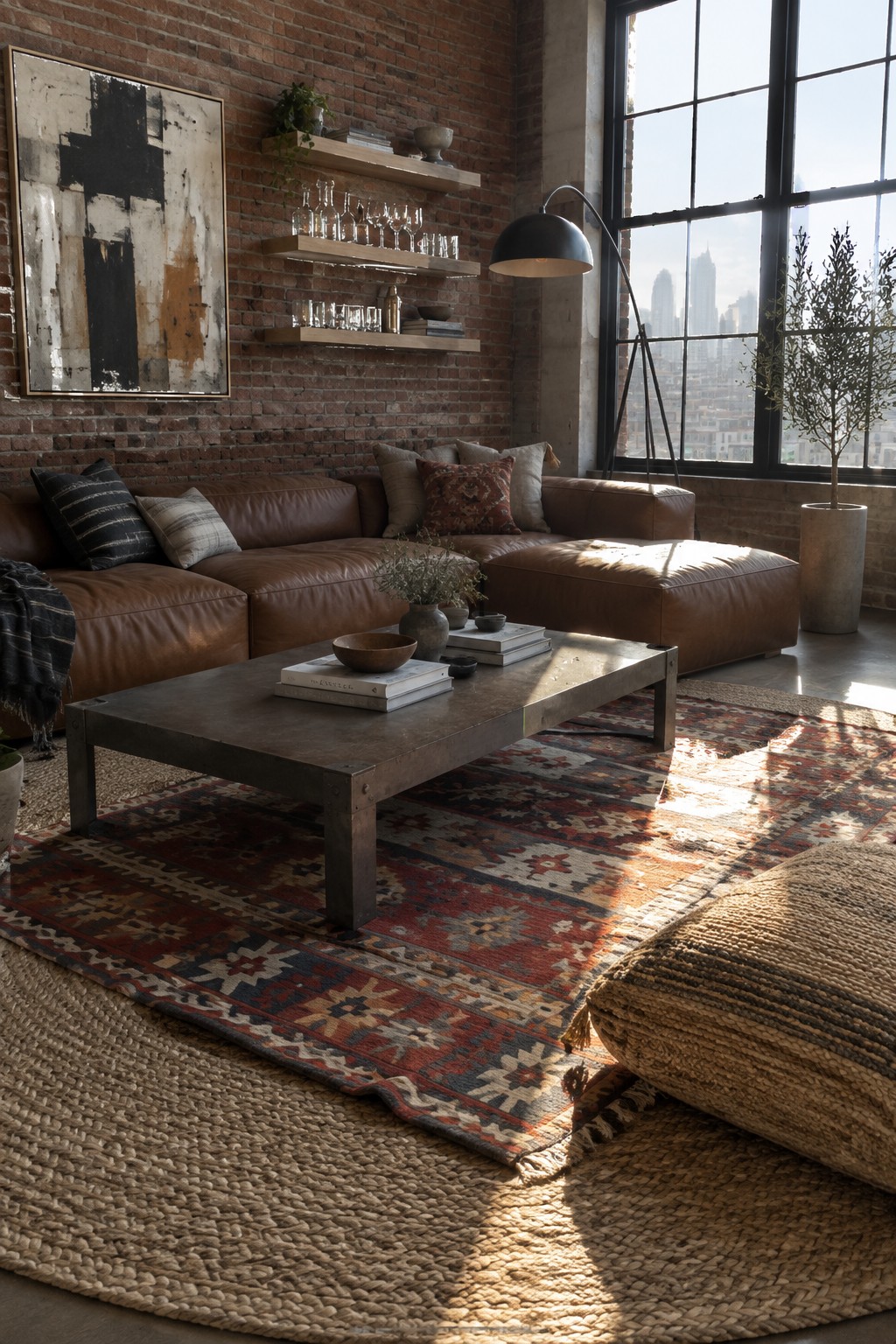
Layering rugs gives a living room more warmth and depth without much effort. A large neutral base rug under a smaller patterned one creates a soft surface that feels finished and lived in.
This works especially well in open spaces with hard floors. Keep the bottom rug simple and let the top one bring the color or pattern near the seating area. It also helps define the main zone without adding walls or extra furniture.
Combine Natural Fiber and Patterned Rugs for Contrast
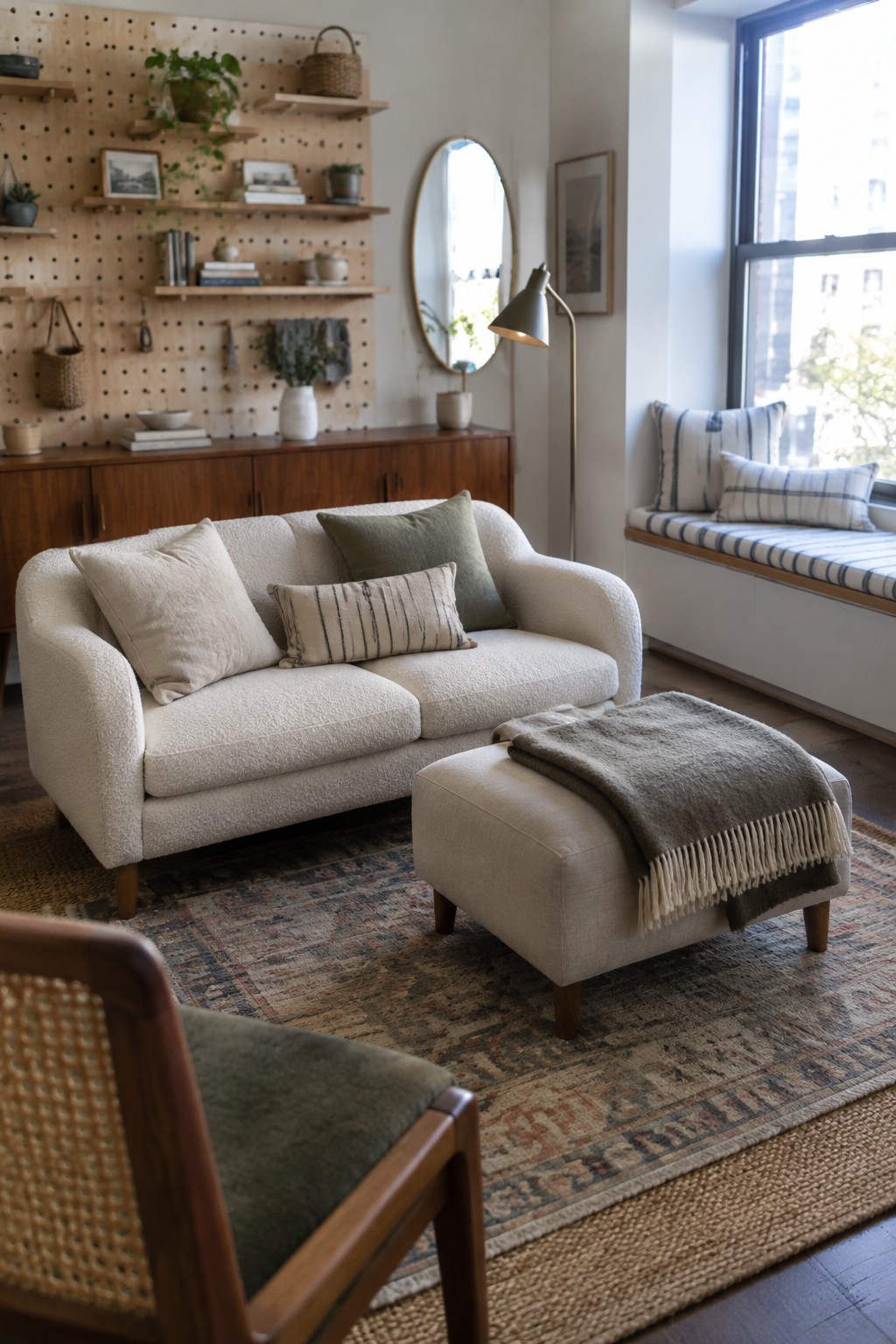
Layering rugs gives a living room a softer, more finished base without needing a lot of new furniture. A larger patterned rug can anchor the seating area while a smaller natural fiber layer on top adds contrast underfoot. This approach works because it lets you mix patterns and materials in a way that feels collected rather than planned.
It suits most homes with wood floors and works especially well in spaces where you want to define the main seating zone. Keep the top rug smaller so the bottom layer remains visible around the edges, and stick to rugs that share a few common tones.
Layer A Large Patterned Rug As Your Base
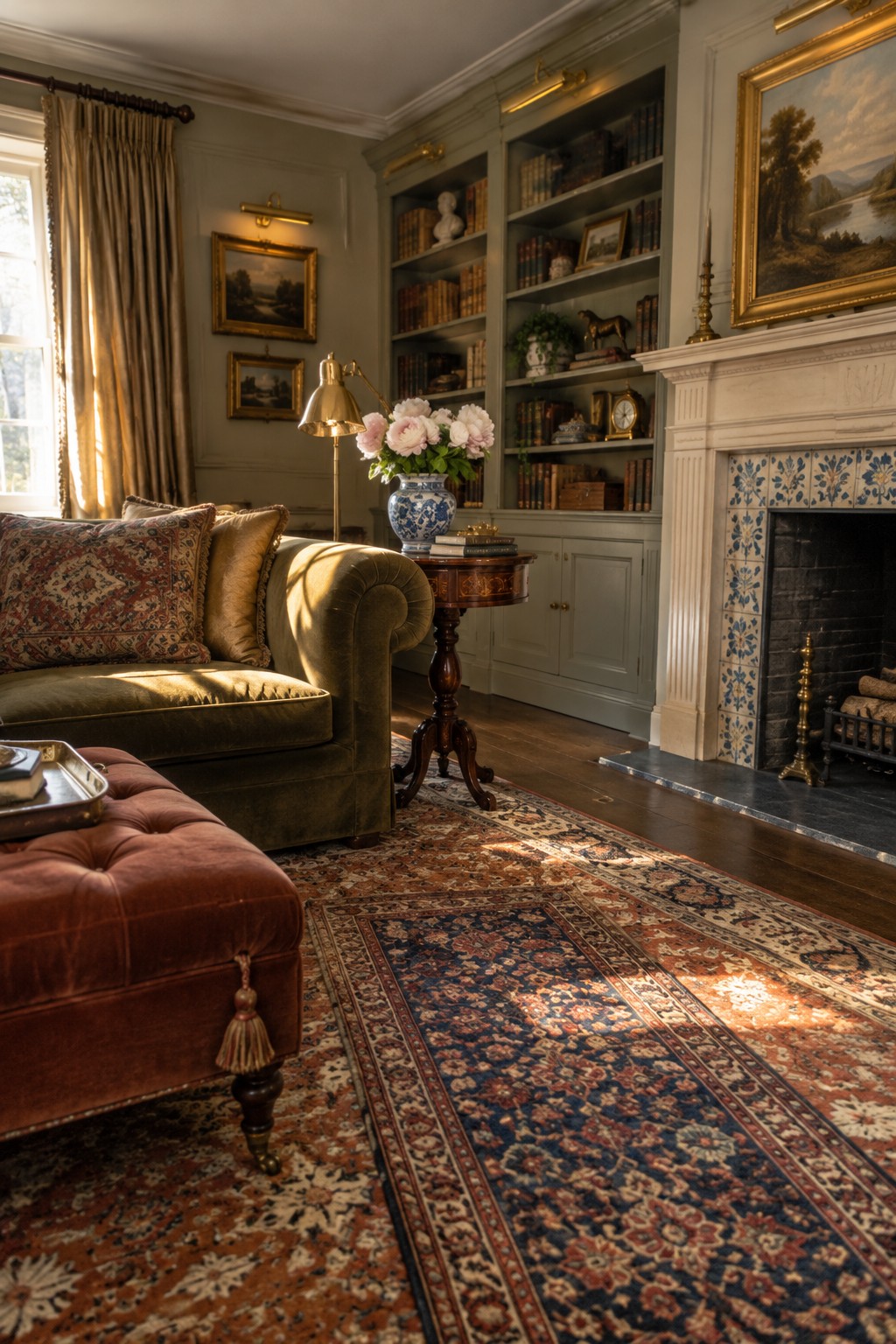
A big patterned rug does a lot of the heavy work in a living room. It pulls the seating together, adds instant warmth underfoot, and gives the eye something solid to rest on before you add pillows, throws, or smaller textiles on top. In rooms with wood floors, this kind of rug also keeps the space from feeling too hard or echoey.
Place the largest rug first so it sits under the front legs of your main seating pieces. Then layer smaller textiles like a runner near a side table or a soft throw on the sofa. This works especially well in older homes or any room where you want the furniture to feel grounded without buying new pieces. Just make sure the edges of the big rug stay flat so nothing trips over them.
Anchor Seating With A Large Round Rug
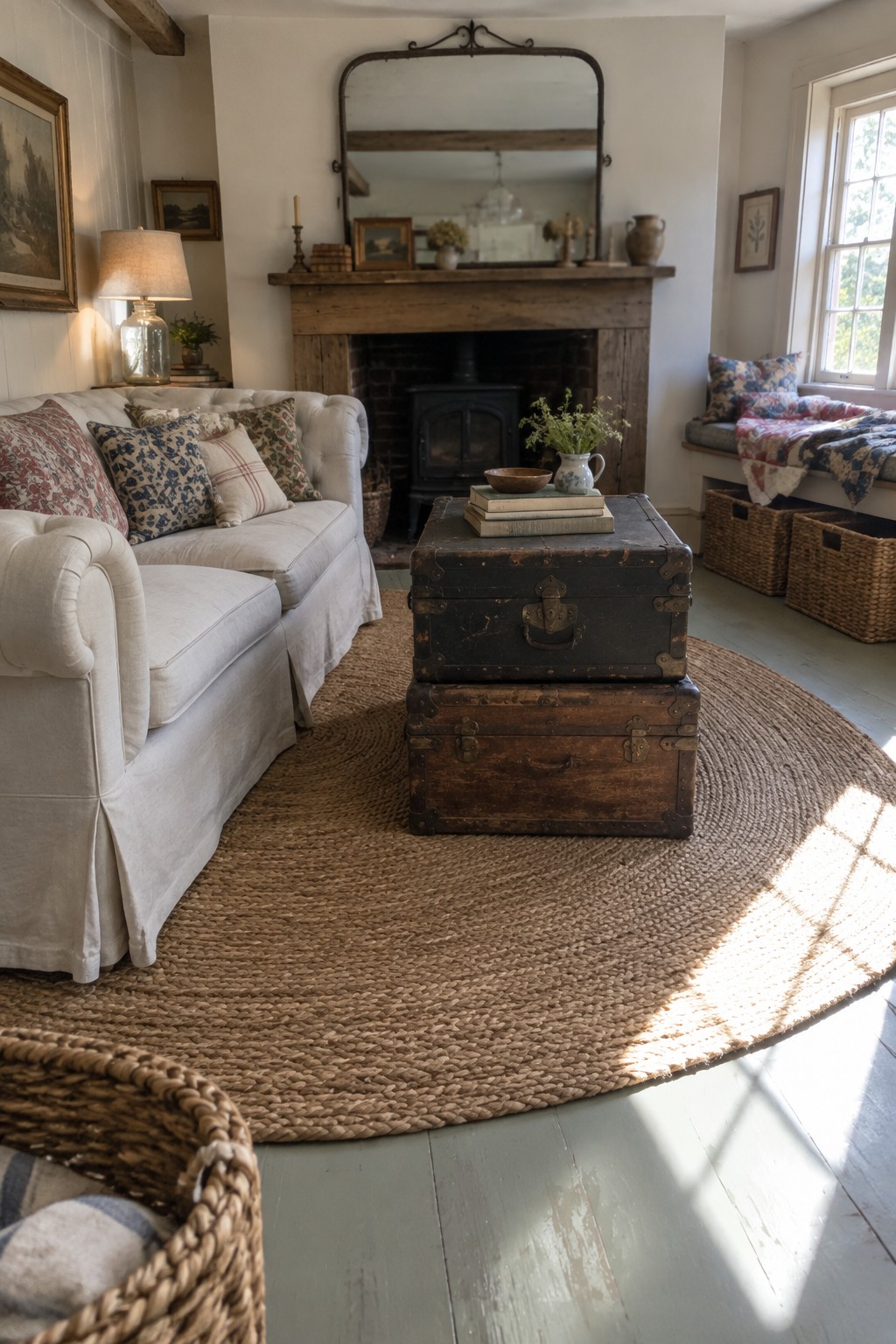
A large round rug helps define the main seating area without making the room feel boxed in. It adds a soft layer underfoot and gives the eye a clear place to land, especially when the rest of the floor is hard or plain.
This approach suits older homes or rooms that need a bit more warmth. Keep most of the rug under the sofa and table so the shape shows, and let it extend just far enough to catch the front legs of nearby chairs.
Use a Natural Weave Under a Smaller Accent Rug
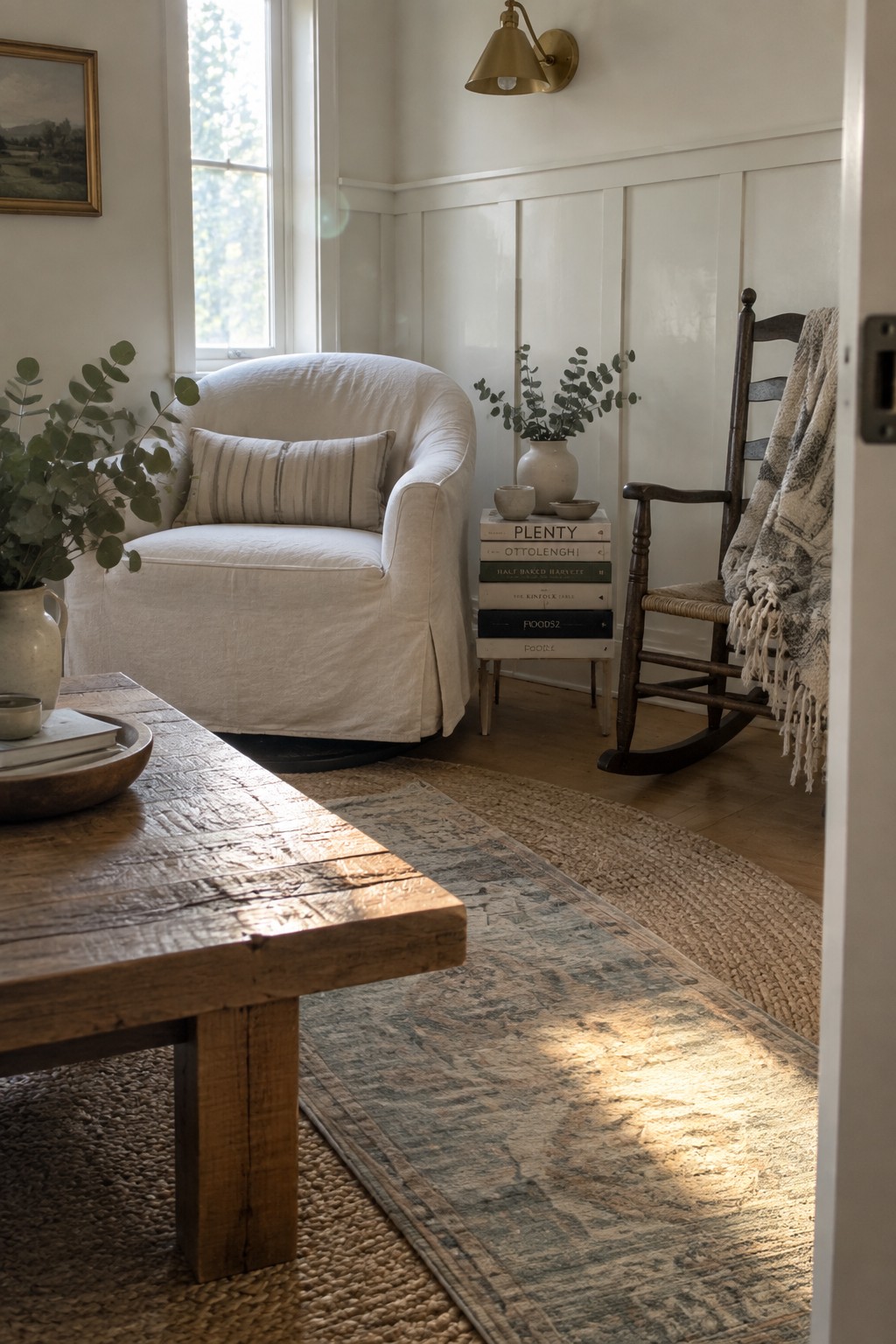
Layering rugs gives a living room more depth without needing new furniture or big changes. A flat natural weave on the bottom adds a soft base, while a patterned rug on top brings interest underfoot and helps define where people sit. This works especially well in rooms with hard floors that can feel cold or bare.
Place the larger rug first so it anchors the main seating area, then add a smaller one slightly off center on top. It suits older homes or spaces where you want to protect the floor while still keeping things practical. Just make sure the top rug is easy to clean if it gets heavy use.
Define a Modern Seating Area With Complementary Rug Layers
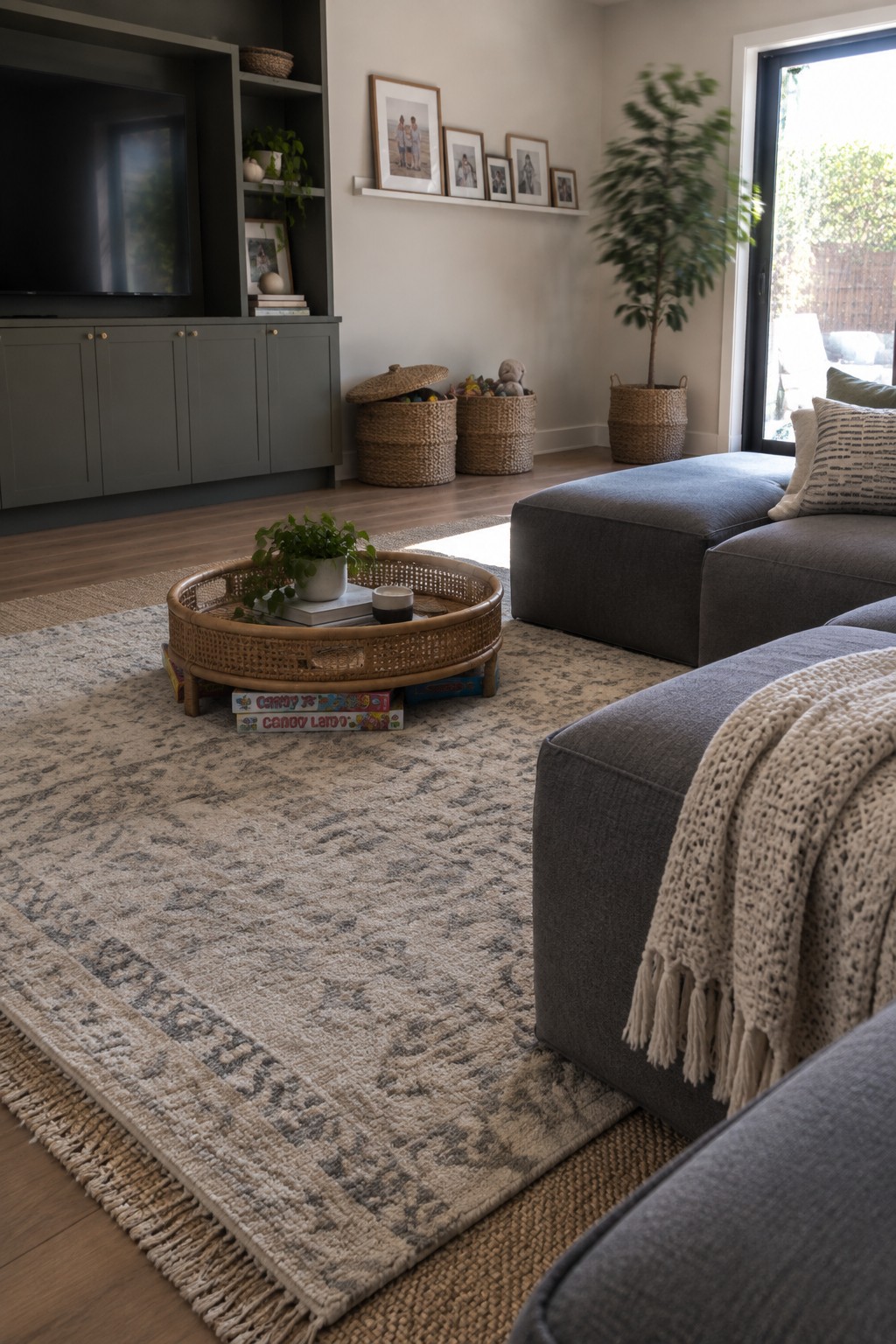
Layering rugs gives a living room more softness and depth without needing new furniture. A natural fiber rug on the bottom with a patterned one on top defines the seating area and makes the space feel finished. It works especially well on hard floors that can feel cold or bare.
This approach suits most living rooms, even smaller ones. Keep the bottom rug a bit larger so it peeks out around the edges, and center the top rug under the main sofa and table. It is an easy change that adds comfort underfoot while letting you switch the top layer later if you want a new look.
Layer A Woven Rug Over Tatami For Comfort
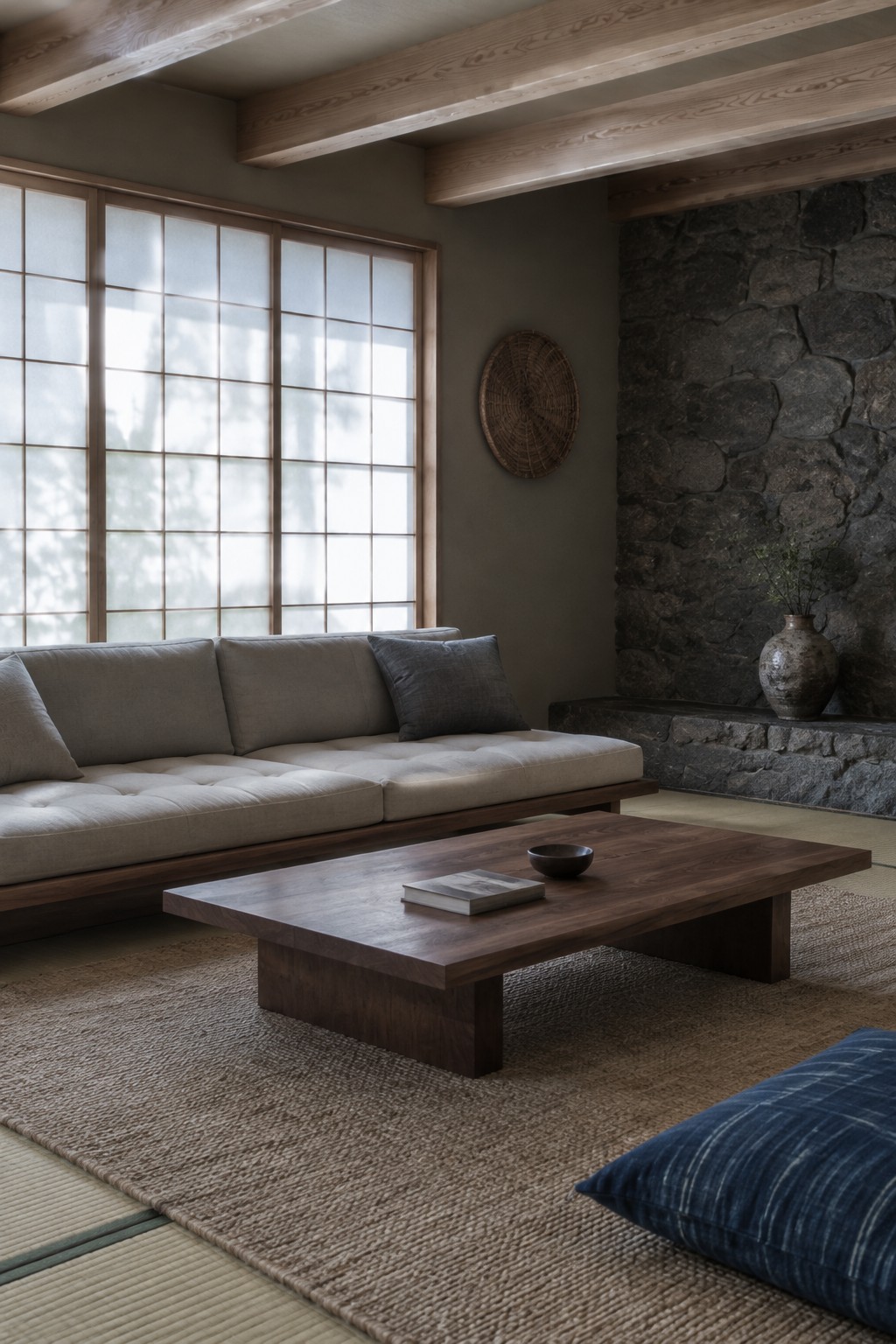
Many homes with hard or traditional floors like tatami benefit from adding a single large woven rug on top. It softens the surface underfoot, marks out the seating area, and brings in a bit of texture that works with low furniture. The natural fiber also helps the room feel warmer without adding much visual weight.
This approach suits minimalist spaces or homes that already have clean lines and simple materials. Keep the rug neutral so it blends with the flooring, then add just a couple of pillows in different fabrics for contrast. Avoid heavy patterns or too many layers if the room is already small.
Build the Seating Area Around a Single Large Rug
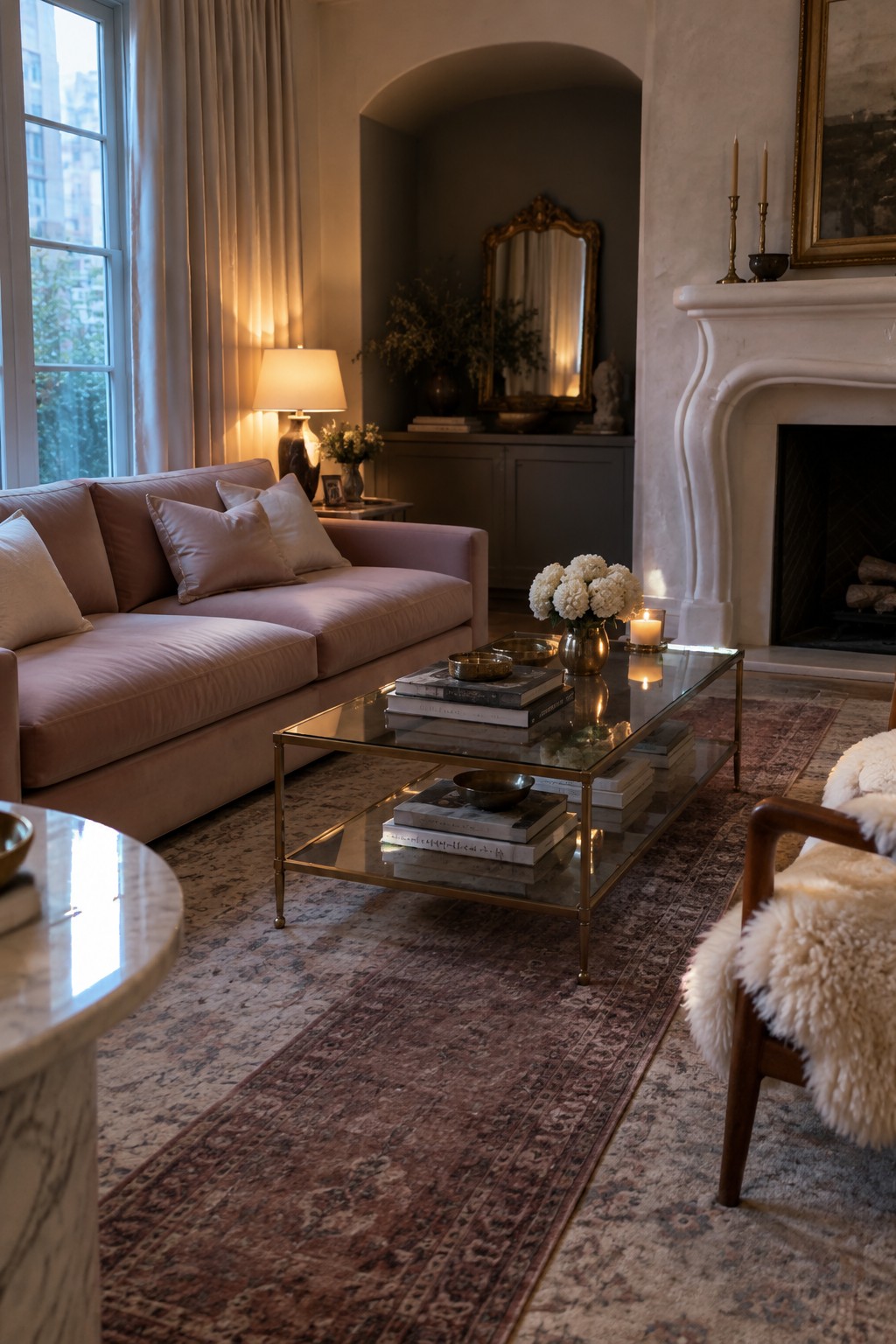
A big area rug changes how a living room feels right away. It pulls the seating together, adds softness underfoot, and gives you a clear base to build on with other textiles like pillows and throws.
This approach works best in rooms with hard floors or open layouts where you need to mark off the sitting area. Keep the rug large enough that the front legs of the sofa and chairs sit on it, then add layers slowly so the pattern and texture do the main work.
Coordinate Rug, Pouf, and Throw Textures
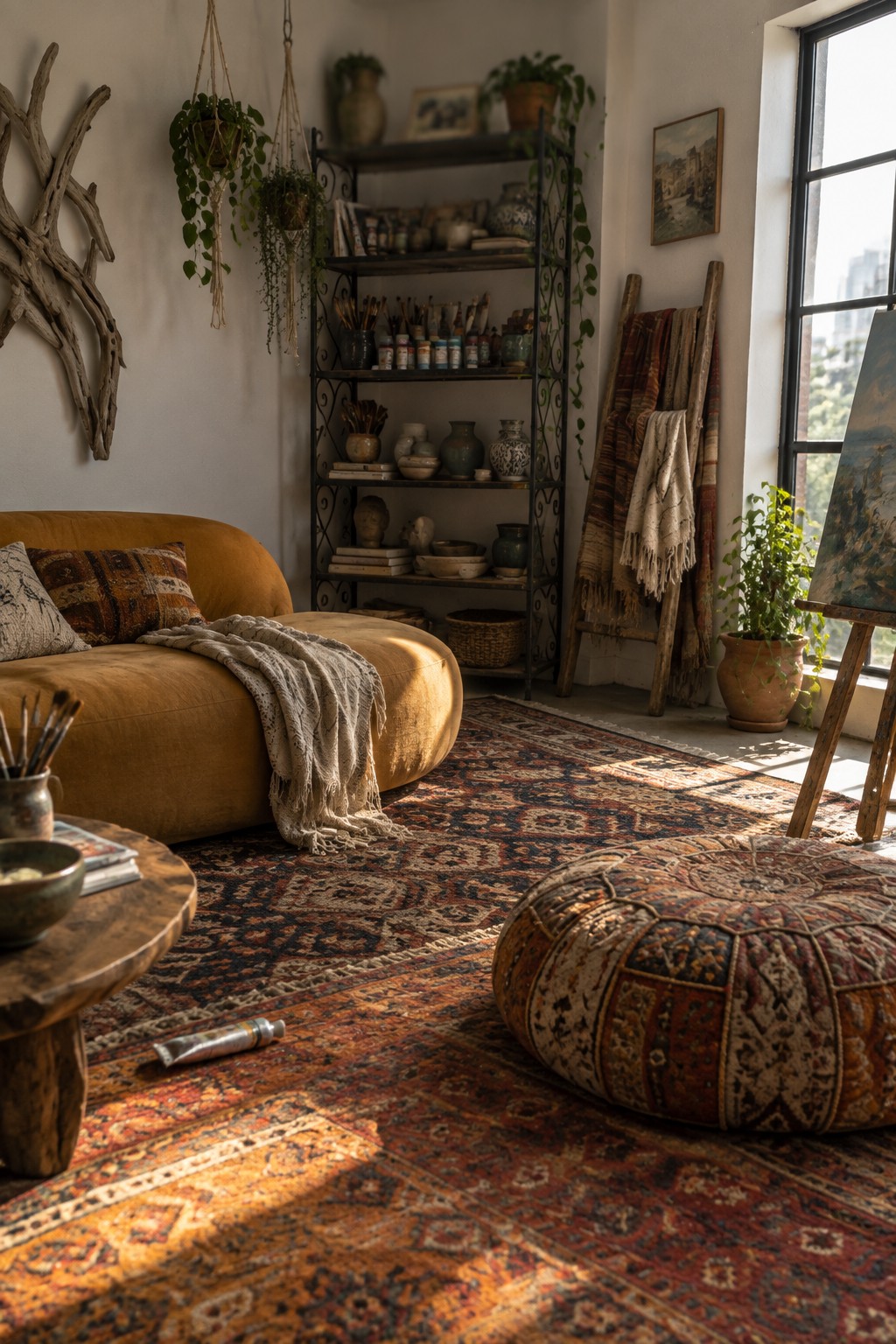
Layering rugs works well when a room already has solid furniture and needs something to pull it together. The big patterned rug on the floor sets the base, while the round pouf and the throw on the sofa add smaller layers of pattern and softness without crowding the space.
This approach suits older homes or rooms with wood floors that feel a little bare. Start with one larger rug that covers most of the seating area, then add one or two smaller textiles on top. Keep the patterns related in color so they do not fight each other.
Add Pillow and Throw Textures Over a Large Base Rug
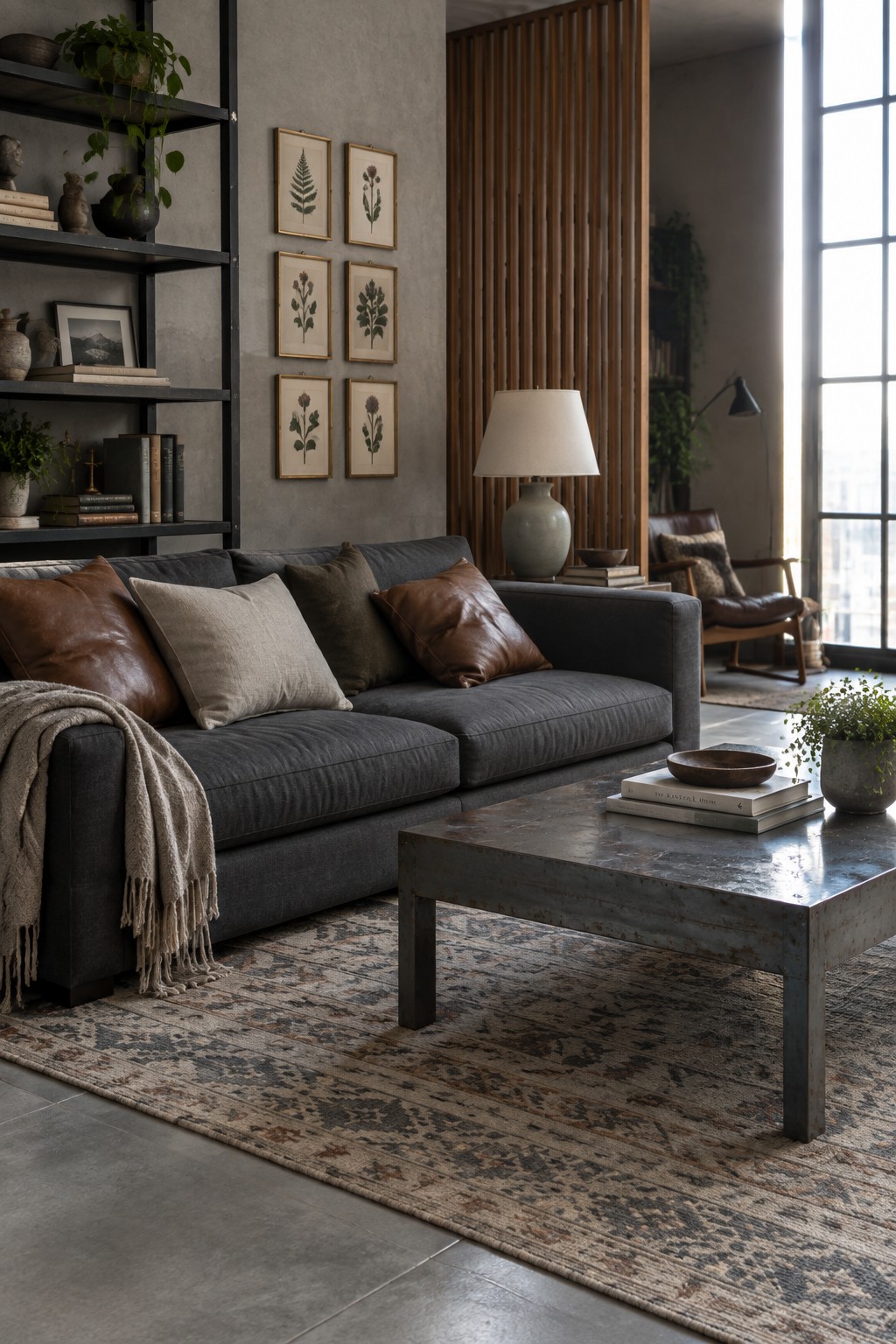
A big area rug does more than cover the floor. It pulls the sofa, coffee table, and seating zone into one clear spot so the room feels settled instead of scattered.
This approach works best in living rooms with hard floors or open layouts. Choose a rug large enough for the front legs of the sofa to rest on it, then add pillows and a throw in different fabrics to build texture on top without crowding the space.
Combine Colorful Rugs With Soft Accent Textiles
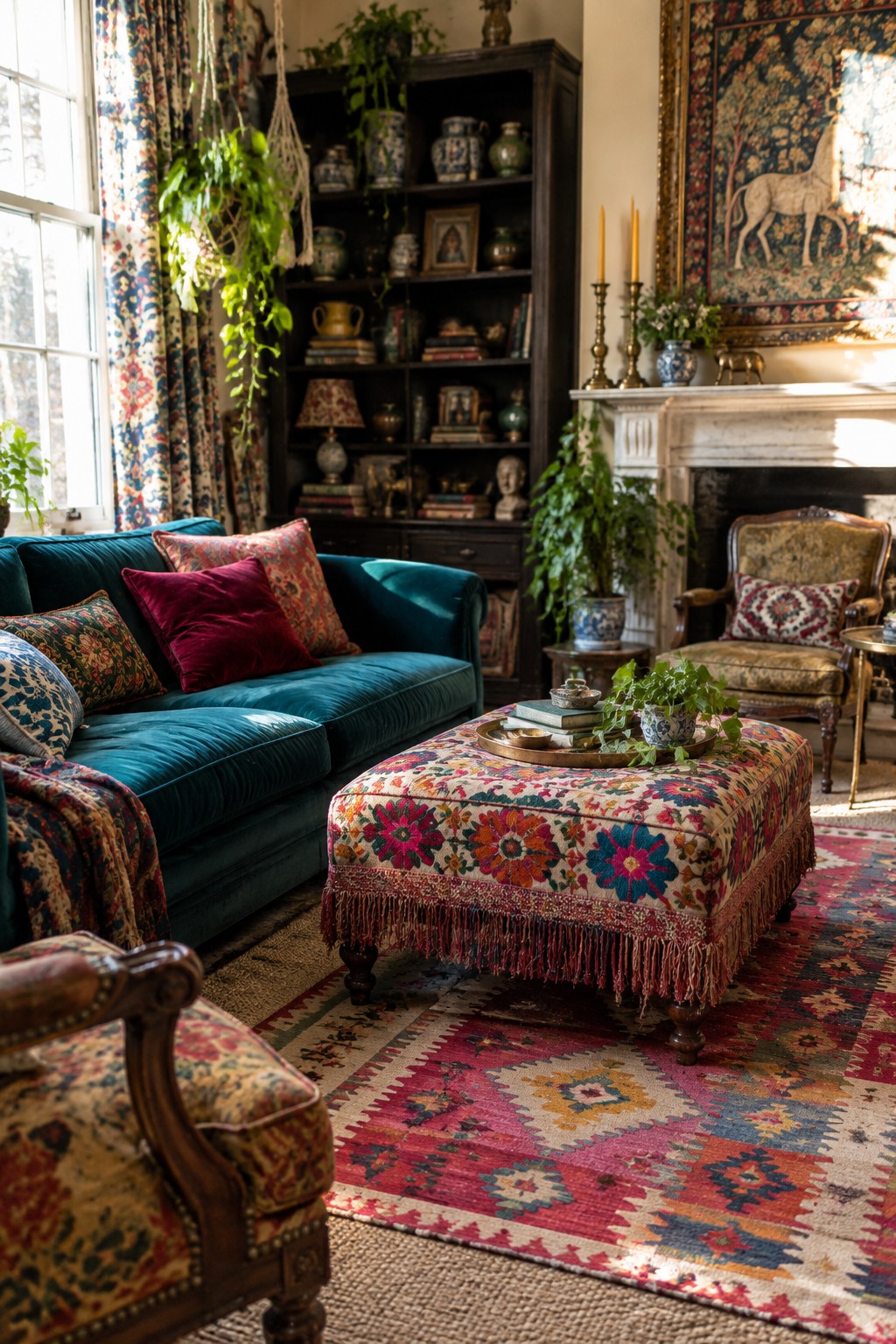
One simple way to make a living room feel warmer is to layer rugs and textiles instead of sticking with just one floor covering. The mix of patterns and textures adds depth without needing lots of new furniture or big changes.
Start with a large rug as the base and add a smaller textile piece or a fringed ottoman on top. This works especially well in rooms with solid colored seating or older wood floors where you want more softness underfoot.
Use a Neutral Woven Rug to Define an Open Conversation Area
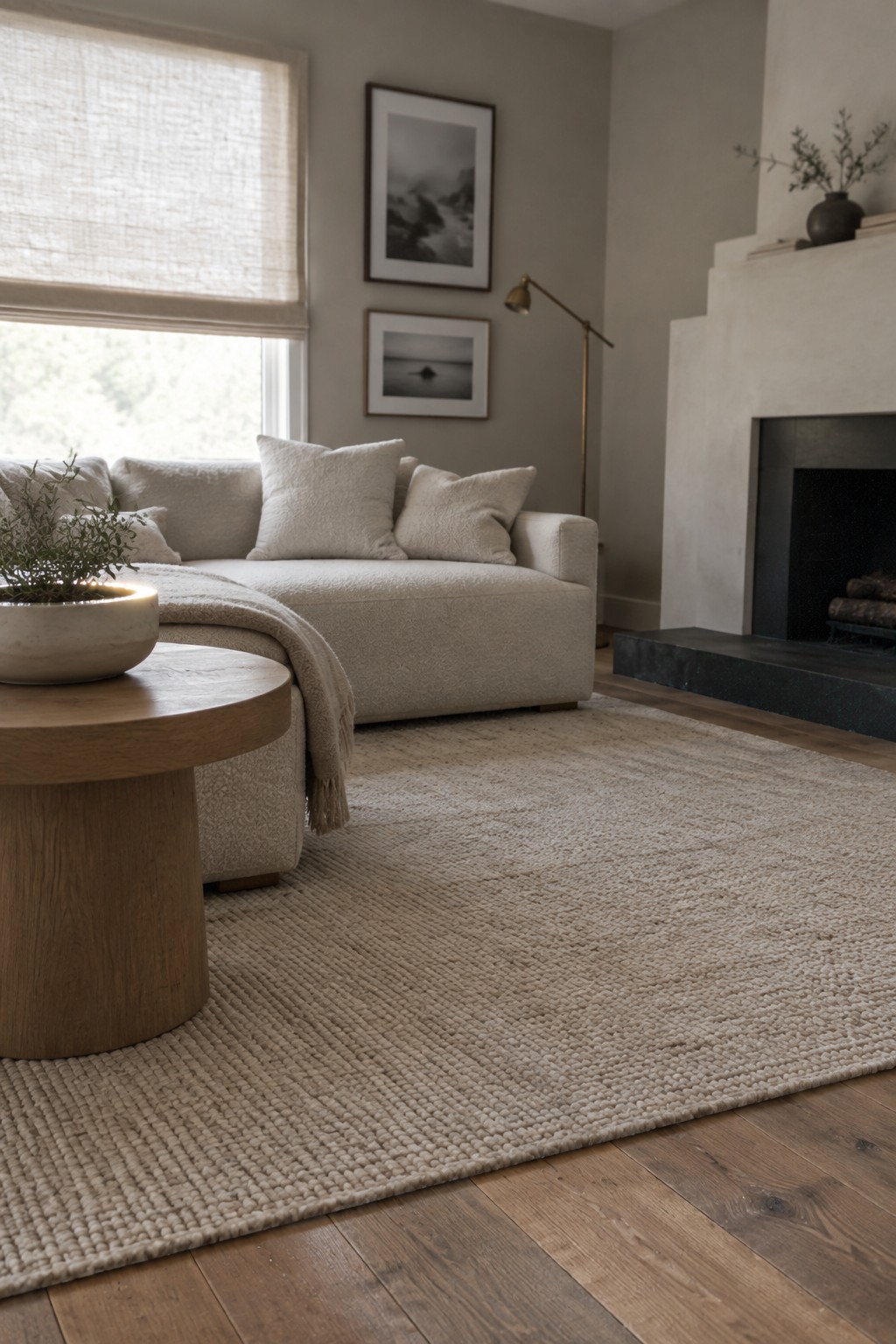
A big textured rug like this one pulls the seating area together in a simple way. It adds a soft layer underfoot and gives the sofa and table a clear spot to rest without the whole room feeling scattered.
This approach works best in open living rooms where you want to mark off the main conversation zone. Keep the rug neutral and let the edges show some floor so the space stays balanced.
Add a Patterned Accent Rug Over a Natural Fiber Base
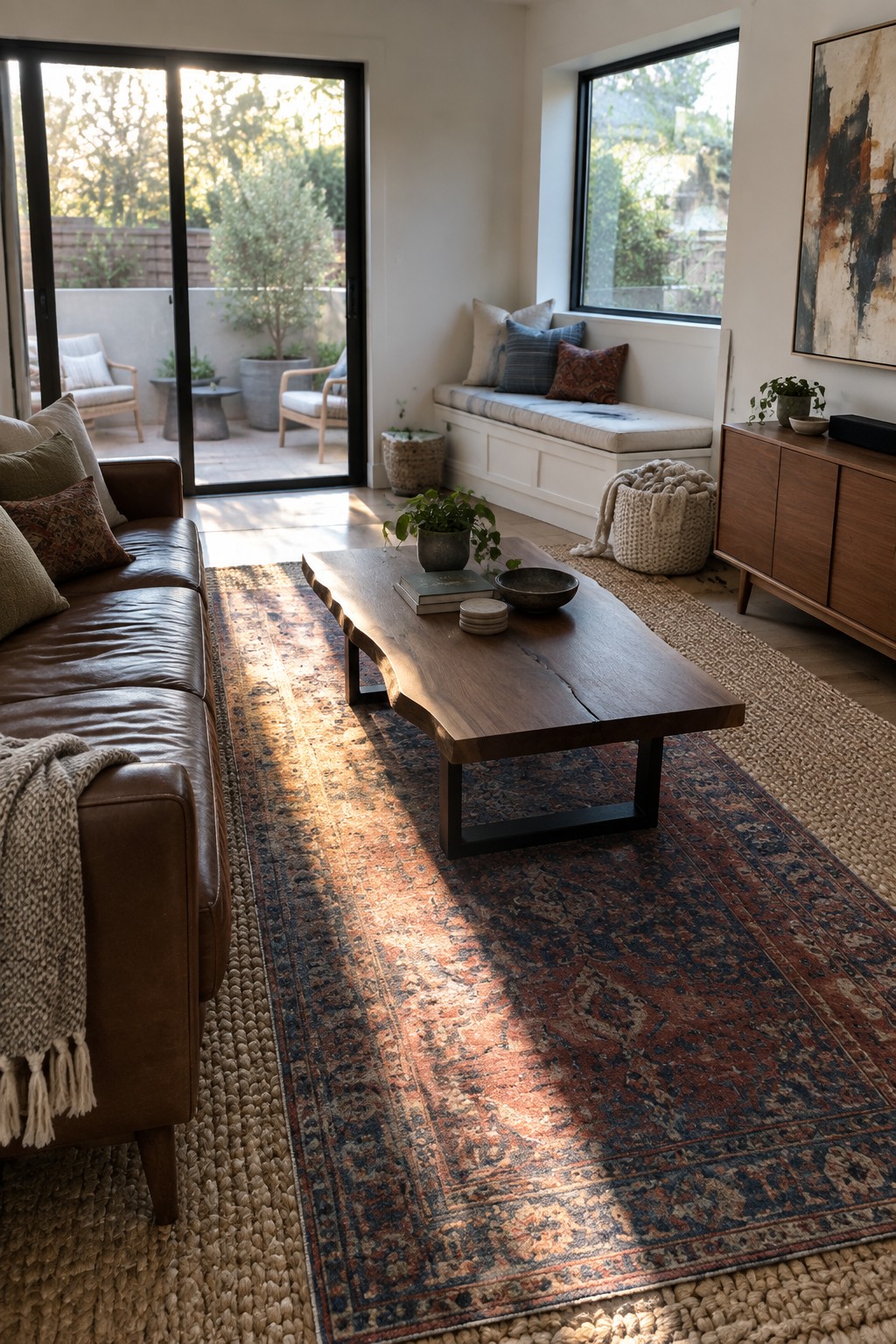
Layering rugs is one of the easiest ways to make a living room feel finished. A large natural fiber rug on the bottom creates a soft base, while a smaller patterned one on top adds color and interest without overwhelming the space.
This approach works especially well in rooms with hard flooring or open layouts where you want to anchor the seating area. Choose a simple bottom layer so the top rug can stand out, and make sure both rugs are large enough that furniture legs rest on them properly.
Frequently Asked Questions
Q: How do I stop the top rug from moving when people walk on it?
A: Use a rug pad underneath everything. Tuck the edges of the smaller rug under furniture legs where possible. That keeps it steady without extra fuss.
Q: What textiles pair well with patterned rugs?
A: Go for solid throws or pillows in colors pulled from the rug. Add one textured element like a knit blanket to add depth.
Q: Can I layer on top of existing carpet?
A: Flat weave rugs work best here. They lay flatter and feel less bulky when you walk across the room.
Q: How do I know when the layers look right?
A: Step back and check the balance. The top rug should cover about half the bottom one. Adjust until the setup feels natural underfoot.
