

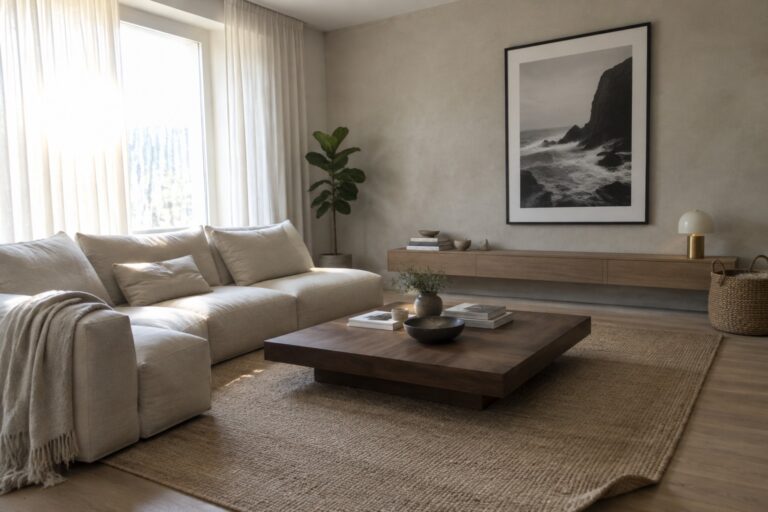
I often find that a living room feels more usable once the furniture sits lower and leaves open sight lines across the space.
This approach works especially well in smaller homes where every inch of visual height matters during daily movement.
When I lowered the main seating in my living room the area stopped feeling boxed in even with the same square footage.
Many of these setups reward testing in person because photos rarely capture how the proportions play out under real lighting.
Fewer tall pieces usually do the trick.
Low Profile Furniture For A Calm Living Room

Low profile pieces like a deep sectional and a squat coffee table help the room feel more open without filling up the space. The furniture stays low to the ground so the eye can travel across the room instead of stopping at tall backs or bulky frames.
This approach works well in smaller living rooms or homes that want a relaxed minimalist feel. It suits spaces with big windows where you want the light and architecture to stay visible rather than compete with the furniture.
Low Furniture Opens Up the Room
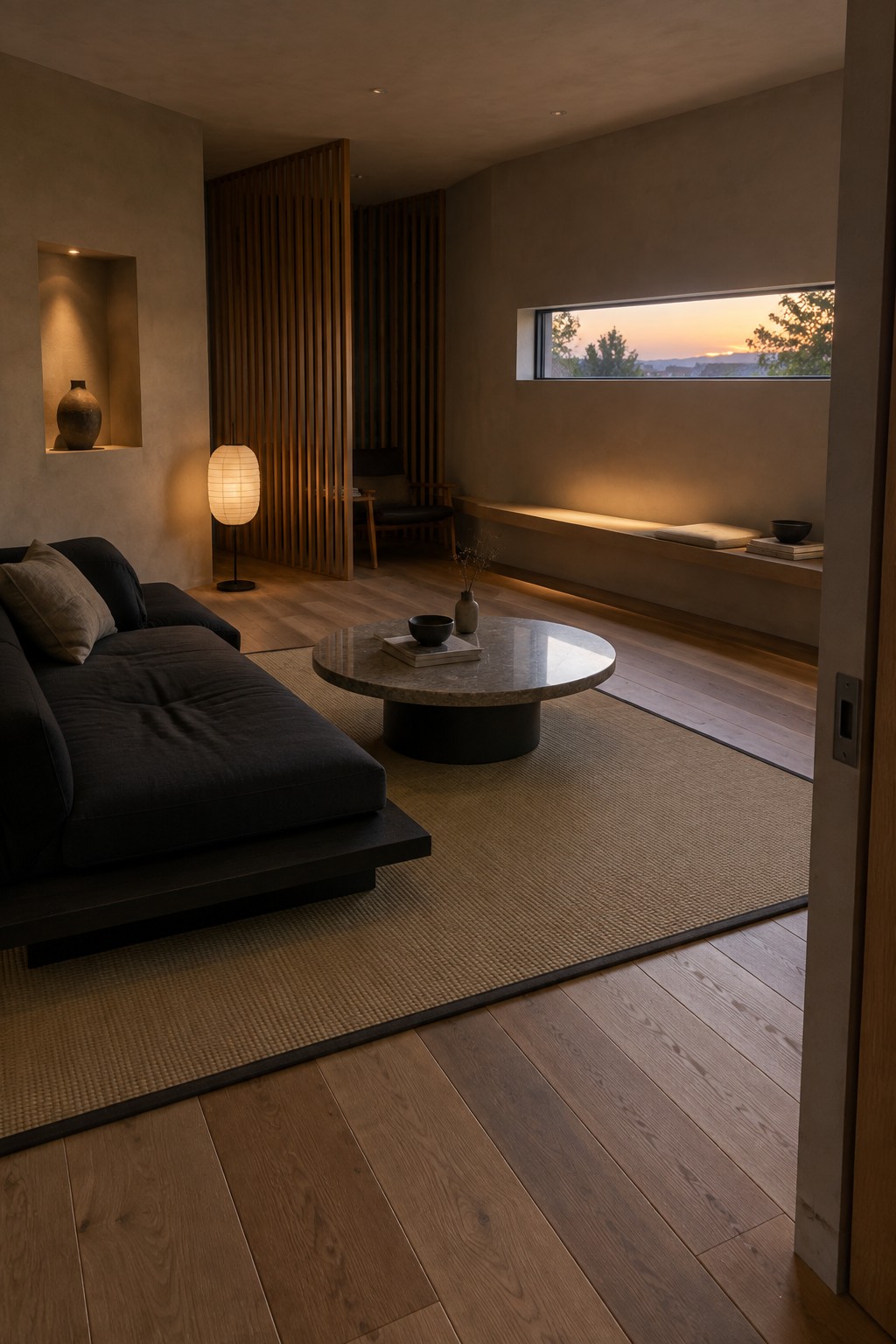
Low sofas and tables sit closer to the floor, which makes the whole space feel more open and relaxed. This works well when you want a room to feel calm and simple without adding height that breaks up the view.
It suits smaller homes or any space where you want to keep things understated. Stick to one or two low pieces, leave floor space around them, and let natural materials like wood and woven rugs do the rest.
Low Profile Sofas For A Calmer Room
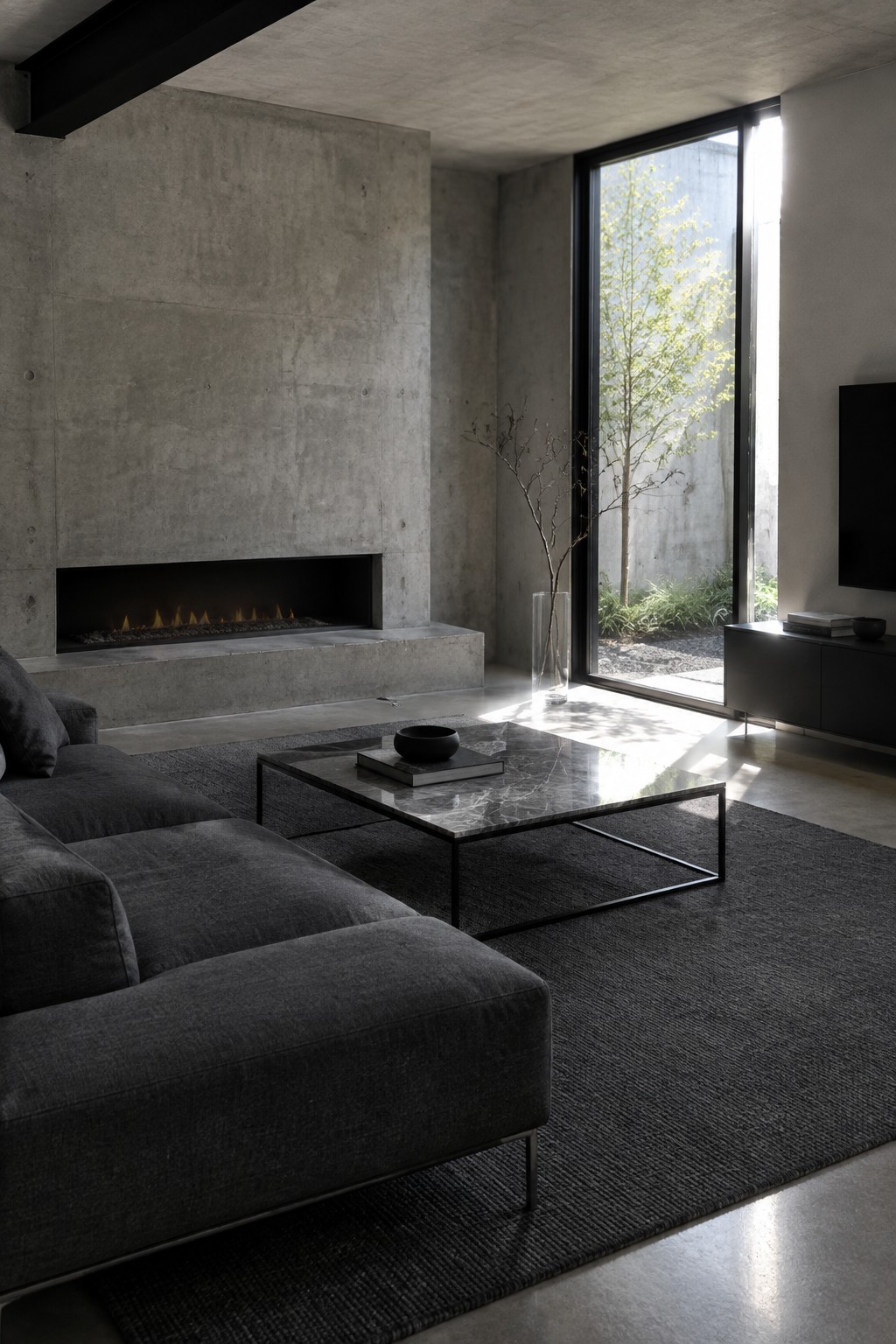
Low profile seating works well in minimalist rooms because it stays low to the ground and leaves more visual space above it. The dark sectional in this room shows how that choice keeps the concrete walls from feeling too heavy or closed in.
This approach suits smaller homes or any space where you want the furniture to feel grounded rather than tall and dominant. Pair it with a simple low table and a large rug so the whole arrangement stays balanced without extra height.
Low Sofas That Keep A Room Feeling Open
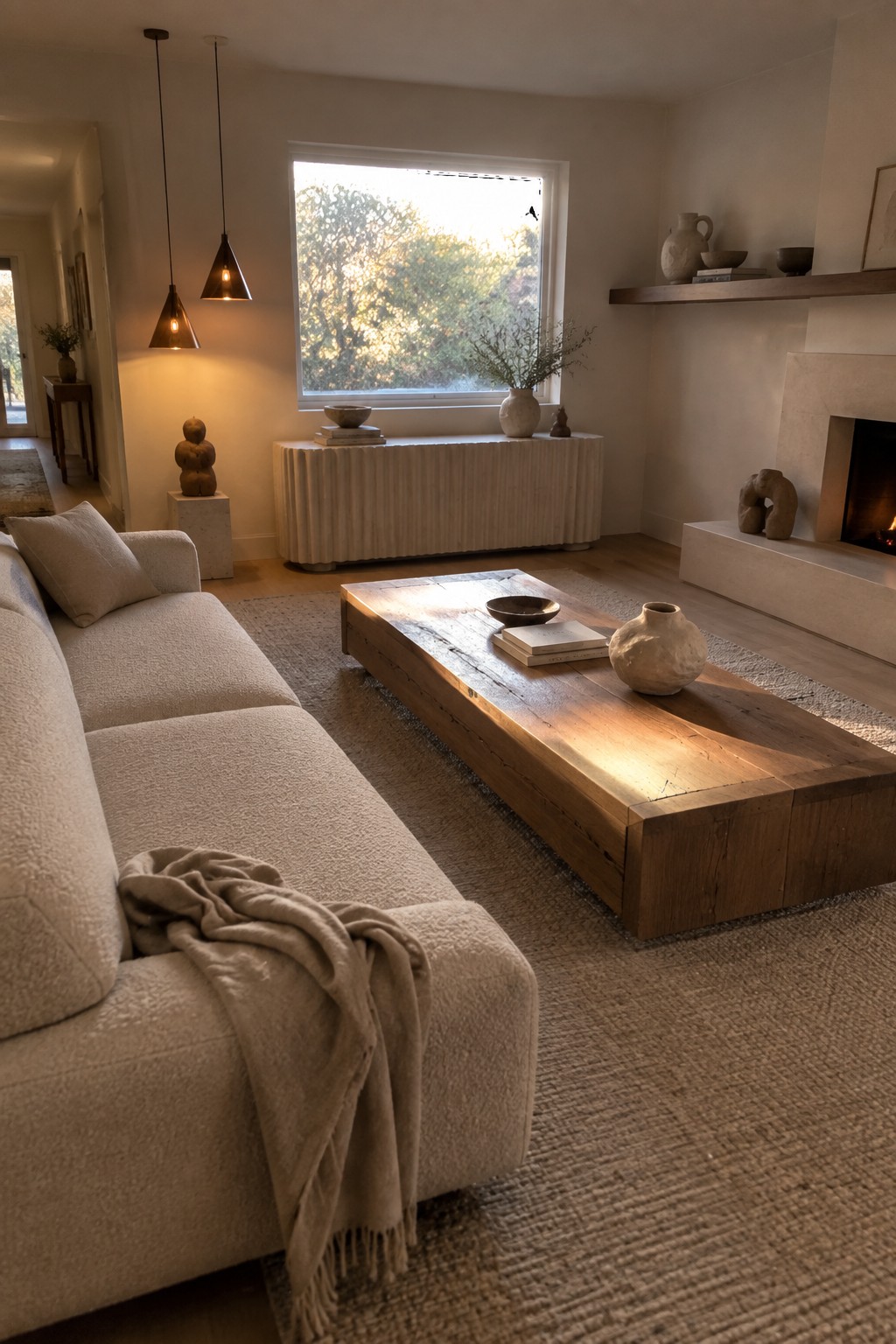
A low-profile sofa helps a minimalist living room feel less boxed in. Sitting closer to the floor, it leaves more wall and window space open, so the eye can move freely across the room without hitting tall backs or bulky shapes.
This approach works best in spaces that already have clean lines and plenty of natural light. Pair the sofa with a low table and simple textiles, and skip anything tall or heavy that would cut the view through the room.
Low Ottomans Keep The View Open
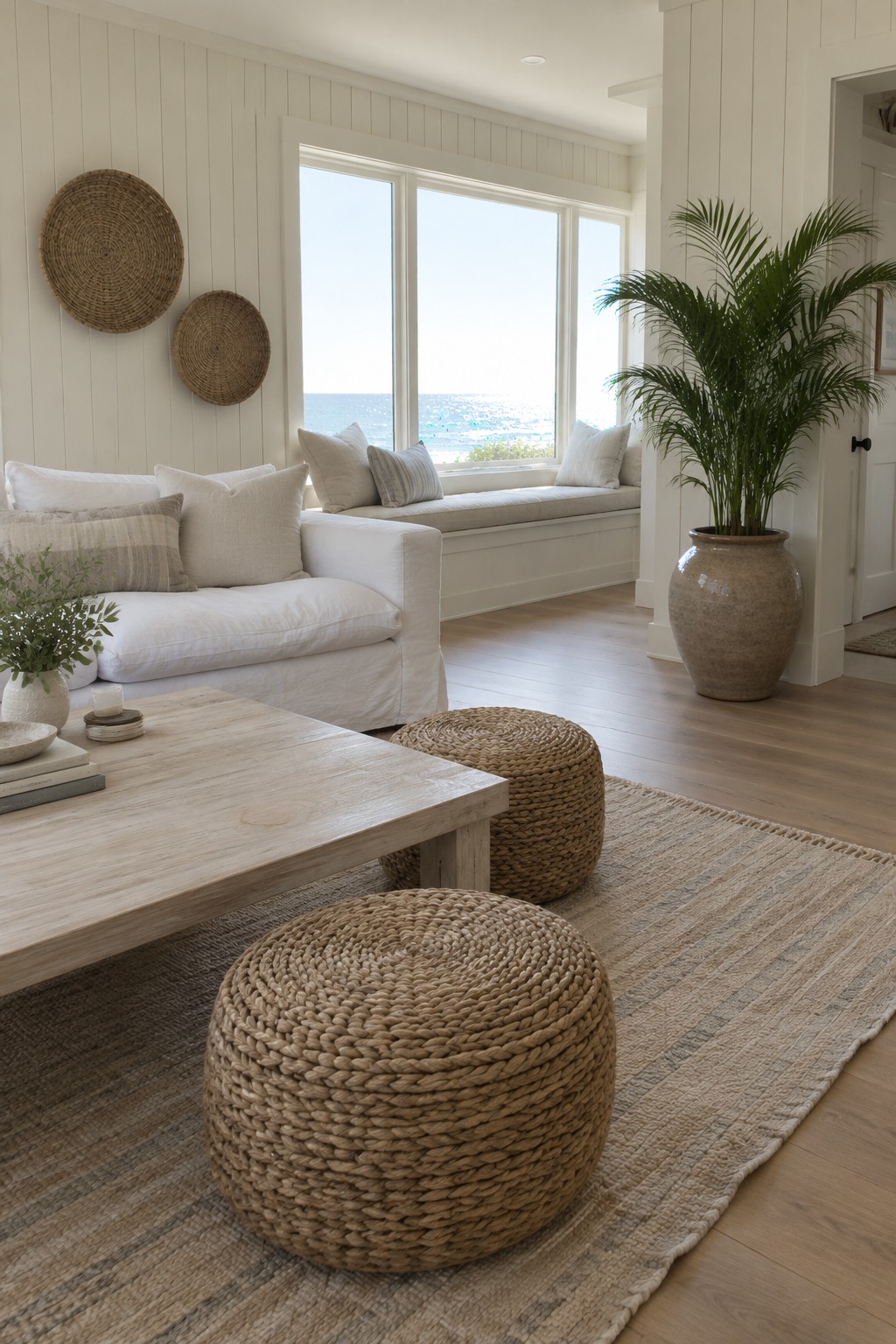
Low seating makes a room feel bigger because nothing blocks the sight lines. These simple woven ottomans sit close to the floor and let the eye move straight through to the windows without any tall backs or bulky frames getting in the way.
They suit homes that already have plenty of light and open floor space. Use two or three near a low coffee table when you need extra seats, then tuck them aside when you want the room to feel calm and empty again.
Low Furniture Keeps The Room Feeling Open
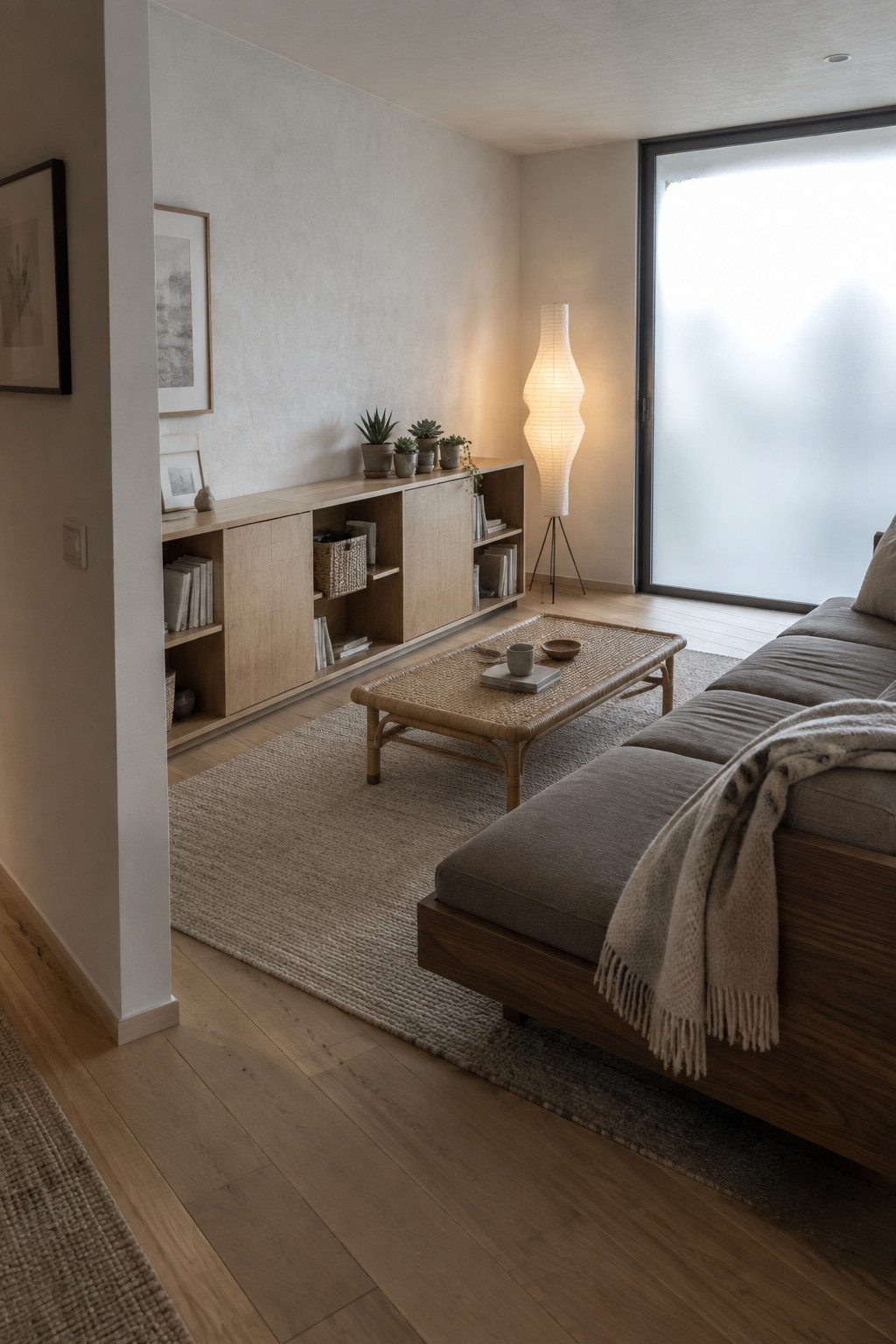
Low sofas and tables sit closer to the floor, so the space stays open and easy to move through. This works well in minimalist rooms because nothing blocks the light or the view across the floor.
It suits smaller living areas and homes with simple architecture. Pair it with low built-in storage so the walls stay clear and the whole room feels calmer.
Low Profile Furniture Keeps The Room Feeling Open
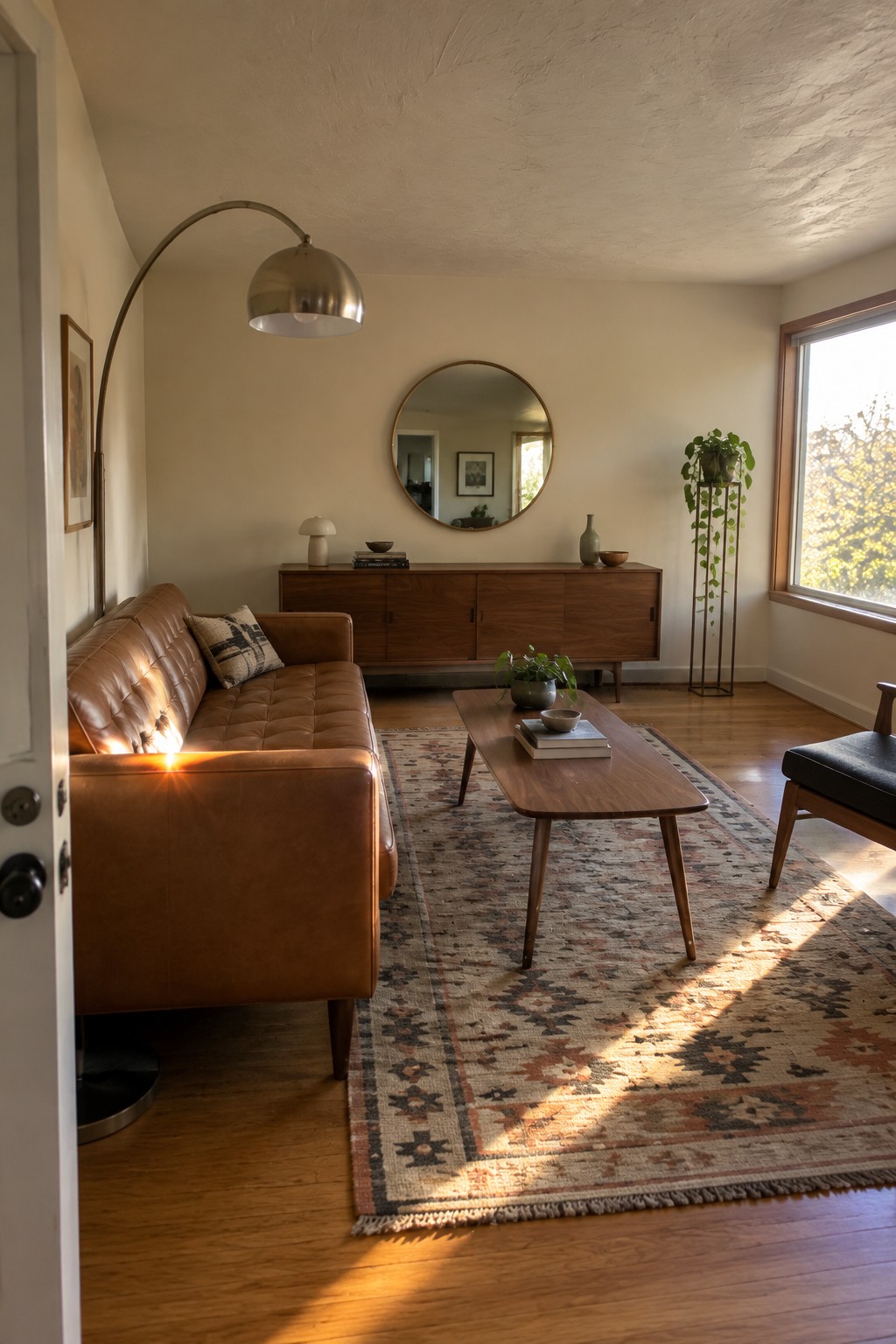
Low profile pieces work well in minimalist living rooms because they sit closer to the floor and leave more empty space above. That simple shift makes the whole room feel less crowded and easier to move through, even when you keep most of the other surfaces clear.
This approach suits smaller homes or anyone who wants a calm, grounded look without adding visual weight. A low sofa paired with a simple coffee table does most of the work, and you can skip taller storage or bulky chairs that break up the sight lines.
Low-Profile Furniture Opens Up a Room
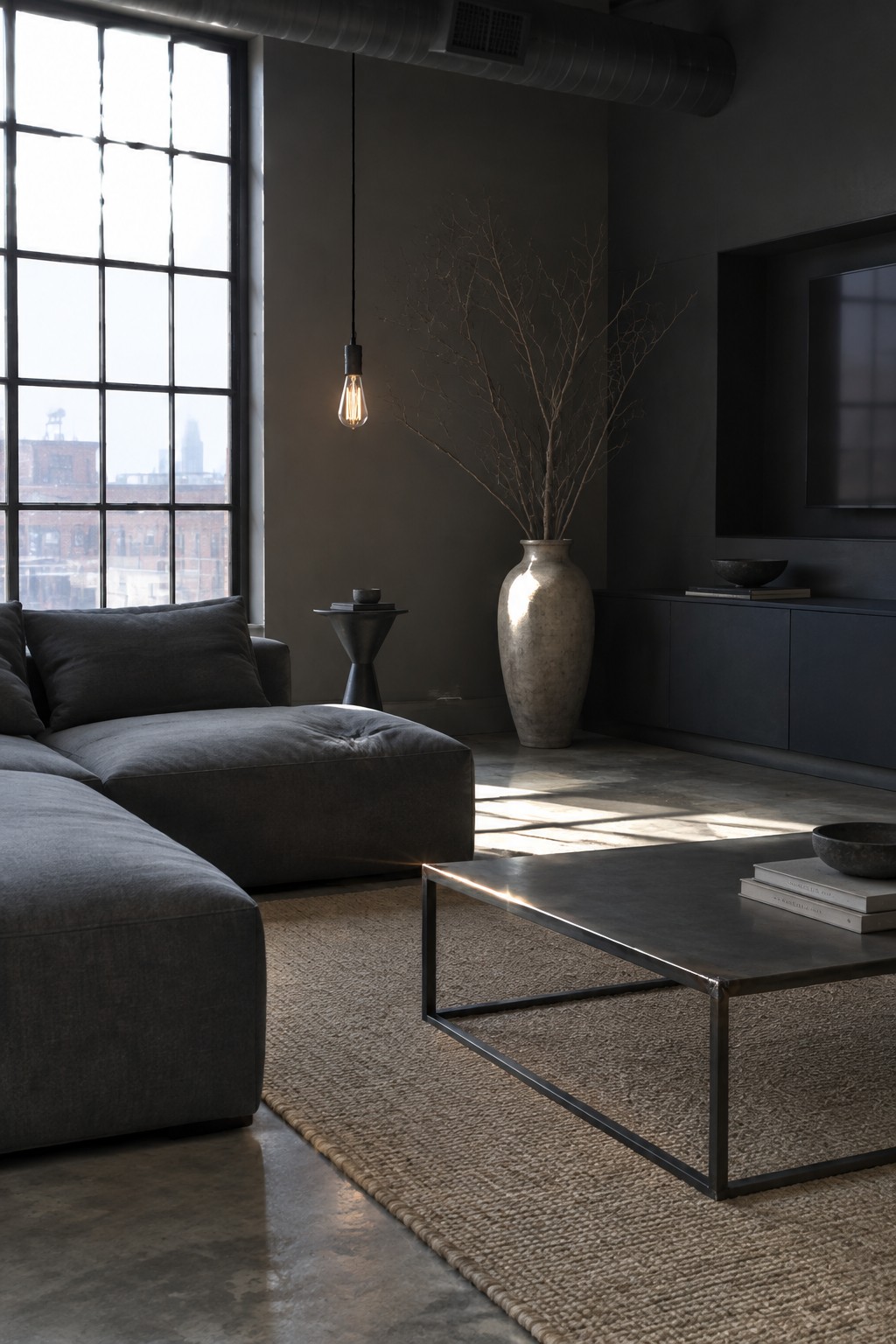
Low seating changes how a whole room feels. It sits closer to the floor, so the space above stays open and the walls seem taller. In this setup the dark sectional stays low and simple, which keeps the layout from feeling crowded even with big pieces.
This approach works especially well in smaller rooms or spaces with high ceilings. Pair the low sofa with a slim coffee table and keep the rest of the furniture minimal so nothing blocks the view across the room. It suits apartments and open plans where you want the area to feel larger without adding more square footage.
Low Seating Opens Up the Room

Low furniture changes how a space feels without needing any extra tricks. When the main seating sits close to the floor, the room looks wider and the ceiling feels higher. The eye travels across the space instead of stopping at tall backs or bulky frames.
This approach works best in smaller or simpler rooms where you want calm rather than drama. Pair the low pieces with light flooring and soft neutral fabrics so the lines stay easy on the eye. Avoid adding tall pieces right next to them or the effect gets lost.
Low-Profile Seating Opens Up the Room

Low seating works well in minimalist living rooms because it sits closer to the floor and leaves more visual space above. The rounded shape also softens the look without adding bulk or height that can make a room feel smaller.
This approach suits smaller homes or any space where you want things to feel calm and uncluttered. Pair a low sofa with a simple low table and keep the rest of the room light on furniture so the layout stays easy to move through.
Low-Profile Seating Keeps the Room Feeling Open
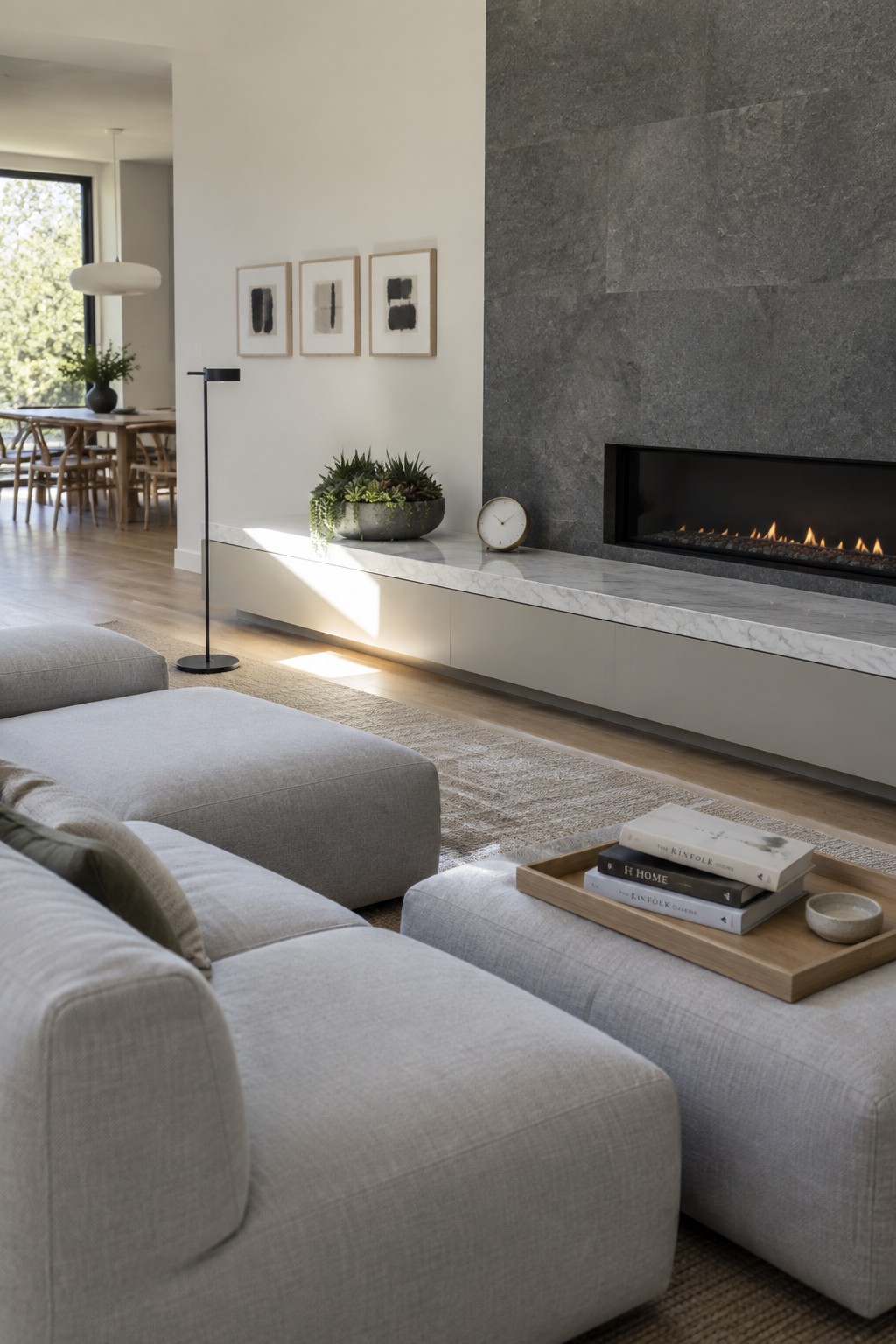
Low furniture works well in minimalist rooms because it stays out of the way. A sectional that sits close to the floor leaves more empty space above it, so the room feels calmer and less crowded even when the seating takes up a fair amount of floor area.
This style suits open-plan homes or any space where you want the furniture to feel lighter. Pair it with a long, low console or built-in ledge so the whole setup stays grounded without adding visual weight.
Low-Profile Furniture Keeps The Room Feeling Open
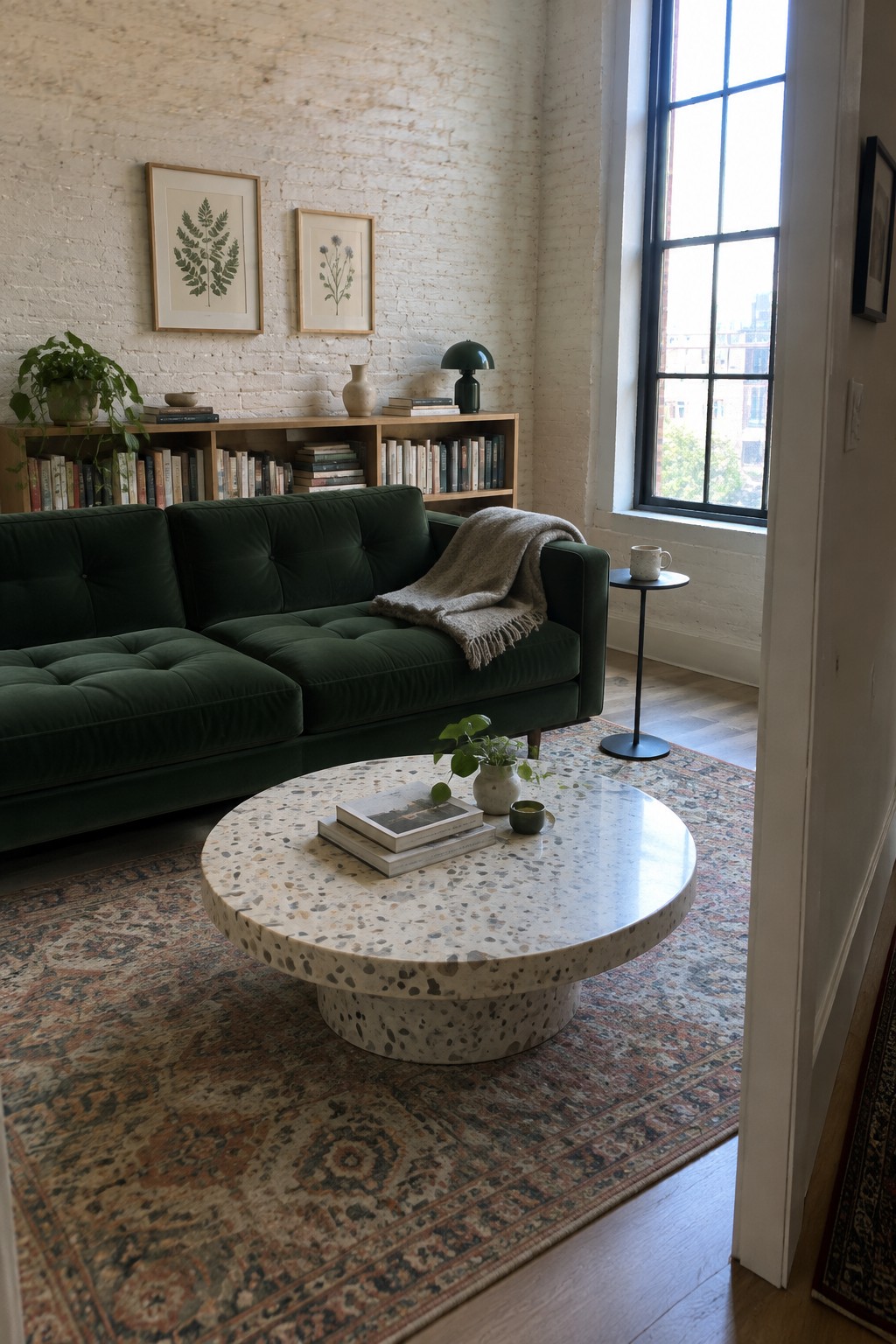
Low sofas and tables sit closer to the floor and leave more empty space above them. This makes the whole room feel calmer and less crowded, especially in a minimalist setup where you already have fewer things on display.
It works best in smaller living rooms or spaces with standard ceilings. Keep the pieces simple, add one large rug underneath, and avoid tall side tables or lamps that break the low line.
Low-Profile Sofas For A More Open Room

Low-profile seating makes a living room feel bigger and calmer without much effort. A long sectional that stays close to the floor takes up space but does not block sight lines or crowd the walls.
This works best in open-plan homes or smaller rooms where you want to keep things simple. Pair it with a low table and a few built-in shelves so the whole space stays easy to move through and easy to clean.
Low-Profile Furniture Keeps the Space Feeling Open
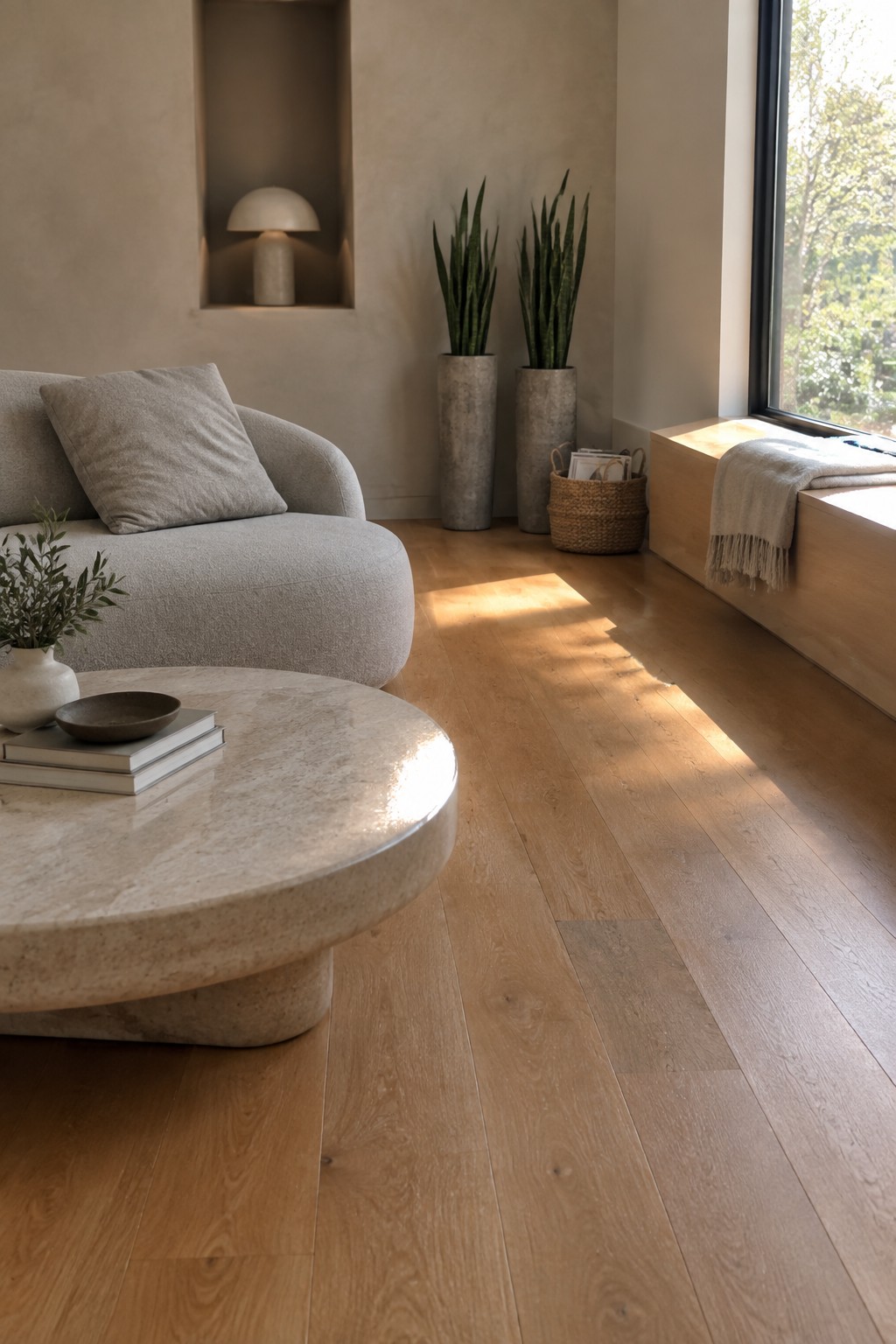
Low sofas and tables sit closer to the floor, which leaves more empty space above them and makes the whole room feel bigger and calmer. In a minimalist setup this choice matters because it stops the furniture from cutting the room in half visually.
It works best in smaller living rooms or spaces with big windows. Keep the rest of the pieces simple, stick to one or two materials, and avoid tall cabinets or shelves that would crowd the upper half of the room.
Low-Profile Seating For A Calmer Room

Low seating changes how a minimalist living room feels. By keeping the main pieces close to the floor, the space stays open and relaxed instead of boxed in by tall backs or bulky frames. The dark velvet sofa here shows how that choice can make even a moody room feel inviting rather than closed off.
This works best in smaller rooms or apartments where you want to avoid anything that crowds the walls. Pair it with a simple low table and a soft rug so the whole setup stays grounded. Just be sure the colors do not get too heavy if the room has limited natural light.
Low-Profile Furniture Keeps the Space Feeling Open

Low seating works well because it stays out of the way visually. The sofa and coffee table sit close to the floor, so the room feels bigger and the view out the window stays clear.
This approach fits smaller living rooms or any space where you want things to feel calm and simple. Just keep the scale consistent so the pieces do not disappear against larger walls or windows.
Low-Profile Furniture Keeps Small Rooms Feeling Open
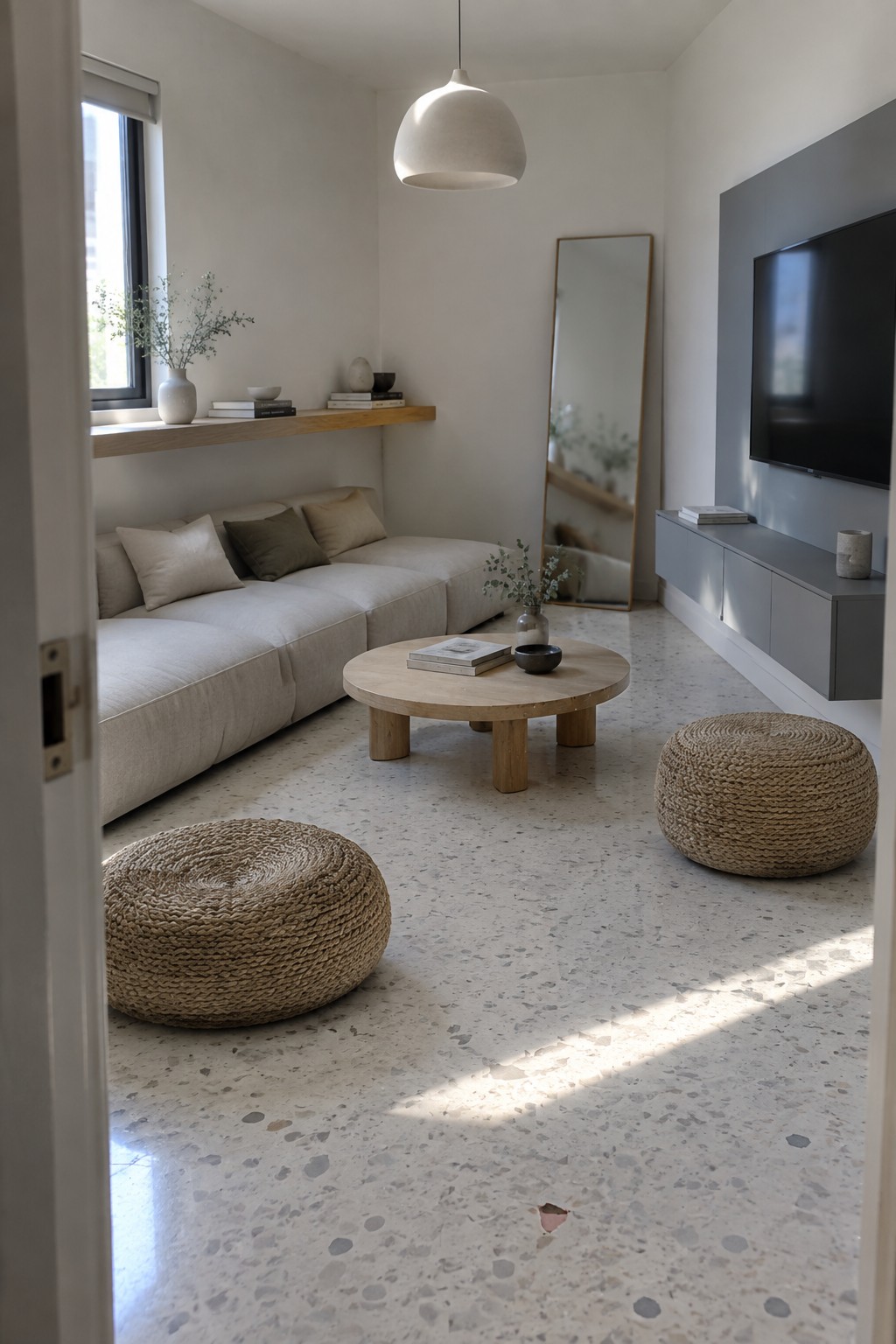
Low seating works well because it leaves more wall and window space visible. The room stays calmer and less crowded even when you add enough places to sit for a few people at once.
This approach suits apartments or compact homes where you want the space to feel relaxed rather than packed in. Pair a low sectional with a simple low table and a couple of floor cushions so the floor stays clear and light can move through the room.
Low Profile Seating Keeps A Minimalist Room Feeling Open

Low profile furniture works well when you want a room to feel calm and uncluttered. The sofa sits close to the floor with clean lines that do not block the view across the space. This simple choice helps the whole room feel larger without adding extra pieces.
It suits smaller living rooms or any setup where you already lean toward minimal styling. Keep other furniture low too and stick with a few neutral tones so nothing fights for attention. Tall lamps or bulky storage can undo the effect, so skip those if you want the look to hold together.
Low Furniture Helps the Room Breathe

In minimalist rooms, keeping furniture close to the floor changes how the whole space feels. A low sofa and a simple round table leave more empty air above them, so the room stays open instead of boxed in.
This works best in smaller living rooms or homes with wide windows. Stick to two or three low pieces in similar tones and skip anything tall that would cut the view across the room.
Choose Low-Profile Seating For An Open Feel

Low furniture changes how a room feels without needing much else. A sofa that stays close to the floor, like the one in this setup, keeps the space from feeling boxed in and lets light and views move across the room more freely.
This works best in smaller living rooms or any minimalist layout where you want breathing room. Pair it with a low table in a simple material, and skip tall pieces that would break the line of sight.
Low-Profile Seating Keeps Things Grounded
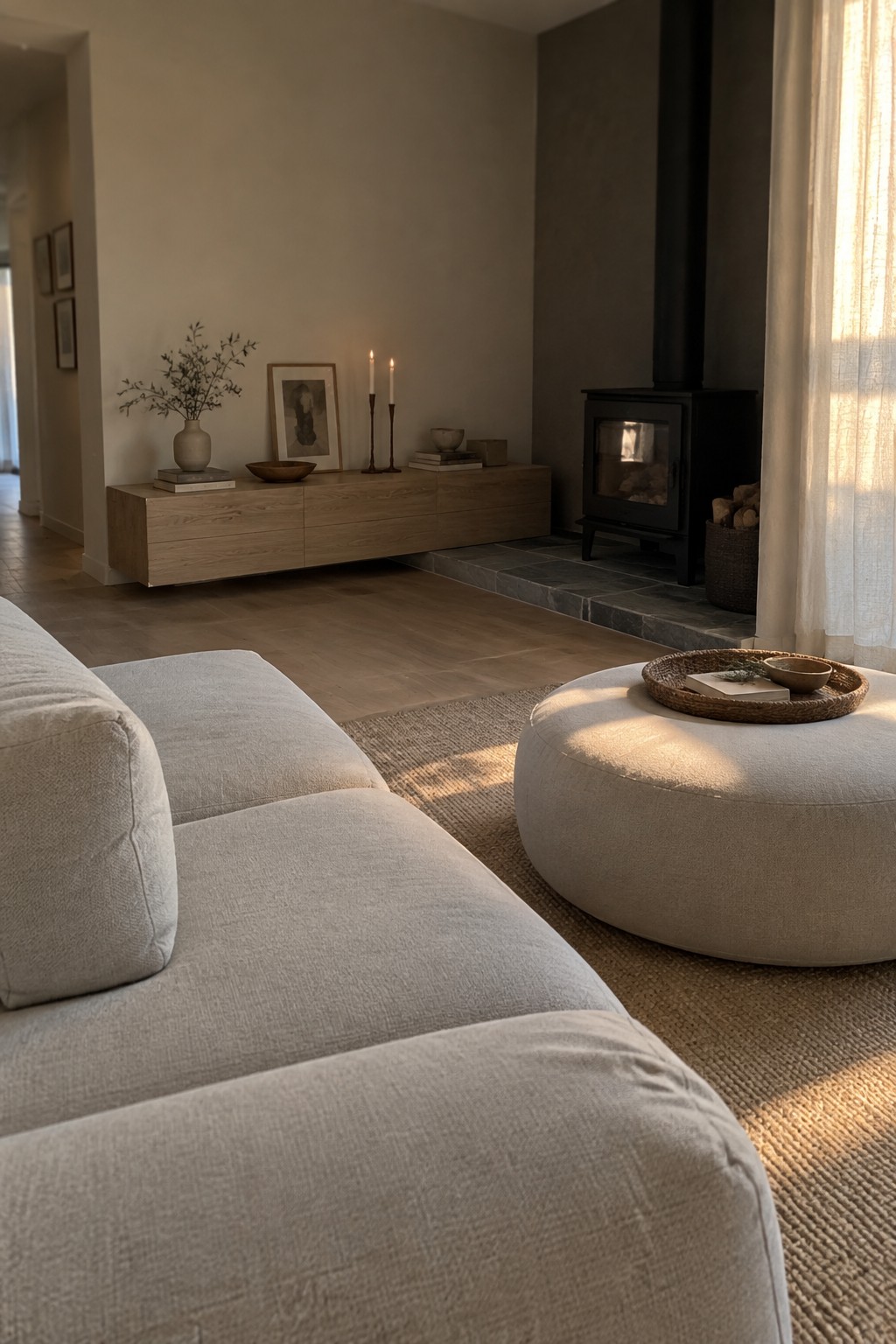
Low furniture changes how a room feels without needing much else. A chunky sofa that sits close to the floor and a wide round ottoman keep the space open and calm. The eye moves easily across the room instead of stopping at tall backs or bulky frames.
This approach suits smaller living rooms or open plans where you want breathing room. Stick to simple shapes and natural materials like wood and linen, and leave some empty floor around the pieces so the low lines can do the work.
Low Furniture Opens Up the Room

Low sofas and tables let the eye travel farther across the space. That simple change keeps a room from feeling boxed in, even when you add built-in shelves and a few quiet pieces on display.
This approach works best in smaller living rooms or any home where you want the layout to stay calm and easy to move through. Stick with pieces that still have decent seat depth so comfort does not get lost in the low profile.
Low-Profile Furniture Keeps The Room Feeling Open
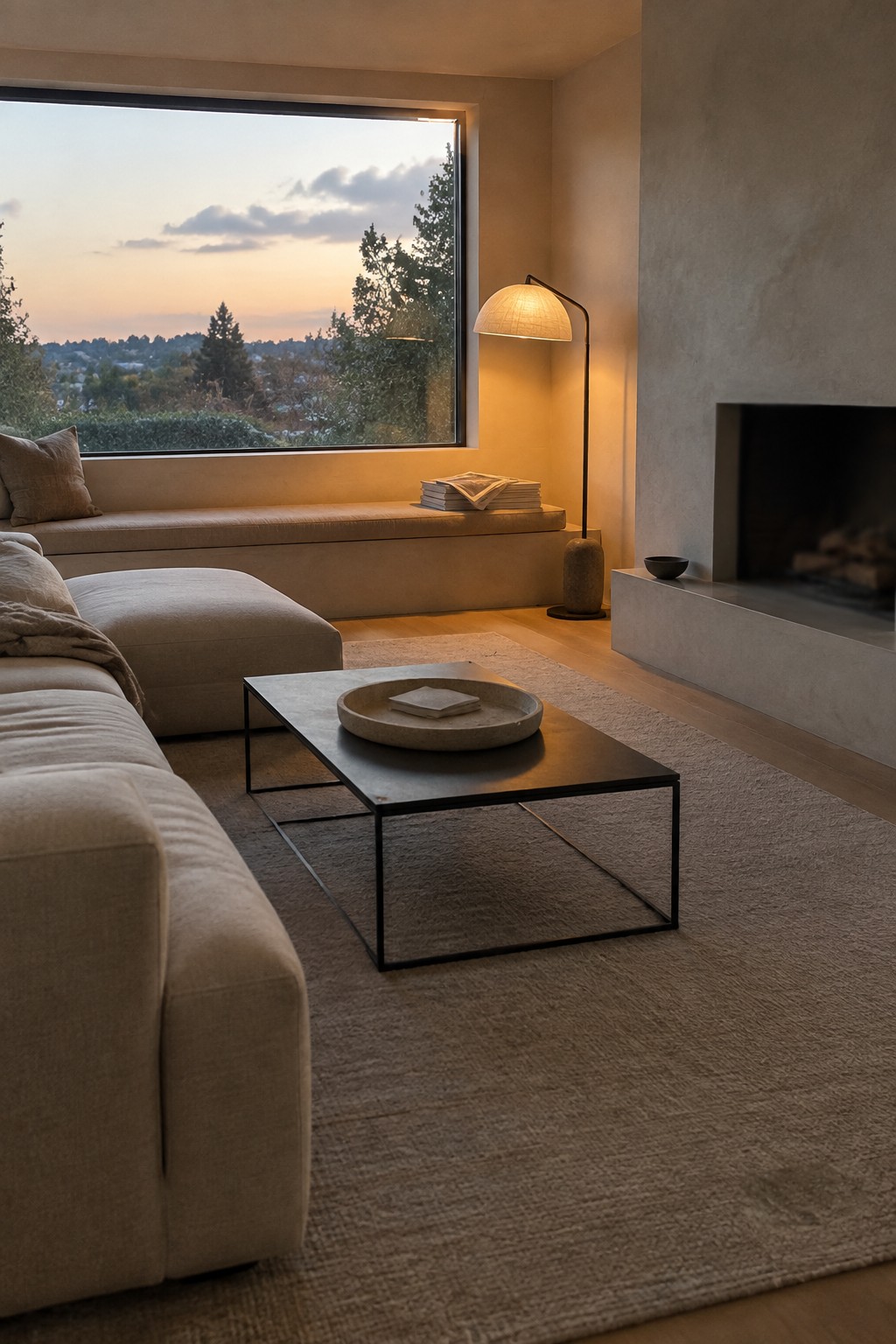
Low-profile seating works especially well in minimalist living rooms because it leaves the space feeling calm and uncluttered. The low lines let light move through the room and keep the view from the window as the main focus instead of the furniture itself.
This setup suits homes where the windows are the main feature. Keep the pieces simple in shape and color, and add only what you actually need so the room stays easy to move around in.
Frequently Asked Questions
Q: Do low-profile sofas feel comfortable for long stretches on the couch? A: They sit closer to the floor so your legs stretch out more naturally. Choose firm cushions that still support your back instead of sinking too deep during a movie marathon.
Q: How do I stop the room from looking bare once everything stays low? A: Add one textured throw blanket across the sofa arm. That single layer fills the space without stacking extra height or clutter.
Q: What rug size works best under a low coffee table? A: Pick one that reaches at least twelve inches past the table edges on every side. The extra coverage ties the seating area together and keeps the floor from feeling split.
Q: Can I hang art above these low pieces without ruining the look? A: Keep the frames at standard eye level so they sit above the furniture line. One large piece or a tight pair gives the wall focus without adding bulk.
