

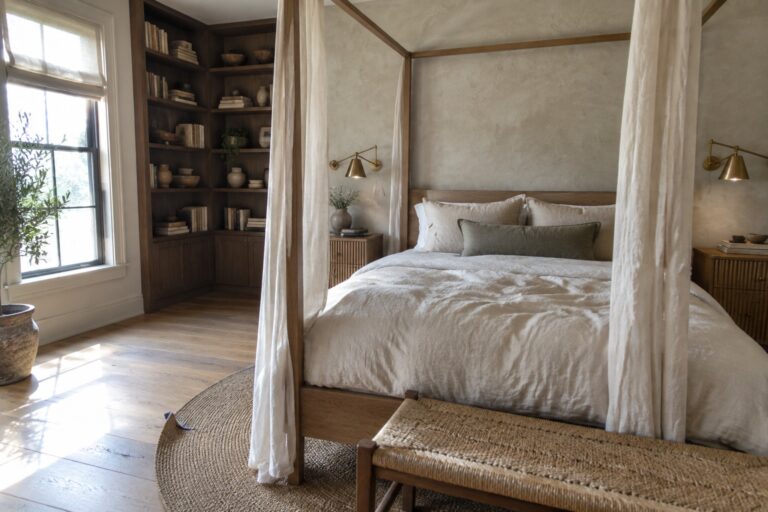
When I step into a bedroom the main furniture piece tends to shape how the rest of the room feels and functions from the first moment.
I have noticed that a strong item can pull the layout together only when the scale and placement actually suit the way the space gets used each day.
Proportions decide the outcome.
Rooms that work this way often stay comfortable even after the initial layout changes or new pieces get added over time.
A few of these setups seem worth testing in my own room to see how they hold up once daily life takes over.
A Bedroom Built Around A Canopy Bed
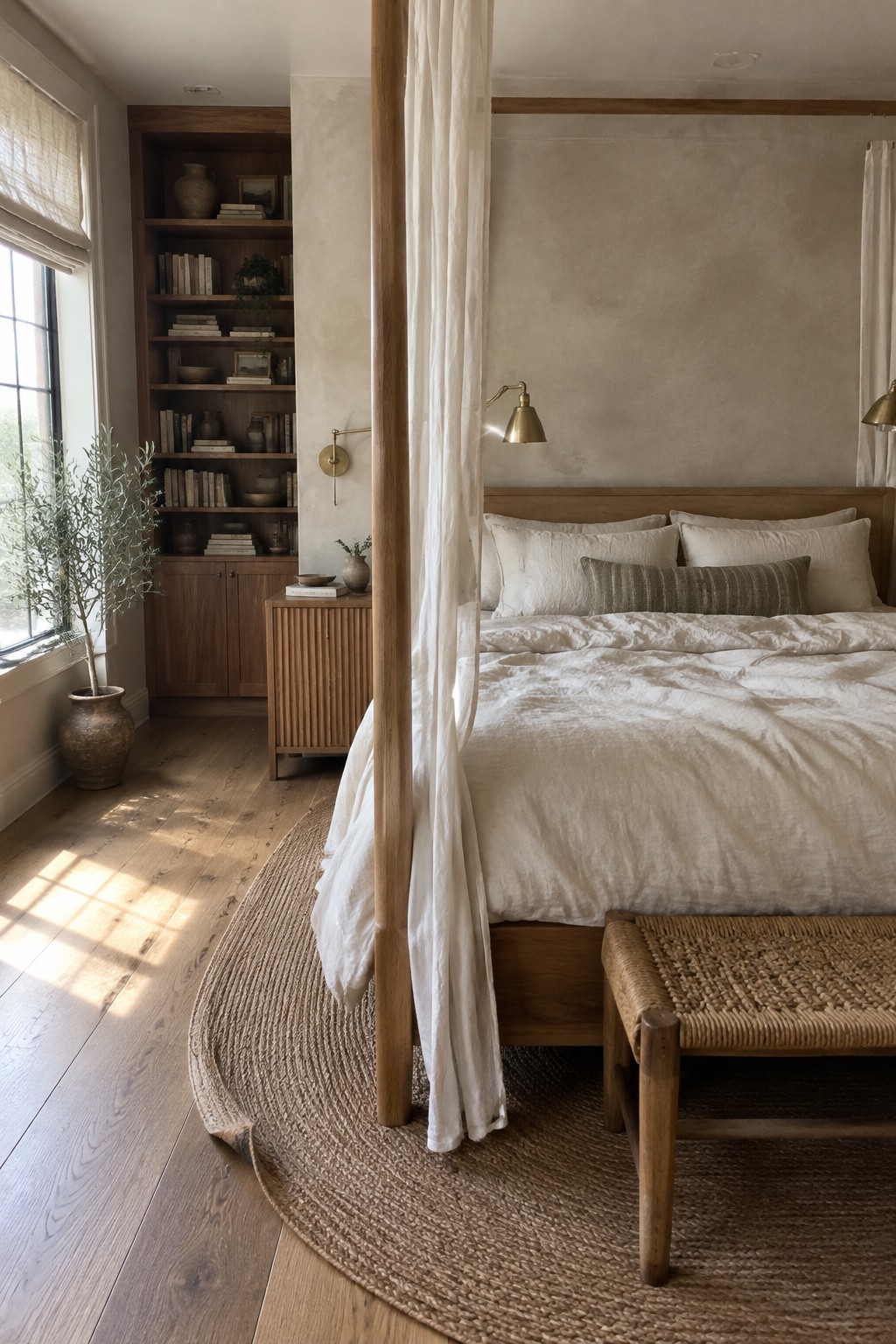
A canopy bed with a simple wood frame gives a bedroom one clear starting point. The tall posts and soft drapes create height and a sense of enclosure without making the room feel closed in. Everything else can stay quiet around it.
This setup works well in rooms that already have some wood tones or soft neutral walls. Keep other furniture low and minimal so the bed stays the main event. A bench at the foot or a small side table is usually enough.
Use a Statement Headboard to Define the Bedroom
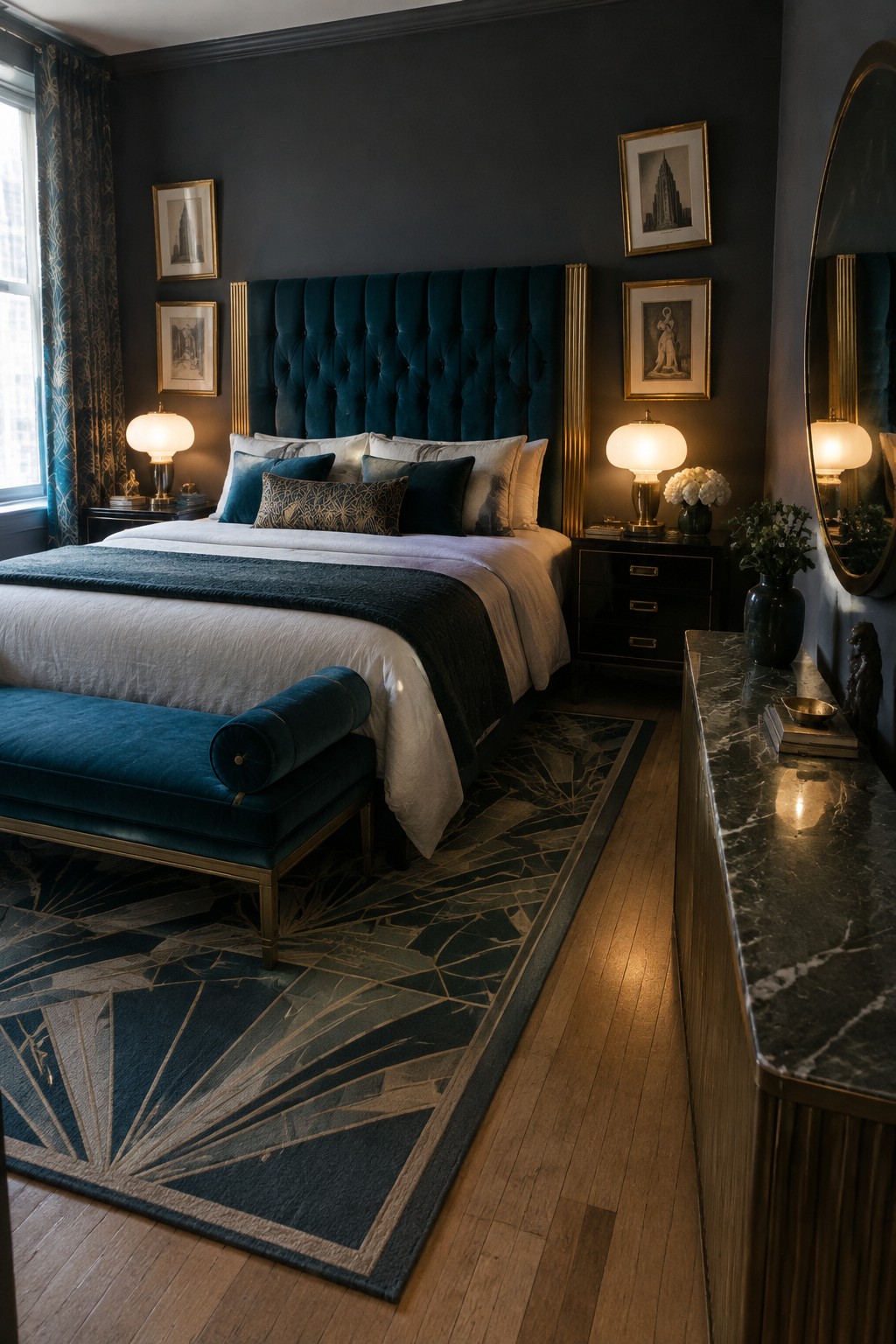
A large upholstered headboard gives the room a clear center without needing much else. In this space the deep teal velvet piece stands out against the dark walls and pulls the whole layout together, which keeps the design simple but still feels complete.
This works best in bedrooms where you want a cozy, grounded feel rather than a busy arrangement. Pick a headboard with some height and texture, then keep the rest of the furniture low and quiet so the main piece stays in charge.
Low Platform Beds For A Calmer Room
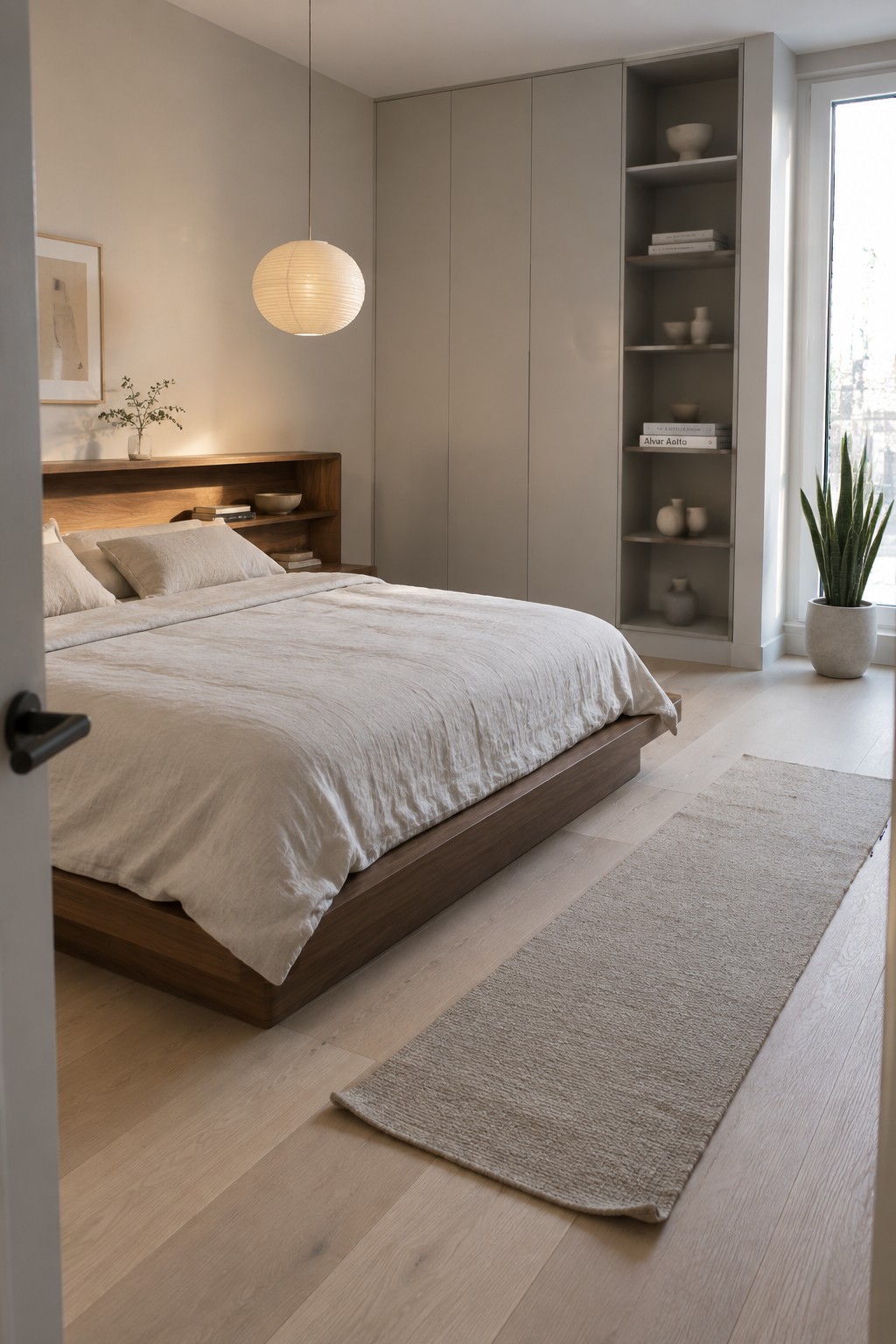
A low platform bed shifts the whole feel of a bedroom by keeping the main piece of furniture closer to the floor. This choice reduces visual weight and leaves more open space above, which makes the room feel larger and quieter. The simple wooden frame here shows how that grounded look can still feel warm and solid.
This approach works best in smaller rooms or homes that lean minimalist or Scandinavian. Pair the low bed with taller storage along one wall so the space stays balanced and functional without extra pieces crowding the floor.
Anchor the Bedroom With a Natural Four-Poster Bed
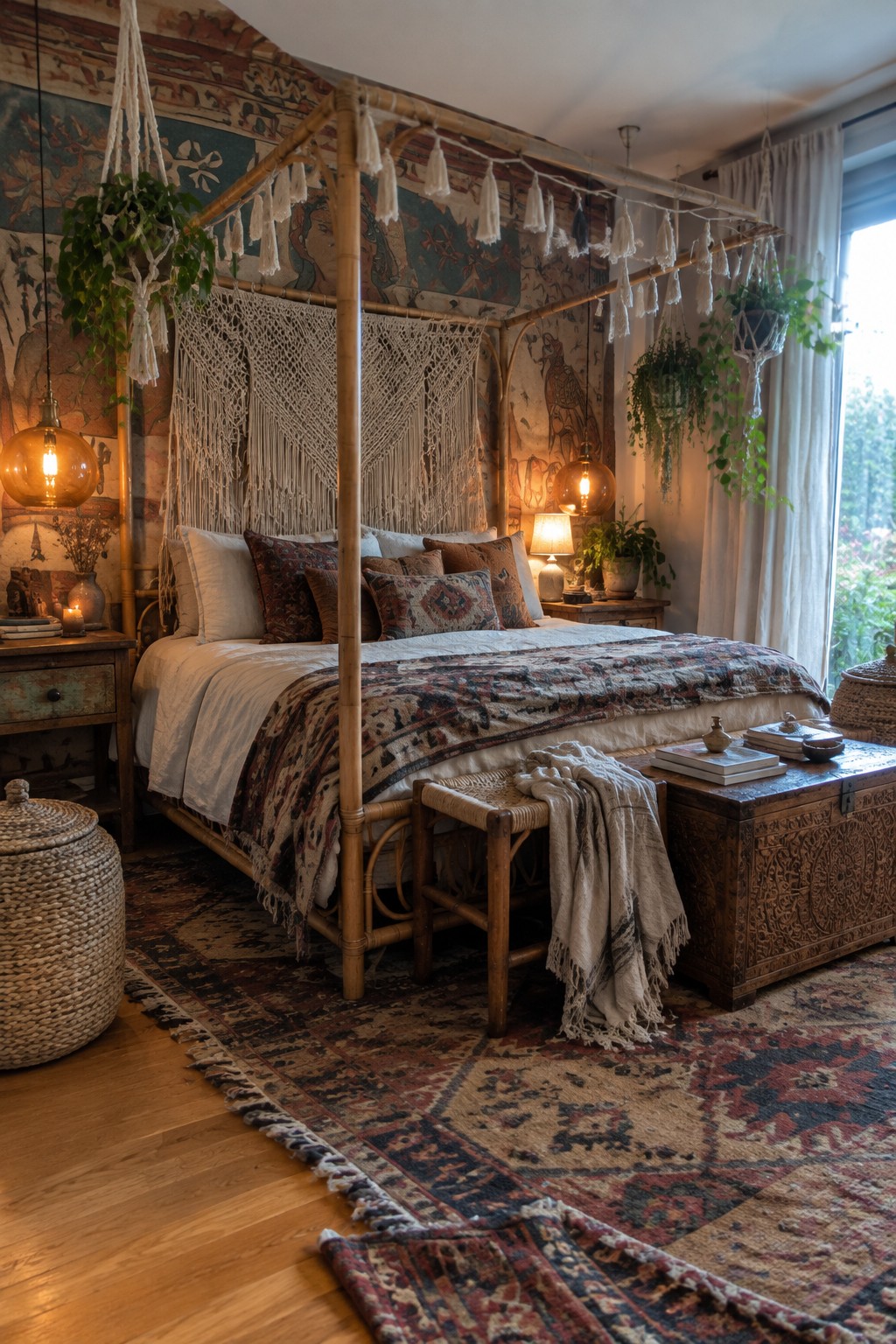
A four-poster bed in raw bamboo makes an easy focal point for the whole room. The frame itself does most of the work, so the rest of the space can stay simple with just a few layers of textiles and plants.
This approach suits rooms that already have wood floors or warm wall colors. Keep the surrounding pieces low and soft so the bed stays the main feature instead of competing with too many other big items.
A Wooden Trunk At The Foot Of The Bed
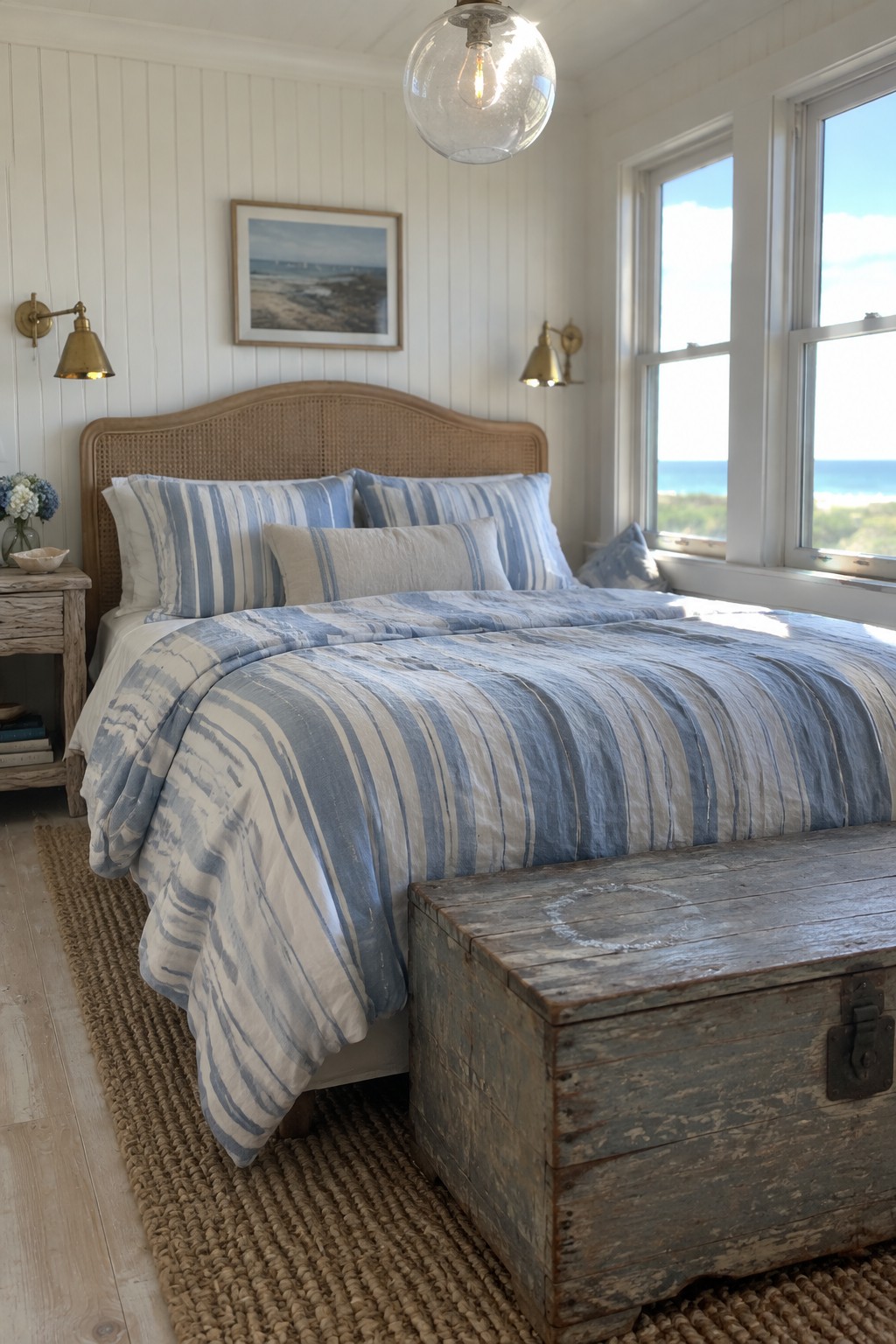
A wooden trunk at the foot of the bed gives a bedroom useful storage while adding a solid, grounded piece that feels different from the usual bench or ottoman. It works especially well when the rest of the room stays simple, like with striped linens and light walls, so the trunk becomes the main point of interest without extra effort.
This setup suits homes that already lean toward natural textures or slightly relaxed styles. Keep the trunk finish fairly rough and avoid overcrowding the top so it stays practical for holding blankets or extra pillows.
Let A Sculptural Wood Bed Frame Lead The Room
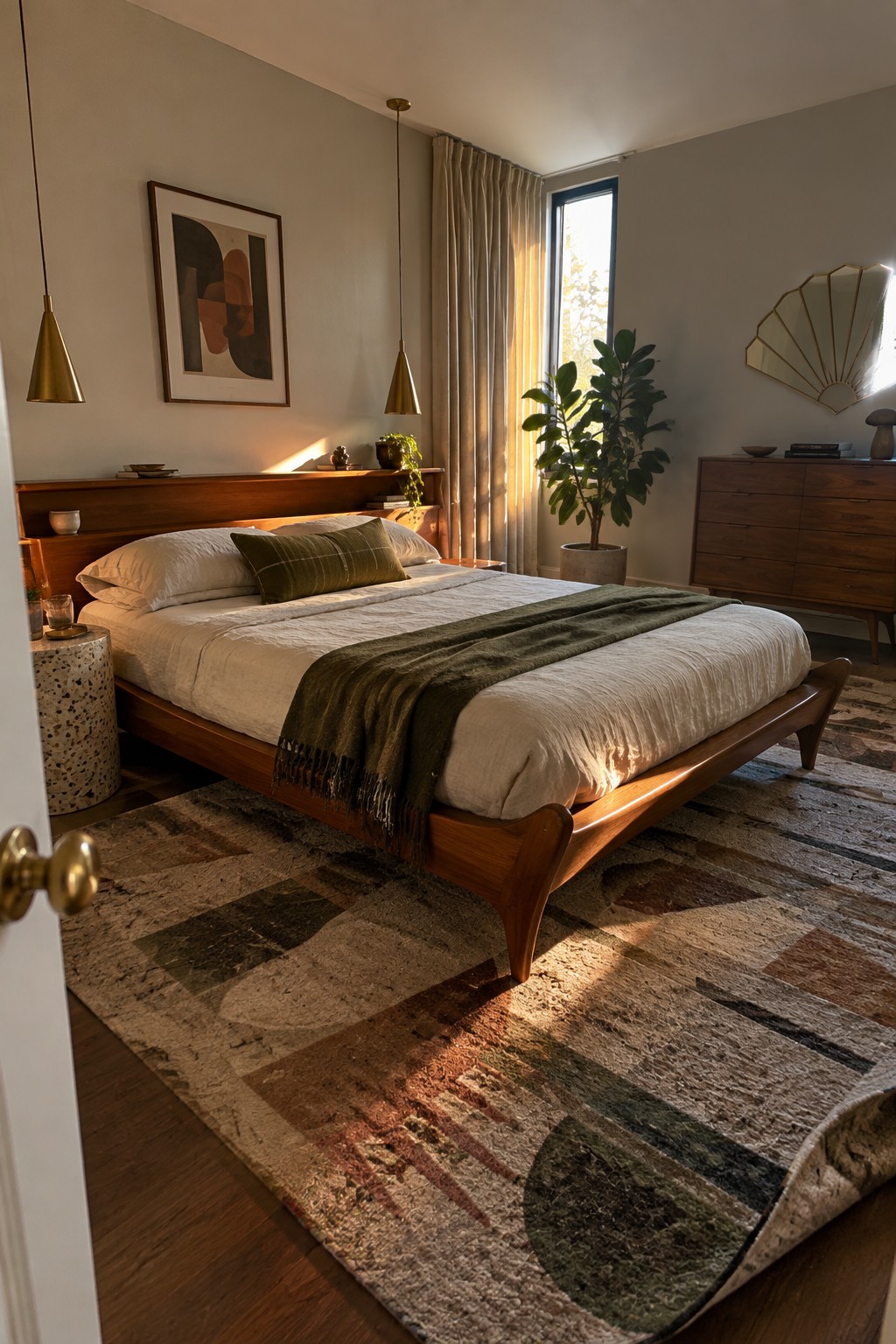
A strong bed frame can quietly shape the whole bedroom without much else needed. The curved wood lines and low profile give the space a calm center that feels solid and intentional rather than busy.
This approach works best in rooms where you want warmth without clutter. Keep the walls and other pieces simple so the bed stays the focus, and choose textiles that echo the wood tones instead of competing with them.
Leather And Metal Bed Frames
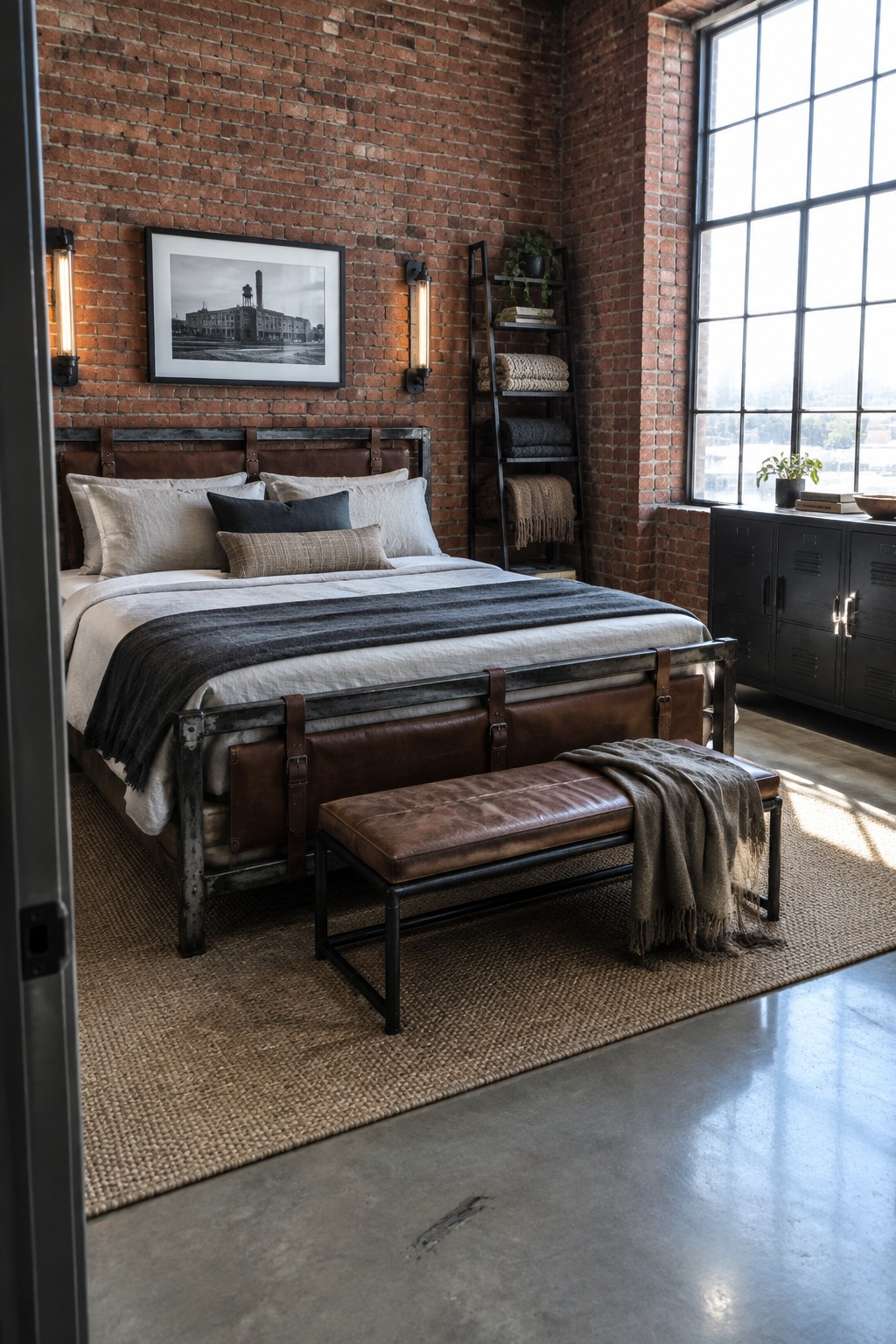
A bed frame that mixes leather with metal gives a bedroom real presence without needing much else. The combination feels sturdy and a little rough, which works well in spaces that already have exposed brick or concrete. It turns the bed into the clear focal point while still letting the rest of the room breathe.
This style suits lofts or homes with an industrial lean. Keep surrounding pieces simple and neutral so the frame stays the star. Too many extra textures or colors can make the look feel busy instead of grounded.
A Tall Upholstered Headboard As The Room Anchor
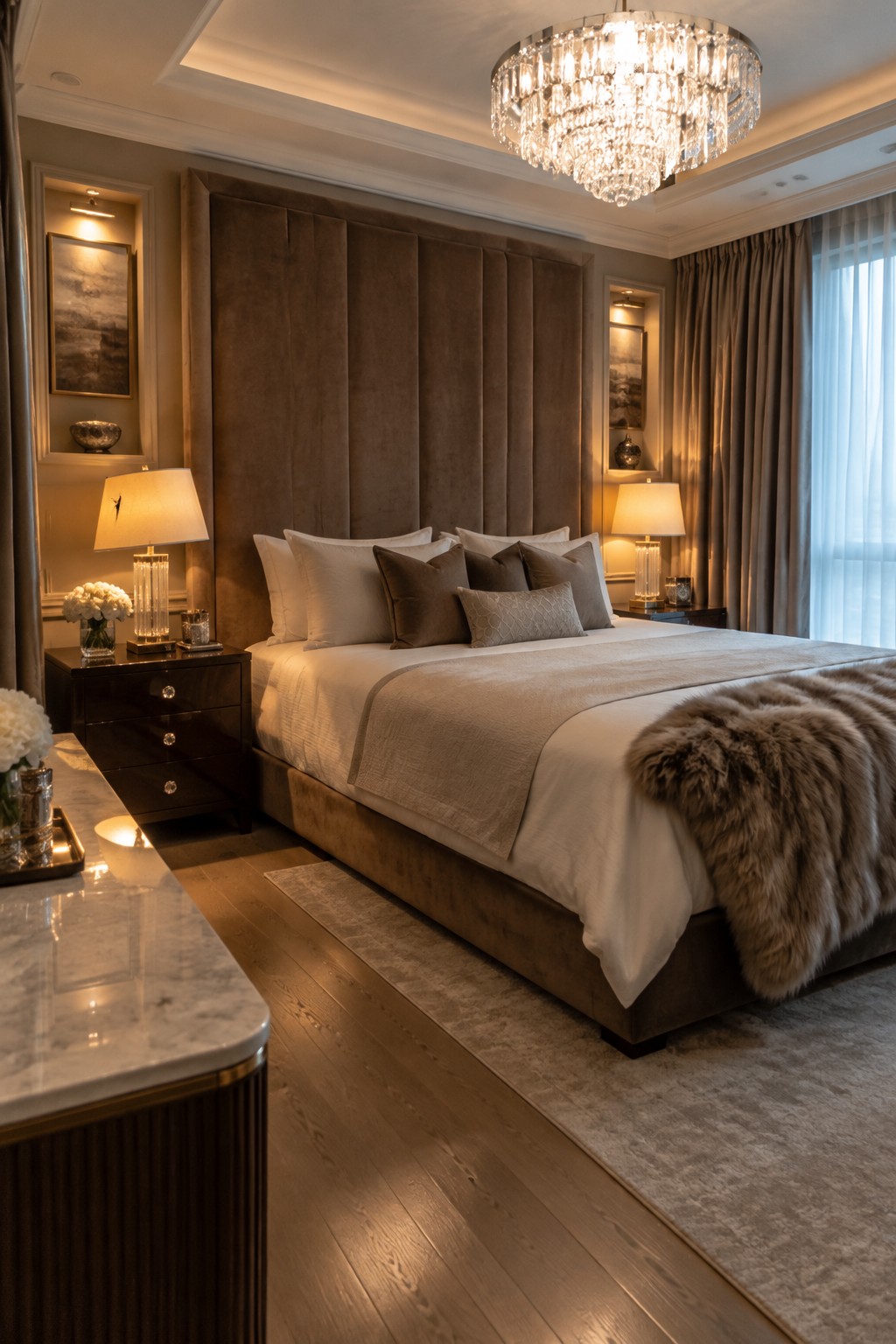
A tall headboard gives the bed real presence and pulls the whole room together without much extra effort. In this setup the plush brown velvet panel stretches wide and high, turning the bed into the clear focal point while the rest of the furnishings stay quiet and low.
This approach works best in bedrooms that have enough wall space and a fairly simple layout. Keep the surrounding pieces modest in scale and stick to a narrow color range so the headboard stays in charge.
Low Platform Beds With Tatami Mats
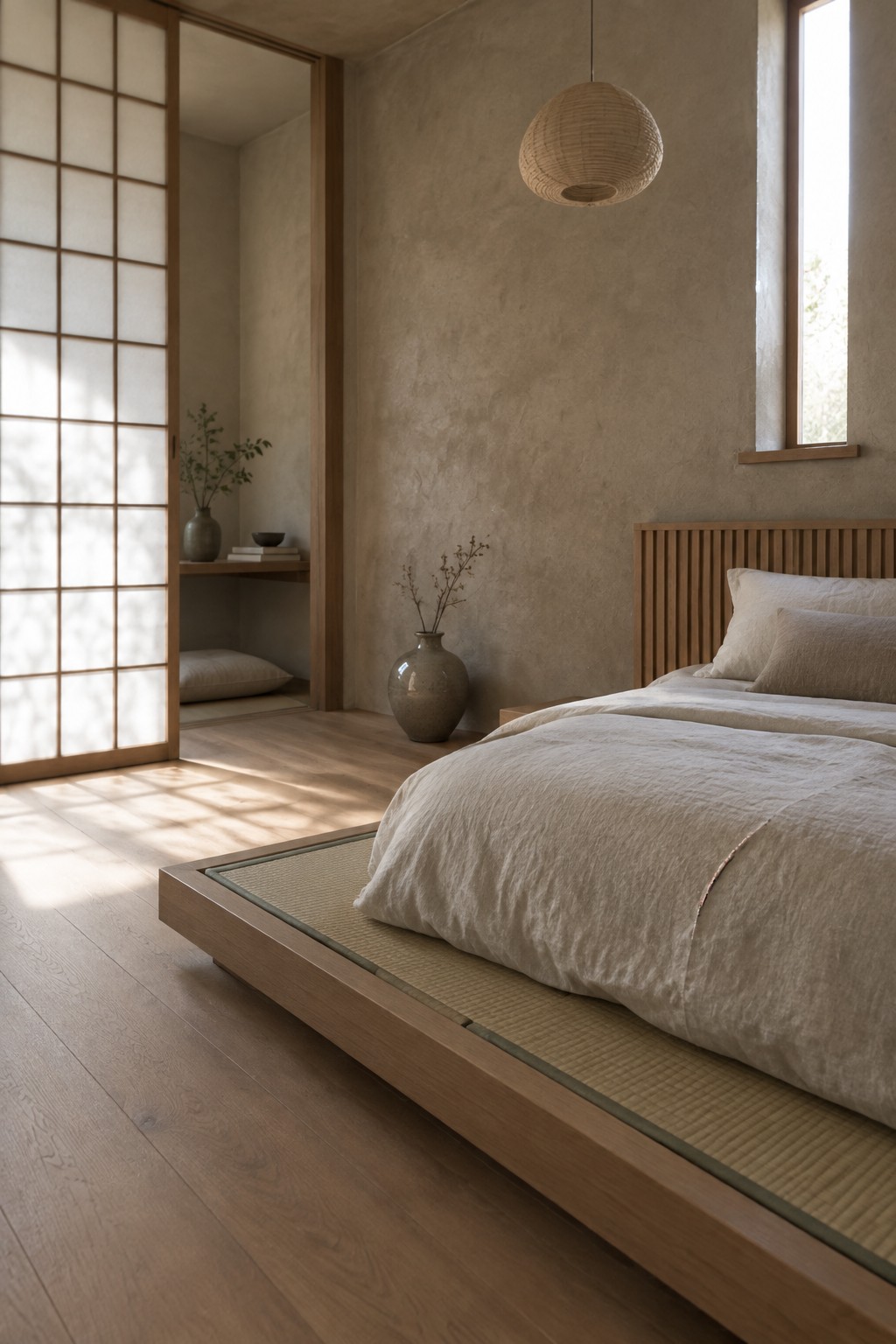
A low bed set directly on tatami mats gives the room a quiet, settled feel that many people find restful. The simple wood frame and natural flooring keep everything close to the ground, which helps the space feel open and calm without much effort.
This approach works well in smaller bedrooms or homes that already use wood and neutral tones. Keep other furniture low and minimal so the floor stays the main surface, and make sure the room gets enough light to keep the mats from looking dull over time.
Let A Freestanding Wardrobe Anchor The Room
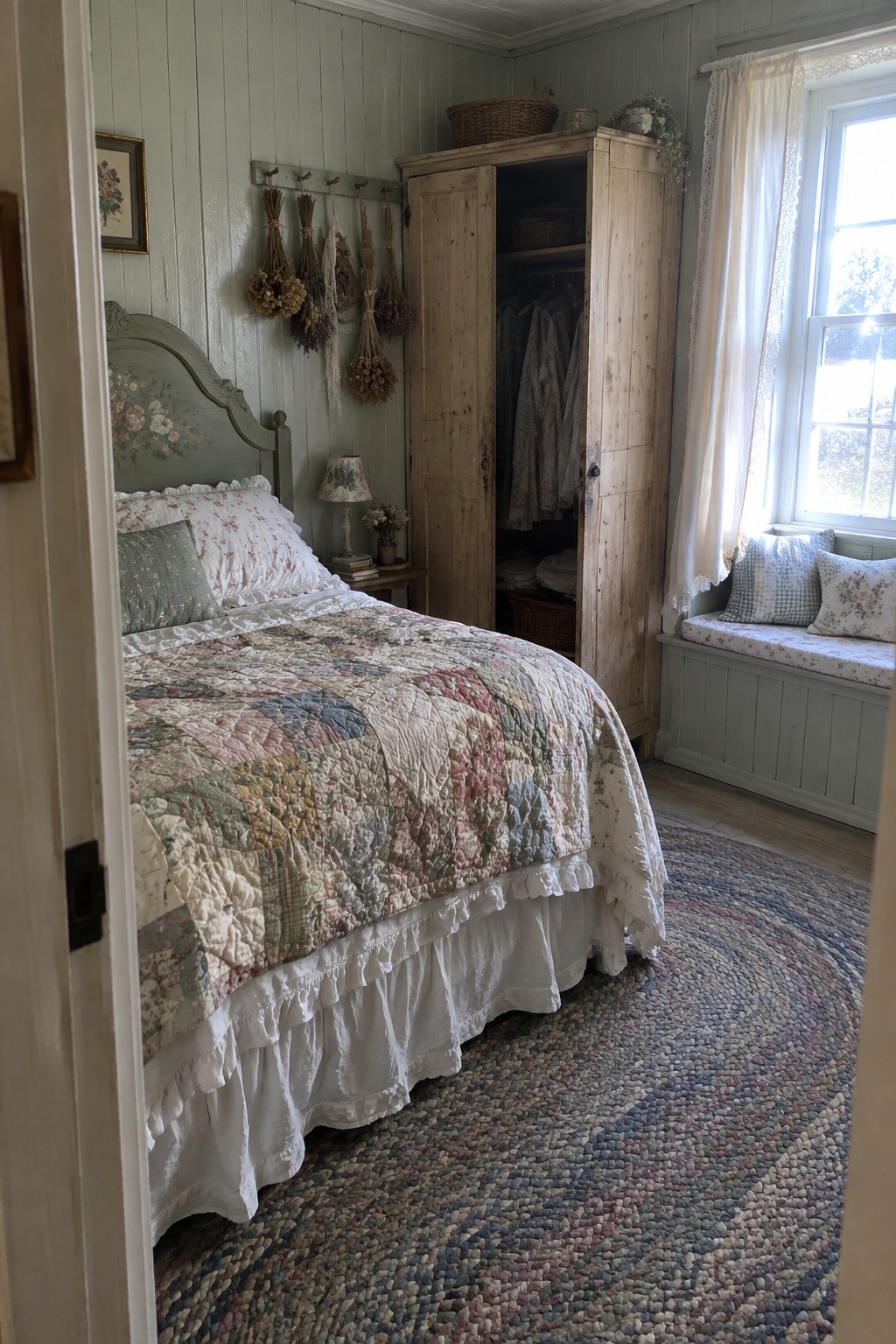
A tall wooden wardrobe brings real presence to a bedroom without any built-in construction. It handles storage while acting as the main visual weight in the space, which keeps the room feeling balanced even when the bed and other pieces stay fairly simple.
This works best in cottages or older homes where you want storage that feels like furniture rather than cabinetry. Keep the rest of the room light so the wardrobe stays the clear focal point, and leave the doors open now and then if the interior looks as lived-in as the rest of the space.
Dark Accent Walls Behind The Bed
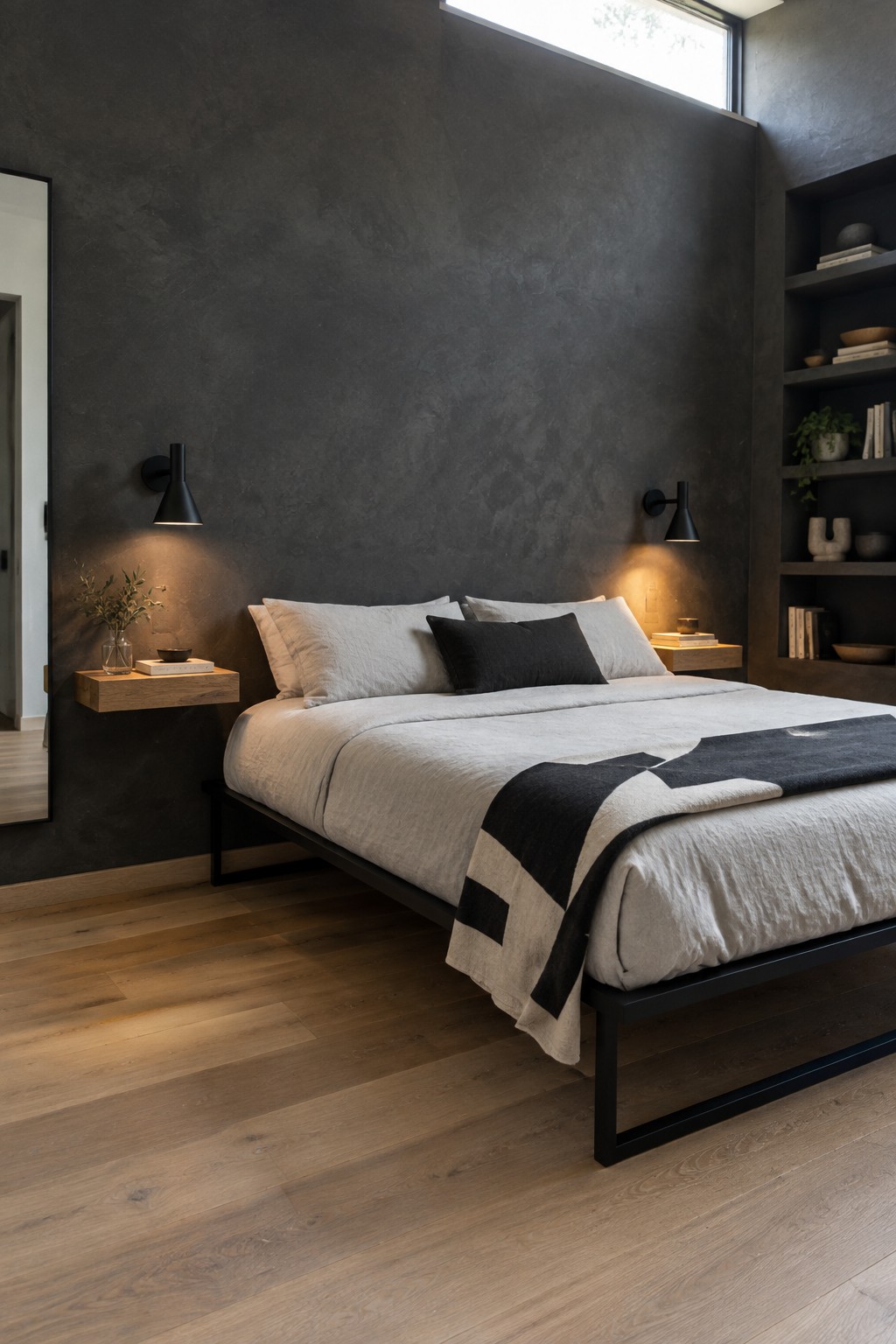
A dark wall right behind the bed gives the furniture more weight without adding extra pieces. The bed frame stands out more clearly, and the whole setup feels grounded even when the rest of the room stays simple.
This approach works best in modern or minimalist bedrooms where you want the bed to act as the main focal point. Keep the bedding light and the other walls neutral so the space does not close in.
Letting a Statement Bed Anchor the Bedroom
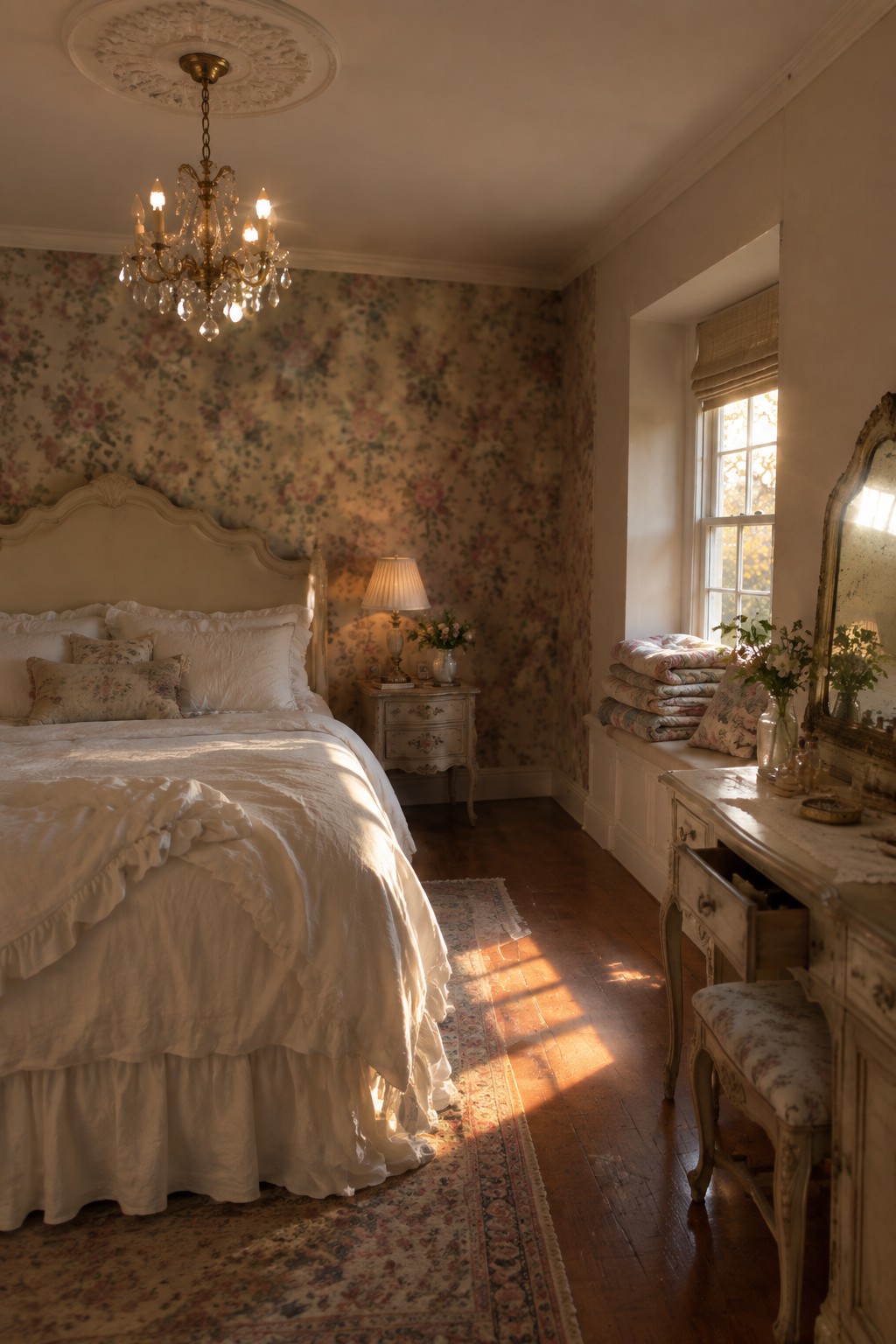
A tall, classic bed frame with generous white bedding can pull a whole room together without much extra effort. The soft layers and ruffled edges create a calm focal point that works especially well when the walls have pattern or the light shifts during the day.
This setup suits older homes or rooms where you want one main piece to carry the look. Keep the surrounding furniture low and simple, and let the bed take most of the visual weight so the space stays easy to live in.
Build the Bedroom Around a Carved Wood Bed
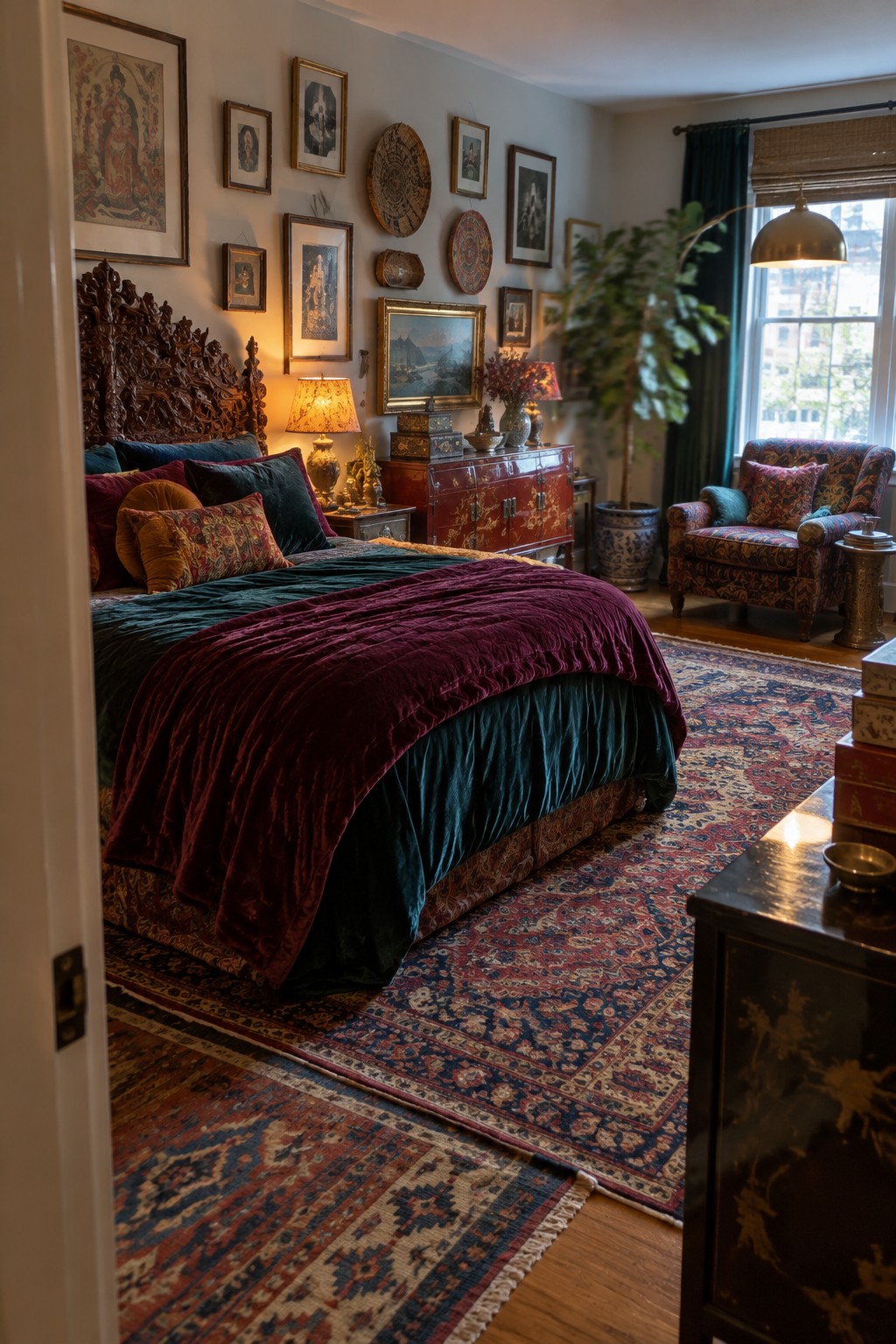
A heavily carved dark wood bed can give the whole room its direction without much extra effort. The strong shape and detail on the headboard pull everything else together, so the bedding, rug, and wall art can stay layered but not compete.
This works best in rooms that already have some age or character. Keep the walls light and let the bed carry the weight, then add just a few strong colors in the fabrics. It can feel heavy if the rest of the space gets too busy, so watch the number of patterns.
Floating Platform Beds With Integrated Lighting
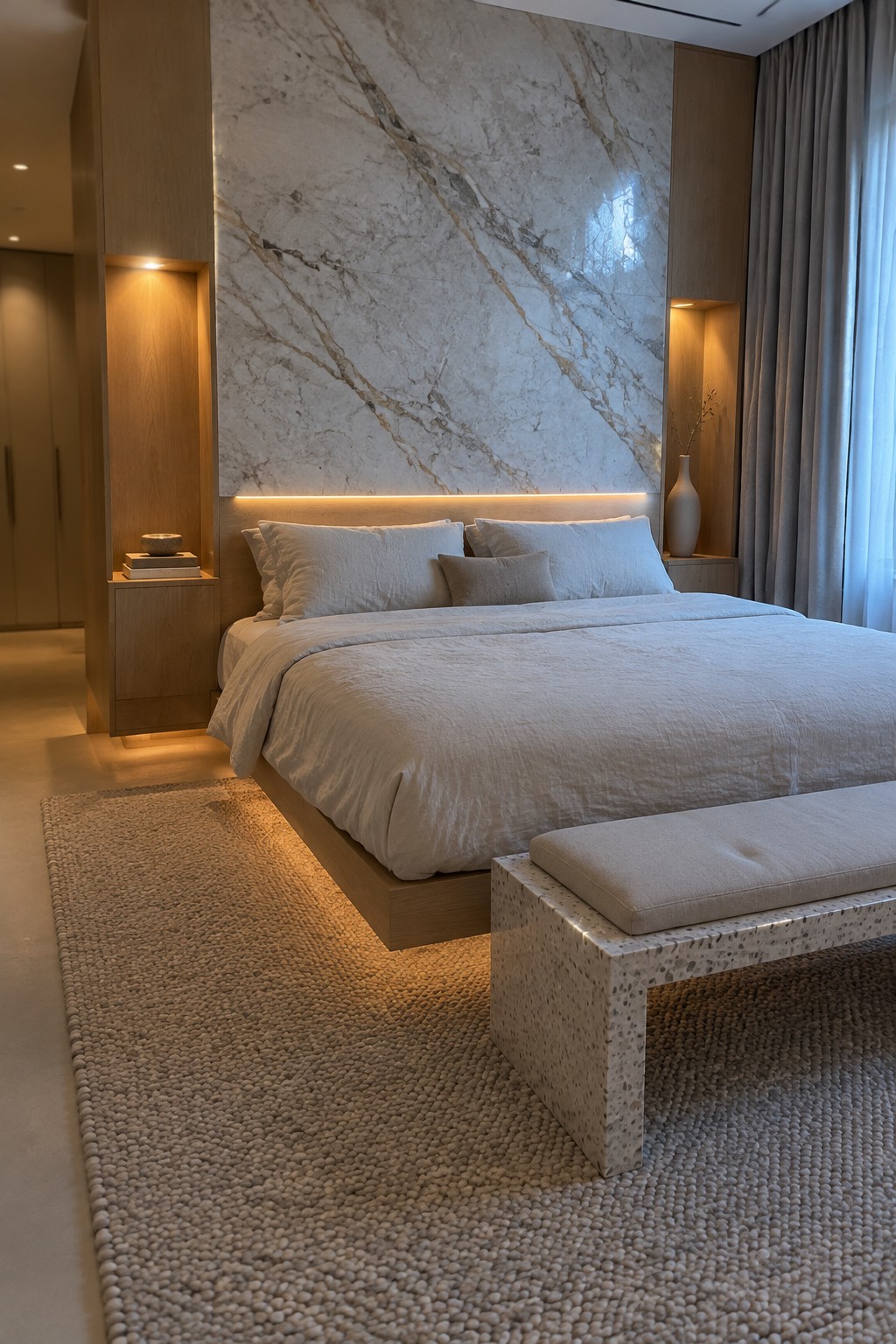
A floating platform bed gives the room a lighter feel without needing much extra furniture. The bed sits on a low base that appears to hover above the floor, and adding a strip of warm lighting underneath helps soften the look while making the space easier to navigate at night.
This approach works best in bedrooms where you want a calm, uncluttered layout. It suits smaller rooms especially well since the open space below the bed keeps the floor feeling open and makes cleaning simpler. Just keep the lighting dimmable so it stays gentle rather than too bright.
Using a Wooden Chest at the Foot of the Bed
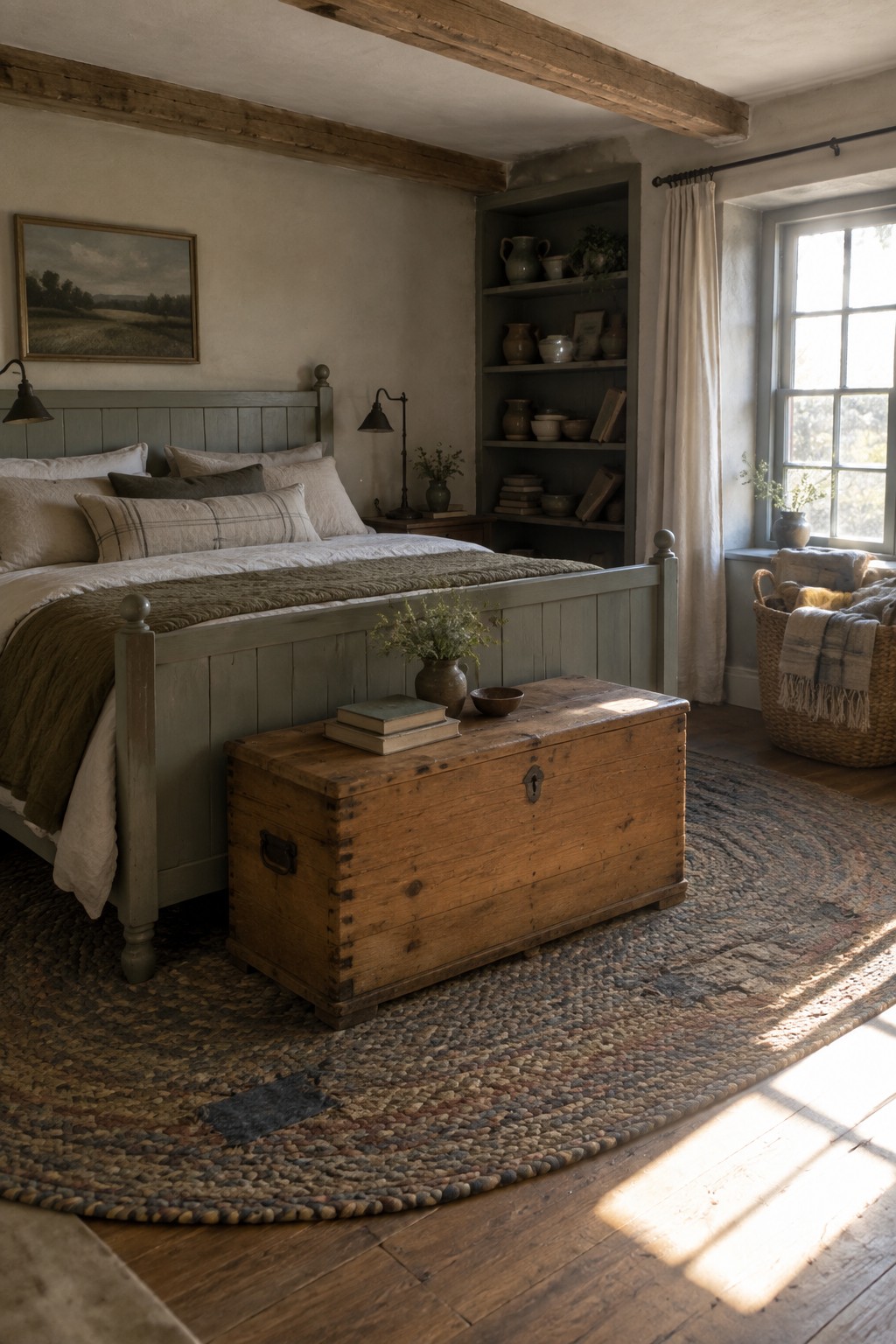
A wooden chest placed at the foot of the bed gives the room a solid center without much extra effort. It works as storage for extra blankets while also acting as the main piece that holds the space together.
This approach suits older homes or rooms with simple walls and wood floors. Keep the chest fairly plain so it does not compete with the bed, and make sure there is enough room to open it without bumping into other furniture.
Hanging Chair as a Bedroom Statement Piece
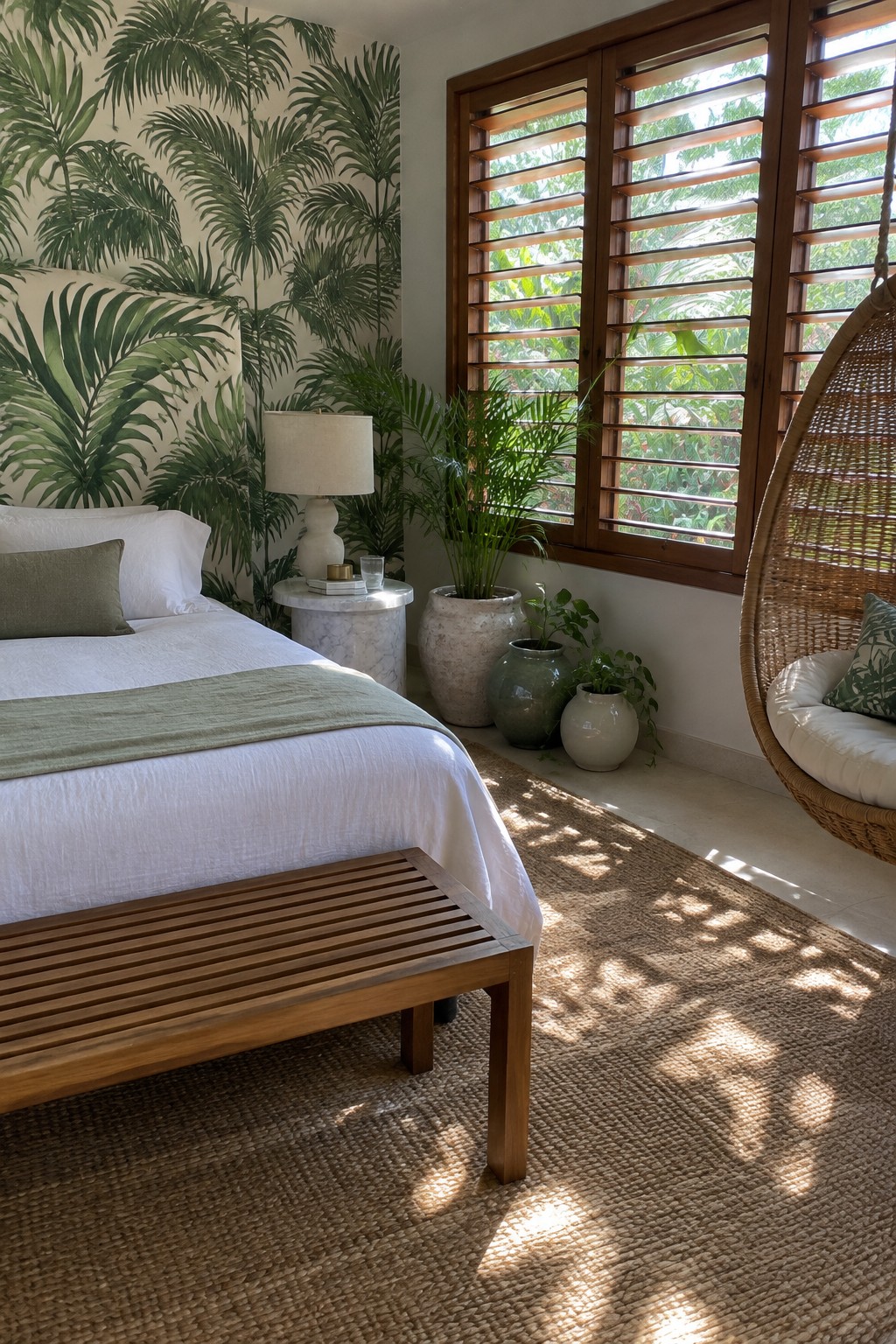
A hanging chair gives the bedroom a relaxed seating spot that does not take up floor space. The woven texture stands out against the wood furniture and soft bedding, and it turns an empty corner into something useful.
This works best in rooms with enough ceiling height and strong support for hanging. It suits homes that already use natural materials, and it is easy to style with a cushion or two to match the rest of the room.
Anchor the Bedroom Around a Statement Bed Frame
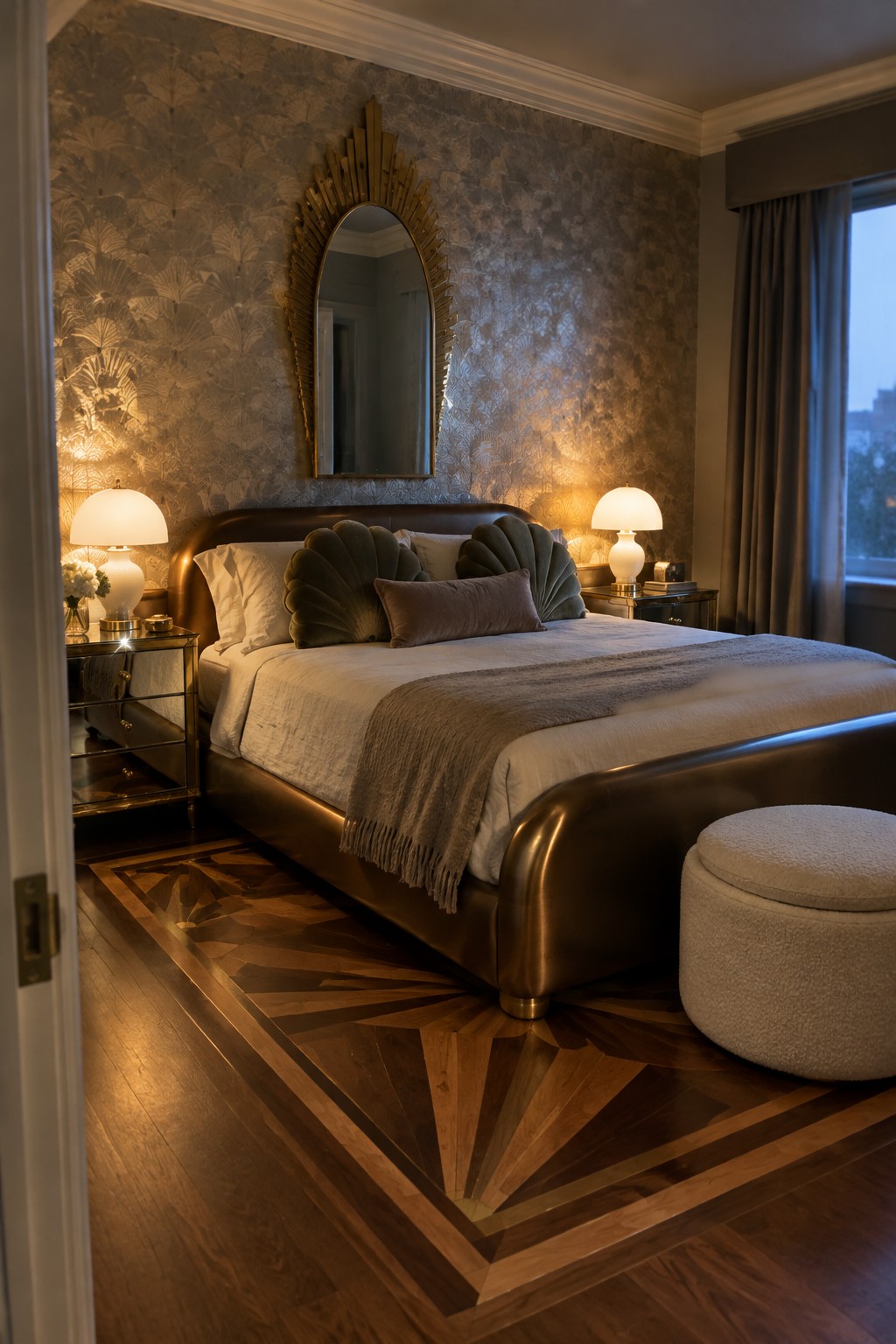
A bold bed frame can give a bedroom its direction without much extra effort. The curved dark frame here sets the tone for the whole room and draws attention even when the rest of the space stays fairly calm.
This works well in larger bedrooms where you have room to let the bed breathe. Keep the surrounding pieces low and simple so the frame stays the main event, and make sure the scale matches the size of the room.
A Solid Wood Side Table As The Main Piece
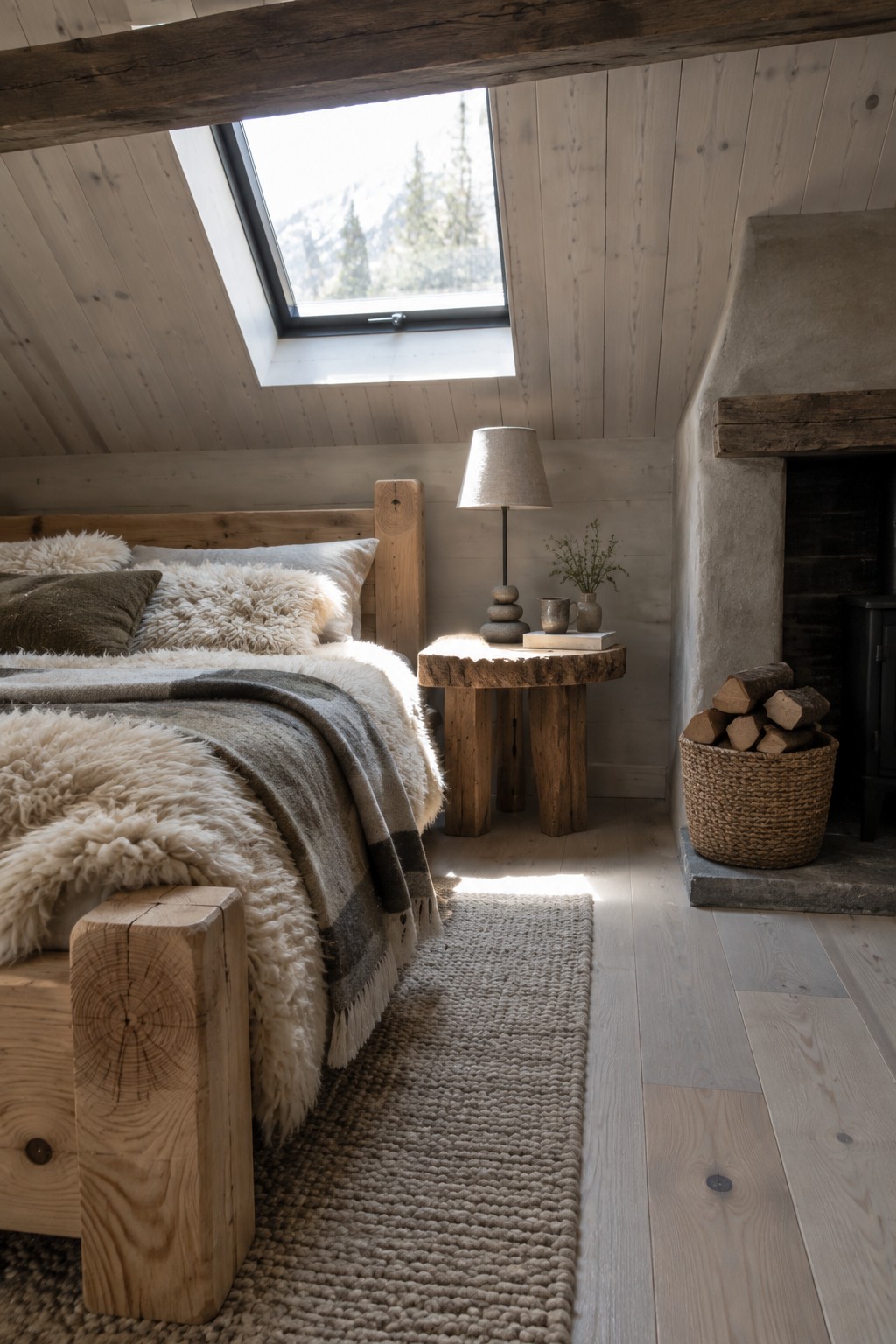
A heavy wooden side table can quietly shape the whole feel of a bedroom. It brings weight and texture that lighter pieces often miss, especially when the rest of the room leans soft with layers of wool and sheepskin. The natural grain and simple shape give the space something solid to rest against.
This approach works best in smaller rooms or cabins where you want one strong material note rather than lots of separate accents. Keep the finish raw or lightly sealed so it ages well with the rest of the wood tones in the room.
Build the Bedroom Around a Strong Four-Poster Bed
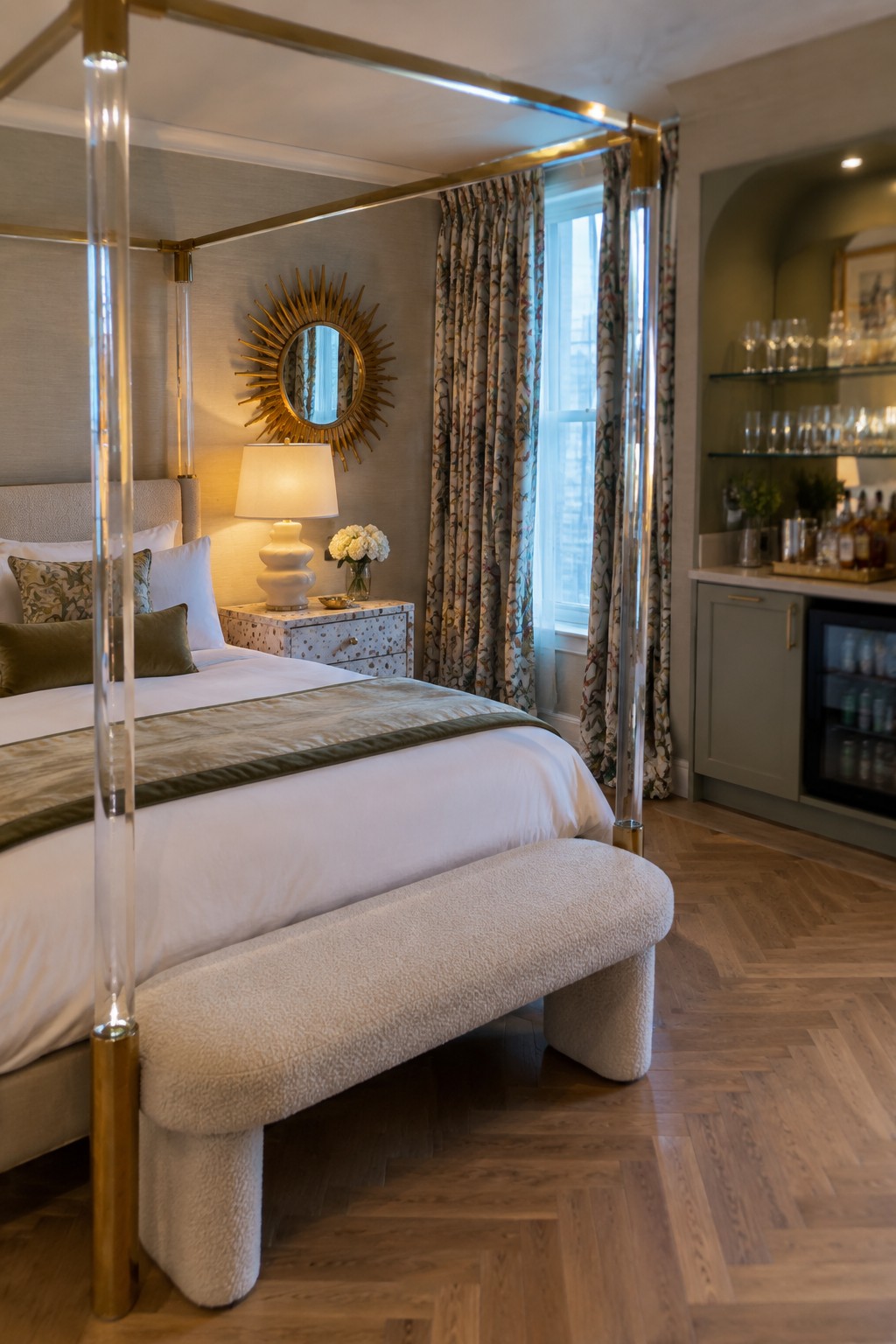
A four-poster bed with clear posts can act as the main piece in a bedroom without making the space feel crowded. The transparent legs keep sight lines open while the brass details add enough presence to hold the room together. This works especially well when the rest of the furniture stays fairly simple.
It suits rooms that need one clear focal point rather than lots of competing elements. Keep the scale in mind though. In a smaller space the posts can start to feel heavy if the rest of the room has too many layers or dark colors.
A Reclaimed Wood Headboard As The Main Statement
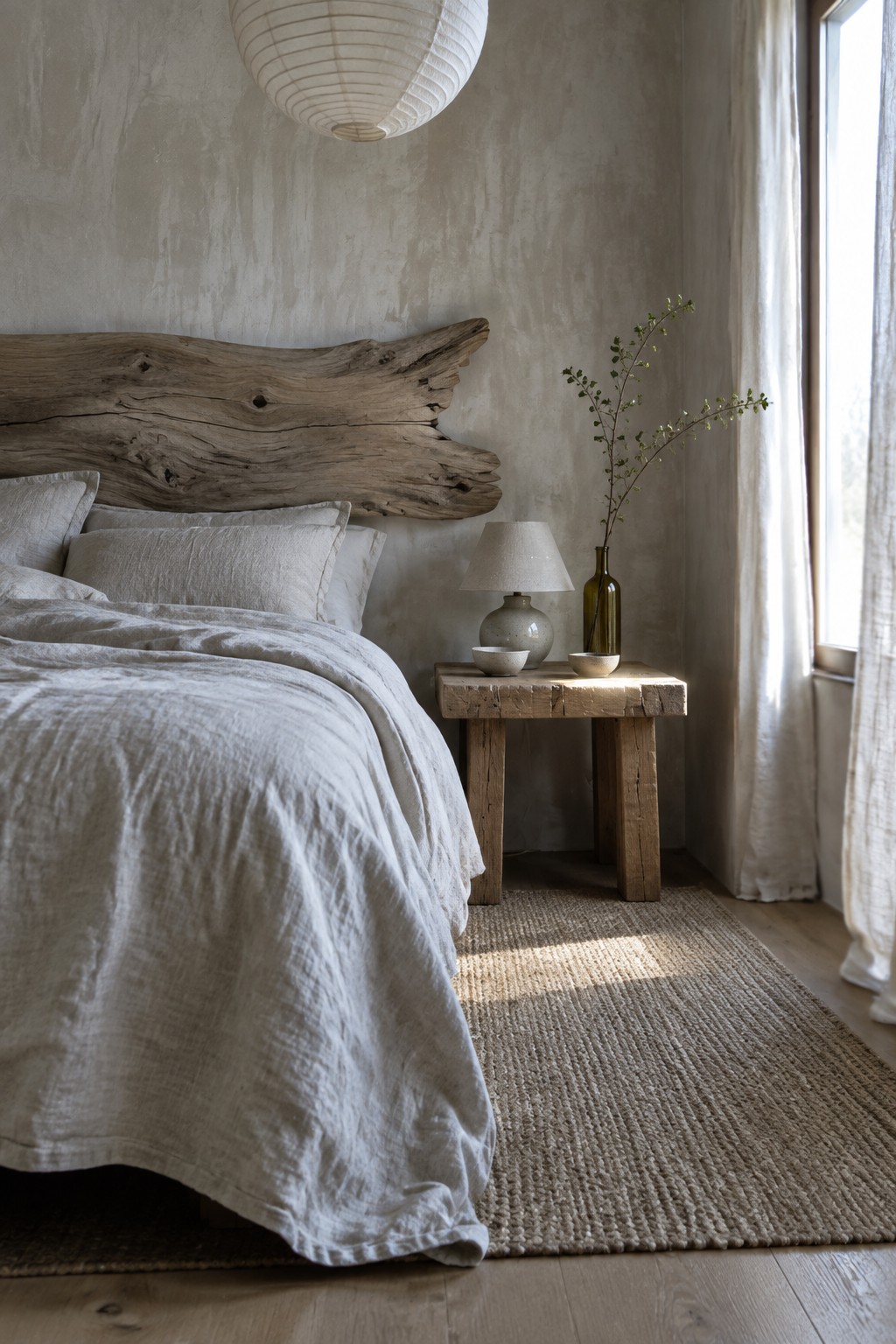
A big reclaimed wood headboard can carry an entire bedroom when everything else stays quiet. The rough grain and natural shape bring warmth and age into a space that might otherwise feel flat or too simple.
This works best in calm, low-color rooms where you want one piece to hold the focus. Keep the bedding light, the walls plain, and the other furniture minimal so the headboard does not compete with anything else.
Frequently Asked Questions
Q: How do I stop other furniture from competing with my statement piece?
A: Keep side tables and chairs simple in shape and color. Match them loosely to the main item so they support it instead of fighting for attention. You will notice the room feels calmer right away.
Q: What works if my bedroom gets little natural light?
A: Pick a statement piece in a light wood or soft fabric to brighten things up. Add a floor lamp nearby to highlight it at night. The contrast makes everything feel bigger.
Q: Should the statement furniture match my bedding exactly?
A: No need for a perfect match. Choose bedding in tones that echo the furniture without copying it. This leaves room for a few personal patterns.
