

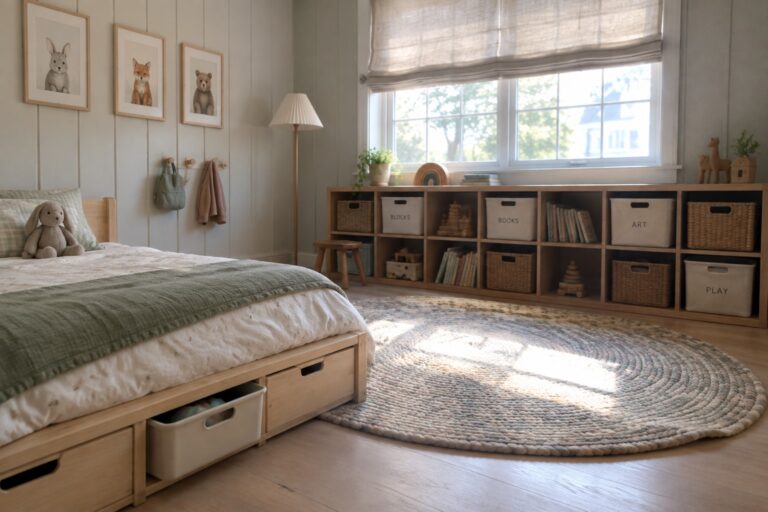
Kids bedrooms tend to shift quickly as children grow so storage that can adjust without a full overhaul makes everyday life simpler.
I have noticed that fixed furniture often creates dead space or forces constant rearranging when interests change.
Adaptable pieces change that.
The setups that work best let kids reach what they need while keeping the floor clear for play.
Testing a couple of these ideas in a real room would show which ones actually last through the seasons.
Under Bed Drawers Keep Toys Within Reach
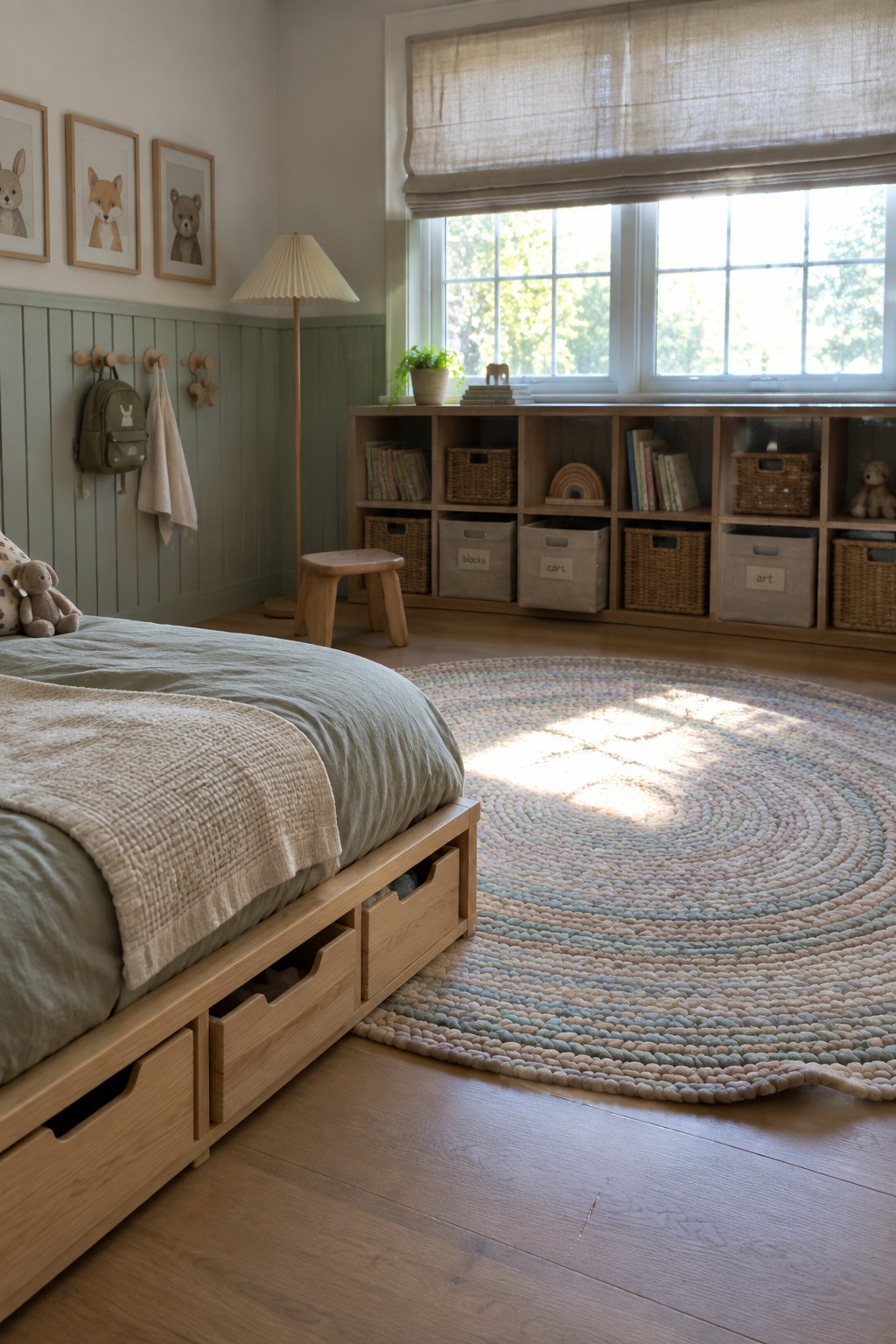
Kids bedrooms tend to gather toys and books faster than most other rooms. Under bed drawers give you a place to store those items without adding more furniture that takes up floor space.
This approach works well in smaller rooms where every inch counts. Pair the drawers with low open cubbies so children can reach what they need and put things back on their own.
Loft Beds That Free Up Floor Space Below
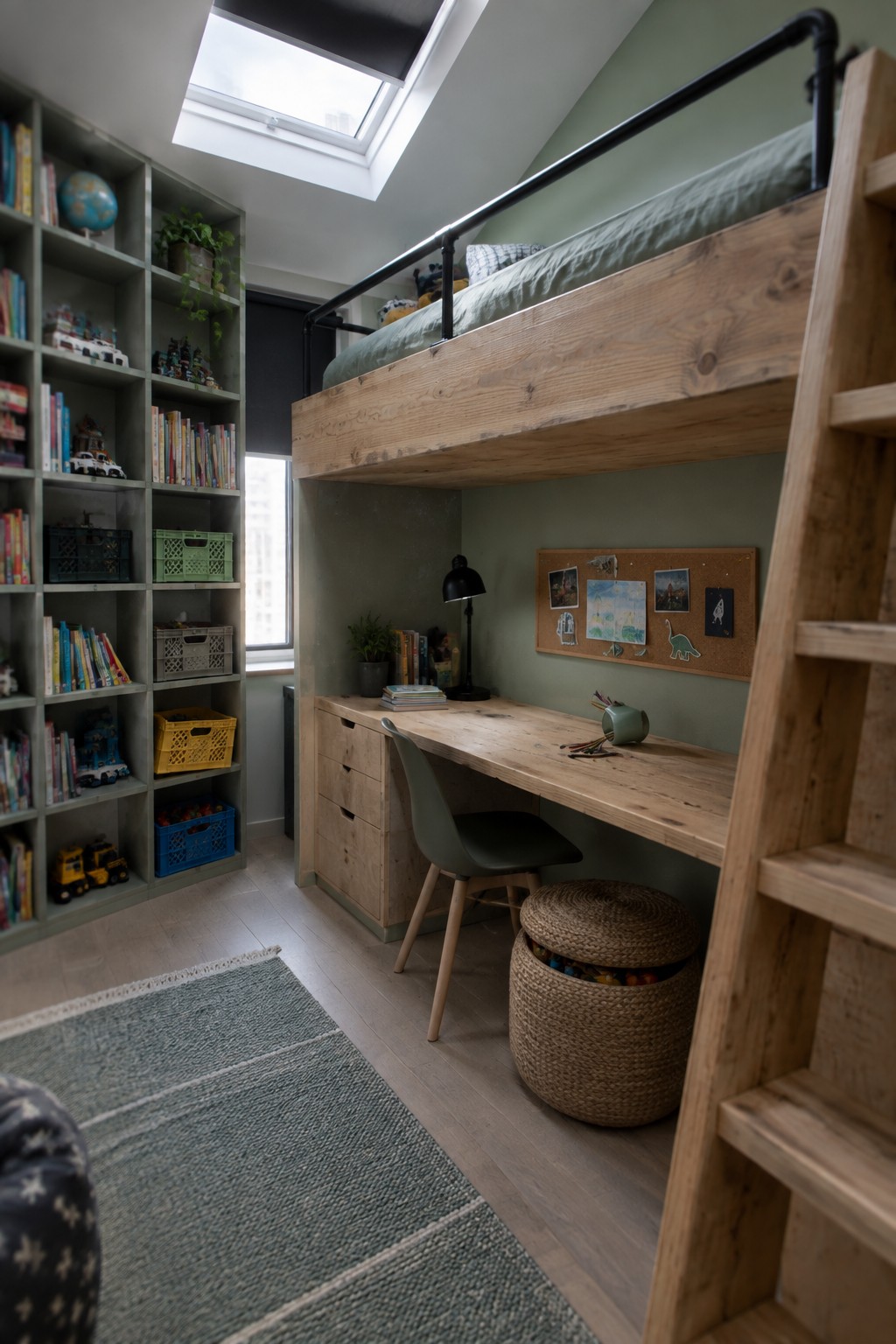
A loft bed raises the mattress so the area underneath stays open for other uses. In a smaller room this change keeps the floor clear for a desk and chair without squeezing everything together.
The approach works best when the bed frame is sturdy enough to last through different stages. It suits homes where kids need one space to handle sleep, homework, and play, and the open area below can be swapped out as needs shift.
Bunk Beds With Built-In Storage

Built-in bunk beds work well when space is tight because they combine sleeping areas with storage in one piece. The lower bed sits above drawers that pull out for clothes or toys, while the wall beside holds open shelves for books and bins. This setup keeps the floor clear and gives kids a place for everything without adding extra furniture.
It suits smaller bedrooms in older homes or any room where you want to fit two beds without losing play space. Measure the wall first so the bunks fit the height and leave room for a ladder that is easy to climb. Avoid this if the room already has low ceilings or if you prefer to rearrange furniture often.
Window Seats With Hidden Storage

A window seat that opens up for storage gives kids a place to sit and read while keeping toys and books out of sight. It turns an otherwise empty spot into something useful without adding more furniture to the room. Many parents like this setup because it works in smaller bedrooms where floor space is limited.
This idea fits best in homes that already have a deep window ledge or room for a built-in bench. Pair it with a bed that has drawers underneath so the whole room stays organized without extra bins or shelves taking over. It works especially well for younger kids who need easy access to their things.
Pegboard Walls Keep Kids Storage Flexible
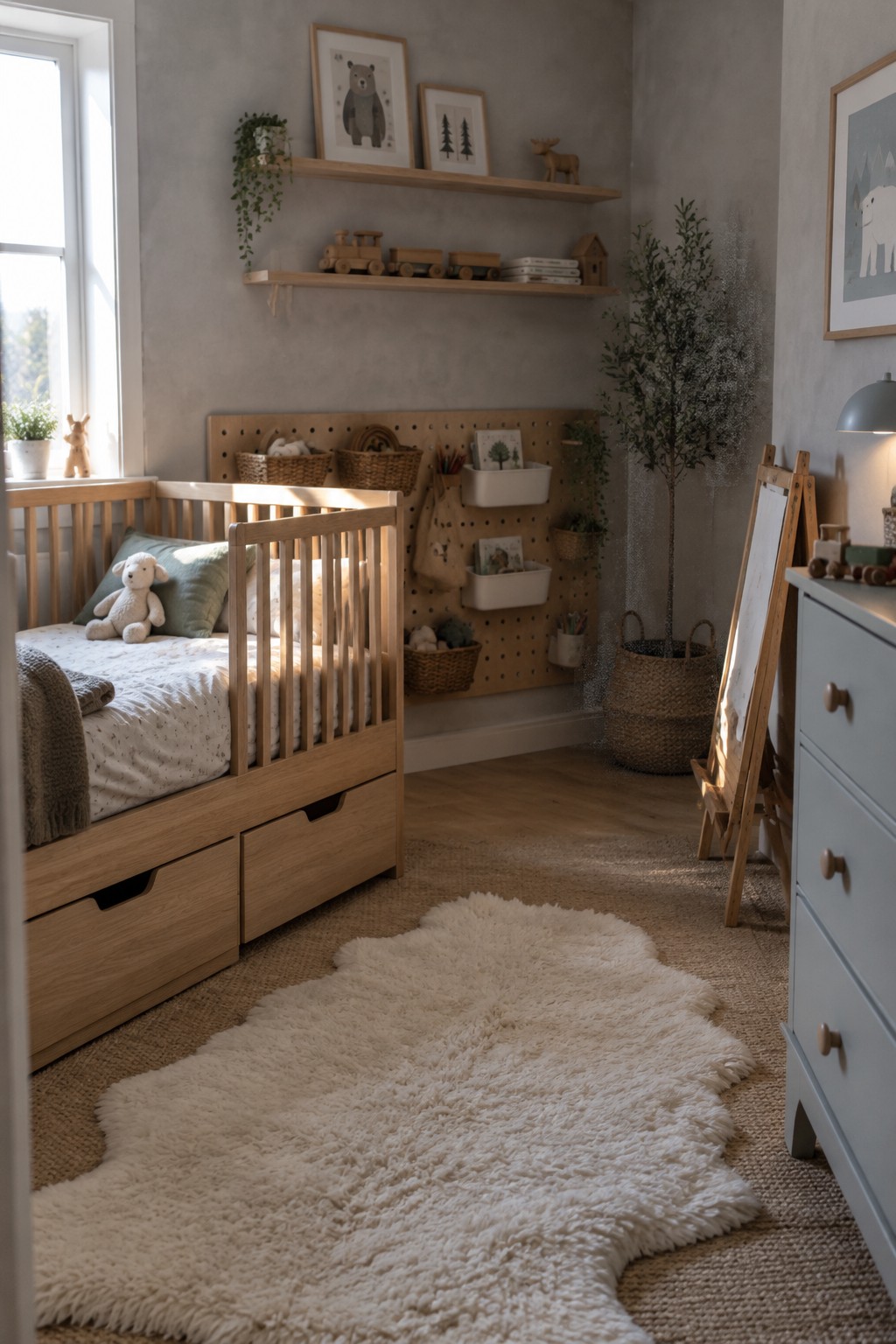
Kids rooms need storage that can shift as interests and belongings change, and a pegboard wall does that without requiring a full redo. You can move baskets, hooks, and small bins around whenever needed, which keeps toys and books accessible while the space stays organized.
This setup works best in smaller bedrooms or rooms where permanent shelving would feel too fixed. It is simple to install on most walls, costs less than custom cabinetry, and lets you repaint the board when the room color changes later.
Loft Bunk Beds With Built-In Storage

Loft bunk beds help in smaller kids rooms by lifting the beds off the floor. This leaves open space below for storage cubbies, baskets, and even a small seating area. The setup keeps toys and books within reach while giving kids room to move around and play.
This works best in bedrooms that need to serve more than one purpose. Choose a sturdy frame with open shelves or bins so things stay easy to access and put away. It also pairs well with simple wall features like a pegboard for climbing or hanging items.
Under-Bed Drawers Add Useful Storage In Kids Rooms
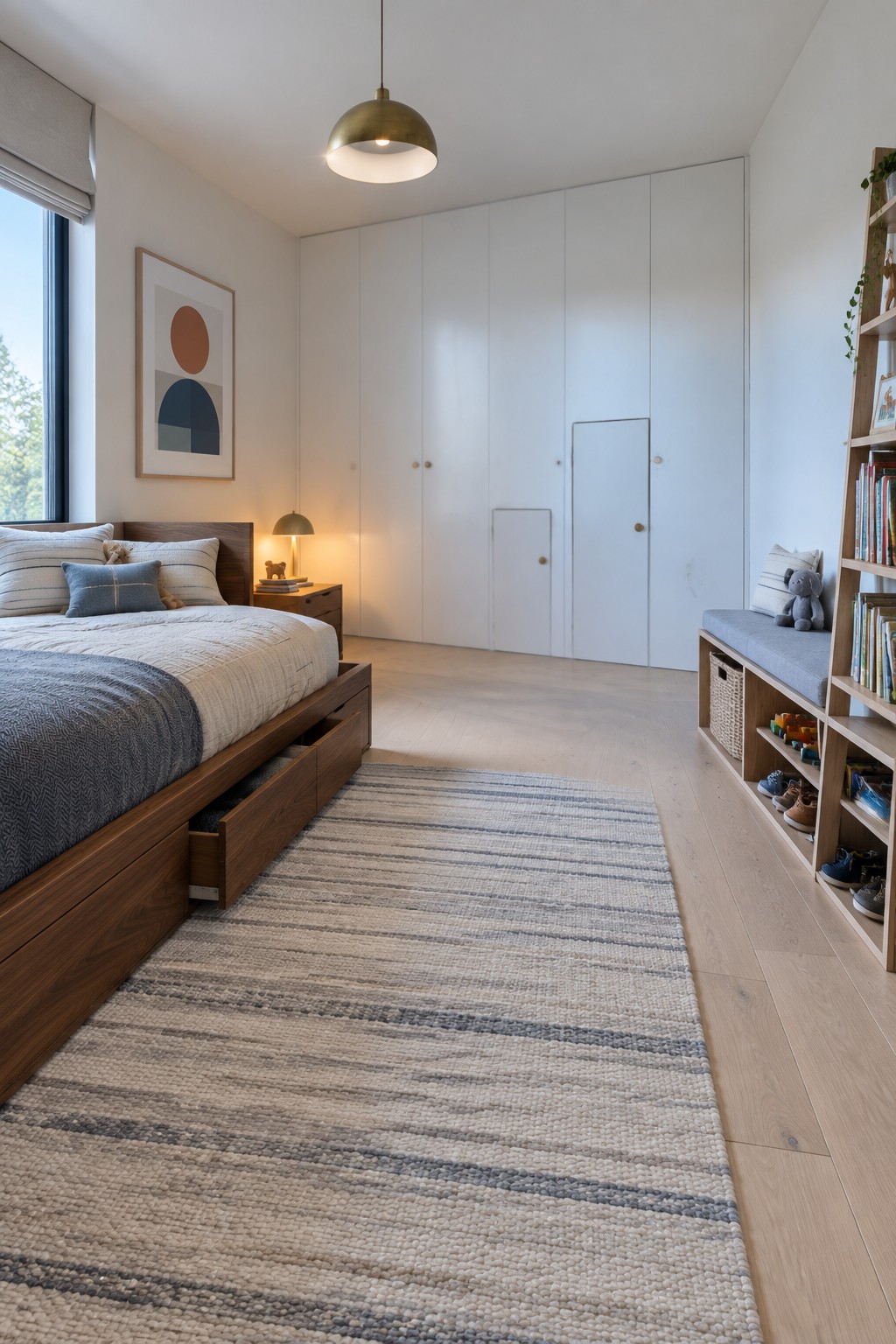
Many parents like the idea of drawers built right into the bed frame because it gives extra space for clothes or toys without adding another piece of furniture. The room stays open and easy to move around in, which matters when kids are playing on the floor.
This works best in smaller bedrooms or homes that need flexible storage as children grow. The drawers stay out of sight most of the time, and the tall wardrobe nearby keeps the rest of the room from feeling crowded.
Wall Cubes Keep Toys Easy to Reach

Kids rooms fill up fast with books, blocks, and small toys. Wall-mounted cubes in different colors give you a simple way to store things at a height kids can actually use, while leaving the floor open for play.
This kind of storage works best in smaller bedrooms where every inch counts. You can move the cubes around as needs change, and add clear bins underneath a desk or bed for items that need to stay out of sight.
Built-In Bunks With Pull-Out Desks Save Floor Space
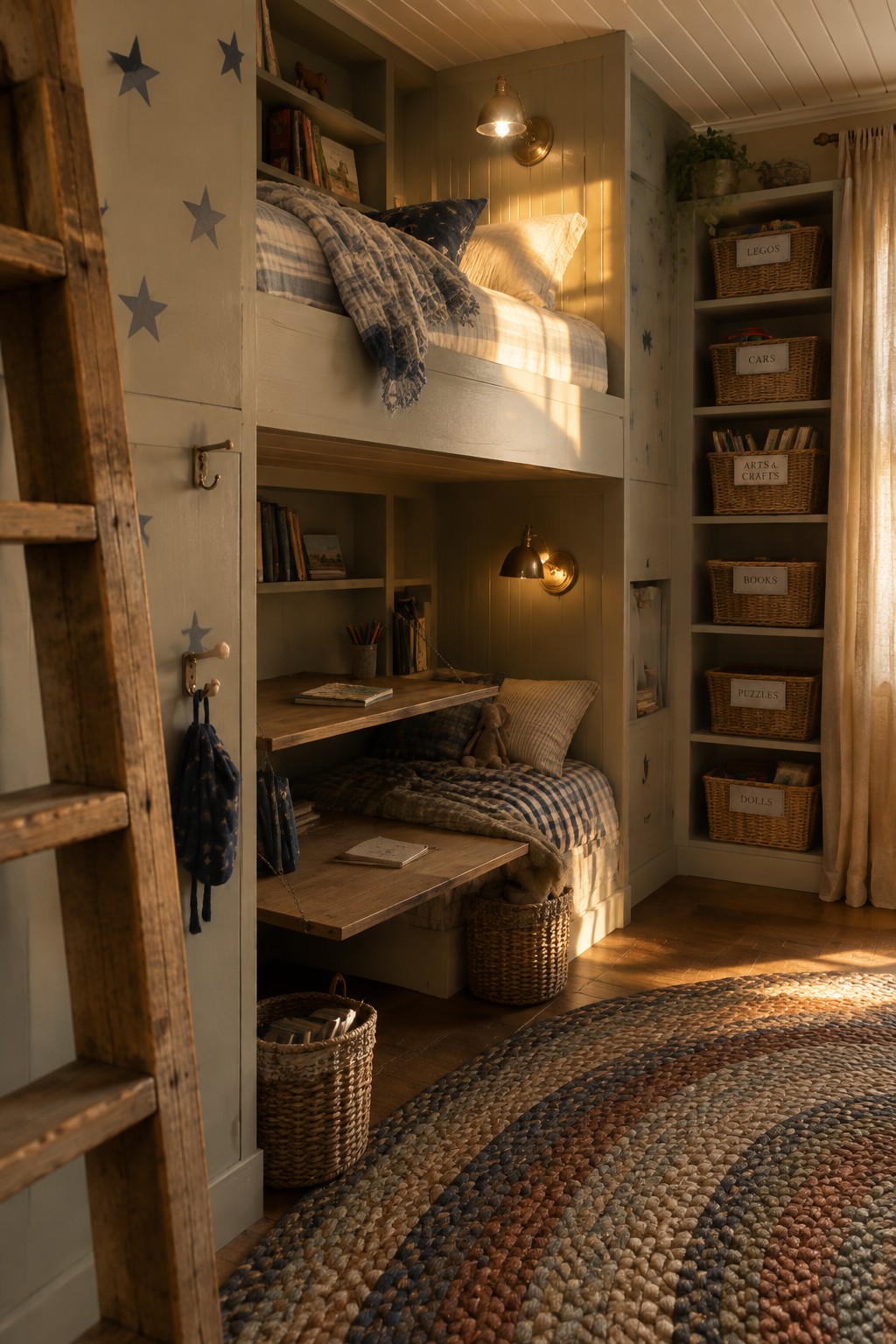
Many parents end up choosing built-in bunks when the room feels too small for separate beds and a desk. The lower level can hold a fold-down surface for drawing or homework, while the upper bunk stays clear for sleep. It keeps the middle of the room open instead of crowding it with extra furniture.
This kind of setup works best in smaller bedrooms where every inch counts. Adding open shelves with simple baskets makes it easy for kids to put things away on their own, and the whole arrangement stays useful as they grow.
Labeled Baskets Make Open Shelving Practical For Kids
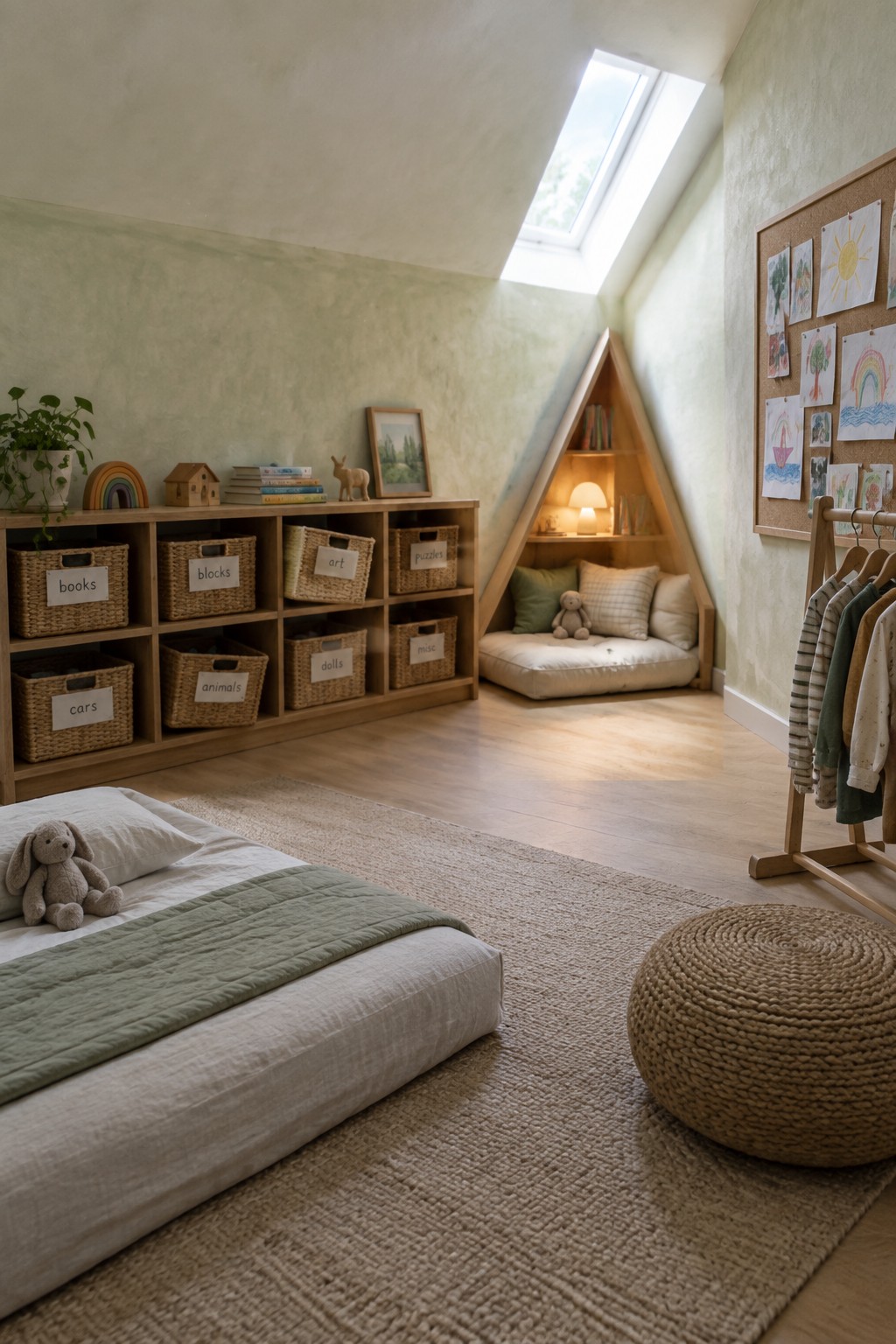
Open shelving with labeled baskets gives kids a clear system they can actually follow. They see where books go, where blocks belong, and what counts as misc, so cleanup becomes less of a battle and more of a habit.
This works especially well in smaller bedrooms where big dressers eat up floor space. Choose sturdy baskets that can move from shelf to floor as needed, and keep the labels simple so they still make sense when interests shift in a year or two.
Daybeds With Built-In Drawers

A daybed that includes pull-out drawers underneath gives kids rooms a place to store toys, clothes, and extra bedding without adding more furniture. The low profile keeps the floor clear for play, and the drawers stay hidden when not in use.
This setup works best in smaller bedrooms or rooms that need to shift between sleeping and play space during the day. It suits homes where storage needs change often, since the bed itself handles the overflow without a separate dresser or bin system.
Rolling Bunk Beds For Changing Needs

Bunk beds on wheels give kids rooms a kind of flexibility that fixed furniture never can. The whole setup can shift when the room needs to change, whether that means making space for a desk, opening up the floor for play, or just rearranging for a new sibling. Storage drawers built right into the base keep toys and clothes close without adding extra pieces that crowd the floor.
This works best in smaller rooms or homes where the kids bedroom has to serve more than one purpose over time. Keep the wheels locked when the bed is in place and unlock them only when you need to move things around. The metal frame holds up to daily use, and the simple design leaves room for kids to add their own blankets and posters as they grow.
Daybeds With Built-In Drawers Keep Small Rooms Organized

A daybed that includes drawers underneath gives kids a place to sit and play while hiding away extra bedding, clothes, or toys. This setup works especially well when space is tight, since the bed itself becomes the storage rather than adding another piece of furniture to the room.
It suits bedrooms that need to handle sleep, play, and daily clutter without feeling crowded. Keep the top surface clear during the day and use the drawers for items that get pulled out often, so the room stays usable for whatever the child needs next.
Built-In Storage With Labeled Baskets

Built-in storage with labeled baskets gives kids a clear place for everything while keeping the room from feeling cluttered. The open cubbies and woven baskets make it easy to see what goes where, and the simple labels turn cleanup into something a child can handle on their own.
This approach works best in rooms that need to last through different stages. You can swap out the contents of each basket as toys and clothes change, and the unit itself stays useful for years. It suits smaller bedrooms where floor space matters and families want storage that does not need replacing every few years.
Open Closet Shelving That Changes With Your Child

Open shelving inside the closet makes it simple to shift bins and adjust heights as a child’s things change over time. The setup keeps everything visible so kids can grab what they need without help, and it avoids the usual problem of outgrown items getting buried at the back.
This kind of storage works best in smaller bedrooms where closed doors would make the space feel tighter. Place the most used items on lower shelves and leave room to add or remove bins later.
Murphy Beds That Double As Desks

A Murphy bed that folds up to show a desk underneath gives kids rooms more room to play and work during the day. The setup keeps the floor clear when the bed is stored away, which helps smaller spaces feel less cramped and more useful overall.
This kind of furniture works best in homes where one room needs to handle sleep, homework, and storage at once. Look for versions with shelves above the desk and a bench that hides baskets, so everything stays organized without adding extra pieces to the room.
Loft Beds With Built-In Storage
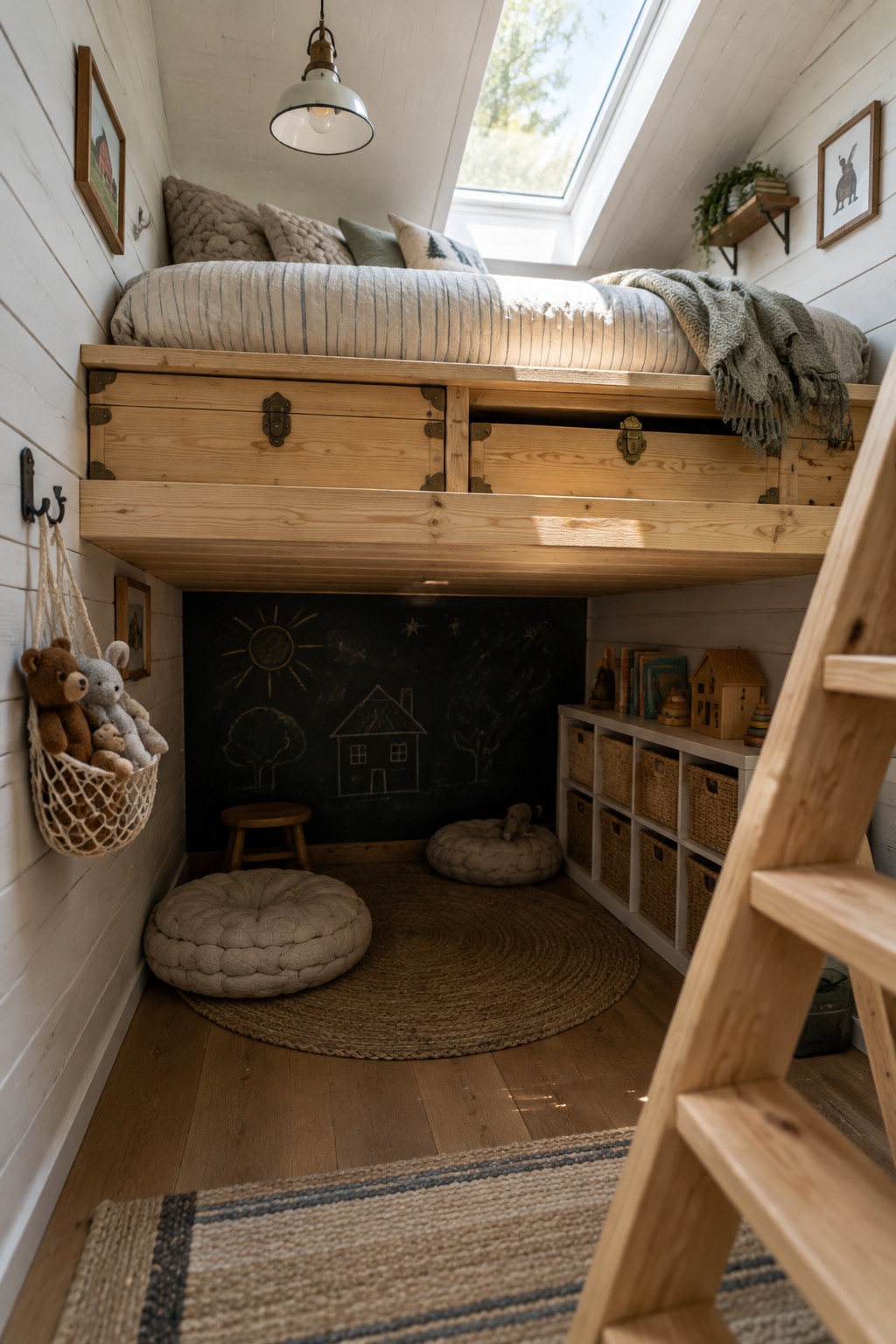
Many kids rooms run out of floor space fast once a bed and toys go in. A loft bed with drawers built right into the frame solves that by lifting the sleeping area up and keeping the lower level open. The storage stays tucked away while the room below stays usable for play.
This works best in rooms with decent ceiling height and suits younger kids who still need room to spread out. Keep the ladder sturdy and make sure the drawers are easy for small hands to reach.
Pegboard Walls With Rolling Carts Keep Supplies Within Reach
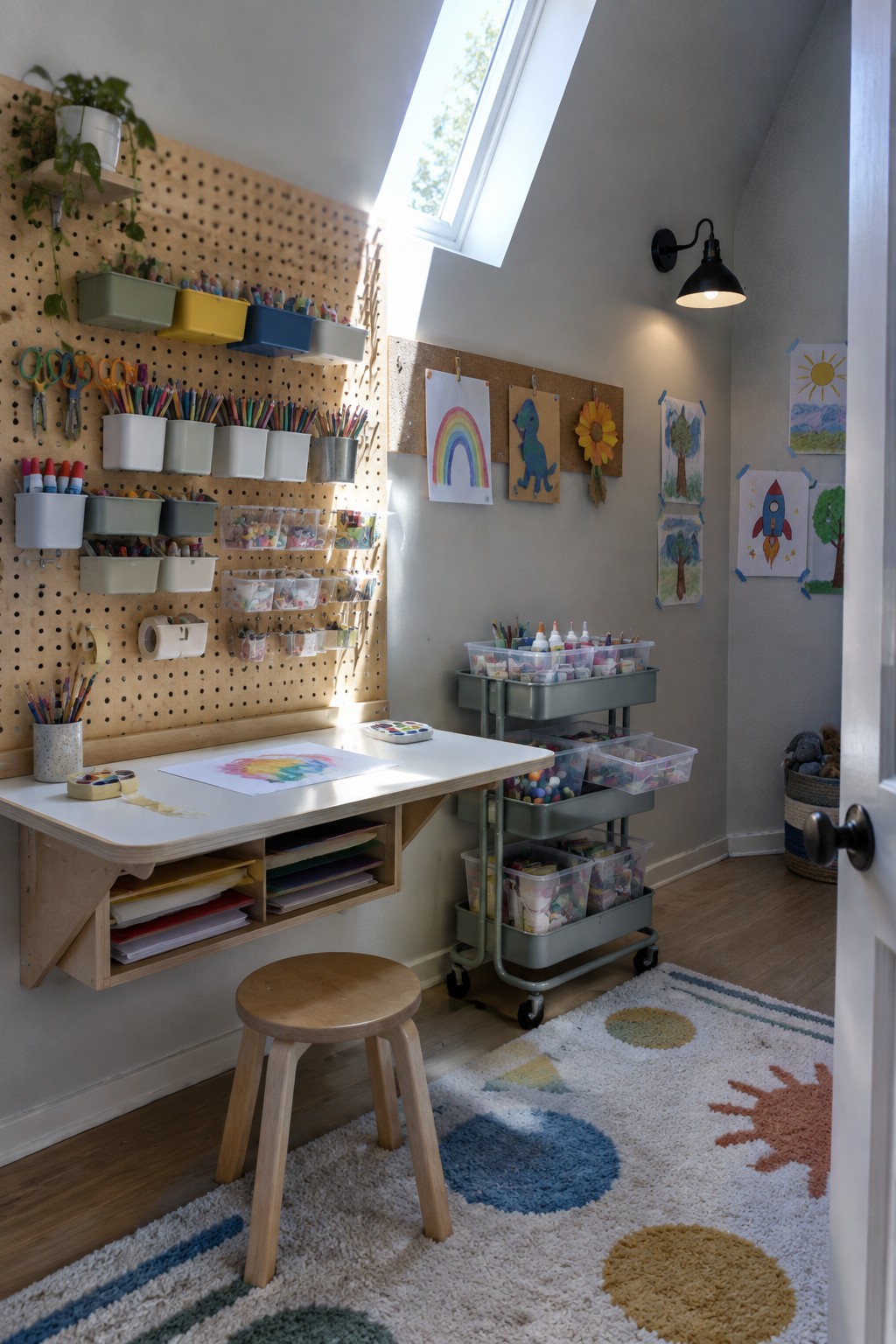
A pegboard wall paired with a rolling cart gives kids quick access to art supplies without needing a big cabinet or fixed layout. The pegboard holds small bins, scissors, and markers at eye level, while the cart moves extra materials wherever they are needed. This setup works especially well in smaller rooms where floor space matters.
It suits homes with active kids who like to switch between drawing, painting, and building projects. The system is easy to adjust as interests change, and both pieces can move if the room gets rearranged later. Just keep heavier items low so they stay stable when the cart rolls.
Wall Mounted Bins Sort Small Toys Without Taking Up Floor Space

Wall bins work well in a kids room because they keep small pieces visible and easy to reach while freeing up the floor for play. The color coding and labels make it simple for children to find what they need and put it back without help.
This setup fits rooms that double as play space and work area. It works best when the bins stay low enough for kids to use on their own, and you can swap labels or rearrange them as toys and interests change over time.
Storage Built Right Into The Play Table

A low play table with drawers underneath keeps toys close at hand without adding more furniture to the room. Kids can pull out tracks or pieces when they want them and slide everything back when they are done. This setup cuts down on scattered bins and makes the space feel more open.
It works especially well in bedrooms that need to serve more than one purpose. The table stays useful as kids grow because the drawers can hold different items over time. Just make sure the drawers are easy for small hands to reach and that the table height fits the age of the children using it.
Low Open Shelving With Baskets

Low open shelving with baskets gives kids a place to grab what they need and put it back without help. The unit sits right at child height, so toys stay visible and within reach instead of getting lost in deep bins or high closets. It also keeps the room from feeling cluttered because everything has a simple spot.
This setup works best in smaller bedrooms or play areas where you want storage that can change as the child grows. You can swap out baskets for different items over time, and the open style makes it easy to see what needs tidying at a glance. Just make sure the unit is secured to the wall for safety.
Labeled Storage Bins Help Kids Stay Organized
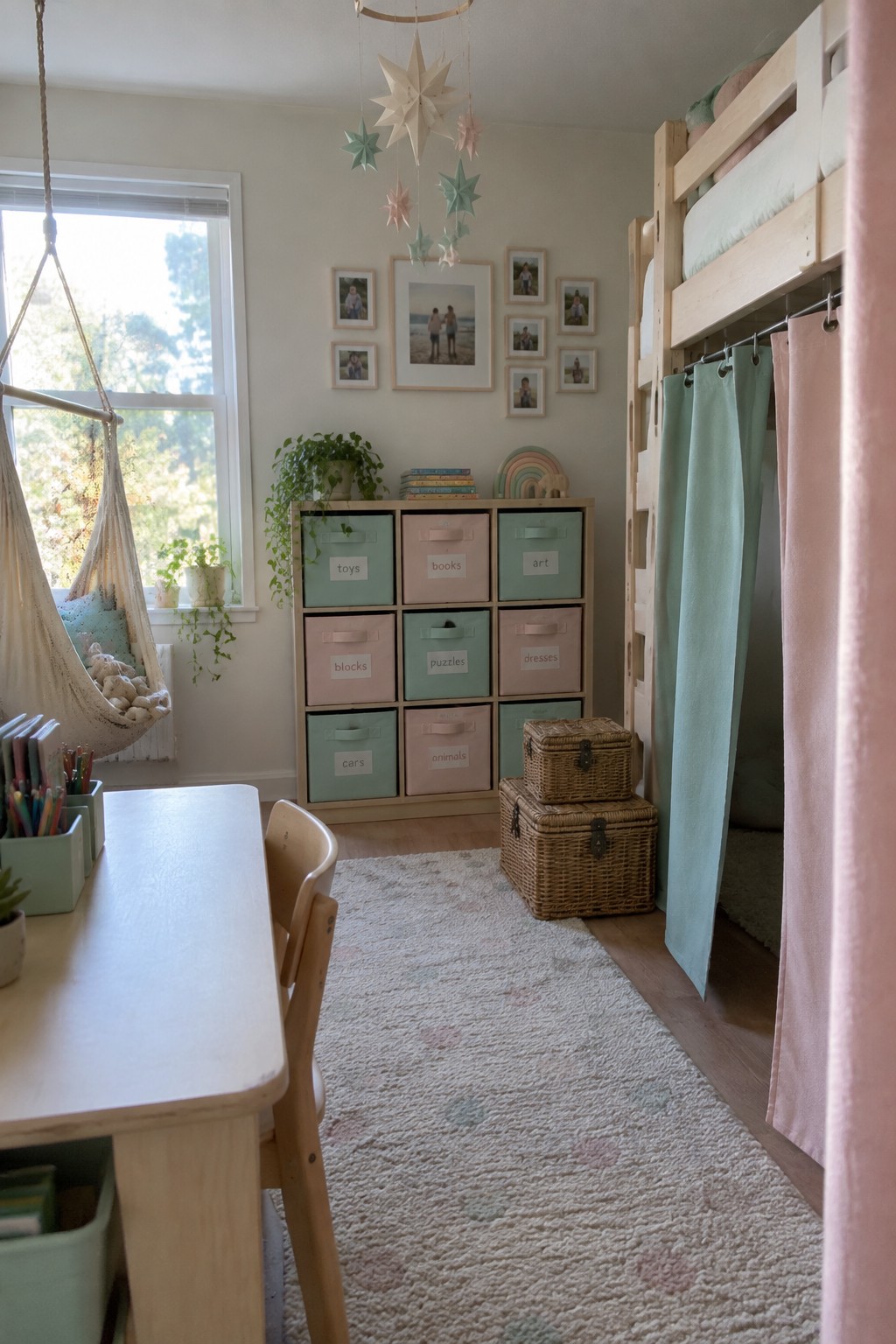
Many parents like open cubby systems with labeled bins because children can actually put their own things away without constant reminders. The bins pull out easily and the simple labels make it clear where everything goes, which cuts down on daily mess.
This approach suits smaller rooms or shared bedrooms where space needs to stay flexible. You can rearrange or swap bins as kids grow and their belongings change, without buying new furniture.
Loft Beds With Built-In Storage
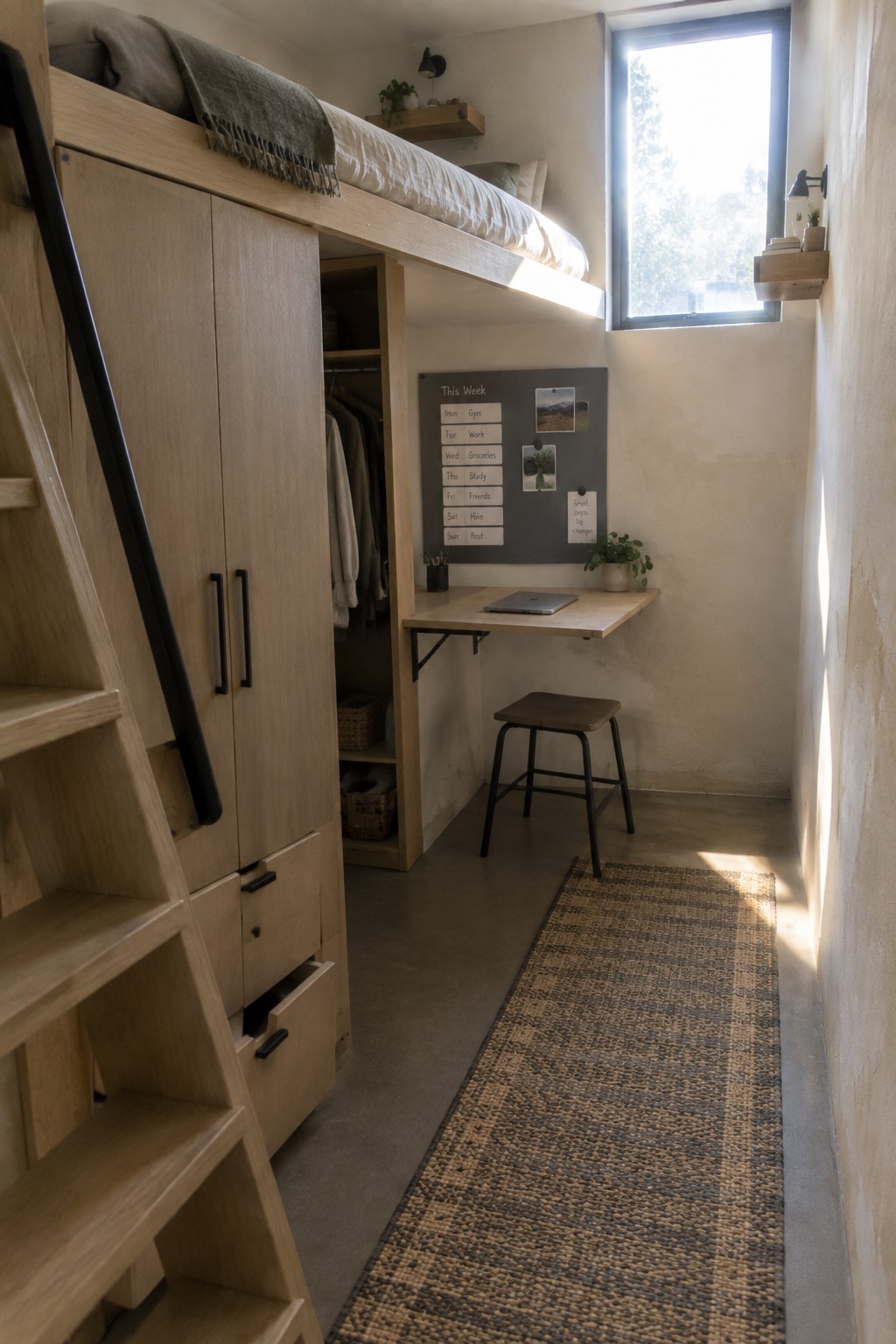
Raising the bed off the floor opens up a surprising amount of usable space below. In this setup the area under the bed holds a full wardrobe plus open shelving, so clothes and everyday items stay organized without crowding the rest of the room. The fold-down desk adds another layer of flexibility since it can stay tucked away when the floor is needed for play.
This approach works especially well in smaller bedrooms or shared spaces where every square foot counts. It suits kids who are old enough to use a ladder safely but still need room to move around. Keep the storage simple and accessible so the system can adapt as interests and belongings change over time.
Storage Beds Keep Small Rooms Organized

Many kids bedrooms end up short on floor space once toys and clothes start piling up. A bed with built-in drawers underneath solves that by turning the space under the mattress into usable storage without adding extra furniture.
This setup works best in smaller rooms or shared bedrooms where every inch counts. It keeps daily items close at hand while leaving the floor open for play, and the drawers can be swapped or repurposed as needs change over time.
Frequently Asked Questions
Q: How do I pick storage that actually adapts as my kid grows? A: Look for beds with pull out drawers and desks that raise up. These handle everything from blocks to laptops over the years. Test the height adjustments yourself before you buy.
Q: My child’s toys seem to multiply overnight. How do I handle that? A: Use stackable bins that fit inside bigger units. Rotate toys in and out of sight every few months.
Q: What about safety with all the movable parts? A: Check that everything locks in place firmly. Avoid sharp corners on the adaptable pieces. Your child will climb on it anyway so test stability first.
