

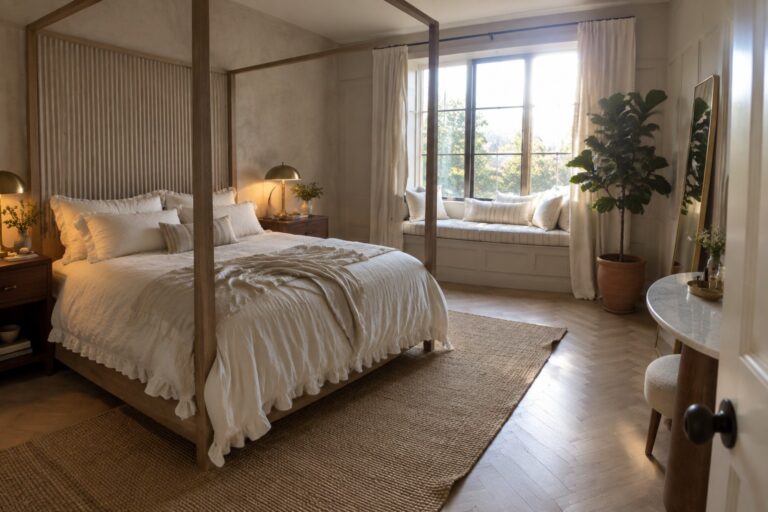
I have always found that boutique hotel bedrooms stand out because every element feels chosen with daily use in mind rather than just for show.
When I tried adapting a few of their approaches at home, I noticed the room started to work better once the lighting and storage actually matched how we move through the space each morning.
Layout choices often decide whether a bedroom feels restful or just crowded.
I would test the seating and fabric ideas first because those tend to shift the whole mood without requiring a full overhaul.
Small adjustments like that have helped me see which hotel details hold up once real life takes over.
Adding a Window Seat to a Primary Bedroom

A window seat gives the bedroom an extra spot to sit without taking up much floor space. It turns the area under the windows into something useful instead of just empty wall, and it works especially well when the room already has good natural light and a calm layout.
This works best in bedrooms where the windows sit at a comfortable height for sitting. It suits homes that lean traditional or transitional, and it helps when you want a quiet corner for reading or just looking outside without adding another chair.
Dark Velvet For A Cozy Primary Bedroom
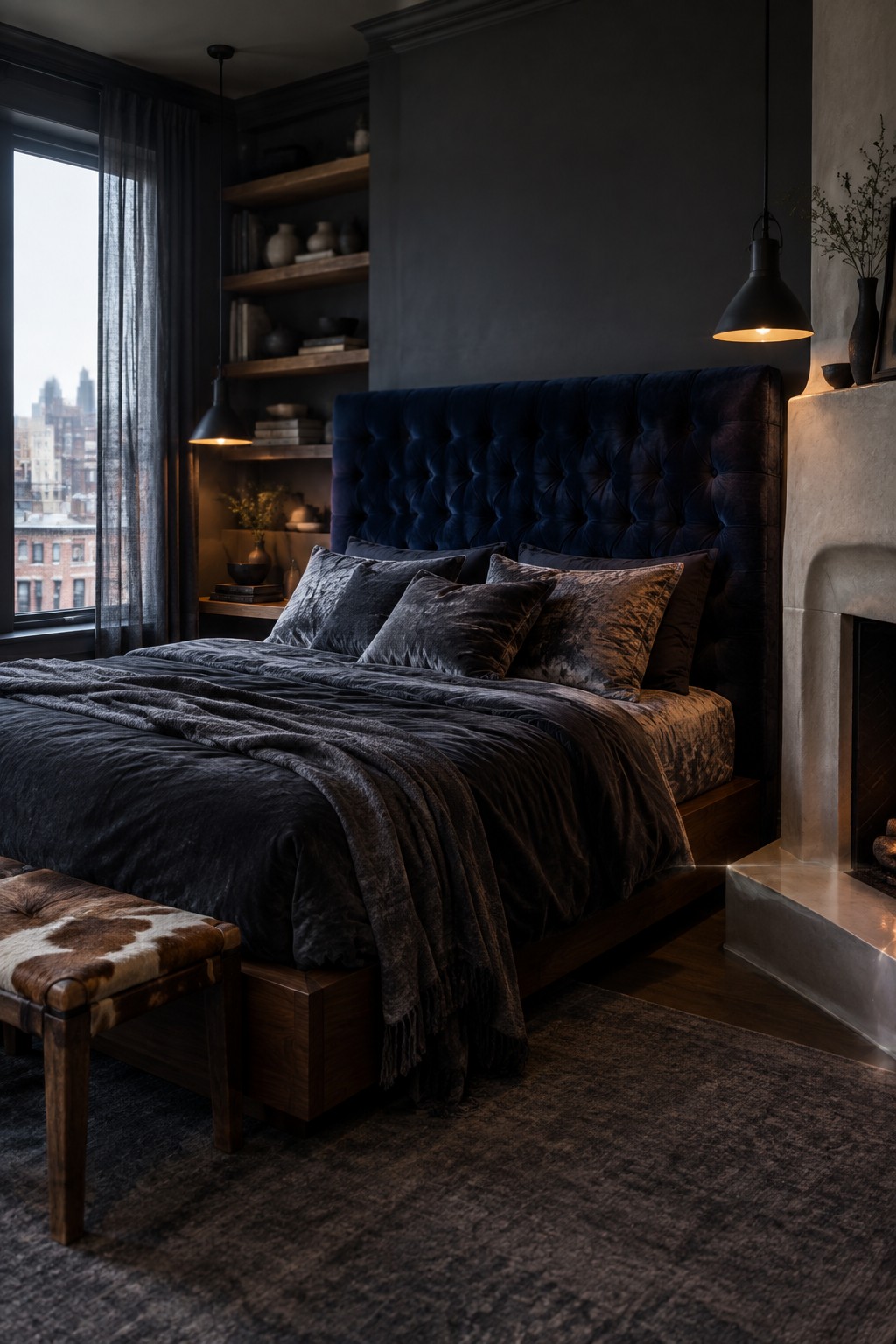
A deep color palette with lots of velvet can make a bedroom feel more enclosed and restful at night. The tall tufted headboard in rich navy sets the tone here, while the dark bedding and pillows keep everything layered and soft instead of flat.
This works best in rooms that get good natural light during the day but can be darkened in the evening. It suits homes where the primary bedroom is meant for winding down rather than doubling as a workspace, though the dark tones can feel heavy if the room lacks any windows or warm lighting.
Built-In Window Seating For Primary Bedrooms
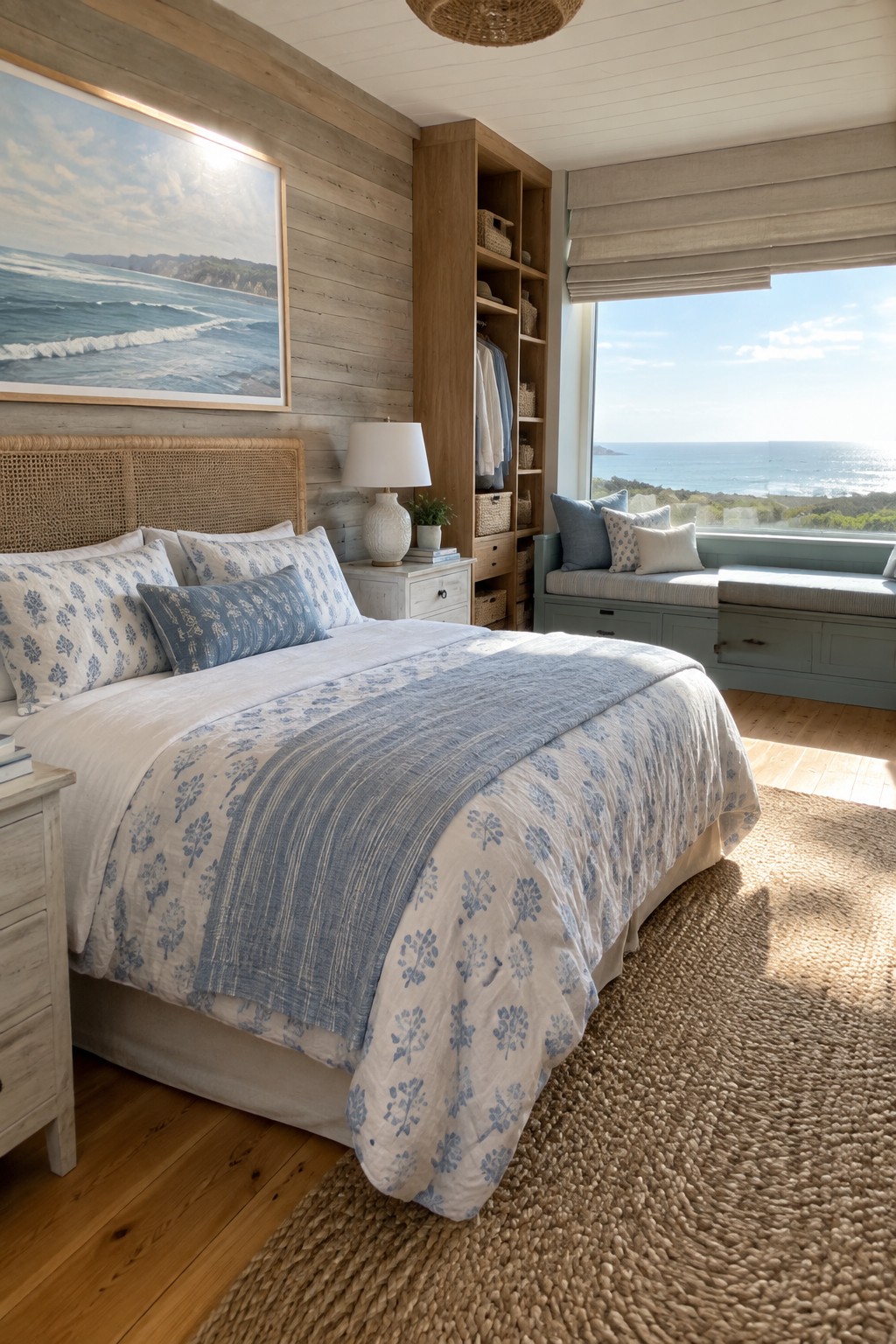
A built-in window seat gives a bedroom a quiet place to sit without adding extra furniture. It turns the area under a large window into something useful, especially when the view outside is worth noticing. Many people like this because it makes the room feel more like a place to spend time rather than just sleep.
This works best in homes with good natural light and a view worth framing. Keep the cushions simple and in a few colors that match the bedding. If the seat has drawers or a lift top, it also helps with storage so the room stays tidy.
Built-In Desk Areas In Primary Bedrooms
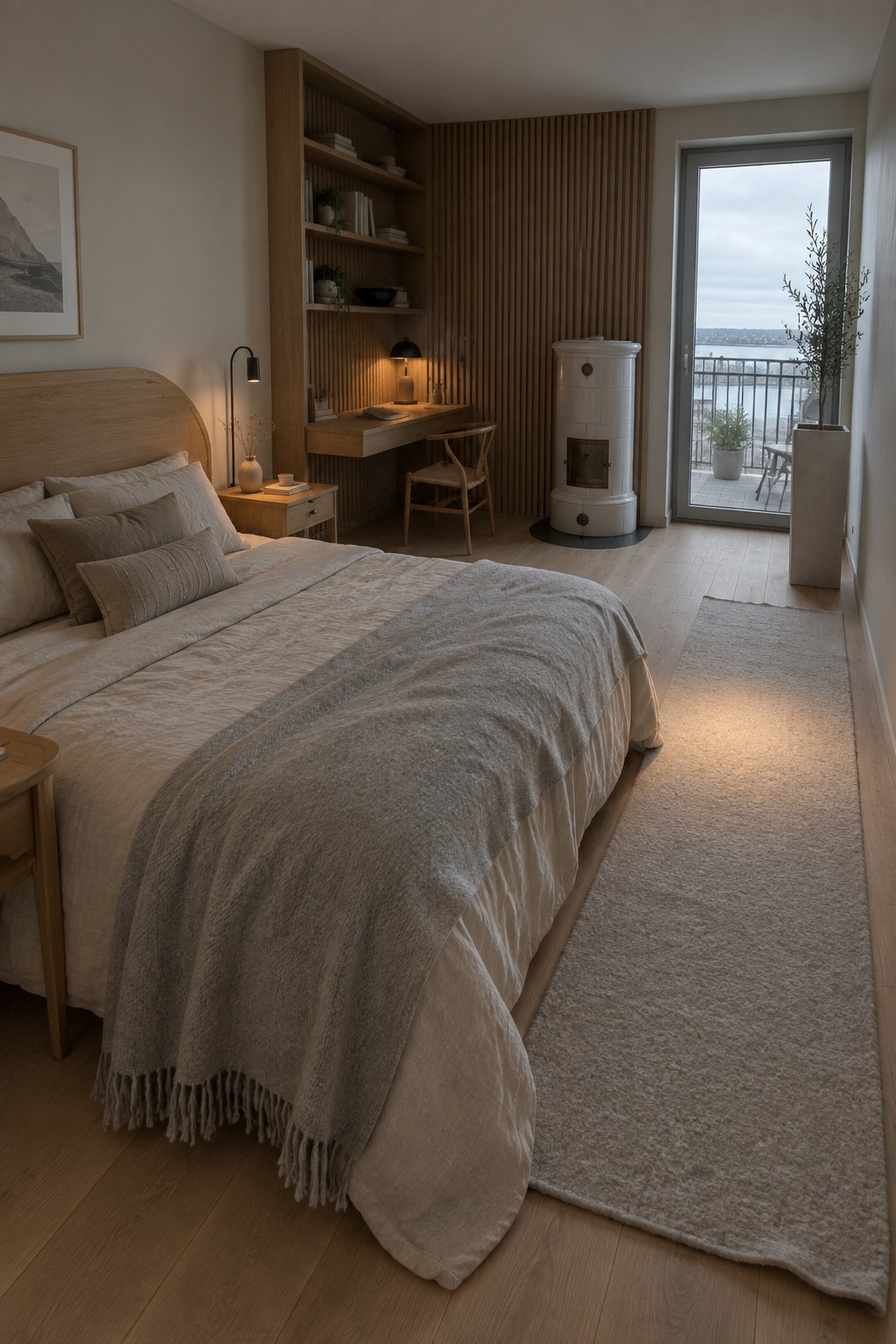
A built-in desk and shelving unit gives the bedroom a place to handle small tasks without turning it into a full office. The wood tones blend with the rest of the room so the workspace feels like part of the architecture rather than an add-on.
This setup works well in bedrooms that have a bit of extra wall space along one side. Keep the desk surface clear and use the shelves for books or simple items so the area stays calm and does not compete with the bed.
Anchor The Bed With A Tall Upholstered Headboard

A tall upholstered headboard gives the whole room a finished, hotel-like presence without needing much else. It creates a clear focal point and lets the bedding sit against something soft and substantial instead of a flat wall. The curved shape and neutral tone in this room keep it from feeling too heavy while still making the bed feel like the main event.
This approach works best in primary bedrooms that have enough wall space to let the headboard breathe. Pair it with layered bedding in similar tones and keep other furniture low and simple so the headboard stays the star. Avoid it in very small rooms where the scale might crowd the space.
Built-In Niches Behind the Bed

Recessed niches cut into the wall behind the bed give you a place for lighting and a few small items without needing nightstands on either side. This approach keeps the floor clear and gives the room a calmer, more streamlined look that many boutique hotels use.
It works especially well in rooms where space is tight or where you want the bed to feel like the main feature. Just be sure the niches sit at the right height for reaching from the bed and that they are deep enough to hold what you actually use at night.
Four-Poster Beds with Light Curtains

A four-poster bed with sheer curtains pulled to the sides gives a bedroom a clear focal point while still feeling soft and approachable. The carved wood adds weight and character, and the fabric keeps the look from turning too heavy or formal. Many people like this setup because it creates a sense of enclosure without closing off the room.
This works best in spaces with decent ceiling height where the posts can stand out. Use a simple light fabric for the curtains so they shift gently with airflow, and keep the rest of the bedding in neutral tones if the wood has a lot of detail. It suits rooms that already lean toward natural materials rather than sleek modern finishes.
Platform Beds With Tall Headboards
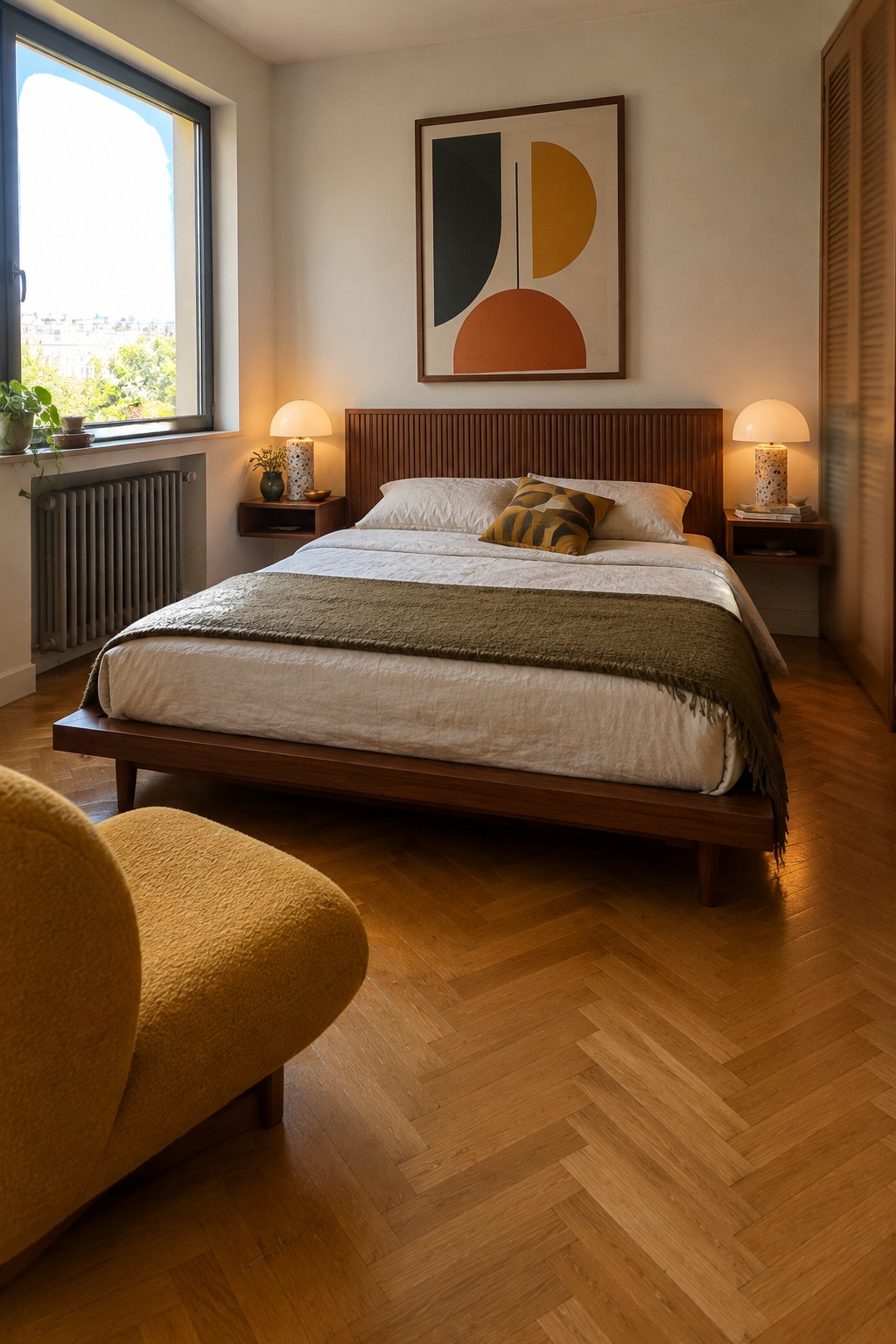
A low platform bed with a tall wooden headboard brings a quiet structure to the room that feels both modern and restful. The vertical lines in the wood add just enough texture to keep the space from looking flat, while the low frame keeps everything grounded and easy to move around.
This works best in primary bedrooms where you want the bed to stand out without crowding the walls with extra furniture. Pair it with simple floating nightstands in the same wood tone and keep the bedding light so the headboard remains the main focus. It suits smaller rooms especially well since it adds height without taking up visual space.
Frame the Bed with an Arched Alcove
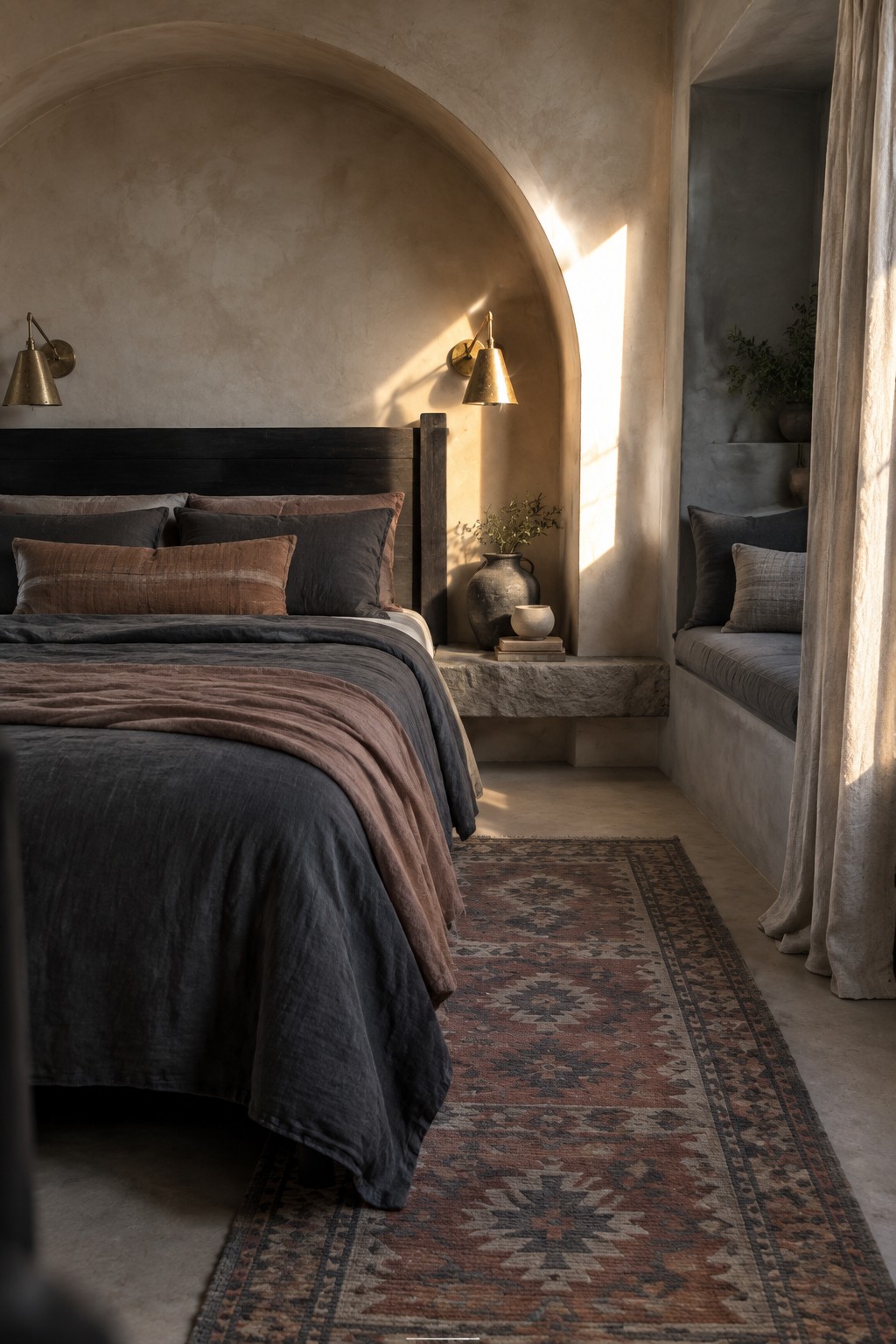
Many boutique hotels use a simple arch to give the bed its own space without adding more furniture. The curve softens the room and creates a quiet spot that feels separate from the rest of the bedroom.
This idea works best in spaces with decent ceiling height and plain walls that can take the texture. Keep the ledge narrow so it holds just a few items, and place sconces on either side for light that does not crowd the surface.
Low Platform Beds On Tatami Mats

A low bed placed directly on tatami mats gives a primary bedroom a quiet, grounded feel that many boutique hotels use to create calm. The simple height and natural texture keep the space from feeling crowded or overly styled.
This approach works best in rooms with clean lines and some connection to the outdoors. It suits people who want a minimalist setup, though the lower height may not fit those who prefer easier access in and out of bed.
Canopy Beds For A Softer Primary Bedroom

A canopy bed with simple linen drapes gives a primary bedroom that enclosed, restful feeling you often notice in boutique hotels. The fabric softens the lines of the bed frame and helps the space feel more intimate without adding heavy color or pattern.
This approach works best in rooms with decent ceiling height and fairly plain walls. Keep the bedding and surrounding pieces in the same neutral range so the canopy reads as the main feature instead of one more layer competing for attention.
An Oversized Headboard for the Primary Bedroom
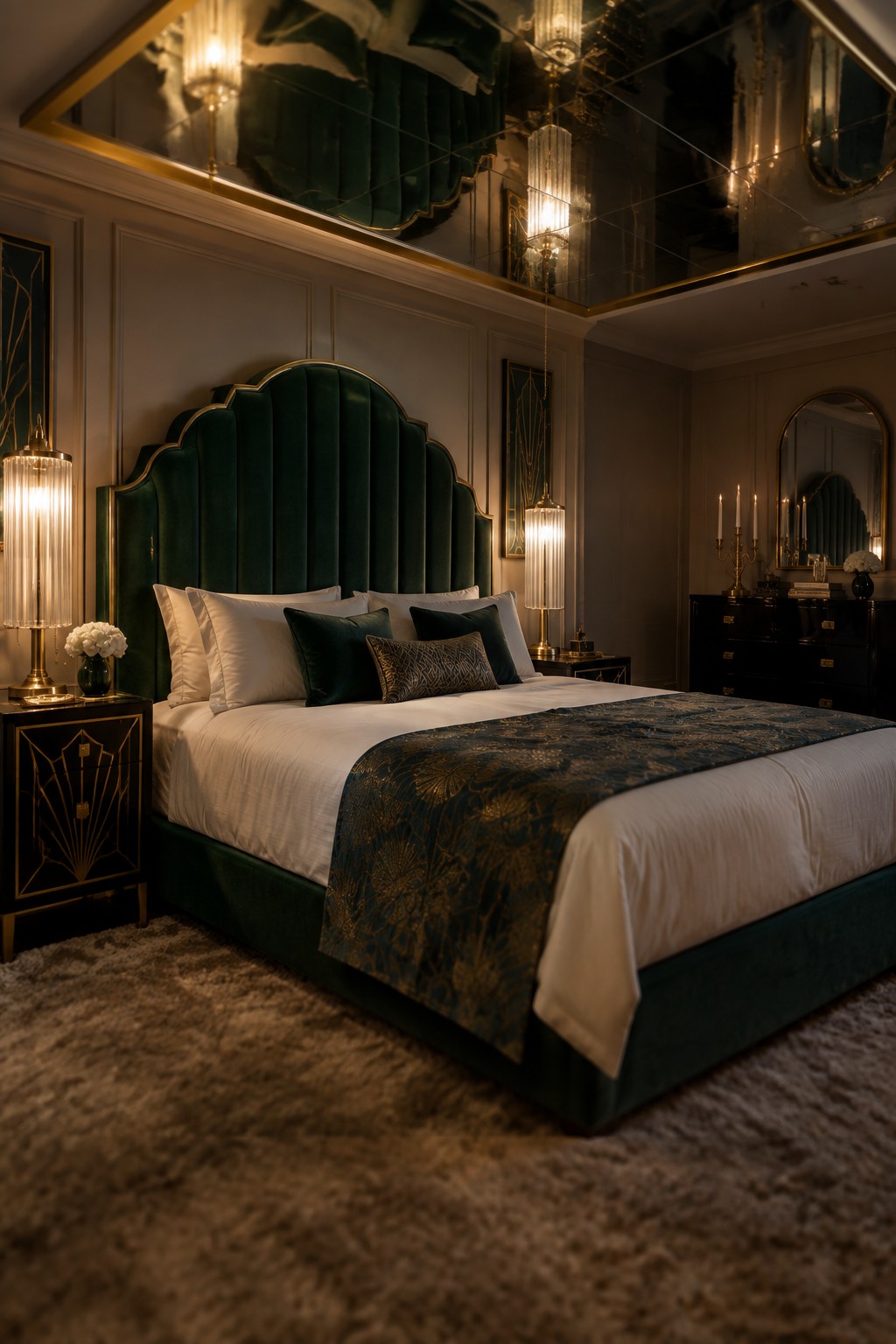
A tall upholstered headboard in a deep color gives the whole room a finished, collected look that feels like a boutique hotel. The strong vertical shape draws the eye upward and turns the bed into the clear center of the space without needing much else.
This approach works best in bedrooms with enough wall height and floor space to let the headboard breathe. Choose a curved or scalloped top if you want a softer shape, and keep the surrounding walls simple so the headboard stays the main event.
A Gallery Wall Above the Bed
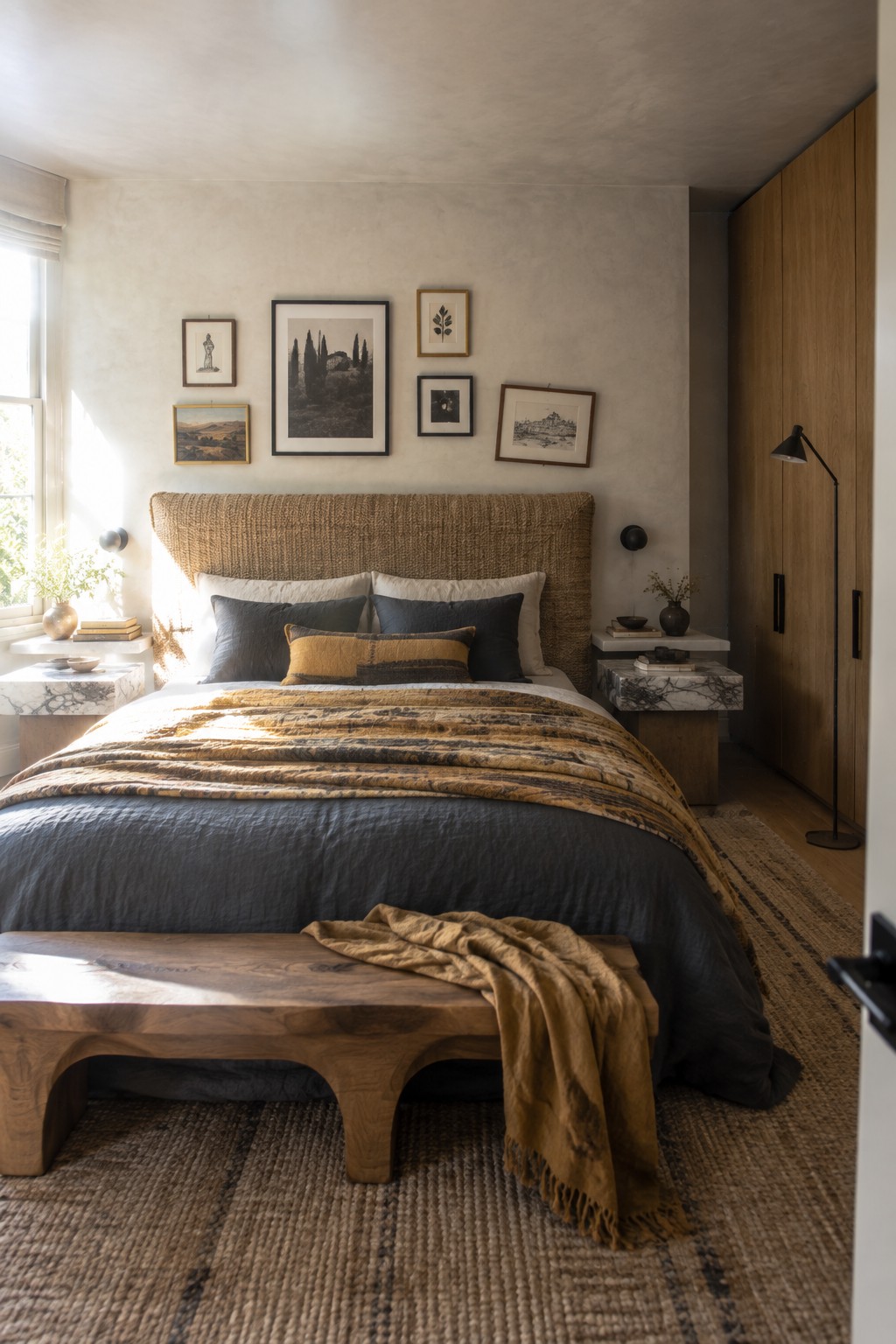
Many bedrooms feel more personal when there is a small collection of framed pieces hung over the headboard. The mix of sizes and subjects keeps the wall interesting while still feeling calm and ordered.
This approach works best in rooms that already have a fairly simple backdrop. Keep the frames fairly close together and choose images that share a similar tone so the arrangement reads as one thoughtful group rather than scattered decoration.
Add a Hanging Chair for Extra Lounging Space
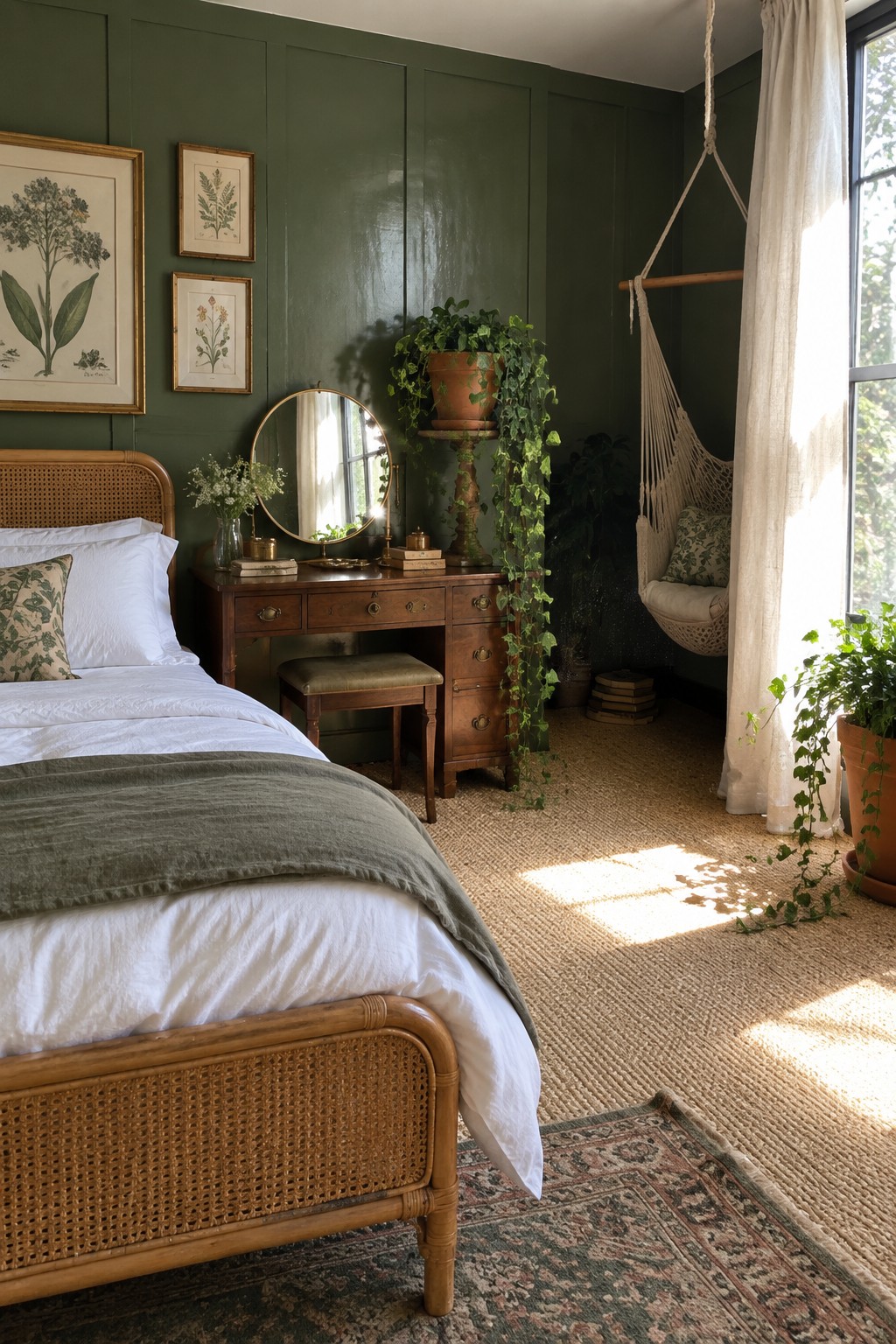
A hanging chair gives a primary bedroom that extra spot to sit without crowding the floor. It turns an empty corner near a window into a useful place to read or rest, and the woven texture adds warmth against deeper wall colors.
This works best in rooms with decent ceiling height and some open wall space. Keep the rest of the furnishings simple so the chair stands out without making the room feel busy.
Leather Headboards Against Brick Walls
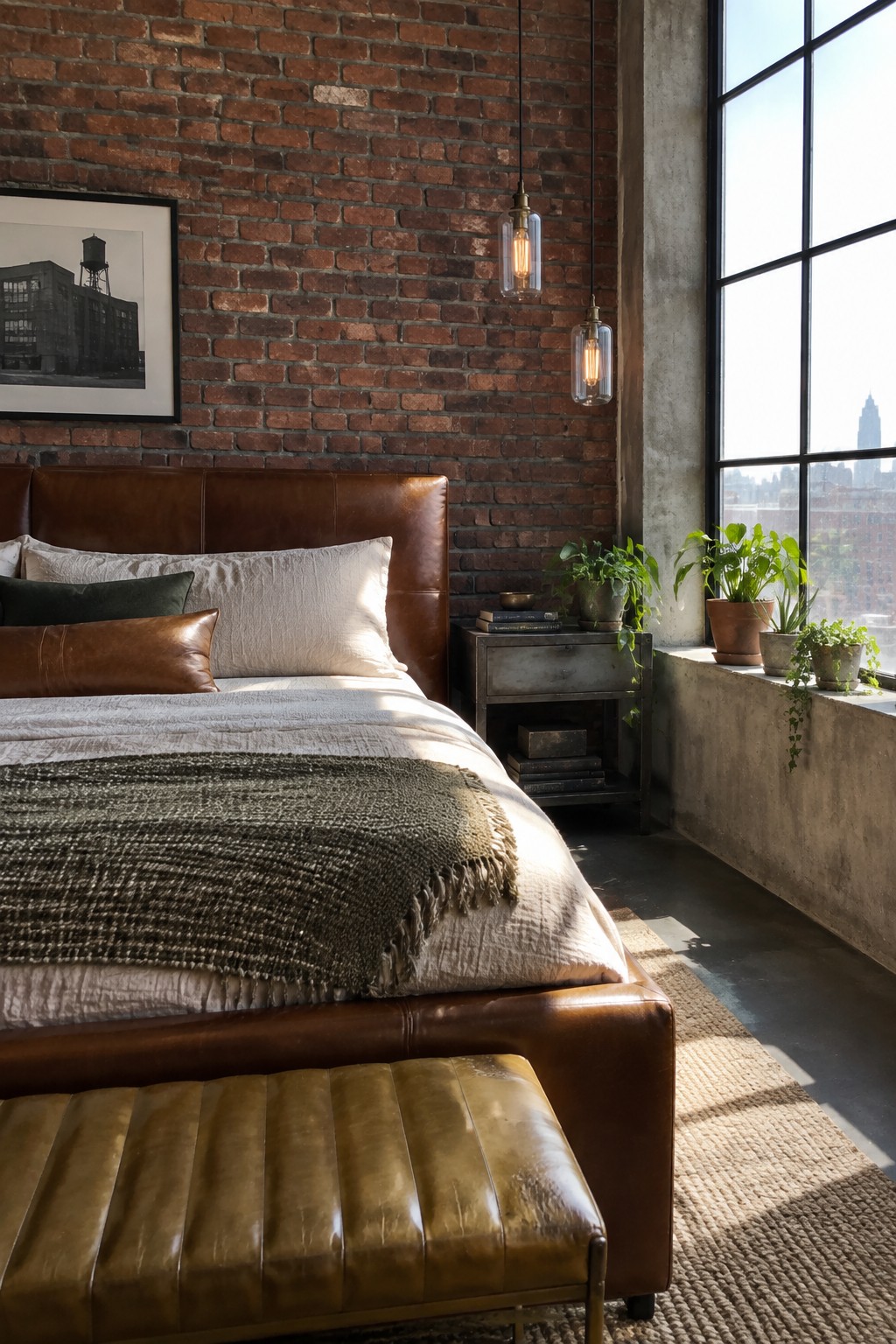
A leather headboard next to exposed brick gives a bedroom that boutique hotel feel without trying too hard. The smooth surface of the leather plays off the rough brick and keeps the room from feeling too hard or cold.
This setup works best in lofts or homes that already have some industrial character. Keep the rest of the room simple with soft bedding and a couple of warm lights so the contrast stays comfortable instead of stark.
Nest the Bed in an Arched Alcove
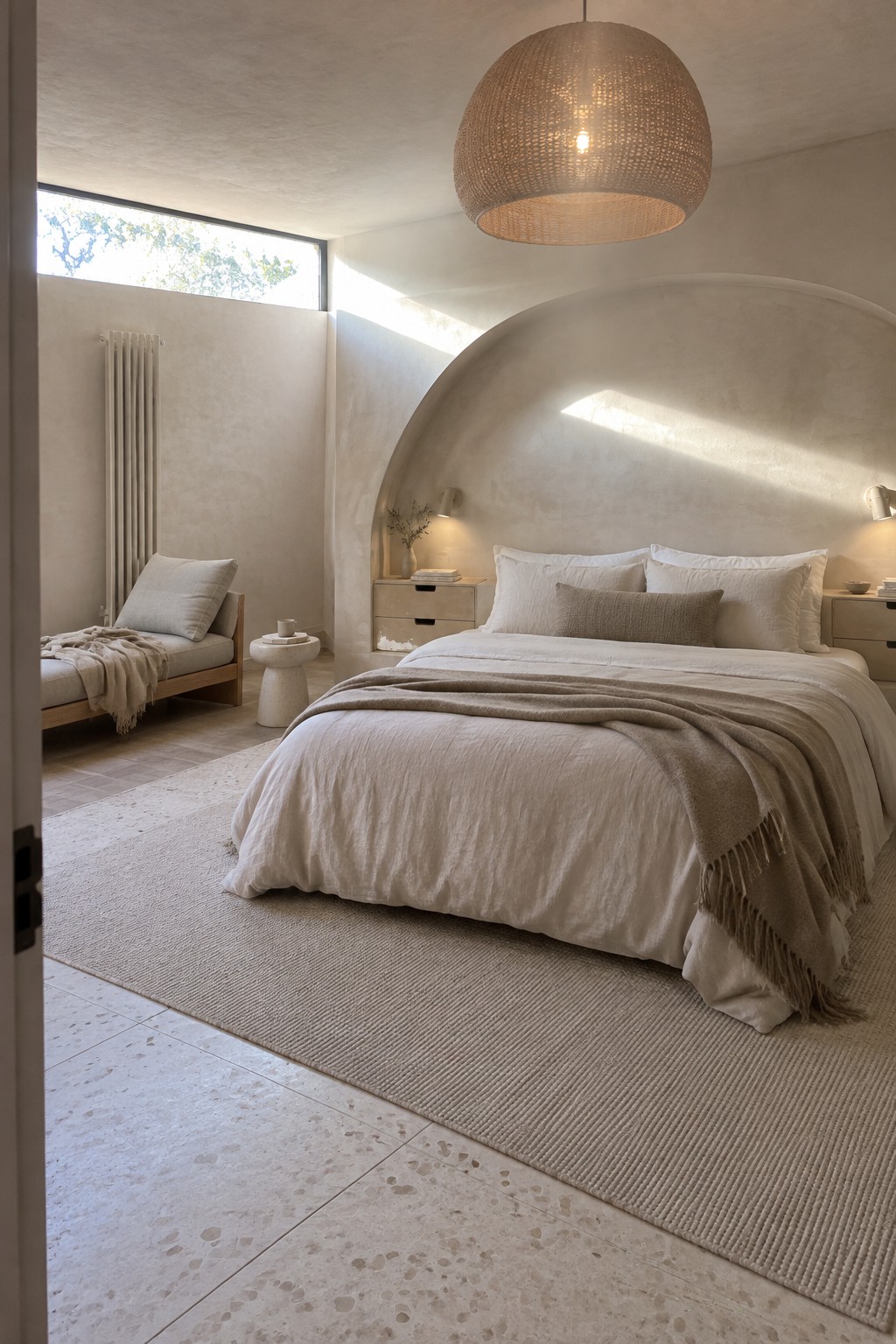
An arched alcove behind the bed gives the whole room a quiet, enclosed feeling without closing anything off. It turns the bed into its own little zone, which is why so many boutique hotels use this shape. The curve feels softer than a square nook and helps the space feel calm even when the rest of the room stays open.
This idea works best in bedrooms that have enough depth to pull the bed back a bit. If a full arch is too much construction, a tall headboard paired with a painted or plastered curve on the wall can get close to the same effect. Keep the bedding and walls in similar tones so the alcove reads as part of the room rather than a separate feature.
Scenic Wallpaper in Soft Tones
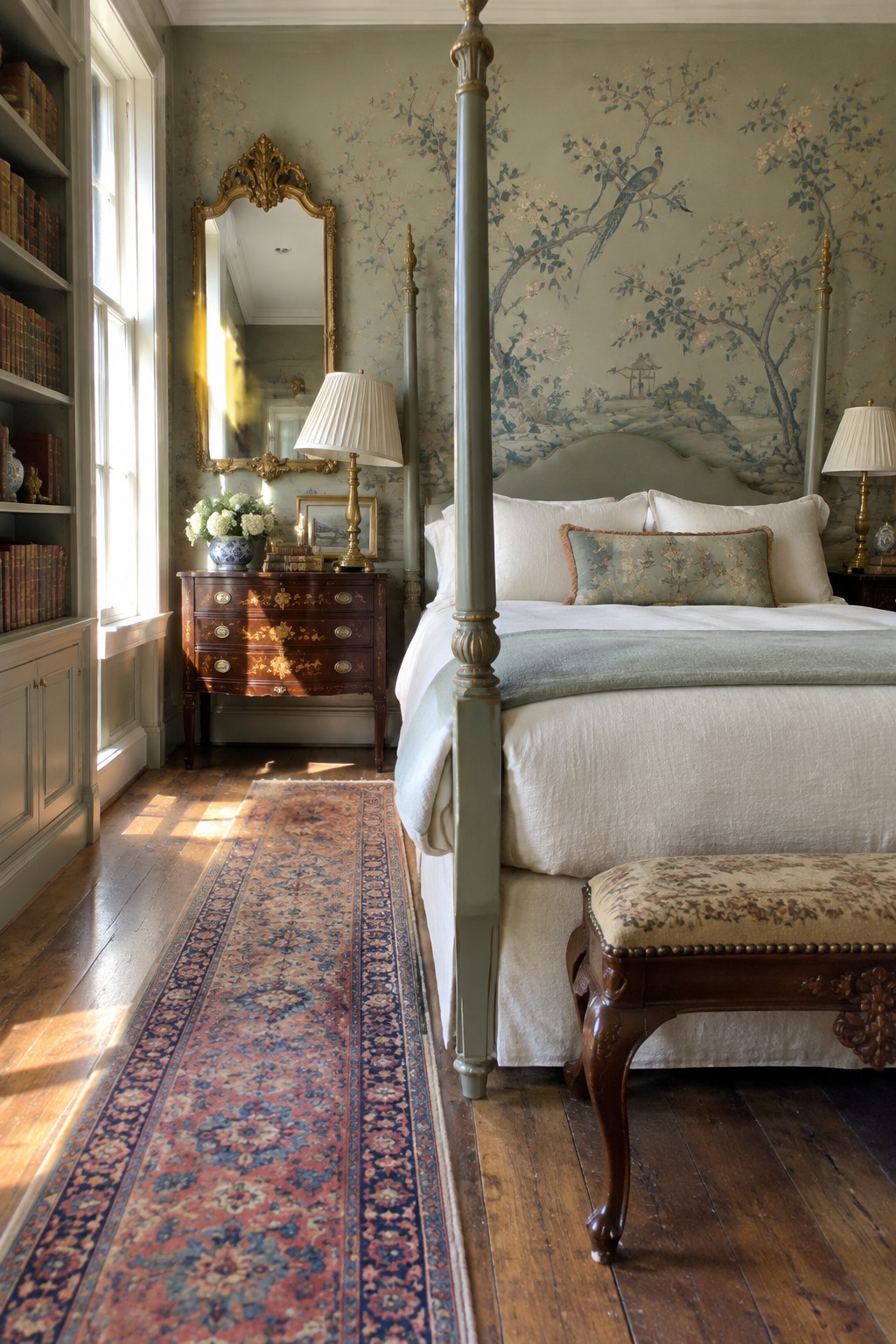
Scenic wallpaper works well in a primary bedroom because it adds pattern and depth without needing a lot of extra decoration. The soft green background with delicate branches and birds keeps the room feeling calm rather than busy, and it pairs naturally with a painted bed frame in a similar shade.
This approach suits older homes or any space that already has some traditional detail. Keep the rest of the room simple with plain linens and wood furniture so the wallpaper stays the main focus. Avoid using it on every wall if the pattern is large.
Raw Plaster Walls In The Primary Bedroom
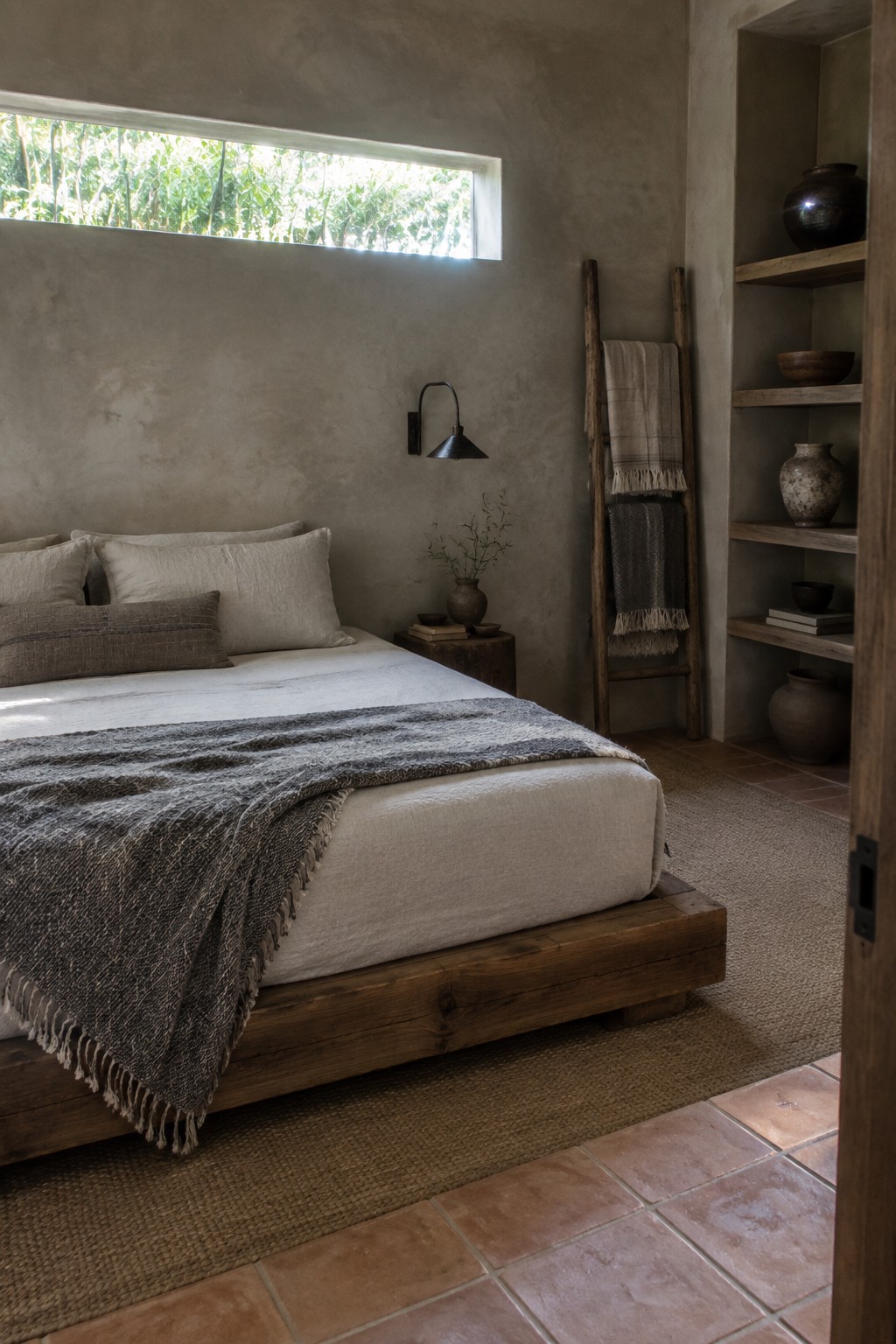
Plaster walls bring a quiet texture that feels settled without trying too hard. The surface catches light softly and gives the room a calm weight that works especially well in a primary bedroom where you want things to feel simple and grounded.
This approach suits homes that already lean toward natural materials. Pair the walls with wood furniture and linen bedding so nothing competes, and keep the rest of the room fairly spare. It works best in spaces with decent natural light, since the texture shows up more when light moves across it during the day.
Four-Poster Beds with Fabric Panels
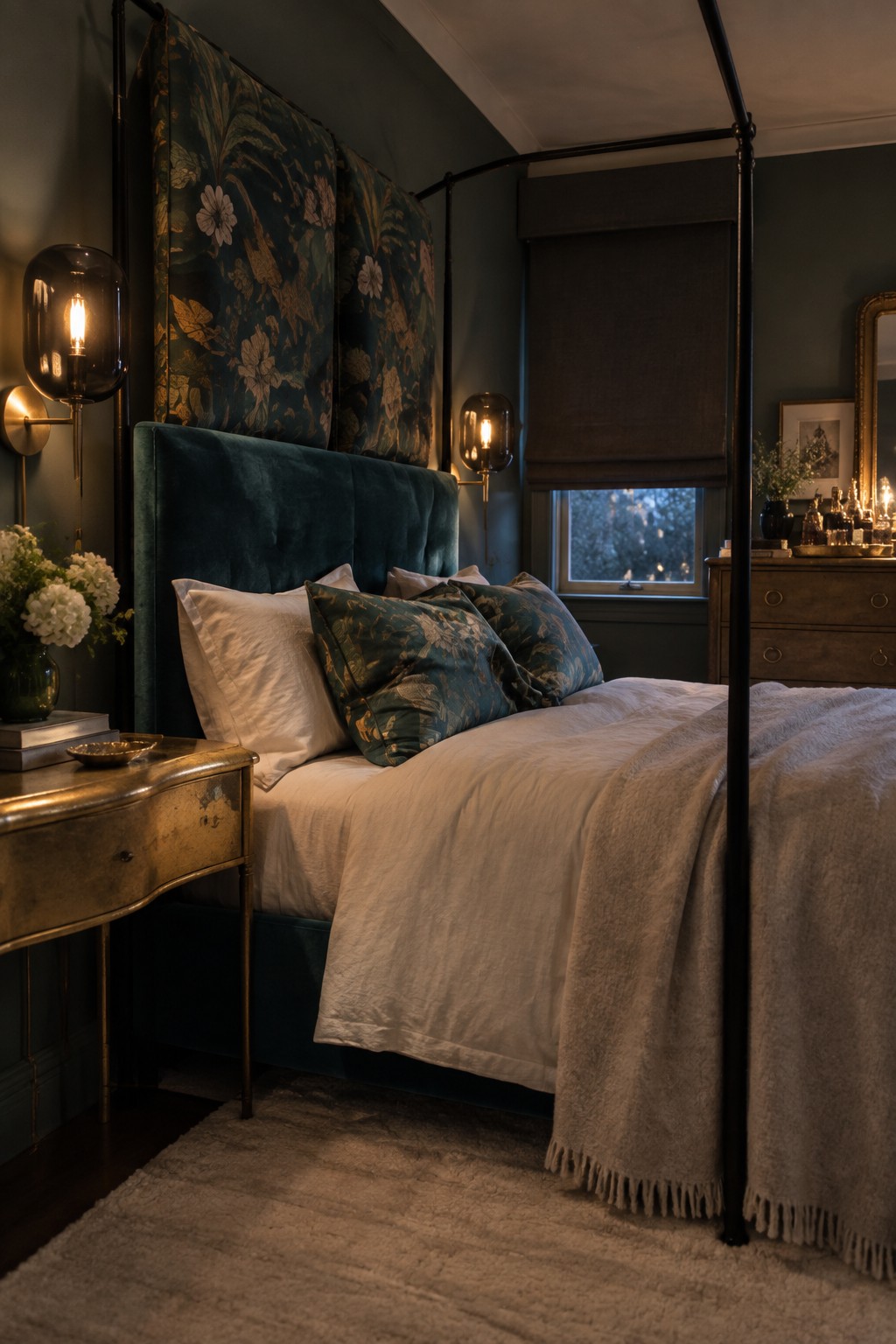
A four-poster bed with fabric panels behind the headboard adds structure and softness at the same time. The dark frame defines the space while the draped fabric brings in pattern and texture without needing a lot of extra pieces.
This approach works best in primary bedrooms that have some height to the ceilings. Keep the bedding simple and let the frame and panels do the work. It suits rooms where you want the bed to feel like the main feature rather than just another piece of furniture.
Open Doors That Connect The Bedroom To The Garden
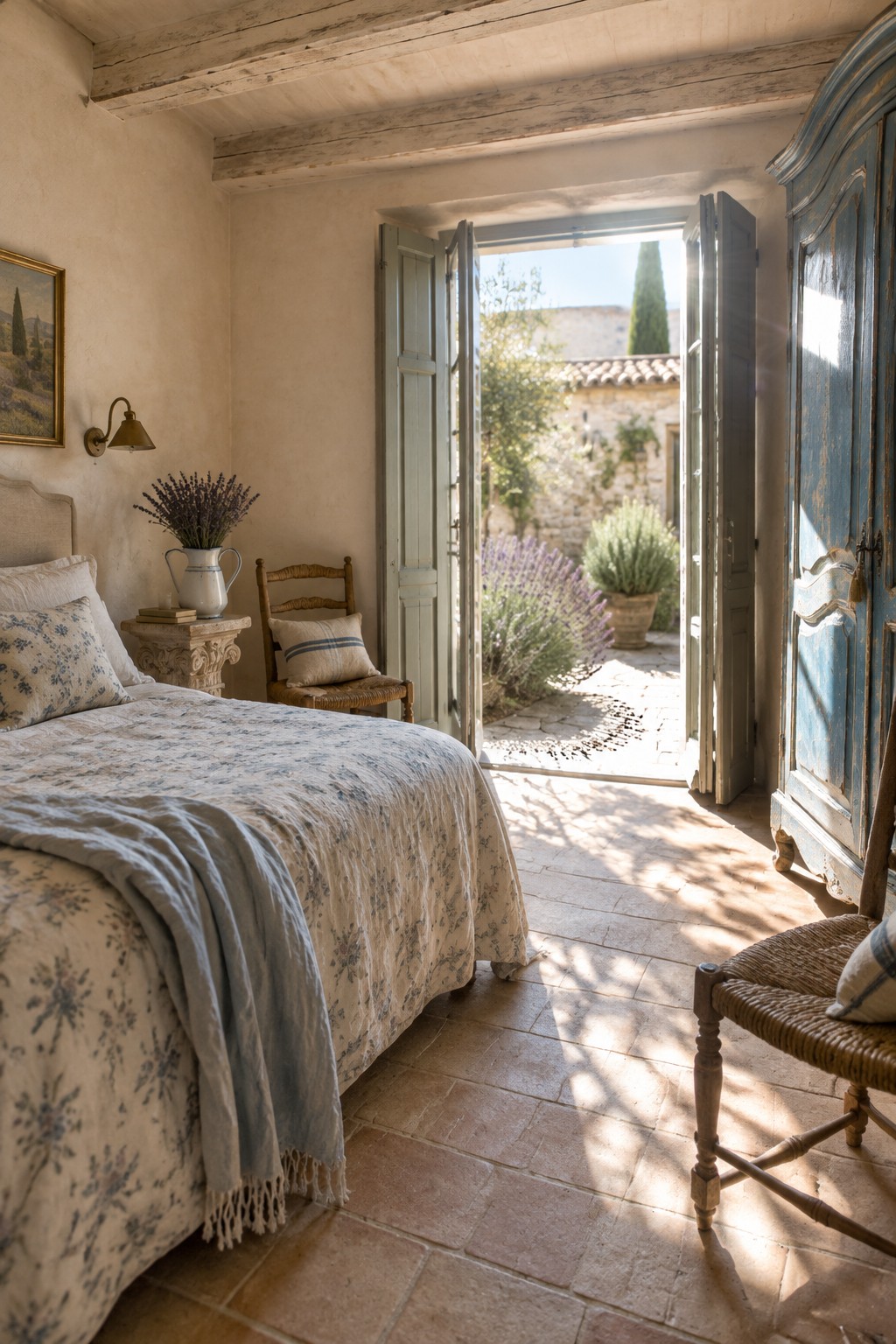
One simple way to make a primary bedroom feel bigger and brighter is to add doors that open straight onto an outdoor space. The wide opening lets in fresh air and light while creating an easy flow between inside and out. It works especially well when the view is calm and green.
This idea suits homes in milder climates where you can leave the doors open for much of the year. Keep the doors light and easy to swing, and add simple screens if insects are a concern. The result is a bedroom that feels less closed in and more connected to the rest of the property.
Add a Palm Wallpaper Accent Wall

Palm wallpaper on the wall behind the bed gives a bedroom that relaxed boutique feel without needing lots of extra pieces. It works because the pattern stays contained to one surface, so the rest of the room can stay calm with white bedding and simple furniture. The natural light from nearby doors helps keep the pattern from feeling too heavy.
This idea suits primary bedrooms that already have a fairly neutral base. Keep the other walls plain and stick to light linens or wood tones so the wallpaper becomes the main point of interest. It is easy to change later if the pattern starts to feel dated.
Wood Feature Walls Behind the Bed
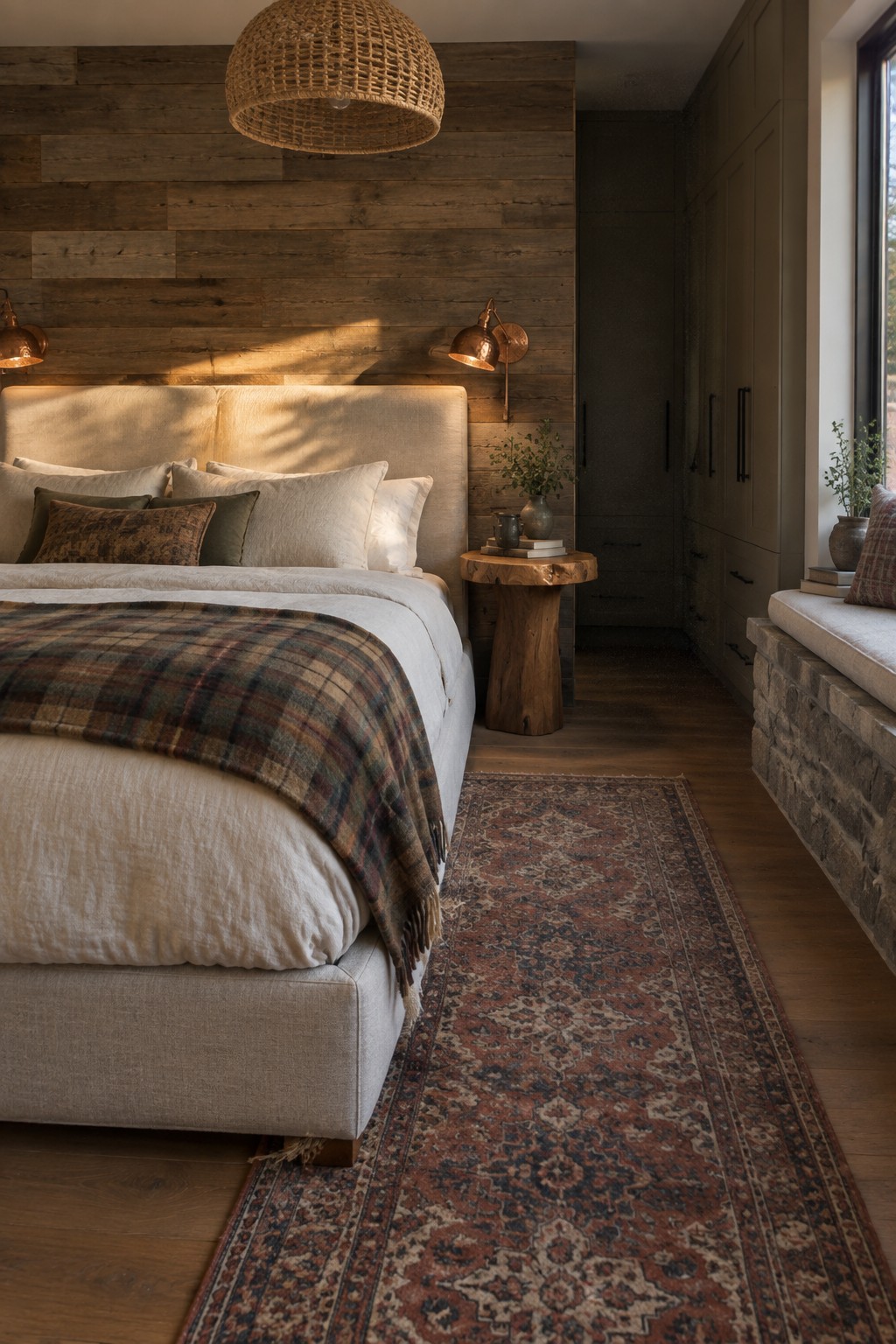
A wood wall behind the bed adds warmth and texture in a way that feels steady rather than busy. It works well in rooms that stay mostly neutral, since the grain and tone give the space something to rest on without extra pattern or color.
This choice suits bedrooms with simple furniture and soft bedding. It can handle a few rougher pieces nearby, like a stump table or woven light, but the rest of the room stays calmer when the wood stays focused on that one wall.
Dark Walls for Primary Bedrooms
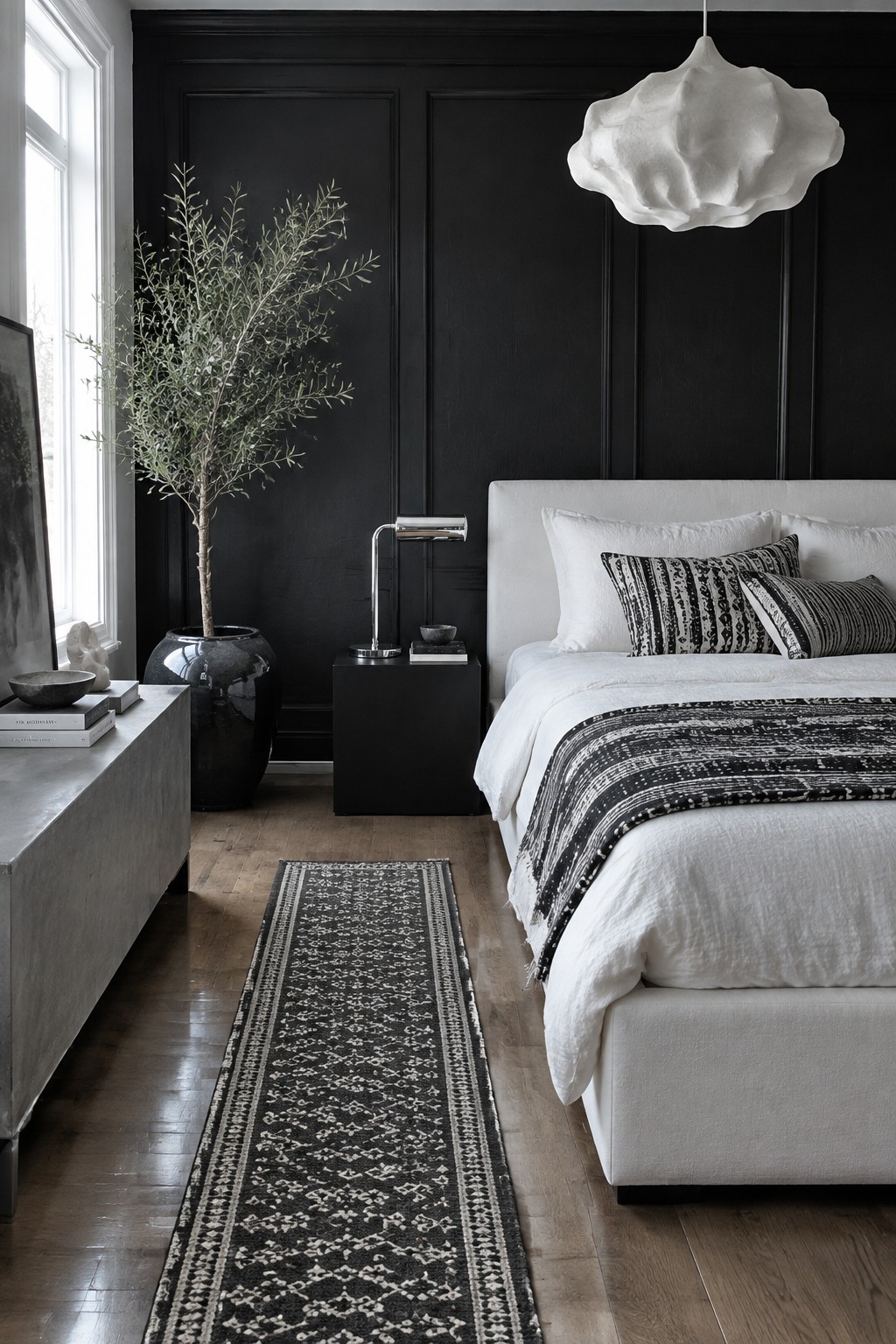
Many people avoid dark paint in bedrooms, but black walls can give the space a quiet, sophisticated feel that feels more like a boutique hotel than a typical home. The deep color adds depth without making the room feel smaller, especially when balanced with plenty of white bedding and light-colored furniture.
This works best in rooms that get decent natural light during the day. It suits homes with a modern or transitional style and pairs well with simple furnishings and one or two textured elements to keep the look from feeling flat.
Soft Tonal Layers In The Primary Bedroom
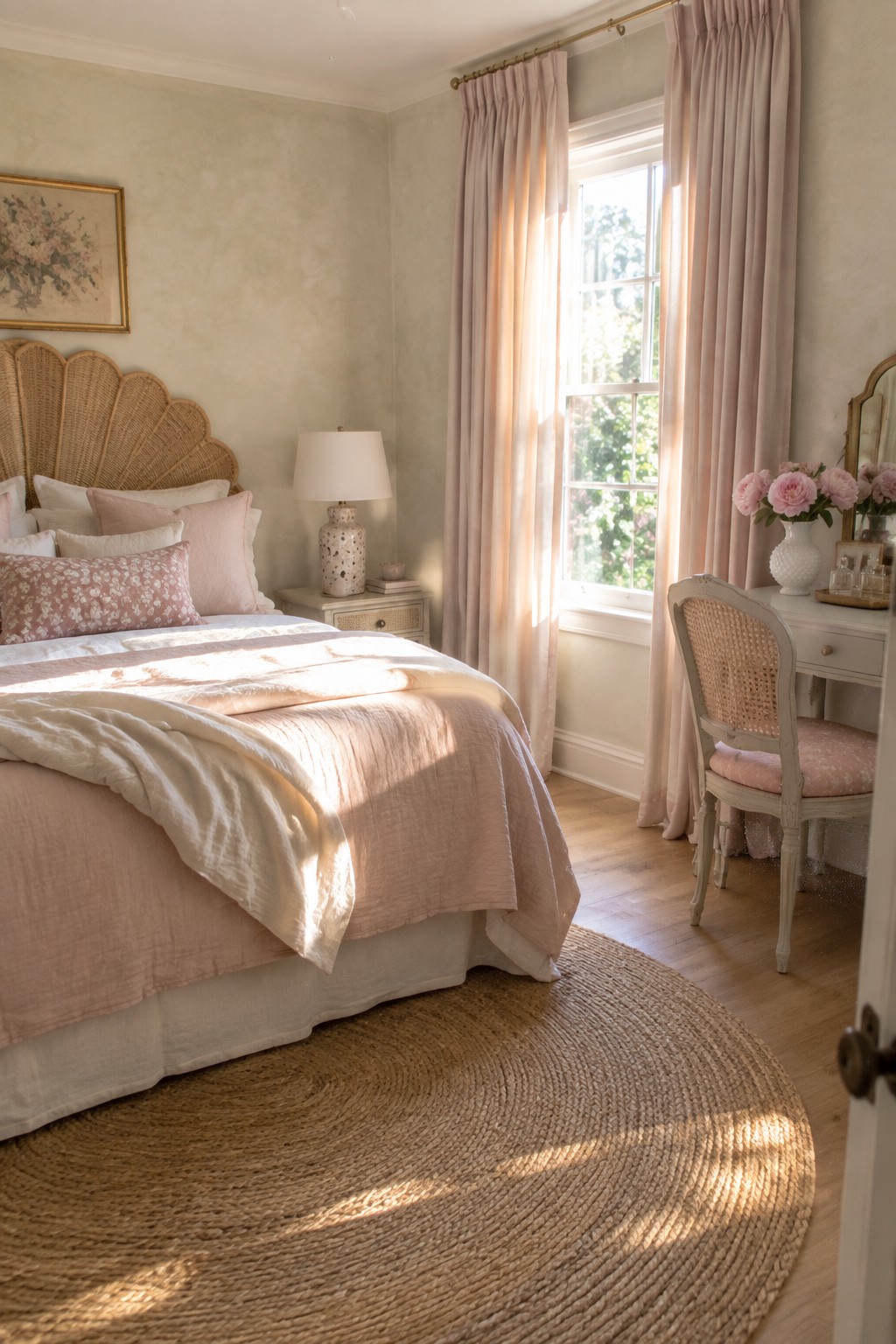
A limited palette of soft pinks and creams can make a bedroom feel much calmer without a lot of effort. The key is keeping everything close in tone so the eye rests instead of jumping around. Natural textures like woven rugs and rattan add just enough variation to keep the room from feeling flat.
This approach works especially well in rooms that get good natural light. It suits older homes or spaces where you want things to feel collected rather than styled. Stick to one or two accent materials and let the colors do the rest.
Dark Walls In The Primary Bedroom
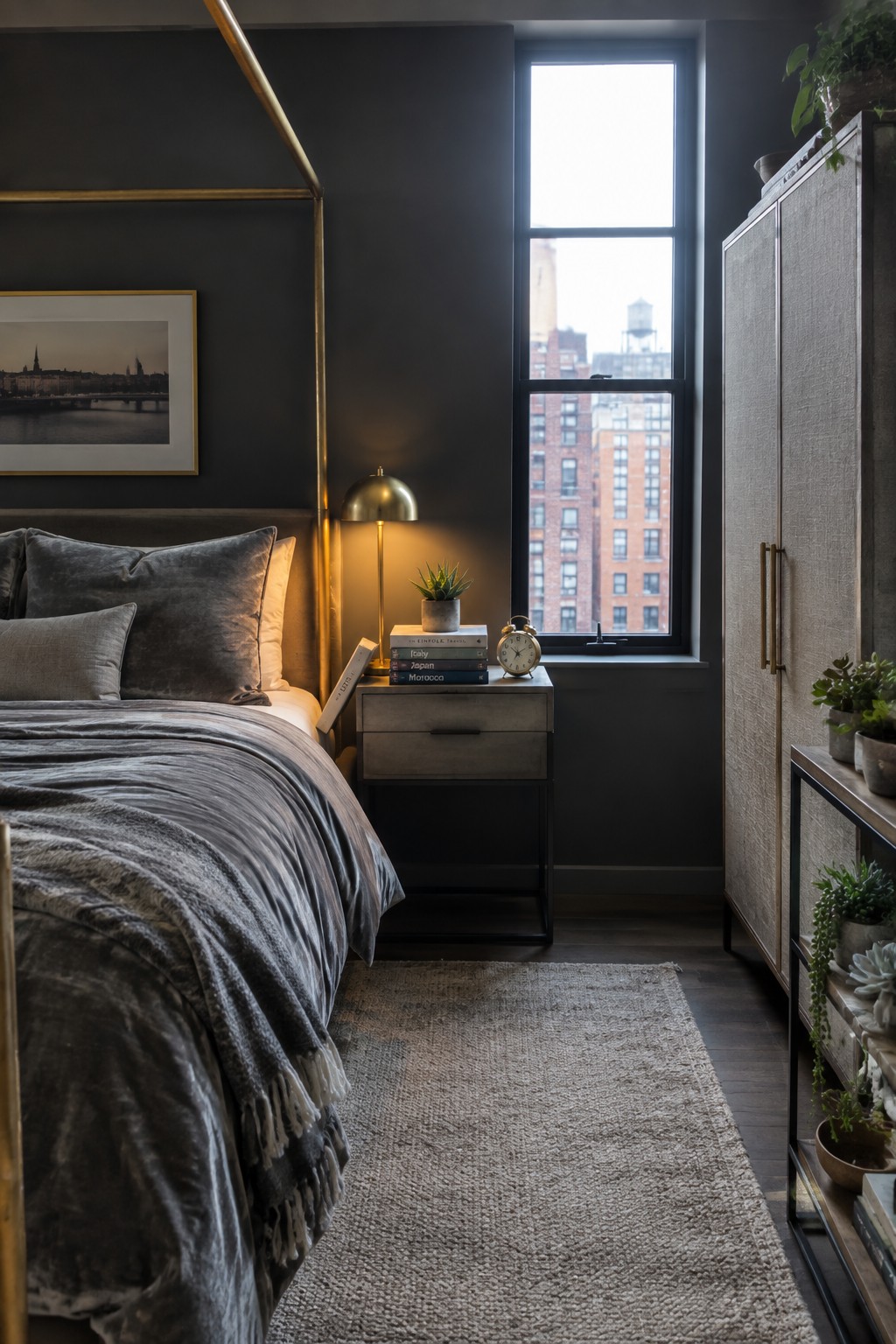
Many bedrooms feel more restful when the walls are painted a deep gray instead of a light neutral. The darker color wraps around the space and helps it feel separate from the rest of the house, which is useful in homes where the bedroom needs to stay quiet and calm at night.
This approach works best when the room has a good source of daylight so the color does not close in too much. It suits city apartments or newer homes that already have simple trim and larger windows.
Frequently Asked Questions
Q: How do I pick bedding that feels like a boutique hotel without spending a fortune?
A: Start with crisp white sheets in a high thread count cotton. Add one or two textured throws in a muted tone to create depth. Swap them out seasonally to keep the look fresh.
Q: What is the easiest way to copy that soft lighting from hotel rooms?
A: Place lamps on both sides of the bed with warm bulbs. Dim the overhead lights and rely on those lamps plus a small accent light near a chair. This setup gives you control without any harsh glare.
Q: My bedroom is small. Can I still use the bold headboard ideas from the article?
A: Choose a headboard that matches your wall color instead of contrasting sharply. Keep the rest of the furniture low and simple. That single change makes the space feel bigger while still delivering the hotel vibe.
