

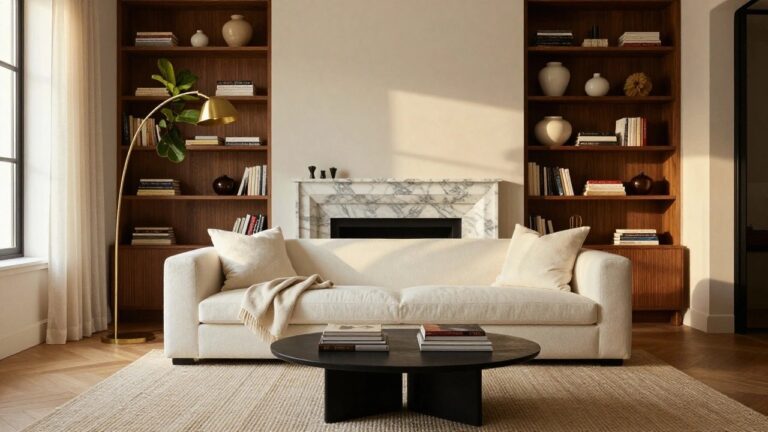
Living rooms that stay comfortable year after year usually start with a clear sense of how people will actually move through the space each day.
I notice that materials like linen and leather develop a better patina when they fit the way the room gets used rather than when they are chosen only for appearance.
Scale matters more than I expected.
Furniture that works well together often shares similar proportions even if the styles differ slightly which helps the whole room feel settled instead of pulled in different directions.
Small adjustments such as repositioning a lamp or adding a side table can shift how functional a seating area becomes without requiring a full redesign.
Built-In Shelving Around the Fireplace
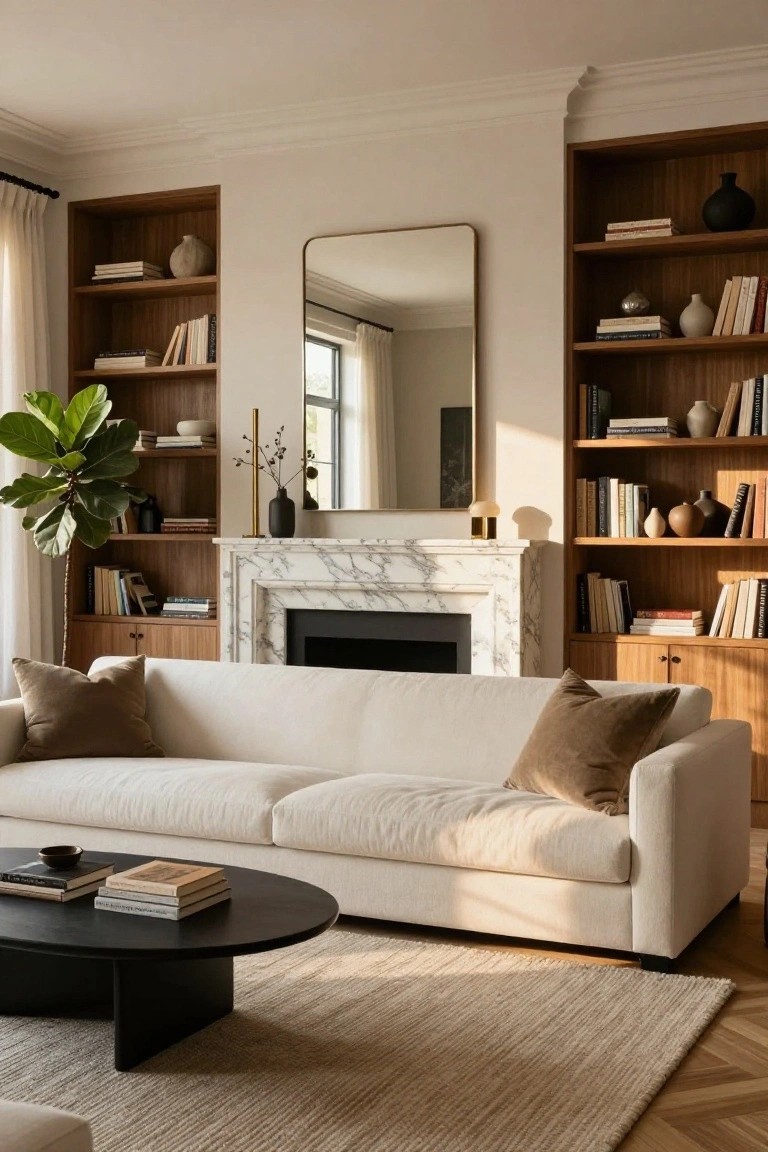
Built-in shelves on either side of a fireplace give a living room a steady, finished look. They add storage without crowding the floor and let you mix books with a few simple objects so the space feels personal but not busy.
This works best in rooms with decent ceiling height where the shelves can run from the mantel up. Keep the arrangement fairly open so the fireplace stays the main focus and the room does not feel heavy.
Wood Paneling For Living Room Walls
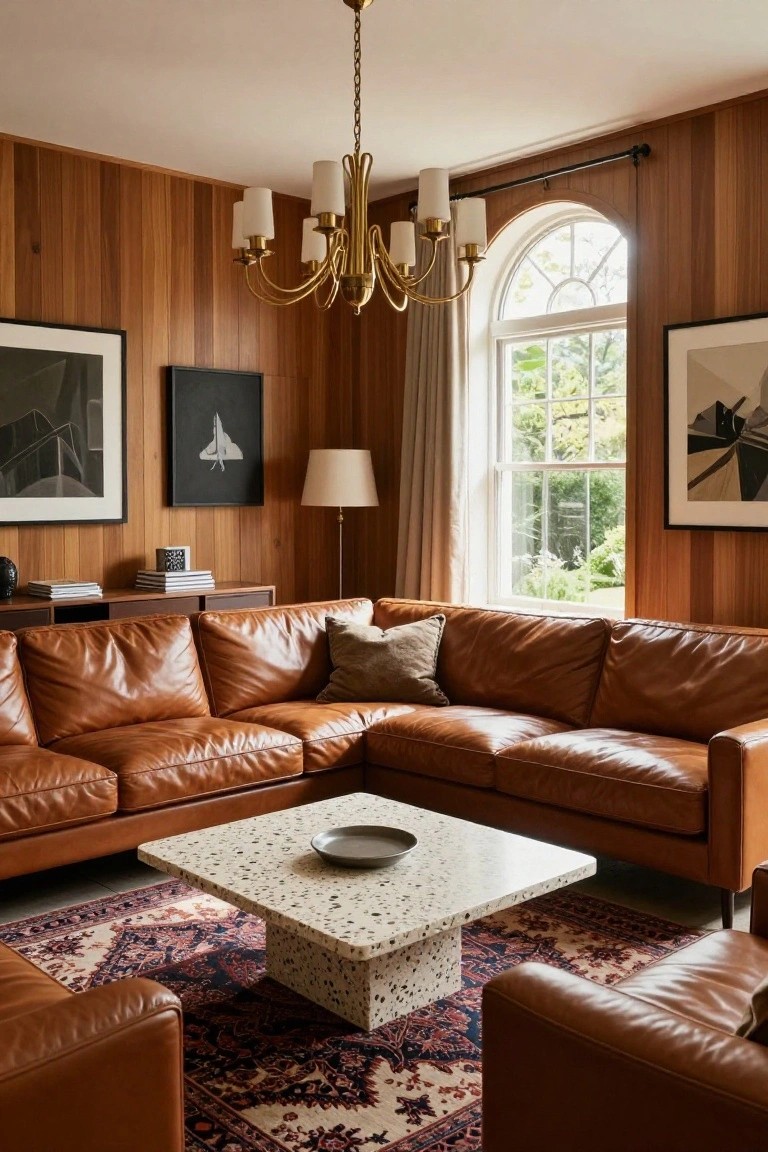
Wood paneling brings a steady warmth to living rooms that painted walls often miss. It works especially well in spaces that get used every day because the texture holds up and the color stays consistent over time. Many older homes already have it, but it also looks right in newer builds when kept simple.
Stick with a medium tone like the one in this room and pair it with a few solid pieces of furniture rather than lots of small items. It suits homes that lean traditional or mid-century, and it helps tie together leather seating and darker rugs without feeling heavy. Just avoid covering every wall if the room is small.
Built-In Seating For Everyday Comfort
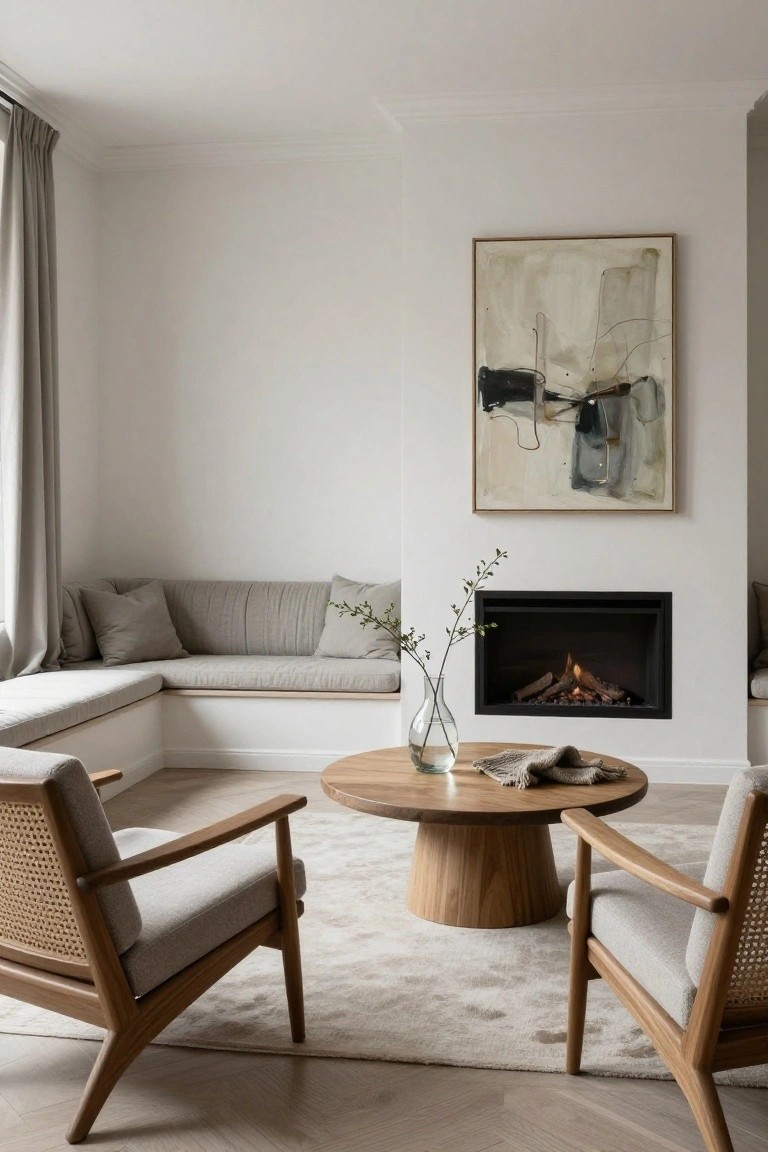
Built-in seating works well because it turns an awkward corner into something useful without crowding the room. It gives you plenty of places to sit while keeping the floor space open, which helps the whole area feel calmer and more put together over time.
This setup suits homes that want a relaxed layout without looking too formal. Keep the cushions simple and the colors light so the seating blends in rather than stands out. Just make sure the bench height matches your other chairs so everything feels balanced.
A Deep Colored Sectional
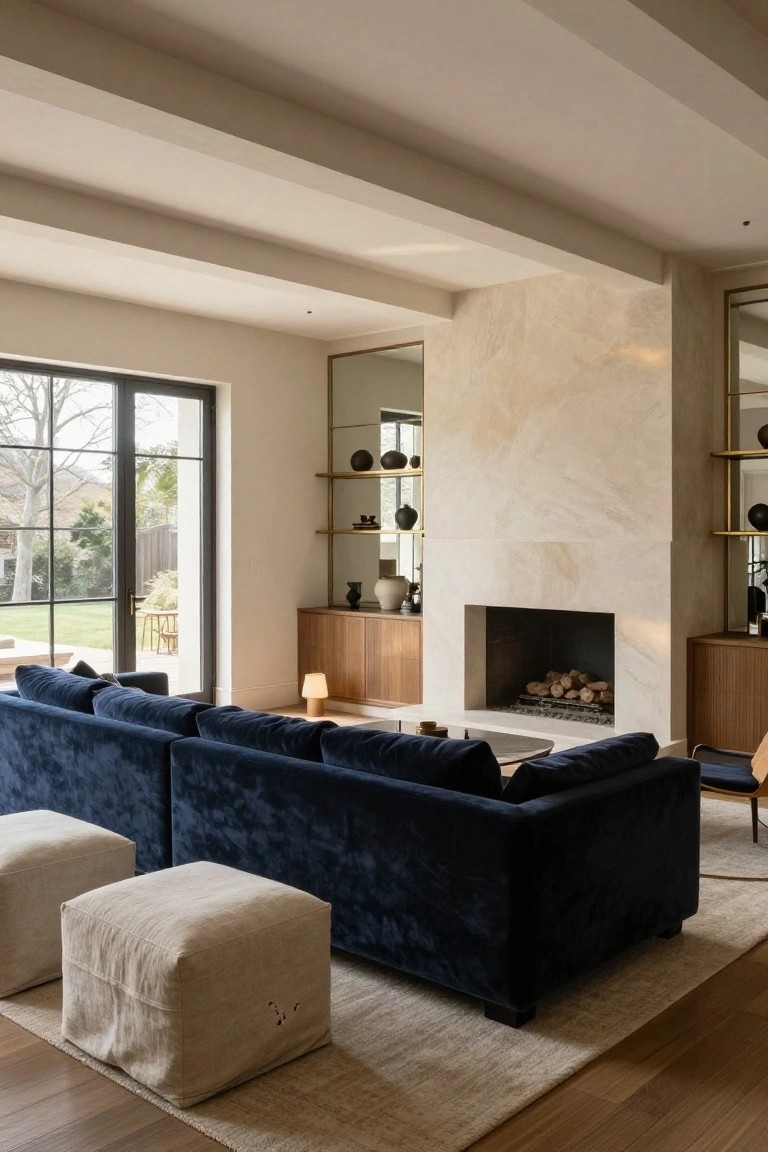
A large sectional in a saturated shade can give the room weight without much effort. It stands out against lighter walls and floors while still feeling calm, especially when the rest of the space stays simple.
This approach works best in open living areas where the sofa needs to define the seating zone on its own. Keep the surrounding finishes light and let the fabric carry the color. Avoid adding too many other strong tones that might compete with it.
Curved Sofas Work Well in Living Rooms
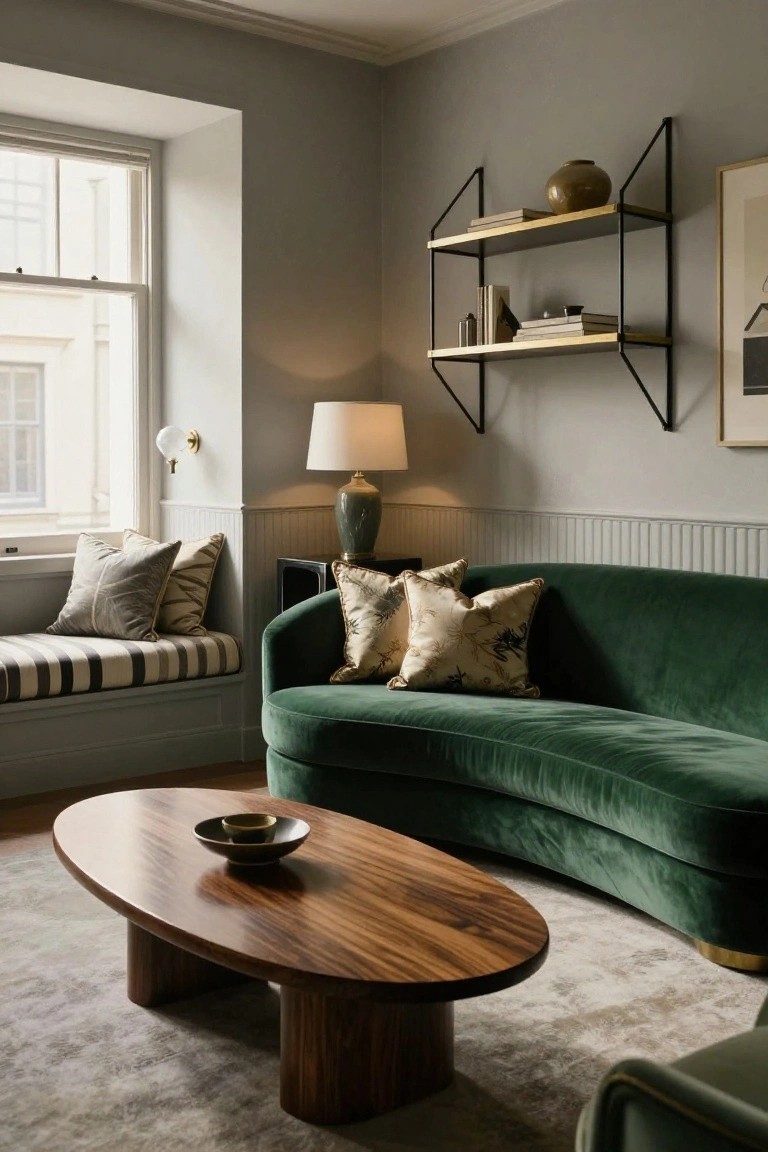
A curved sofa gives a living room a natural flow that straight designs often miss. It softens the layout and lets people move around the space more easily without sharp corners getting in the way. This shape has stayed popular because it feels both comfortable and a little special at the same time.
It works best in rooms that already have some traditional details like paneling or built-in seating. Pair it with a simple coffee table and keep the rest of the furnishings fairly low so the curve stays the main feature. Just make sure the room has enough open space around it, or the shape can start to feel cramped.
Natural Wood Furniture in Neutral Living Rooms
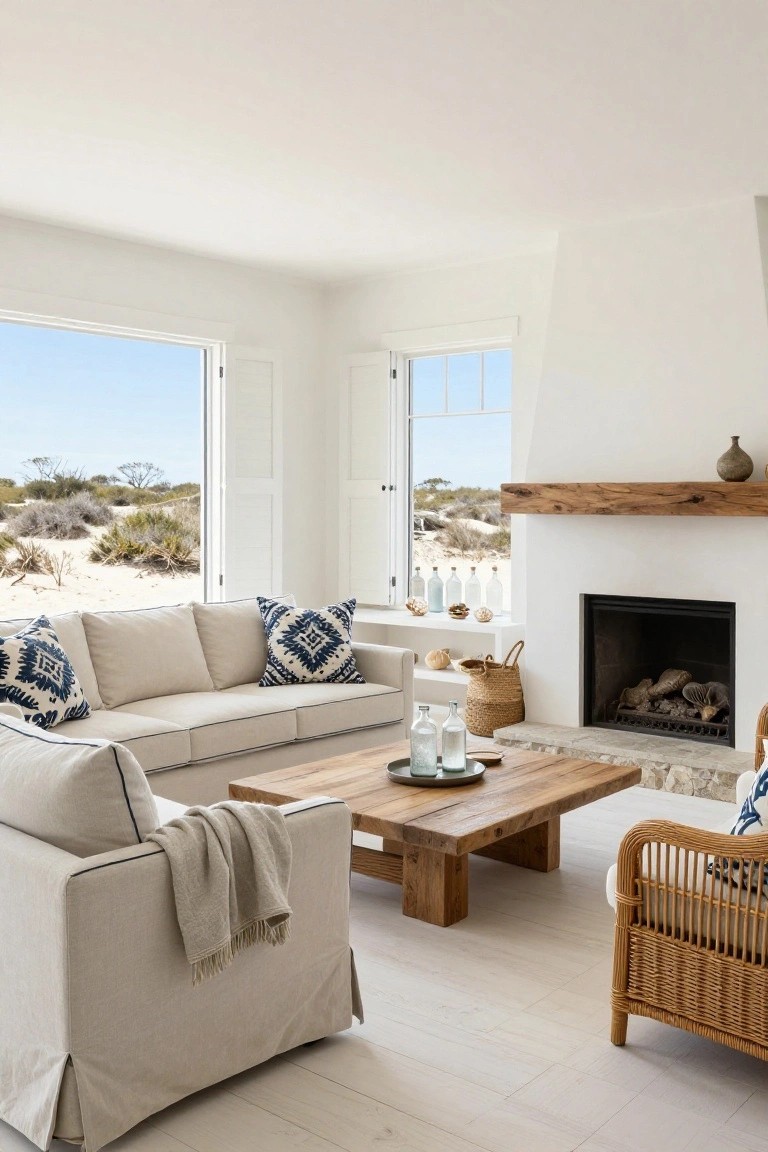
A light room can start to feel flat without something solid to balance all the white. Adding a few wood pieces like a big coffee table or a mantel gives the space weight and keeps it from looking too delicate. It works especially well when the wood has some texture and age to it.
This approach suits homes that lean coastal or relaxed. Keep the rest of the furnishings simple so the wood can stand out without competing. Too many wood tones at once can make the room feel heavy, so stick to one or two main pieces and let the rest stay soft and neutral.
Built-In Bookshelves Around The Fireplace
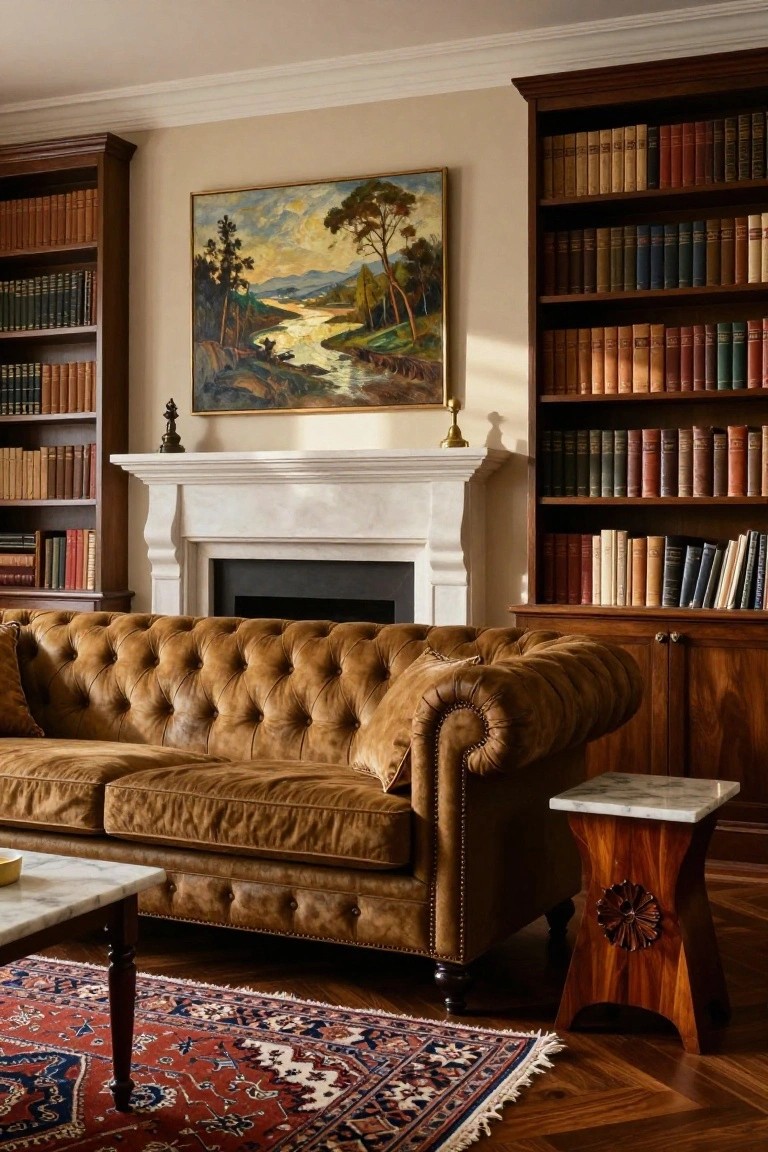
Built-in bookshelves on both sides of a fireplace create a natural focal point that makes a living room feel finished and personal. The shelves give the space purpose beyond seating and help it read as a room meant for spending time in rather than just passing through.
This approach works best in homes with some traditional character where the shelves can run floor to ceiling. Fill them mostly with books and keep a few gaps for small objects so the look stays relaxed instead of staged.
Built-In Seating Around a Central Fire Pit
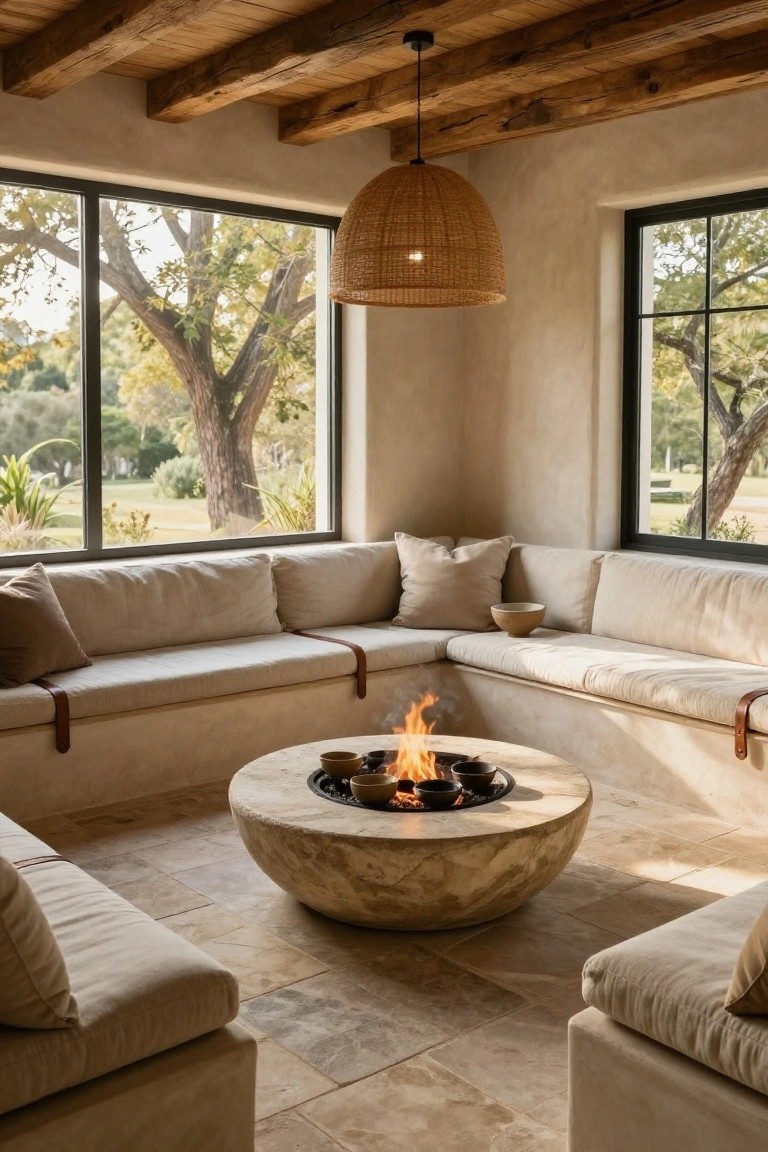
A central fire pit changes how a living room works because the seating can wrap around it instead of lining the walls. People end up facing each other more naturally, and the fire becomes the main reason to gather rather than just background warmth.
This layout suits bigger rooms that get regular use in cooler months. Leave enough walking space around the pit and keep the surrounding cushions simple so the arrangement stays comfortable over time.
Wood Mantel Beams in Neutral Rooms
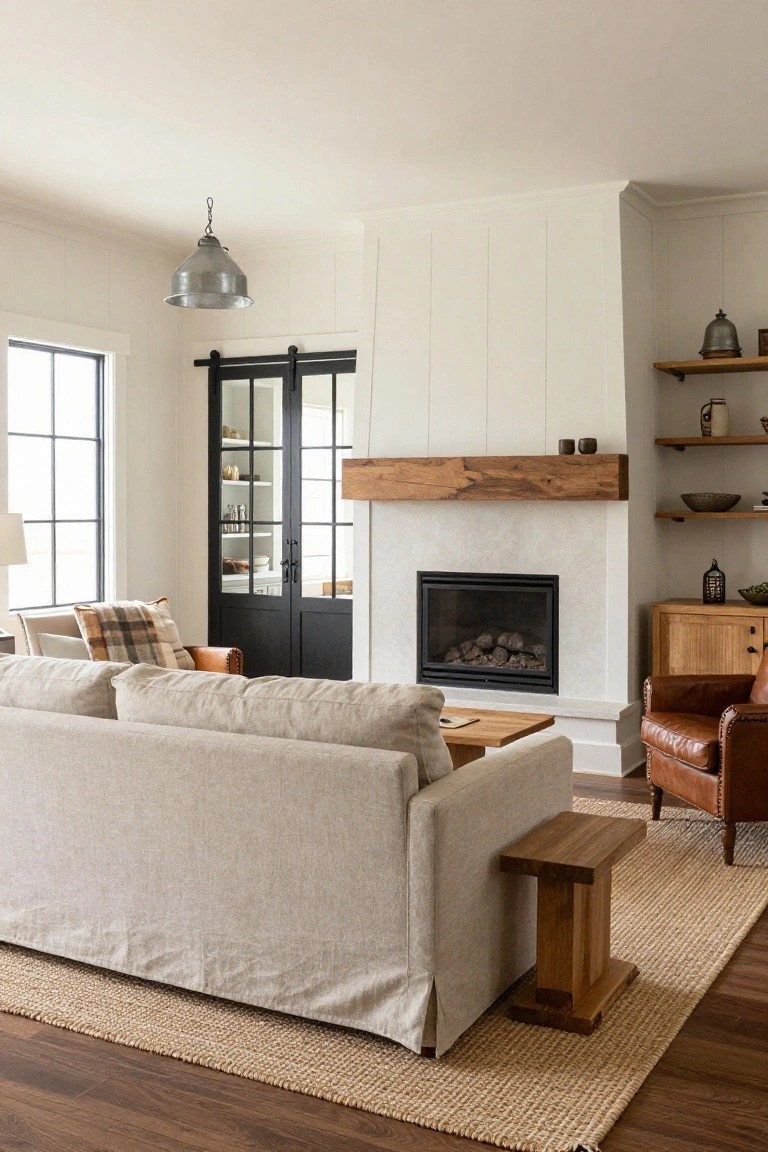
A thick wood beam over the fireplace brings just enough warmth to a mostly neutral living room. It keeps the space from feeling too stark while still letting the light walls and simple furniture stay in charge.
This works best in homes that already lean toward clean lines and calm colors. Keep the beam fairly rustic and let the rest of the room stay soft and understated so the wood feels like a natural accent rather than the main event.
Center The Room Around A Fireplace
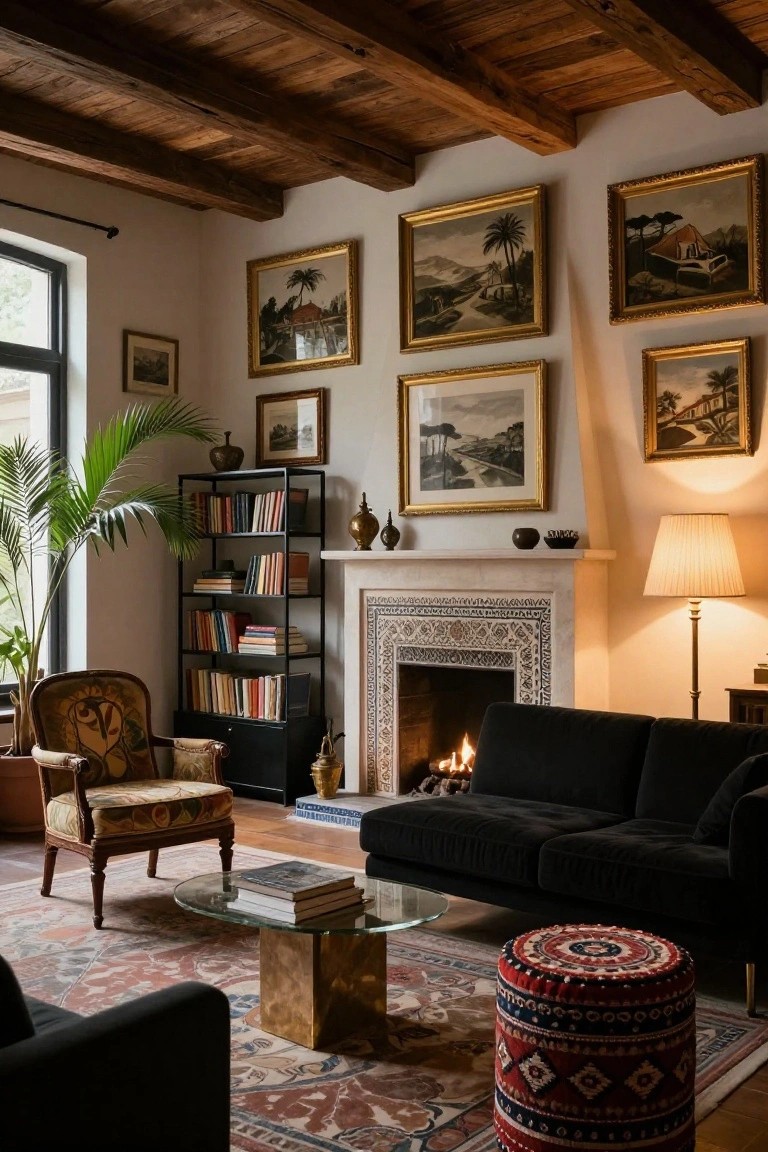
A fireplace gives any living room a clear center that feels steady and lived in. It works because everything else can sit around it without needing to compete.
Place the main seating so it faces the fire and keep the mantel fairly plain. Add a few pieces of art above and a bookshelf nearby so the whole wall feels collected rather than decorated.
Low Furniture For A Calmer Living Room
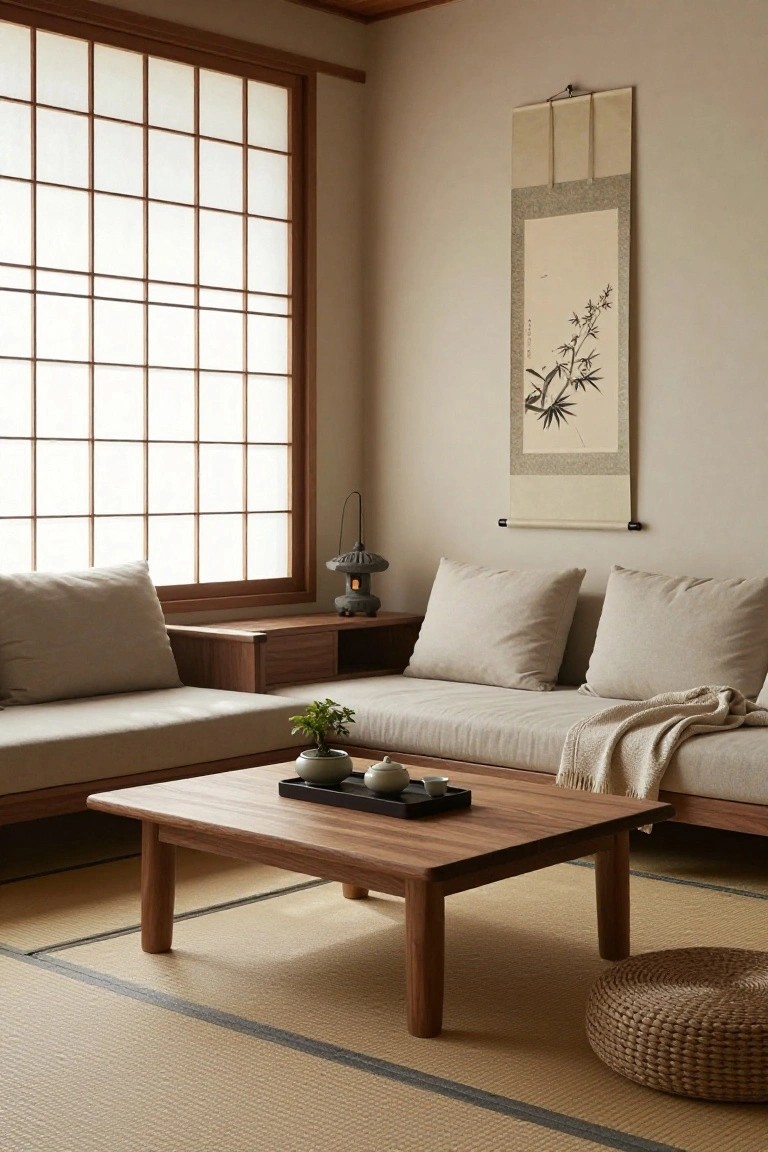
Low seating keeps a living room feeling open and settled at the same time. By staying close to the floor, the arrangement avoids visual clutter and lets the space breathe without tall pieces competing for attention.
This approach works best in homes that already lean toward natural materials and simple lines. A low table paired with floor cushions or a low sofa can make daily use easier while keeping the room easy to clean and rearrange over time.
Dark Walls In The Living Room
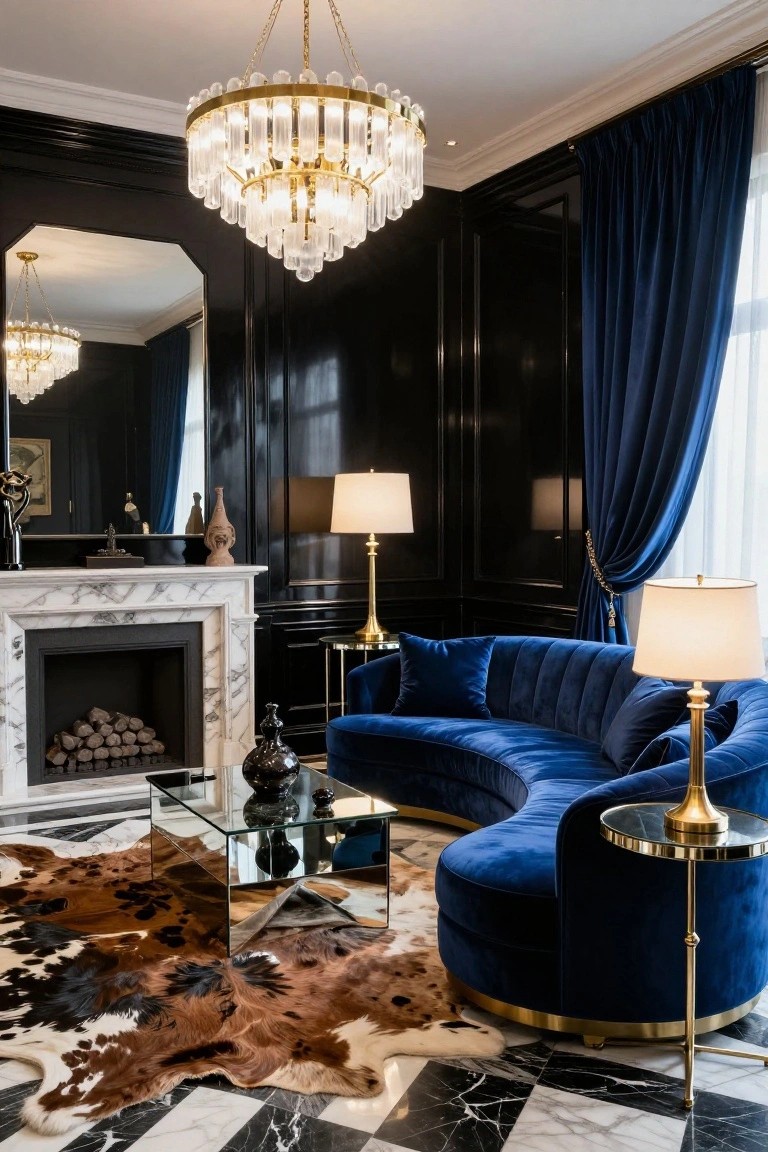
Dark walls can give a living room a grounded and elegant feel that holds up over time. The black paneling here creates a strong backdrop that makes the blue seating pop while keeping the whole space from looking flat or overly bright.
This works best in rooms with decent height and some natural light coming in. It suits homes that lean traditional or transitional, and it pairs well with richer fabrics and stone details. Just balance it with enough lighting so the room does not feel heavy.
Oversized Artwork Creates A Strong Focal Point
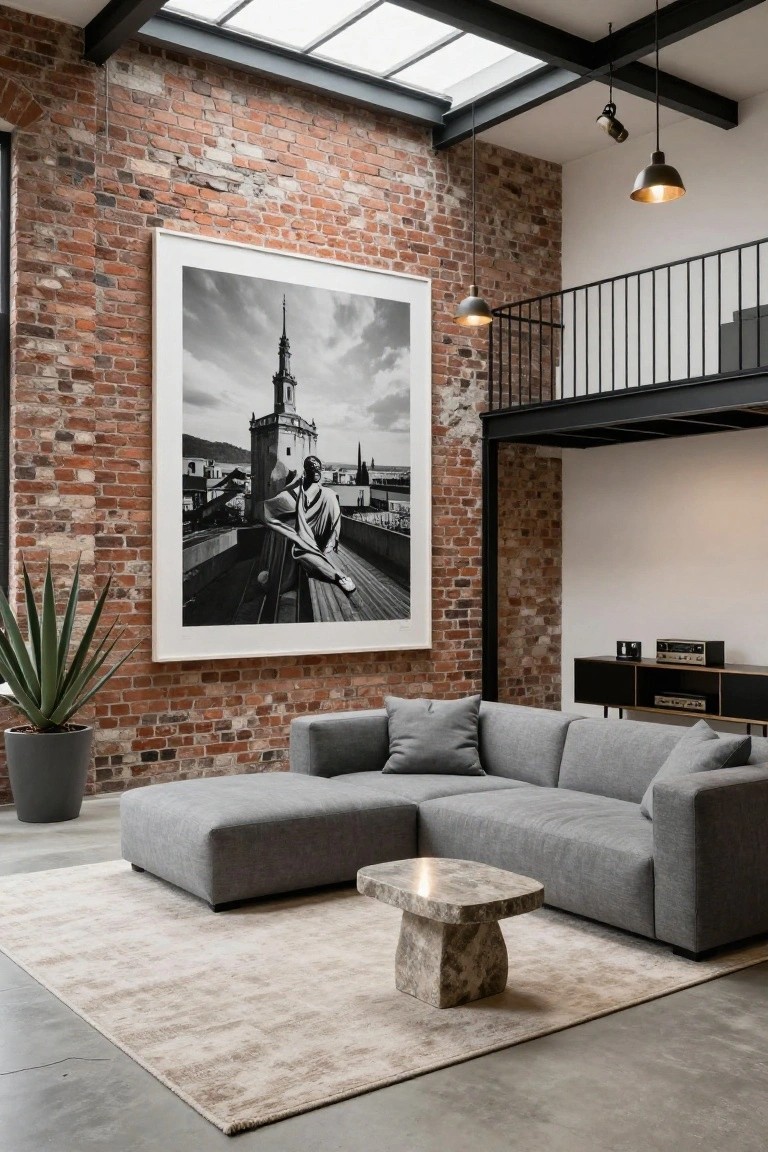
A single large piece of art can pull a living room together without needing much else around it. In spaces with tall ceilings and textured walls like brick, that one framed image gives the eye something clear to rest on and keeps the rest of the room from feeling scattered.
This approach works best in open layouts where you want to add interest without adding clutter. Pick a print or photograph that fits the scale of the wall, hang it at the right height, and let the furniture stay simple so the art stays the main feature.
Built-In Seating For A Living Room
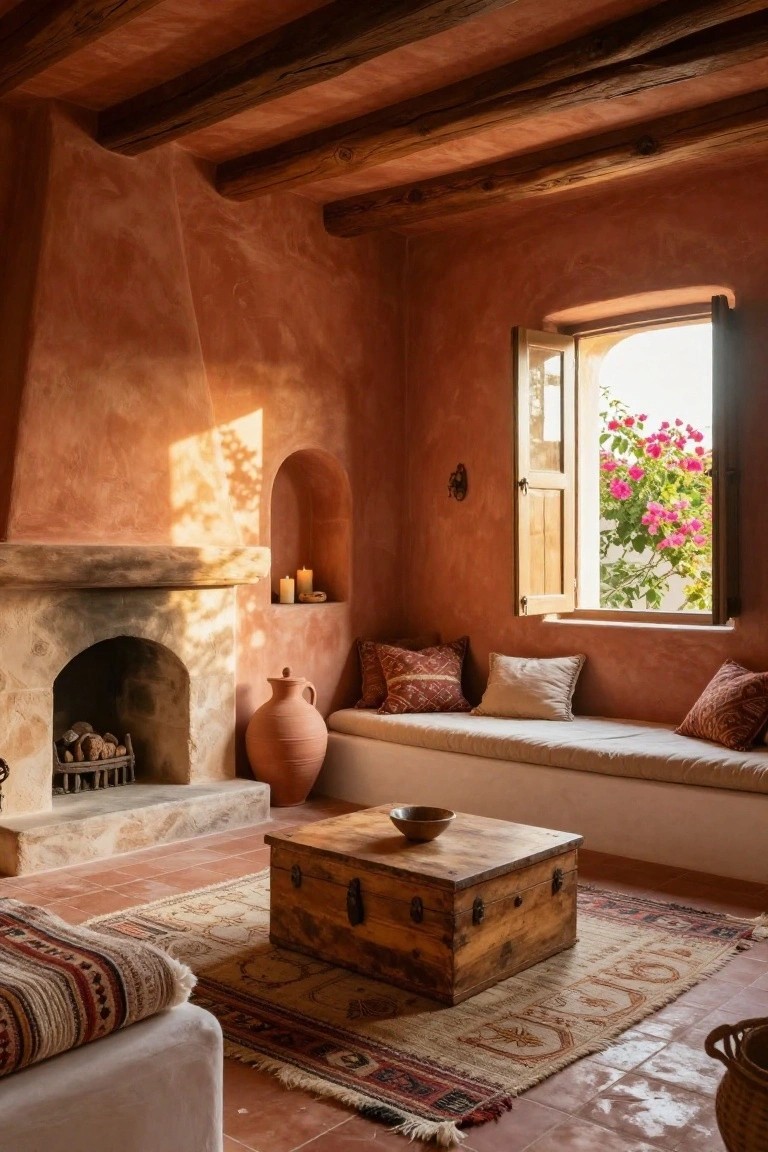
Built-in seating along a window or wall gives a living room extra places to sit without crowding the floor with more chairs or sofas. It keeps the space open while making good use of the room’s shape and light.
This works best in homes that already have some architectural character, like thick walls or deep window openings. Keep the cushions simple and in a few neutral tones so the seating blends in rather than stands out.
Built-In Shelving For Simple Storage And Display
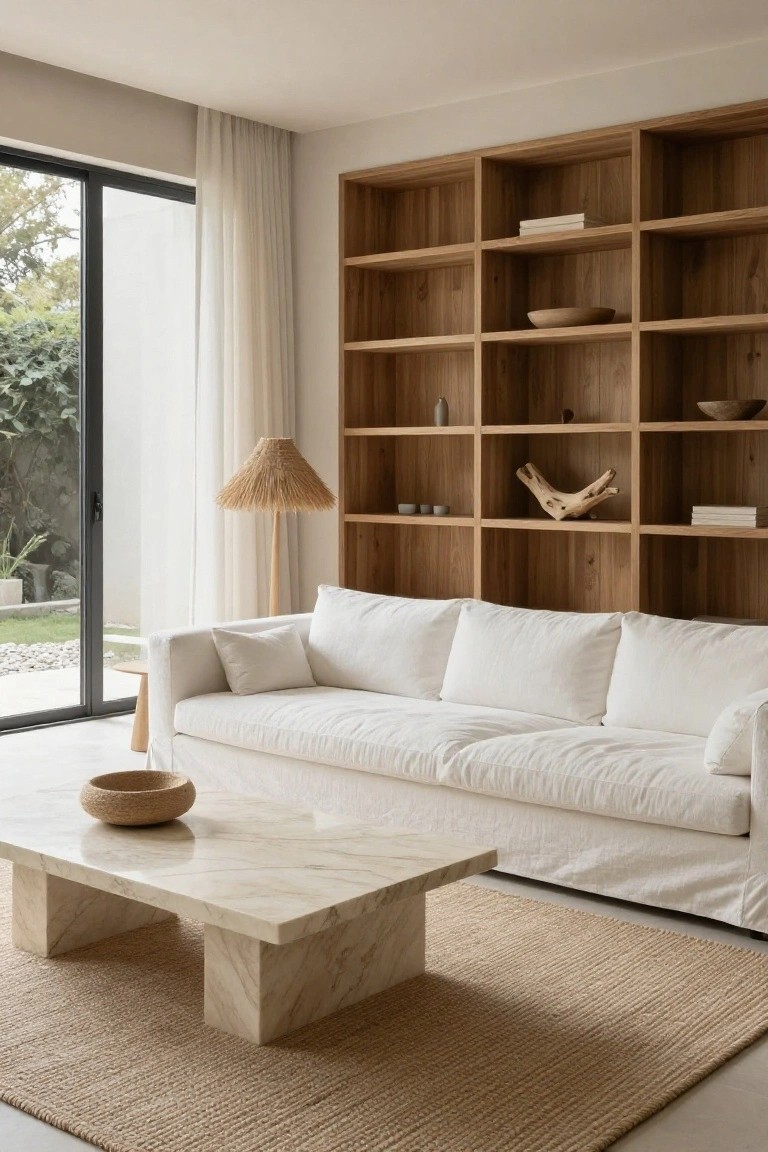
Built-in shelving gives a living room a place to hold books and a few objects without bringing in more furniture. It keeps the walls useful and stops the space from feeling empty or cluttered over time.
This setup works best in rooms where you want storage but still need the area to feel open. Choose a wood tone that matches your floors and leave some shelves empty so the shelves do not overwhelm the room.
Built-In Bookshelves That Add Storage Without Clutter
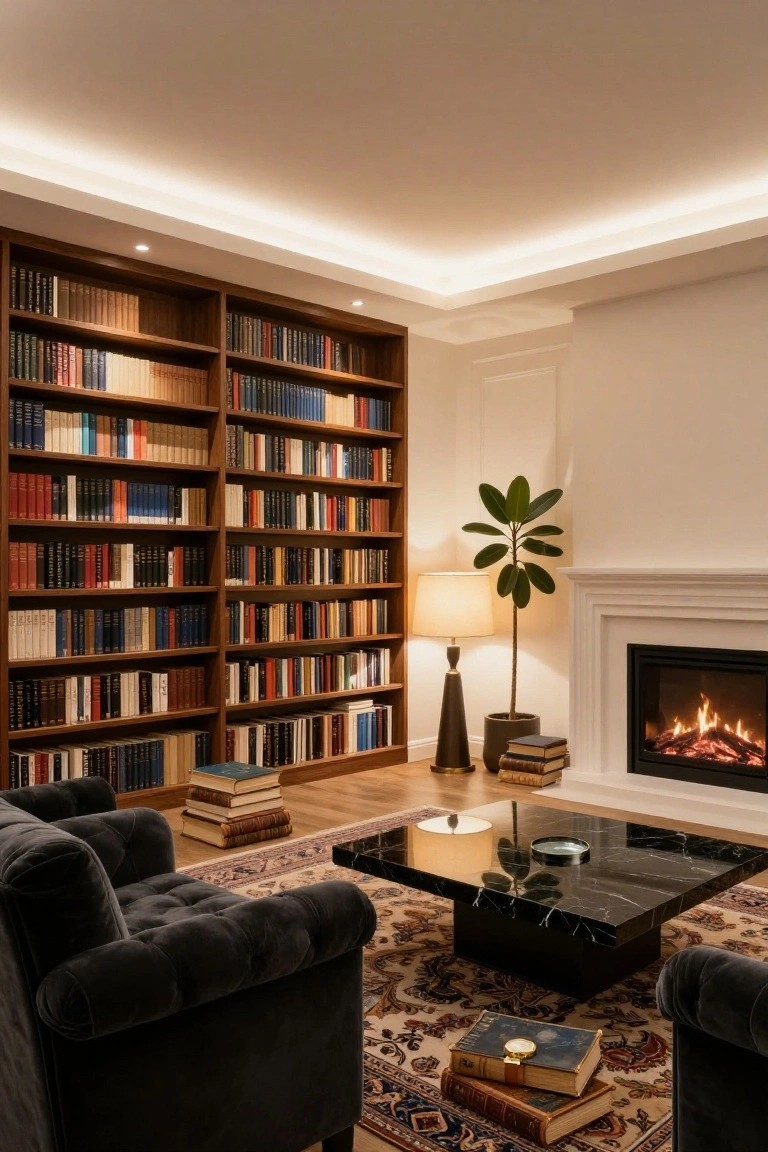
Built-in bookshelves give a living room a settled look that holds up over time. They turn empty wall space into useful storage while keeping the room from feeling bare or overly decorated.
This approach works best in rooms with at least one long wall and decent ceiling height. Fill most of the shelves with books and leave a few spots open for lamps or small stacks so the wall stays balanced rather than heavy.
Repeat the Fireplace Material on the Coffee Table
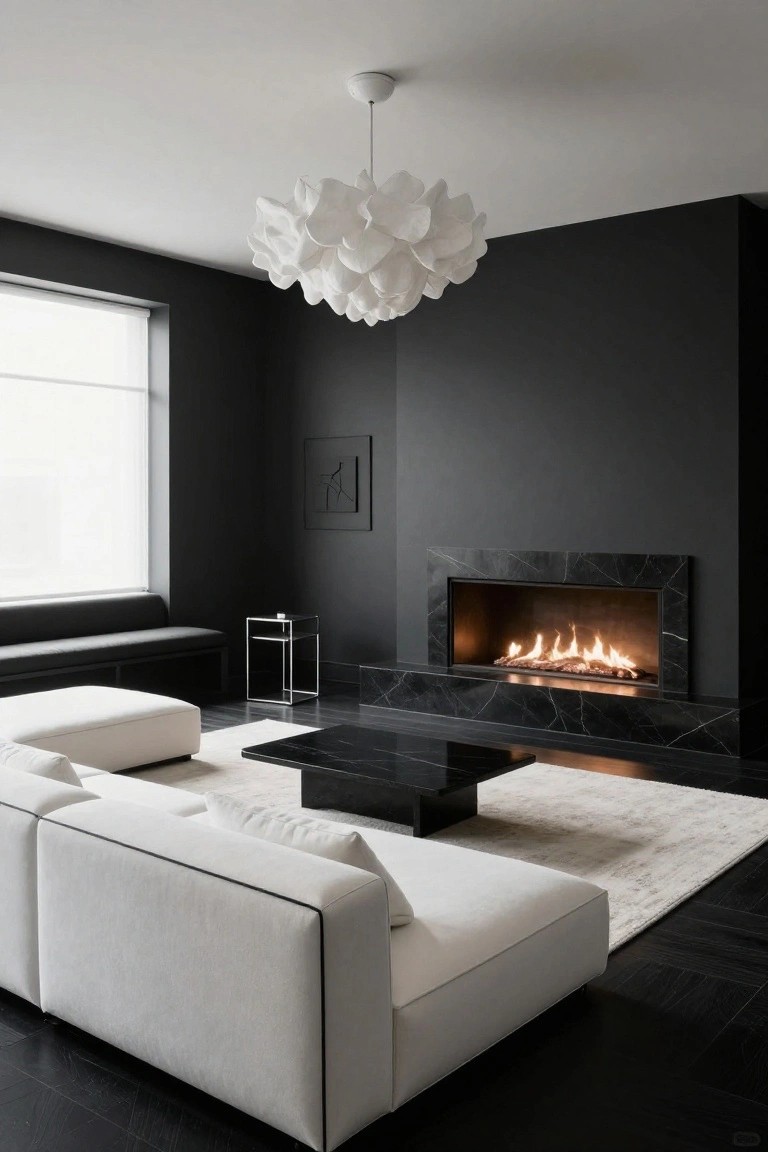
Black marble shows up on both the fireplace surround and the low coffee table in this room. That simple repeat pulls the seating area together without adding extra pieces or patterns. It works especially well when the walls are already dark, since the stone gives the eye something solid to land on.
Try the same approach if your fireplace has a strong material like stone, tile, or wood. Keep the second use of it fairly large so it reads as intentional rather than scattered. This move suits rooms where you want fewer colors but still need some weight and texture.
Mirrors Above the Mantel
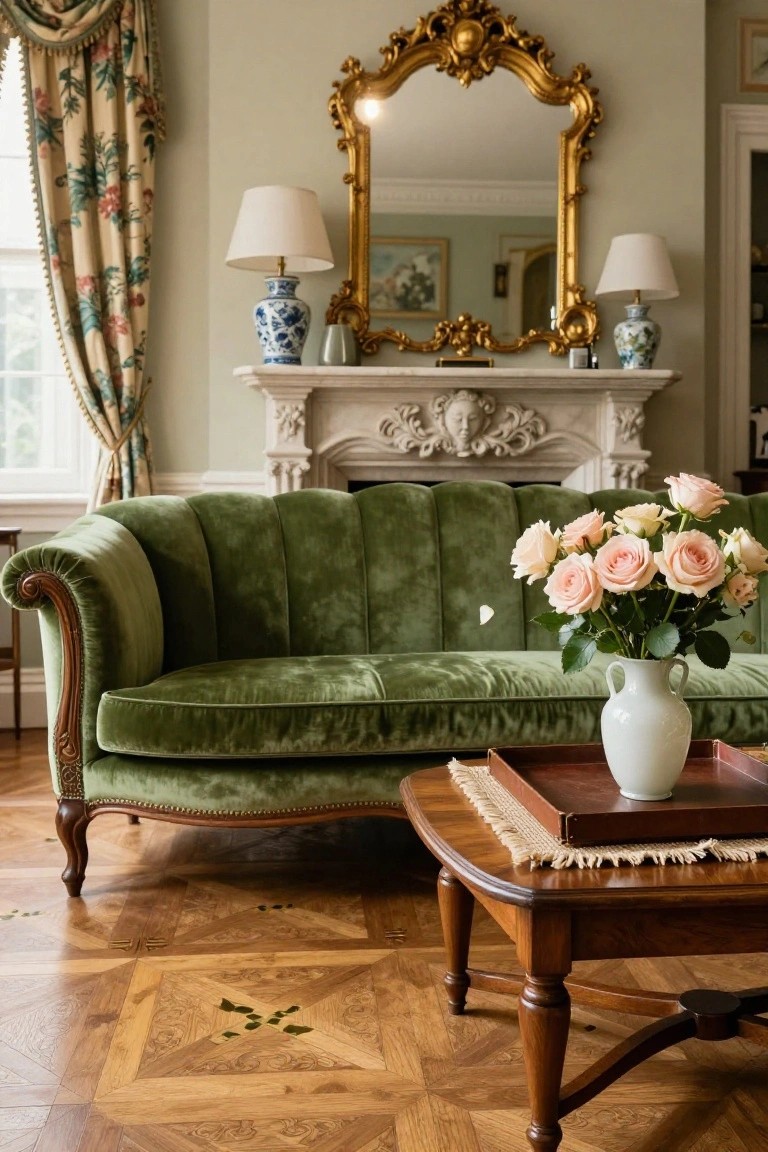
A large mirror placed over the fireplace mantel is one of those living room choices that stays useful year after year. It reflects light back into the room and gives the space a bit more depth without adding clutter.
This setup works best in rooms with a traditional mantel or similar focal point. Choose a mirror that matches the scale of the mantel, and keep the rest of the surface fairly simple so the reflection stays the main feature.
Black and White Gallery Walls
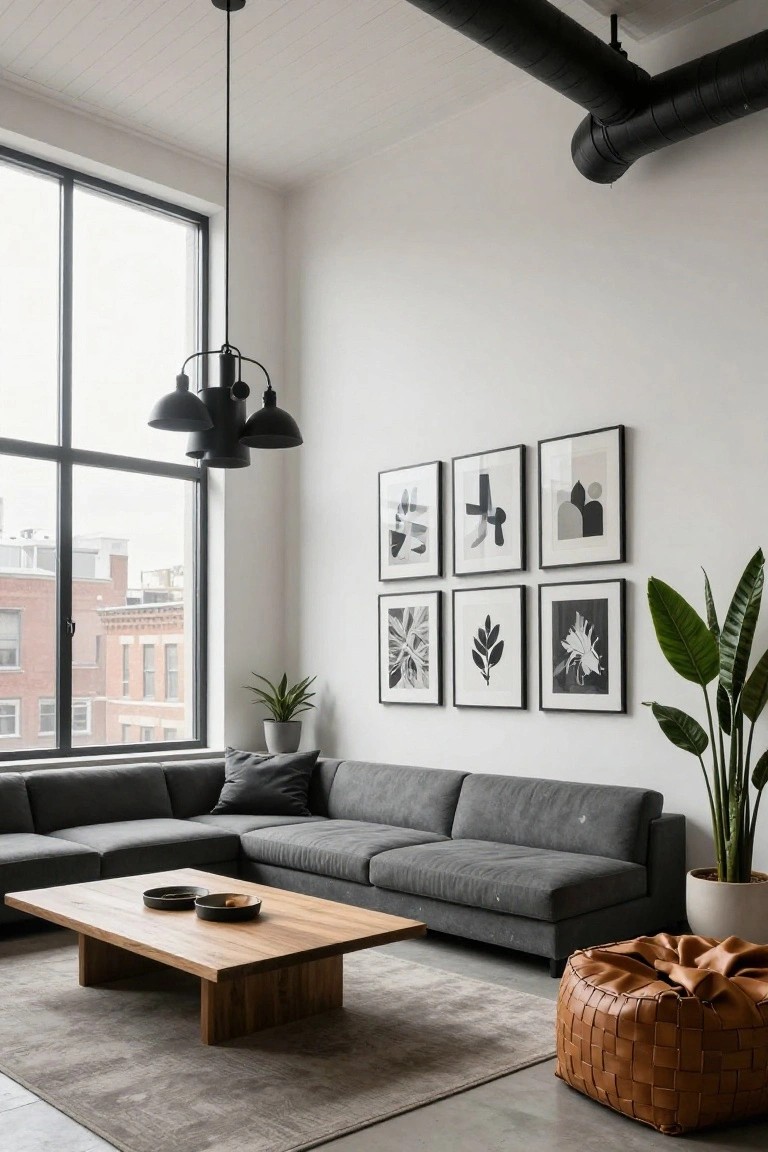
A gallery wall of black and white prints can add interest to a living room without making the space feel busy. The simple contrast against a light wall keeps the focus on the art itself rather than on color trends that come and go.
This idea works best in rooms with neutral furniture and plenty of wall space. Stick to matching frames and leave a little breathing room between each piece so the arrangement feels balanced rather than crowded.
Wood Paneling Around the Fireplace
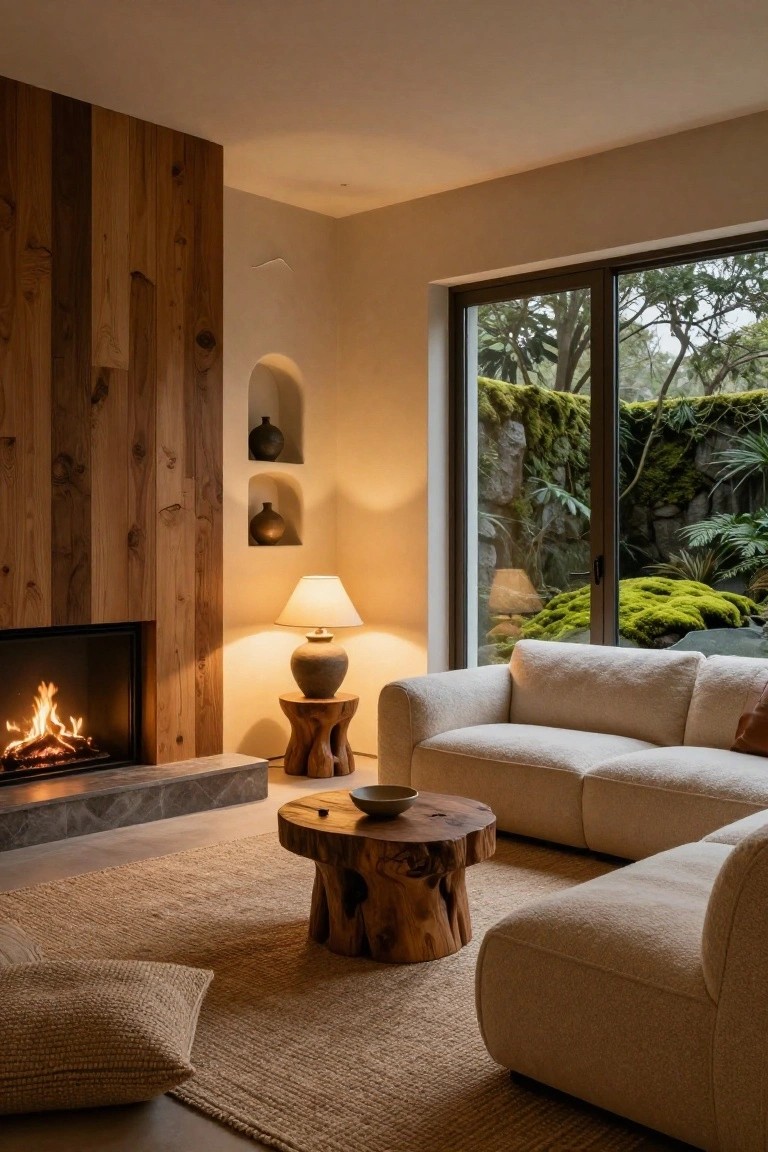
Many living rooms feel more grounded when the fireplace sits against a wood wall instead of plain drywall. The vertical planks add texture and warmth that paint alone cannot match, and the effect stays simple enough to work with neutral furniture and soft lighting.
This approach suits homes that already lean toward natural materials. Keep the rest of the room quiet so the wood does not compete, and make sure the paneling runs floor to ceiling or at least well above the mantel for the cleanest look.
Frequently Asked Questions
Q: How do I pick furniture that stays stylish for years without feeling dated? A: Focus on clean lines and quality materials like leather or solid wood. These hold up well and mix easily with whatever you add later. Skip anything too trendy in shape or color.
Q: What if my room has odd angles or small windows? A: Arrange seating to face the best view or focal point first. Then layer in mirrors or lighter curtains to bounce light around. This keeps the space open and balanced without major changes.
Q: Can I mix metals without it looking messy? A: Stick to two finishes at most and repeat them on lamps and hardware. Warm brass with matte black often feels pulled together in a quiet way. Test pieces in the room before buying.
Q: How often should I update accessories like pillows or art? A: Change them every couple of years if you want fresh energy. Keep the bigger items steady so the room still feels timeless underneath.
