

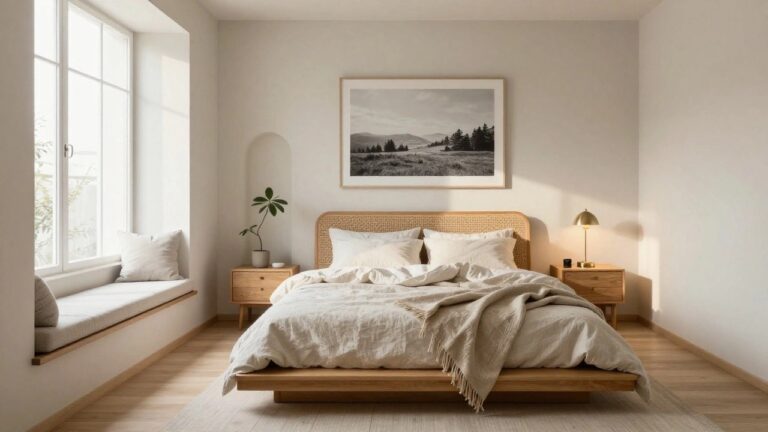
I have found that bedrooms tend to feel more restful when the furniture placement leaves enough open space to move around without thinking about it.
The light in the room often sets the tone right away, whether it comes from windows or softer fixtures placed thoughtfully.
Some ideas work better once tested at home.
A few details like the choice of bedding layers can shift how the whole room settles at the end of the day.
Testing one or two changes at a time has shown me what actually makes a difference in daily use.
Adding Texture with a Woven Headboard
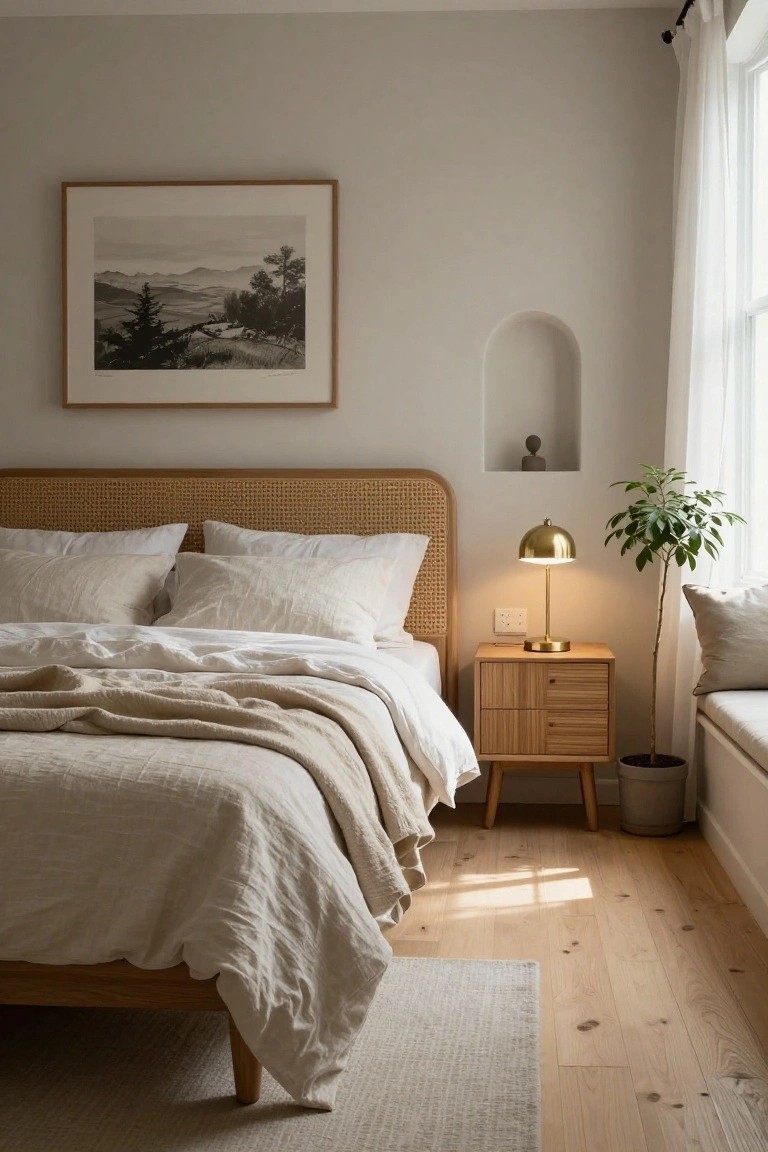
A woven headboard gives a bedroom just enough pattern and warmth while keeping the overall look simple. It works especially well when the rest of the room stays quiet in color and shape.
This choice suits most neutral bedrooms and pairs easily with linen bedding or light wood furniture. Keep other surfaces plain so the texture does not compete with too many extras.
Hang Simple Curtains to Let Light In
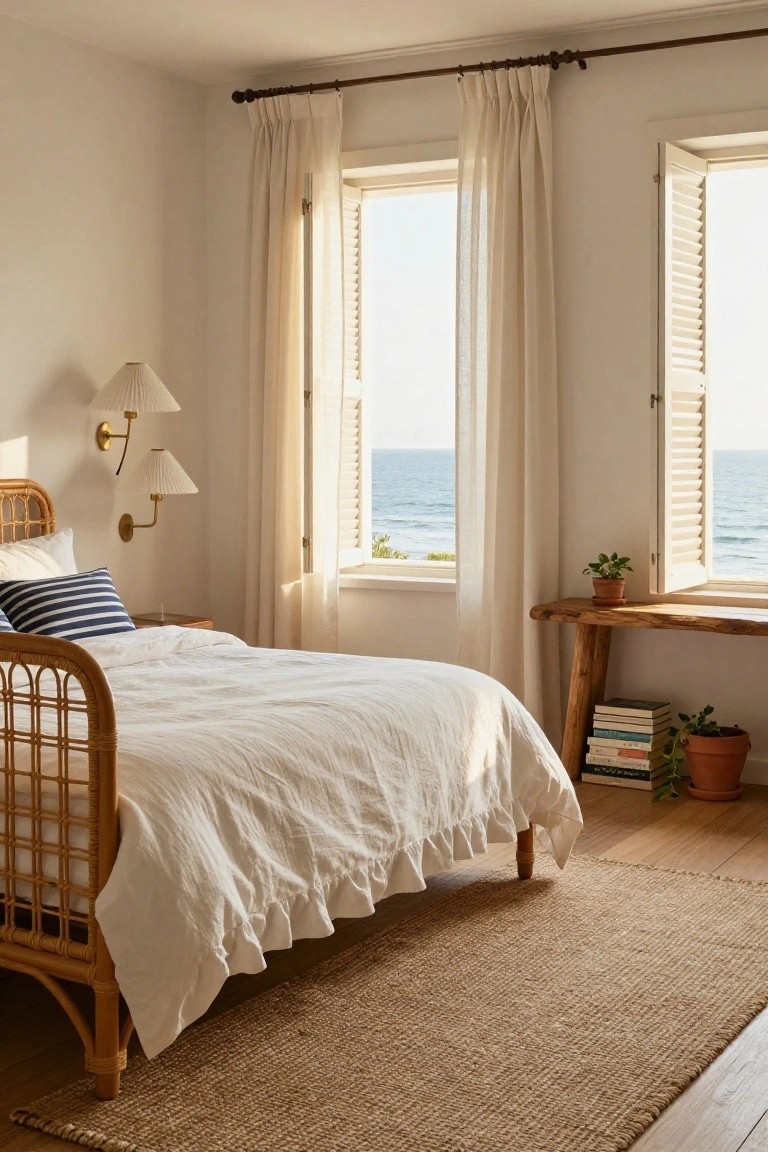
Many bedrooms feel calmer when the windows stay dressed in light fabrics that filter daylight instead of blocking it. Sheer curtains soften strong sun while still letting the view show through, which keeps the space feeling open and easy to rest in.
This approach works especially well in rooms that get good natural light and have a pleasant outlook. Use a simple rod and floor-length panels in linen or cotton so the fabric moves gently with the breeze. Pair it with pale walls and minimal window trim to avoid crowding the view.
Adding a Fireplace to Your Bedroom
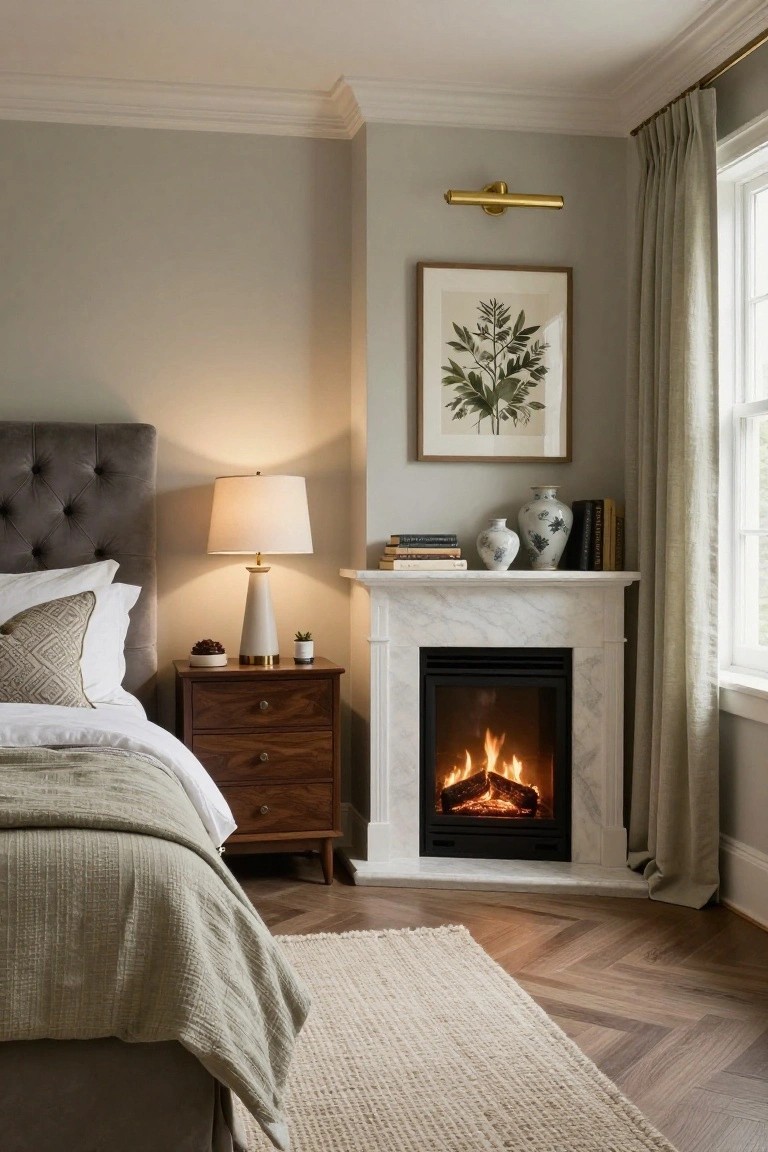
A fireplace can turn a bedroom into a quieter space that feels warmer on its own. It gives the room a steady focal point that does not rely on bright colors or lots of extra pieces.
This idea works best in bedrooms that have enough wall space to keep the mantel clear. A simple surround in marble or painted wood usually fits the room better than heavy trim, and the fire itself becomes the main feature once the rest of the space stays calm.
Built-In Benches Along Bedroom Walls
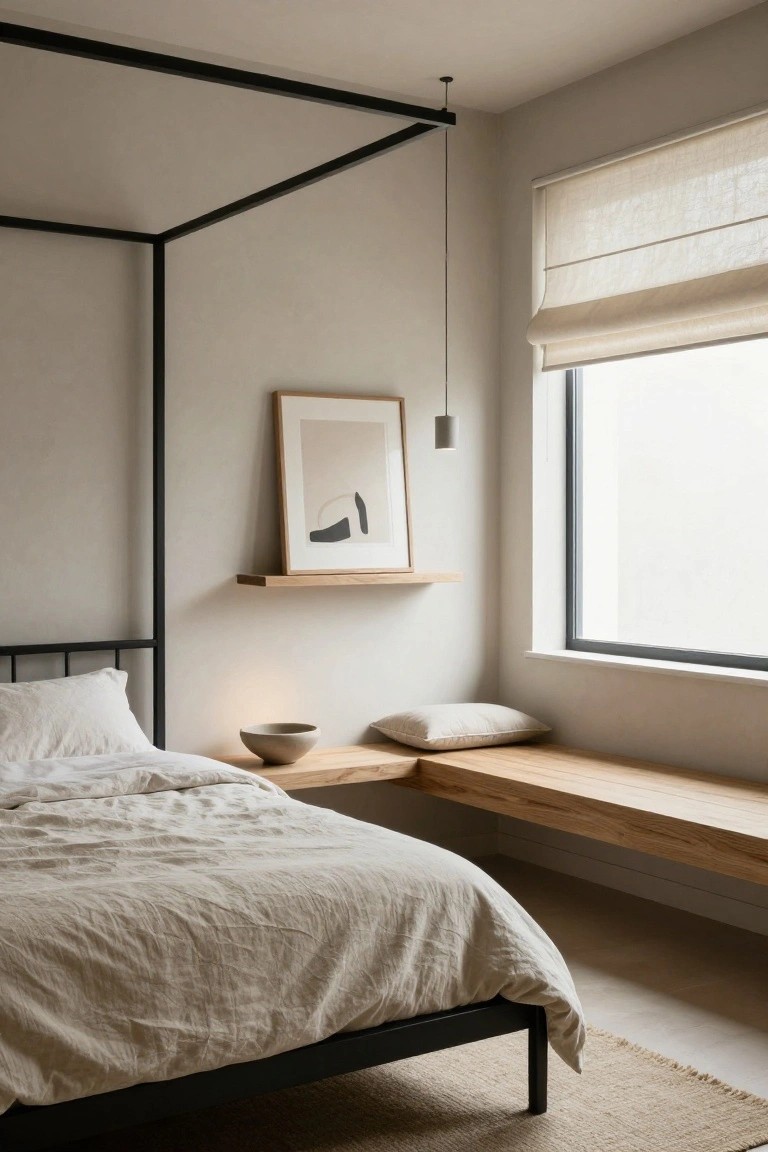
A built-in bench gives the bedroom a quiet place to sit without crowding the floor with extra chairs. It also creates a ledge for a bowl or a book, which keeps the nightstand area simple and open.
This setup works best in rooms with decent wall space and a window nearby. Match the bench material to other wood tones in the room and keep cushions light so the whole corner stays calm.
Simple Wooden Bed Frames
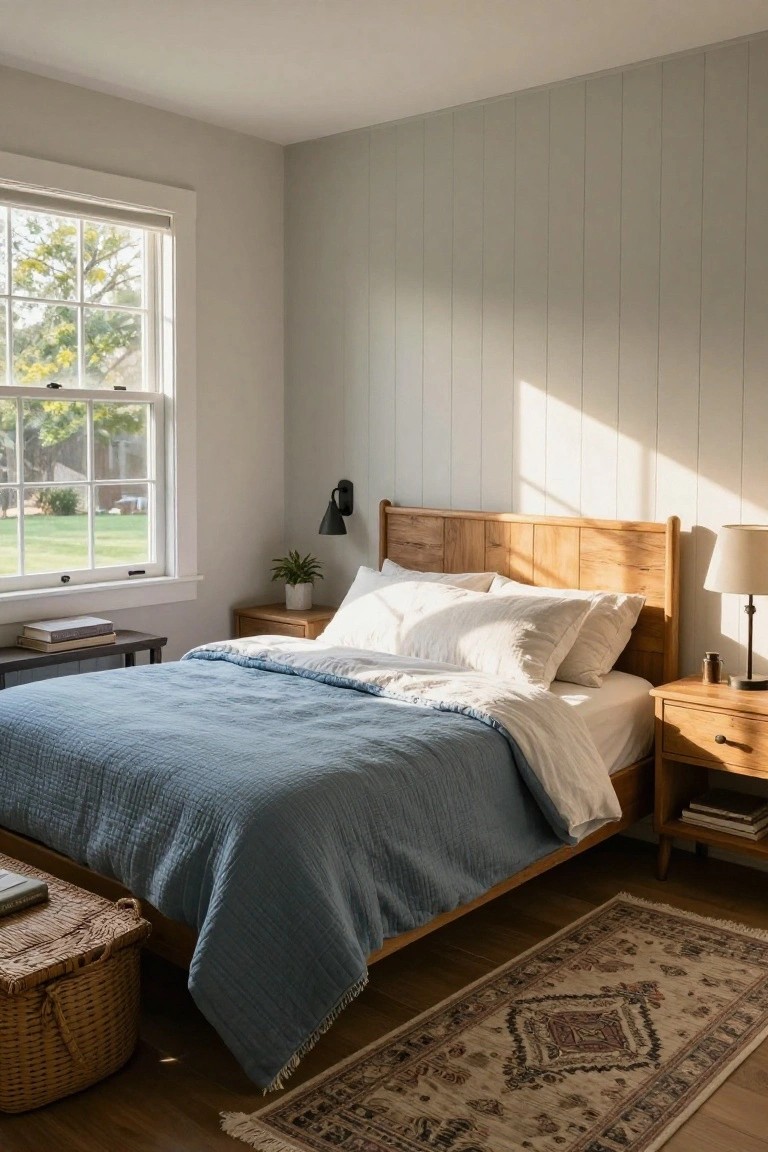
A wooden bed frame gives a bedroom a solid starting point that feels calm and lasting. The natural grain adds just enough warmth, and the style stays simple enough to work with many different looks over time.
This choice suits smaller or medium rooms where you want the bed to feel grounded but not heavy. Keep the rest of the room light with neutral walls and soft textiles so the wood can stand out without crowding the space.
Built-Ins With A Marble Ledge
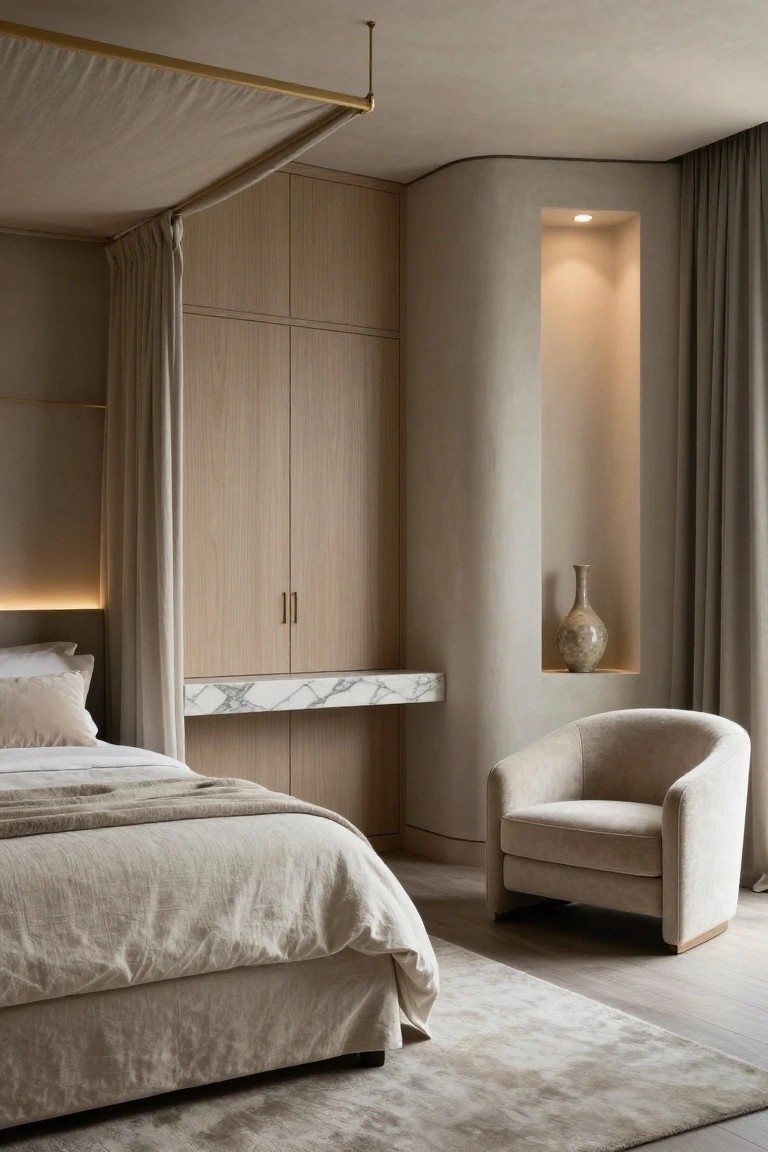
Built-in storage works well when you want a bedroom to feel calm and uncluttered. Tall cabinets in a light wood tone sit flush against the wall and include a marble ledge that gives you a place to set things without adding another piece of furniture.
This setup suits rooms where space is limited or where you prefer fewer freestanding items. The ledge can serve as a small desk or vanity area while the cabinets hide clothing and linens, keeping surfaces clear.
Opening the Bedroom to a Natural View
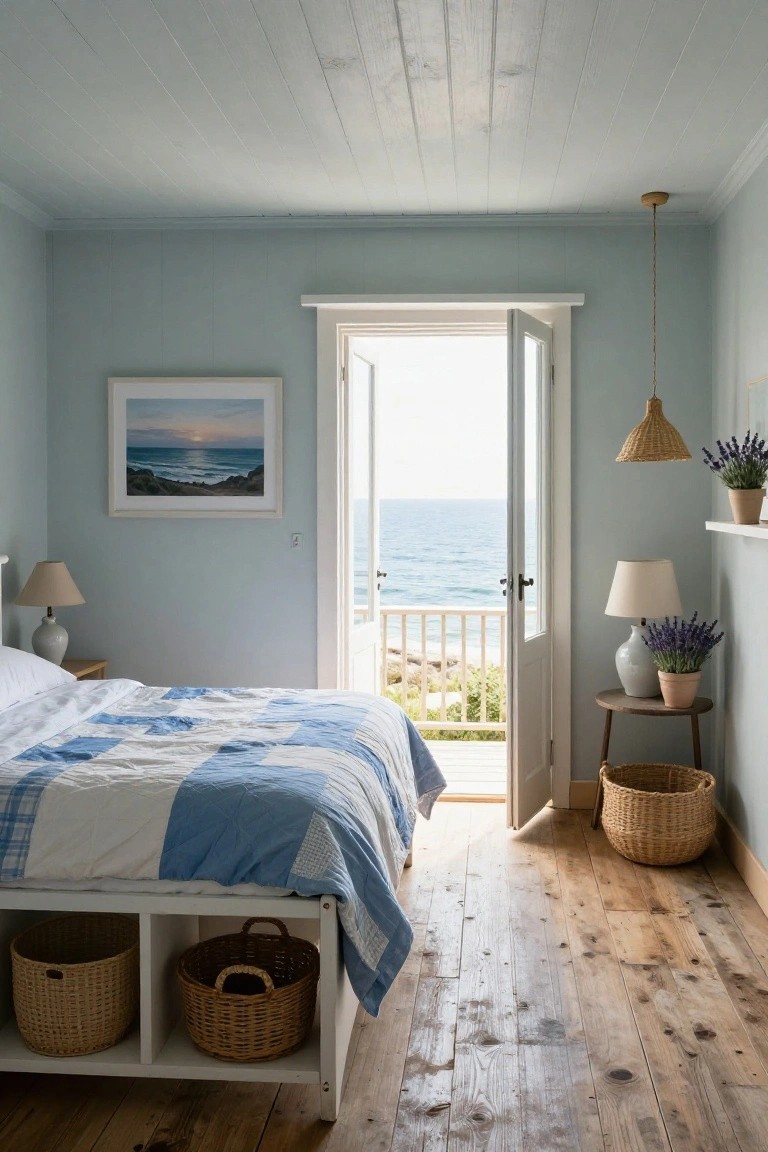
Many bedrooms feel more restful when they connect directly to the outdoors. Open doors let in fresh air and light, which helps the space feel bigger and calmer without adding much else.
This approach works best in homes near water or open land. Keep the surrounding area simple so the view stays the focus and the doors can be left open often.
Dark Walls for a Calm Bedroom
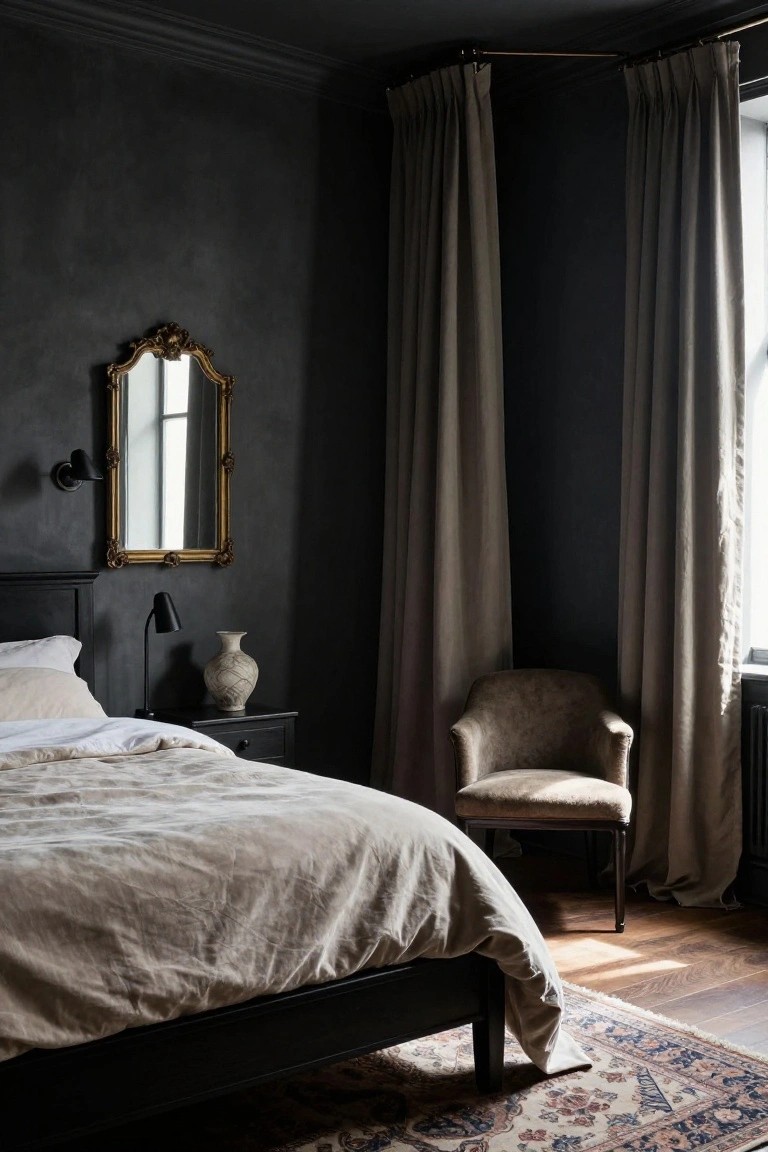
Dark walls can make a bedroom feel more enclosed and restful. The deep color absorbs light and creates a quiet backdrop that pairs well with soft bedding and simple furnishings. Many people find it easier to wind down when the room does not feel bright or open.
This approach works best in spaces that already have good window coverings. Use light curtains and bedding to keep the room from feeling too heavy. It suits older homes or anyone looking for a bedroom that stays dark in the evenings.
A Canopy Bed For Extra Calm
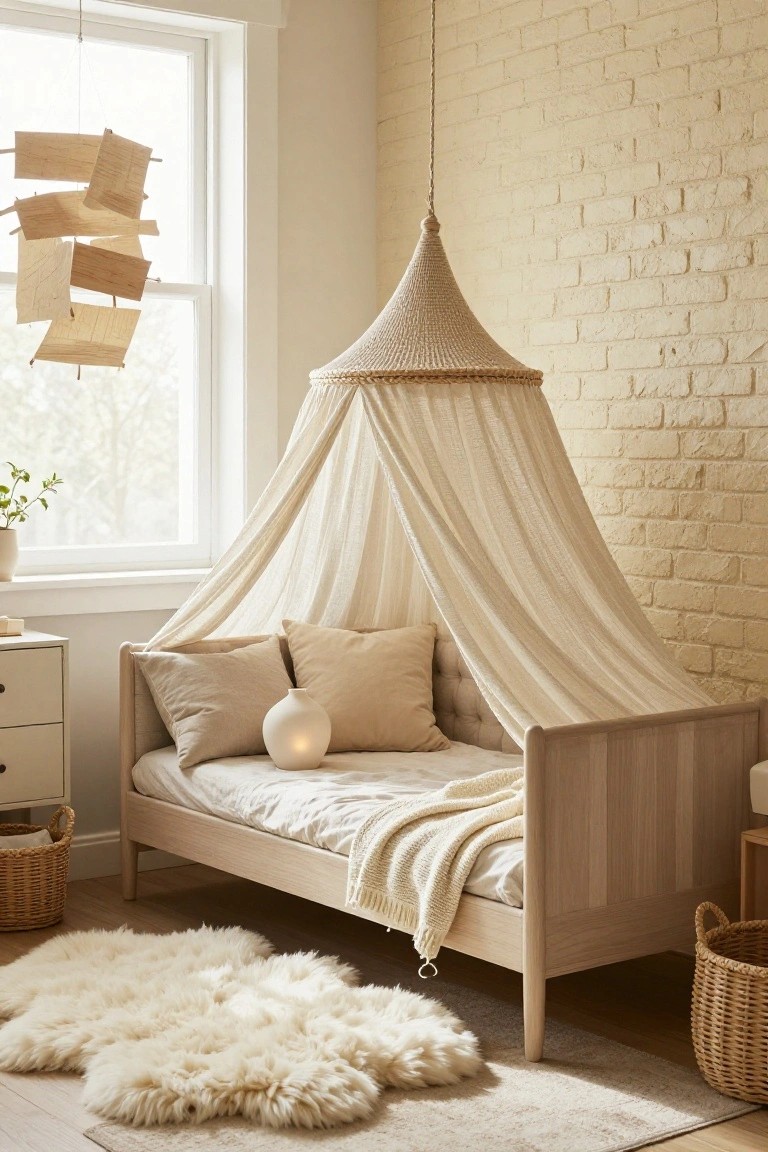
A canopy over the bed brings a quiet sense of enclosure that many people find restful. The fabric softens the space and helps the bed feel like its own little area, even in a larger room.
This idea works well in bedrooms with decent ceiling height and simple furnishings. Light fabric keeps the look easy and avoids any heavy feeling. It suits homes that already use natural textures and calm colors.
Wood Nightstands For Practical Storage
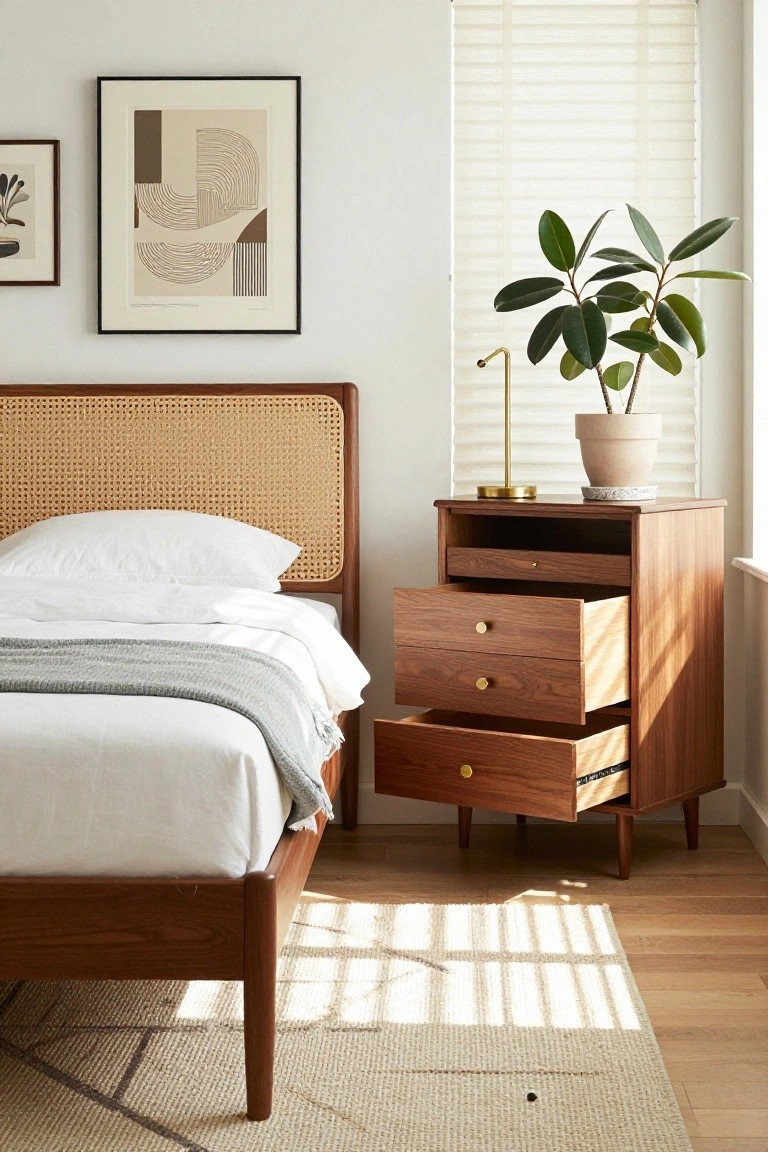
A nightstand with several drawers can make a bedroom feel calmer because everything stays out of sight. The warm wood tone also adds a bit of softness that pairs well with simple bedding and light walls.
This kind of piece works best in rooms where you want storage without extra furniture. It suits both small and larger bedrooms and holds up well over time if you pick solid construction and simple hardware.
Built-In Window Seating
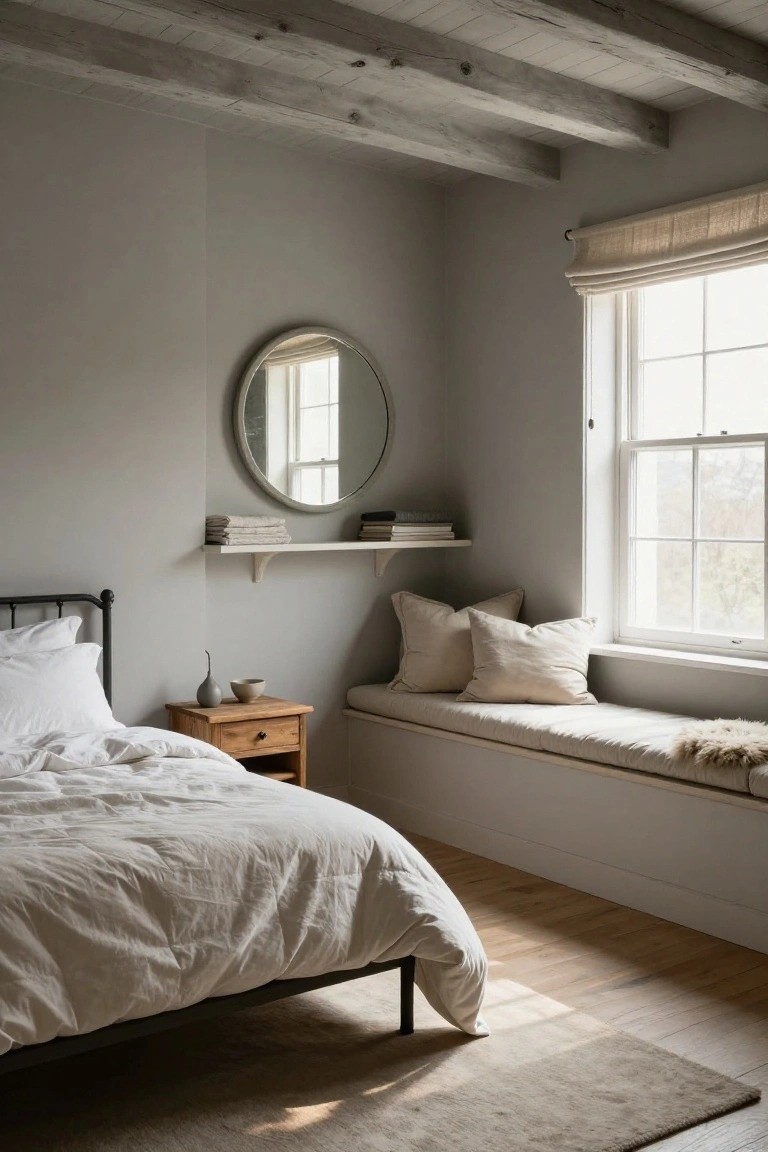
A built-in window seat turns an otherwise unused wall into a quiet place to sit without adding extra furniture. It keeps the room feeling open while giving you a spot that feels like part of the house rather than something added later.
This works best in bedrooms that already have decent natural light and simple wall space. It suits homes that lean toward calm, unfussy rooms where you want function without crowding the floor plan. Just keep the cushions and throws in the same soft tones as the rest of the room so the seat blends in instead of standing out.
Natural Wood Bed Frames
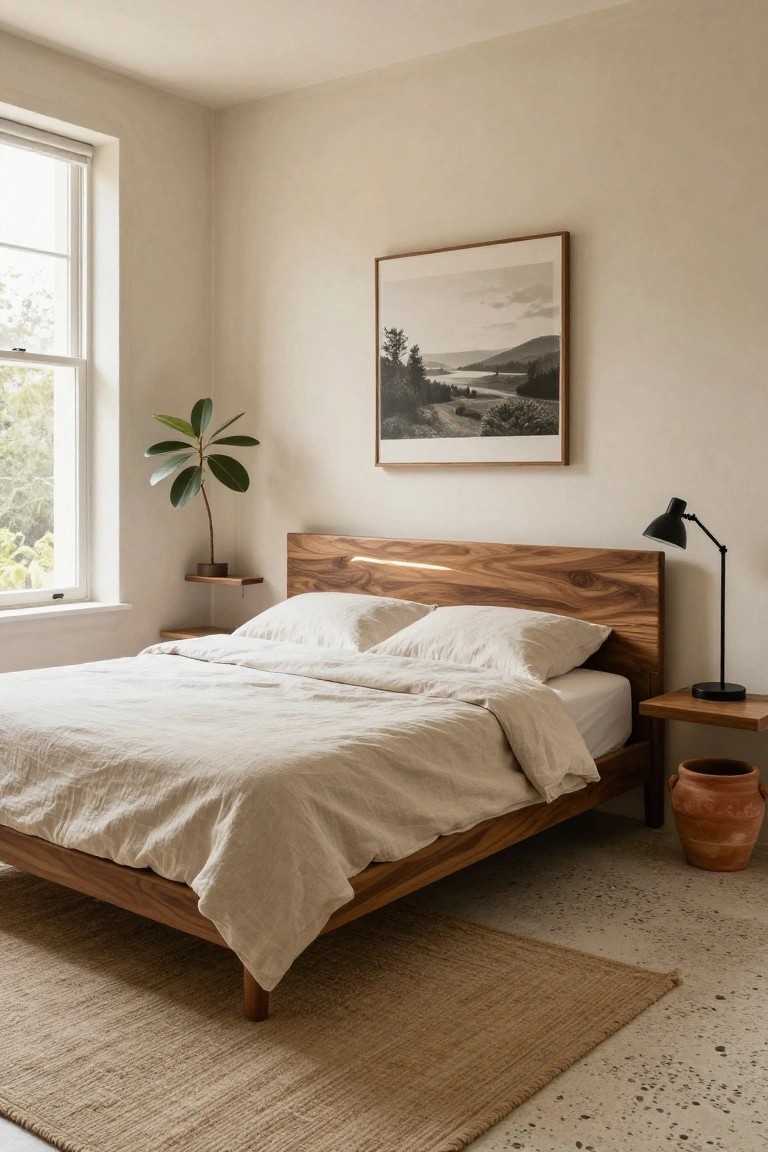
Natural wood bed frames give a bedroom a steady, grounded feel that holds up over time. The grain and tone add just enough warmth without pulling attention away from the rest of the space.
Place one in a room with light walls and simple bedding so the wood can stand out on its own. It works in both older homes and newer builds, and it rarely looks dated.
Keep the Colors Soft and Neutral
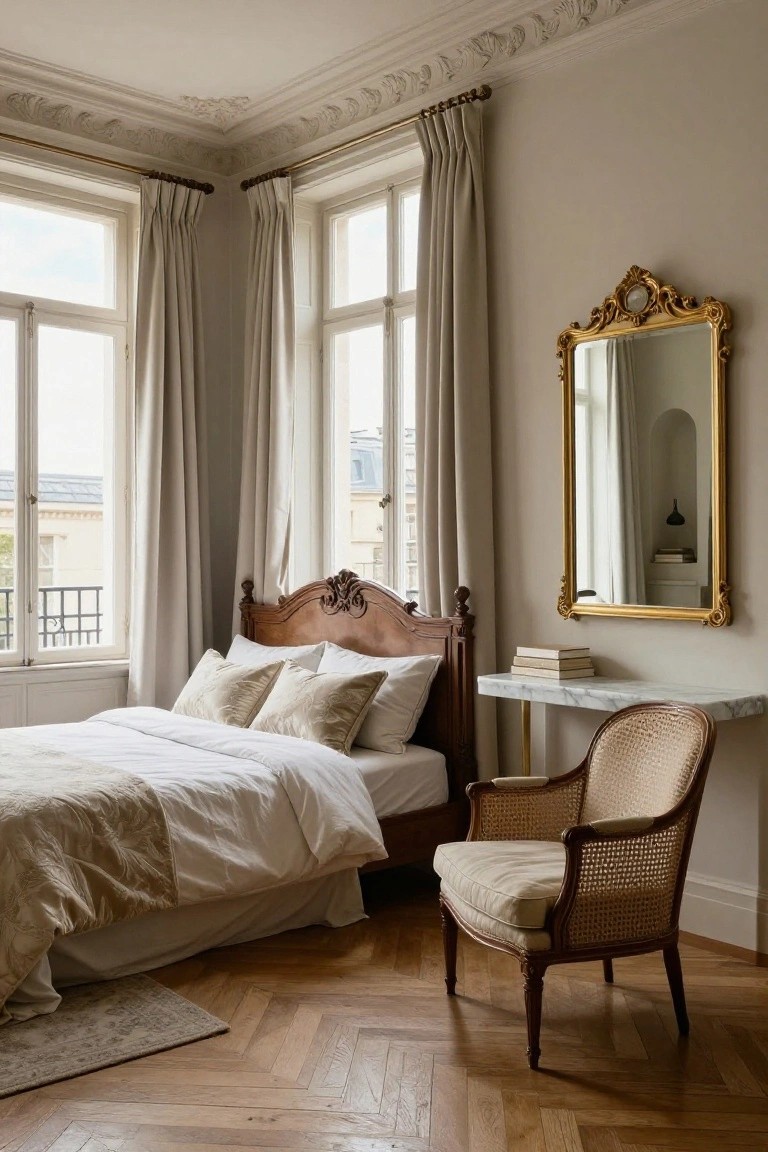
Many bedrooms feel calmer when the whole space stays within a narrow range of pale tones. Light walls, off-white bedding, and matching curtains let the eye rest instead of jumping between strong colors or patterns.
This works especially well in older rooms with tall windows or detailed trim. Stick to linen and cotton layers so the space still feels warm instead of stark, and add one darker wood piece if you need a little contrast.
Low Platform Beds
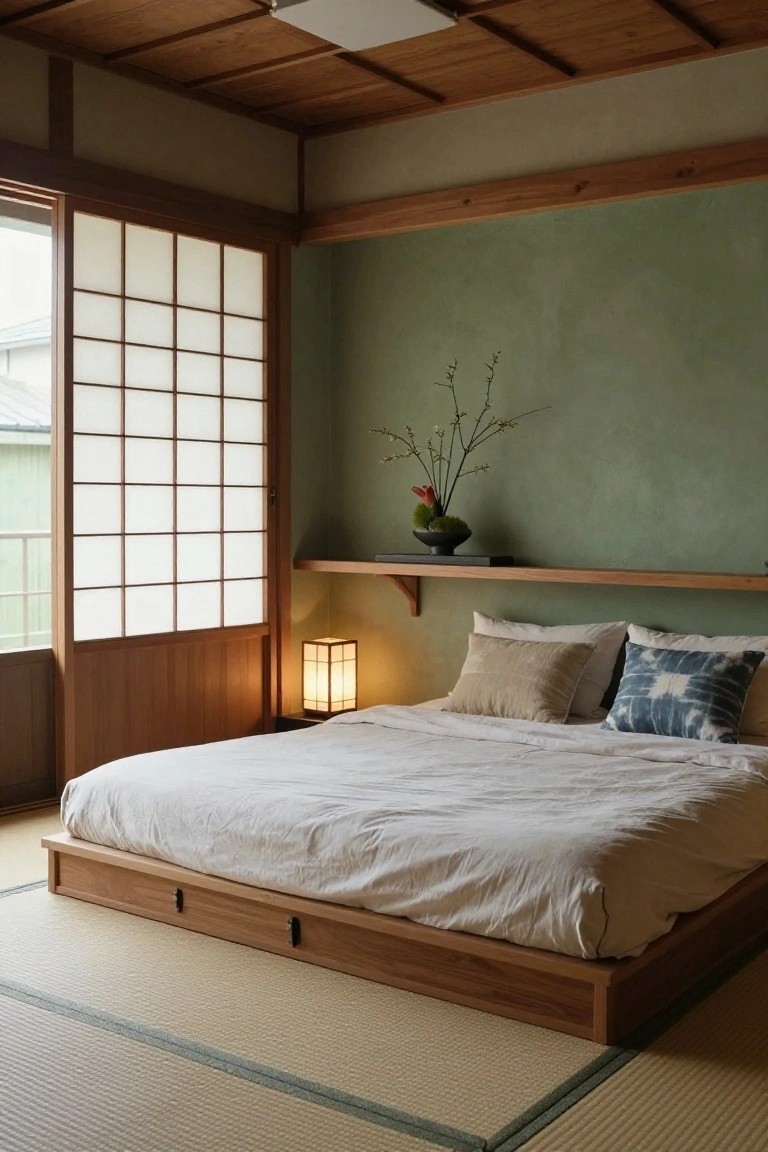
A low platform bed keeps the whole room feeling open and calm. It sits right on the floor or just above it, so the space does not feel crowded with tall furniture.
This setup works best in smaller bedrooms or homes that lean toward simple, natural materials. Use light bedding and a plain wall behind the bed so the low profile stays the main feature.
A Bench Under the Window
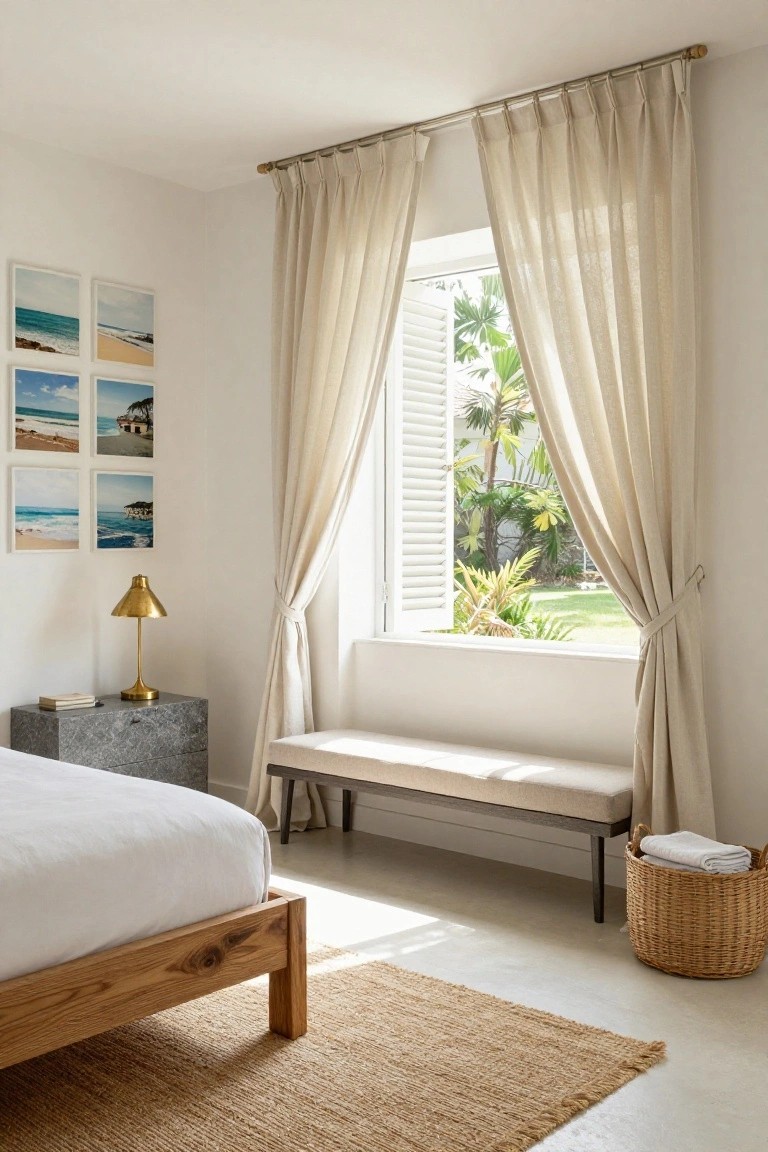
A bench under the window gives the bedroom a calm spot to sit without adding much furniture. It turns an empty stretch of wall into something useful while keeping the space open and easy to move around.
This works best in rooms with decent natural light and a fairly wide window. Keep the bench low and simple so it does not block the view or compete with the bed. A cushion in a soft neutral fabric helps it blend in and feel comfortable for reading or just resting.
Built-In Bookshelves Around a Fireplace
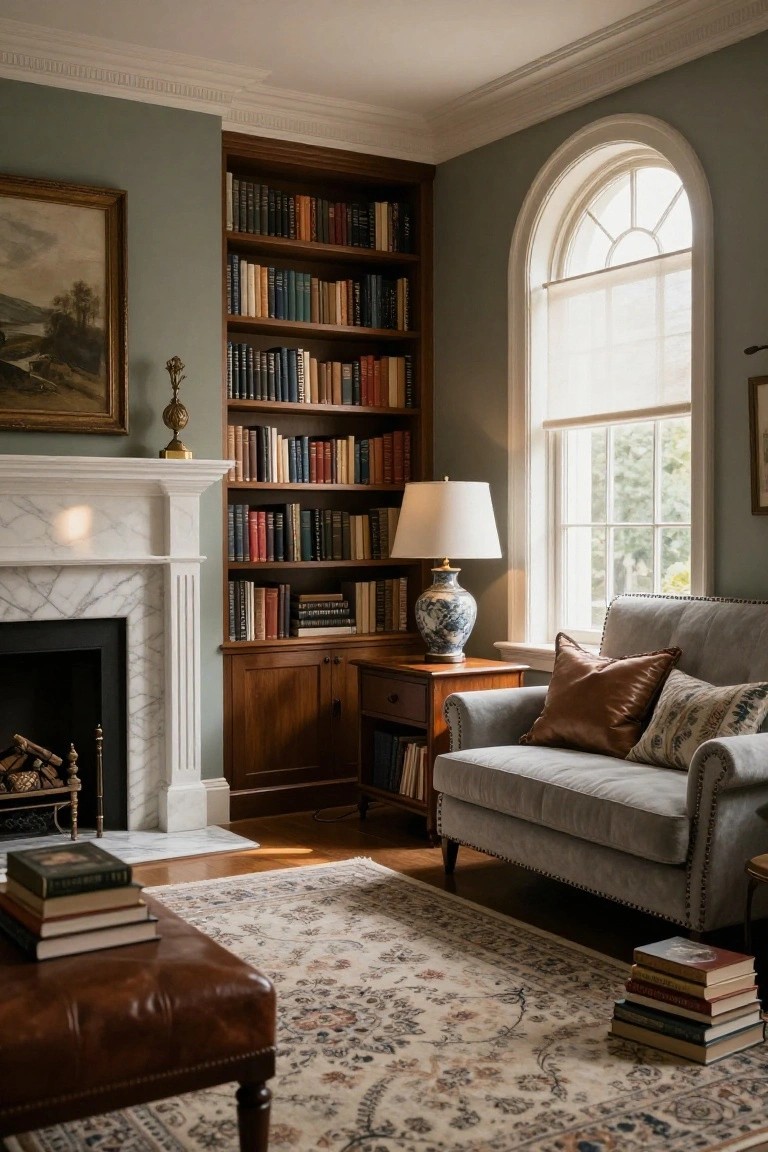
Built-in bookshelves give a room a settled, collected feeling without adding extra furniture. They make use of wall space that might otherwise feel empty and help keep books and objects in one tidy spot.
This works especially well in older homes or any space with a fireplace as the main focal point. Keep the shelves at a comfortable height for daily use and choose wood tones that match other trim in the room so everything feels connected.
Soft Blue Walls for a Timeless Bedroom
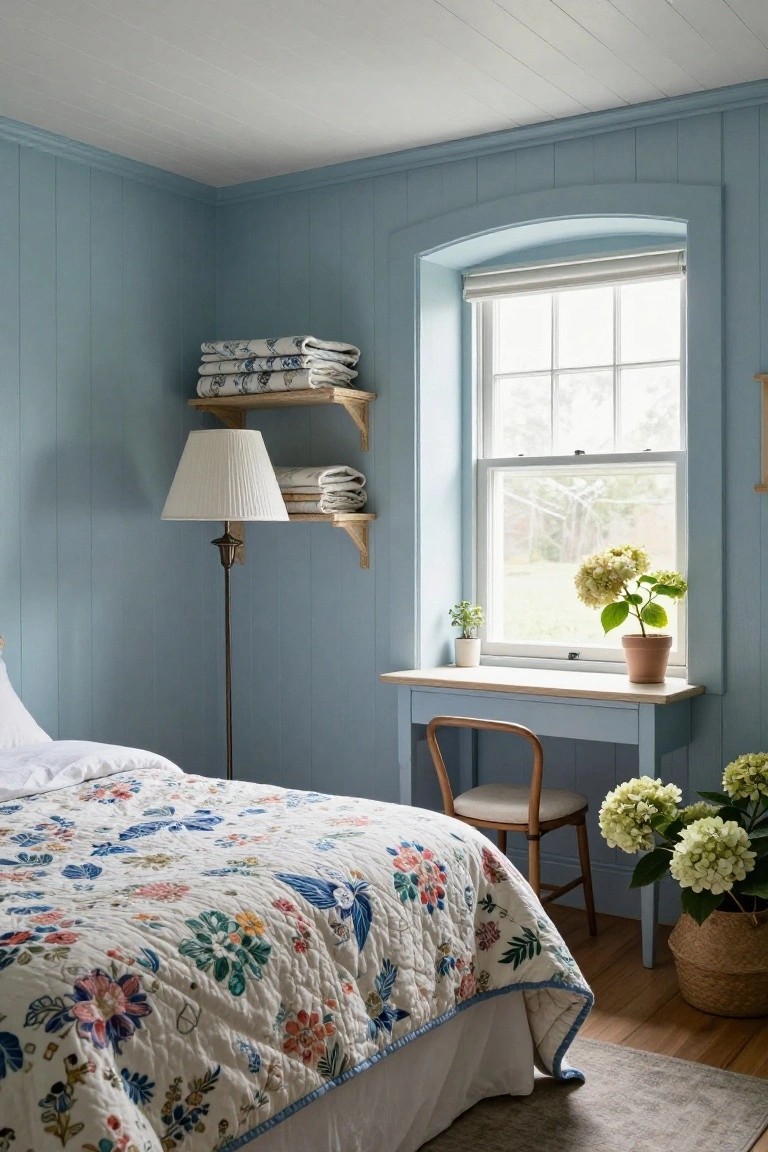
A soft blue on the walls gives a bedroom that calm, settled feeling that holds up over time. It pairs easily with white trim and wood pieces, so the room stays light instead of heavy.
This works best in spaces that already have simple paneling or clean lines. Keep the ceiling white and let the blue stay on the walls only, so the color feels gentle rather than dark.
Built-In Benches For Added Function
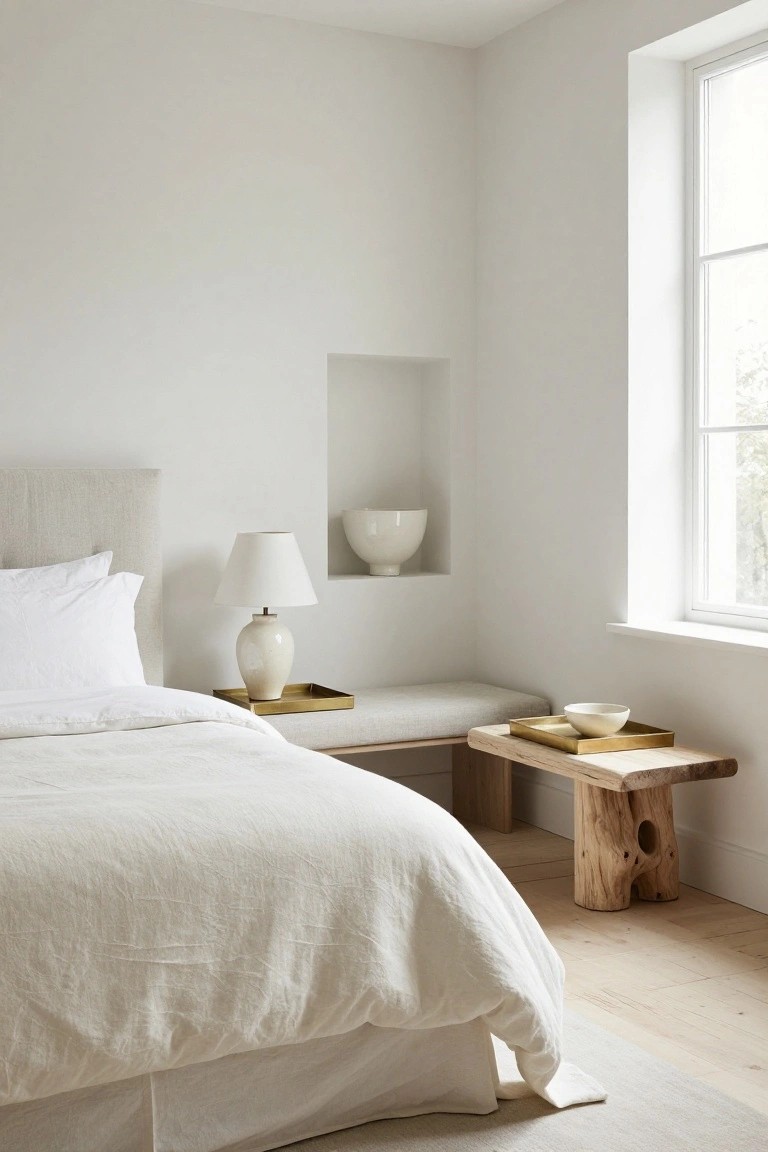
A built-in bench along one wall gives you a spot to sit or lay out clothes without crowding the room with extra furniture. It keeps the space feeling open and helps the room stay neat even when you need a place to rest things for a moment.
This works well in bedrooms that already have a calm layout. Tuck it under a recessed niche so you can add a lamp or a small bowl without taking up floor space.
Mixing Natural Materials in the Bedroom
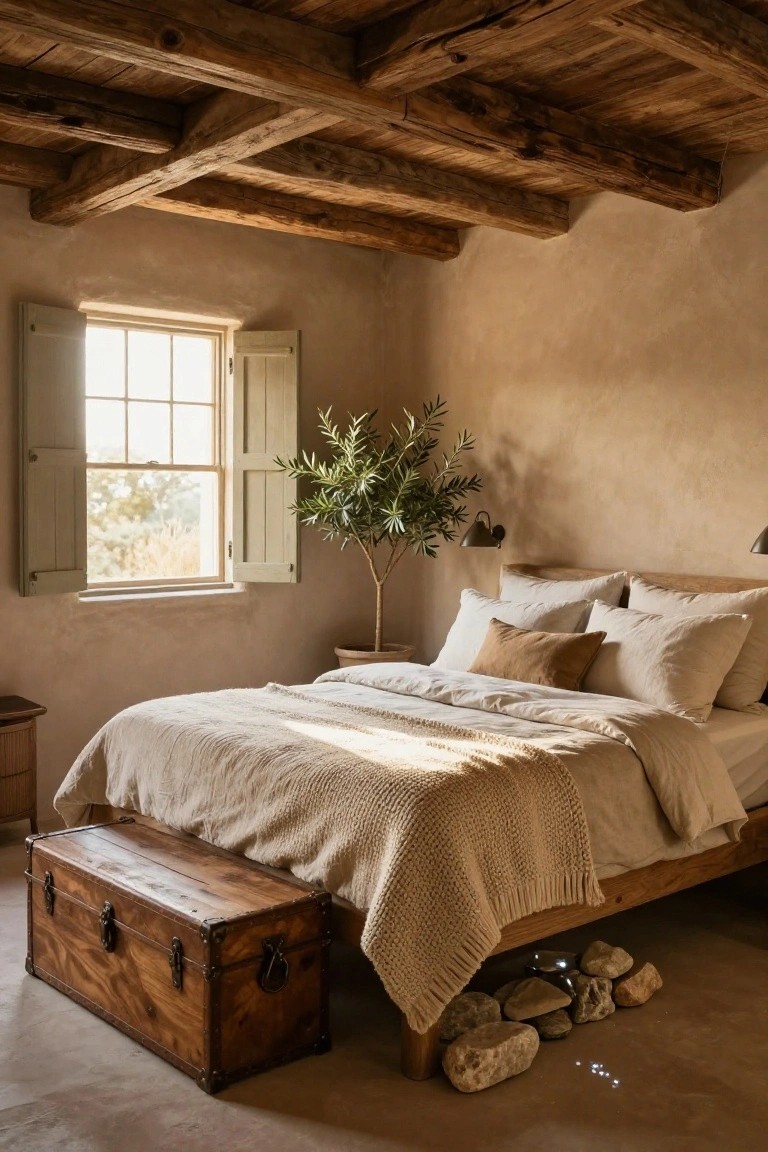
Many bedrooms feel more restful when they rely on wood, linen, and other natural textures instead of lots of color or pattern. These materials tend to age well and keep the space from feeling dated after a few years.
This works especially well in homes with simple architecture or older details. Start with a wood bed frame and layer on linen bedding, then add one or two heavier wood pieces like a chest at the foot of the bed. Skip anything too polished or shiny if you want the calm to hold.
Natural Wood Furniture For A Calm Bedroom
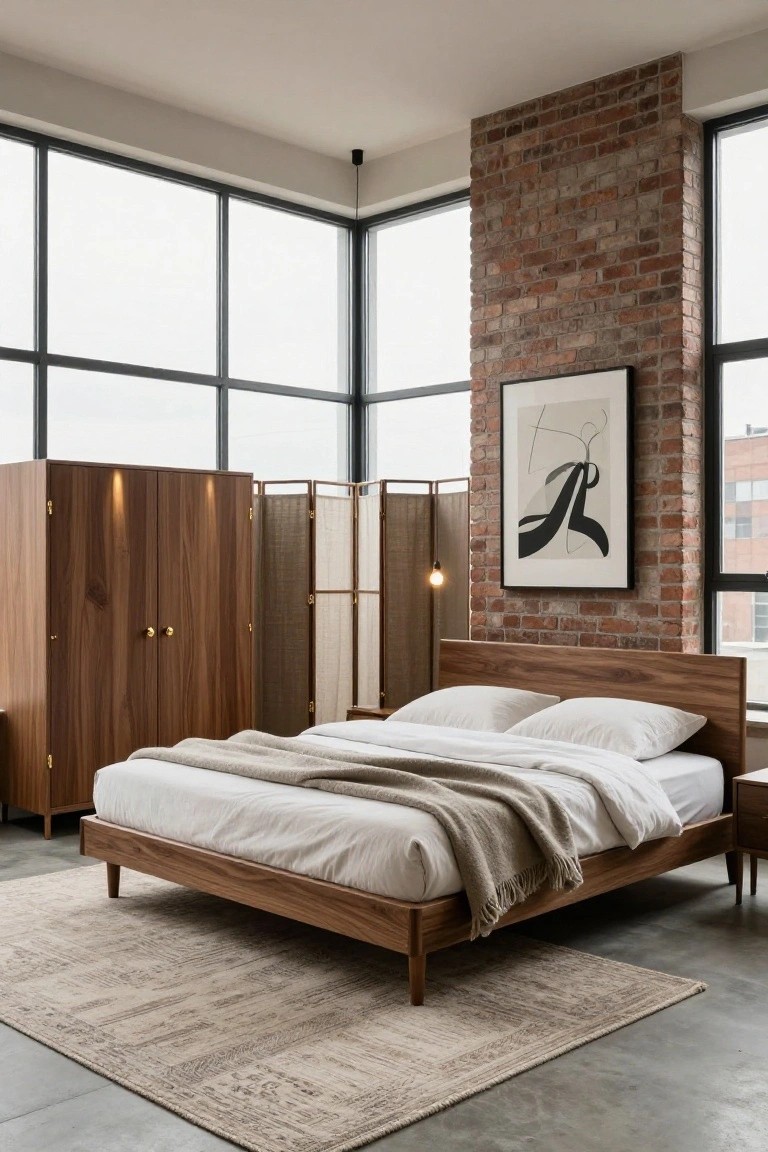
Wood furniture gives a bedroom a steady, lived-in feel that holds up over time. A simple bed frame and matching pieces keep the space from feeling cluttered while still adding warmth through the grain and tone.
This approach works best in rooms with big windows or textured walls since the wood helps balance the light and any hard surfaces. Stick with one or two wood tones and avoid too many extra colors if you want the room to stay restful.
Canopy Beds With Light Curtains
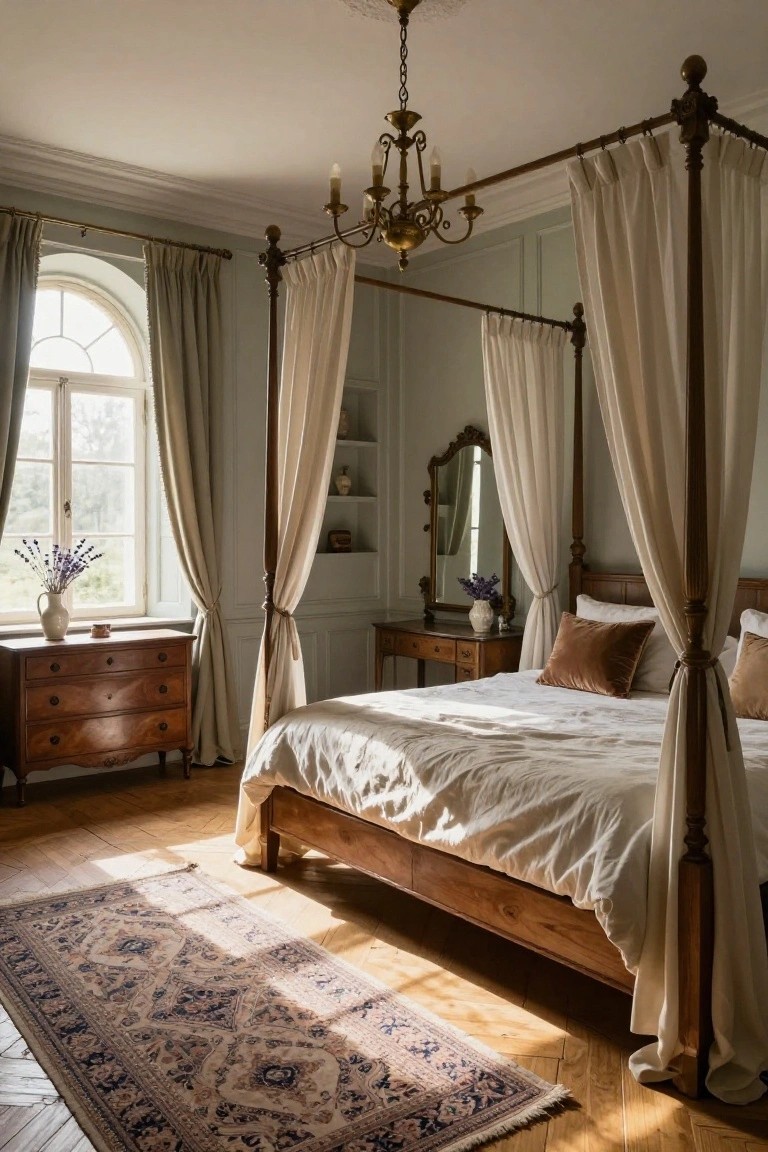
A canopy bed with simple draped curtains gives the sleeping area its own gentle boundary. The fabric softens the tall wooden frame and helps the whole room feel quieter without adding extra furniture or heavy layers.
This setup works best in rooms with decent ceiling height and good natural light. Use washable linen or cotton so the curtains stay practical, and tie them back during the day if you want the space to feel more open.
A Curved Sofa for Bedroom Seating
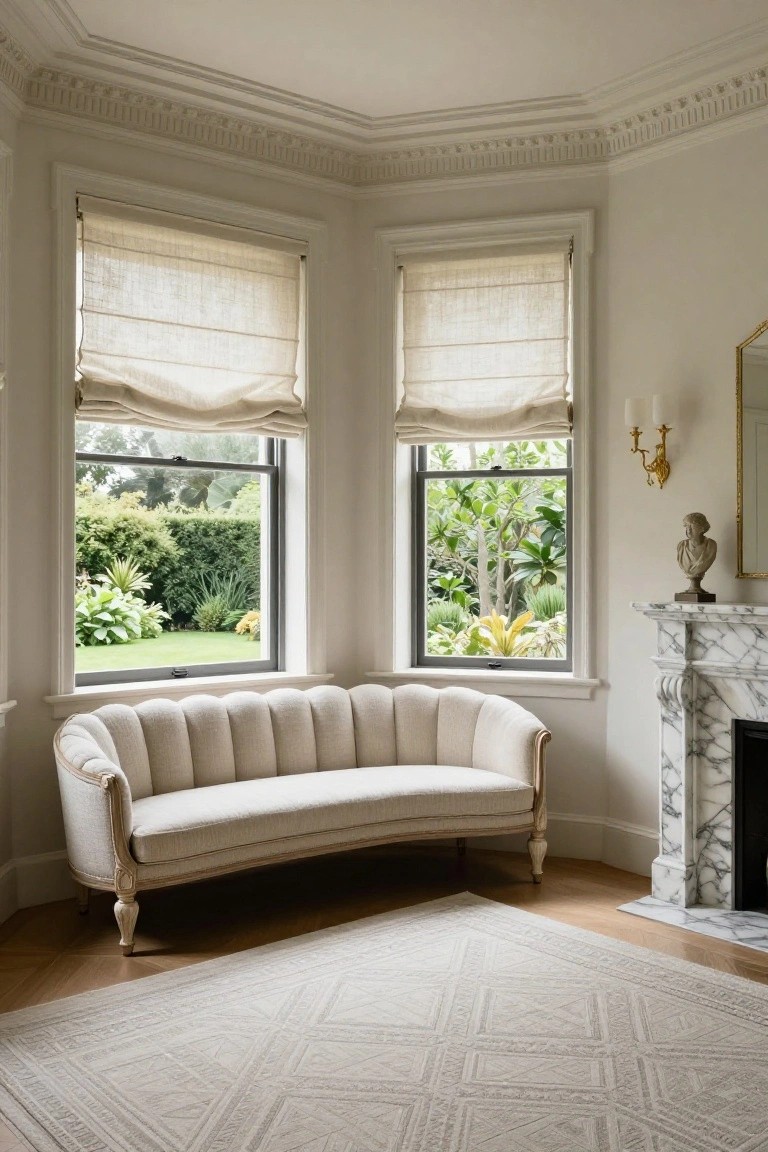
A curved sofa gives a bedroom a softer shape that feels easier to settle into than straight lines. It works especially well when set in front of windows because the rounded back echoes the light coming in and keeps the space from feeling too formal.
This layout suits rooms with at least two windows close together or a small alcove. Use a light neutral fabric and simple shades so the sofa becomes the main resting spot without adding clutter.
Hang a Canopy Over the Bed
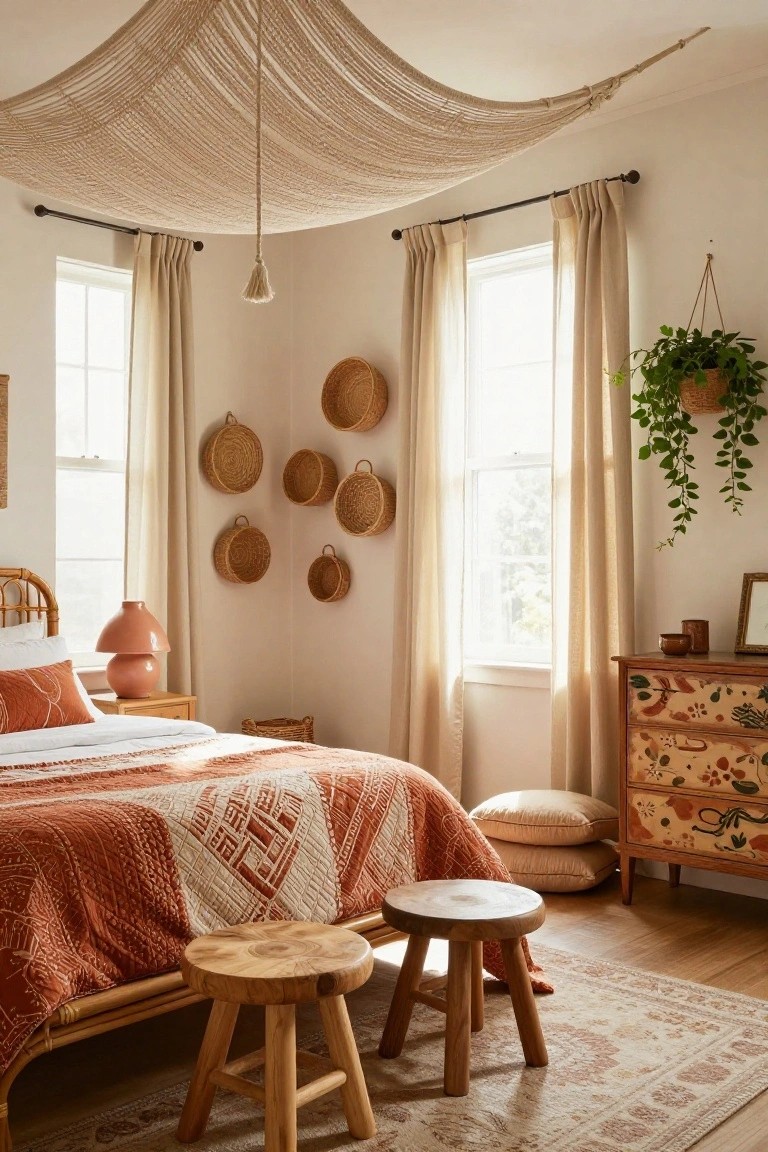
A canopy above the bed adds a soft layer that helps the room feel more enclosed and restful. The fabric breaks up the open ceiling space without making the room feel smaller, and it works especially well when the rest of the room stays simple.
Try this in bedrooms with decent ceiling height so the canopy can hang loose without crowding the bed. Stick to light natural fibers that match the bedding and window curtains. It pairs nicely with plain walls and a few textured accents like woven pieces nearby.
Built-In Headboards With Attached Nightstands
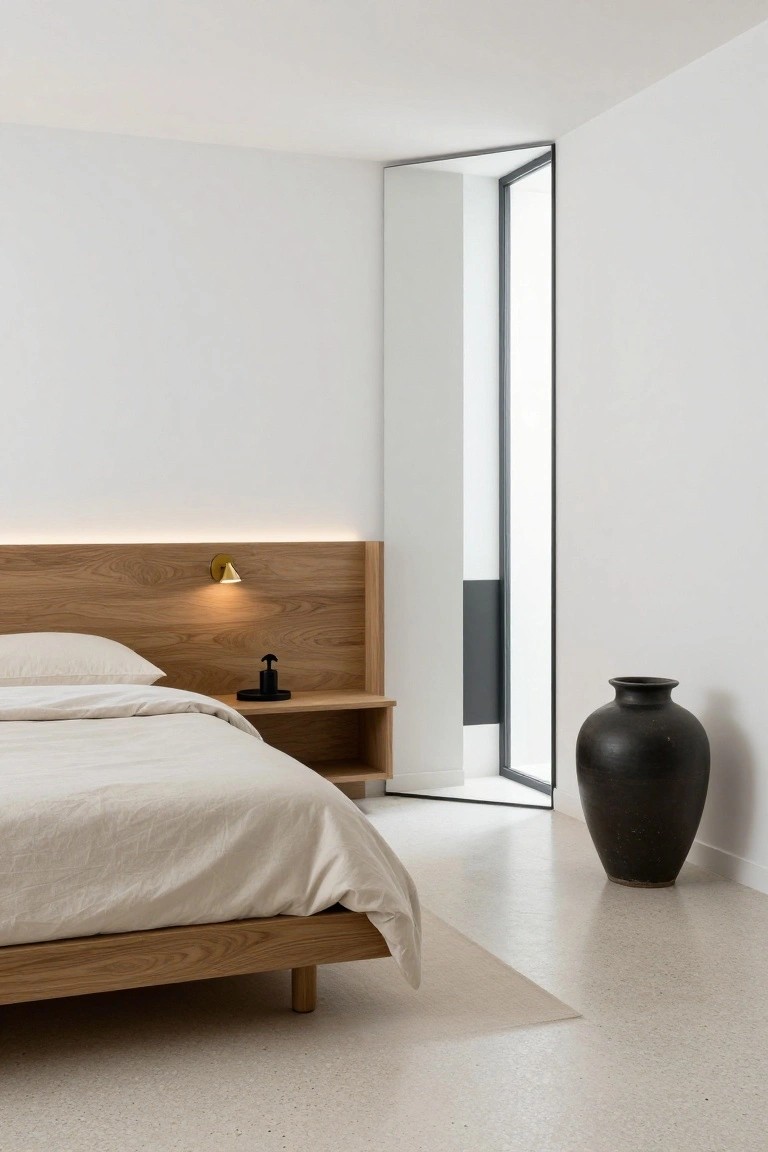
A headboard that connects directly to a nightstand keeps the bedside area simple and uncluttered. Fewer separate pieces mean less visual noise, which helps the room feel more restful overall.
This approach suits smaller bedrooms or any space where you want fewer furniture legs and surfaces to work around. Match the wood tone to the bed frame so the whole unit reads as one clean element.
Soft Green Walls for a Calm Bedroom
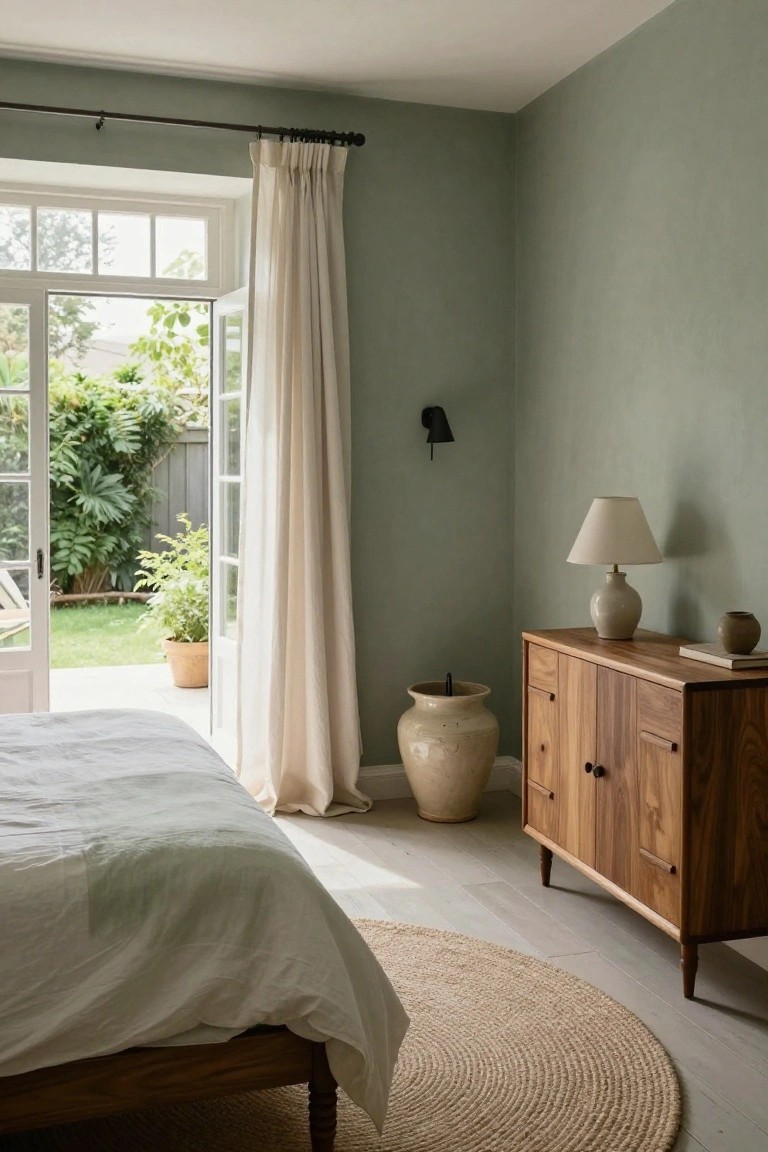
A soft green on the walls gives a bedroom a quiet, settled feeling without much effort. It works well with wood tones and simple fabrics, and it keeps the space from feeling too stark or cold.
This color suits rooms that get steady daylight. Pair it with light bedding and a few natural textures so the green stays gentle rather than heavy.
Frequently Asked Questions
Q: How do I choose bedding that feels luxurious but still holds up over time?
A: Go for natural fabrics like cotton or linen in solid tones. Wash them on gentle cycles and rotate two sets so they last longer without fading. This keeps the bed inviting night after night.
Q: What if my windows let in too much light during the day?
A: Hang simple linen curtains that filter the glare without blocking the view completely. Pair them with a blackout shade behind for evenings. The room stays bright yet calm when you need it.
Q: Can I add storage without making the space feel crowded?
A: Pick a bench or trunk at the foot of the bed that doubles as seating. Tuck away extra blankets inside and keep the top clear. Everything stays tucked away yet easy to reach.
