

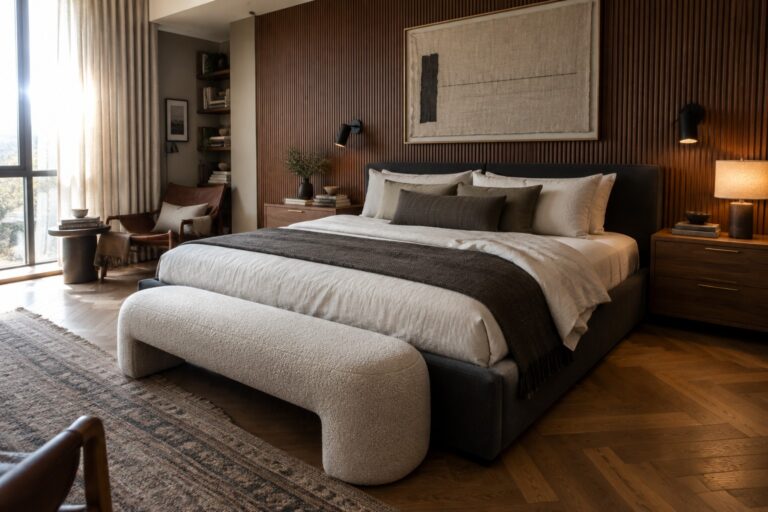
I have noticed that bedrooms start to feel complete once the wood tones and fabric textures actually balance each other out in daily use.
The first thing that stands out when you walk into a well put together room is usually the quiet contrast between smooth surfaces and softer ones.
Some ideas only prove their worth after you live with them for a few weeks.
Trying a new fabric weight on the bedding can shift how the whole room reads without touching the walls or floors at all.
Over time I have learned to test these combinations in person rather than relying on how they appear in styled photos.
Wood Paneling Adds Warmth Behind the Bed

A vertical wood accent wall behind the bed gives a modern bedroom a solid, grounded feel that pairs naturally with softer textiles. The rich tone of the wood keeps the space from feeling too stark while still letting the layered bedding and upholstery stand out.
This works best in rooms with enough space to let the wall read as a feature rather than a full surround. Match the wood tone to nightstands or other case pieces, then bring in textured fabrics on the bed and any bench or chair to soften the overall look.
Vertical Wood Paneling With Upholstered Headboard

Vertical wood paneling behind the bed adds structure and warmth in a way that painted walls often cannot. The grain and vertical lines give the room a quiet backbone, especially when the rest of the space leans toward concrete or darker tones.
This works best in modern bedrooms that need a bit more texture without adding clutter. Pair the wood with a solid upholstered headboard and simple bedding so the paneling stays in the background rather than competing for attention.
Low Platform Beds in Rich Wood
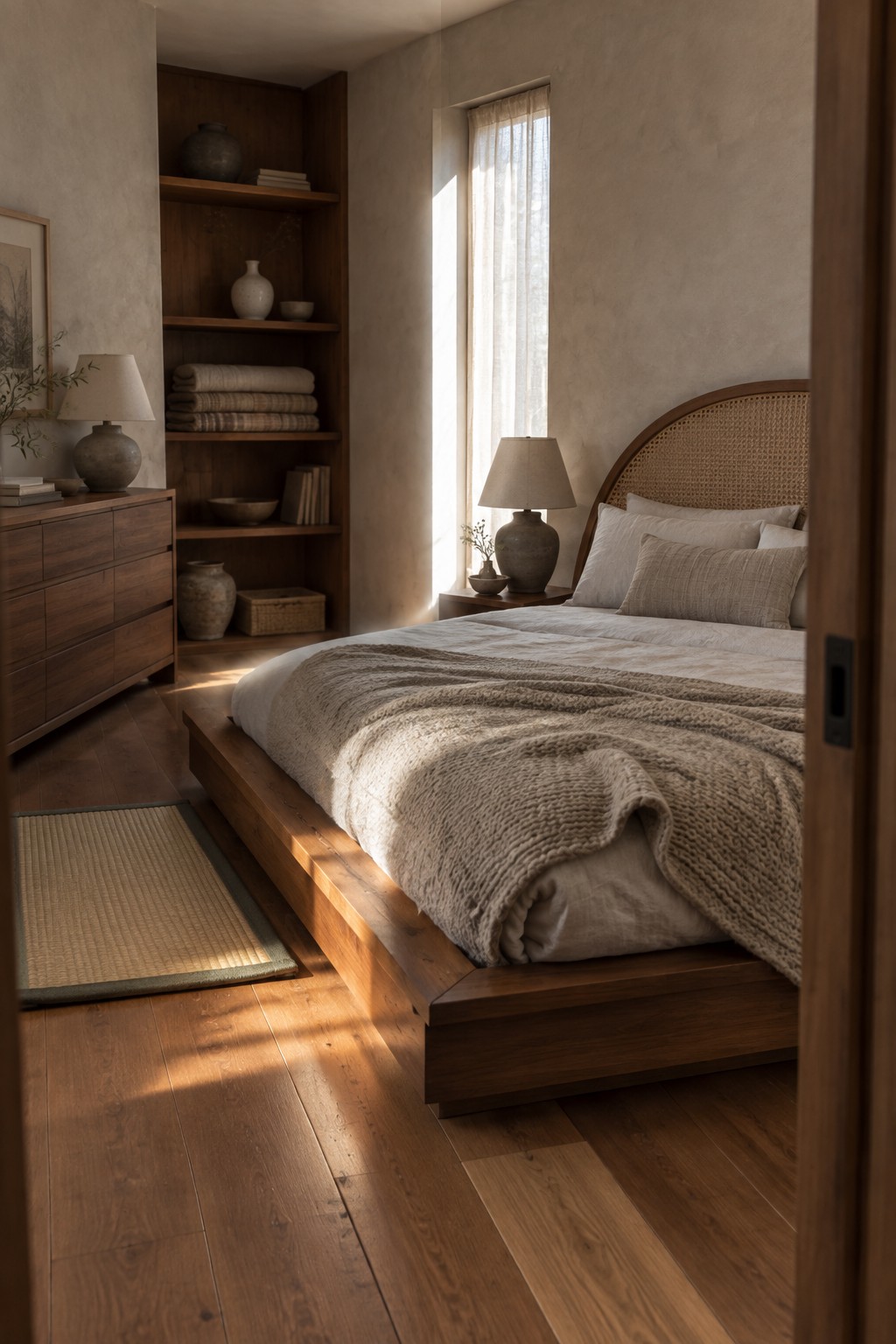
A low platform bed in dark wood keeps the whole room feeling open and grounded. The frame sits right on the floor, which works especially well when you want the space to feel calm instead of crowded with legs and extra pieces.
This approach suits smaller bedrooms or anyone trying to keep the look simple. Add a chunky knit throw and linen sheets over the bed to bring in softness without fighting the wood. Just make sure the wood tone matches across the bed, floor, and any built-ins so everything feels connected.
Using Wood and Textured Fabrics in Larger Bedrooms
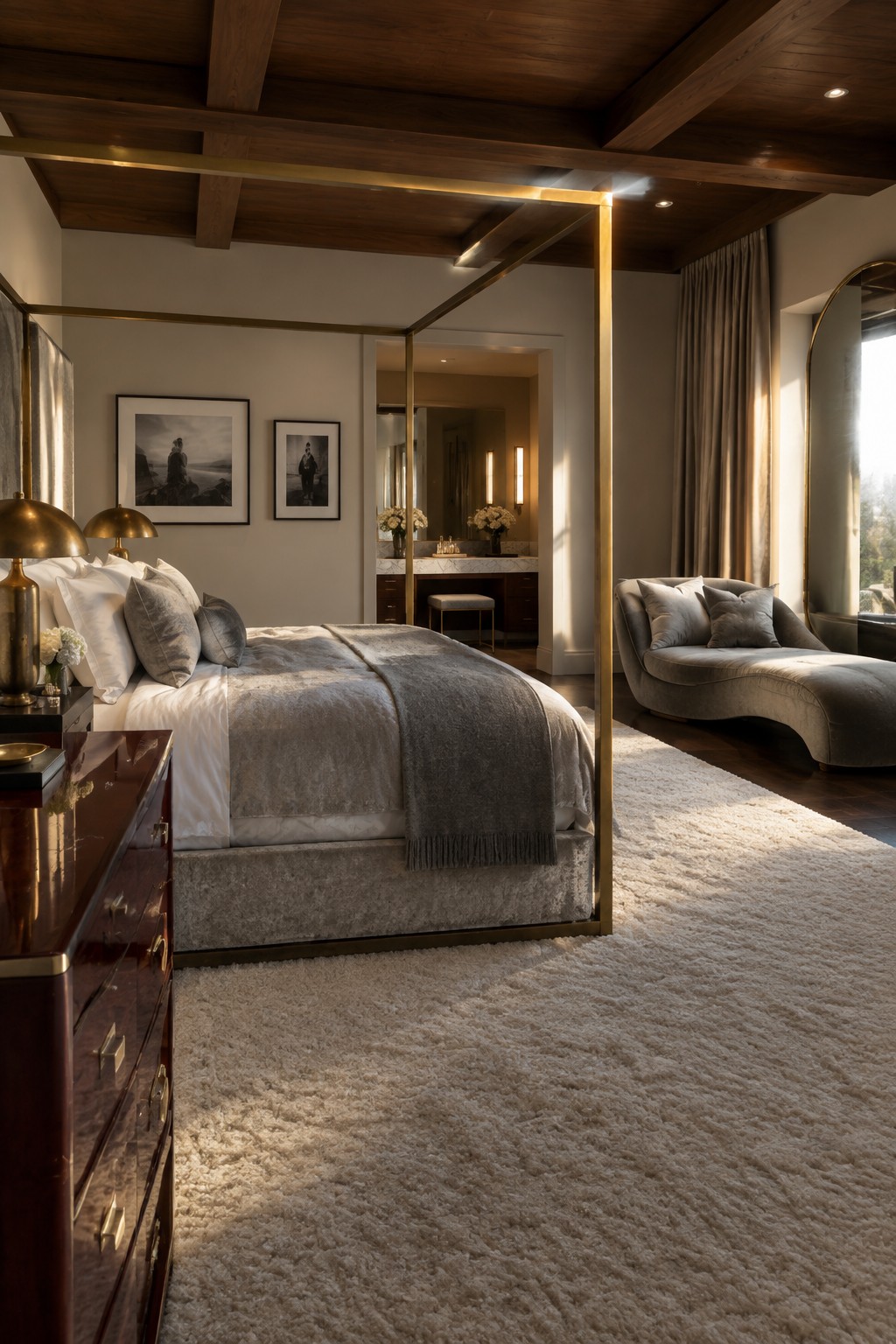
One way to give a modern bedroom real warmth is by mixing solid wood elements with heavily textured fabrics. The wood gives the room structure and depth, while fabrics like velvet and linen soften everything and add that layered feel people respond to.
This works best in rooms that already have some architectural interest, like exposed beams or tall ceilings. Keep the wood tones consistent across the ceiling and a few key pieces, then bring in textured fabrics mainly through bedding and one or two upholstered items. It suits larger bedrooms and homes that want modern lines without feeling cold.
Mixing Wood Frames With Textured Layers
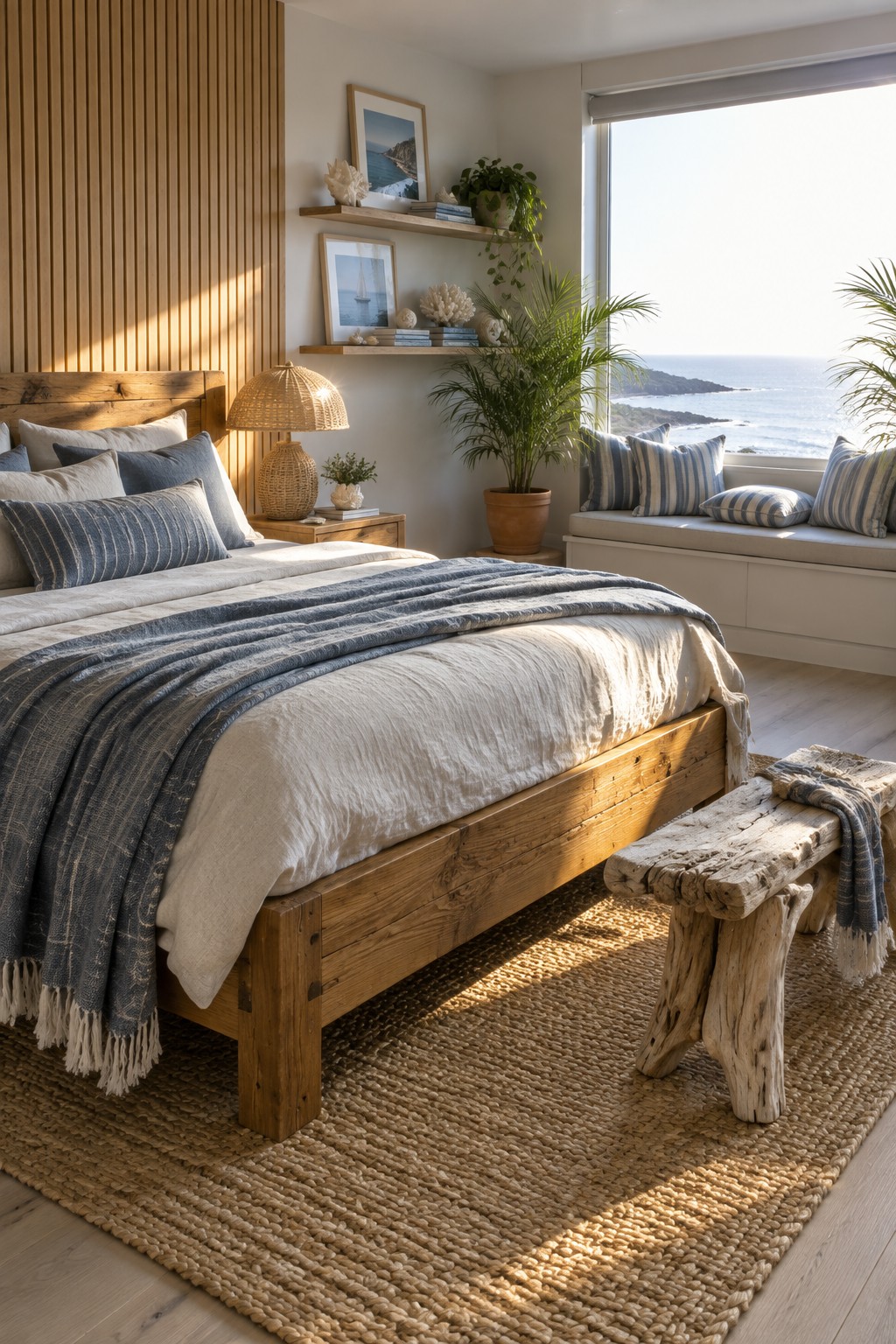
A solid wood bed frame gives the room a strong base that holds up well against softer fabrics. The grain and weight of the wood keep things grounded while linen sheets, woven throws, and a natural fiber rug add depth without cluttering the space.
This approach works best in rooms with plenty of light and simple wall colors. Stick to one or two wood tones and let the textures do the rest. It suits homes that want a relaxed modern feel without looking overly styled.
Wood Paneled Walls With Boucle and Linen Layers

Many modern bedrooms end up feeling flat when every surface is smooth. A wood paneled wall behind the bed gives the room a solid base, and then layering textured fabrics like boucle and soft linen on the bed and seating keeps the space from feeling cold. The contrast does most of the work.
This approach suits primary bedrooms that need to feel both current and comfortable. Keep the wood tone consistent across the wall and bed frame, then choose just two or three textures in neutral tones so the wood stays the focus. Avoid adding too many patterns or the balance tips quickly.
Built-In Wood Cabinetry Around The Bed

Built-in wood cabinetry that wraps around the bed creates storage and display space without crowding the room. The mix of closed cabinets above and open shelves on the sides keeps everyday items handy while hiding the rest, and the wood adds warmth next to softer fabrics on the bed.
This setup works well in bedrooms that already have decent ceiling height. It suits homes where you want the bed to feel settled into the room rather than floating in the middle of it. Match the wood tone to other pieces in the space so the whole thing feels like part of the original structure.
Dark Wood Walls In The Bedroom

Dark wood paneling gives a bedroom that enclosed, settled feeling that works especially well when you want the space to feel warm at night. It acts as a steady background that lets the fabrics on the bed stand out without competing.
This approach suits rooms that already have some size and can handle the depth of the wood. Keep the rest of the palette simple so the grain and the velvet or woven textures do the main work.
Floating Dark Wood Beds for Minimalist Bedrooms

A low floating bed made from dark wood gives a bedroom that clean modern foundation while keeping the space feeling open and grounded. The rich tone of the wood pairs well with soft textured layers like a chunky throw and simple linen sheets, which add warmth without cluttering the look.
This approach works best in calm, minimalist rooms where you want the bed to feel substantial but not heavy. Keep the surrounding walls and floors light and neutral so the wood and fabric textures can stand out on their own.
Blending Wood Furniture With Textured Fabrics

One way to make a bedroom feel both solid and comfortable is to mix wood pieces with lots of textured fabrics. The wood gives the room structure while the fabrics add softness through different weaves, patterns, and layers that catch the light.
This works best in rooms that already have a few wood items and need something to keep them from feeling too heavy. Add curtains around a bed frame, a thick rug underfoot, and a woven chair or two, then let the textures do the rest of the work.
Wood Furniture With Textured Layers in Industrial Bedrooms

One of the simplest ways to add warmth to a bedroom is to let solid wood furniture carry the main structure while textured fabrics do the softening. The wood brings weight and natural grain, and the fabrics add layers that catch light differently throughout the day. This mix keeps the room from feeling too stark even when the walls are raw brick or concrete.
It works especially well in rooms that already have hard surfaces. Start with a wood bed and nightstand, then build on top with a few throws and pillows in different weaves and tones. The key is keeping the fabric choices varied but still within the same color family so nothing fights for attention.
Layering Textured Fabrics With Rich Wood

Many bedrooms with wood walls and furniture can feel a bit heavy or cold on their own. Adding layers of patterned fabrics like plaid throws and woven rugs helps balance that and brings in some softness without hiding the wood.
This approach works especially well in cabins or homes that already have wood paneling. Keep the fabrics simple and repeat the same tones so the room stays calm instead of busy.
Boucle and Velvet Against Rich Wood

Rich wood gives a bedroom a solid, grounded feel that many modern spaces need. When paired with textured fabrics like boucle or velvet, the room stays warm instead of feeling cold or stark. The contrast between the dark grain and the soft surfaces keeps things balanced without extra decoration.
This works best in city apartments or homes with large windows where light can highlight both materials. Use a wood bed frame and nightstand, then layer a textured coverlet and a few velvet pillows in one or two deep tones. Keep other finishes simple so the wood and fabric do the work.
Wood Slat Walls Add Warmth Behind the Bed
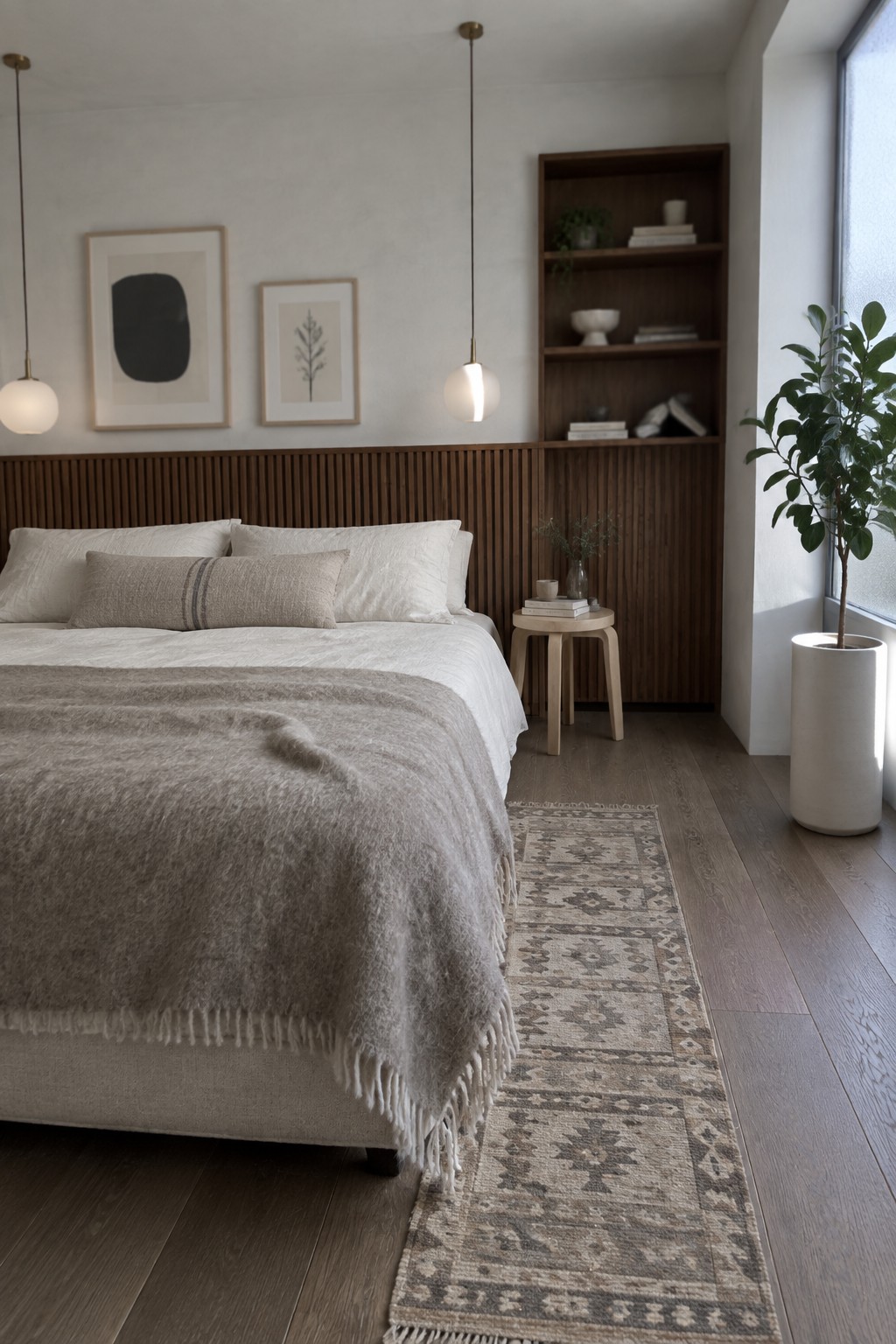
A vertical wood slat wall behind the bed gives the room a solid, grounded feel without making it heavy. The natural grain and narrow gaps add just enough texture to break up all the white and soft layers, and it works especially well when the rest of the space stays simple.
This idea suits bedrooms that already lean neutral or minimalist. Keep the slats to the headboard wall only so the room does not feel closed in, and layer in a few textured fabrics like a chunky throw or linen sheets so the wood and textiles balance each other.
Dark Wood Furniture With Velvet and Woven Accents

Dark wood furniture gives a bedroom a solid base that works well with textured fabrics. The smooth surfaces of the wood stand out nicely against velvet, woven throws, and patterned rugs, which helps the room feel warmer without adding a lot of color.
This combination suits spaces that already have deeper wall colors or lower light. Start with one or two wood pieces like a wardrobe or nightstand, then add a velvet headboard and a few textured layers on the bed and floor so the materials balance each other.
Dark Walls With Rich Wood And Textured Fabrics

Dark walls give a bedroom real depth and make the wood tones feel warmer by comparison. The contrast lets textured fabrics do more of the work, so the space feels layered without needing lots of extra pieces.
This setup suits modern rooms that lean moody rather than bright. Keep the wood tones consistent between the floor and bed frame, then layer linen sheets with one heavier knit or woven throw to add softness where it counts most.
Pairing Rich Wood With Plush Fabrics

Dark wood pieces like a tall four-poster bed bring weight and structure to a bedroom, and pairing them with velvet or similar textured fabrics keeps the space from feeling cold or stiff. The contrast between the solid frame and the soft bedding creates a balanced look that still feels comfortable for everyday use.
This works best in rooms that already have some traditional or classic details. Keep the wood tones consistent across the bed and other furniture, then add layers of velvet, linen, and a patterned rug so the overall effect stays warm rather than heavy.
Pairing Rich Wood With Deep Velvet
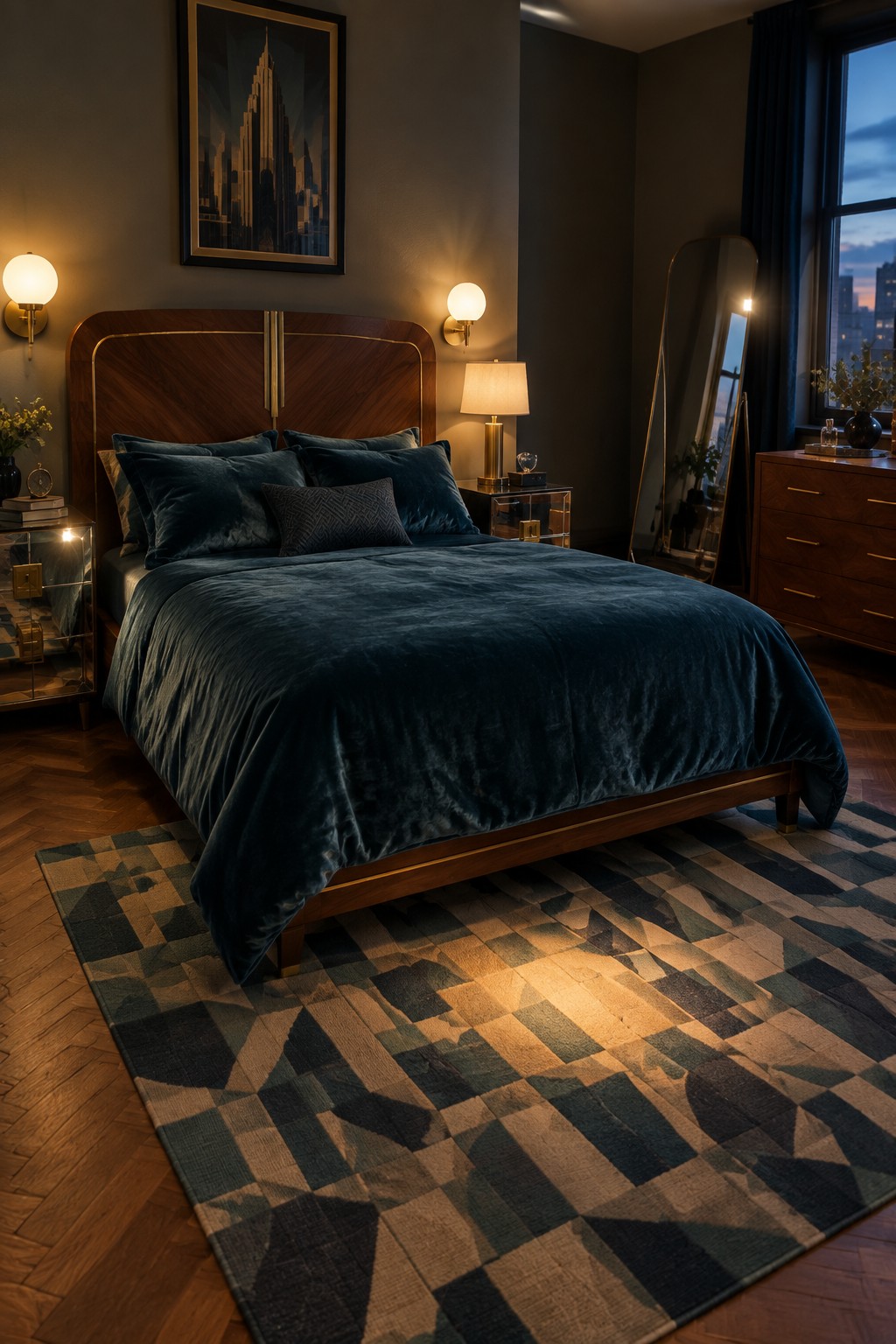
One approach that stands out in modern bedrooms is letting a strong wood frame carry the structure while heavy velvet bedding adds softness on top. The wood gives the bed a solid, grounded look, and the velvet catches light in a way that makes the whole setup feel warmer without extra layers or patterns.
This works best in rooms that already have wood floors or trim, since the materials echo each other naturally. It suits spaces that need to feel substantial but not heavy, and it helps if you keep other colors fairly quiet so the wood and fabric can do the main work.
Solid Wood Furniture With Linen and Woven Accents
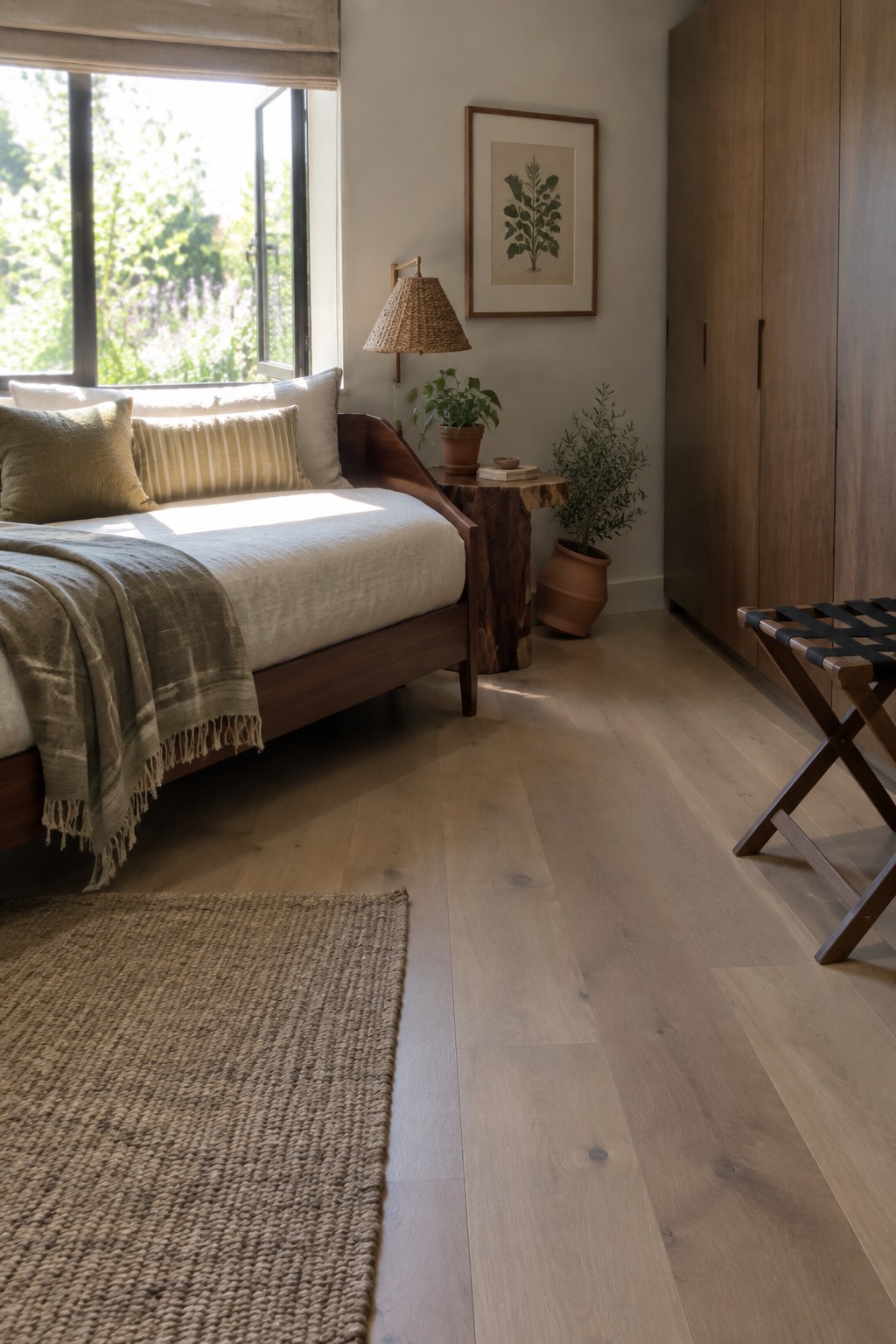
Many modern bedrooms end up feeling a little flat when the surfaces are all smooth. Wood furniture brings in natural grain and weight that helps the room feel warmer and more settled. Textured fabrics then soften the look without adding a lot of extra pieces.
This mix works especially well in rooms with decent natural light. A solid wood bed paired with linen sheets and a woven rug at the foot gives enough contrast to keep things interesting. It suits homes that want a calm, simple bedroom without going too stark or overly decorated.
Layering Textured Fabrics With Dark Wood Furniture

Many bedrooms with strong wood tones can start to feel heavy. Adding layers of textured fabrics helps soften the look while keeping the warmth that makes the space feel comfortable.
This works especially well in rooms that already have wood walls or floors. Stick to neutral tones and vary the textures, like a chunky knit throw over linen bedding or a woven rug underfoot, so the wood stays visible without dominating everything.
Built-In Wood To Frame The Bed
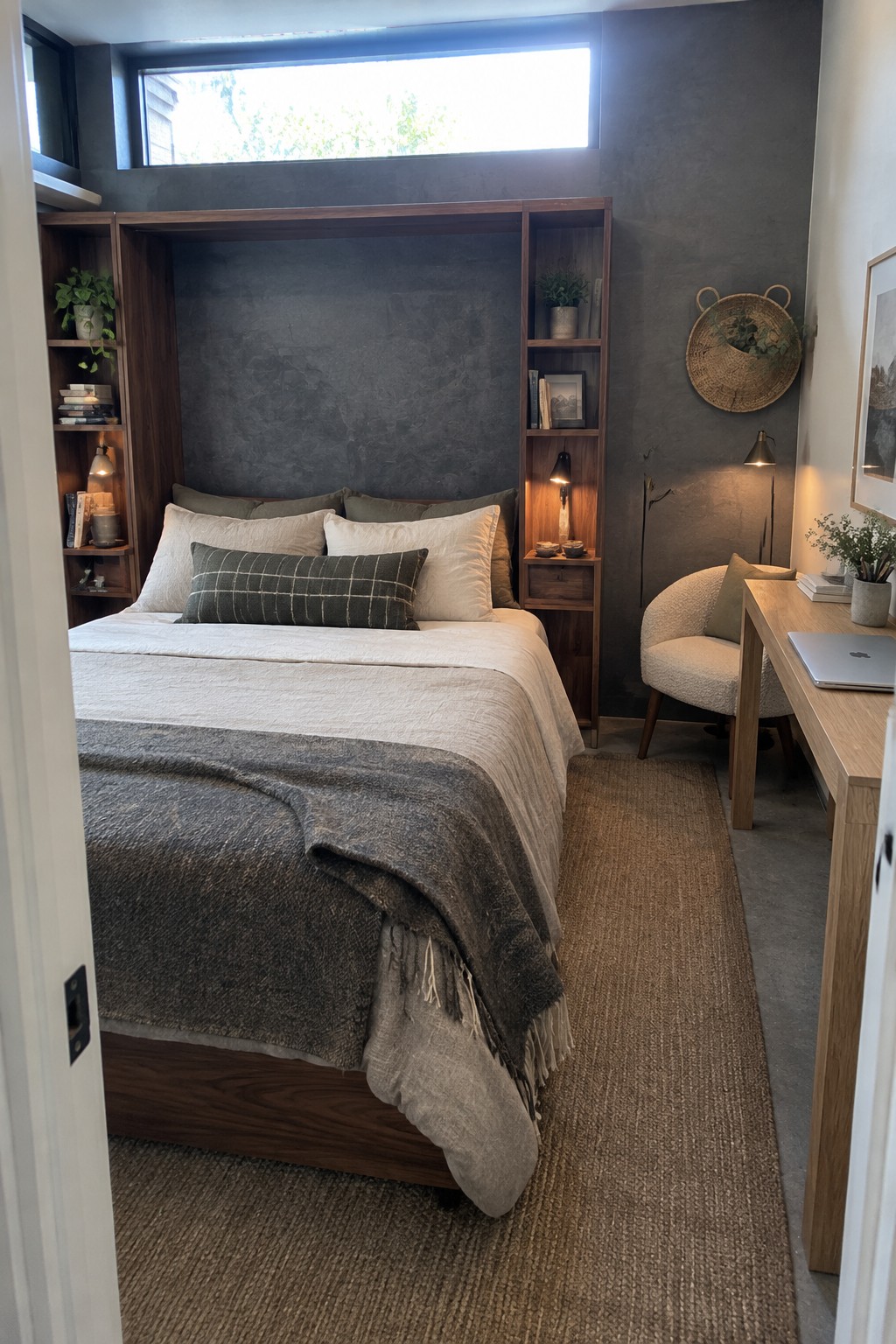
Building wood cabinetry right around the bed gives the whole room a settled, finished feel without needing a lot of extra pieces. The dark wood creates a clear boundary that makes the bed feel like its own space while the open shelves keep everyday items close at hand.
This works especially well in smaller rooms where you want storage but still need the space to breathe. Keep the surrounding walls simple and let the wood carry the warmth, then layer in softer textiles on the bed so the wood does not feel too heavy.
Large Wood Headboards in Modern Bedrooms
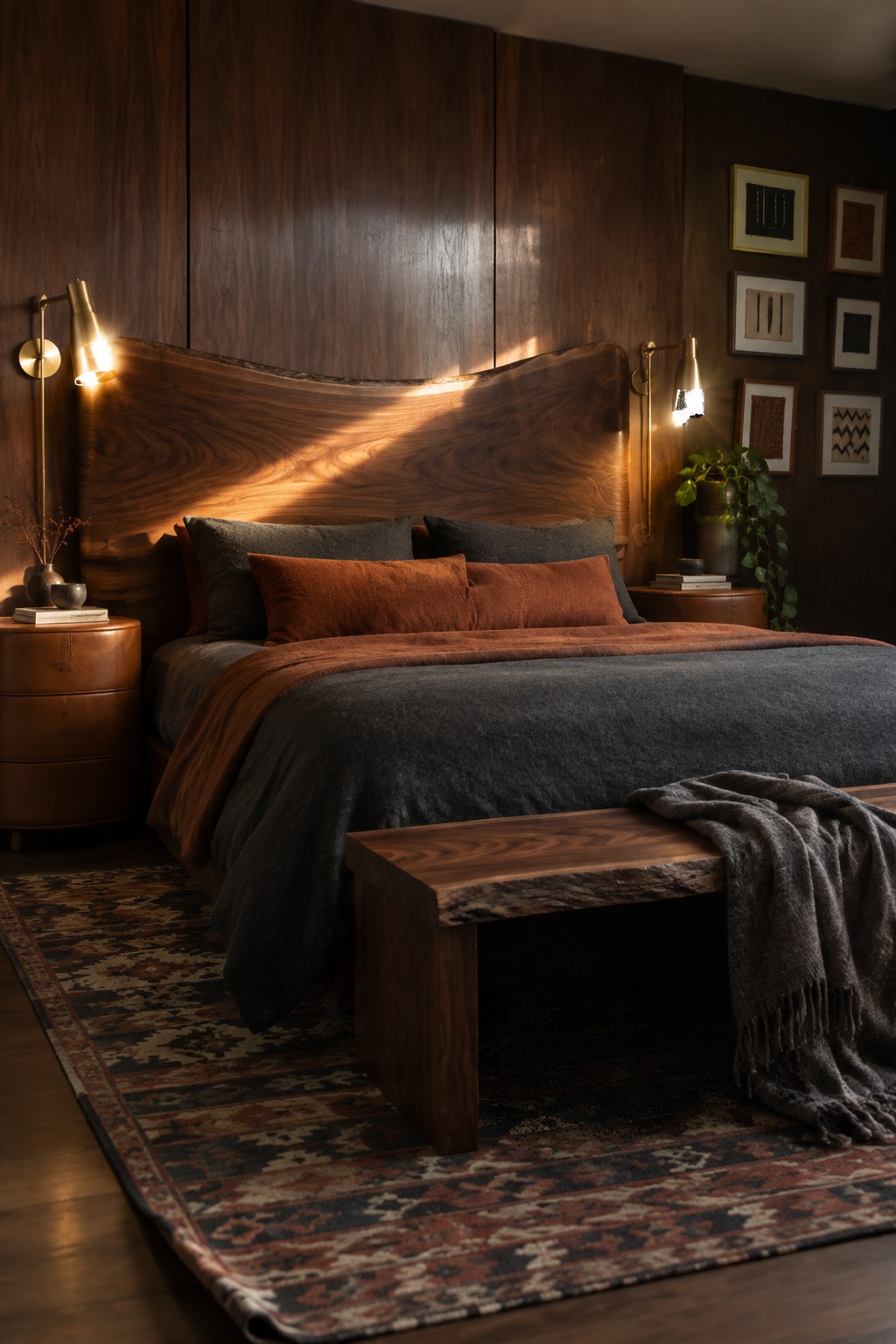
A large wood headboard stands out because it adds real presence and warmth without extra pieces or clutter. When the walls behind it are also wood, the whole area feels connected and solid, which helps the room feel calmer and more put together.
This works best in bedrooms that already have some natural material going on. Keep the bedding in a few textured layers so the wood can stay the main feature instead of getting lost.
Natural Weaves and Linen With Wood Furniture

This combination gives a bedroom real warmth without making it feel heavy. The solid wood pieces set a strong base, while the layered linens, woven chair seat, and chunky rug add softness that keeps the space from feeling too formal or cold.
It works especially well in rooms that already have wood floors or built-ins. Stick to one or two wood tones and let the fabrics do the rest. Natural weaves and linen hold up better than smoother materials when you want that relaxed but still put-together look.
Frequently Asked Questions
Q: How do I keep rich wood from making the room feel closed in?
A: Bring in plenty of natural light with sheer curtains. Layer lighter textured fabrics like linen on the bed to balance the dark tones. This keeps the space feeling open and inviting.
Q: Can I mix several textured fabrics on the bed without going overboard?
A: Start with two or three textures max. Pick ones that share similar colors so they blend smoothly. Add them one at a time until the bed feels full but not crowded.
Q: What if I want to try these ideas on a tight budget?
A: Focus on swapping out just the bedding and a couple of pillows first. Look for wood accents like a nightstand or picture frames instead of big pieces. Small changes like these still bring in that luxurious feel.
