

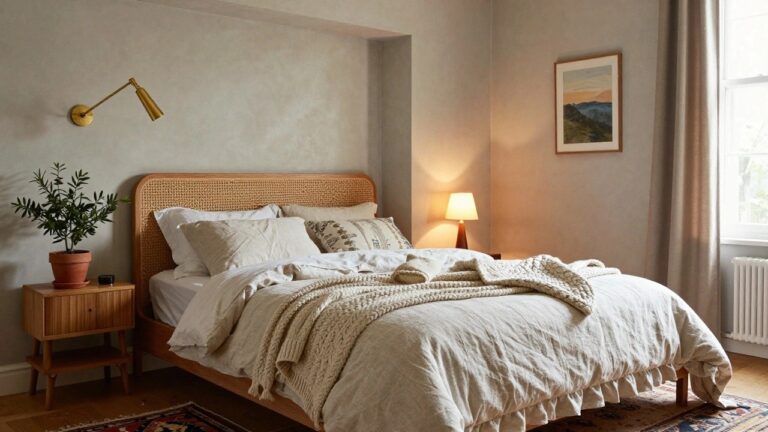
I have found that rooms develop a lasting feel when objects from different periods are allowed to sit together without needing to match perfectly.
What people notice first is usually whether the seating and surfaces actually support daily movement rather than just filling empty floor space.
The effect builds gradually.
I tend to try one new layering approach at a time in a single room so I can tell whether it improves how the space works at different hours.
A few of the combinations here match changes that have made certain areas in my house feel more settled without requiring a full overhaul.
Layer Neutral Textiles on the Bed
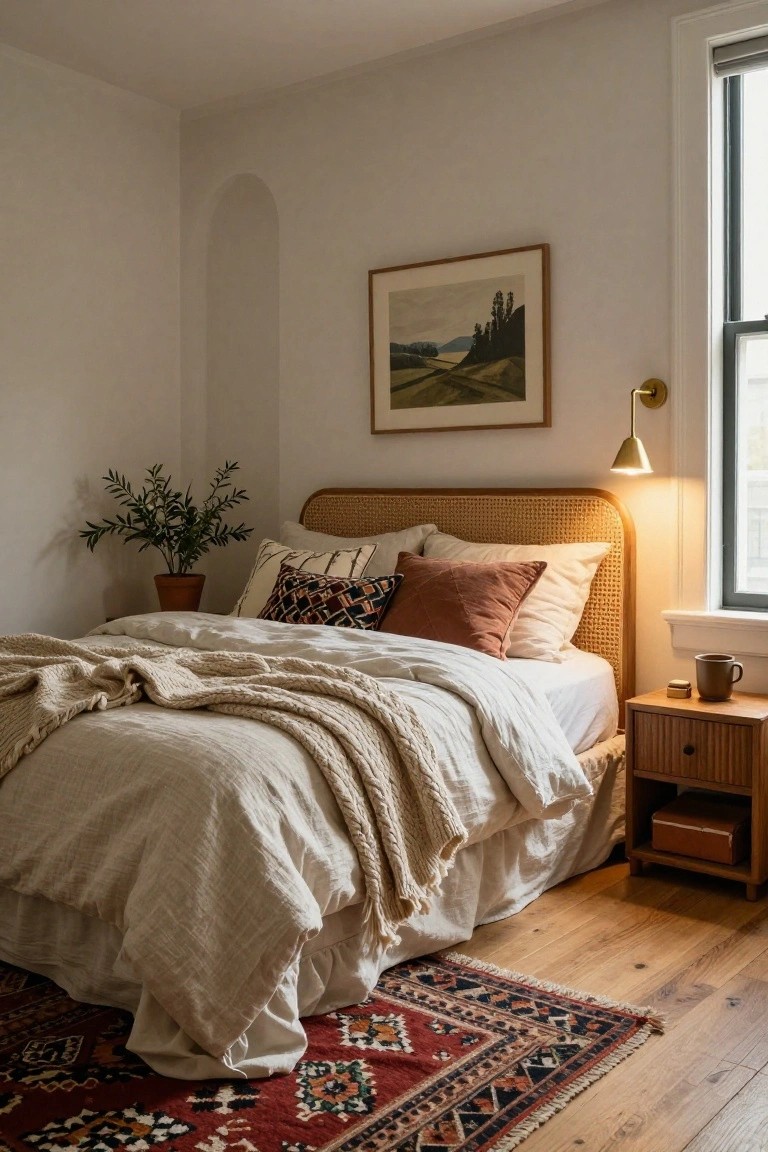
Layering different fabrics on the bed gives a room that collected look without much effort. The mix of smooth linen sheets, a chunky knit throw, and a few varied pillows creates softness and depth that feels lived in rather than styled. It works especially well in simple rooms where the furniture is fairly plain.
This approach suits older homes or spaces with wood floors and basic walls. Start with a base of light sheets, then add one heavier throw and a couple of pillows in different textures. Keep the colors close so the layers read as calm rather than busy.
Built-In Shelving Around The Fireplace
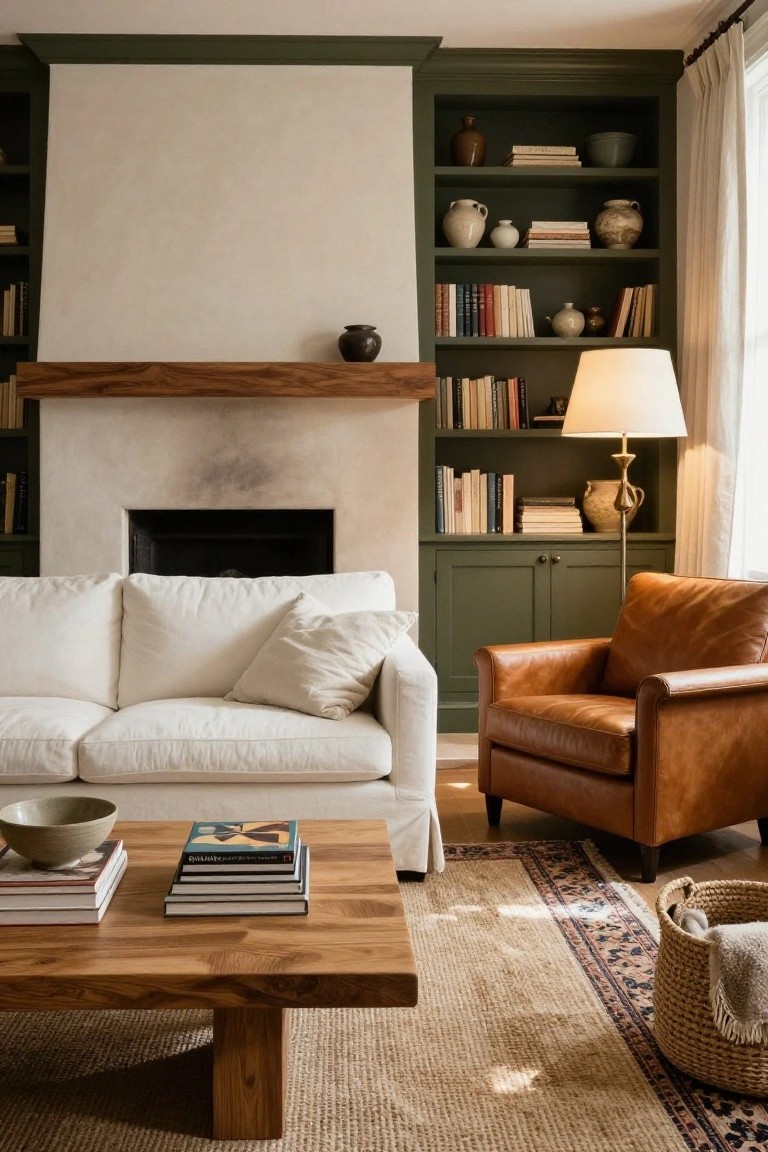
Built-ins give a fireplace real purpose in the room. They turn the wall into useful storage while letting you show off books and smaller pieces without adding more furniture.
This setup works best in living rooms that already have some age or character. Fill the shelves gradually with things you actually use or like, and leave a little breathing room so the whole wall does not feel packed.
Deep Blue Kitchen Cabinets
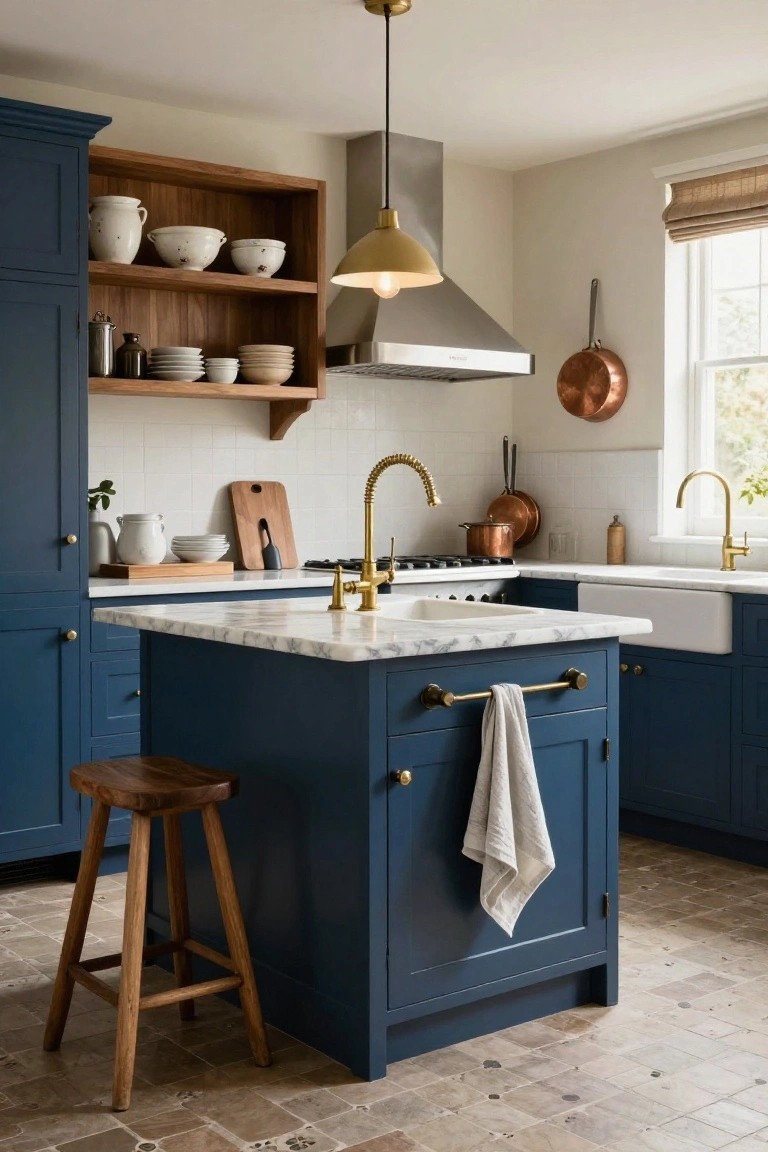
A deep blue finish on cabinets gives a kitchen real presence without trying too hard. It works because the color has enough weight to feel permanent, and it pairs easily with the warmer tones of wood, stone, and metal that already feel familiar.
This approach suits older homes or any space where you want the built-ins to last through several rounds of smaller updates. Keep the hardware simple and let the surrounding materials stay fairly neutral so the blue stays the main note rather than competing with too many other finishes.
Mixing Chair Styles Around the Table
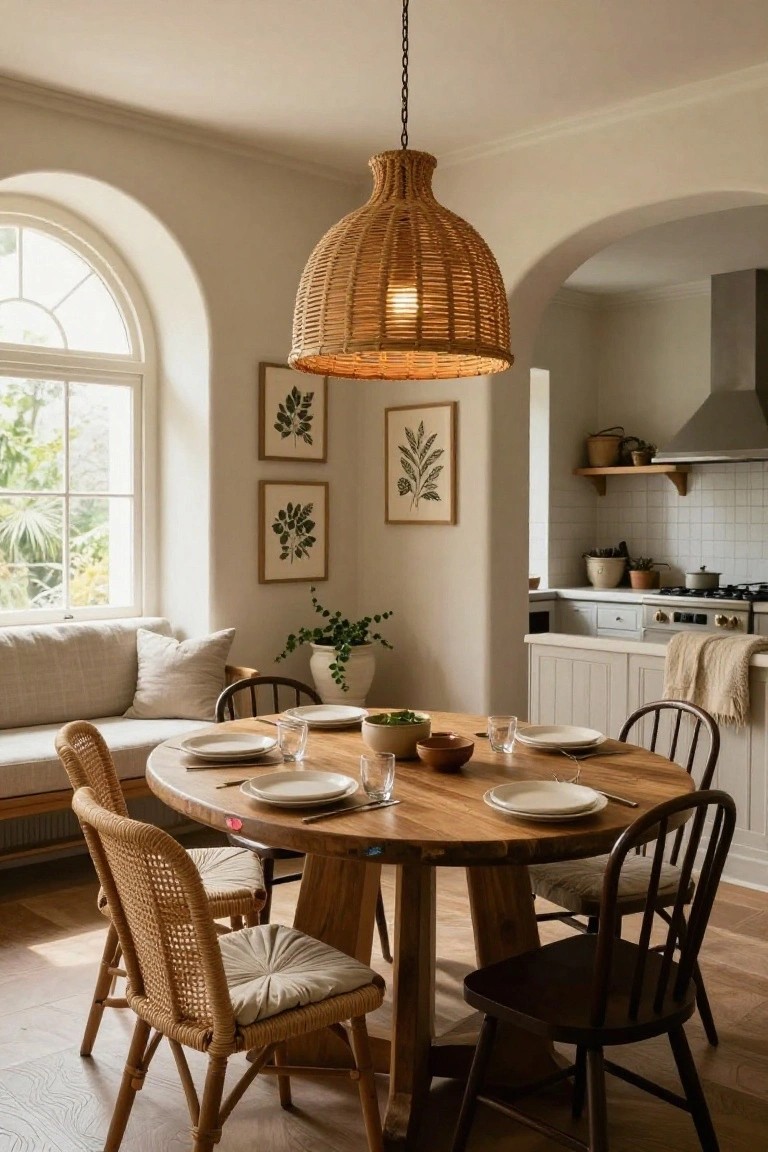
Mixing chair styles keeps a dining space from feeling too matched or stiff. The mix of woven seats and darker wooden ones adds a relaxed layer without much effort, and it works especially well in rooms that already have simple walls and natural light.
This approach suits homes that lean casual rather than formal. Keep the table and lighting fairly plain so the different chairs can stand out without competing, and limit the mix to two or three styles at most.
Baskets Under Console Tables Add Storage
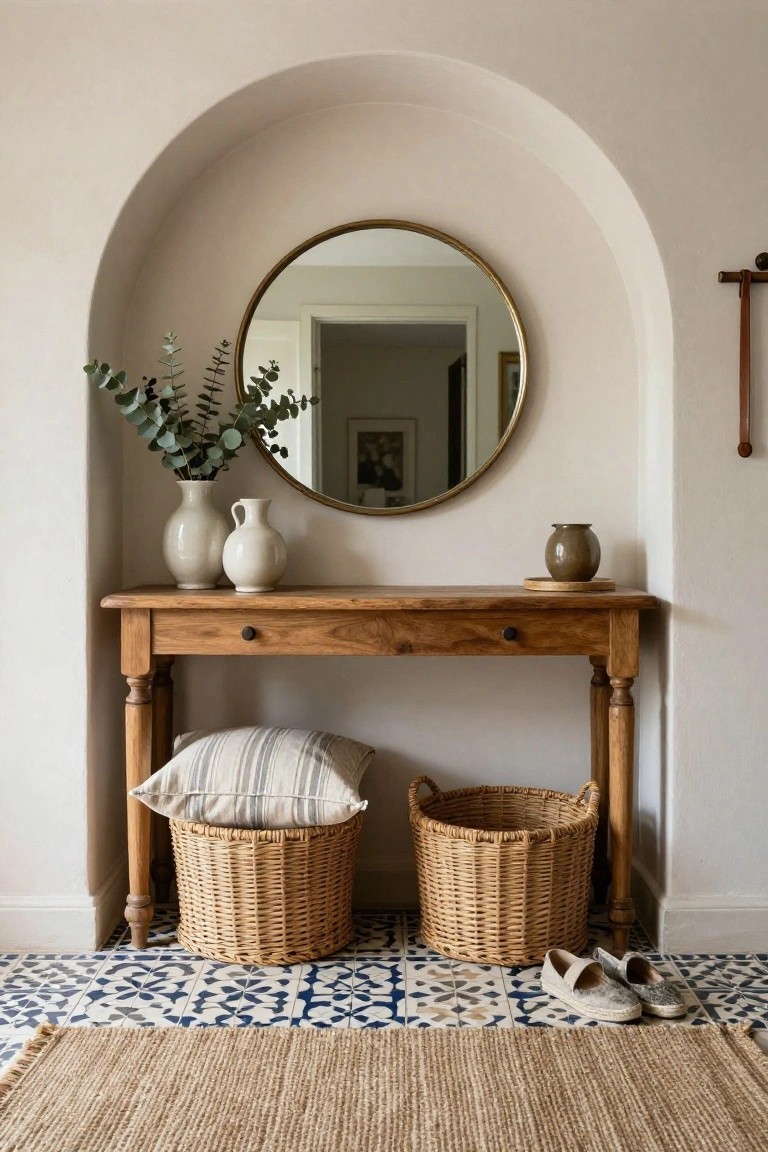
Many entryways end up with clutter on the floor because there is never enough storage nearby. Placing a pair of woven baskets under the console gives you a simple spot for shoes, bags, or whatever gets dropped by the door.
This idea works best in homes that already have a console or table in a hallway or entry. Keep the baskets fairly low so they do not block the legs of the table and choose ones that match the wood tone if you want the whole setup to feel calm.
Mixing Wood And Stone In The Bathroom
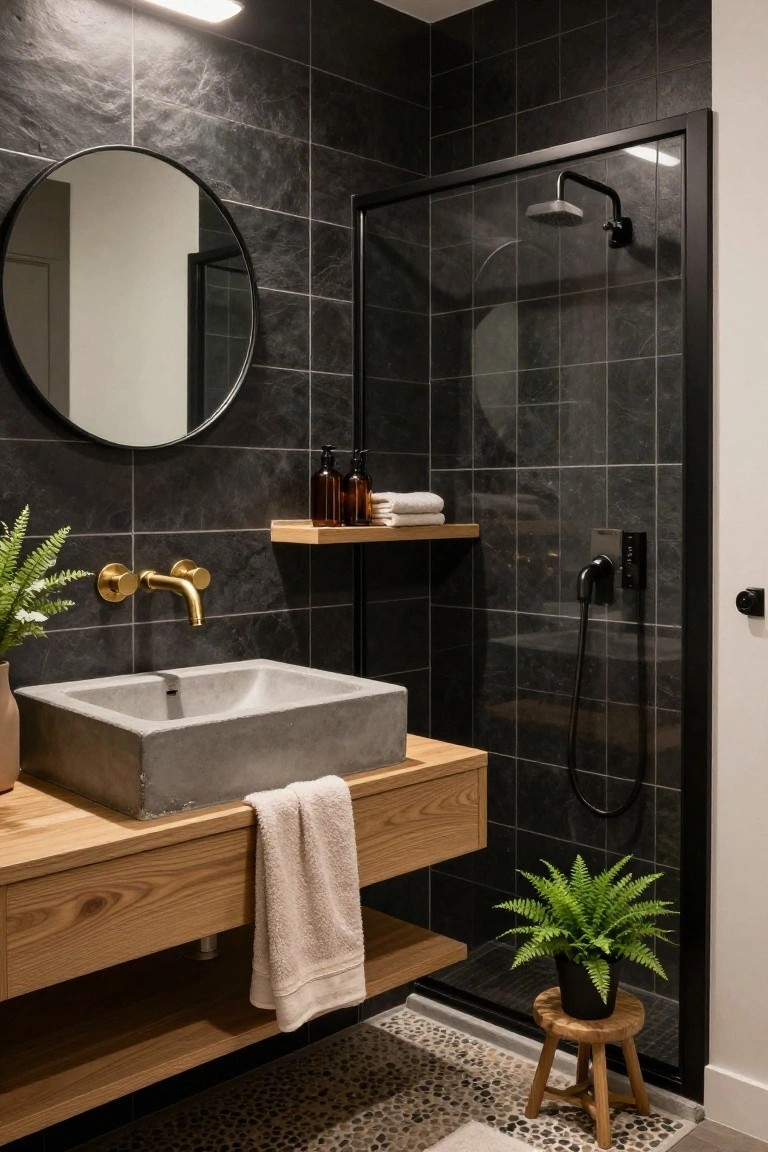
Many bathrooms feel flat when everything matches too closely. Bringing in wood for the vanity and shelf alongside dark stone tile and a concrete basin adds layers that hold up over time without looking busy.
This approach works well in smaller spaces where you want warmth but still need durability. Keep the wood tones natural and let the stone stay matte so the materials play off each other instead of competing.
Built-In Shelves Above A Desk
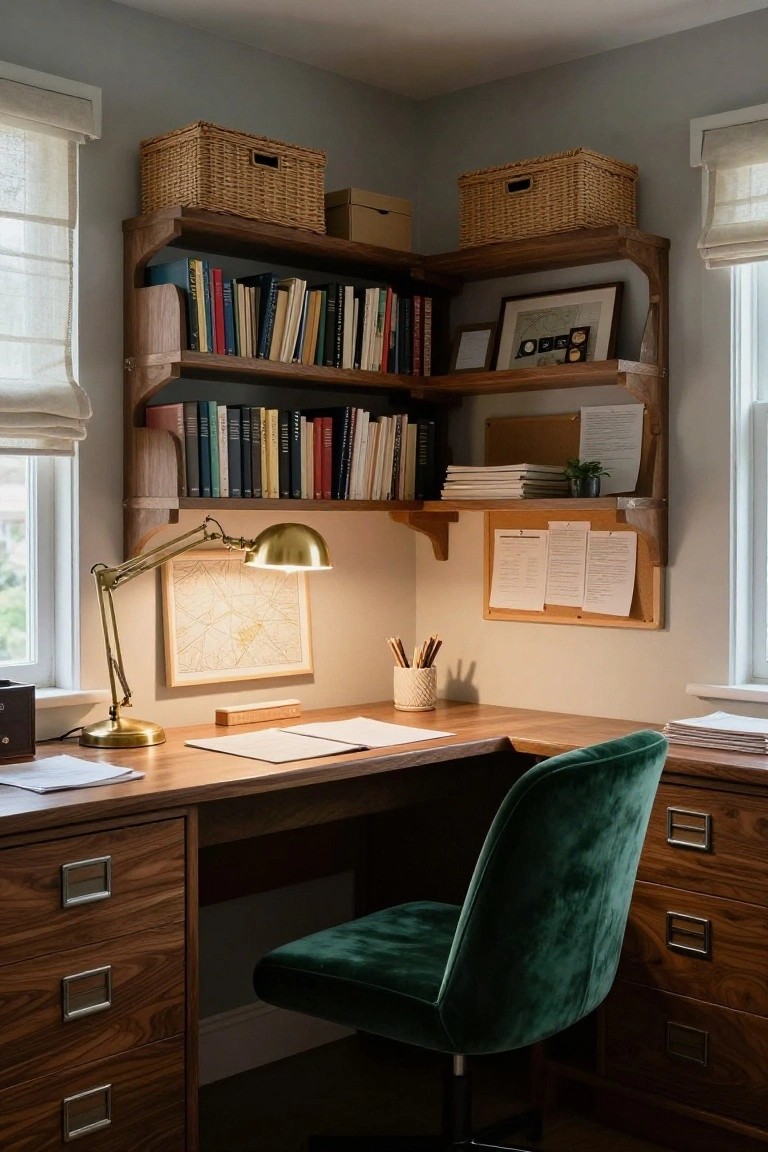
Built-in shelves right above a desk give you a place to keep books, papers, and supplies without adding more furniture to the room. The wood ties everything together and makes the workspace feel like it belongs there instead of just sitting against the wall.
This setup works well in smaller rooms or any home where you want storage that does not take up floor space. Keep the shelves from getting too crowded so the desk area stays usable, and match the wood tone to your desk if you can.
Natural Materials In The Nursery
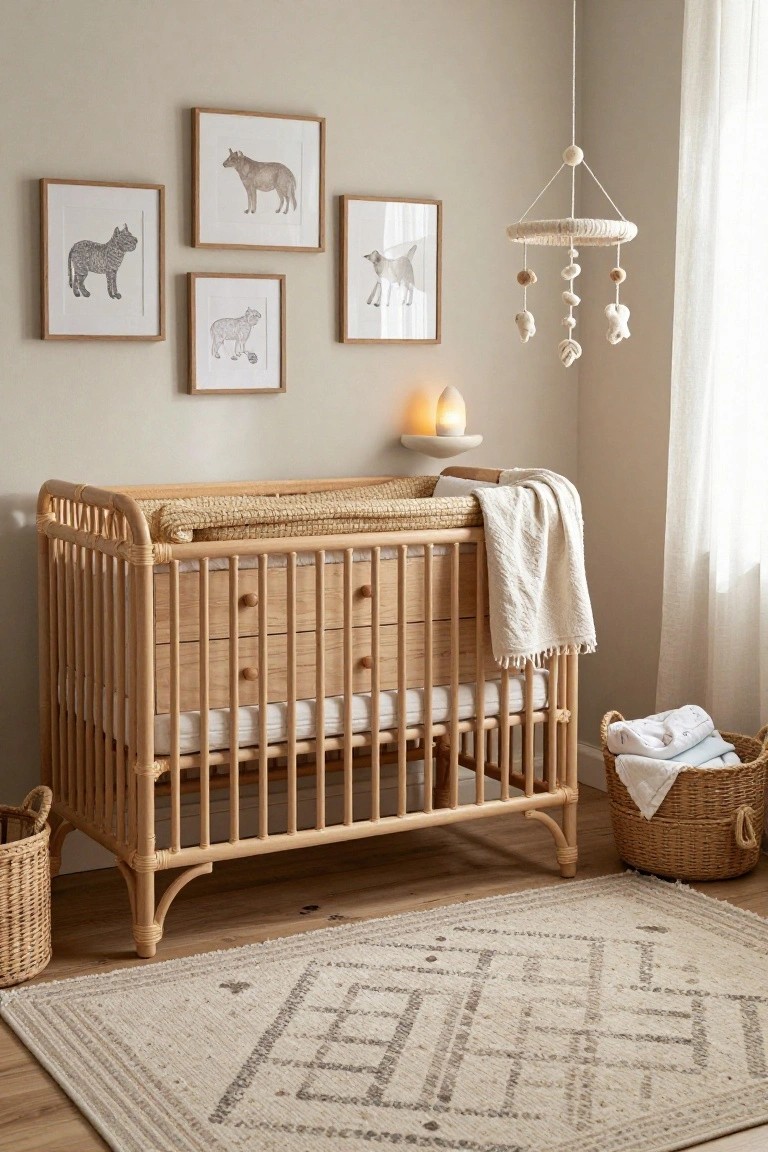
Natural materials like wood and rattan give a nursery a calm, lasting look that does not rely on passing trends. They bring in warmth through texture and keep the space feeling simple even as the room changes with the child.
This approach works best in smaller rooms where you want to avoid clutter. Stick to a few solid wood pieces, add soft layers like linen or cotton, and let the materials do most of the work.
Open Shelving In Utility Spaces
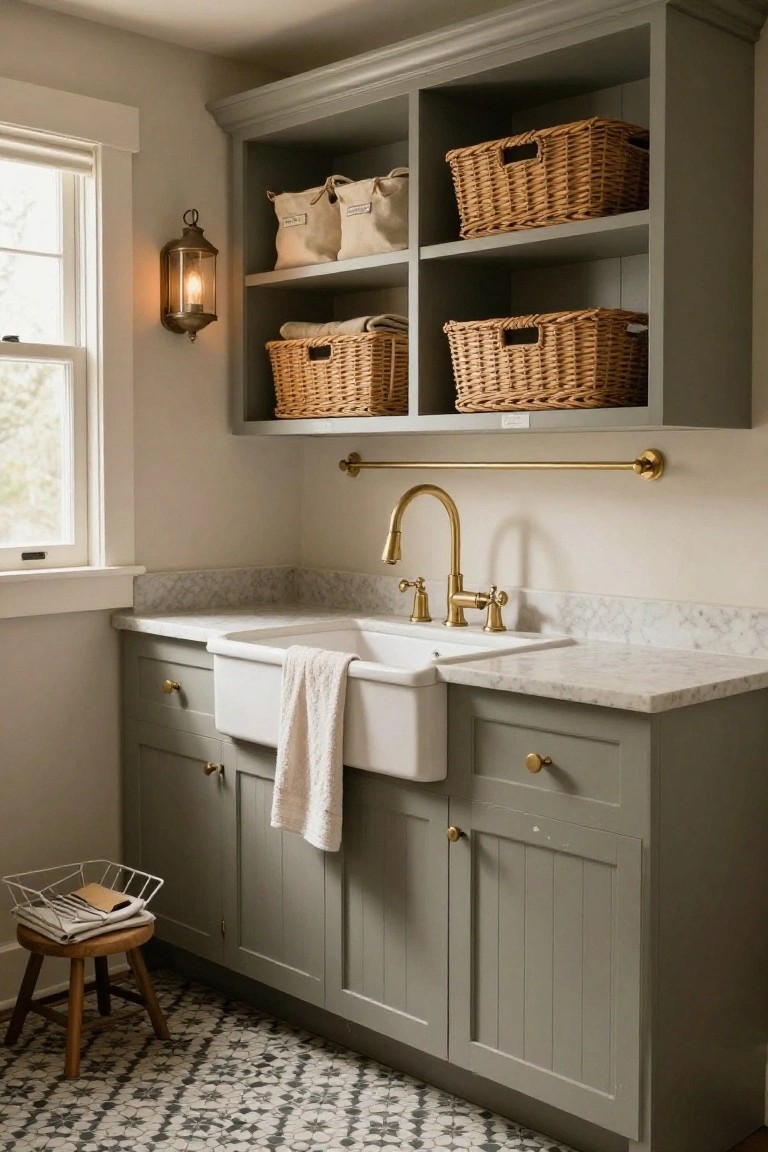
Open shelving works well above a utility sink because it keeps everyday items within reach without making the space feel closed in. Baskets and bins help contain the mess so the shelves stay looking orderly rather than chaotic.
This approach suits older homes or smaller rooms where you want storage that feels lighter than solid cabinets. Stick with simple containers in one or two materials so the shelves do not compete with the rest of the room.
Window Seats Built Into Bookshelves
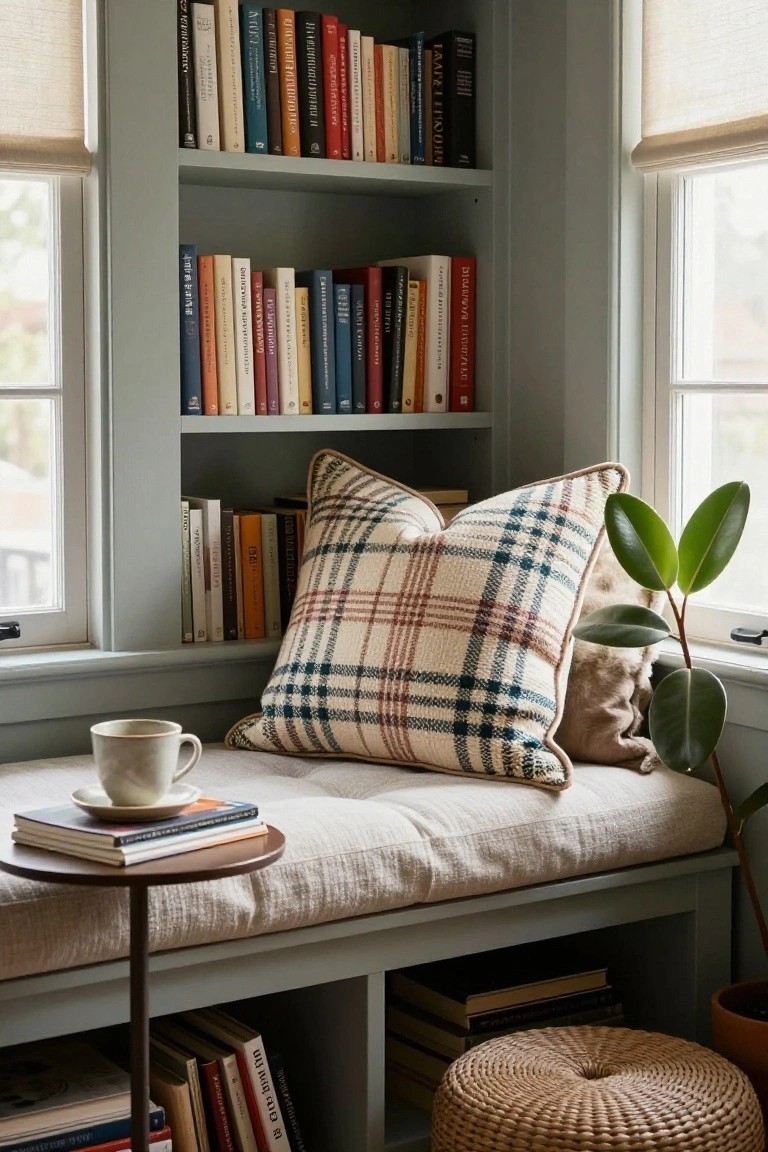
A window seat that sits right inside a wall of shelves gives you a quiet place to read without needing extra furniture. The books stay close at hand, and the seat itself turns what might be dead space into something useful every day.
This setup works best in rooms that already have some depth around the windows. Keep the cushions simple and add just a few pillows so the spot stays comfortable without feeling crowded. It suits older homes or any space where you want storage and seating in one place.
Adding Family Photos To An Exposed Brick Wall
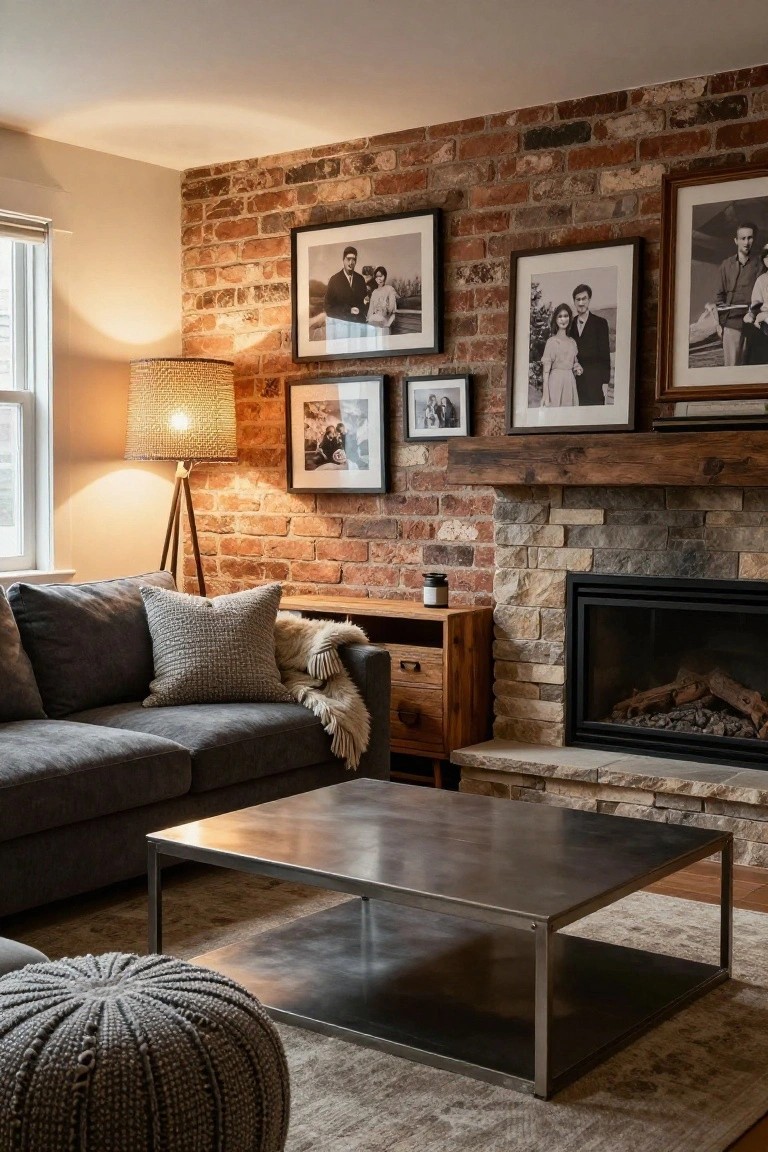
One simple way to build a layered look is to hang a collection of black and white family photos directly on an exposed brick wall. The rough texture of the brick gives the photos more weight and makes the arrangement feel collected rather than styled.
This approach works best in living rooms or family spaces where the wall already has some age or character. Start with a few larger frames at eye level and add smaller ones over time as new photos come along.
Light Oak Furniture With White Bedding
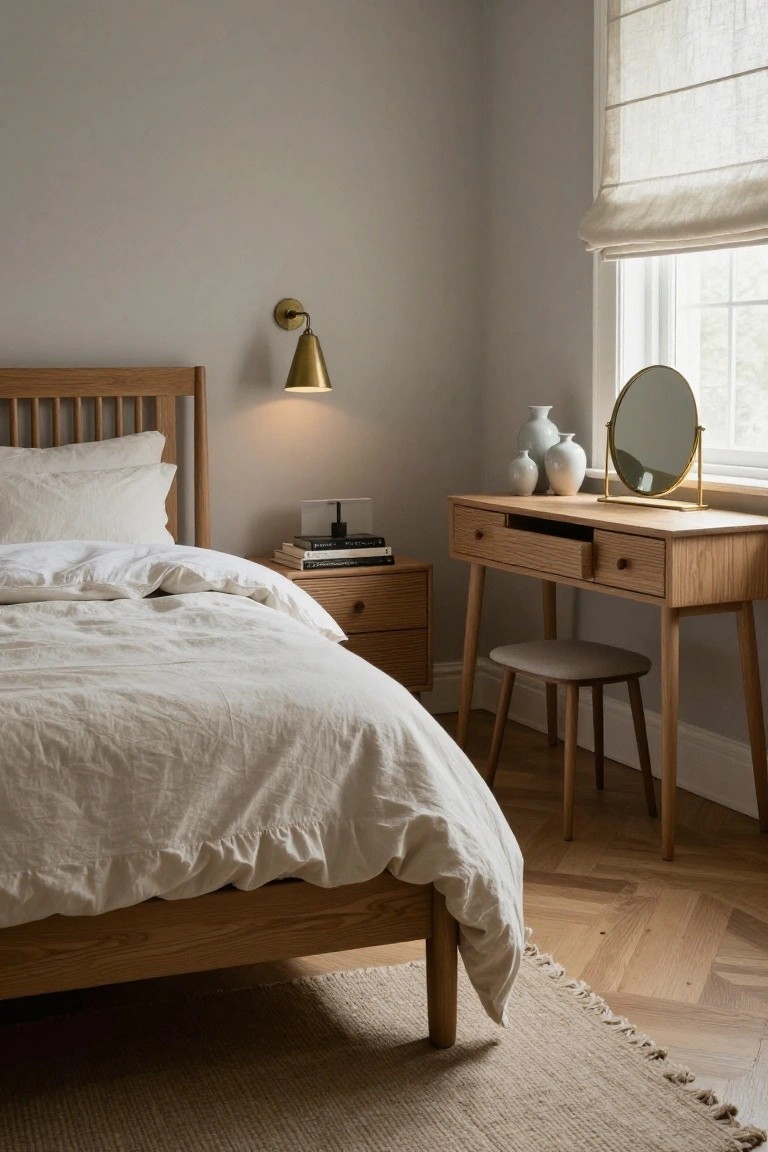
Light oak pieces give a bedroom a steady base that feels calm without looking bare. The warm tone of the wood pairs easily with white linens, so the room stays bright while still feeling grounded. This mix works especially well when you want the space to feel collected over time rather than finished all at once.
It suits older homes or any bedroom where you plan to add a few personal items later. Keep the wood finish natural and let the white textiles stay simple so nothing fights for attention. Avoid adding too many dark accents, or the light feeling can disappear quickly.
Patterned Wallpaper in the Bathroom
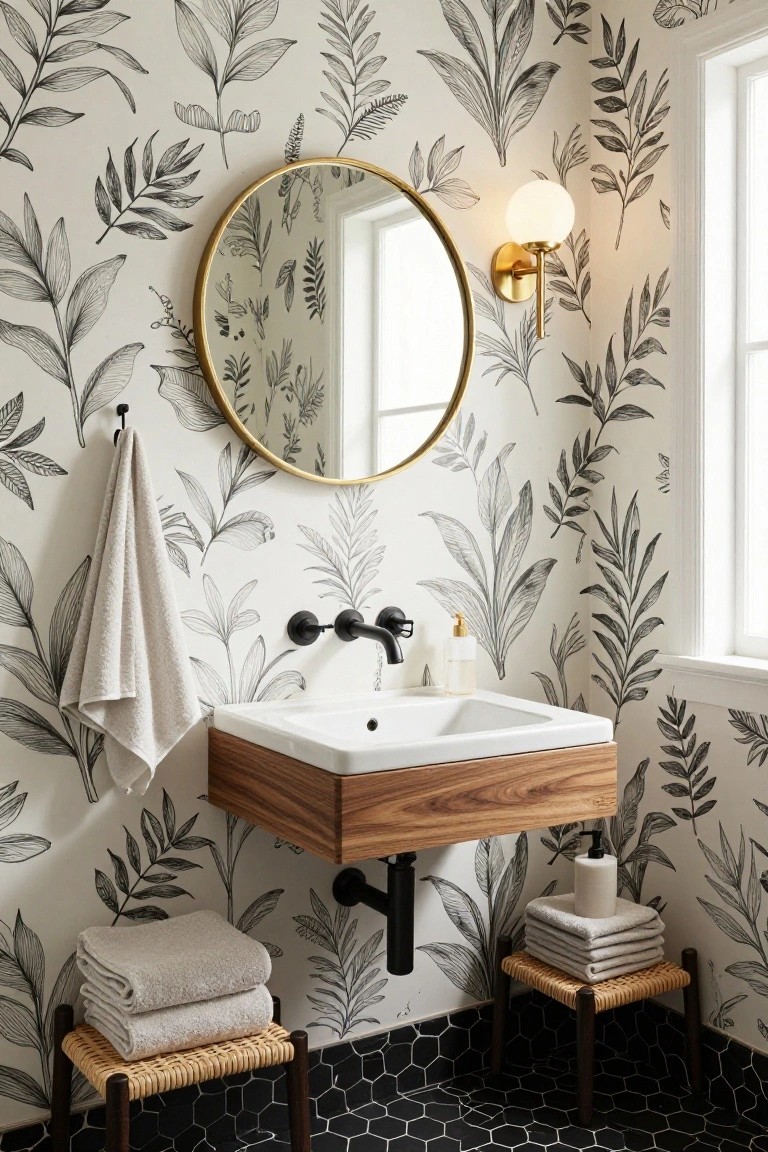
Wallpaper with a repeating pattern gives a bathroom an easy layer that feels collected over time. It works especially well in a small space where a single bold choice can carry the room without needing lots of extra pieces.
This approach suits older homes or any bath that needs more character than plain paint can provide. Keep the rest of the room simple so the pattern stays the focus, and choose a scale that fits the size of the walls.
Open Shelving For Kitchen Storage
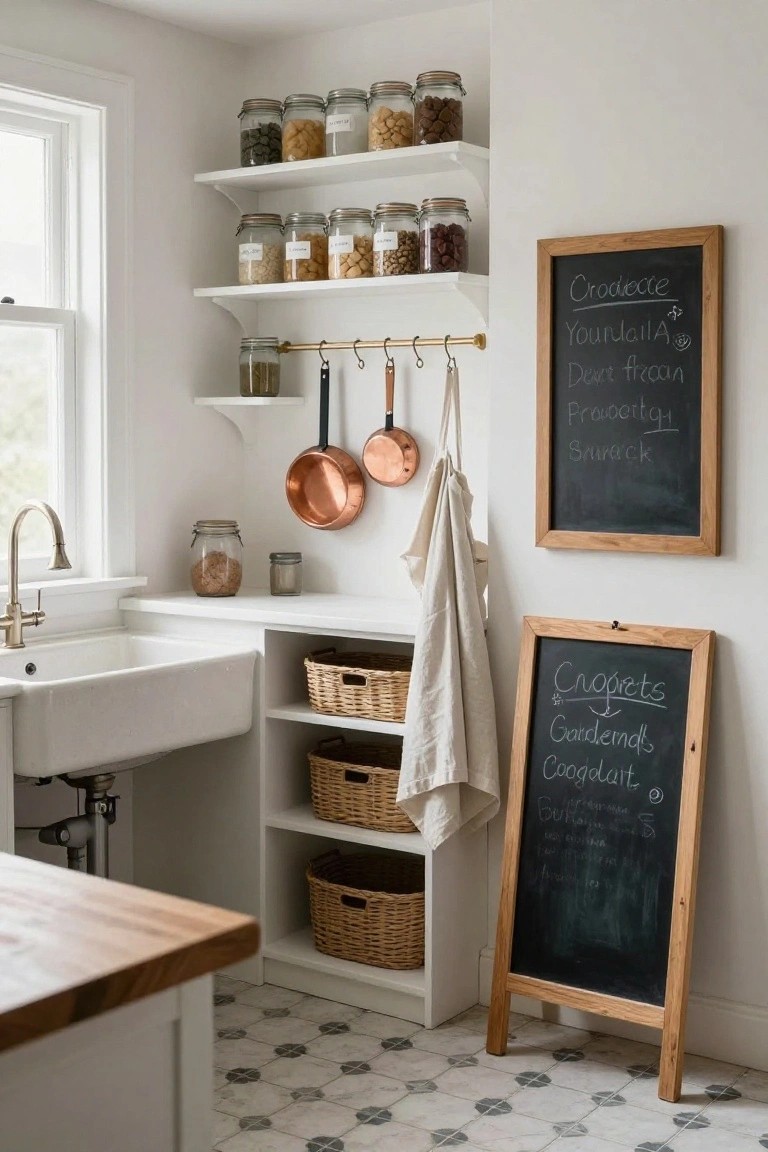
Open shelving keeps daily items within reach and makes a kitchen feel less closed in. It works well when you want storage that stays useful instead of hidden away behind doors.
This approach suits older homes or smaller kitchens where you need every inch to count. Use matching jars and baskets so the shelves look orderly rather than crowded, and keep only what you reach for often.
Built-In Bench Seating For Dining Areas
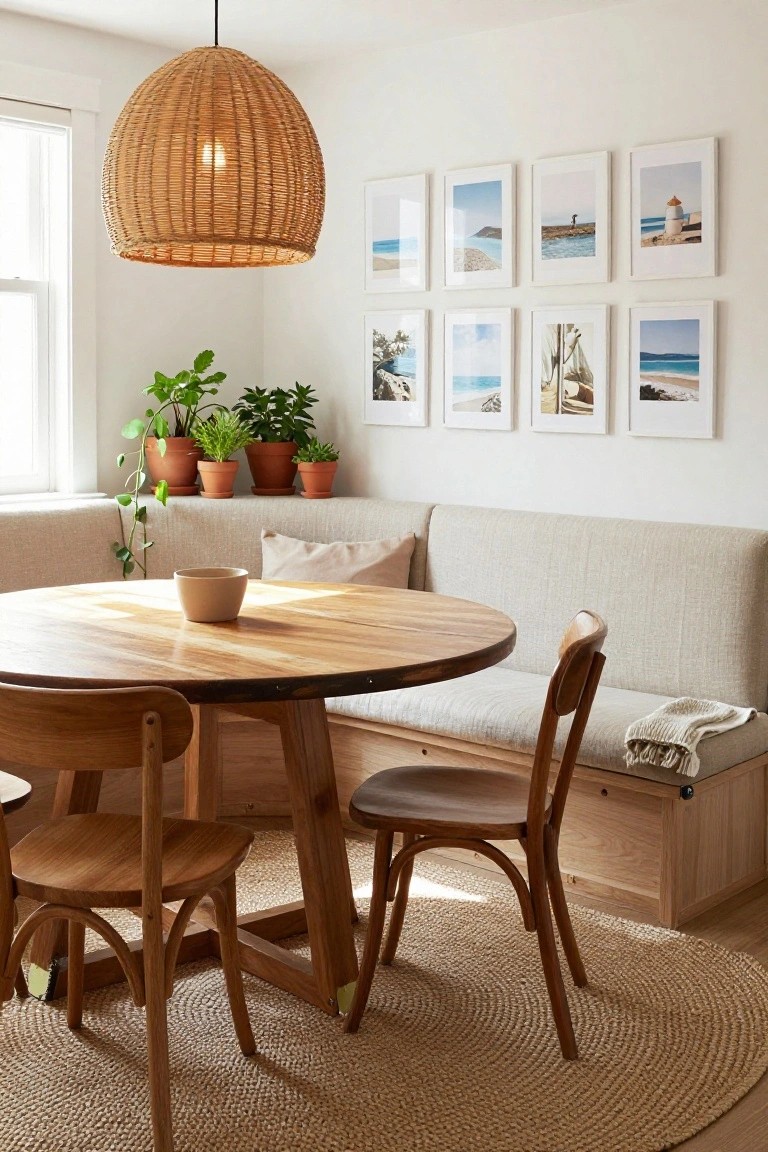
Built-in bench seating gives a dining spot extra function without taking up much floor space. The bench here runs along the wall and includes storage underneath, which keeps the area tidy while adding a soft place to sit.
This works best in homes that need flexible seating for daily meals or small gatherings. Match the bench height to your chairs and add a simple cushion so it feels comfortable for longer meals.
Hooks Above A Bench Keep The Entry Organized
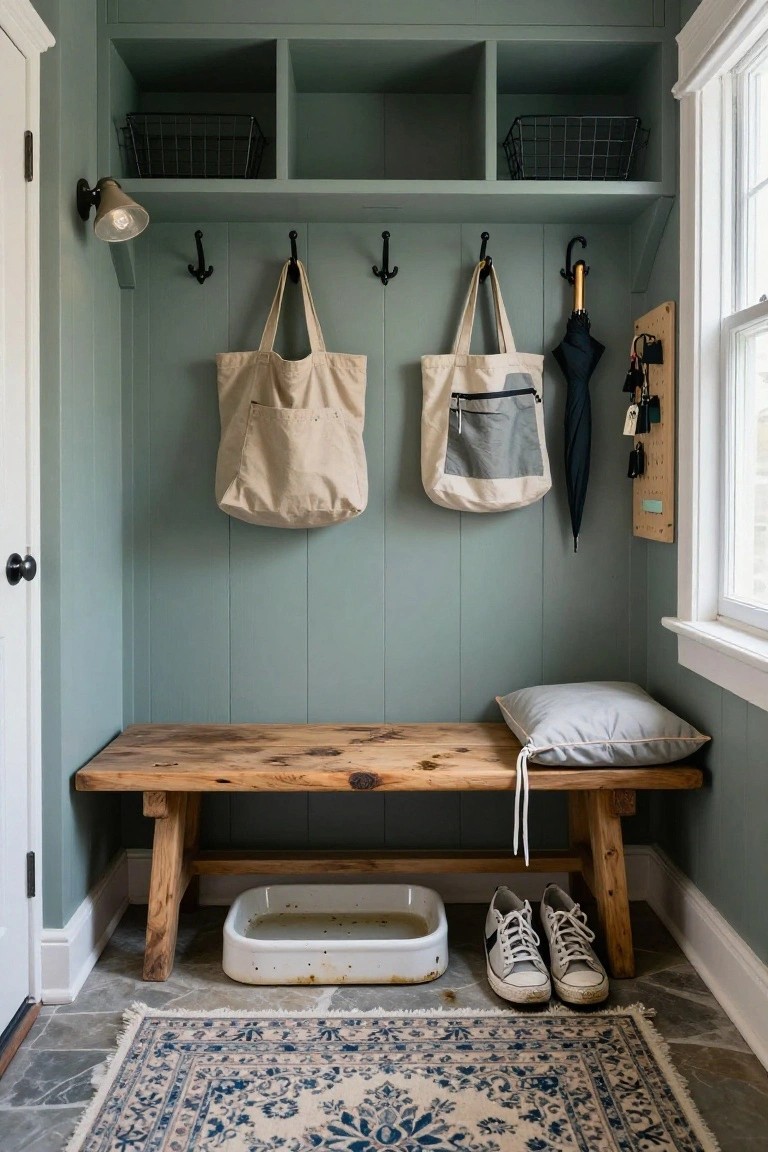
A bench with hooks above it gives the entry a place to land without turning into a pile. People can sit to take off shoes and hang bags or coats right where they come in, which keeps the rest of the house tidier.
This setup works best in smaller homes or busy households where the door opens straight into living space. Keep the hooks at a comfortable height and choose a bench that leaves room to walk past.
Using Wood For Bathroom Vanities
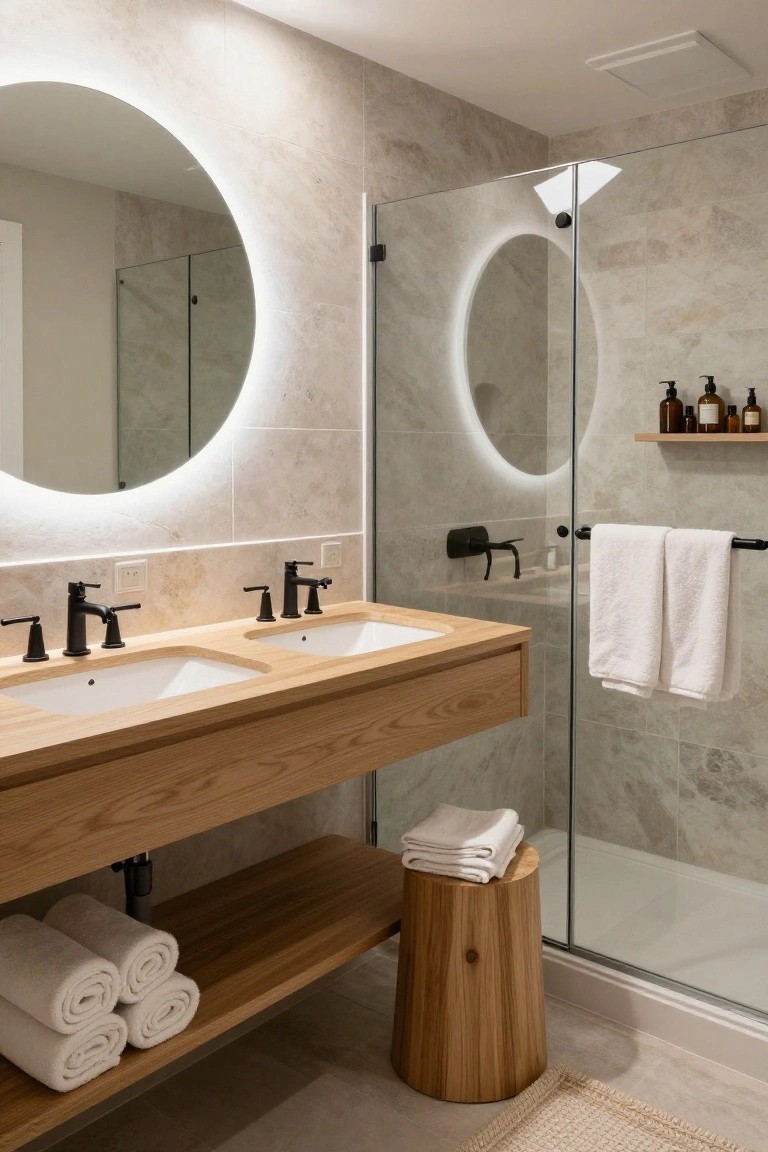
A floating wood vanity adds a natural layer to a bathroom without making the space feel heavy. The wood brings warmth against tile and stone, and the open lower shelf keeps towels and basics within reach while leaving the floor clear.
This approach suits homes that already lean on mixed materials. It works best when the wood tone stays light and the hardware stays simple so the vanity ages well and stays easy to clean.
Built In Bookshelves For A Collected Look
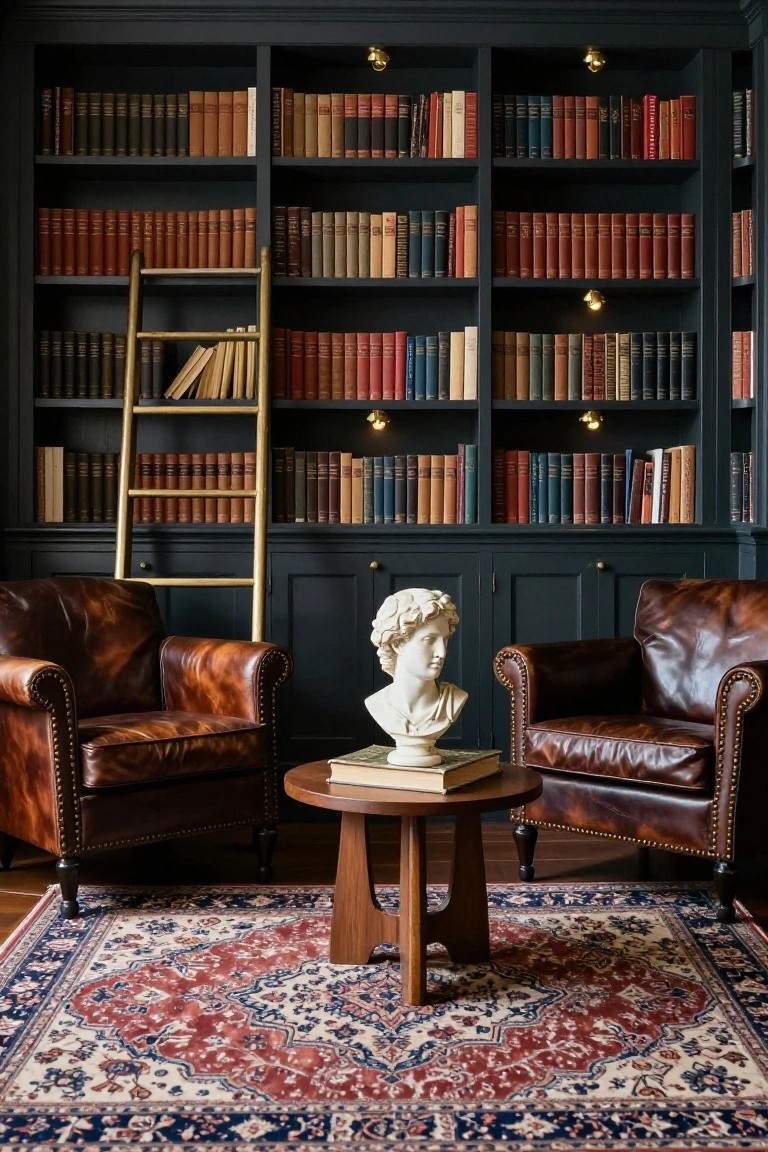
Built-in bookshelves give a room real depth without much effort. They turn plain walls into storage that also shows off years of reading and collecting, which is why the look feels settled rather than styled.
This works best in a study or living room where you already have the wall space. Paint the shelves to match the walls so the books become the main feature, and add a ladder if the shelves go high enough to need it.
A Simple Wooden Table For Sewing Projects
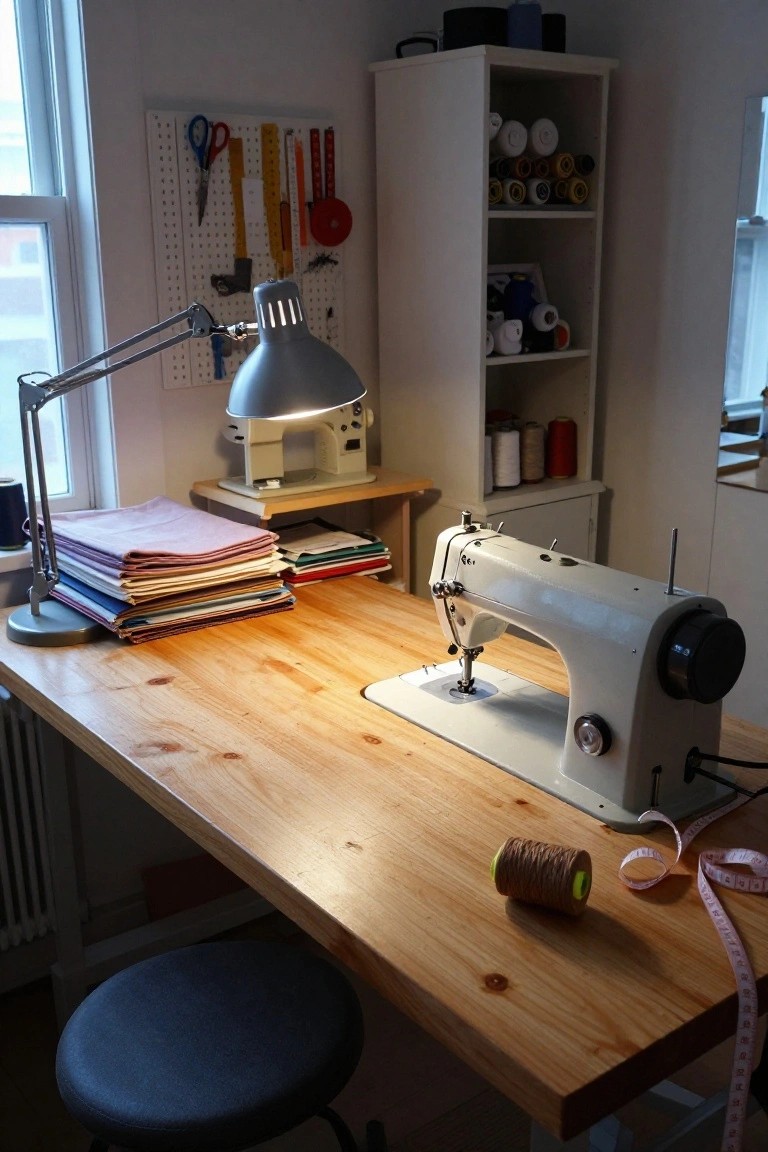
A large wooden table gives you a solid surface to spread out fabric and work on projects without running out of space. It keeps the focus on the task at hand instead of needing lots of smaller surfaces.
Set the table near a window and add basic storage like a pegboard or nearby cabinet for tools and thread. This kind of setup works in a spare room or even a quiet corner of a larger space.
Hang Framed Photos Along the Stairs
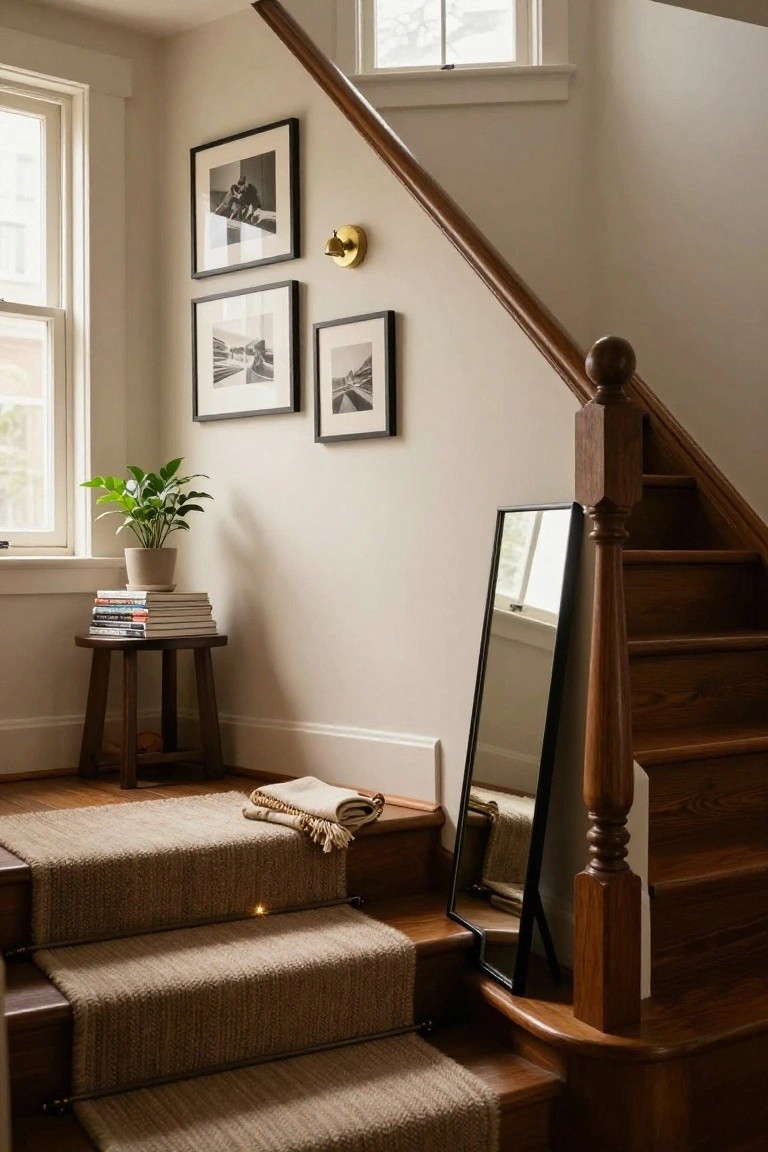
Placing a group of framed photos along a stair wall gives the space a collected look without crowding the area. The vertical surface gets used well, and the arrangement can grow over time as new pieces are added.
This works best in homes with simple trim and neutral walls. Keep the frames fairly consistent in style but vary the sizes so the display feels natural rather than planned.
Frequently Asked Questions
Q: Where do I start if my room feels flat right now? A: Begin with the largest surfaces like the floor and walls. Lay down a rug with some age to it, then hang one or two pieces of art at different heights. From there, add smaller items one at a time until the space feels settled.
Q: How many patterns can I really mix before it turns messy? A: Stick to three patterns that share at least one color. Place the boldest one on the biggest item, such as curtains or a chair. Let the other two show up in smaller doses like pillows or a throw.
Q: What if I only have a few favorite pieces and nothing else? A: Use those pieces as anchors and fill gaps with simple layers like books or a plant. Move things around until the eye travels easily from one object to the next. You do not need a full collection to get the feel.
Q: Can I change the layers later without starting over? A: Swap out just the top layer, like pillows or small objects on shelves. Keep the base pieces in place and refresh the accents when the mood shifts. This keeps the room feeling current while the timeless bones stay put.
