


In my own bedroom the bedside lamps always seemed to cast shadows right where I needed light for reading at night.
After trying different setups I realized that the angle and height of a light can make the whole corner feel either cramped or open.
Good lighting changes how the room works after dark.
I tend to test one small change first before committing to anything bigger.
Over time those adjustments show whether a nook will actually get used or just sit there unused.
Wall Sconces For Bedside Reading
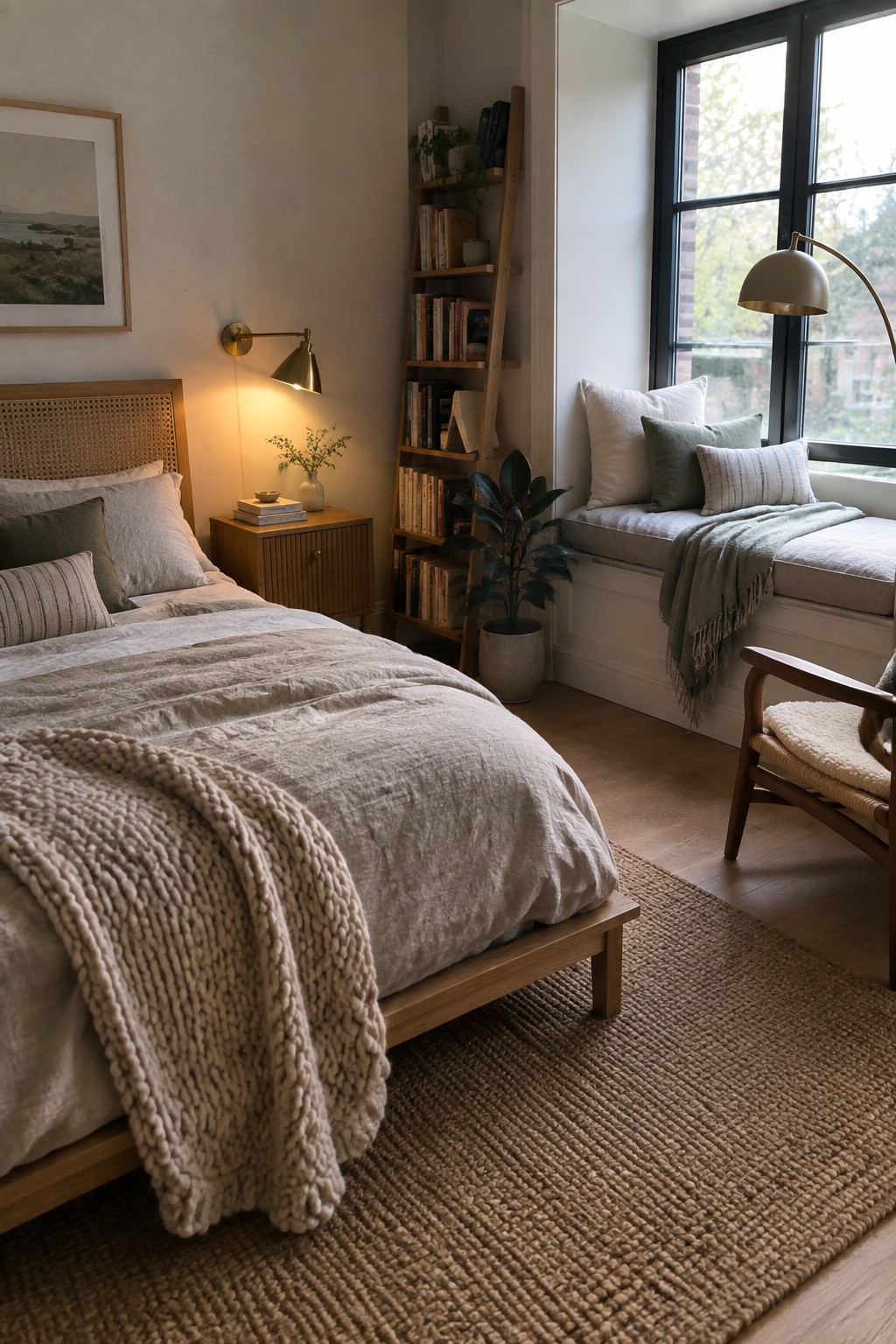
Wall sconces work well next to the bed because they free up the nightstand and put the light right where you need it. The fixture stays out of the way while still giving a focused beam for reading without much glare.
This setup suits smaller rooms or anyone who wants less clutter on the surfaces. Mount the sconce at a comfortable height and angle so the light falls across the page instead of shining straight into your eyes.
A Table Lamp on the Nightstand

A table lamp sitting right on the nightstand gives you steady light for reading without brightening the whole room. It keeps the focus close to the bed and lets you control the brightness with a simple switch.
This setup works in most bedrooms because it stays practical and does not need extra wiring. Pick a lamp with a shade that directs light downward and a base that feels like it fits with the rest of your furniture.
Wall Sconces for Window Seat Nooks

A wall sconce works well over a window seat because it leaves the surface clear for books and pillows while still giving focused light for reading. The arm can swing out or tilt down so the light lands right where you need it without shining in your eyes.
This setup fits best in bedrooms that already have a built-in bench or a simple cushion under the window. Keep the sconce on a dimmer if you also use the space for daytime sitting, and choose a shade that directs light downward rather than out into the room.
Mount a Swing-Arm Lamp Over Your Reading Chair

A swing-arm wall lamp gives you light exactly where you need it without adding another floor lamp or table lamp that takes up space. In a bedroom, this setup keeps the area around the bed and chair feeling open while still giving strong, adjustable light for reading.
This works best in smaller bedrooms or tight corners where floor space is limited. Mount the lamp on the wall so the arm reaches over the chair or a small shelf, and choose a style with a moveable shade so you can angle it without getting out of your seat.
Swing Arm Sconces Work Well Next to Beds and Nooks

A swing arm wall lamp gives you focused light for reading without taking up space on a nightstand or side table. In rooms with a window seat nearby, it can reach both the bed and the seating area, which keeps the layout simple and practical.
This setup suits smaller bedrooms or older homes where floor space is limited. Mount the lamp at the right height so the arm extends over the bed or toward the nook, then add a small table lamp for softer background light when you are not reading.
Low Shelf Lamps For Bedside Reading

A small lamp placed on a recessed shelf gives you focused light right where you need it without taking up floor space or needing a nightstand. This setup feels especially useful in rooms with low furniture or a minimalist layout, since the light stays low and contained.
It works best in smaller bedrooms or spaces where you want to keep surfaces clear. Pair it with a simple wall sconce for softer ambient light when you are not reading, and choose a lamp with an adjustable head so you can aim it without getting out of bed.
Give Your Window Seat Its Own Lamp

A small lamp placed right beside a window seat turns that spot into a real reading area instead of just extra seating. The light stays low and focused, so you can read without brightening the whole room or disturbing someone else in bed. It also keeps the space feeling balanced, since the window already brings in plenty of daylight during the day.
This setup works best in bedrooms that have a decent sized window ledge or built-in bench. Pick a lamp with a soft shade so the glow stays gentle in the evening, and make sure the table is sturdy enough to hold a book or cup without tipping. Avoid anything too tall that might block the view or get in the way when the seat is used for lounging.
Give Your Reading Chair Its Own Lamp

A floor lamp next to an armchair gives you a simple way to create a reading spot that does not rely on the bedside lamp. This setup keeps the bed area free for one kind of light while the chair gets light aimed right where you need it.
It works best in bedrooms that have a little extra floor space. Position the lamp behind or to the side of the chair so the light falls over your shoulder, and choose a bulb that is bright enough for pages but still easy on the eyes at night.
Wall Sconces For Bedside Reading

A wall mounted reading light keeps the bedside table free and puts the light right where you need it. The adjustable arm lets you angle the beam onto the page without lighting up the whole room.
This works especially well in smaller bedrooms or anywhere you want a simple setup. Mount the sconce at shoulder height when sitting up in bed, and add a dimmer so the light stays easy on the eyes at night.
Use a Floor Lamp for a Bedroom Reading Chair

A floor lamp works well when you want a reading spot that stays separate from the bed. It gives you a clear pool of light over a chair without crowding the nightstand or forcing you to lean across the mattress.
This approach suits smaller bedrooms or anyone who likes to read before turning in. Place the lamp on the side of the chair farthest from the bed so the light falls across your lap, and choose an adjustable arm if you want to change the angle without moving furniture.
Bedside Lamps for Gentle Reading Light

Many bedrooms feel more practical when each side of the bed has its own lamp. This setup gives even light so one person can read without turning on a brighter overhead fixture or disturbing the other.
Place the lamps on nightstands that sit at the right height for reaching from the bed. Lamps with light fabric shades work best because they soften the glow and suit most bedroom styles without taking up too much space.
String Lights For A Reading Nook

String lights work well when you want to mark off a small reading spot without adding another lamp or fixture. They give off a soft glow that makes the area under a loft bed feel separate from the rest of the room.
This approach fits best in smaller bedrooms or spaces where the bed already takes up most of the floor. Hang the lights along the edge of the upper bunk so they light the seating area below without shining directly into anyone’s eyes at night.
Adjustable Lamps For Bedside Reading
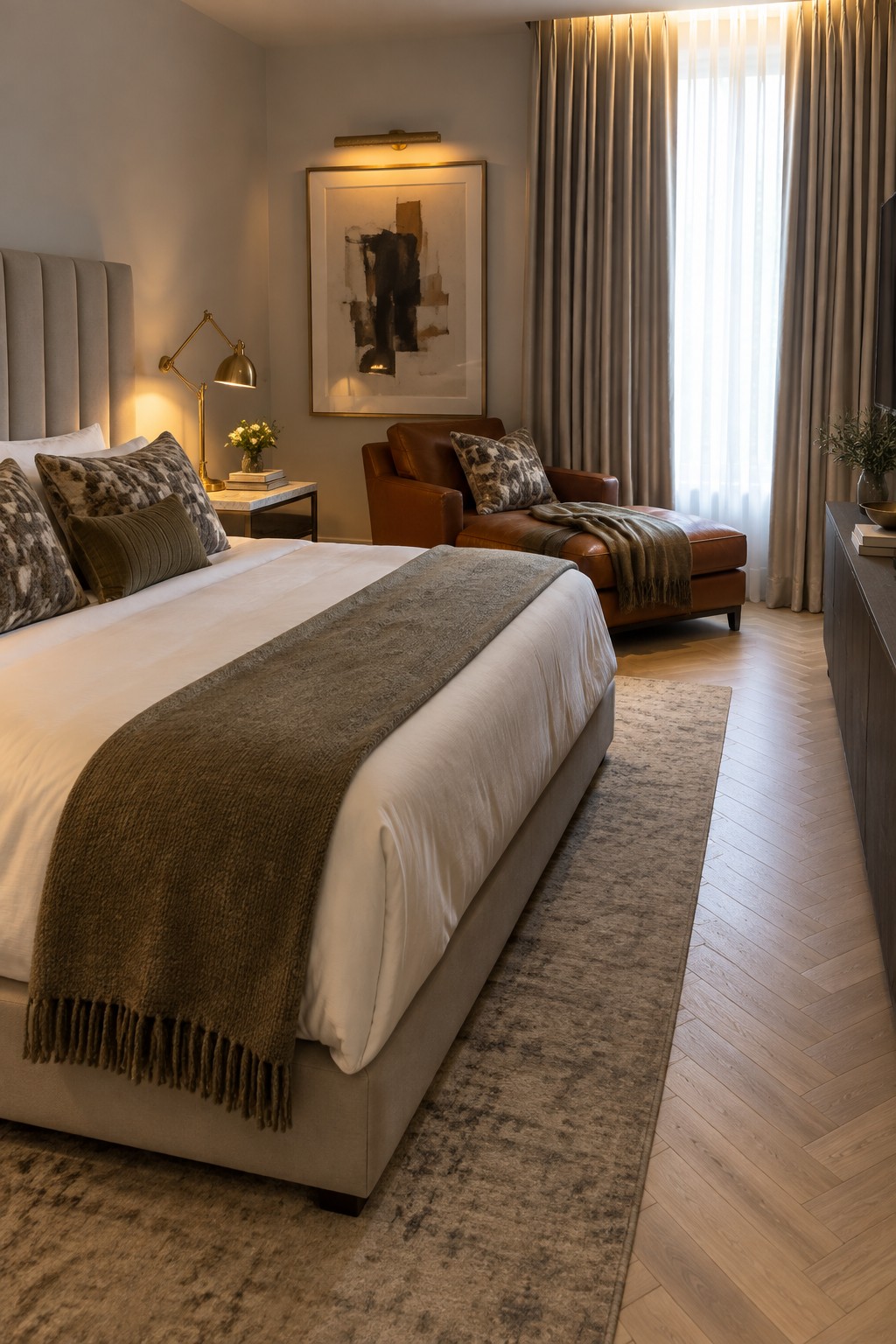
An adjustable lamp next to the bed gives you light you can aim exactly where you need it. The swing arm style lets you pull the light over a book or push it back when you are done, which keeps the rest of the room from feeling overly bright at night.
This works best in rooms where both people want different light levels. Place the lamp on a nightstand that sits a little lower than the mattress so the arm can clear the bed easily, and choose a model with a weighted base that will not tip when you move it.
Place a Floor Lamp Beside the Reading Chair

A floor lamp next to an armchair gives you steady task light without crowding the surface beside the chair. It works especially well in bedrooms where the reading spot sits away from the bed and needs its own source of light.
This setup suits rooms with built-in shelves or a quiet corner that already holds a comfortable chair. Look for an adjustable arm so you can tilt the light exactly where you need it while you read.
Wall Sconces For Bedside Reading

Wall sconces give you light right where you need it without crowding the nightstand. In this bedroom the black adjustable scones sit at just the right height to shine down on the pillows, which makes them handy for reading without having to reach over for a lamp.
They work best in smaller bedrooms or any space where you want to keep the bedside tables clear for books and a glass of water. Mount them on either side of the headboard so each person can control their own light, and pick ones with a swing arm if you like to shift the beam a bit while you settle in.
One Floor Lamp for Both Bed and Window Nook

Many bedrooms include a small reading spot by the window in addition to the bed. A single tall floor lamp can cover both areas when placed between them, so you avoid adding separate lamps that take up table space.
This setup works best in rooms where the window bench sits close to the bed. Position the lamp high enough to reach the pillows and angled slightly toward the bench cushions. It keeps the lighting practical without crowding the nightstand or the seat.
Recessed Wall Niches With Integrated Lighting

A recessed niche with its own built-in light gives you focused reading light right where you need it without adding another lamp to the nightstand. The light stays contained within the shelf, which keeps the glow soft and prevents it from shining directly into your eyes when you are trying to wind down.
This setup works best in smaller bedrooms or in rooms where you want a very pared-back look. It pairs well with a single small lamp on the nightstand if you still want that warmer, lower light source for evenings when you are not reading.
Mix Wall Lamps With Table Lamps At The Bedside

A simple way to improve bedside lighting is to combine a wall mounted lamp with a table lamp on the nightstand. This setup gives you direct light for reading on one side while keeping a softer glow on the other, without crowding both sides with full lamps and cords.
It works especially well in rooms where one side of the bed sits closer to a window or has less surface space. Try placing the wall lamp on the side you use most for reading so the light can angle where you need it.
Recessed Niches For Bedside Reading Lights

A recessed wall niche with its own small lamp gives you a clean place to keep books and a focused light right next to the bed. It cuts down on clutter since you skip the usual nightstand lamp, and the built-in light stays aimed where you need it without shining across the whole room.
This setup works especially well in smaller bedrooms or any space that already has a low platform bed. You can add a slim floating shelf below the niche for a cup or phone, but keep the recess itself just deep enough for a couple of books and the light so it does not eat into the wall space.
Adjustable Lamps Next To The Bed
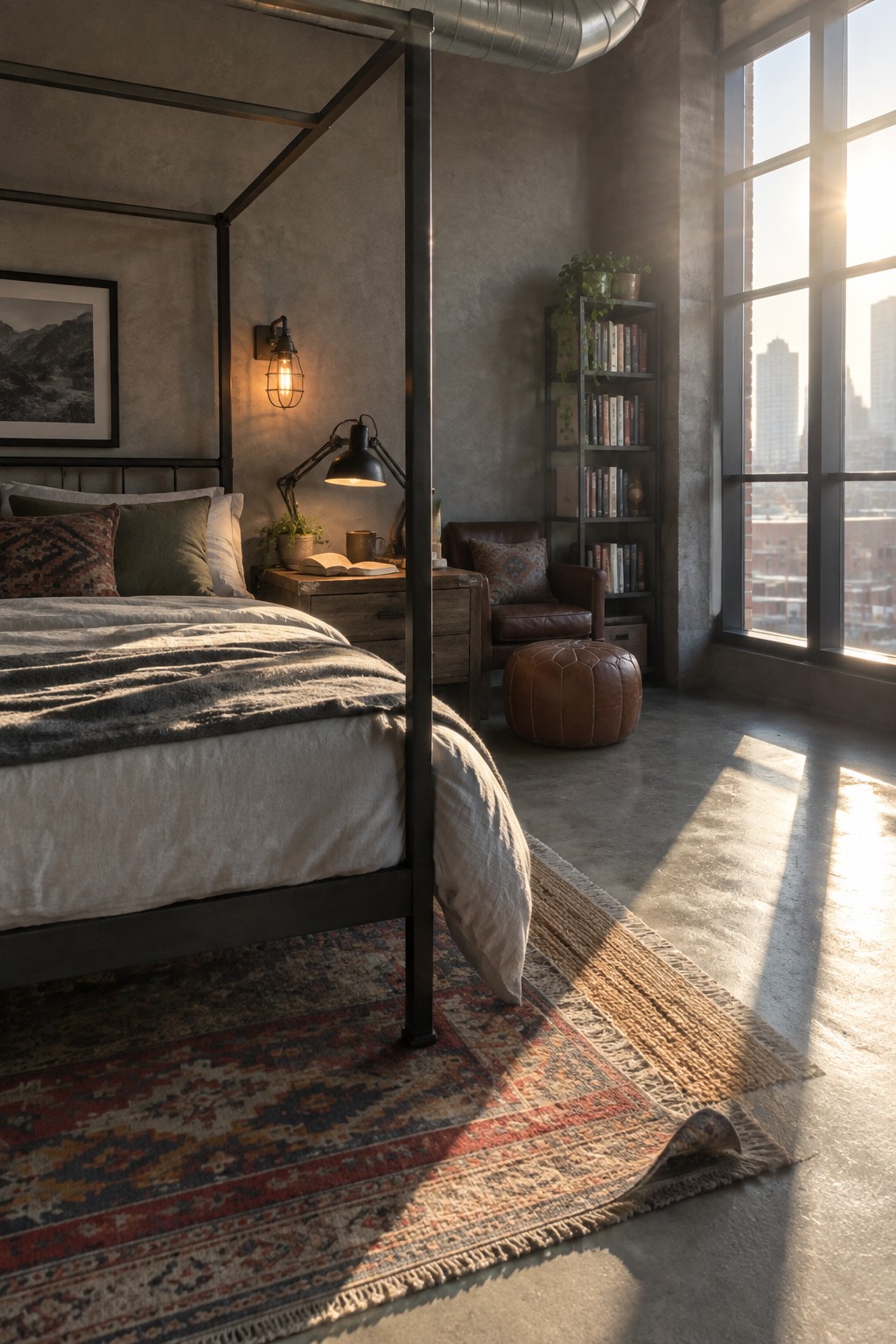
An adjustable lamp gives you control over where the light lands. You can tilt it toward a book without brightening the whole room or waking someone next to you. The wall sconce adds a second layer that keeps the space from feeling too dark once the main overhead lights are off.
This approach suits smaller bedrooms where nightstands have limited space. Place the adjustable lamp low and close to the bed so the beam stays contained. Avoid anything too tall or wide that might block movement around the room.
Floor Lamps Next to Reading Chairs

A floor lamp placed between two armchairs gives each seat its own light without relying on a ceiling fixture. The height lets the glow fall directly onto the pages while the rest of the room stays softer. It is a simple way to turn an empty stretch of wall into a spot people actually use.
This setup suits bedrooms that have a bit of extra floor space near a window. Keep the base narrow so it does not block the path, and choose a shade that directs light downward rather than out to the sides. One lamp can serve both chairs without crowding the surface of a small side table.
Built-In Shelves With Integrated Lighting

A recessed shelf above the bed gives you storage and a dedicated reading light in one spot. The small lamp inside stays focused on the books without taking up room on the nightstand or casting light across the whole room.
This works best in smaller bedrooms or older homes where wall space is limited. Keep the shelf shallow, add one simple sconce, and use it for a few favorite books and a plant or two so it feels useful rather than crowded.
Layer Lighting for a Reading Chair and Bedside

A floor lamp next to an armchair gives you a real spot to read without relying only on the bedside lamp. The separate light source keeps the bed area from feeling crowded and lets you adjust brightness for longer reading sessions.
This works best in bedrooms that have a little extra floor space near the bed. Place the chair where the lamp can shine over your shoulder, and choose a shade that directs light downward so it does not disturb anyone else in the room.
Alcove Lighting For A Reading Nook
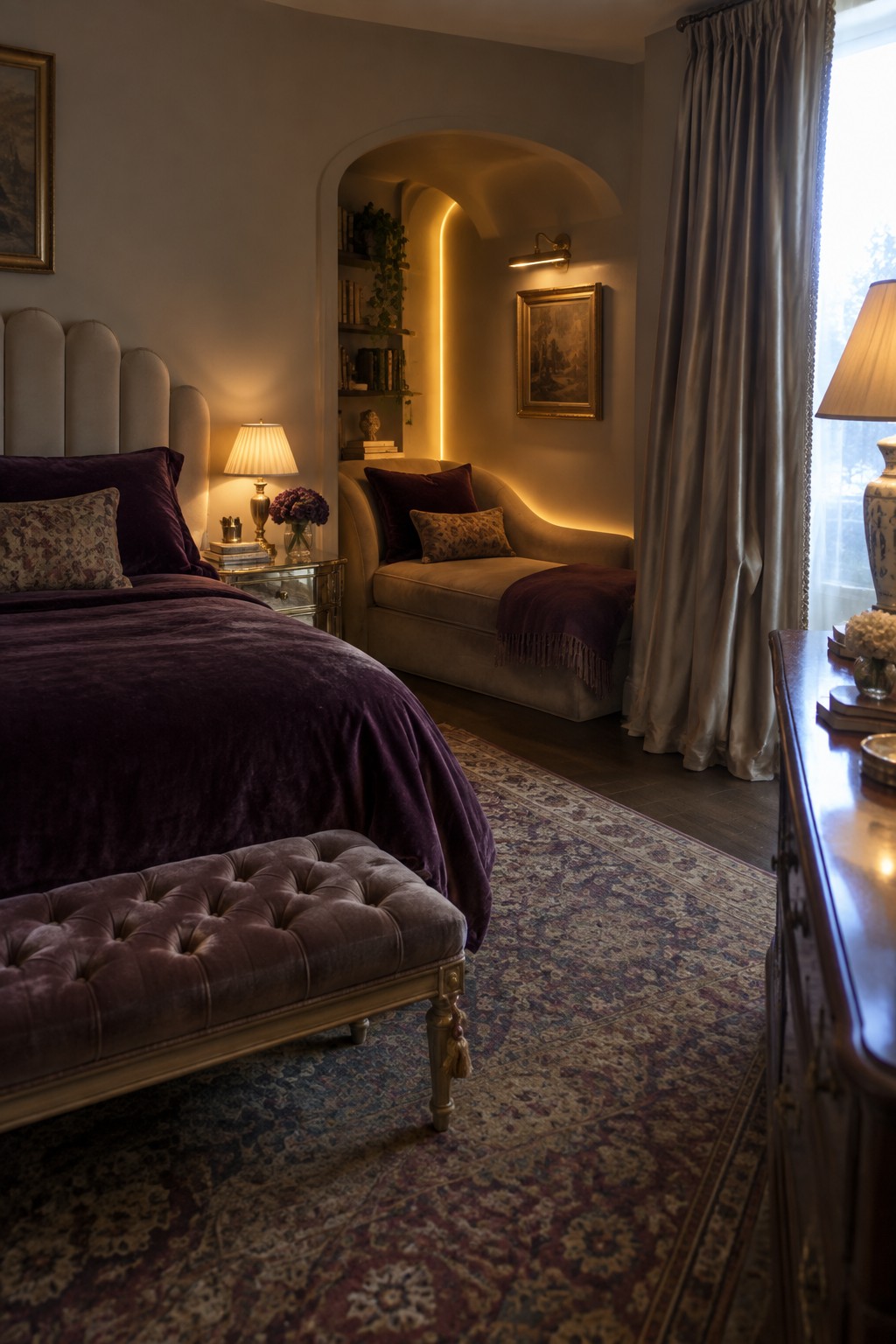
Tucking a chaise into a recessed alcove and lighting it from inside gives you a quiet spot to read without adding another floor lamp. The built-in light keeps the corner feeling contained and separate from the bed area, which helps the room stay calm at night.
This setup works best in bedrooms that already have some wall depth or an unused niche. Use a warm, low-level source so the light stays gentle and does not shine straight into the bed. A simple switch or dimmer nearby makes it easy to turn on just for reading.
Frequently Asked Questions
Q: How do I position a bedside lamp so it doesn’t cast shadows on my book? A: Place the lamp slightly behind and to the side of your shoulder. This way the light falls straight onto the pages. Angle the shade downward a bit if needed.
Q: What if my reading nook gets too much glare from the window during the day? A: Add a sheer curtain to soften the natural light. It keeps things comfortable without extra fixtures.
Q: My partner reads later than I do. How can we handle different lighting needs? A: But separate lamps with individual switches solve this easily. Pick ones with adjustable arms so each side stays focused. Dimmers help too if you want to lower the light gradually.
Q: Is a clip-on light worth it for a small space? A: Yes, clip it right onto the headboard or shelf edge. It takes up zero table room and directs light exactly where you need it. Many come with flexible necks for easy tweaks.
