


I have noticed that bedrooms tend to feel flat when the textiles stay too thin or too matched.
The way an upholstered bench sits against layered rugs and heavier curtains often decides whether the room reads calm or cluttered once you spend time in it.
When I rearrange my own space I usually test the weight and drape of new fabrics first because those choices affect how the whole room settles into daily use.
Details like that change more than expected.
I keep coming back to ideas that let me add softness without crowding the floor plan or the light.
Layer Soft Textiles on the Bed
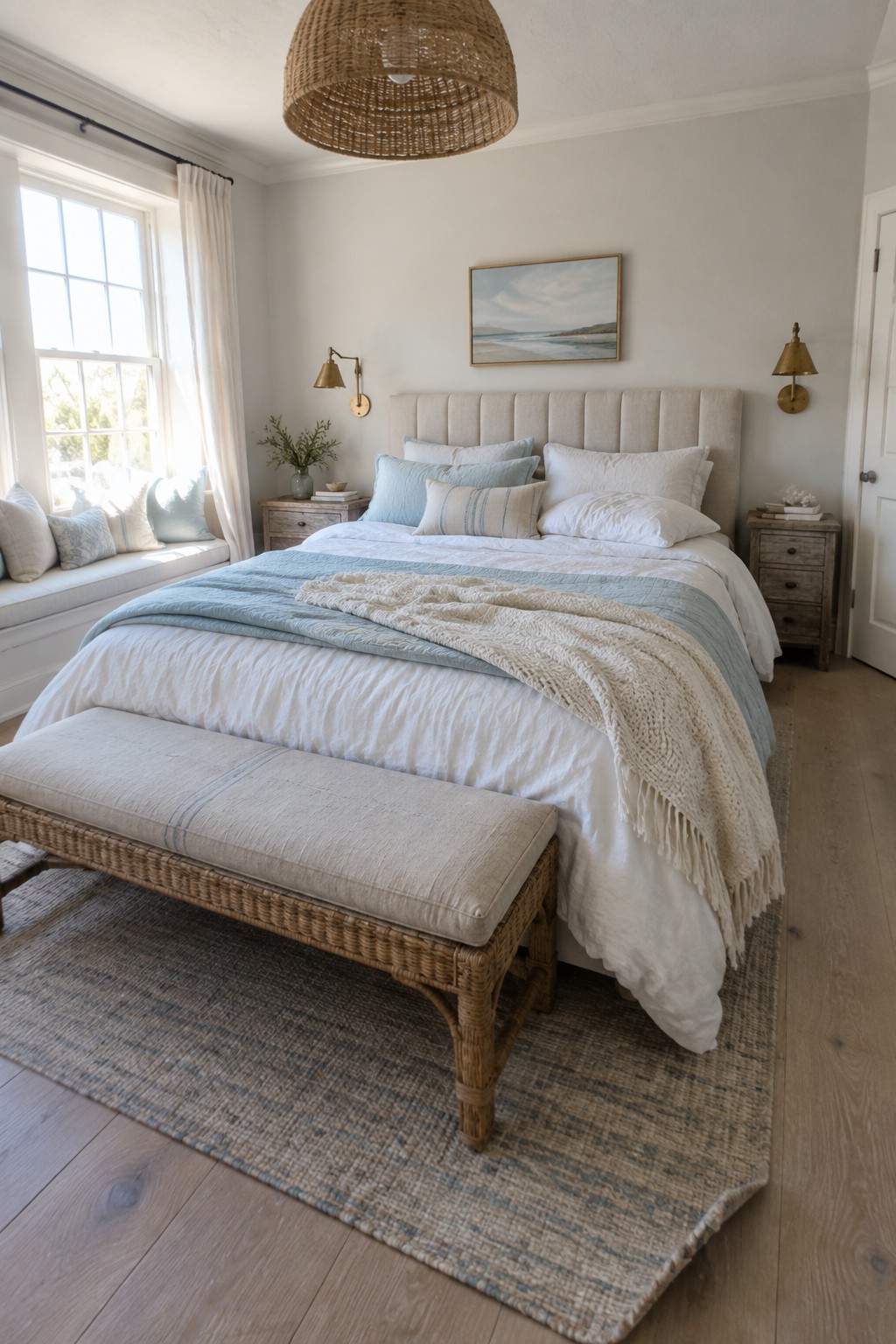
Layering different fabrics on the bed gives a bedroom an easy sense of warmth without adding much clutter. A few light throws, a textured blanket, and simple linen sheets work together to soften the whole space and make it feel more lived in.
This approach suits most bedrooms, especially smaller ones where you want comfort without heavy furniture. Start with a neutral base and add one or two layers at a time so the bed stays easy to make each day.
Tufted Headboards with Layered Textiles
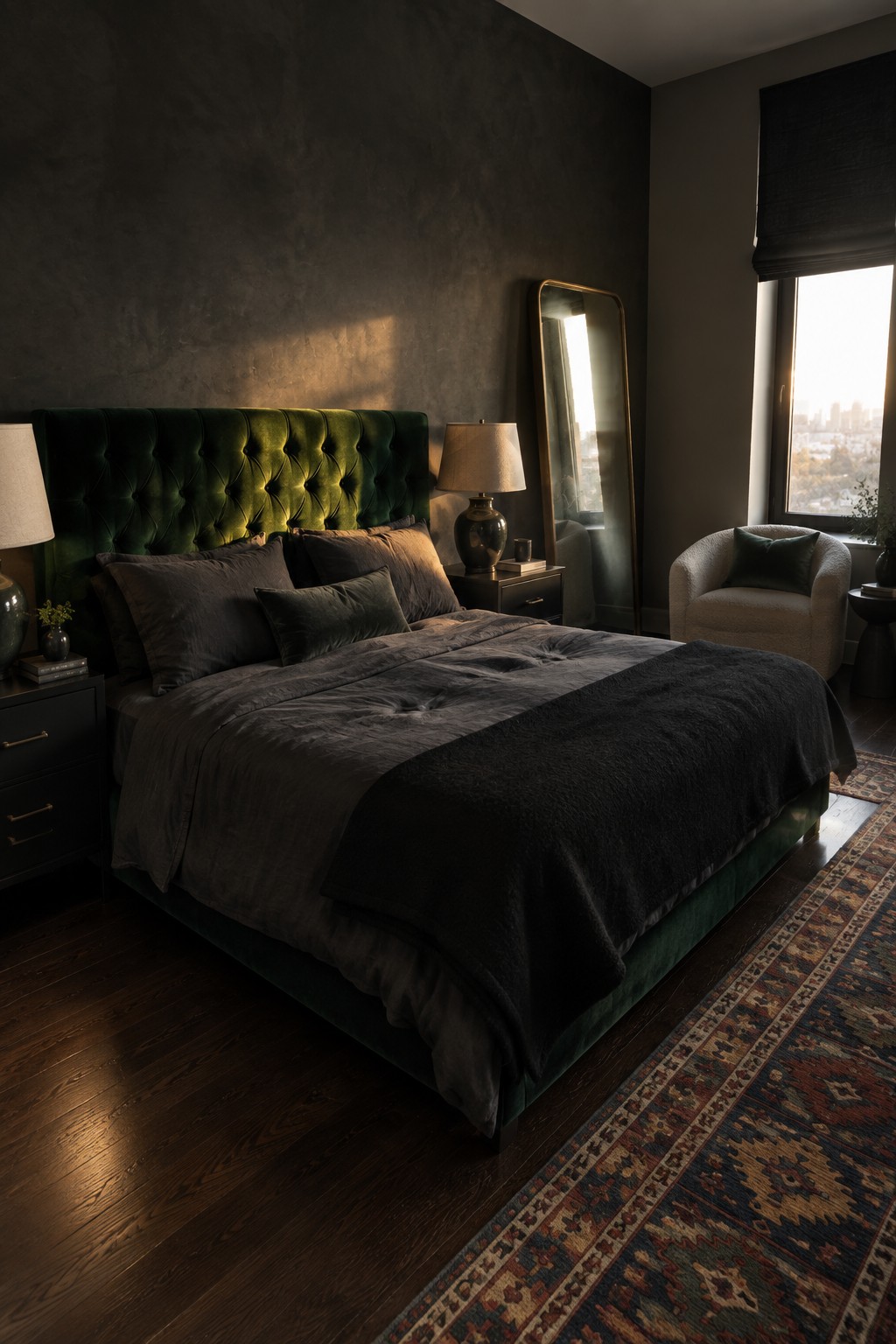
A tufted headboard gives the bed a solid shape that layered textiles can build on without looking messy. The rich texture of the upholstery holds up against heavy blankets and pillows, so the whole setup feels grounded instead of flat.
This approach works best in bedrooms that already lean dark or moody. Keep the layers in similar tones and let the headboard do the main visual work. It suits rooms with wood floors and simple furniture, since the textiles and upholstery carry most of the interest.
Layered Textiles Over an Upholstered Headboard
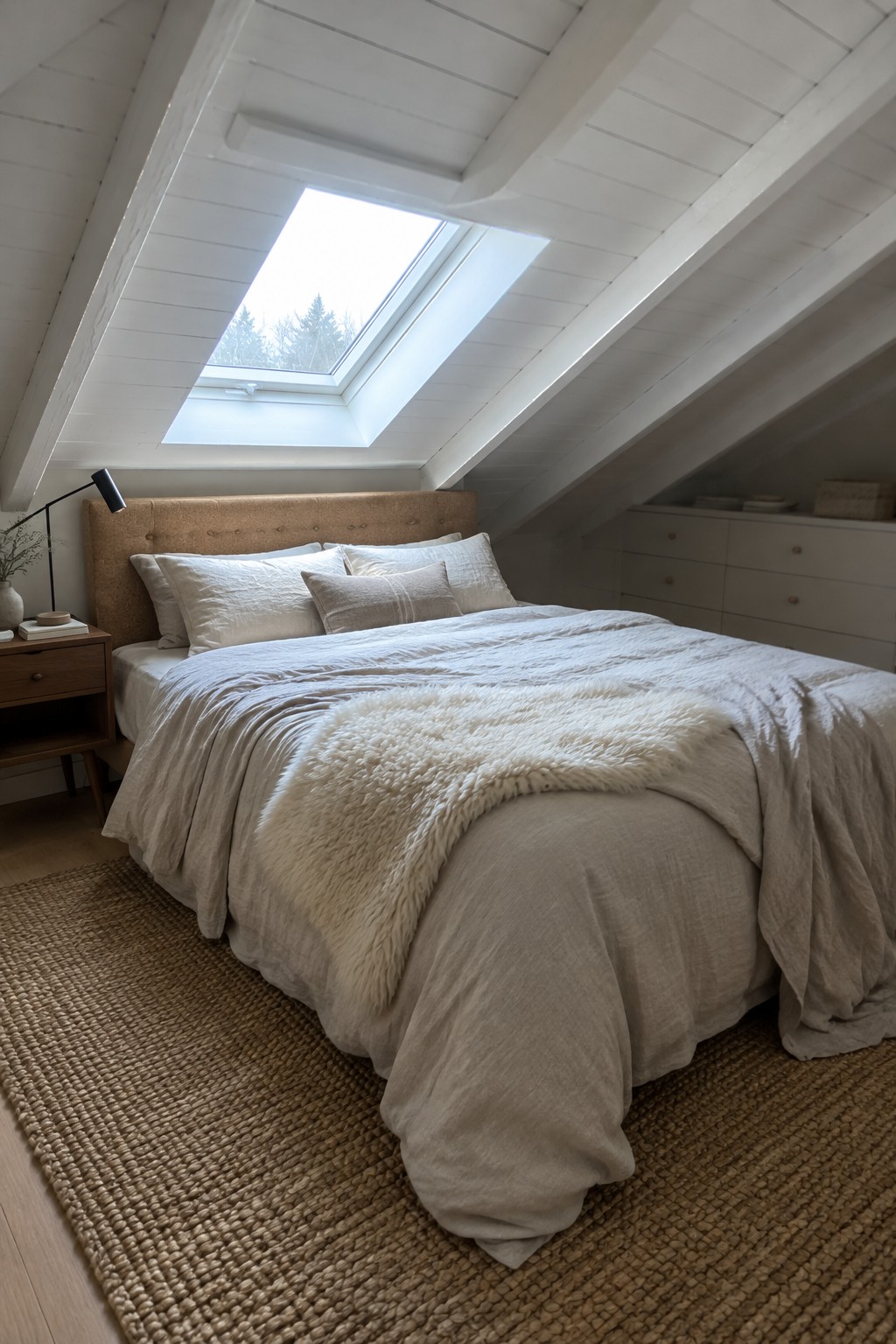
One of the easiest ways to make a bedroom feel finished is to build up the bed with different textiles. The mix of smooth linen sheets, a heavier cover, and a soft wool throw creates depth without adding much color. An upholstered headboard gives the layers something solid to rest against and keeps the whole thing from looking flat.
This approach works well in smaller bedrooms or spaces with sloped ceilings where you want the bed to feel like the main feature. Keep the palette quiet so the textures do the work, and add just a few pillows rather than a big stack. It suits older homes or any room where you want things to feel lived in rather than styled.
Layering Textiles Over An Upholstered Headboard
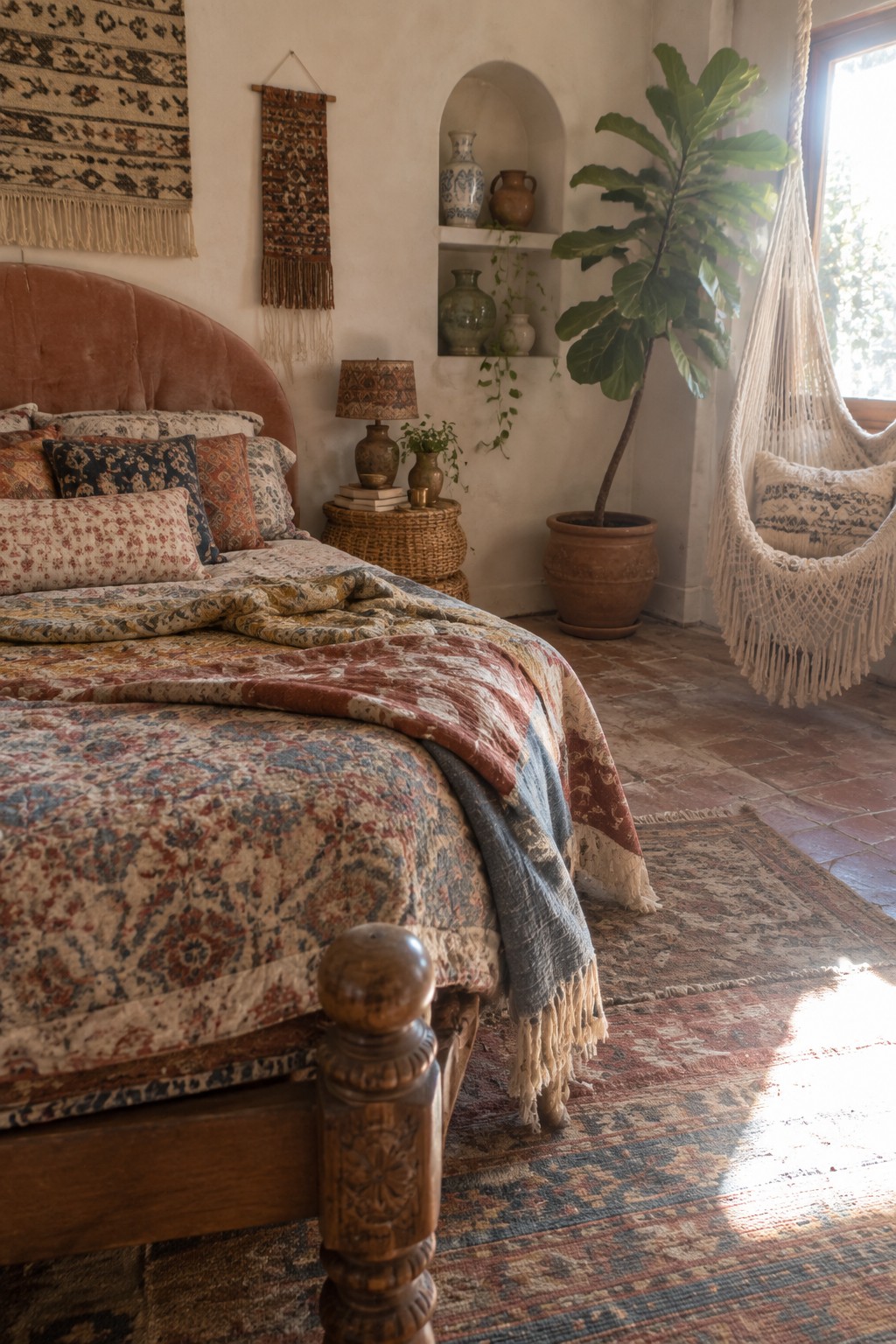
An upholstered headboard gives the bed a clear shape while layers of textiles keep the whole space feeling soft and lived in. The mix of patterns on the bedding and rugs adds interest without needing much else on the walls. It works because the solid fabric behind the bed holds all the layers together.
This setup suits older homes or any bedroom that needs more warmth. Start with two or three patterns that share a color range and add one plain throw or blanket on top. Too many small prints can start to fight each other, so leave some breathing room between the layers.
Layering Textiles Around Upholstered Furniture
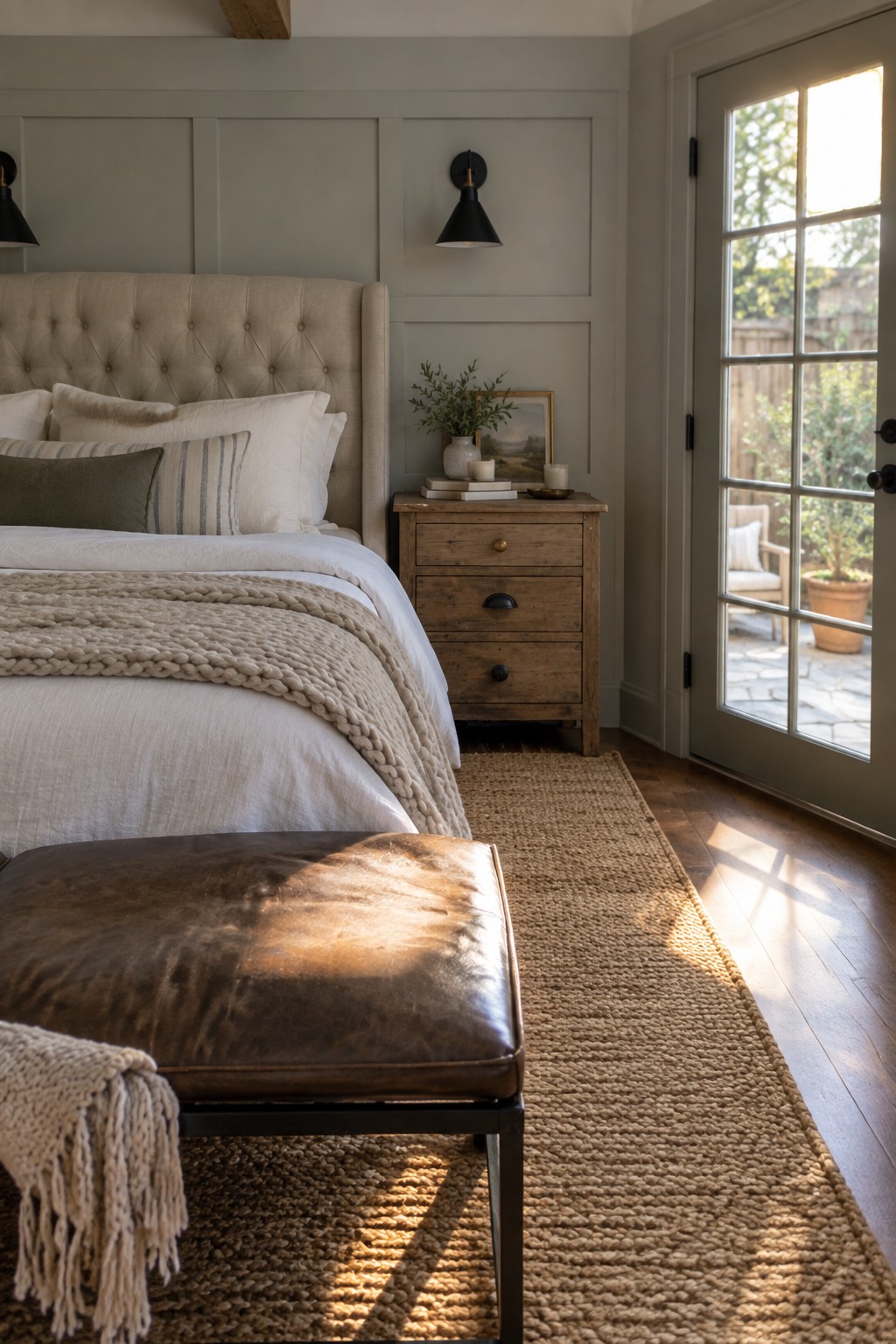
An upholstered headboard gives the bed a soft shape that works well with lots of layers on top. Adding a chunky knit throw, linen sheets, and a woven rug underneath creates depth without making the room feel busy. The mix keeps the space warm and simple at the same time.
This works best in bedrooms with a quiet color scheme. Stick to similar tones so the different textures show up clearly. It suits older homes or any room where you want the bed area to feel settled rather than stark.
Layer Textiles Over a Low Platform Bed
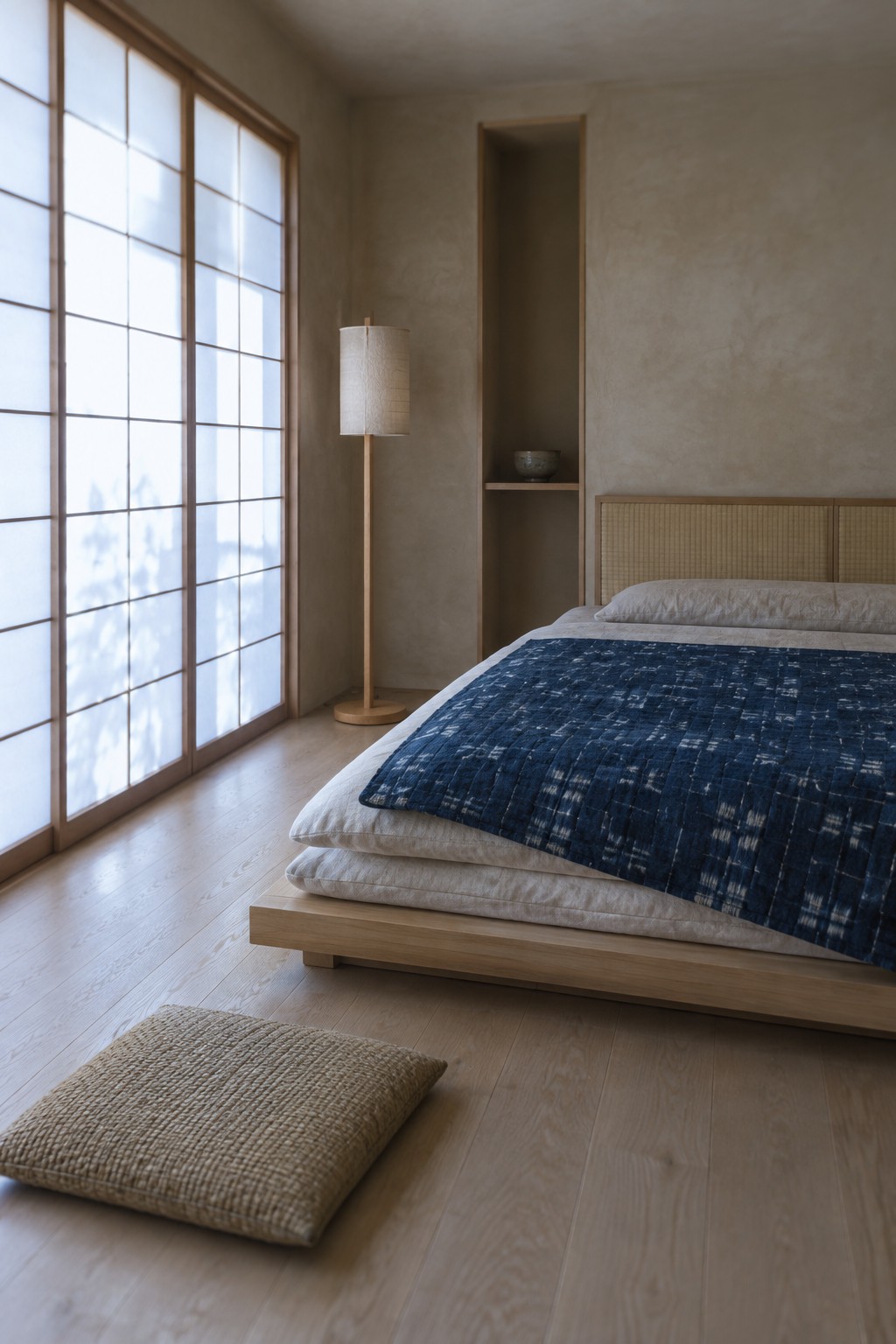
A low platform keeps the bed from feeling heavy in the room. Layering a few textiles on top adds softness and depth while the simple frame stays in the background.
This approach works especially well in smaller bedrooms or spaces with wood floors and plenty of natural light. Stick to neutral base layers and let one quilt or coverlet bring in pattern and color.
Layering Textiles in the Bedroom
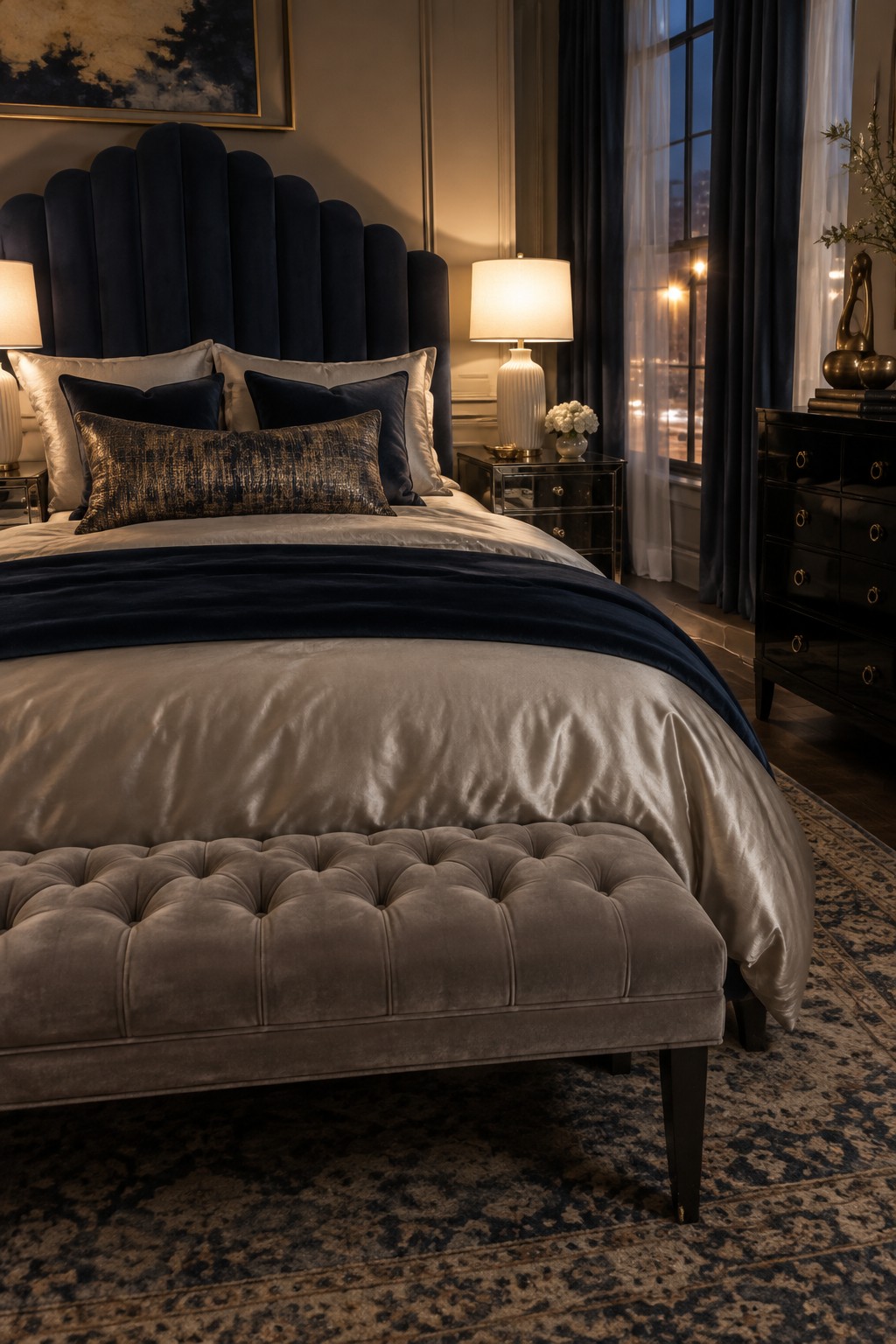
Mixing fabrics like velvet, silk, and woven textures on the bed creates a bedroom that feels finished and comfortable. The contrast between smooth bedding and a plush upholstered bench at the foot adds depth that a single fabric cannot achieve on its own.
This approach works best in rooms that already have some upholstered furniture. Start with a solid base of sheets and a coverlet, then add a velvet throw and a few pillows in different materials. It suits homes where the goal is warmth without clutter.
Layering Textiles Over A Simple Base
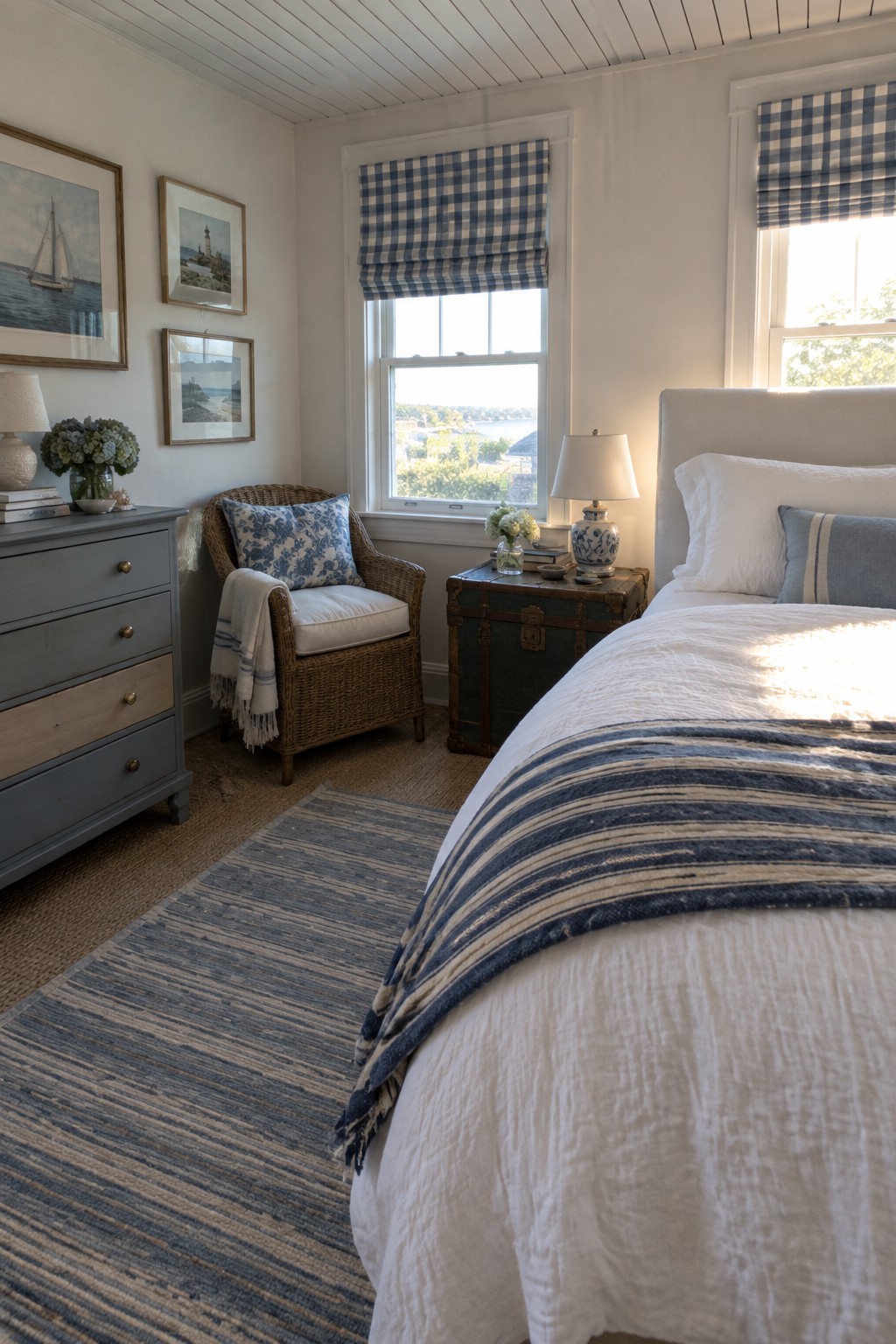
One way to give a bedroom more depth without adding clutter is to layer textiles in a few key spots. A striped throw across the bed and a matching rug underfoot create a quiet rhythm that feels collected rather than busy. The mix of woven pieces and softer fabrics keeps the room from looking flat while still letting the white bedding stay calm.
This approach works well in rooms that already have clean lines and neutral walls. Keep the base simple, then add one or two patterned layers that share a similar color family. Avoid piling on too many different textures or the room can start to feel heavy.
Pairing Upholstered Leather With Layered Textiles
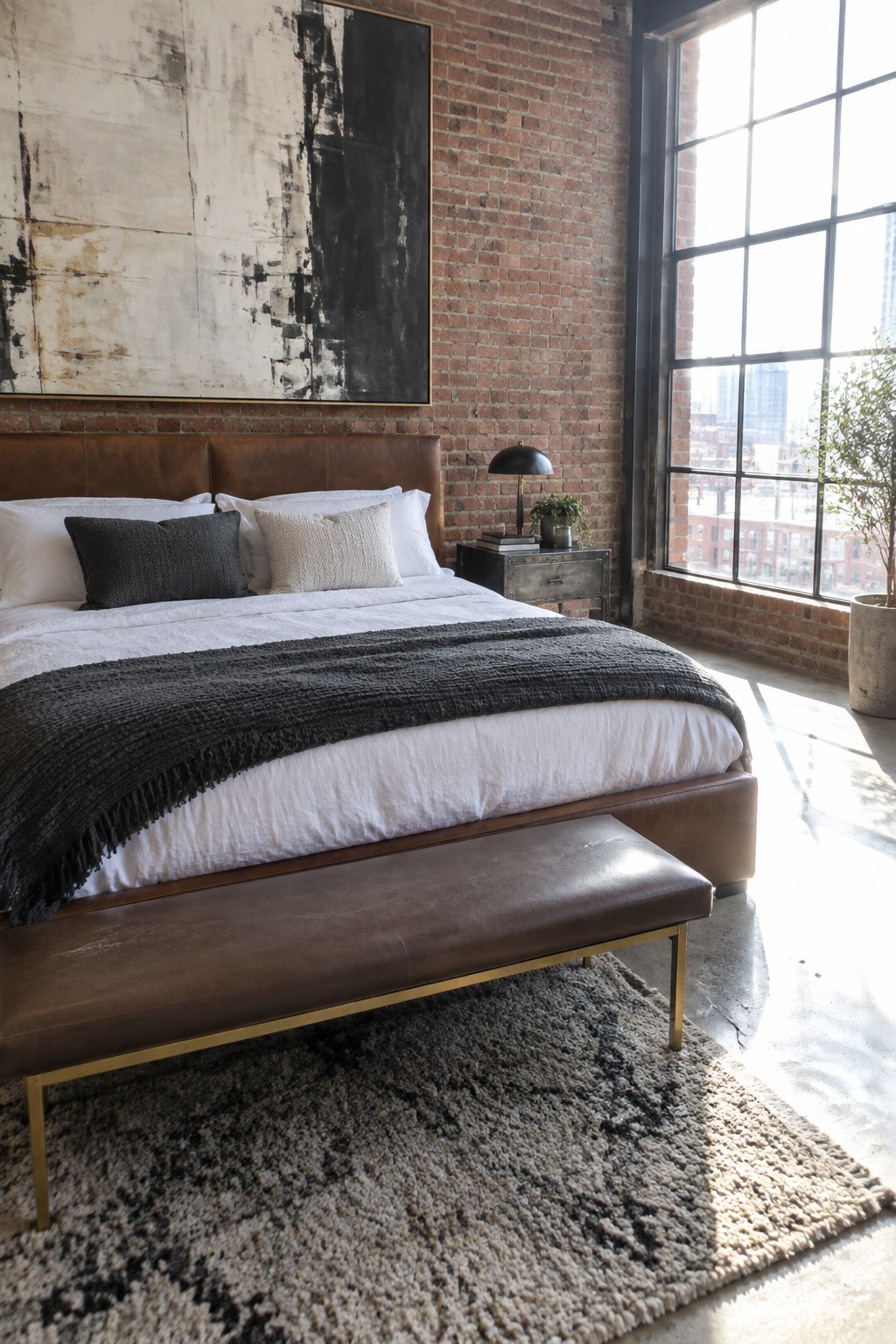
Many bedrooms gain a quiet balance when leather upholstery is paired with plenty of soft textiles. The leather pieces give the room structure and weight while the layers of fabric keep everything from feeling too hard or cold.
This works best in rooms that already have some scale, where a bench can sit comfortably at the foot of the bed and a thick rug can anchor the space. It suits homes with brick, concrete, or other hard surfaces that need softening without losing their edge.
Layering Textiles Over An Upholstered Headboard
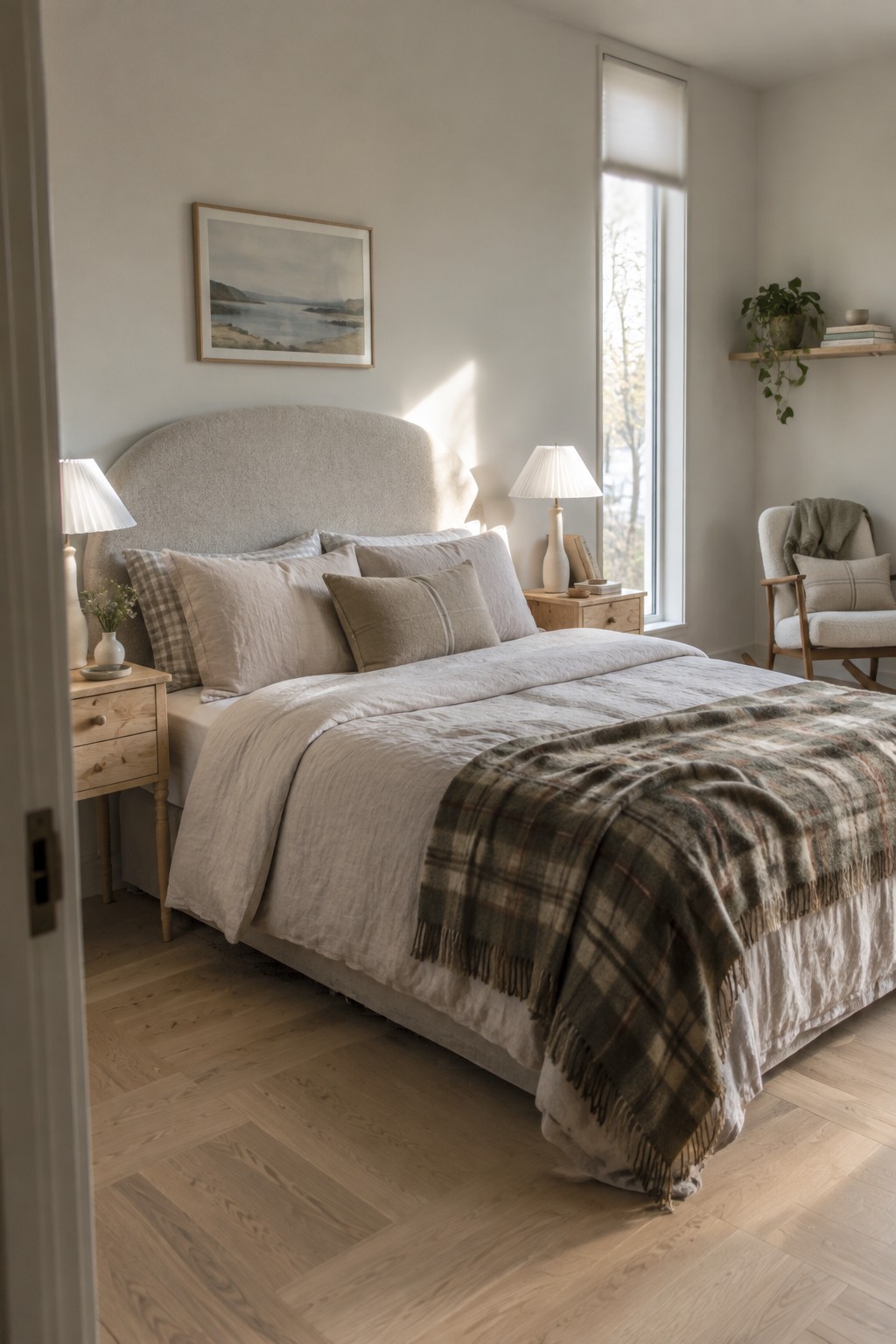
One simple way to give a bedroom more depth is to layer different textiles over a soft upholstered headboard. The rounded shape of the headboard acts as a quiet backdrop while the mix of linen sheets, pillows, and a heavier throw creates a relaxed but finished look.
This works best in rooms with light walls and wood floors where you want things to feel calm rather than busy. Keep the main layers in similar tones and add just one or two patterned pieces, such as a plaid throw, so the bed stays comfortable instead of overdone.
Layering Linens Over a Velvet Headboard
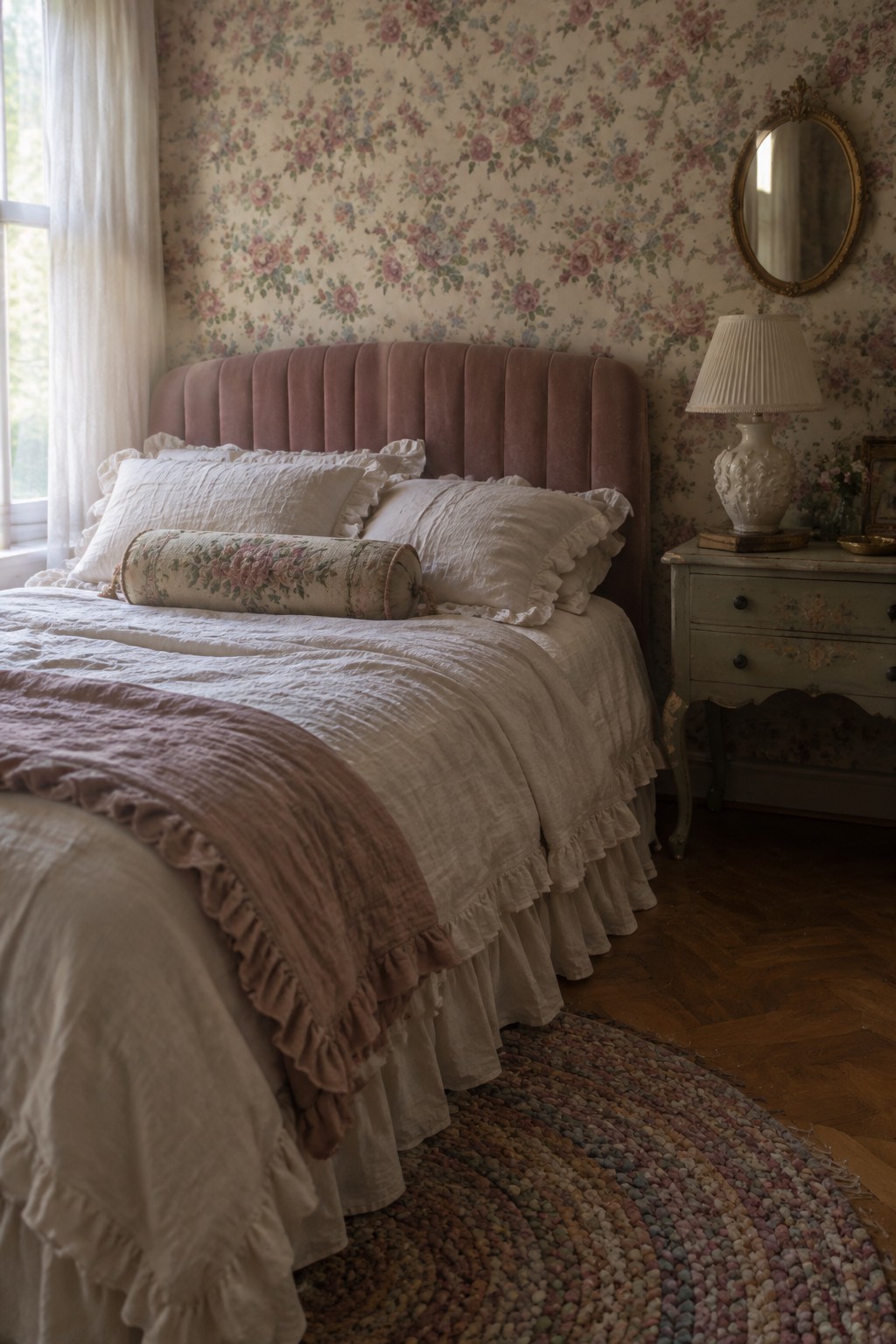
A velvet upholstered headboard gives the bed a solid shape that holds up well under layers of softer fabrics. The ruffled linens and patterned bolster add movement without making the whole setup feel flat or one-note.
This works best in bedrooms where you already have some age or texture in the room, like older wood floors or patterned walls. Keep the layers in similar tones and let the headboard do the anchoring so the look stays relaxed instead of busy.
Layering Textiles With An Upholstered Headboard
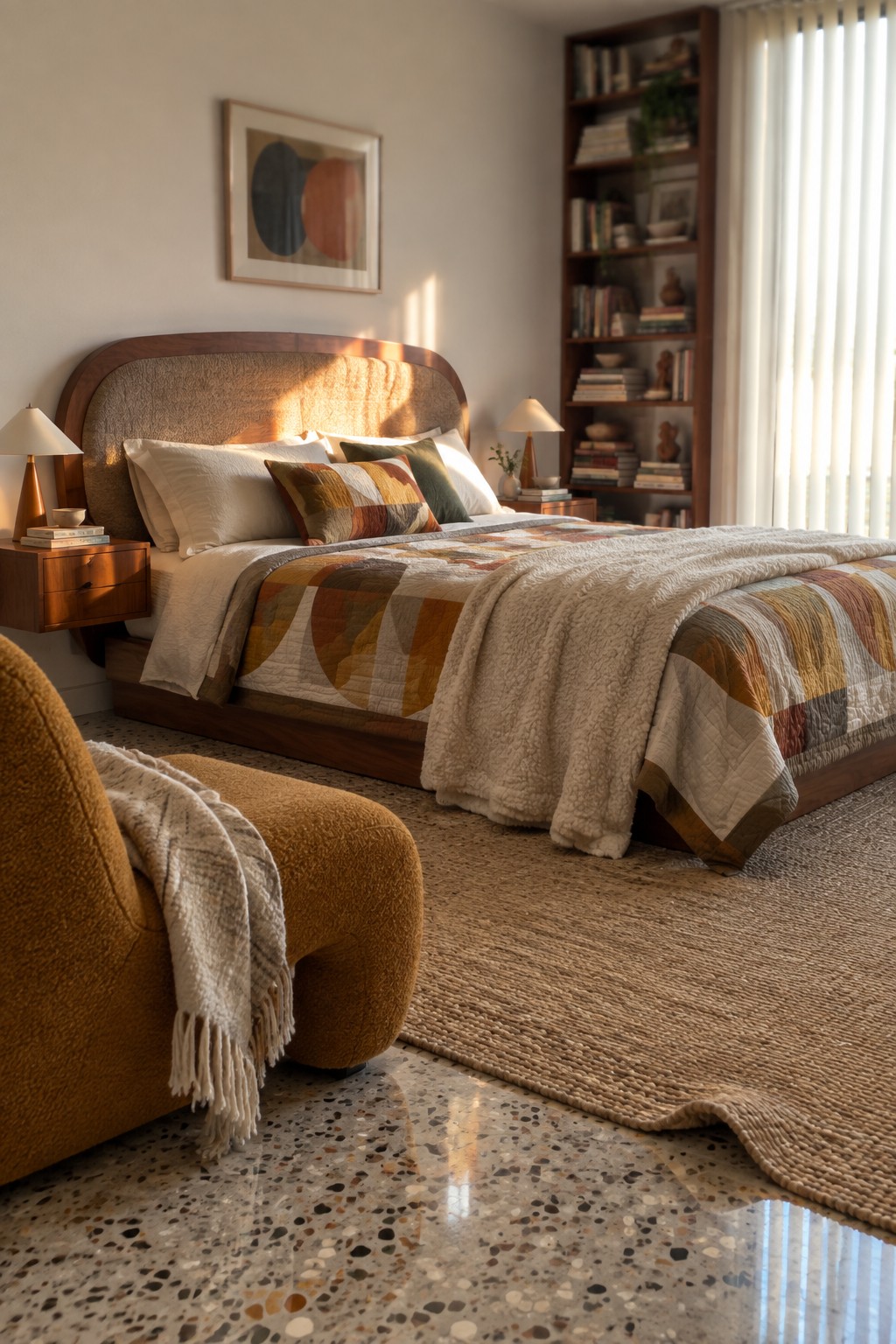
One way to add warmth to a bedroom is to combine an upholstered headboard with several layers of textiles. The textured fabric on the headboard gives a soft base, while a quilt, throw, and mix of pillows build depth and interest without extra color or pattern.
This works best in rooms that already have wood furniture and simple walls. Start with one solid layer, add a quilt with some pattern, then finish with a loose throw at the foot. Keep the rest of the room quiet so the fabrics stay the main focus.
Layering Textiles Over Upholstered Pieces
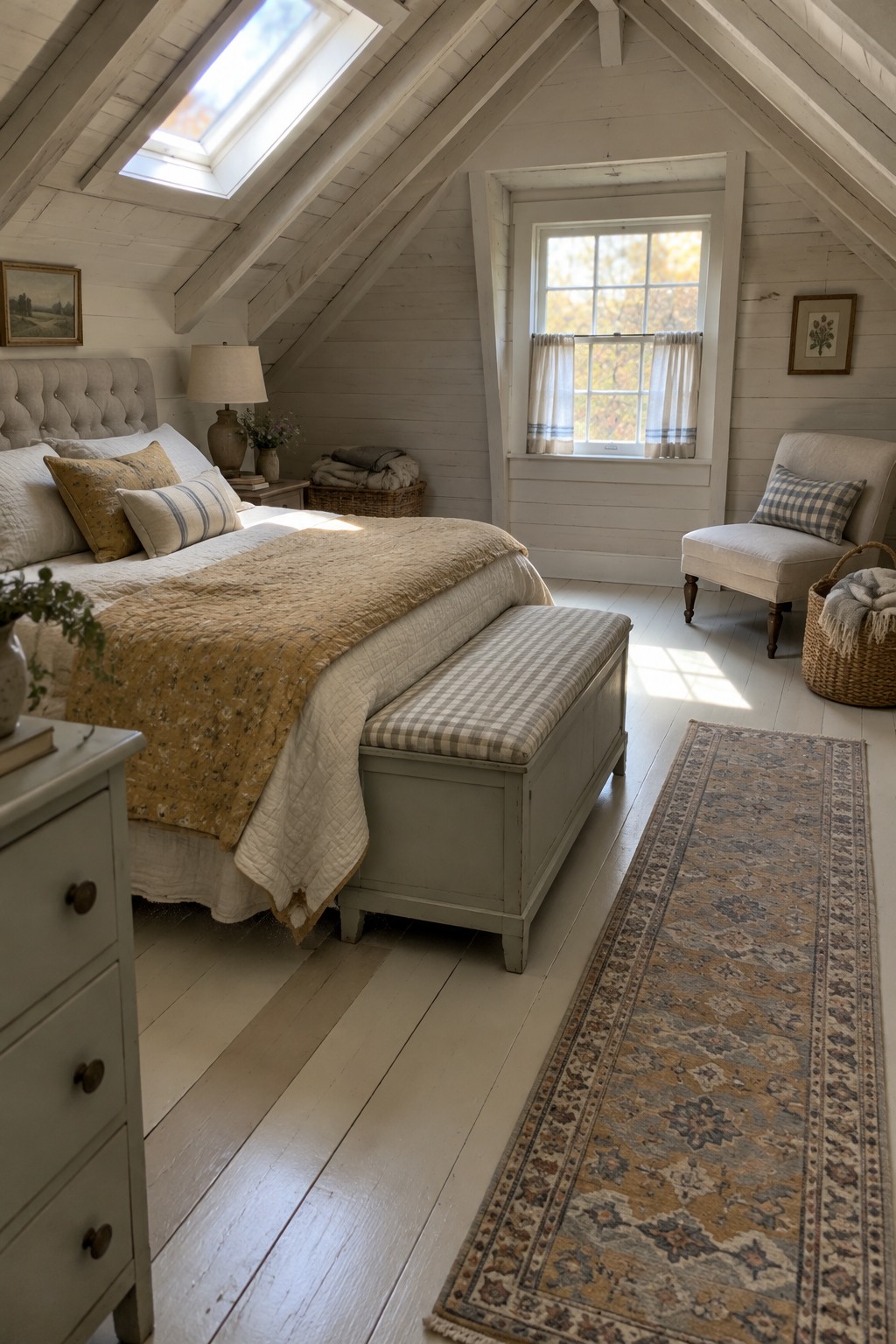
One simple way to make a bedroom feel finished is to layer textiles over upholstered furniture. A tufted headboard gives the bed a solid shape, while quilts, pillows, and a checkered bench cover add softness and pattern without needing many extra pieces.
This works best in rooms that already have clean lines and white walls. Start with one or two upholstered items, then add blankets and cushions in a few similar tones so the layers feel calm rather than busy.
Layering Textiles With Upholstered Furniture
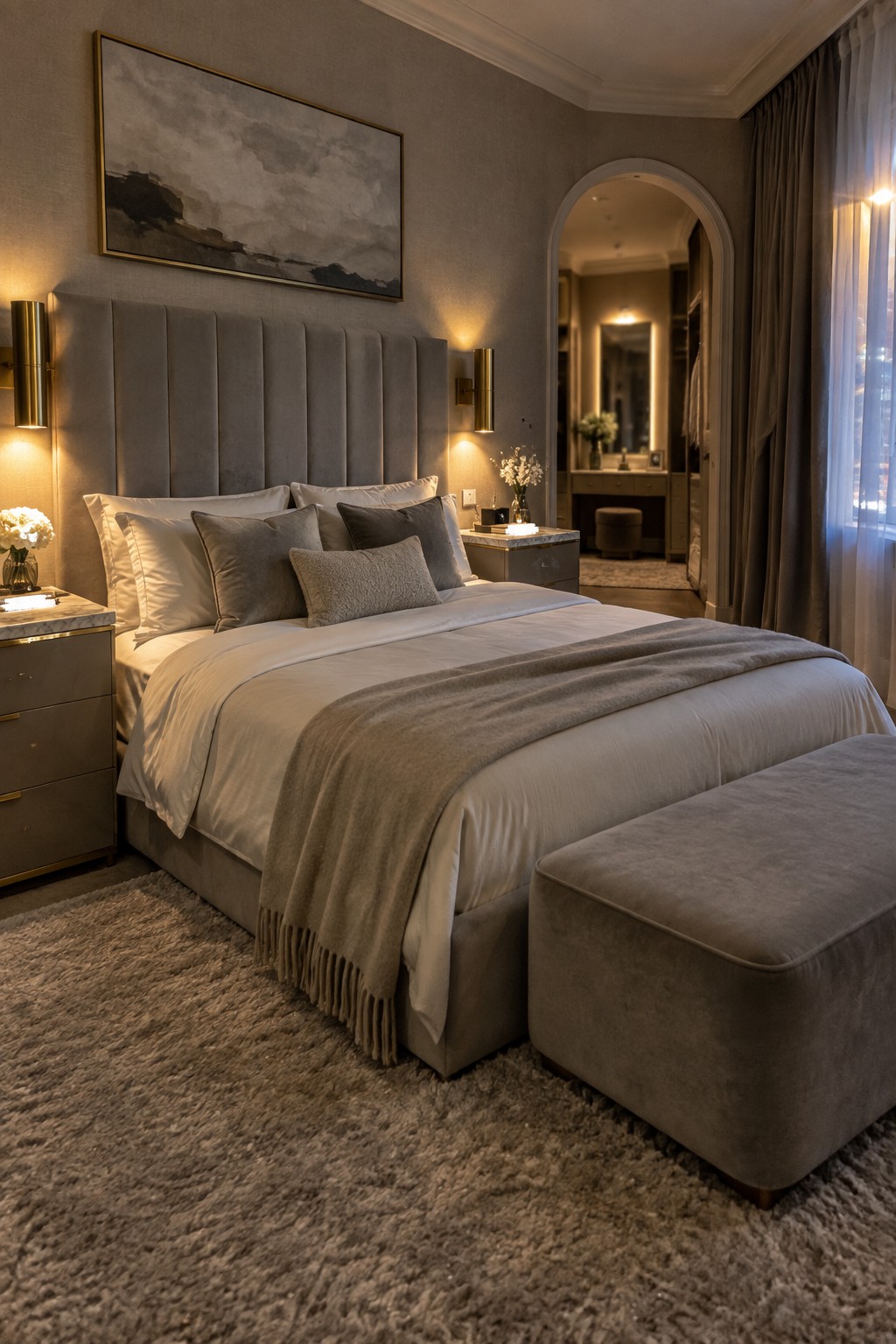
Many bedrooms gain a softer, more settled feel when you pile on several layers of textiles over upholstered pieces. The mix of fabrics adds warmth and quiet texture that a single blanket or lone pillow cannot create on its own.
This works best in rooms where the bed already has a strong upholstered headboard and perhaps a matching bench at the foot. Keep the layers in a narrow range of tones so the look stays calm rather than busy, and let the fabrics drape naturally instead of tucking everything in tight.
Layering Textiles Over an Upholstered Headboard
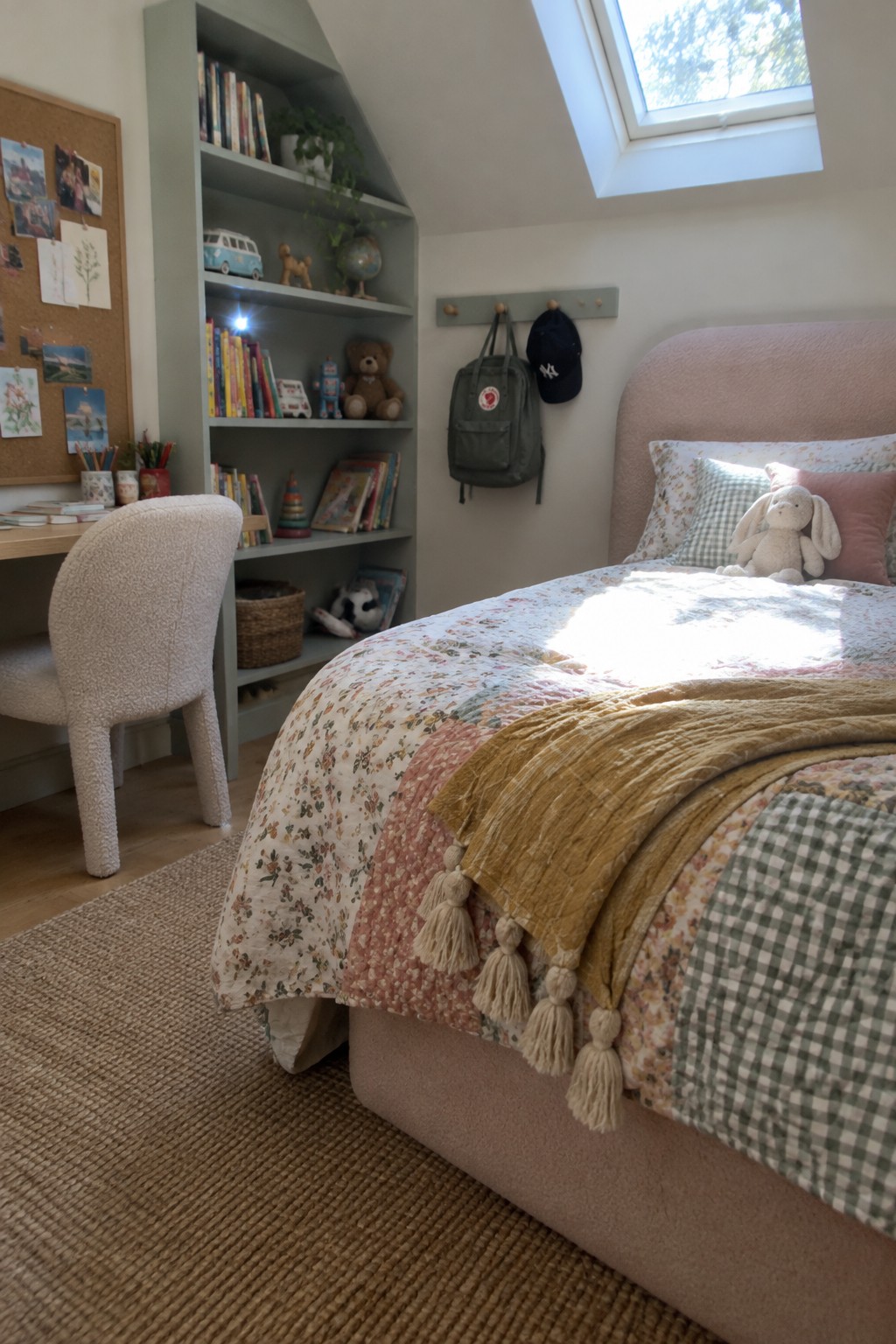
One way to give a bedroom more depth without buying new furniture is to pile on different textiles over the bed. A quilt with small prints, a heavier throw with tassels, and a mix of pillows can make an upholstered headboard look softer and more lived in.
This works best in rooms that already have some storage built in, so the bed stays the main focus. Start with the quilt as the base layer, then drape a textured throw across the middle and add two or three pillows that repeat colors already in the space. Keep the rest of the room fairly simple so the layers do not compete.
Layering Textiles Over Upholstered Pieces
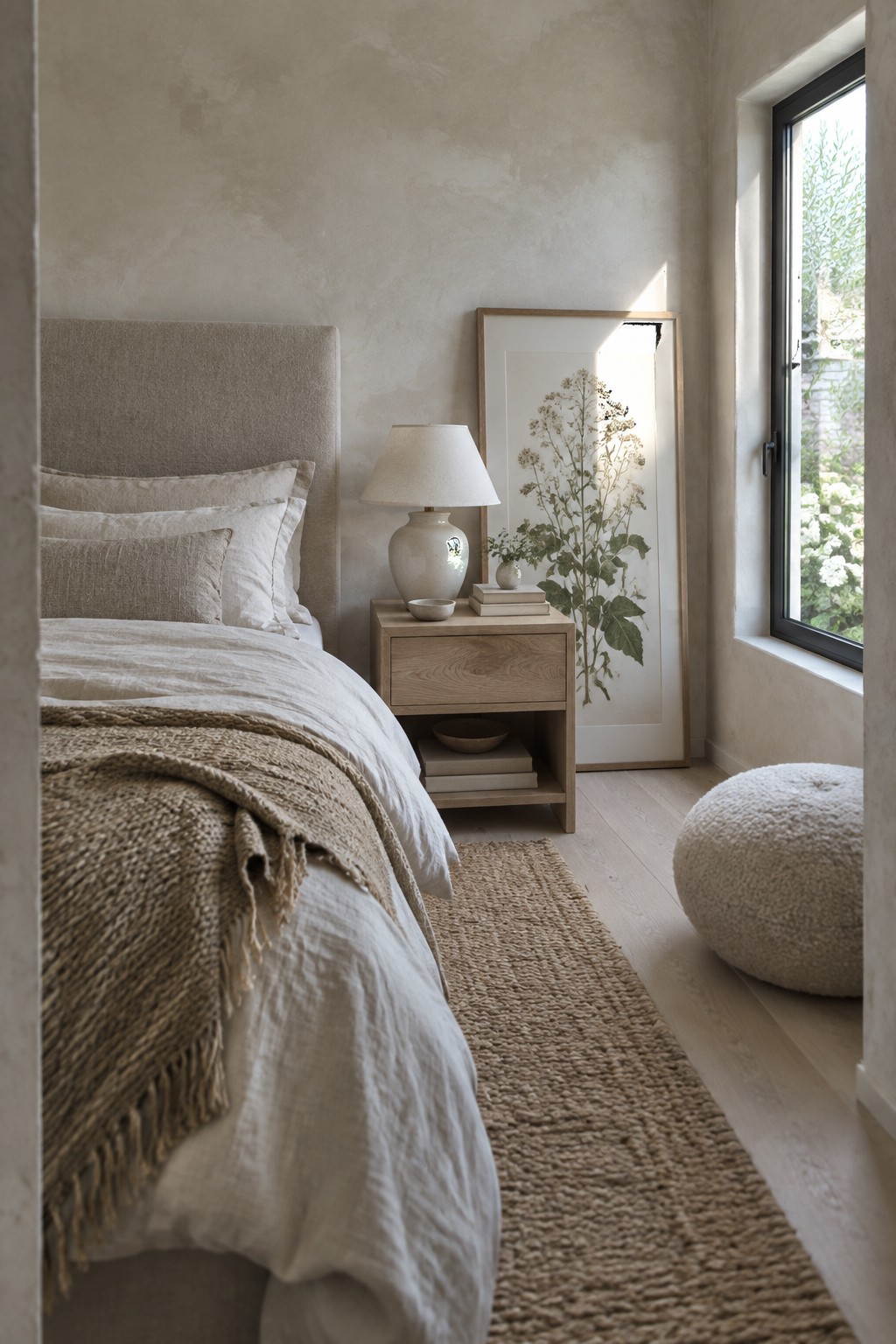
One of the easiest ways to make a bedroom feel finished is to stack different textiles instead of stopping at sheets and pillows. The upholstered headboard gives a solid, quiet base, while the linen bedding, fringed throw, and woven rug add weight and softness that change how the room feels at different times of day.
This approach works best in rooms that already have simple furniture and calm colors. Keep the layers in the same tone family so nothing fights, and let the textures do the work. Too many patterns can undo the calm, so stick with one or two woven pieces and let the rest stay plain.
Layering Textiles With A Woven Bench
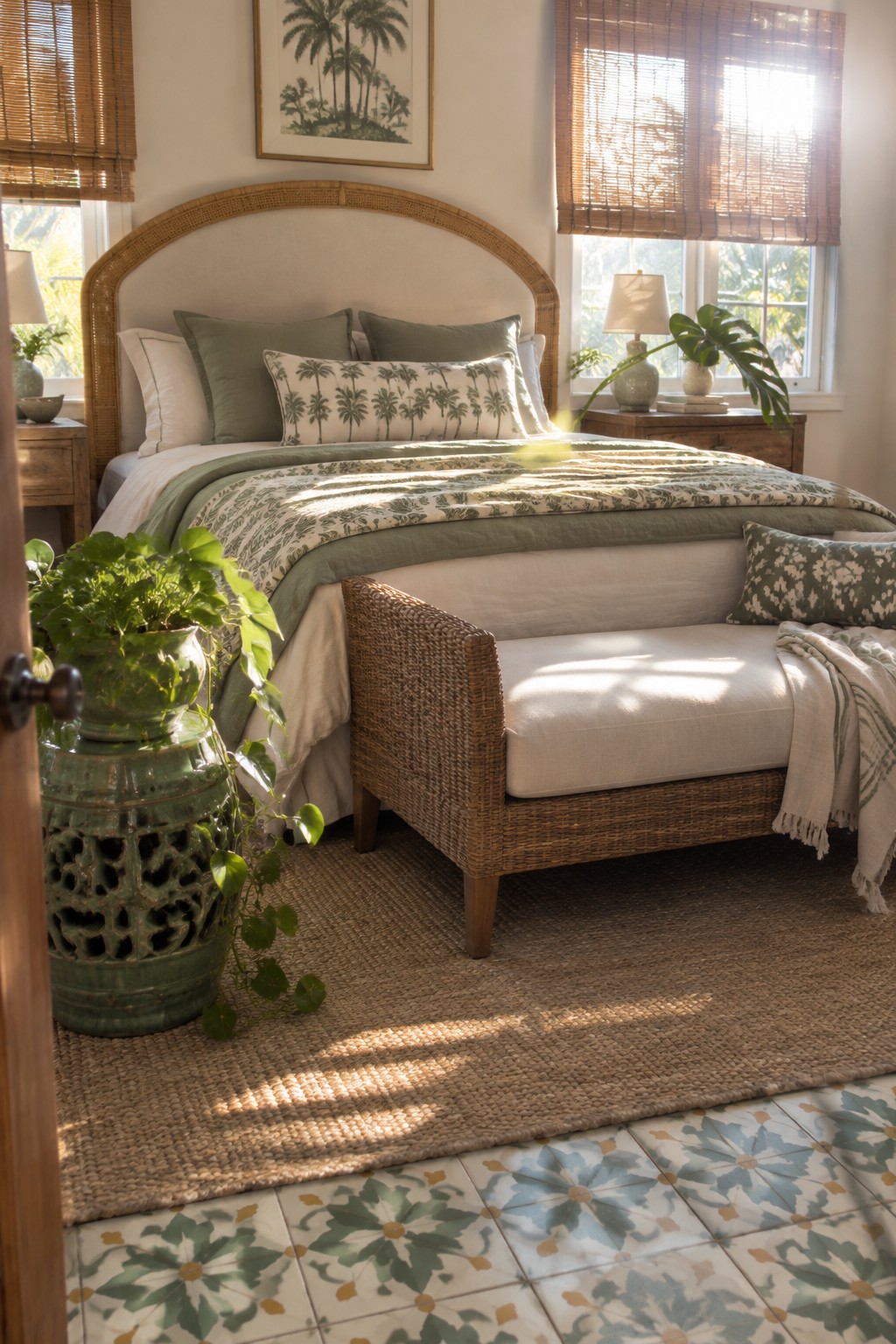
Layering textiles works well when you mix a few solid pieces with one or two patterns that stay in the same color family. The bed here shows how a palm print can sit on top of solid green layers without feeling busy, while the bench at the foot keeps the look grounded and adds another texture that still feels calm.
This approach suits bedrooms that already have some natural wood or woven furniture. Keep the patterns to one or two repeats so the room stays restful, and let the bench double as extra seating or a place to lay out a throw at night.
Layer Textiles Over an Upholstered Headboard
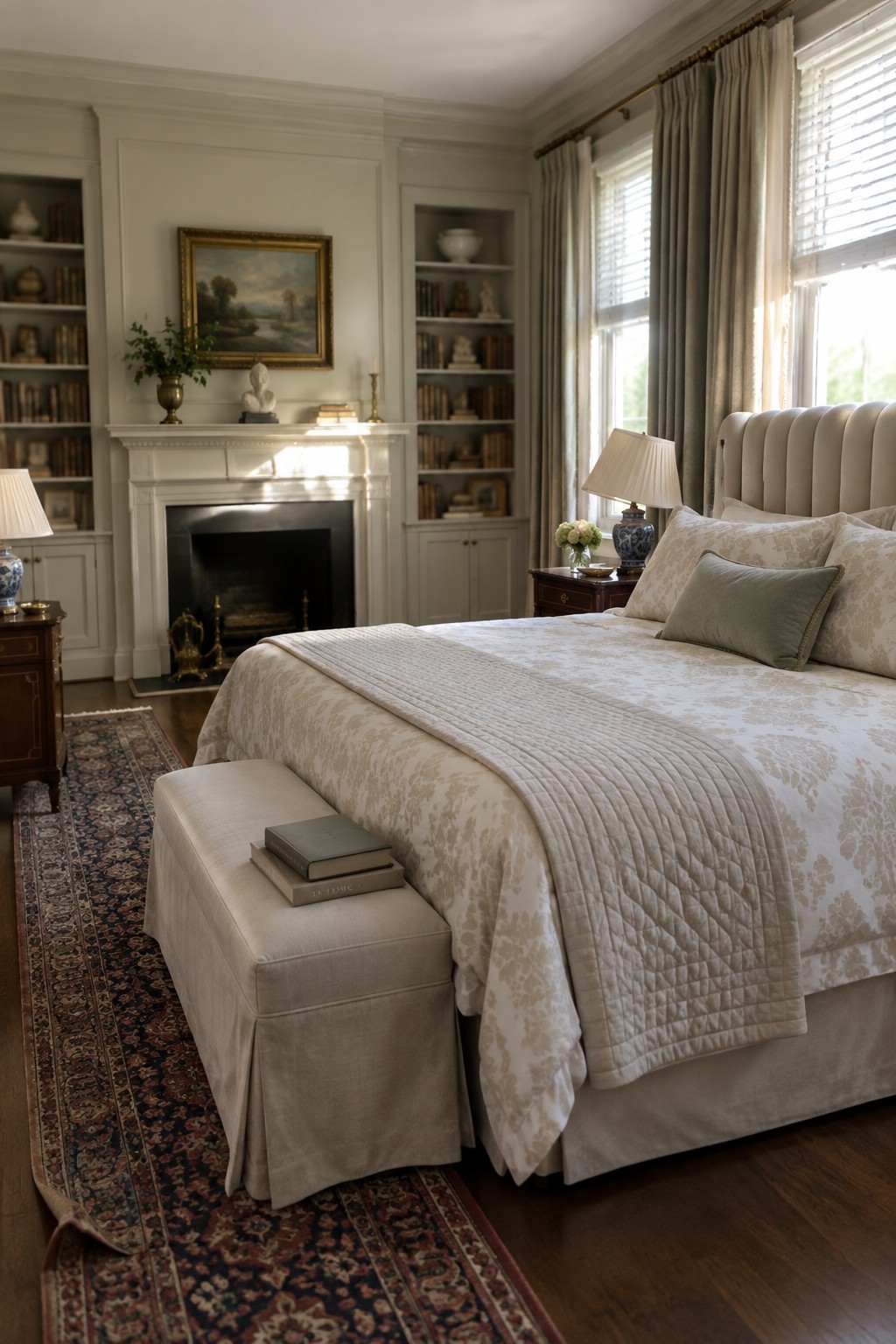
An upholstered headboard gives the bed a soft shape that works well with layers of fabric on top. The tufted detail adds quiet structure while the quilted coverlet and pillows keep the look relaxed and comfortable. This combination helps a bedroom feel finished without needing a lot of extra pieces.
It suits rooms that already have some wood or built-ins, since the fabric softens the harder lines. Stick to a few similar tones across the layers so the bed stays the main focus. A bench at the end can hold a couple of books or a throw without crowding the space.
Layer Warm Textiles in Earthy Tones

One of the easiest ways to make a bedroom feel finished is to layer textiles in the same warm color family. The bed here shows how a rust-colored coverlet works with a cream throw and a few striped pillows to create depth without needing lots of different shades. The upholstered headboard adds another soft layer that keeps the whole arrangement from looking flat.
This approach works best in rooms that already have some natural texture, like tile floors or plaster walls. Keep the base simple, then add two or three fabrics in similar tones so nothing fights for attention. It suits older homes or any space that needs a little extra warmth.
Layering Textiles on Upholstered Beds
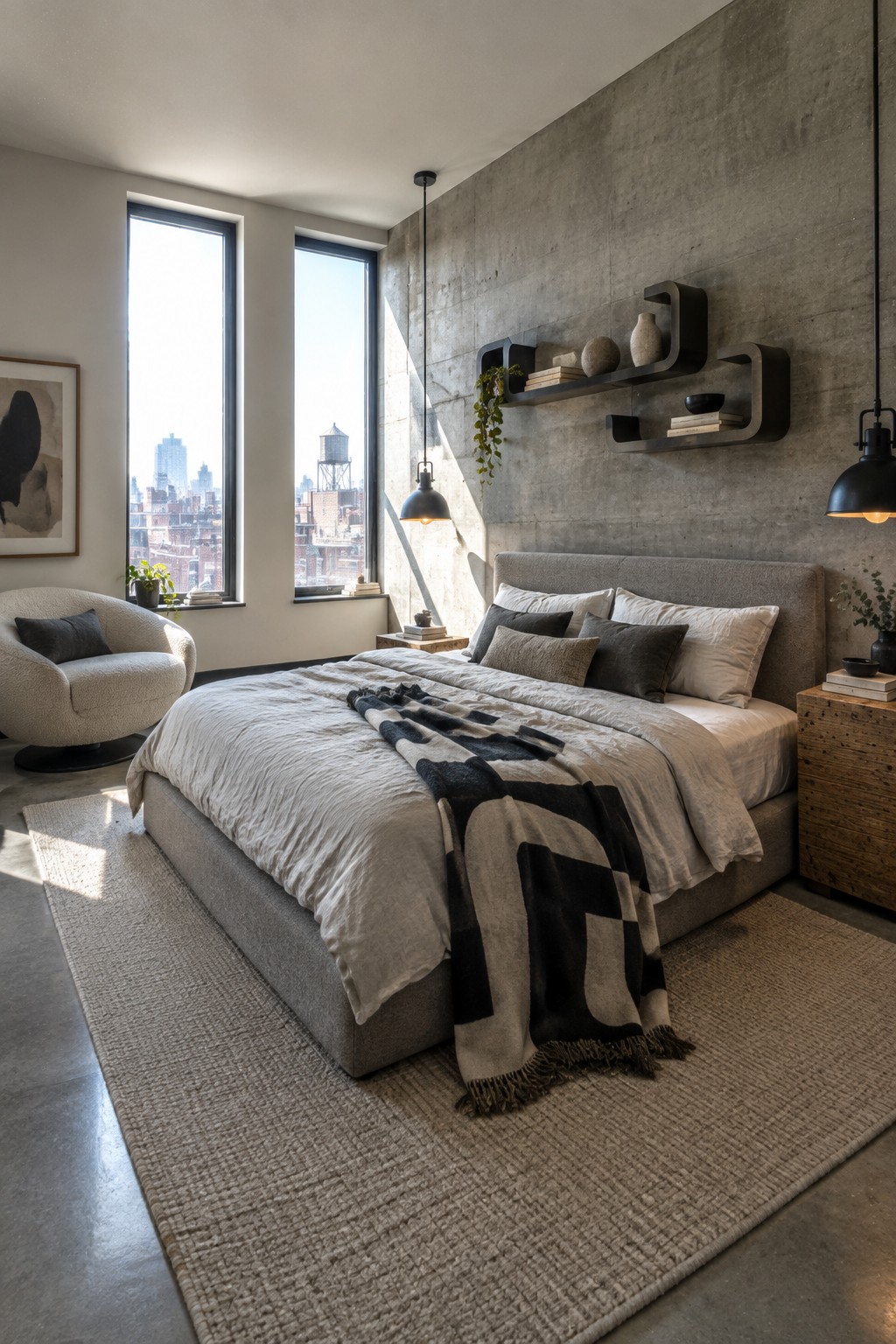
One simple way to make a bedroom feel finished is to layer textiles over an upholstered bed. The soft bedding, pillows, and throw add depth without needing extra furniture or bold color. In rooms with hard surfaces like concrete, this approach keeps the space from feeling cold while still letting the architecture show through.
This works especially well in modern or minimalist homes where you want comfort without clutter. Start with a neutral base of sheets and duvet, then add a textured throw and a few pillows in similar tones. An area rug underneath ties it together and makes the bed feel grounded.
Layering Textiles On An Upholstered Headboard
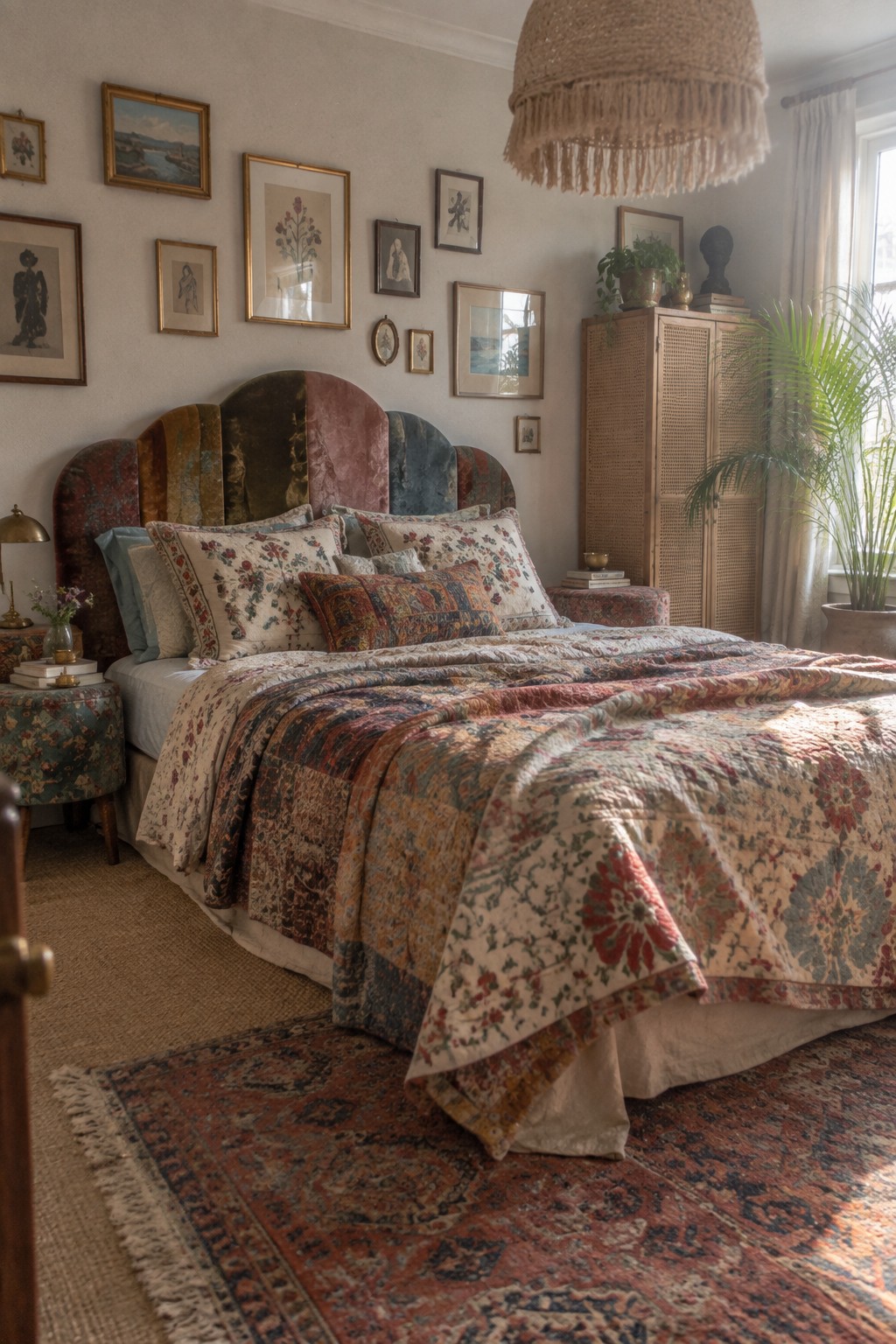
One simple way to make a bedroom feel warmer is to layer different textiles across the bed and headboard. The mix of patterns on the pillows and quilt keeps things interesting, while the upholstered headboard gives the whole setup a soft, finished look.
This works especially well in older homes or rooms where you want things to feel collected rather than matched. Start with two or three fabrics you already like and add pieces slowly, keeping the colors close so the layers do not fight each other.
Layered Textiles Over Upholstered Furniture
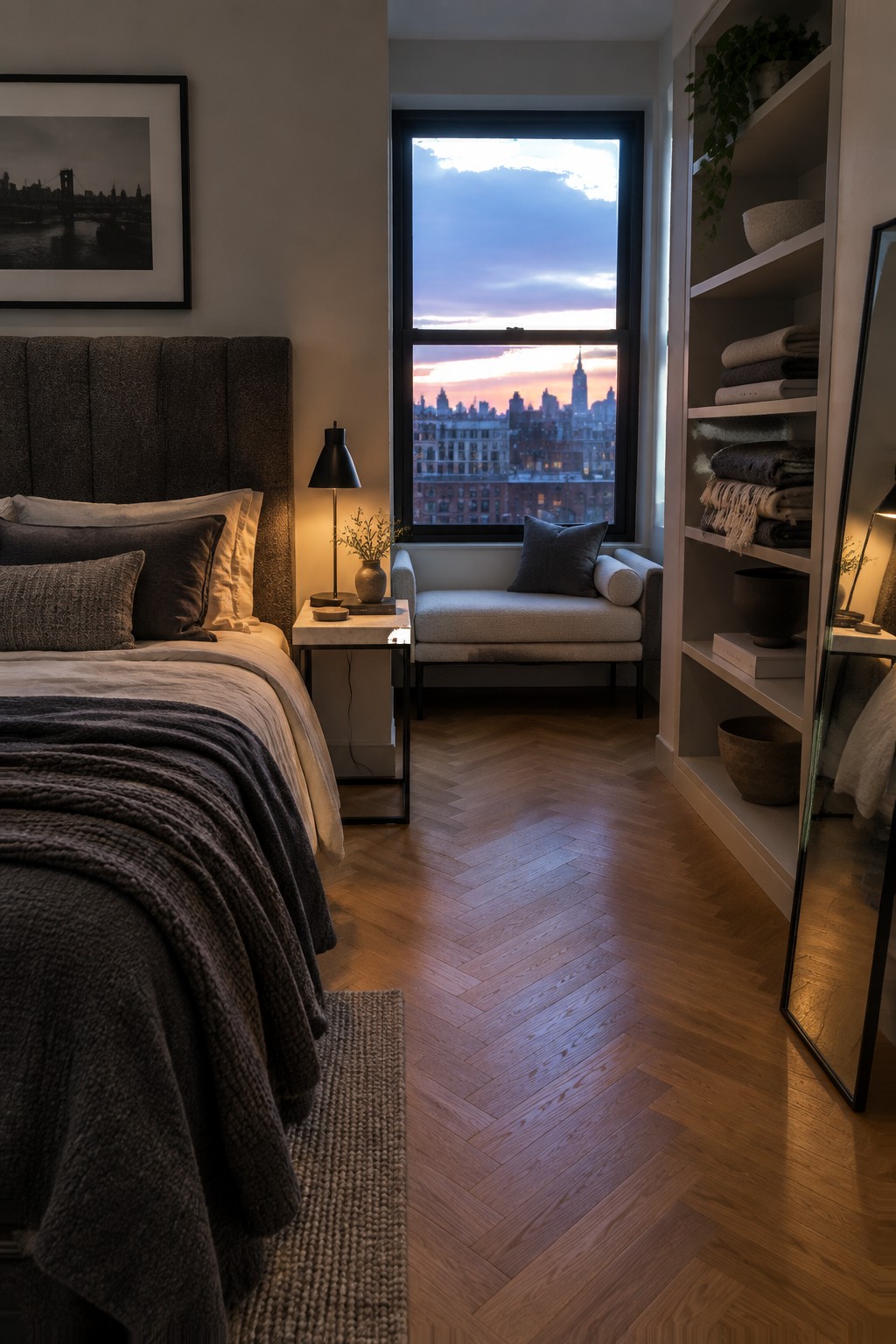
An upholstered headboard gives you a soft surface to build against, and that makes layering textiles much easier. The fabric catches the light differently than a wood or metal frame, so blankets, pillows, and throws sit more naturally and the whole bed feels warmer without extra effort.
This works best in rooms that already have some height or a strong window, since the layers can fill the space without crowding it. Stick to a few similar tones and mix textures like wool, linen, and cotton so nothing feels flat. Avoid adding too many patterns if the headboard is already bold.
Layering Textiles On The Bed
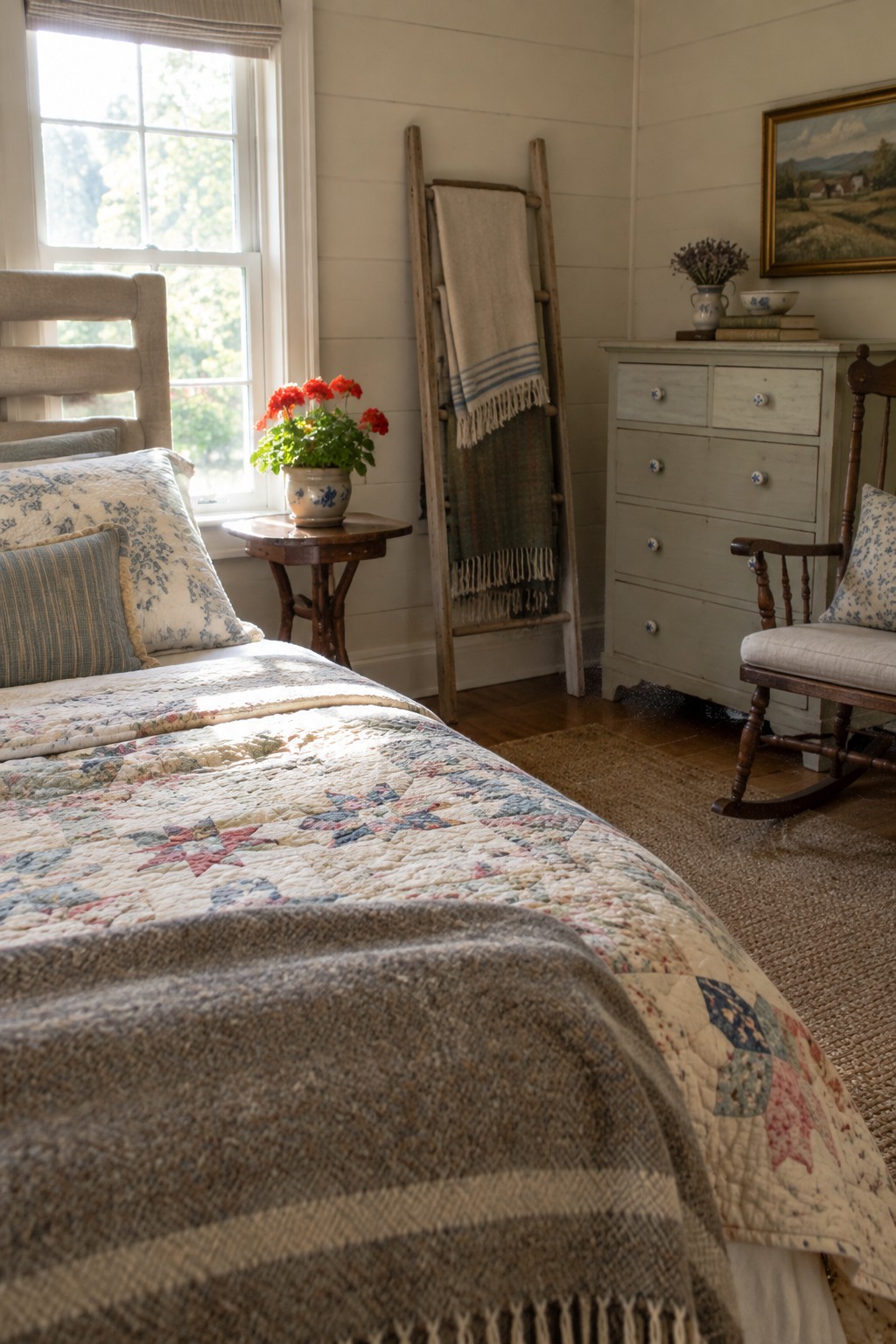
Layering a quilt with a heavier throw at the foot of the bed gives the room a lived-in feel without much effort. The mix of patterns and textures makes the bed the main focus while keeping everything simple and easy to adjust.
This approach works best in bedrooms that already have some wood furniture and soft lighting. Start with one patterned quilt as the base and add a single neutral throw on top. It suits older homes or any space where you want the bed to feel warmer without adding more pieces.
Layering Textiles Across the Bed and Seating
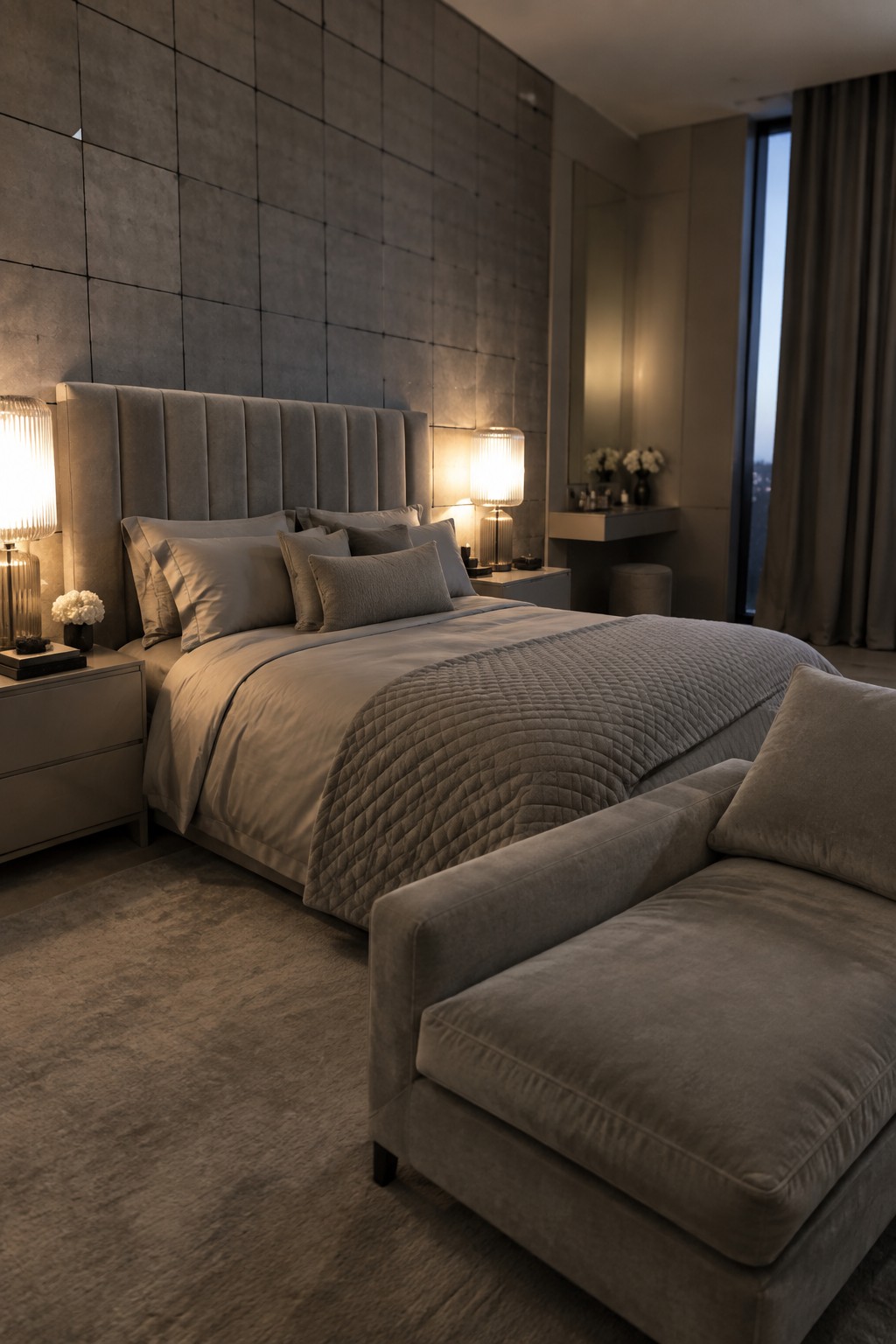
One simple way to make a bedroom feel finished is to use the same fabrics and textures on the bed and on other pieces in the room. The quilted cover and the upholstered chaise share the same soft gray tone, which pulls everything together without needing a lot of extra color or pattern.
This approach works best in rooms where you want a calm, low-contrast look. Keep the palette narrow and let the different surfaces, like velvet on the chaise and the quilted bedding, add the interest instead of trying to match every piece exactly.
Frequently Asked Questions
Q: How many layers work best before a bedroom starts to feel crowded? A: Begin with a base like a linen sheet set then add a quilt and one throw at the foot of the bed. Swap pieces until the stack invites you to sink in rather than overwhelm the space.
Q: Can I mix velvet and linen without the textures clashing? A: Pair a velvet pillow with a linen duvet cover in the same muted tone. The contrast adds interest while the shared color keeps everything grounded.
Q: What is an easy way to add upholstered detail to a plain bed frame? A: Drape a padded fabric panel behind the headboard and secure it with simple ties. The soft layer instantly warms the whole setup.
Q: How do I keep the layers from sliding around at night? A: Tuck the bottom edges of each textile under the mattress in turn. This holds everything in place with almost no extra effort.
