


I have noticed that light wood floors and walls tend to shift how a room feels throughout the day as sunlight moves across them.
Natural textiles bring a softness that helps the space hold up better to real use like kids playing or guests staying over.
I usually try one fabric sample in the actual light before committing because it often changes the whole balance.
When the materials work together the room ends up feeling calmer without losing any practical flow from one area to the next.
That part matters most.
Light Wood And Natural Textiles Keep A Room Feeling Open

Light wood furniture works nicely with linen, cotton, and woven fibers because the combination stays soft without adding weight. The pale oak tones and simple fabrics let light move through the space instead of stopping at heavy surfaces or dark colors.
This mix suits living rooms that already have decent daylight and people who want a calm setup they can actually use every day. It works best when you keep the number of pieces low and let the natural textures do the work.
Light Wood And Natural Textiles For A Calm Bedroom

Light wood furniture paired with simple linen and cotton layers gives a bedroom that open, restful feel without much effort. The pale tones on the bed frame and nightstands keep everything bright, while the soft textiles add just enough texture to make the space feel finished and comfortable.
This works best in smaller rooms or any bedroom that needs to stay quiet and easy to keep tidy. Use a few neutral fabrics in different weaves, skip heavy patterns, and let the wood stay visible. It suits most homes that already lean simple and do not need extra color or ornament.
Light Wood Cabinetry for an Airy Kitchen

Light wood cabinetry gives the kitchen a soft, open feel without making the room look bare. The pale tone on the cabinets and island keeps everything looking calm and connected, especially when paired with simple open shelving above the counter.
This approach suits smaller kitchens or homes that want a Japandi style without much fuss. Use it with natural textiles like cane on the stools to add a bit of texture while still keeping the space practical and easy to clean.
Pair Light Wood With Natural Textiles
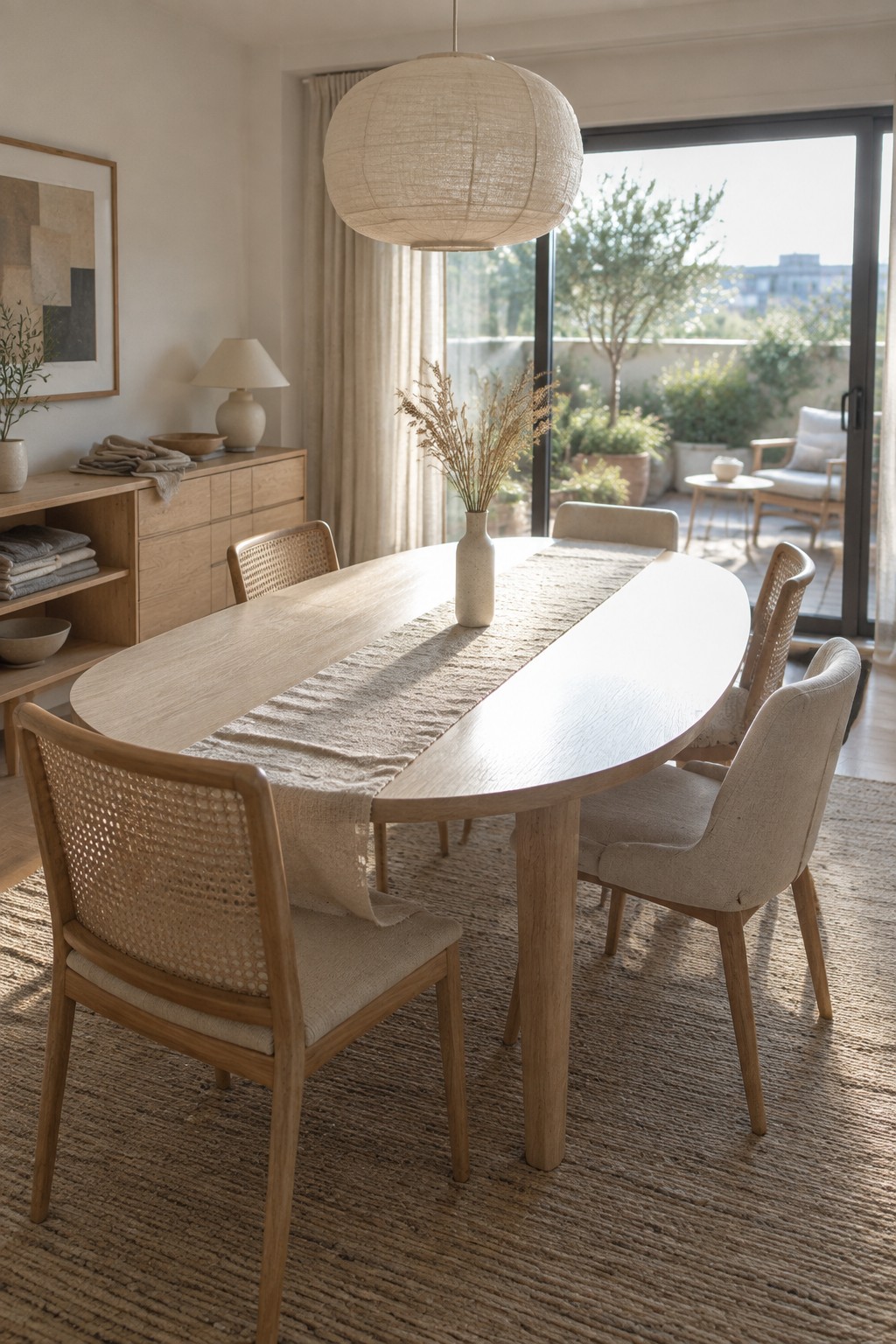
Light wood dining tables often feel more inviting when paired with simple natural textiles. A linen runner softens the surface without covering the grain, while a jute rug underfoot adds quiet texture that keeps the space grounded.
This mix works best in open rooms that get steady daylight. Stick to one or two textile layers so the wood stays the main focus, and choose neutral tones that blend rather than contrast.
Light Wood Consoles With Woven Basket Storage

A slim console in light wood paired with large woven baskets underneath gives you storage without crowding the floor. It keeps the entry feeling open and calm while handling the usual clutter of shoes, bags, and whatever else gets dropped near the door. The natural texture of the baskets adds interest without extra decoration.
This works best in narrower hallways or smaller entry spaces where built-in storage is not an option. Keep the table depth modest and choose baskets that are simple to slide out. It suits homes already using light woods and natural fibers elsewhere, since the materials tie in easily.
Light Wood Vanities In Japandi Bathrooms
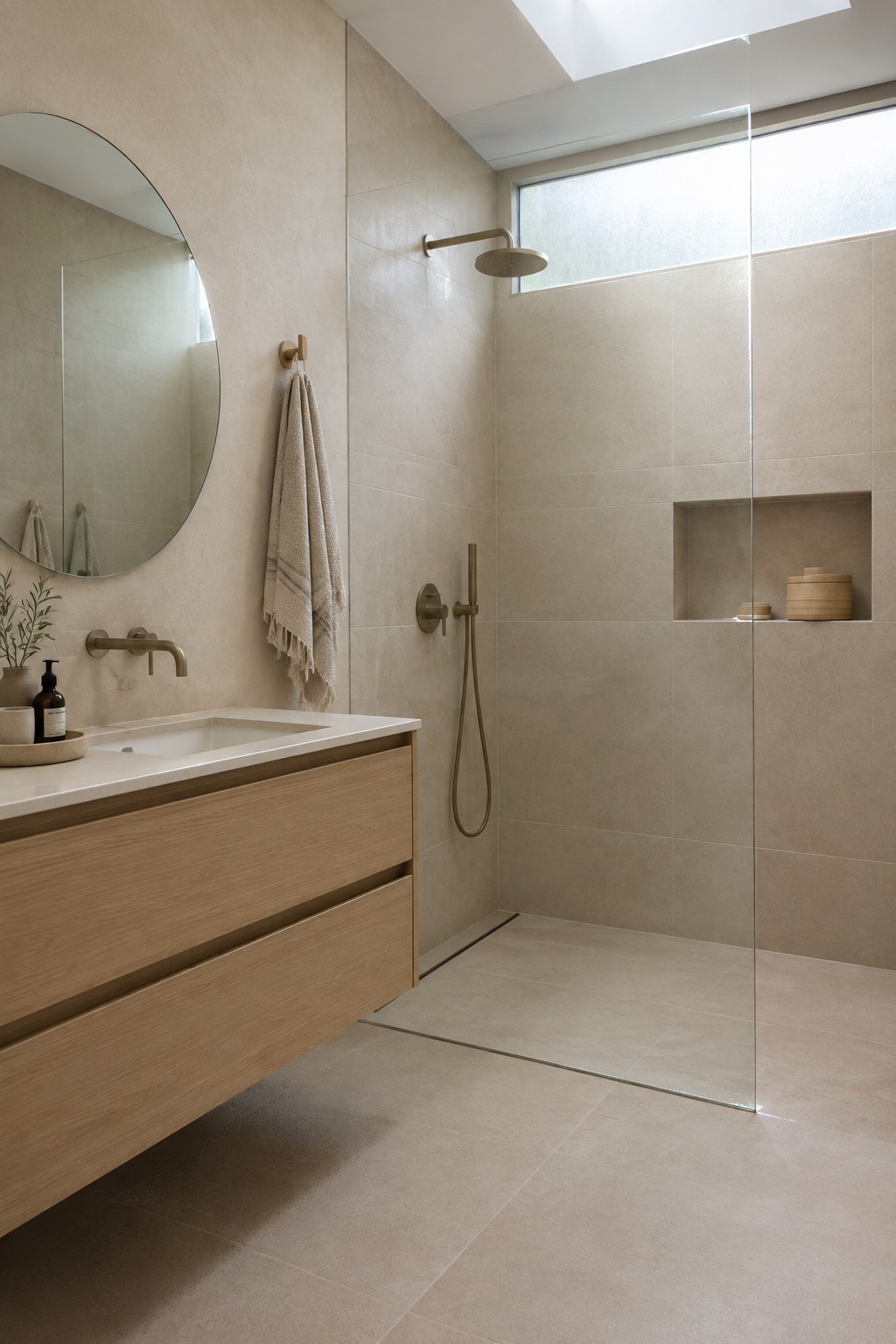
A floating light wood vanity works well in a Japandi bathroom because it adds warmth without making the space feel heavy. The natural grain keeps the room grounded while the clean lines and open space below help it stay airy.
This approach suits smaller bathrooms or any room that needs a bit of softness. Pair the wood with simple cotton or linen towels and keep other surfaces in light neutrals so the wood stays the main material note.
Light Wood Furniture With Natural Textiles

Light wood works especially well when you keep the rest of the room simple and let natural textiles do the softening. A plain crib, low shelves, and a rocking chair all in the same pale tone give the space a quiet structure, while the woven rug, linen window shade, and loose knit throw add just enough texture without crowding the room.
This approach suits small bedrooms or any space where you want things to feel calm rather than busy. Stick to two or three natural materials at most, and let the wood stay light so the room does not feel heavy even with several pieces of furniture in it.
Built-In Desks In Light Wood

A built-in desk with open shelves above it gives you a workspace that stays calm and organized without taking up extra floor space. The light wood keeps everything feeling airy, while the long surface lets you spread out papers or a laptop without the room looking crowded.
This kind of setup works well in smaller bedrooms or under a window where you need both storage and a place to work. Keep the shelves simple with books and a few everyday items, and add a woven chair or natural rug to bring in texture without adding visual weight.
Light Wood With Natural Textiles
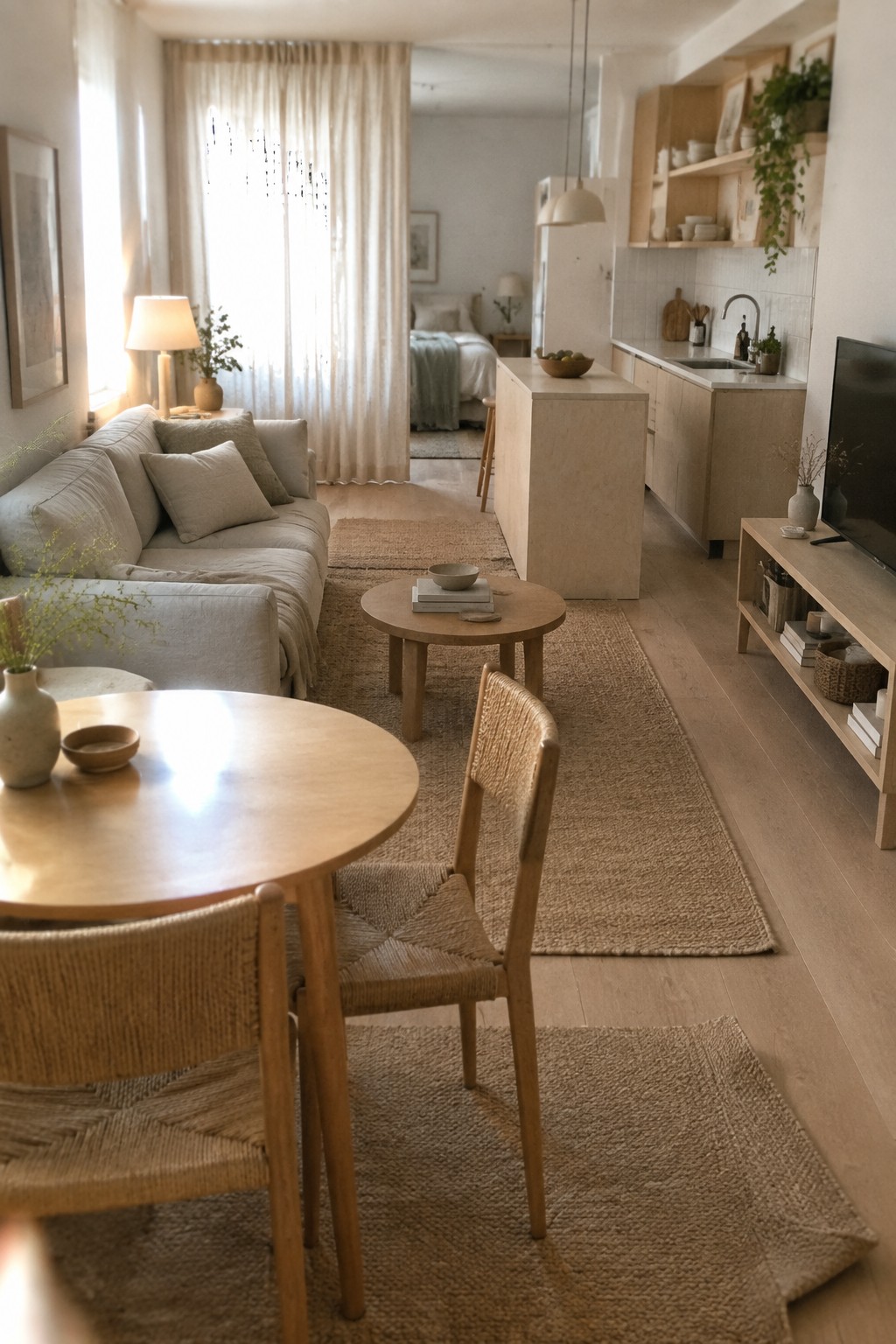
Light wood on its own can feel a bit bare in an open plan. Adding natural textiles like woven chairs and jute rugs brings in texture that softens the space without making it feel crowded or dark.
This works best in smaller homes or apartments where you want warmth but still need the rooms to read as open. Keep the textiles to a few key pieces, such as seating and floor coverings, and let the light wood handle the rest of the furniture.
Built-In Window Seating With Light Wood

A built-in window seat made from light wood turns a plain wall into a useful spot for sitting and relaxing. The wood keeps the look simple while the natural cushions add just enough softness without crowding the space.
This idea works well in bedrooms or living rooms that already get good daylight. Choose linen or cotton covers in neutral tones and add a low table nearby so the corner feels finished but not busy.
Light Wood Built-Ins Keep Storage Simple
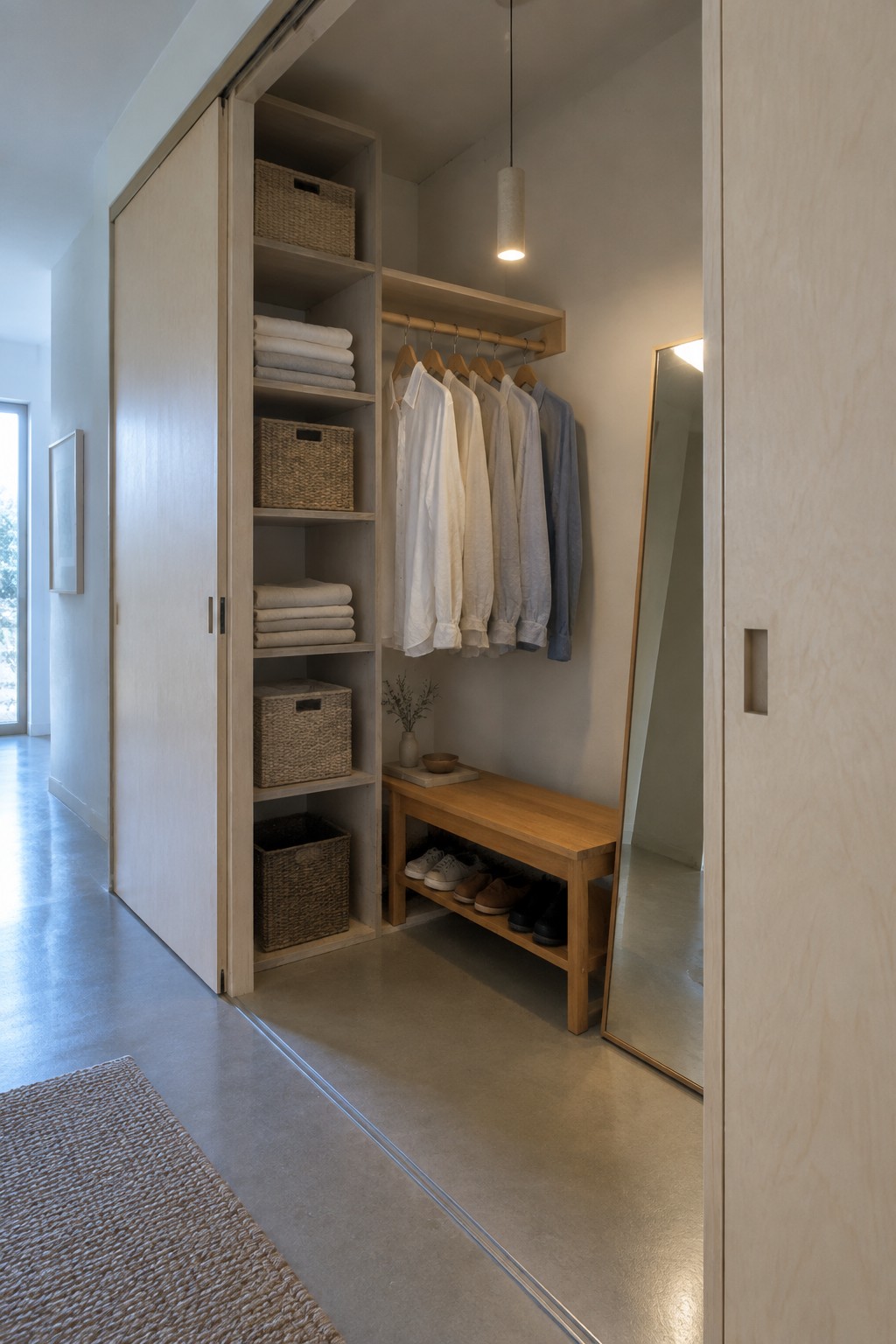
Light wood built-ins work well because they blend into the room instead of standing out as heavy furniture. The open shelves let you see what you have while woven baskets and soft textiles add a bit of texture without cluttering the space.
This kind of storage suits smaller homes or anyone trying to keep a calm, uncluttered feel. It works best when you stick to a narrow color range and leave enough empty space on the shelves so the whole area still feels open.
Light Wood and Natural Textiles for Calm Bedrooms

A bedroom with light wood furniture often feels brighter and more open when paired with natural textiles. The woven rug underfoot and linen bedding add texture that keeps the space from feeling too stark or cold while still letting the wood tones stay visible.
This approach works especially well in smaller rooms or spaces that get good natural light. Choose a sturdy jute or sisal rug in a simple shape, then layer in cotton or linen bedding and curtains. Skip anything too heavy or patterned so the calm Japandi feeling stays intact.
Try Tatami Mats Under a Low Platform Bed

Tatami mats give a bedroom a quiet, grounded base that pairs naturally with light wood furniture. The woven texture adds subtle pattern without any extra layers, and the low bed stays in proportion so the room feels open rather than crowded. Natural textiles like linen bedding keep the same soft, matte look throughout.
This approach works best in smaller bedrooms or spaces that already have wood tones on the floor or trim. Keep the rest of the room simple so the mats and bed stay the main focus. Avoid heavy curtains or dark colors that would fight the light, airy feeling.
Define Space With A Tatami Mat In Light Wood Rooms

A tatami mat section gives an open living room a clear spot for sitting or relaxing without adding walls or bulky dividers. The light wood floor and walls stay consistent across both areas, so the room keeps its open feel while the mat marks a quieter zone through texture alone.
This works best in homes that already use light wood and simple textiles. Keep cushions minimal and let the natural weave of the mat stand out against the wood. Avoid overloading the area with too many pillows or accessories, or the calm effect gets lost.
Light Wood Cabinetry For An Airy Kitchen

Light wood cabinetry helps a kitchen feel open even when the space is narrow. The pale oak tones reflect light across the counters and keep the room from feeling boxed in, especially when paired with simple natural textiles like linen towels and a woven rug.
This works well in smaller homes or apartments where you want the kitchen to stay calm rather than busy. Keep the hardware minimal and let the wood and textiles do the softening. Avoid crowding the surfaces with too many items if you want the same light effect.
Floating Vanities In Light Wood

A floating vanity in light wood gives a bathroom that open, uncluttered feel without sacrificing storage. The open shelf underneath keeps folded towels within reach while letting the floor show through, so the room stays airy even when it is small.
This setup works best in homes that already lean on natural materials and simple lines. It suits everyday use because it is easy to clean under and the wood tones pair well with stone sinks and linen towels. Just make sure the shelf stays tidy so the whole look stays calm.
Light Wood Benches With Natural Textiles

A light wood bench paired with a simple woven throw works well in a landing or narrow hallway because it adds function without crowding the space. The natural fibers bring texture that keeps the area from feeling too bare or cold, especially when the wood tones stay pale and consistent.
This approach suits smaller homes or open stairwells where you need a place to set things down or rest a bag. Keep the textiles loose and unfussy so the spot stays easy to maintain and does not compete with the rest of the room.
Group Plants Around Light Wood Pieces
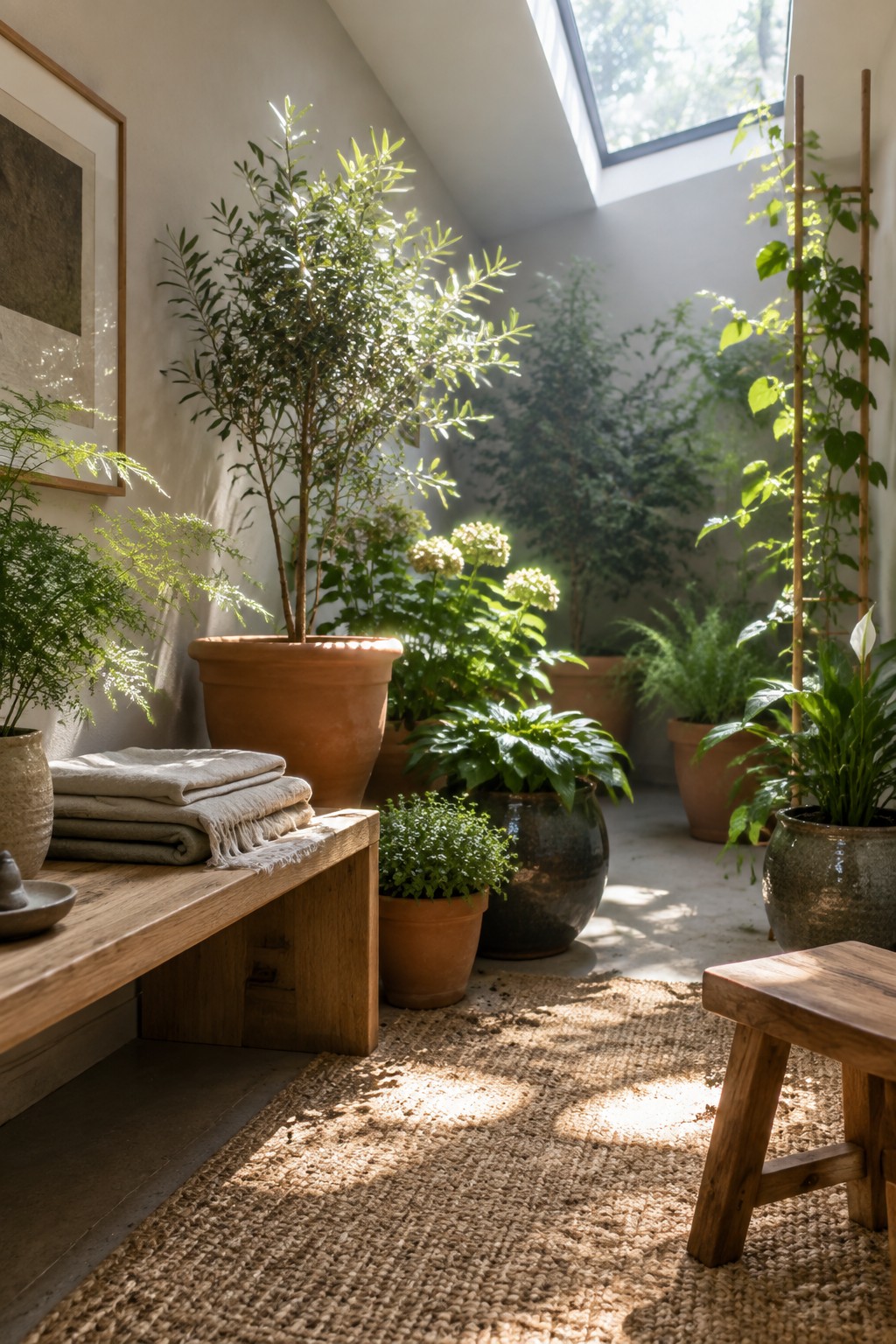
One easy way to keep a Japandi room feeling open is to set a low light wood bench against a bright wall and fill the area with potted plants. The wood stays simple while the greenery adds softness and life. Natural textiles like folded linens on the bench keep the look relaxed instead of crowded.
This works well in corners with steady daylight. Choose terracotta or simple ceramic pots so the focus stays on the plants and the wood grain. It suits smaller homes that need extra texture without adding more furniture.
Built-In Entryway Storage With Light Wood

Built-in cabinetry and a bench can turn a narrow entry into a place that actually works for daily life. The light wood keeps the space from feeling closed in, while the open cubbies and woven baskets give you room to tuck away shoes, bags, and coats without adding visual clutter.
This setup works best in homes with a small or shared entry where you need order but still want the room to feel calm. Keep the textiles simple, like a linen cushion and jute rug, so the wood stays the main material. Avoid overfilling the shelves if you want the same airy feel.
Frequently Asked Questions
Q: What kind of natural textiles pair best with light wood in a Japandi setup?
A: Go for linen curtains and cotton throws in neutral shades. They let air flow and add subtle texture that highlights the wood grain.
Q: How can I make sure my room stays bright when using these materials?
A: Position mirrors to bounce light around the space. Choose open weave fabrics that do not block windows.
Q: Do these designs work in smaller rooms or only big open ones?
A: They suit compact spaces well. Keep furniture low and minimal so the light wood and textiles create an open feel.
