

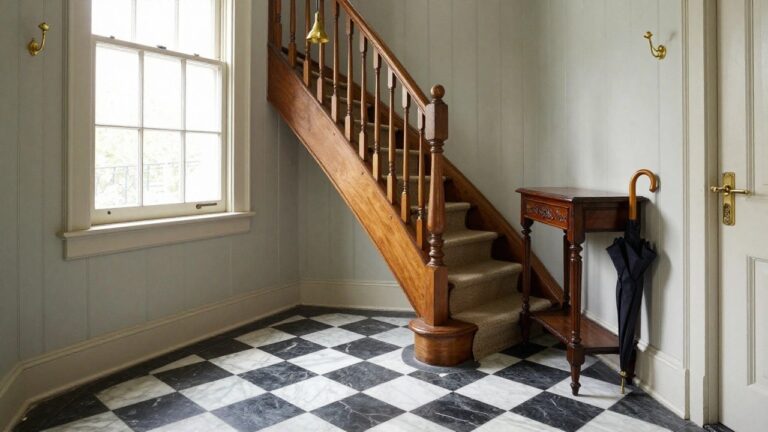
Floors ground every room in a colonial home, dictating how the space feels when you walk in barefoot or track in mud from outside. I’ve noticed that the best choices mimic worn patina from real history, tying furniture and walls together without overwhelming the flow. Wide oak planks in a living room once transformed ours from choppy to seamless, proving how one layer changes daily comfort. Kitchens demand patterns that hide spills yet nod to period details, while bedrooms call for softer tones that soothe at night. Certain options here stand out for adapting easily to uneven subfloors or tight budgets.
Classic Checkered Marble Floors
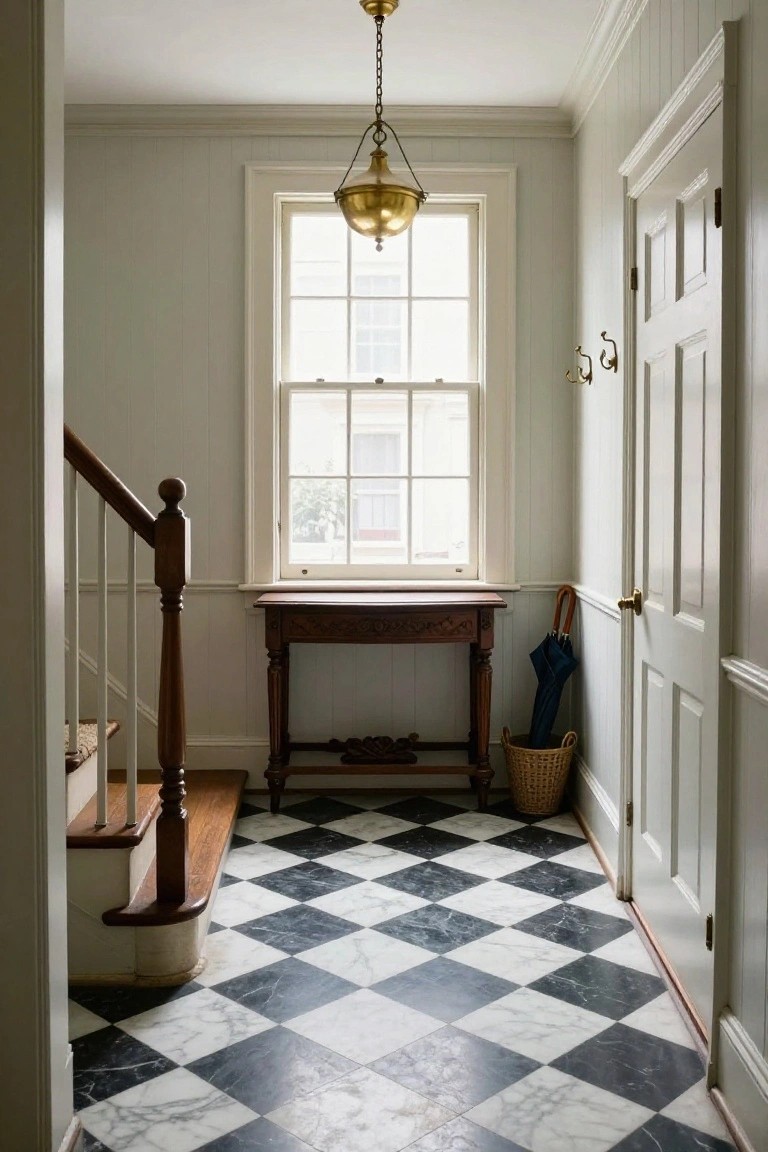
Checkered black and white marble floors bring that old-school colonial feel right into your entry or hallway. They stand out underfoot with their bold pattern, but in a good way that fits the light walls and wood details around them. It’s a look that’s been around forever because it handles wear well and keeps things looking crisp.
Put this flooring in high-traffic spots like foyers or mudrooms where you need something durable. It suits older homes with painted paneling and wood trim best. Just make sure the tiles are big enough so the pattern doesn’t feel busy, and pair it with simple furniture to let the floor do its thing.
Herringbone Parquet Floors
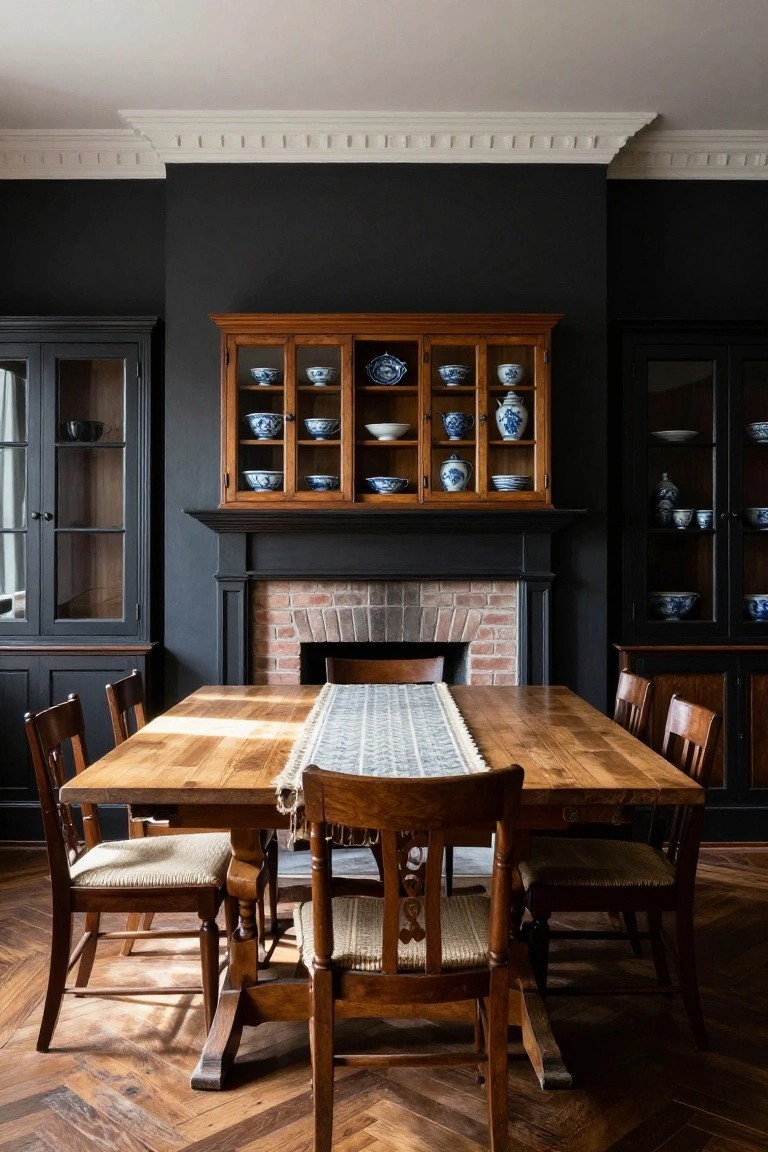
Herringbone parquet flooring gives colonial dining rooms a warm, lived-in look that feels right at home with dark walls and wood furniture. The angled wood blocks in oak tones pick up light nicely across the room, making the space feel bigger even with heavy cabinets and a brick fireplace nearby. It’s a simple way to add pattern without overwhelming everything else.
This flooring suits formal eating areas or libraries in older houses, where you want some character underfoot. Go for medium tones to balance moody paint colors, and it holds up well if you seal it right. Just avoid super narrow rooms, where the pattern might feel busy.
Wide Plank Heart Pine Floors
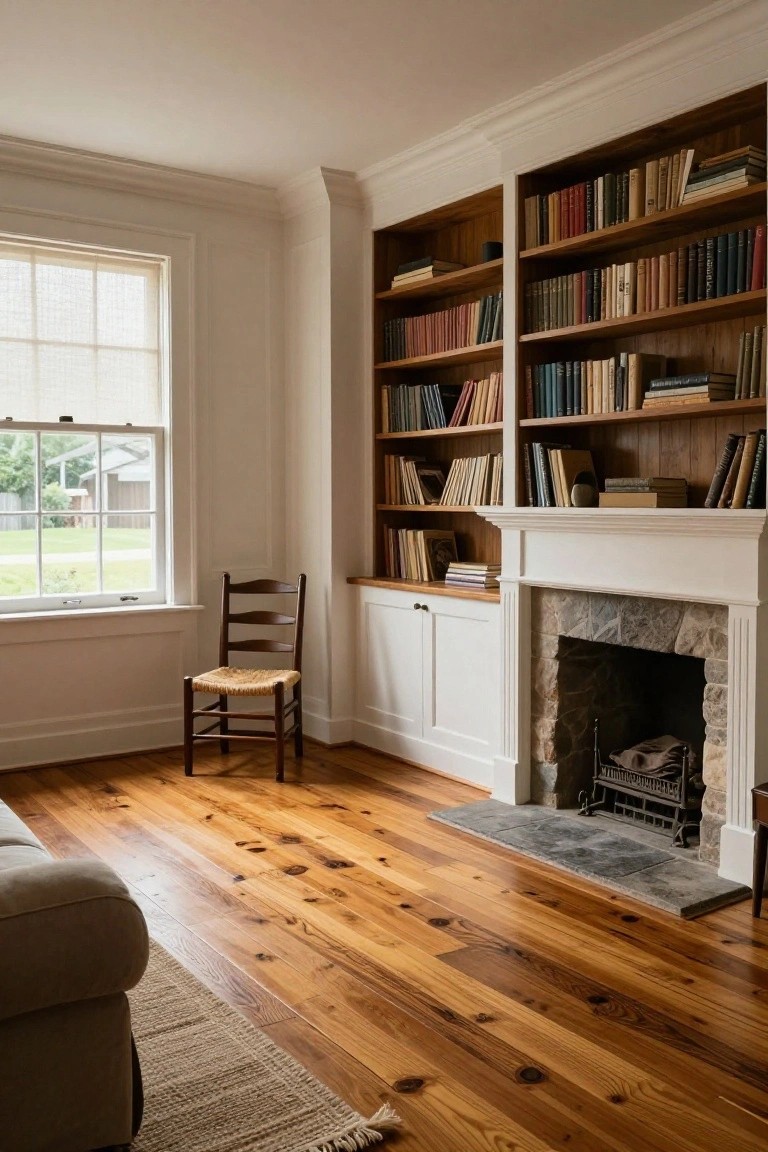
Heart pine floors like these bring a real old-house feel to colonial rooms. The wide planks with their natural knots and warm golden tone look right at home next to white trim and wood built-ins. They add that lived-in warmth without trying too hard.
These floors work best in libraries or sitting rooms where you want a cozy spot for reading. They suit older homes or renovations aiming for history. Just make sure the finish is matte to keep the rustic side showing… and pair with lighter walls so the wood doesn’t overwhelm.
Wide-Plank Wood Floors in Colonial Kitchens
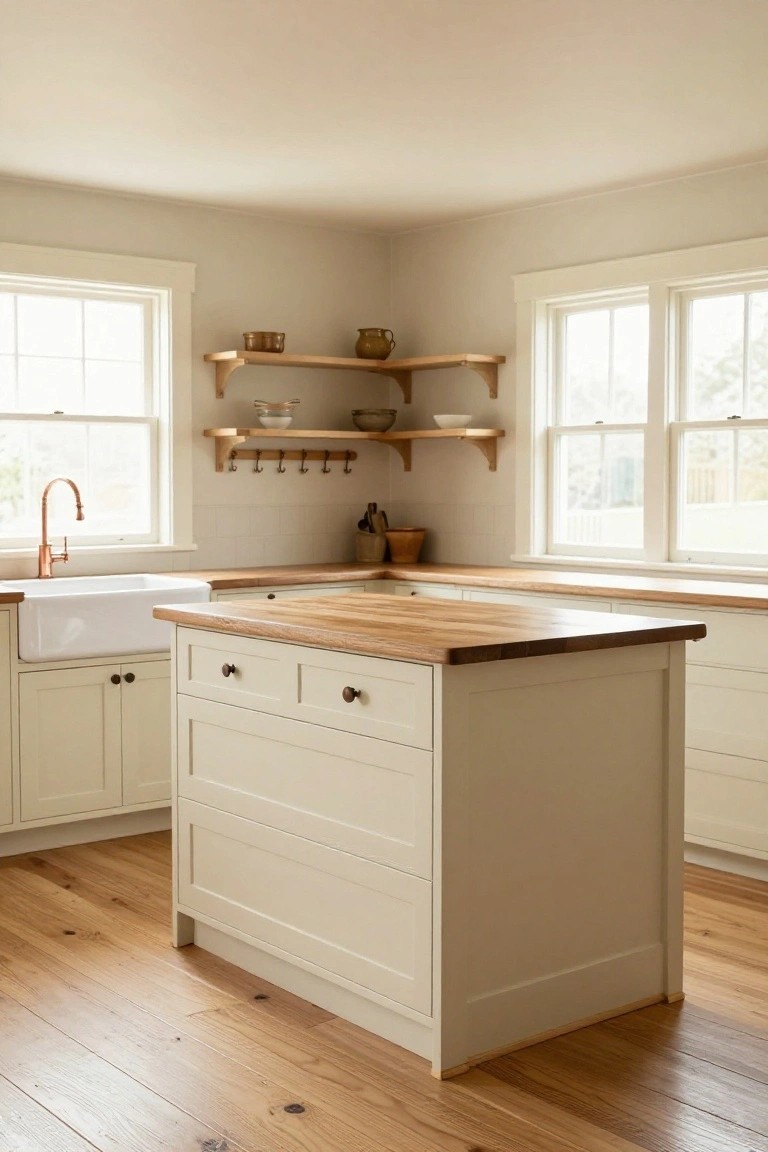
Wide-plank wood floors like these show up the knots and grain in a natural way. They pull the kitchen together with the matching butcher block on the island and keep the cream cabinets from feeling too stark. It’s that old-house touch that makes the room livable right away.
You can use this flooring in kitchens or nearby dining areas where foot traffic is steady. It suits colonial-style homes or additions with white trim and soft walls. Just plan for regular sealing since wood takes on spills easier than tile.
Heart Pine Floors in Breakfast Nooks
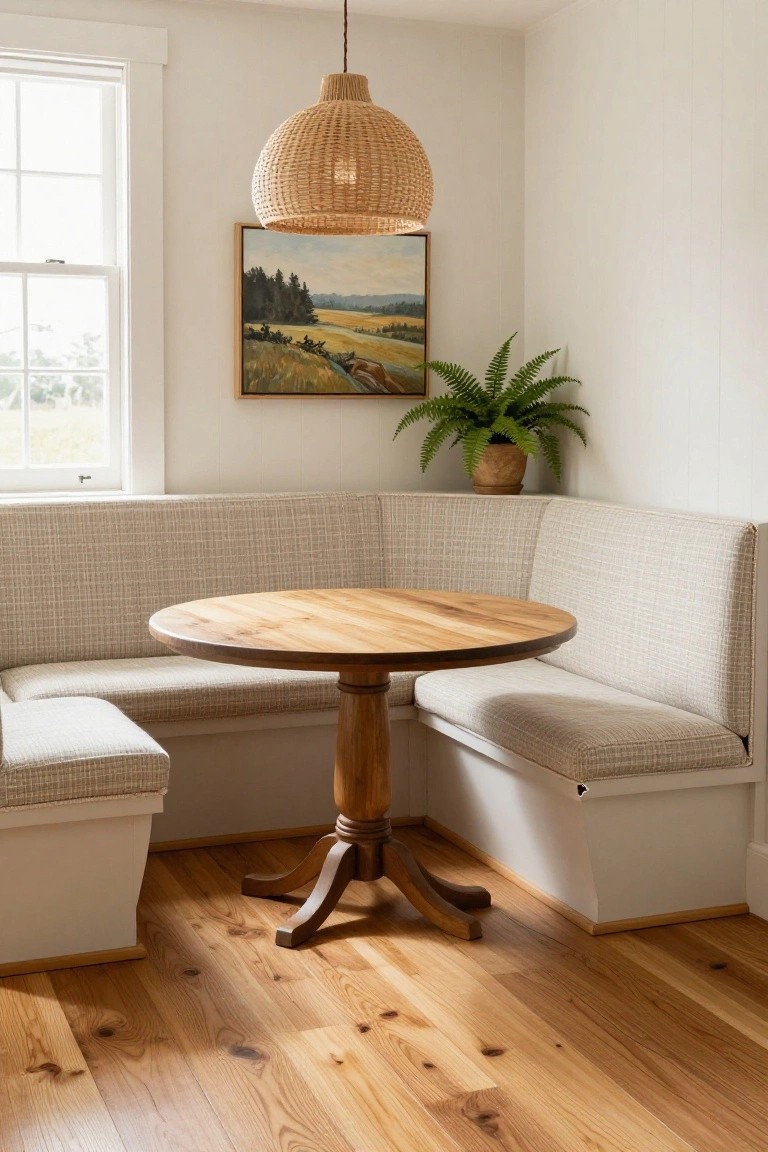
Heart pine floors bring that old-house feel right into everyday spots like a breakfast nook. You see it here with wide planks that have some knots and a soft glow. It fits colonial style without trying too hard. The light wood tone warms up white walls and lets wood furniture blend in naturally.
These floors work best in kitchens or family dining corners where you want durability plus character. They handle spills okay if sealed well. Pair them with booth seating for a tucked-away spot that feels practical. Skip them in high-traffic hallways though. They suit older homes or remodels aiming for that lived-in colonial look.
Slate Floors in Mudrooms
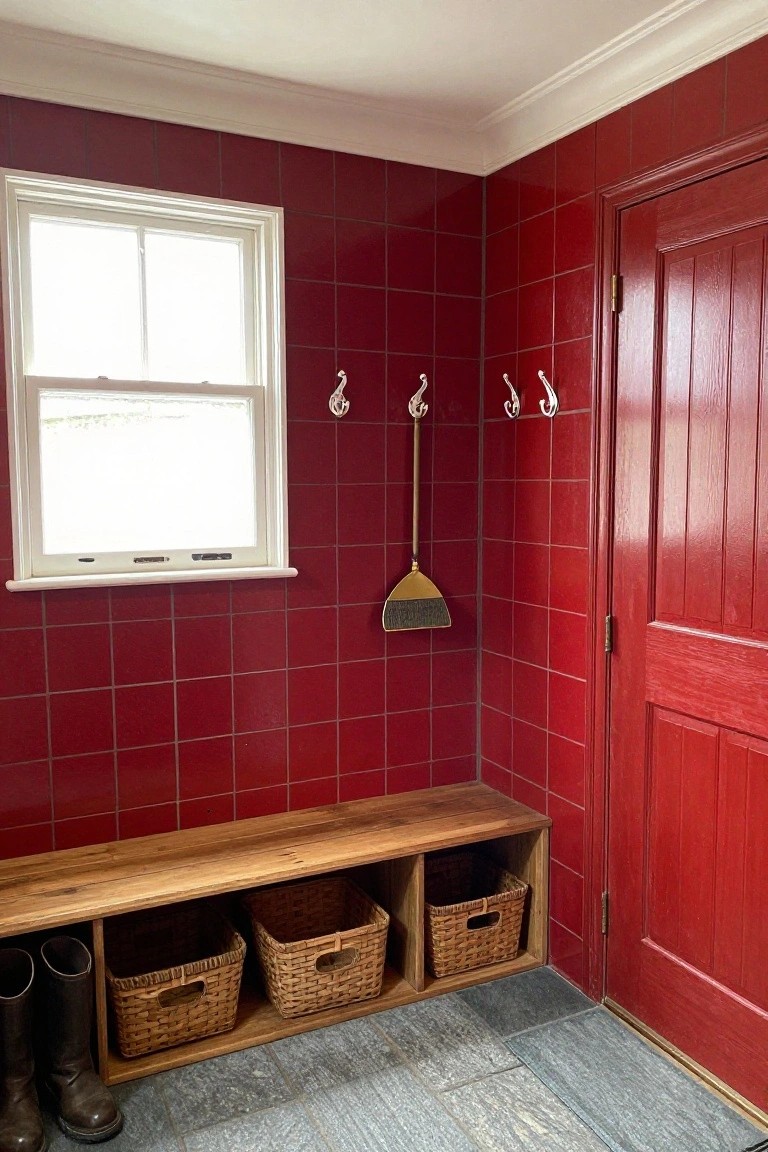
Slate tile flooring works great in mudrooms like this one. It’s tough enough for wet boots and tracked-in dirt, and the natural gray tones hold up without showing every scuff. Here, it sits under a wooden bench and pairs with those bold red wall tiles, keeping the space feeling clean and grounded even on messy days.
You can use slate in any high-traffic spot near doors, especially in colonial-style homes where you want something practical but not too plain. Go for textured pieces to avoid slips, and mix it with wood benches for storage. Just seal it well if your area gets a lot of moisture.
Light Wood Floors in Colonial Studies
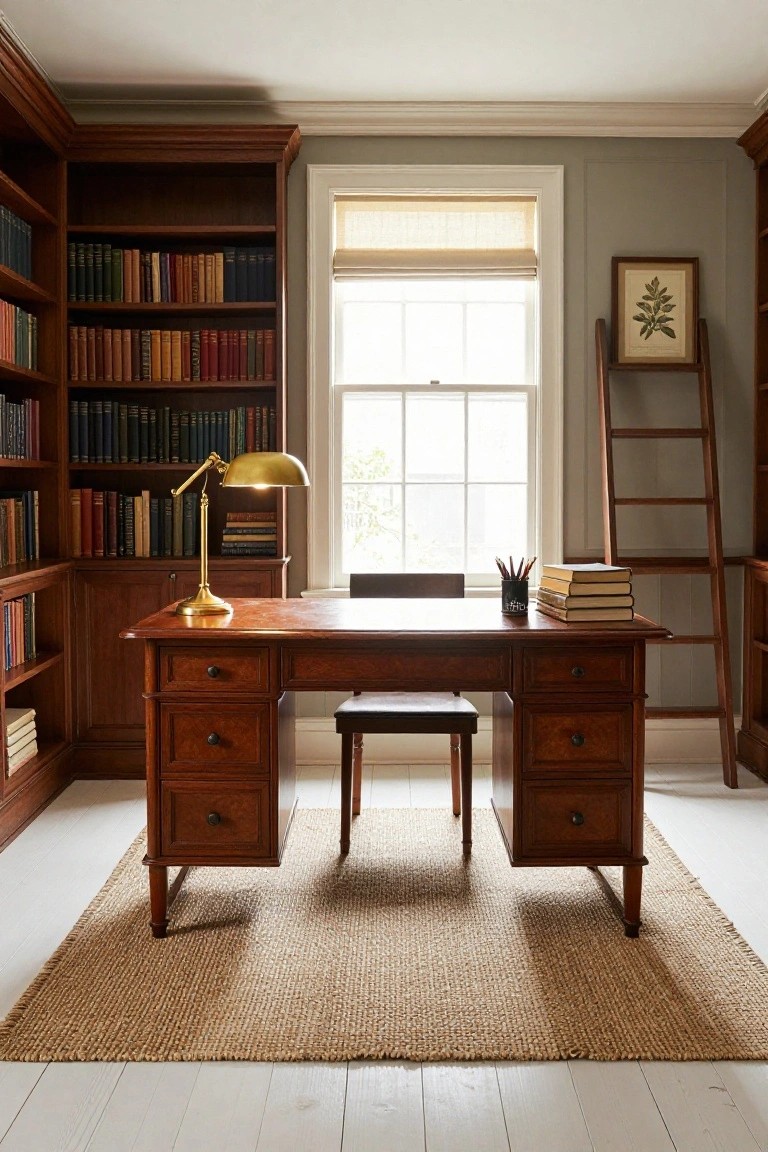
Light wood floors like these pale hardwood boards make a real difference in rooms full of dark wood furniture and built-ins. You see it here with the rich mahogany bookshelves and desk. That contrast stops everything from closing in. Natural light from the window bounces right off the floor too. Keeps the whole space feeling open even on cloudy days.
Try this in a home office or library where you have paneling or heavy trim. It suits colonial or traditional houses best. Add a simple seagrass rug in the middle for some texture underfoot. Just make sure the floor finish holds up to traffic. A satin coat works fine without too much shine.
Wide-Plank Hardwood Floors
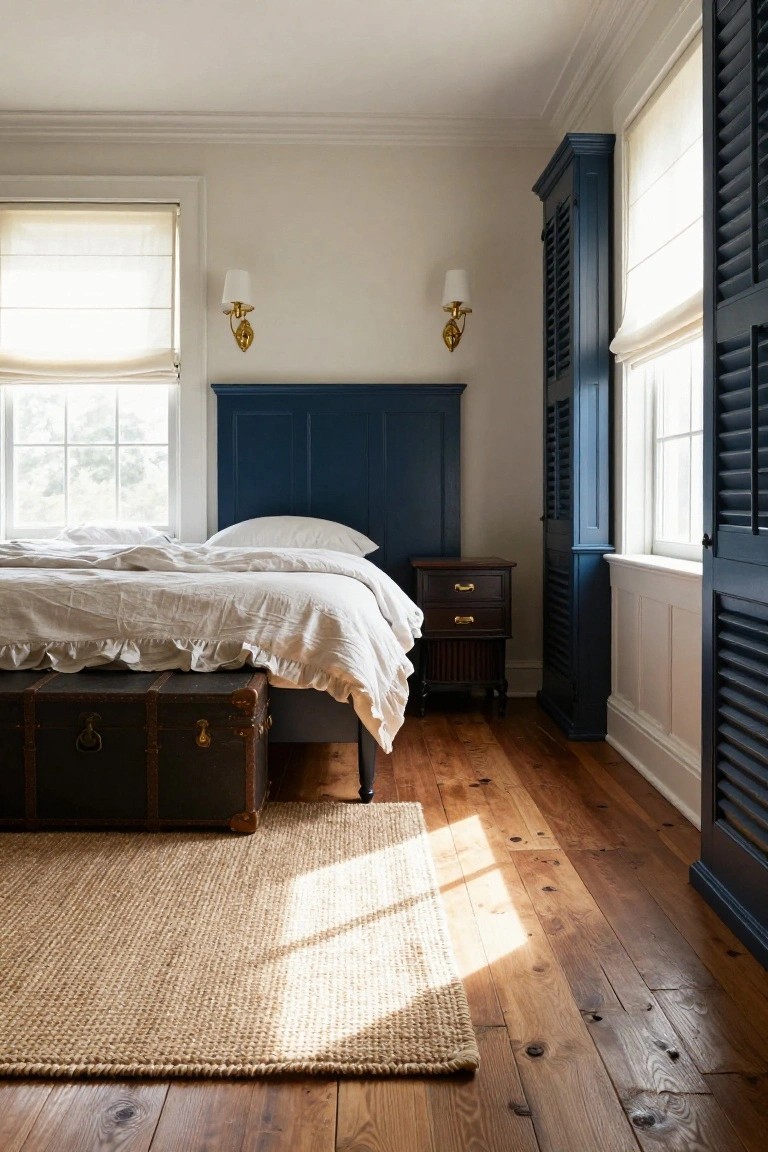
Those wide-plank hardwood floors with knots and grain really set a colonial tone in a bedroom like this. They pick up the sunlight coming through the windows and feel solid underfoot, more like something from an old house than a new build. Paired with a simple jute rug, they keep things practical without hiding the wood.
You can use this in any room aiming for that lived-in historic look, especially upstairs spaces. Go for reclaimed pine or oak if you want the patina right away. Just make sure the finish isn’t too glossy, or it loses that easy warmth… and add rugs for bare feet in the morning.
Soft Gray Painted Plank Floors
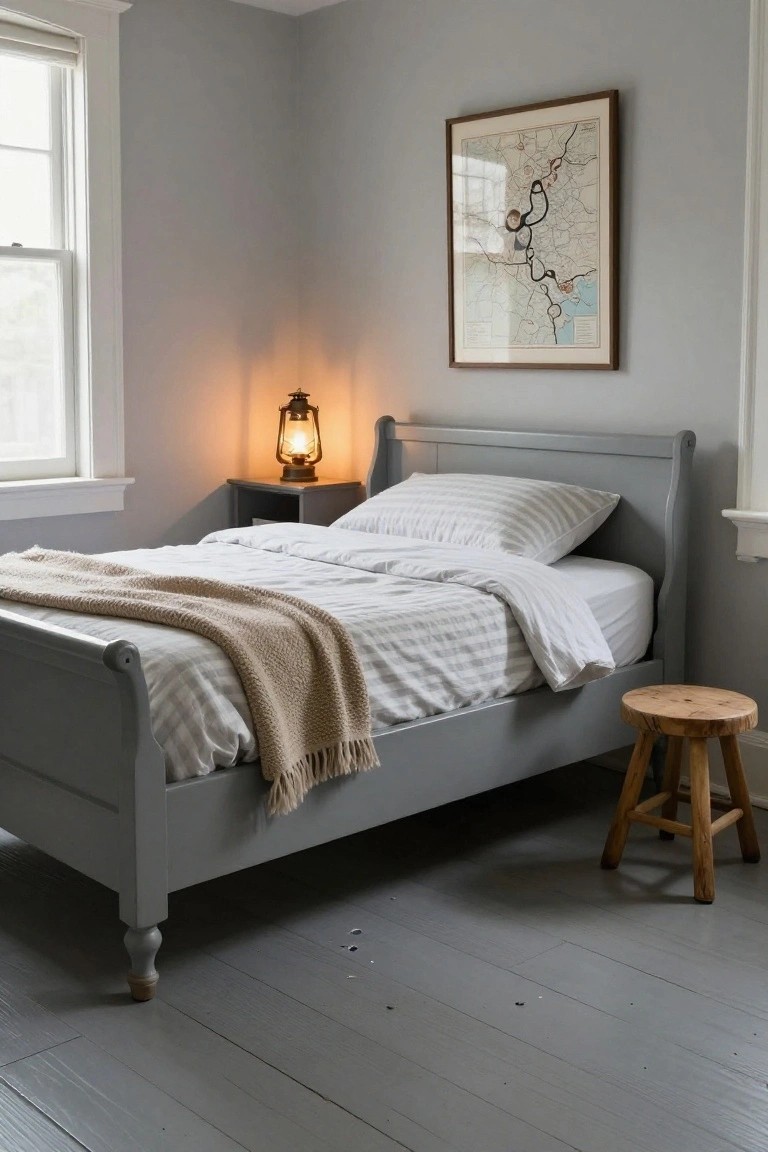
Painted plank floors in a soft gray tone bring a quiet, worn-in charm to colonial rooms like this bedroom. The wide boards pick up the subtle grain of the wood underneath, and that muted color ties right into the pale walls without overwhelming the space. It’s a simple way to nod to old-house roots while feeling fresh.
These floors suit bedrooms or living areas in homes with a historic bent, especially where you want floors that hide dirt a bit. Use a tough floor-grade paint so they hold up, and keep rugs minimal to let the planks breathe. Lighter bedding and wood accents, like that bedside stool, help balance it out.
Whitewashed Wood Floors for Nursery Calm
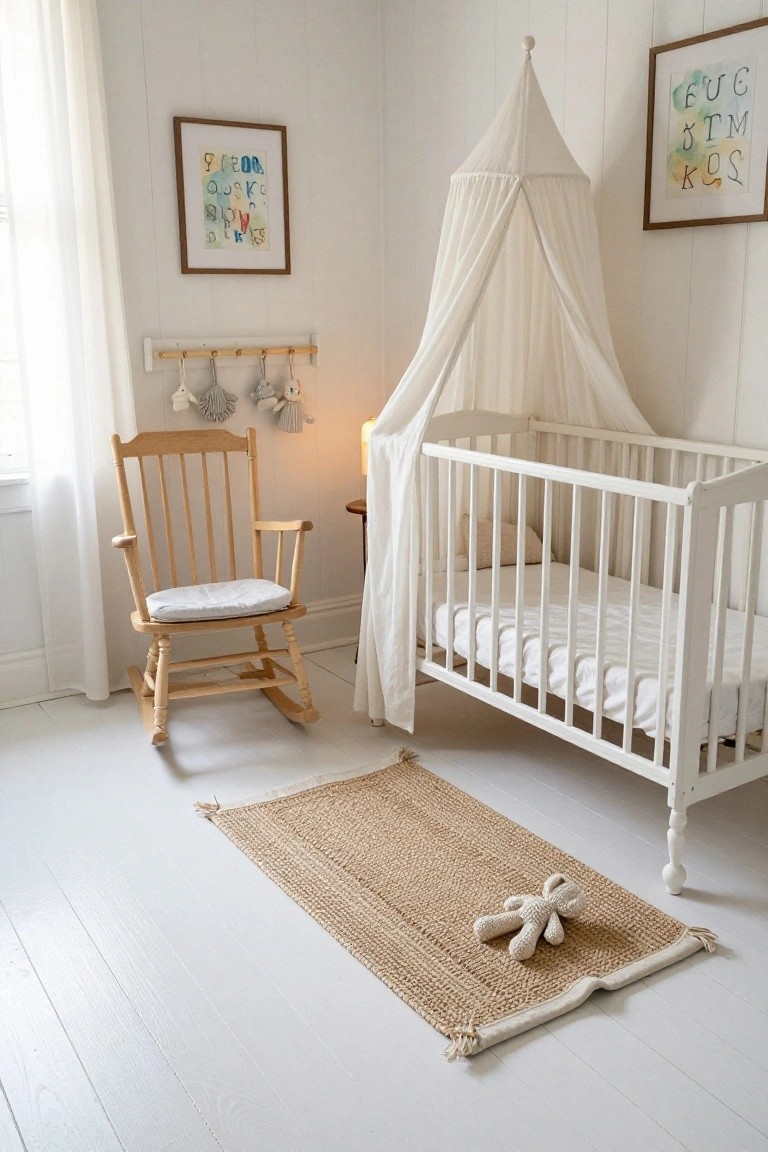
Whitewashed wood floors give this nursery a gentle, lived-in feel that fits right into colonial style. The pale finish lets the wood grain show through just enough, while keeping the room bright and easy on the eyes. It bounces light around from the window, making the space feel bigger without any harsh contrasts.
You can pull this off in any kid’s room or family area where you need something practical yet pretty. Go for oak or pine planks with a light wash, then add a simple rug like the seagrass one here for texture underfoot. It suits older homes best, but watch the finish over time with little feet running around.
Hardwood Floors in Colonial Bathrooms
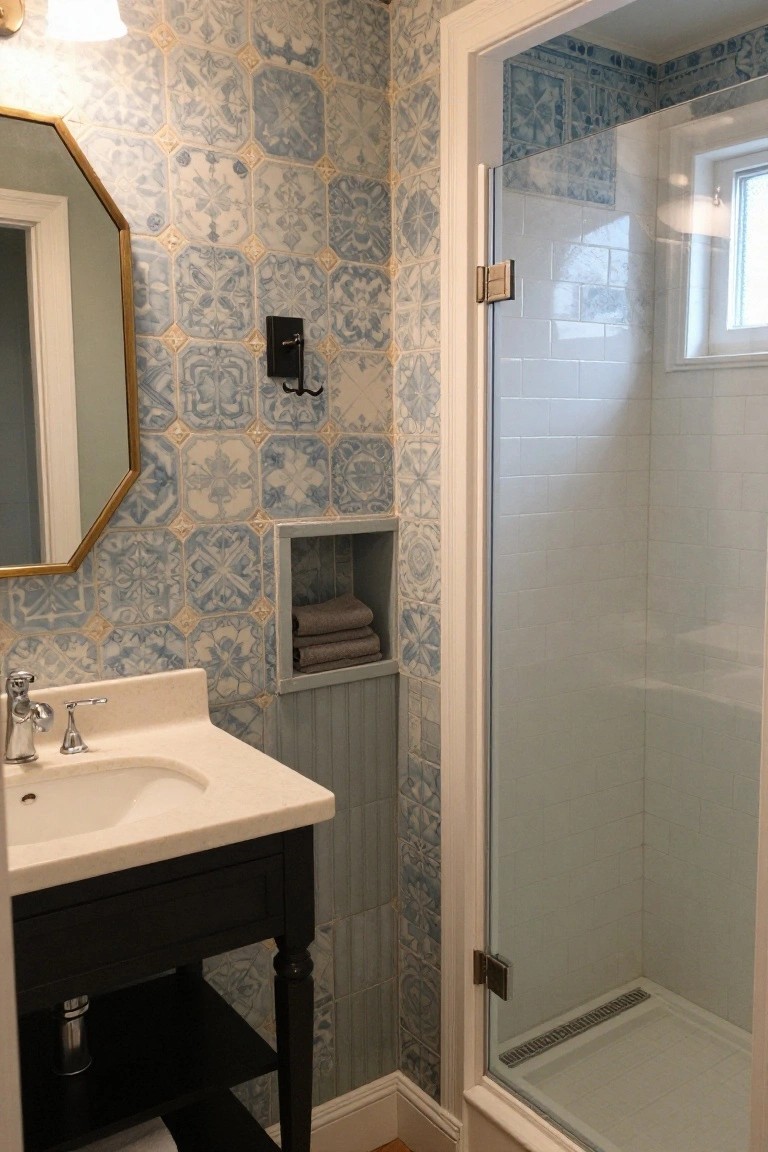
Hardwood floors show up in all kinds of rooms these days, even bathrooms. Here wide plank boards in a light finish run right under the vanity and out to the shower edge. They give the space that steady colonial warmth without pulling focus from the blue patterned tiles on the walls.
You can pull this off in powder rooms or guest baths where moisture stays low. Seal the wood well and keep the shower fully tiled inside. It fits older homes best, making the floor feel like part of the house instead of a separate wet zone.
Blue Patterned Tile Floors
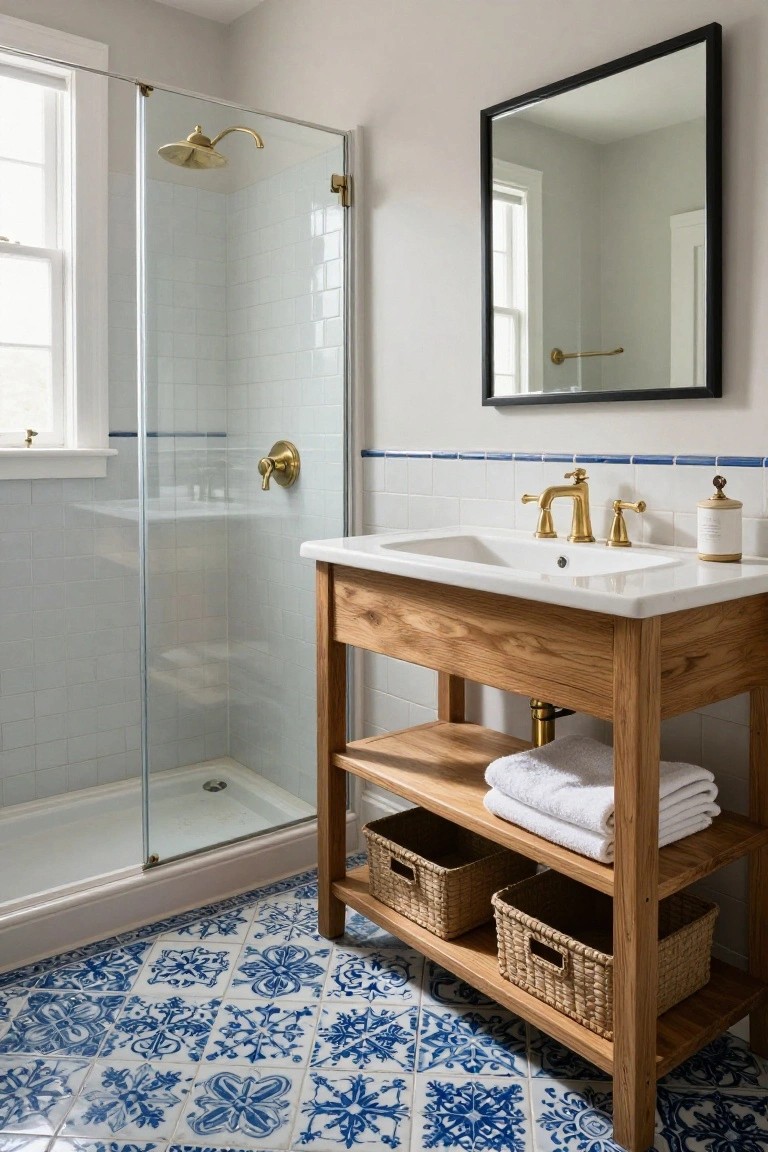
Those blue and white patterned tiles on the bathroom floor catch your eye right away. They have that classic colonial feel, like something from an old Portuguese villa, but they fit right into a simple setup with light walls and a wood vanity. The pattern adds life to the space without making it busy.
You can pull this off in powder rooms or small baths where the floor needs to do some work. Stick to neutral tiles higher up and keep fixtures straightforward, like gold handles on the sink. It suits older homes that want a bit more color down low. Just measure your space first, since the tiles can feel strong in bigger areas.
Black and White Checkered Tile Floors
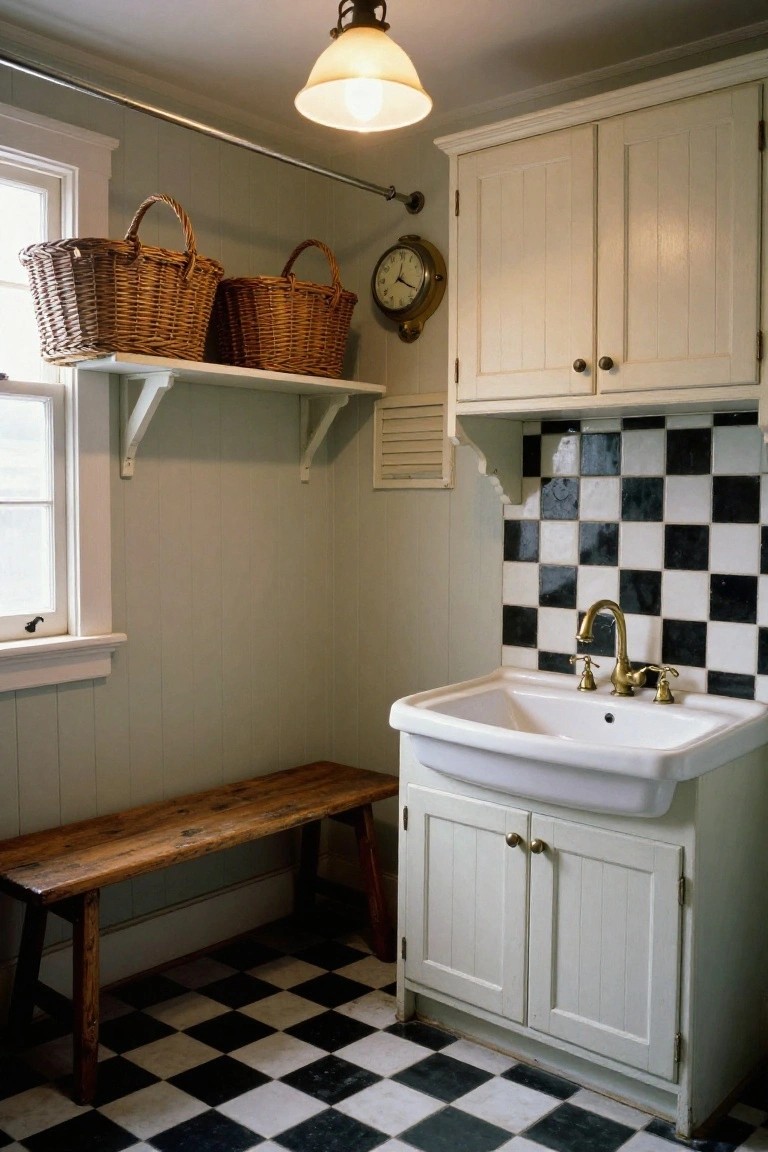
Checkered black and white tile floors bring back that old-school Colonial feel without much fuss. They stand out in practical spots like this laundry room, where the bold pattern holds up to spills and foot traffic. Paired with simple white cabinets and wood trim, the floor adds just enough pattern to keep things interesting.
These floors work best in entryways, kitchens, or mudrooms in older homes or remodels aiming for vintage charm. Go for glossy tiles if you want easy cleaning, or matte for a softer look. They suit homes with pale walls… just watch the scale so the pattern doesn’t overwhelm a small space.
Wide Plank Hardwood Floors with a Hall Runner
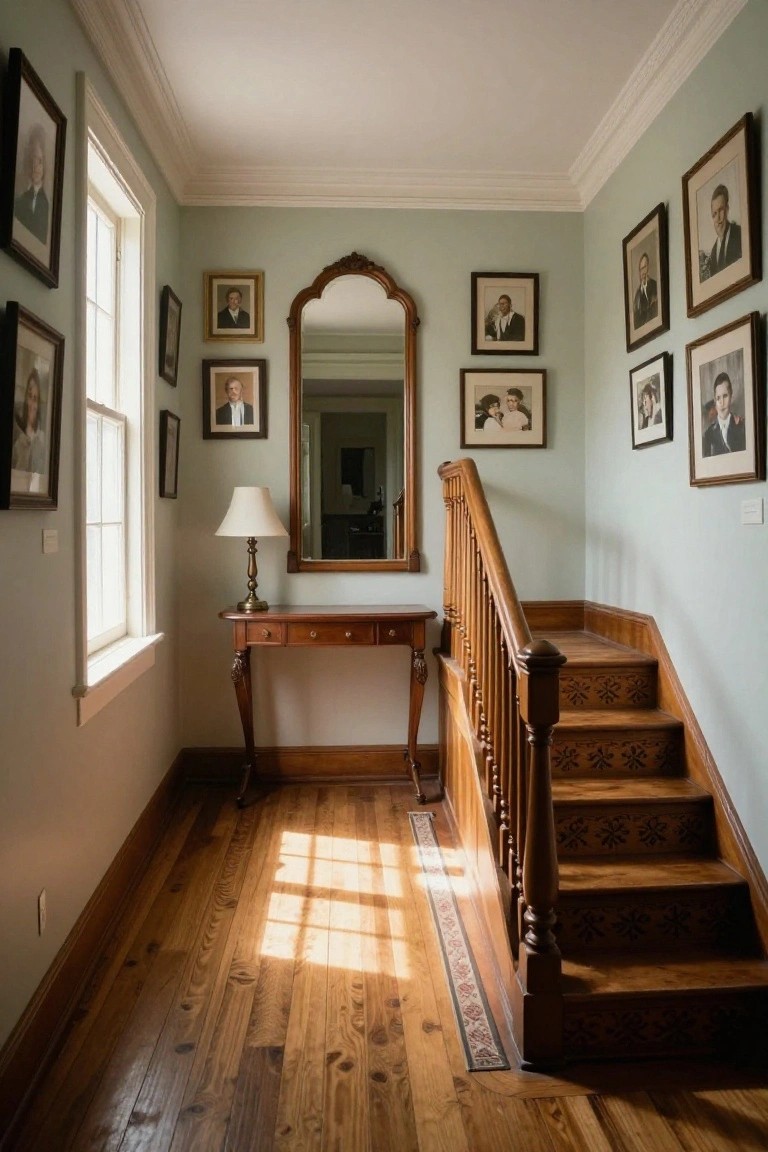
Those wide plank hardwood floors catch your eye first in a colonial setup like this. The natural knots and warm tones give the hallway real character, especially with sunlight streaming across the boards. A slim runner runs right along the base of the stairs and down the hall, pulling in some pattern while protecting the wood from daily wear.
This works best in entryways or narrow hallways where you want durability plus a bit of style. It fits older homes with high ceilings or any space going for that lived-in historic look. Pick a runner that’s not too busy so the floors stay the star, and anchor it well at the top and bottom of stairs.
Warm Hardwood Floors with a Persian Rug
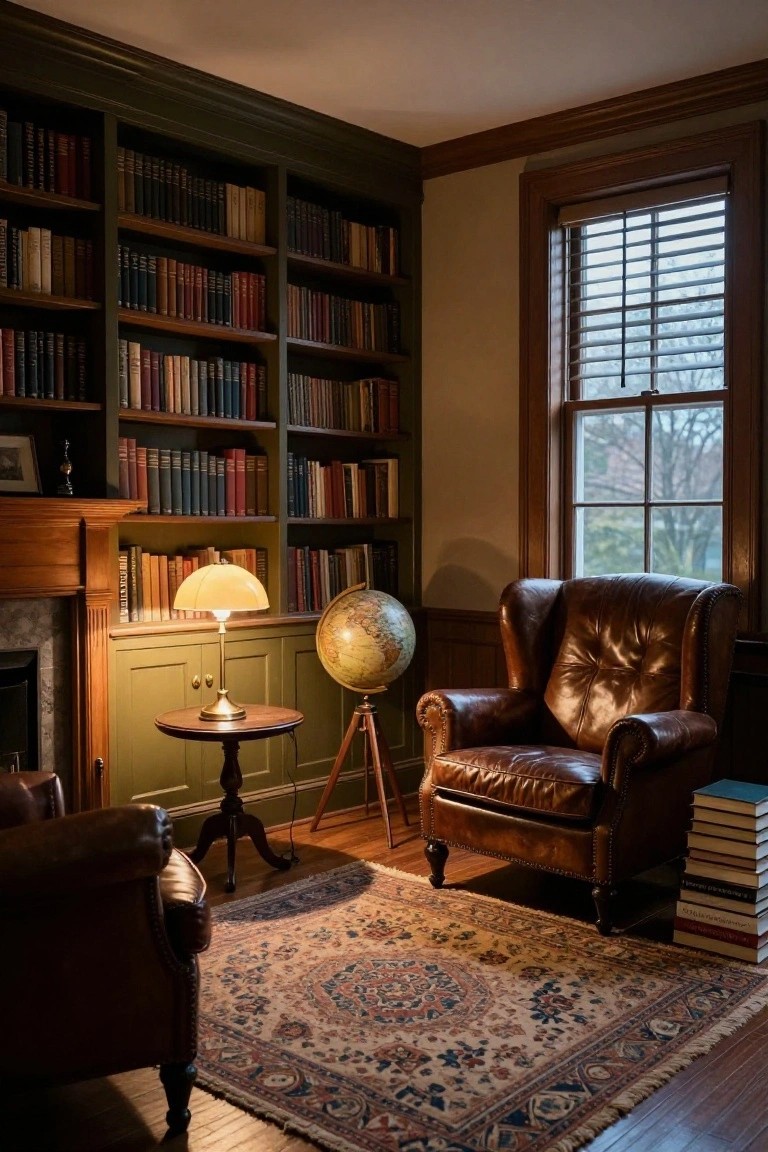
Hardwood floorsors give colonial roomsoms a s.ong base. Pai the here with a Persian rug, an you get that extra layer of comfor.t and pa.ttern. The da k wood tones es wa rm up the space. A rug lie this pulls everythi g togethe in fron.t of the leat her chai r.
Put this setupup in your s.tudy or li>rary. It fits ri.h ceili gs an> bui.t-i> boos.helvesves. Just ma.e sure the rug cov ers most of the seati g area… ot herwise.se it feels dis jointe> it. Works for liv ing rooms oms too.
Wide-Plank Oak Floors Fit Colonial Kitchens
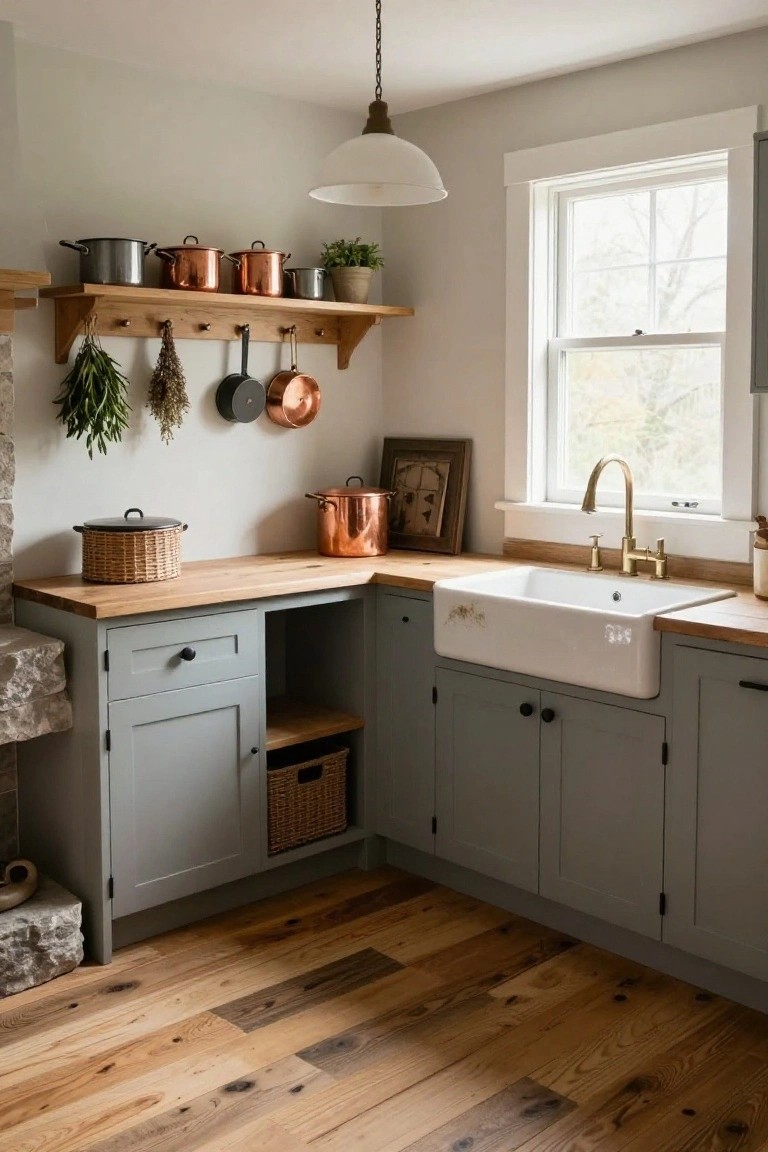
Wide-plank oak floors like these bring a bit of old-house character to a colonial kitchen. The knots and natural grain show through in warm tones that feel right at home with shaker cabinets and wood counters. They make the space look lived-in without trying too hard.
You can use this flooring in kitchens or nearby dining areas where it gets plenty of wear. It suits older homes or remodels aiming for that settled look. Pick planks at least 6 inches wide and seal them for spills, but skip glossy finishes to keep the casual feel.
Layering Seagrass Rugs over Hardwood Floors
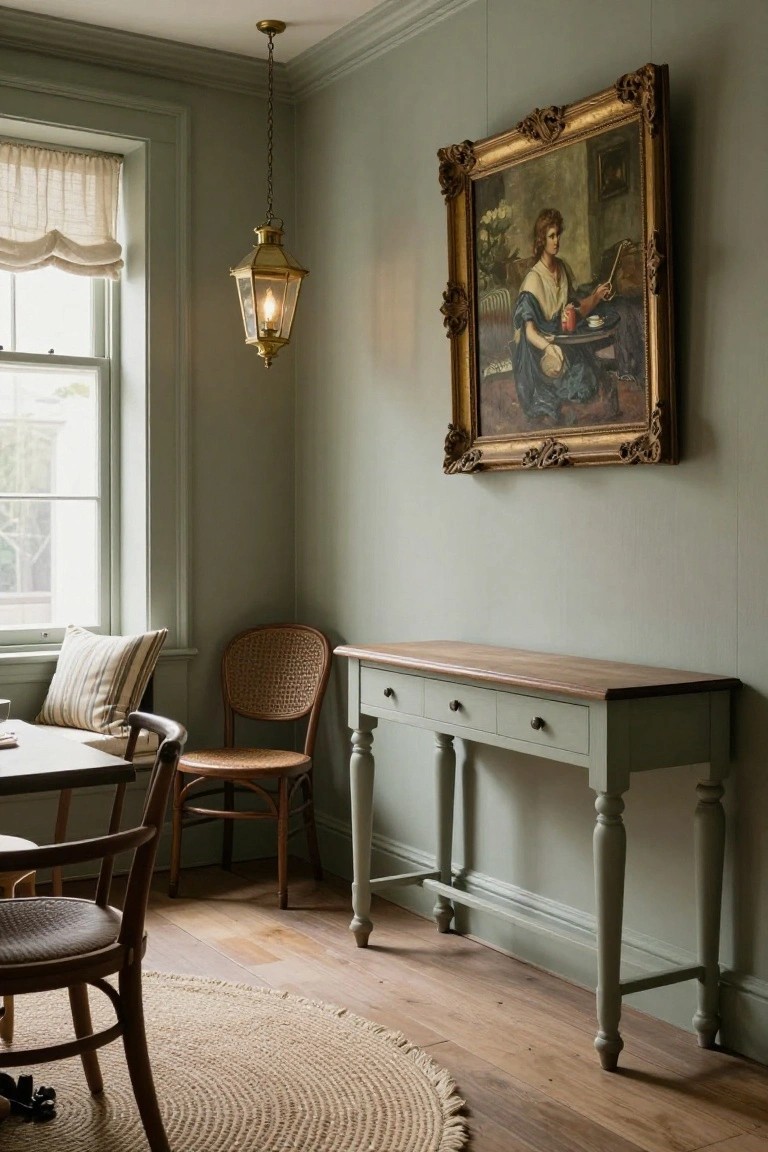
Hardwood floors in a light, wide-plank style give colonial rooms a solid, even base that lets other pieces shine. Layering a seagrass rug on top adds that natural texture people love for softening things up. It pulls in a bit of beachy calm without clashing, like how the round rug sits easy near the chairs here.
This setup fits dining nooks or family spaces in traditional homes best. Go for durable seagrass to handle everyday use, and keep the rug simple in shape. Lighter wood tones keep it from feeling too heavy in smaller spots.
Hardwood Floors with Compass Inlay
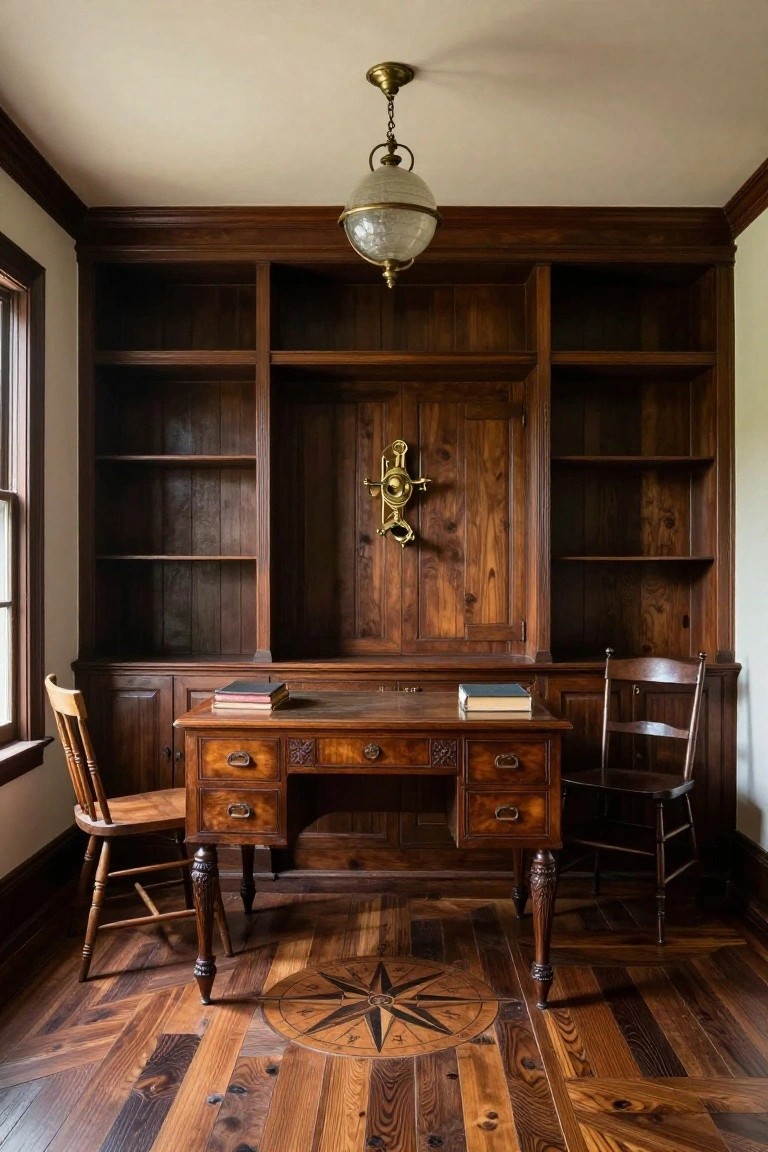
Wide plank hardwood floors like these bring a real colonial feel to a room. The dark tones and knots give them character, and that compass rose inlaid right in the center adds a subtle nautical touch without overdoing it. It works well here in a study, tying into the wood walls and desk for a warm, lived-in look.
You can pull this off in a home office or library where foot traffic stays low. Go for reclaimed heart pine if you want authentic patina, and keep the inlay simple so it doesn’t compete with furniture. Just make sure the floor gets sealed properly… it’ll last for years.
Black Tile Floors in Colonial Bathrooms
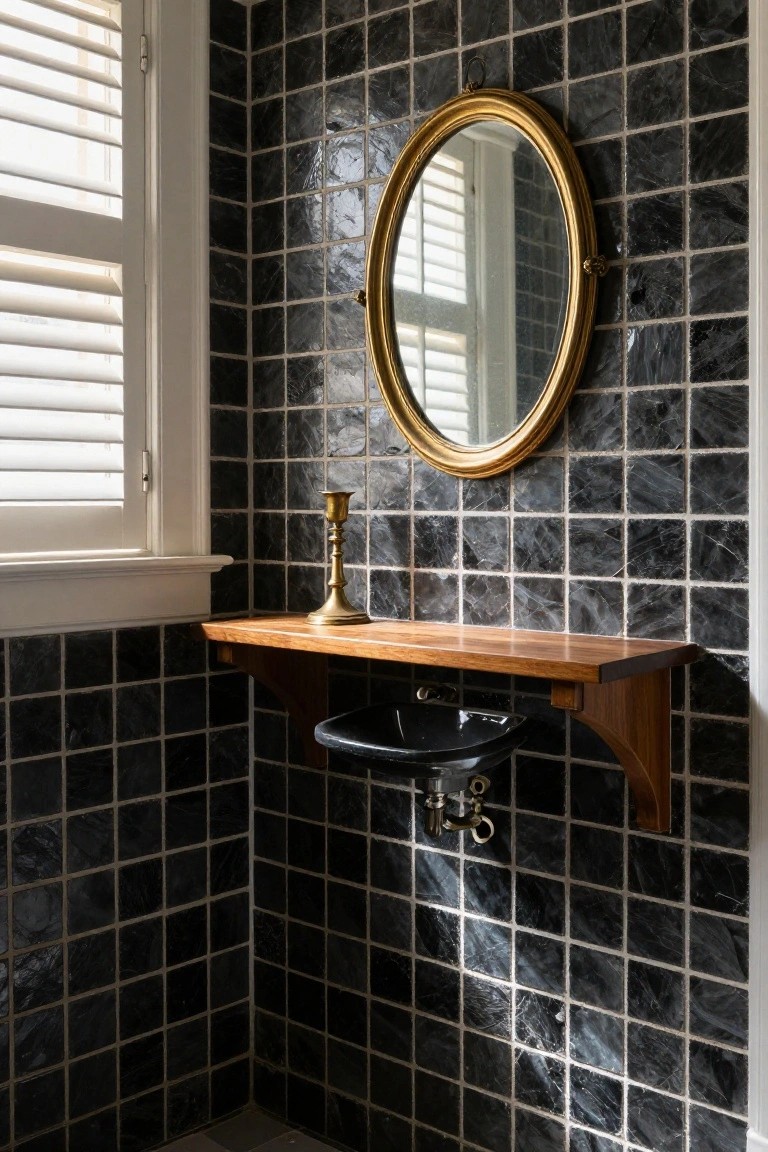
Dark black tiles make a strong statement on bathroom floors. They show up well here against white wood trim and a simple wooden shelf. The gloss catches light from the window, so the small space feels deeper without getting too bright. In colonial homes, this kind of bold floor pulls in that old-school feel, especially with brass touches nearby.
Try it in a powder room or half bath off the hall. It hides dirt better than light floors, and pairs easy with wood cabinets or vanities. Stick to glossy black to keep it from feeling heavy. Works best in homes with some natural light. Just mop regularly to keep the shine.
Wide Plank Hardwood Floors
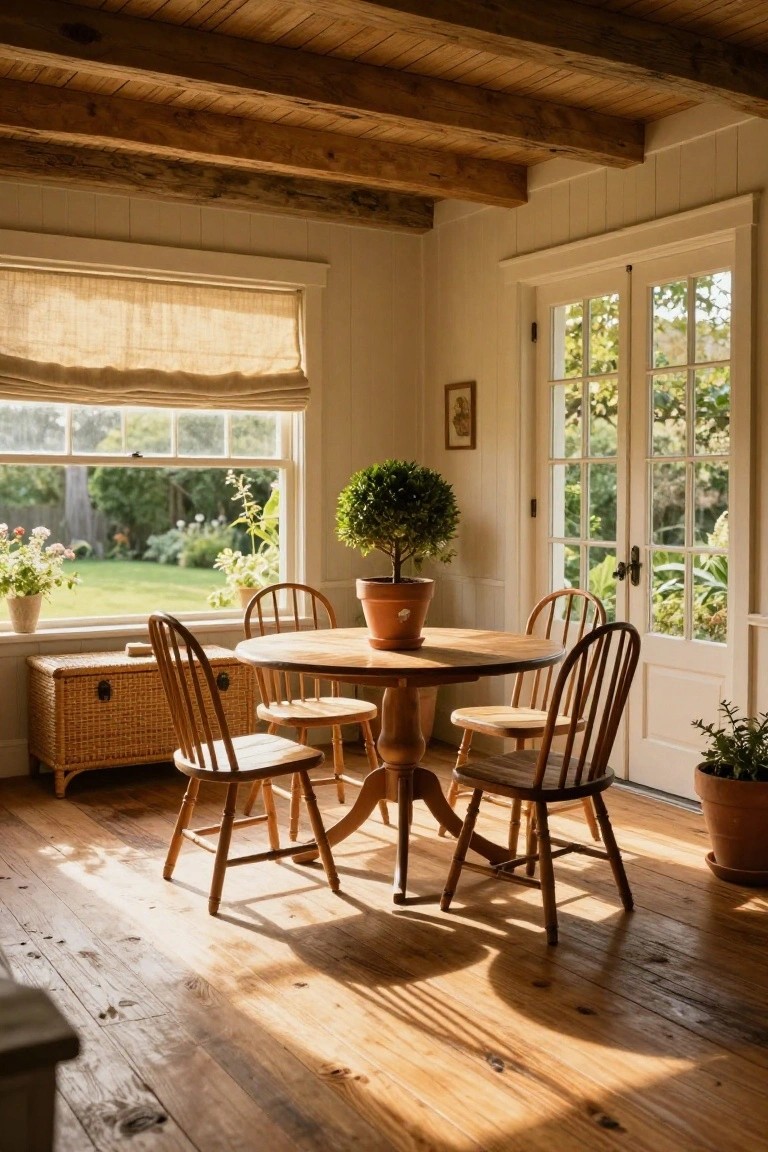
Old houses often have these wide plank hardwood floors. They show off the wood’s natural knots and color changes. In a room like this dining area sunlight hits them just right making everything feel steady and lived in. Paired with white walls and beams they keep the colonial look without getting too fussy.
You can add them to kitchens dining rooms or even hallways. They work best in homes with good light and some age to them. Just make sure to refinish every few years or seal against spills. Not too hard to live with.
Classic Wide-Plank Hardwood Floors
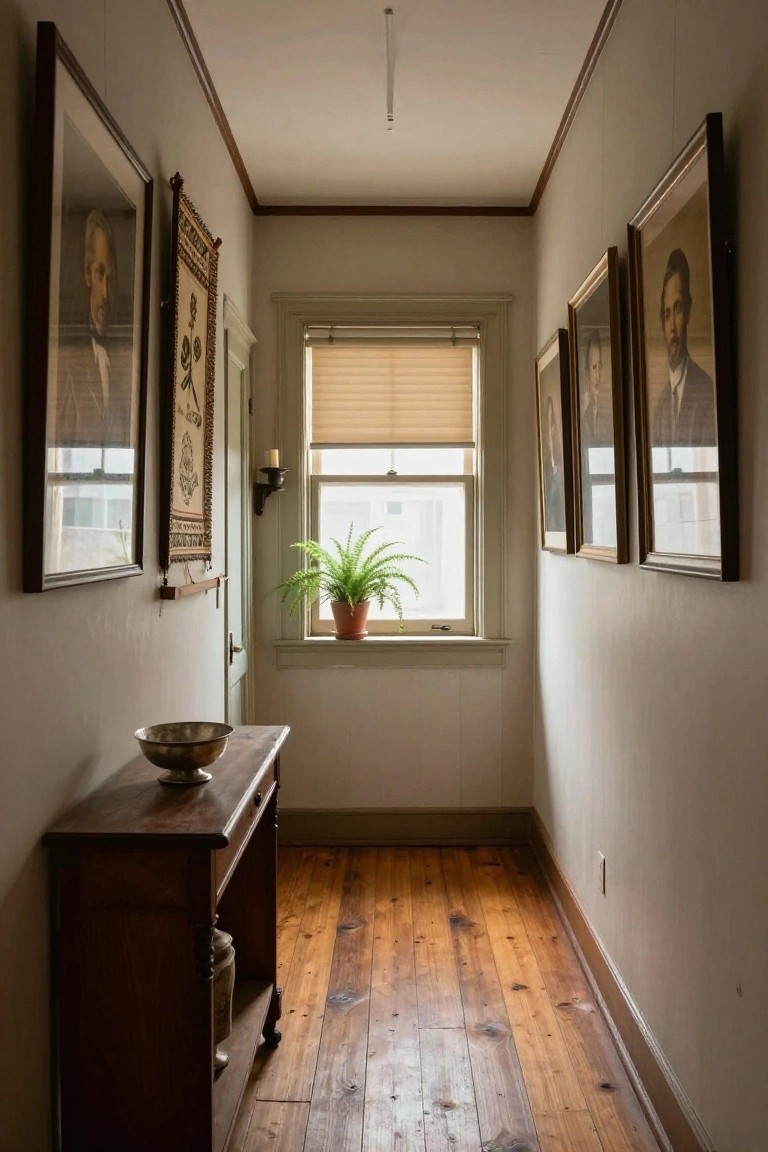
Old colonial homes often have those wide-plank hardwood floors that just feel right underfoot. You see them here running down a narrow hallway, with knots and all, picking up the light from the window. They add a layer of real history to plain walls and wood trim, without trying too hard.
These floors work great in tight spaces like hallways or entryways, where they make everything feel steadier and warmer. They suit older houses best, or any place aiming for that lived-in colonial vibe. Hunt for reclaimed pine if you’re starting fresh, and keep the finish matte to let the wood breathe.
Rustic Hardwood Floors with Knots
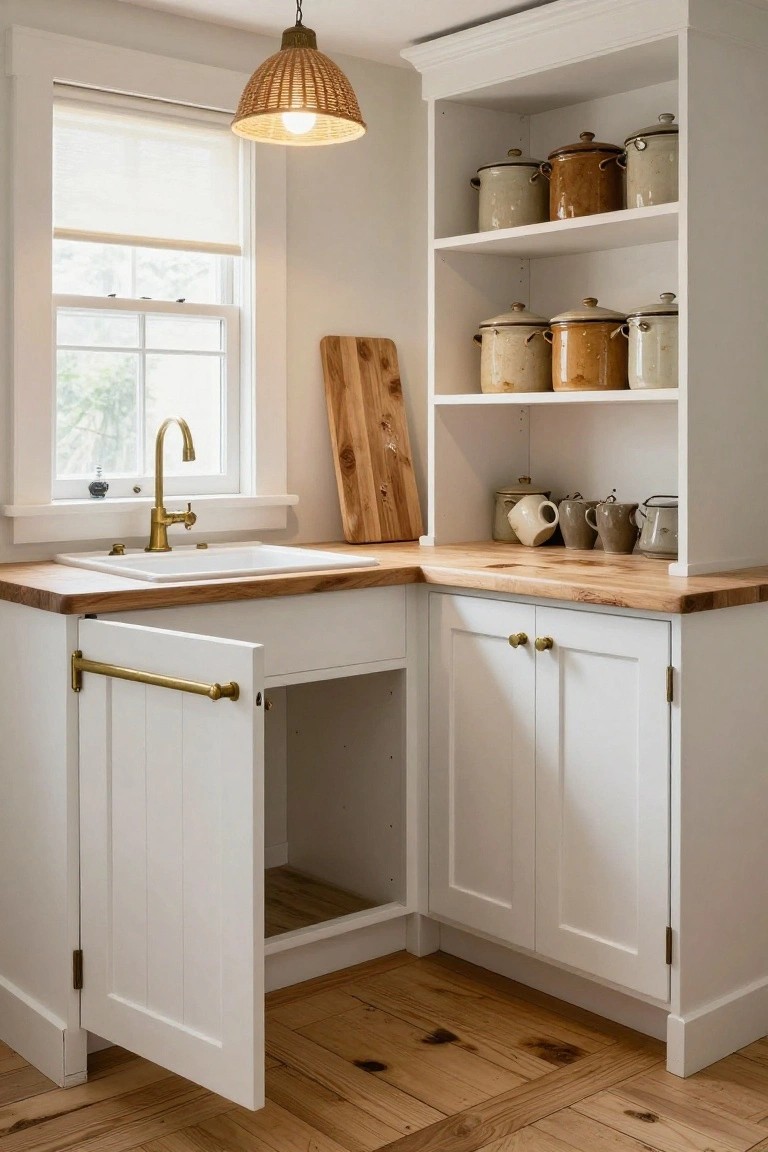
Hardwood floors like these, with wide planks and natural knots, fit right into colonial kitchens. The wood shows off its grain and imperfections, making the room feel lived-in and genuine. Paired with white cabinets and butcher block counters, it keeps things simple but sturdy.
Put this flooring in high-traffic spots like kitchens or entryways. It suits older homes or remodels aiming for that farmhouse touch. Make sure to choose oak or pine, and add a good sealant for easy cleanup… spills happen.
Hexagonal Tile Floors for Bathrooms
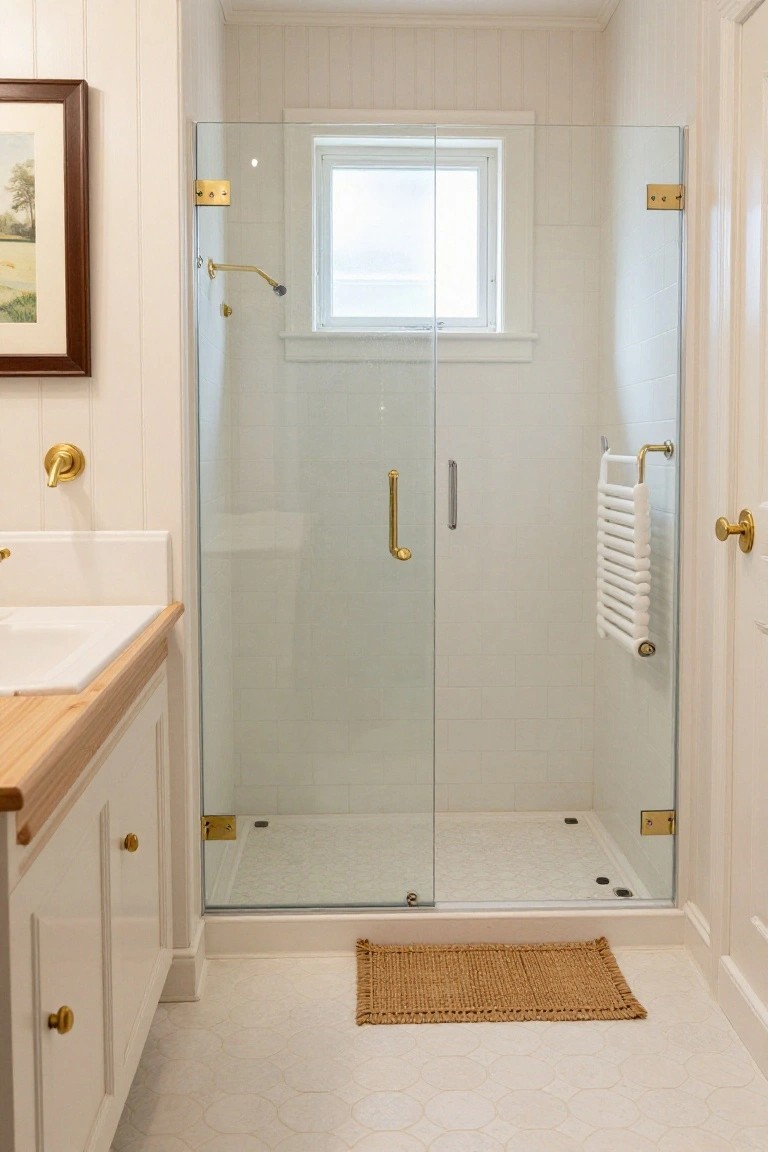
Hexagonal tiles work well on bathroom floors because they add a subtle pattern that feels classic without busyness. These white ones here sit quietly under the shower and vanity, echoing colonial details like the shiplap walls. They brighten the room too.
Try them in any bath size, especially where you want the floor to play nice with wood cabinets or gold fixtures. Go for light grout to avoid darkening the space. Suits older homes getting a simple update.
Frequently Asked Questions
Q: Can I use wide plank hardwood floors in a modern kitchen with Colonial vibes? A: Go for it. Wide planks add that warm, historic feel without overwhelming the space. Just seal them well to handle spills and traffic.
Q: How do I keep pine floors from yellowing too fast? A: Wipe them down weekly with a damp cloth and mild soap. Avoid harsh chemicals that strip the natural oils. That keeps the soft glow intact.
Q: Do dark stained floors work in small Colonial-style rooms? A: They do, especially if you paint walls light. Dark floors ground the room and make furniture pop. And lighter rugs help bounce light around.
Q: What’s an easy swap for authentic brick flooring on a budget? A: Try painted concrete tiles. Stamp or score them to mimic bricks, then seal for shine. You get the texture without the heavy install.
