

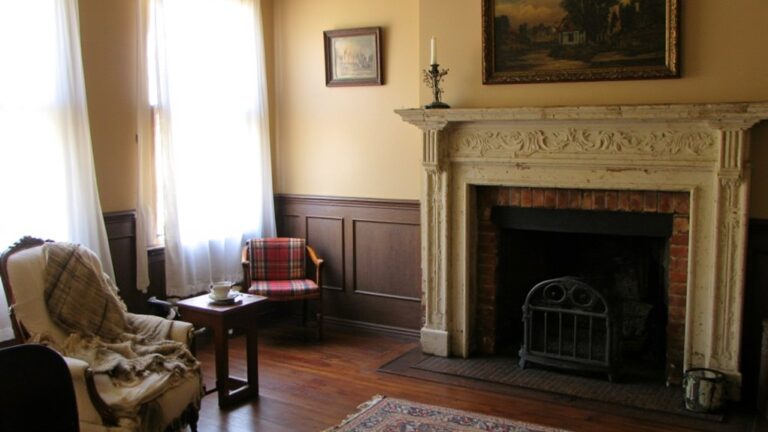
Thinking about colonial interior design fills me with a sense of nostalgia and coziness. It’s a style rich in history, weaving together beautiful furniture pieces and warm color palettes. I’ve put together 20 ideas that highlight the enduring charm of colonial design. Discover these essential elements and see how you can bring them into your own home. Let’s get inspired by the timeless beauty of this classic style.
The Roots of Colonial Interior Design
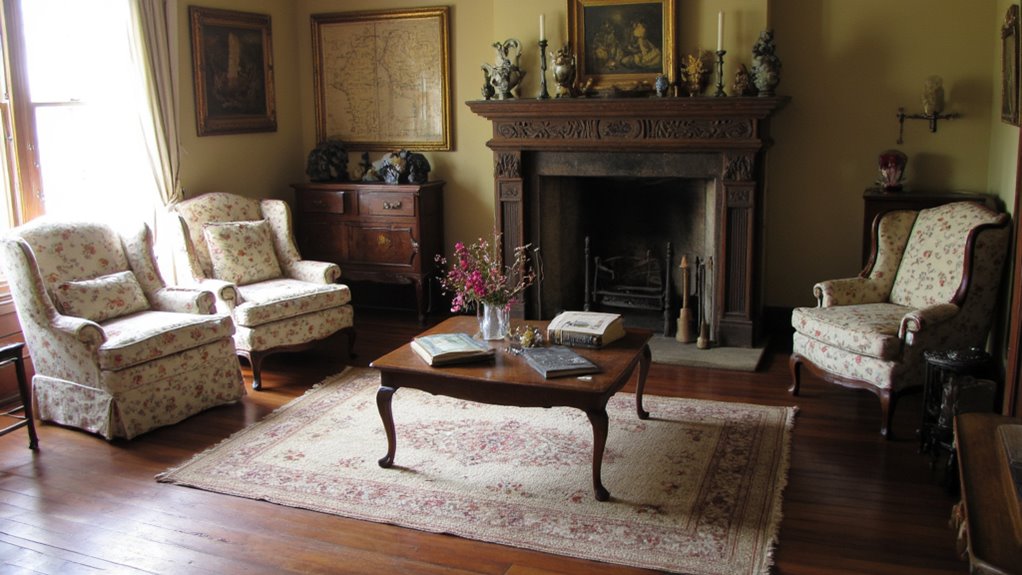
As I explore the roots of colonial interior design, it’s fascinating to see how this style reflects the cultural influences of the time.
The blend of European traditions with indigenous elements showcases a unique narrative. Each piece tells a story of adaptation and survival, revealing how settlers merged their heritage with local resources, ultimately shaping a distinct aesthetic that endures today.
Key Characteristics of Colonial Style
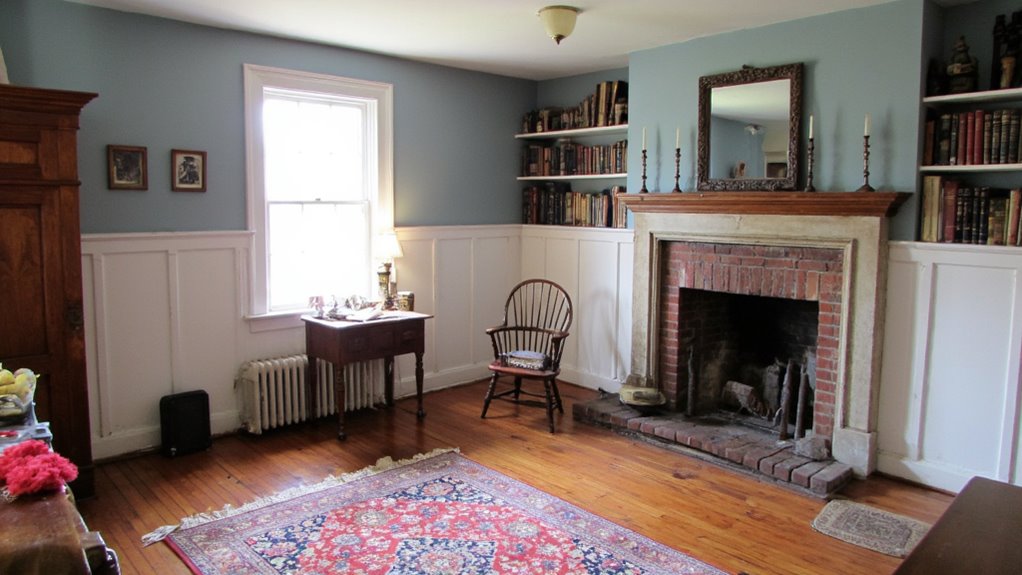
Building on the cultural fusion seen in the roots of colonial interior design, the key characteristics of this style emerge as a demonstration of practicality and elegance.
You’ll notice a blend of European influences and local materials, featuring symmetrical layouts, classic furniture, and rich textures.
Warm woods and handcrafted details often define the space, creating a timeless and inviting atmosphere that feels both functional and refined.
Understanding Colonial Color Palettes
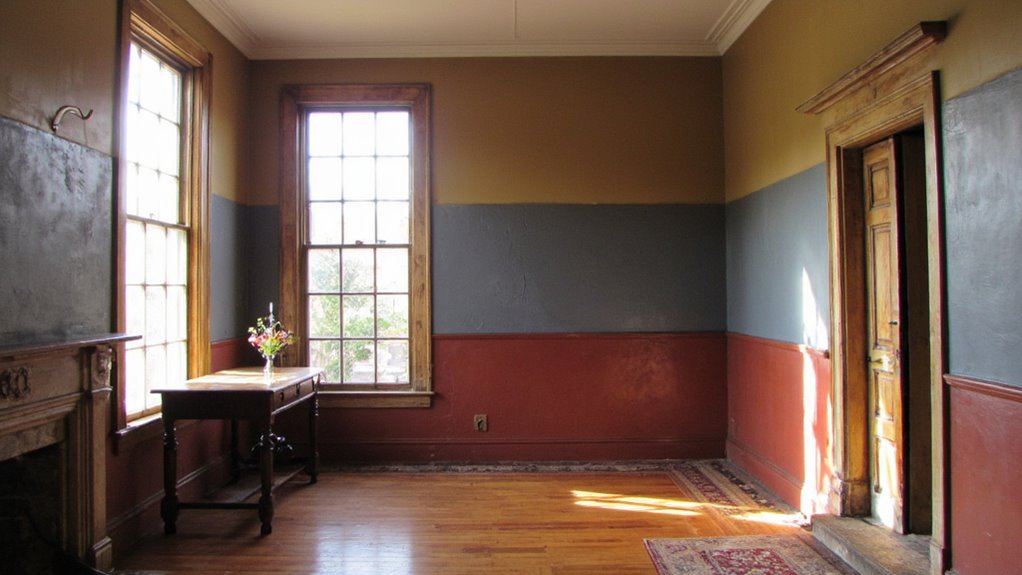
What colors come to mind when you think of colonial interiors?
I often envision warm earth tones, deep reds, and muted blues.
These colors reflect the natural world and the materials available at the time.
Using rich, saturated hues alongside lighter shades creates a balanced, inviting space.
Emphasizing these palettes can truly capture the essence and history of colonial design in your home.
Iconic Colonial Furniture Pieces
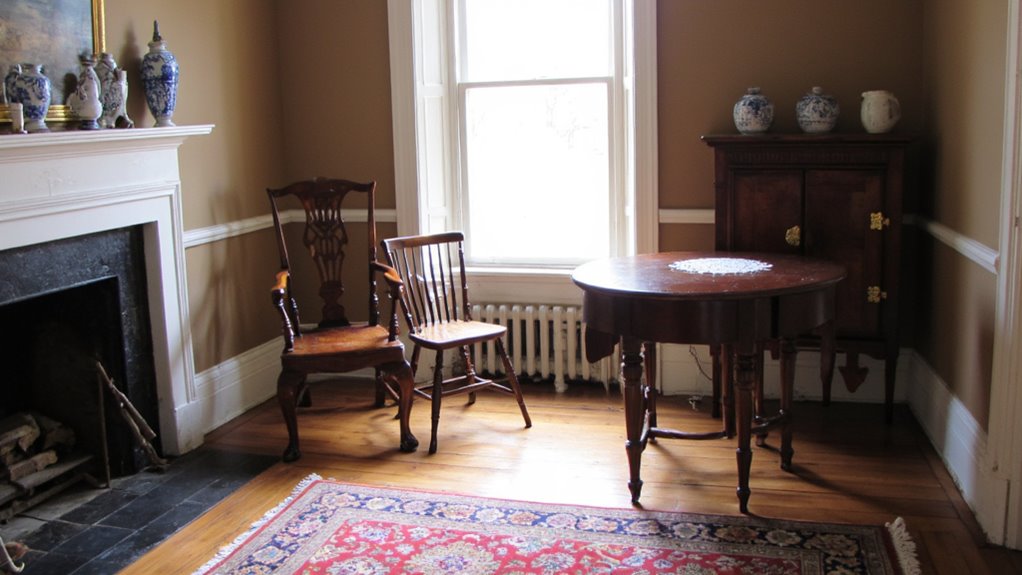
Colonial furniture pieces are the heart of any authentic colonial interior.
I love how each piece tells a story, from sturdy wooden tables to elegant high-backed chairs. They exude craftsmanship and tradition, making the space feel warm and inviting.
Incorporating these iconic items, like a classic Windsor chair or a drop-leaf table, brings a timeless charm that never goes out of style.
The Role of Textiles in Colonial Homes
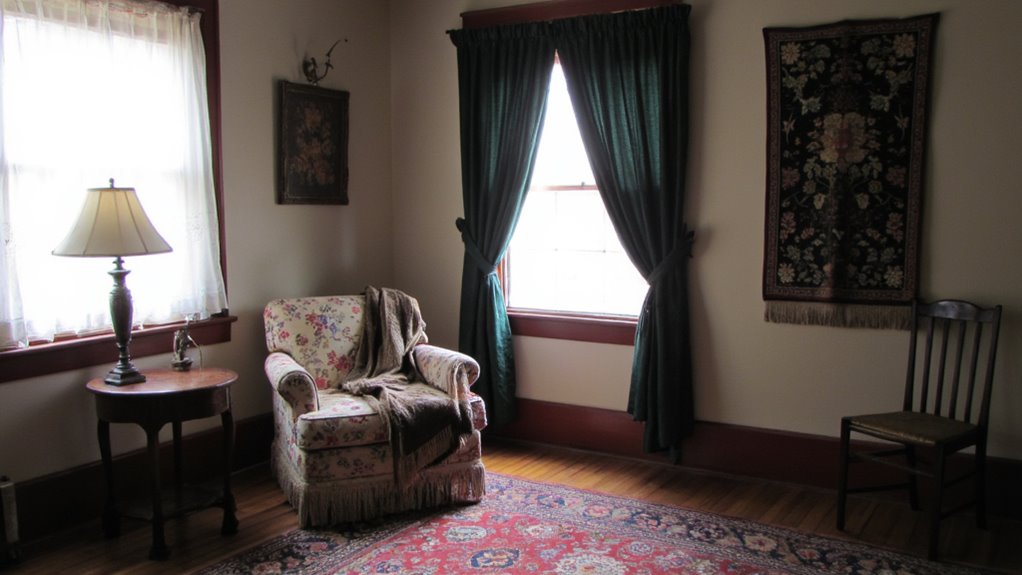
While iconic furniture pieces set the foundation for colonial interiors, textiles bring warmth and texture that complete the look.
I love how fabrics like rich wool and patterned cotton can transform a space. From drapery to upholstery, these elements add layers of comfort and visual interest.
Incorporating traditional patterns like florals or checks can truly evoke the charm of colonial style.
Colonial Flooring Options: Trends and Choices
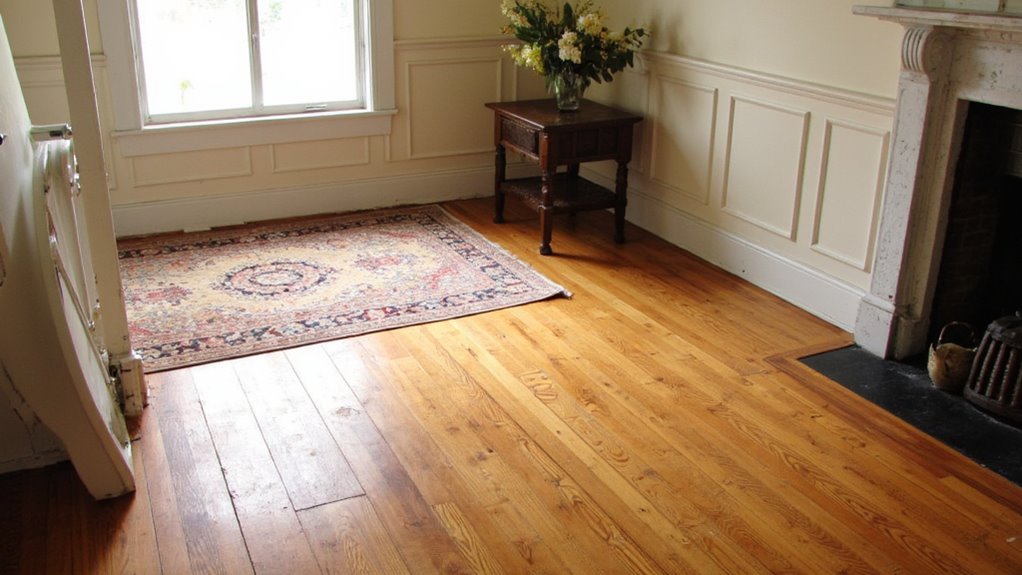
When you step into a colonial home, the flooring often sets the tone for the entire space.
I love the warmth of wide-plank hardwoods, which evoke a sense of history. You might also consider reclaimed wood for an authentic touch.
The warmth of wide-plank hardwoods and the charm of reclaimed wood bring history to life in your colonial home.
If you’re looking for something unique, patterned tiles can add character while remaining true to colonial aesthetics.
Choose wisely, and your floors will impress!
Integrating Colonial Architectural Features Into Modern Homes
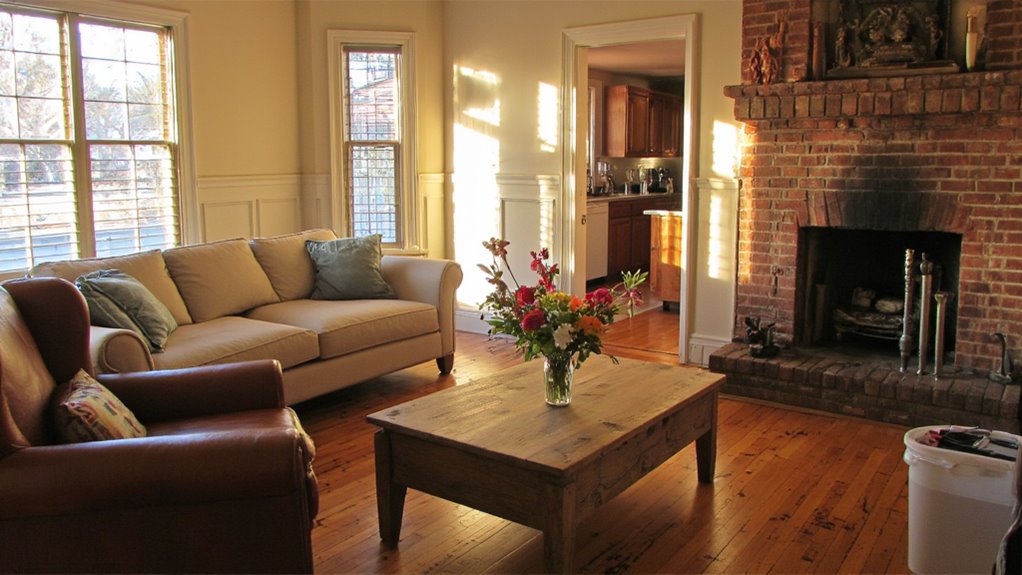
Stepping into a modern home doesn’t mean you have to leave behind the charm of colonial architecture.
I love incorporating features like exposed beams, large fireplaces, and classic moldings. These elements seamlessly blend with contemporary designs, adding warmth and character.
Distinctive Colonial Wall Treatments
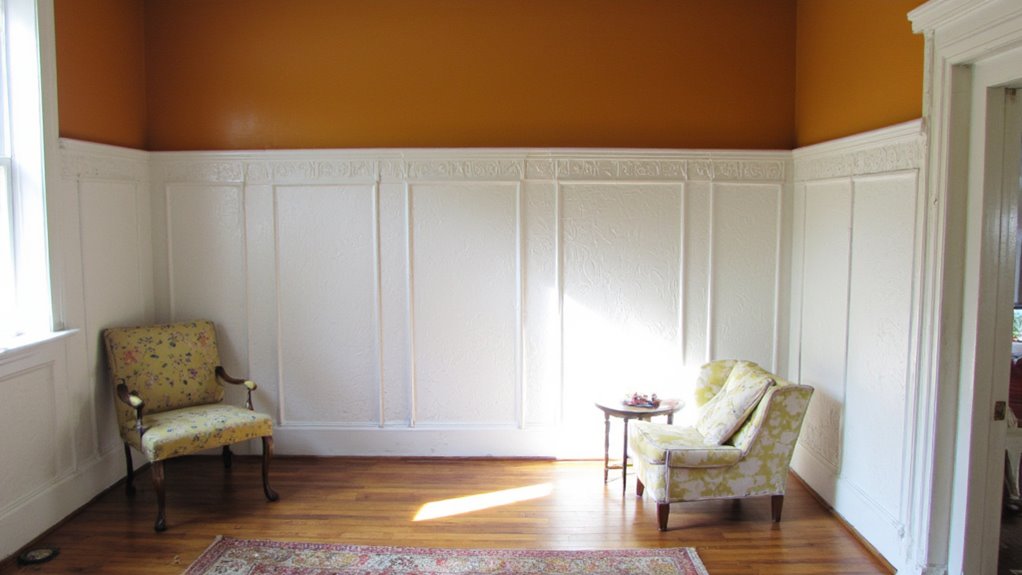
Colonial wall treatments offer a unique blend of elegance and history that I find enchanting.
From rich, textured wallpapers to hand-painted murals, these designs evoke a sense of timeless charm.
I love how wainscoting adds depth, while exposed beams enhance authenticity.
Choosing period-appropriate colors can transform a room, creating a warm and inviting atmosphere that celebrates colonial heritage beautifully.
Lighting Styles That Define Colonial Interiors
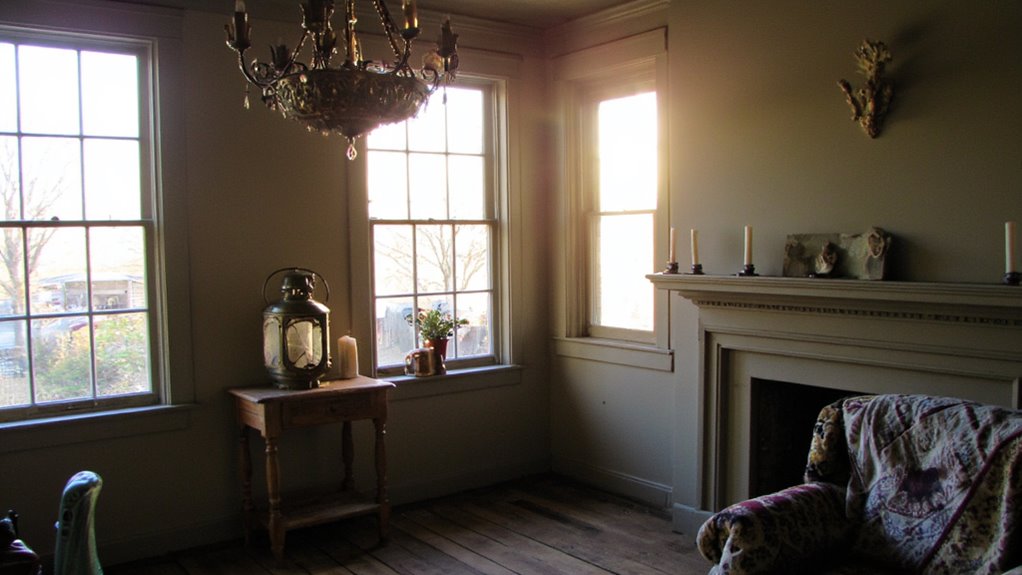
While exploring the essence of colonial interiors, I’ve found that lighting plays a crucial role in setting the mood and enhancing the overall aesthetic.
From elegant candle sconces to rustic lanterns, each piece contributes to a warm, inviting atmosphere. Choosing fixtures with traditional materials like brass or wrought iron can truly embody the historical charm that defines colonial design.
Why Fireplaces Matter in Colonial Interiors
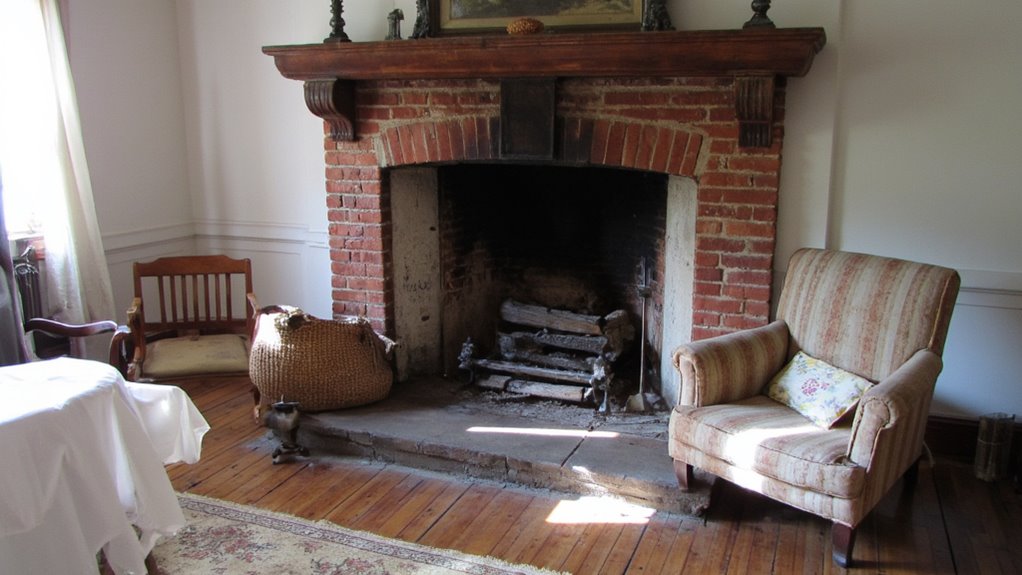
Fireplaces serve as the heart of colonial interiors, offering warmth and a focal point that draws people together.
I love how they create a cozy atmosphere, inviting family and friends to gather around.
The craftsmanship of a colonial fireplace often reflects the era’s attention to detail, enhancing the room’s character.
It’s not just a source of heat; it’s a symbol of comfort and connection.
Utilizing Antiques in Colonial Decor
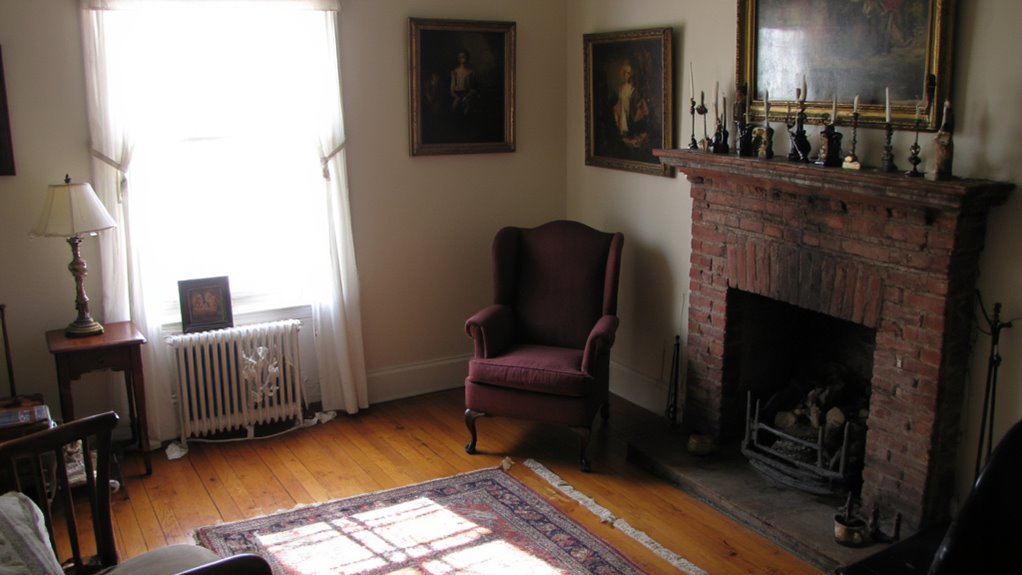
Incorporating antiques into your decor can truly elevate the authenticity of a colonial-inspired space.
I love scouring local flea markets and antique shops for unique pieces like wooden chests, vintage textiles, and handcrafted pottery. Each item tells a story and adds character, making the space feel lived-in.
Designing Cozy Nooks Inspired by Colonial Style
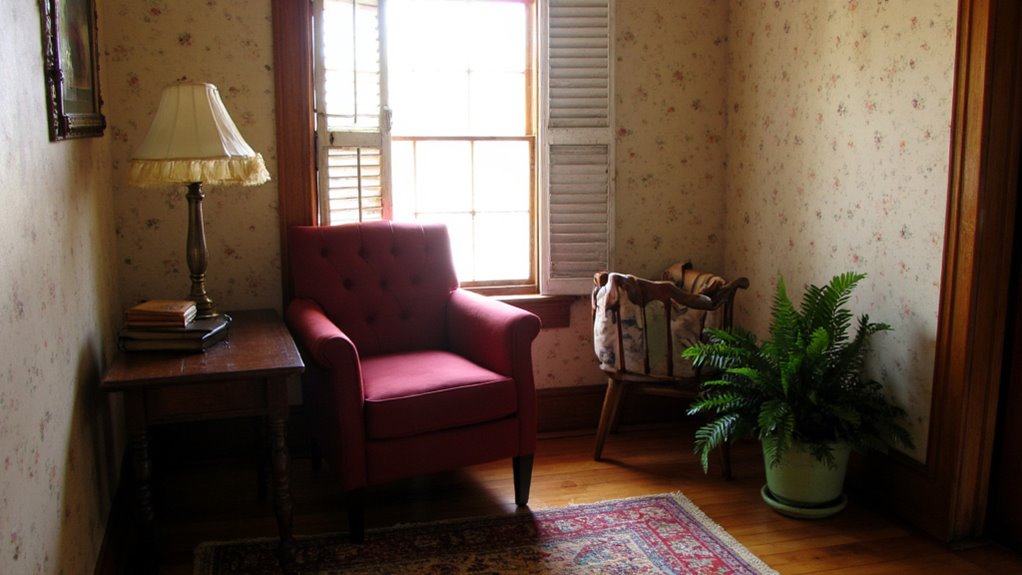
Creating cozy nooks inspired by colonial style can transform any corner of your home into a refuge of comfort and charm.
I love incorporating warm textiles, like soft throws and vintage quilts, alongside sturdy, classic furniture.
Adding a few well-placed bookshelves invites relaxation, while warm lighting creates an inviting atmosphere.
Colonial Kitchen Design Ideas
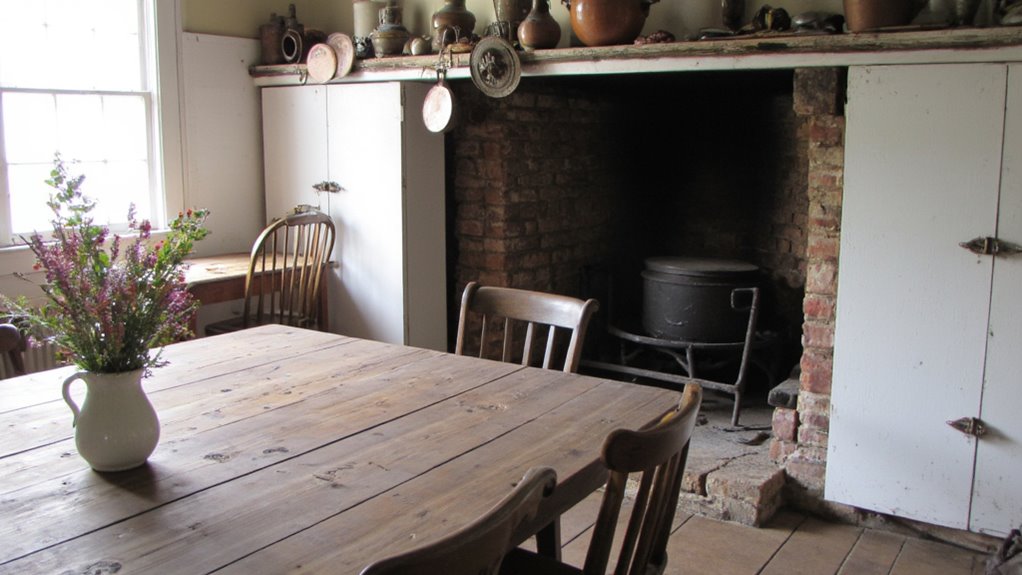
After finding comfort in cozy nooks inspired by colonial style, I can’t help but extend that warmth into the kitchen.
I love incorporating rustic wooden cabinets and farmhouse sinks that evoke a sense of history.
Adding vintage-inspired lighting and a large dining table creates an inviting atmosphere.
With a few heirloom pieces, my colonial kitchen becomes a perfect blend of function and charm.
Essential Elements for a Colonial Dining Room
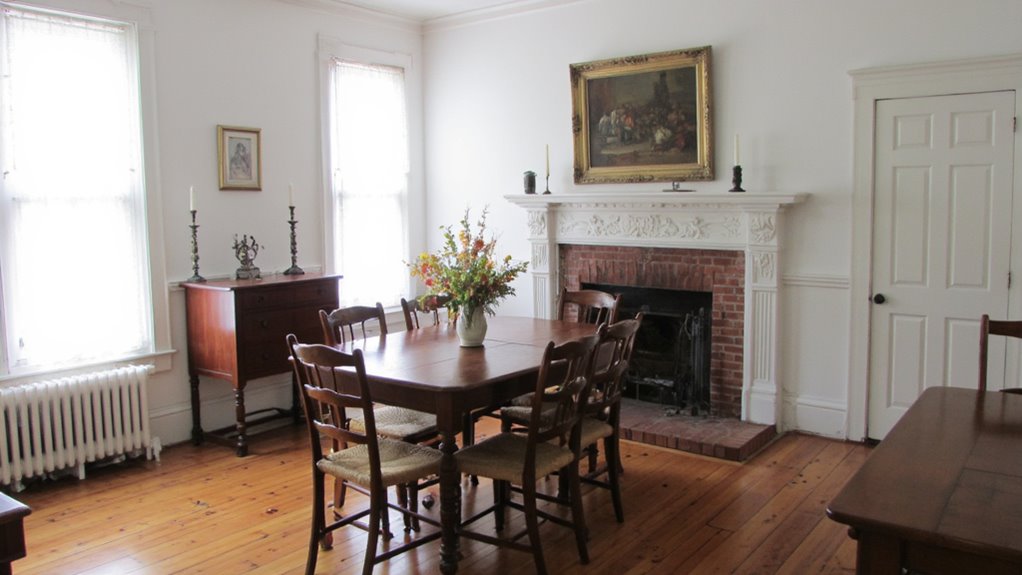
While designing a colonial dining room, I focus on key elements that truly capture the essence of this timeless style.
I choose a sturdy, wooden dining table, often in dark finishes, paired with high-backed chairs.
Details like a classic china cabinet and rich textiles add warmth.
Soft, ambient lighting from chandeliers or sconces sets the right mood, creating an inviting atmosphere for gatherings.
Choosing Colonial-Inspired Accessories
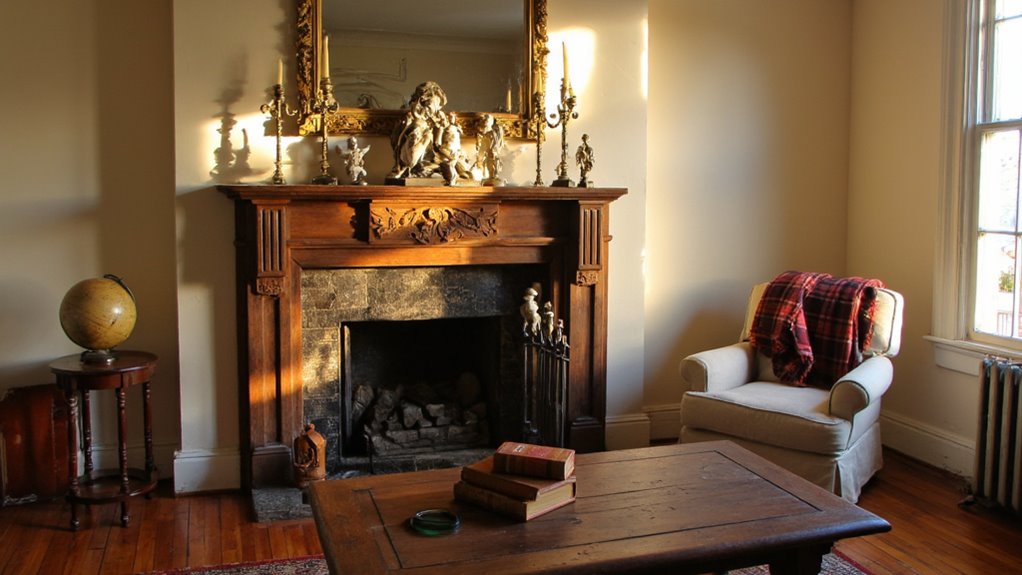
To truly complete a colonial dining room, the right accessories play a pivotal role in enhancing the overall aesthetic.
I love incorporating antique candlesticks, woven baskets, and wooden serving trays. These pieces not only reflect the historical charm but also add warmth.
Don’t forget to include textiles like linen napkins and plaid table runners to create a cohesive and inviting atmosphere.
Balancing Functionality and Aesthetics in Colonial Design
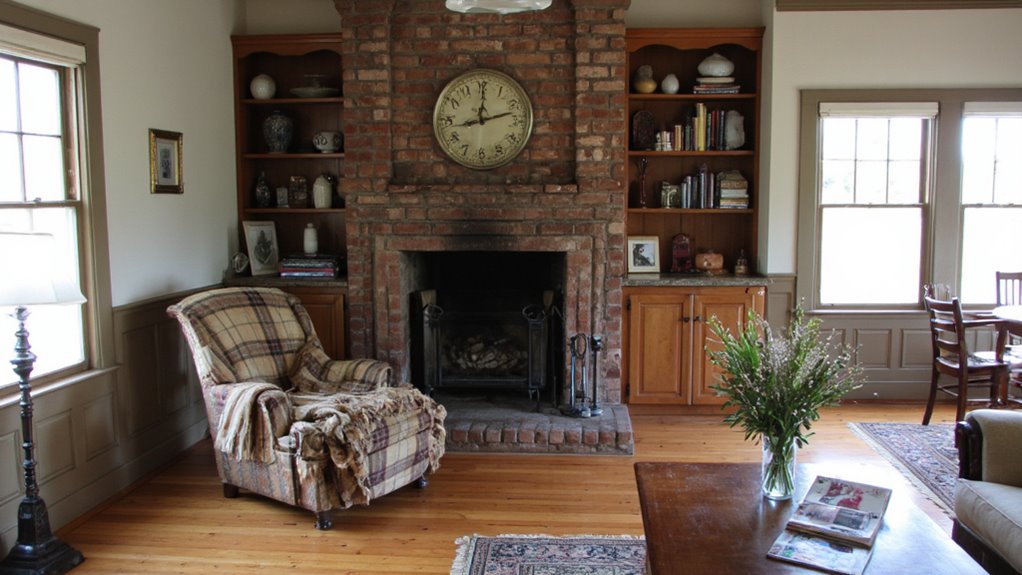
As I explore colonial design, I find that striking a balance between functionality and aesthetics is vital.
Incorporating practical elements, like sturdy furniture and ample storage, guarantees a home remains livable. At the same time, I appreciate the beauty of rich textures and classic colors, which add warmth and character.
Ultimately, blending these aspects creates a harmonious and inviting space that honors colonial roots.
Blending Colonial and Modern Design Elements
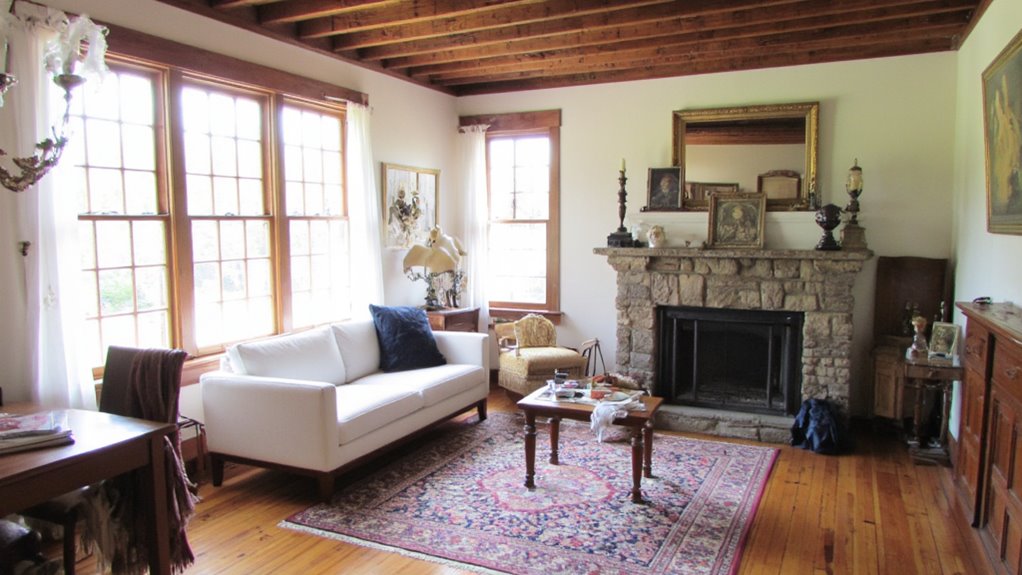
Blending colonial and modern design elements creates a unique aesthetic that honors the past while embracing contemporary trends.
I love combining classic colonial furniture with sleek, modern finishes. For instance, pairing a traditional wooden dining table with minimalist chairs strikes the perfect balance.
Incorporating bold colors and contemporary art can also breathe new life into a colonial-inspired space, making it feel fresh and inviting.
Designing Outdoor Spaces With Colonial Flair
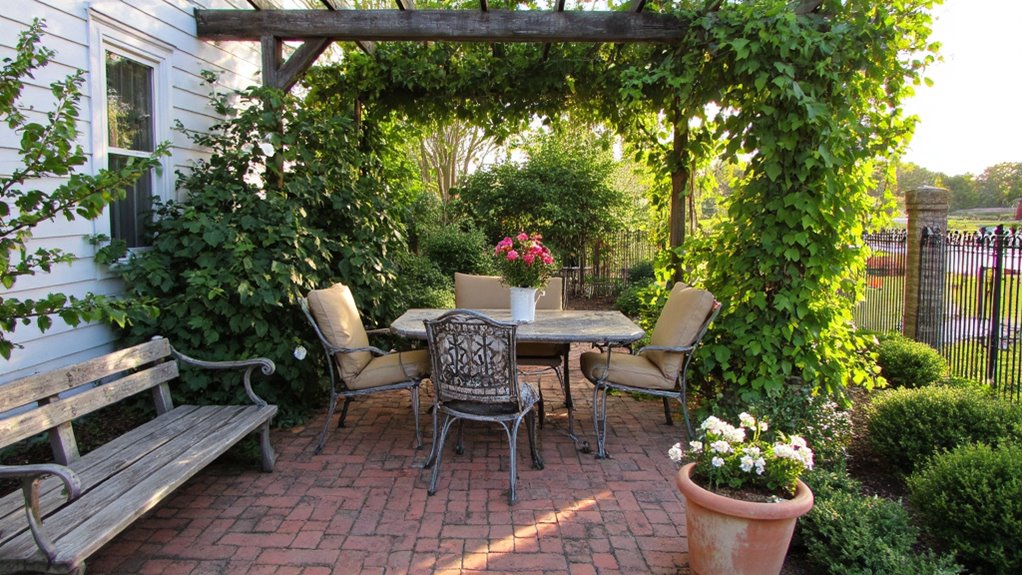
While many people focus on indoor decor, designing outdoor spaces with colonial flair can transform your backyard into a charming retreat.
I love incorporating classic elements like wrought iron furniture, wooden rocking chairs, and elegant lanterns.
Adding lush greenery and colorful flower beds creates a welcoming atmosphere.
Don’t forget a wooden pergola or trellis; it adds that perfect historical touch to your outdoor haven.
Regional Variations in Colonial Style
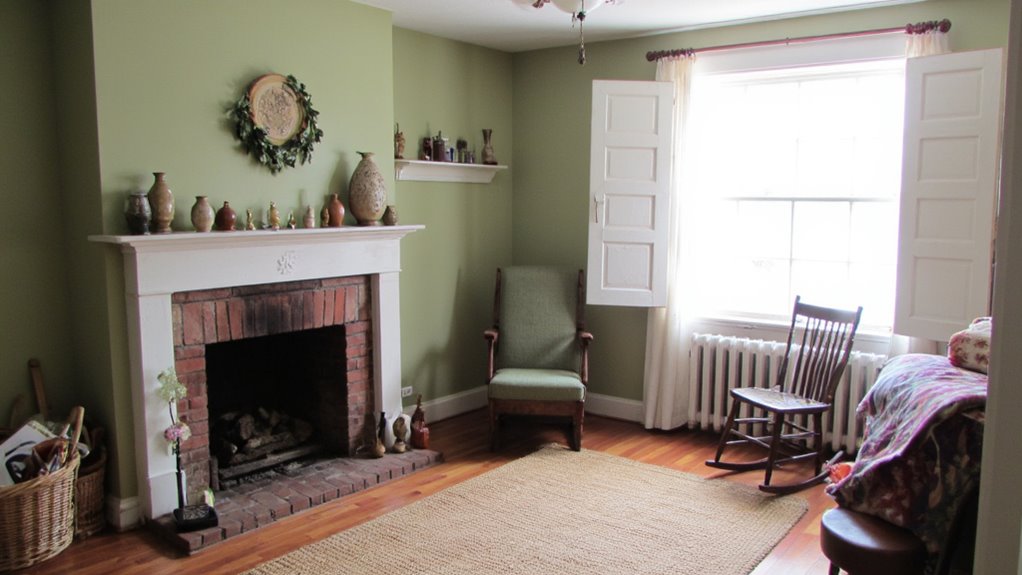
Creating outdoor spaces with colonial flair naturally leads to a deeper appreciation of the regional variations within colonial design.
Each area reflects its history and culture, from the stately Georgian homes of the Northeast to the charming Spanish influences in the South.
I love how these unique styles tell stories of their origins, showcasing diverse materials, colors, and architectural details that truly resonate.
Tips for Achieving a Colonial Look on a Budget
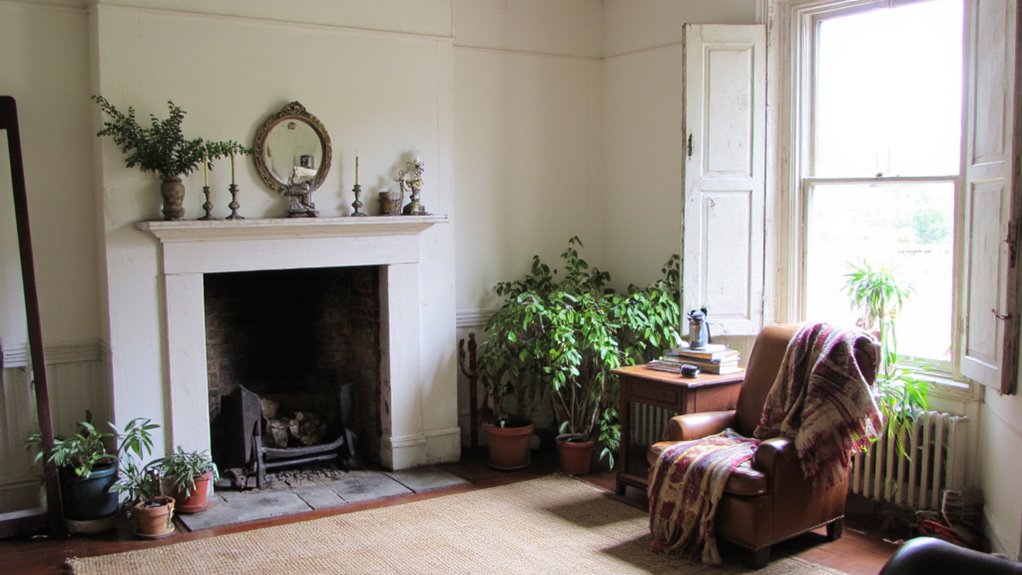
Achieving a colonial look on a budget is easier than you might think, especially when you focus on key elements that capture the essence of this timeless style.
Start with thrift store finds like wooden furniture and vintage accessories. Incorporate warm colors through paint or fabrics.
Don’t forget to add authentic touches like quilts or woven baskets for that cozy, historical charm.
