

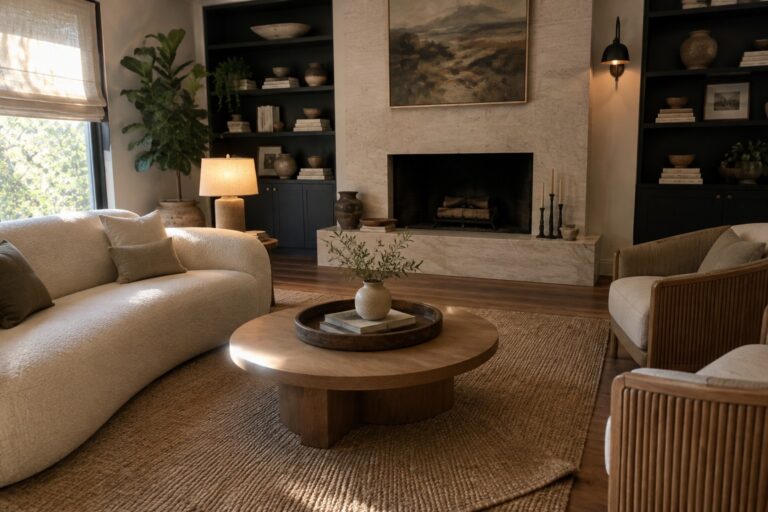
I have always noticed that a room starts to feel settled once the seating actually faces the fireplace instead of just lining the walls.
That shift often makes the whole space feel more pulled together without needing much else.
It changes everything.
Many of the layouts I have tried over the years only clicked after I adjusted the angles around the hearth.
Testing a few of these approaches showed me which ones hold up once the seasons change and the fire gets used regularly.
Center The Room Around The Fireplace
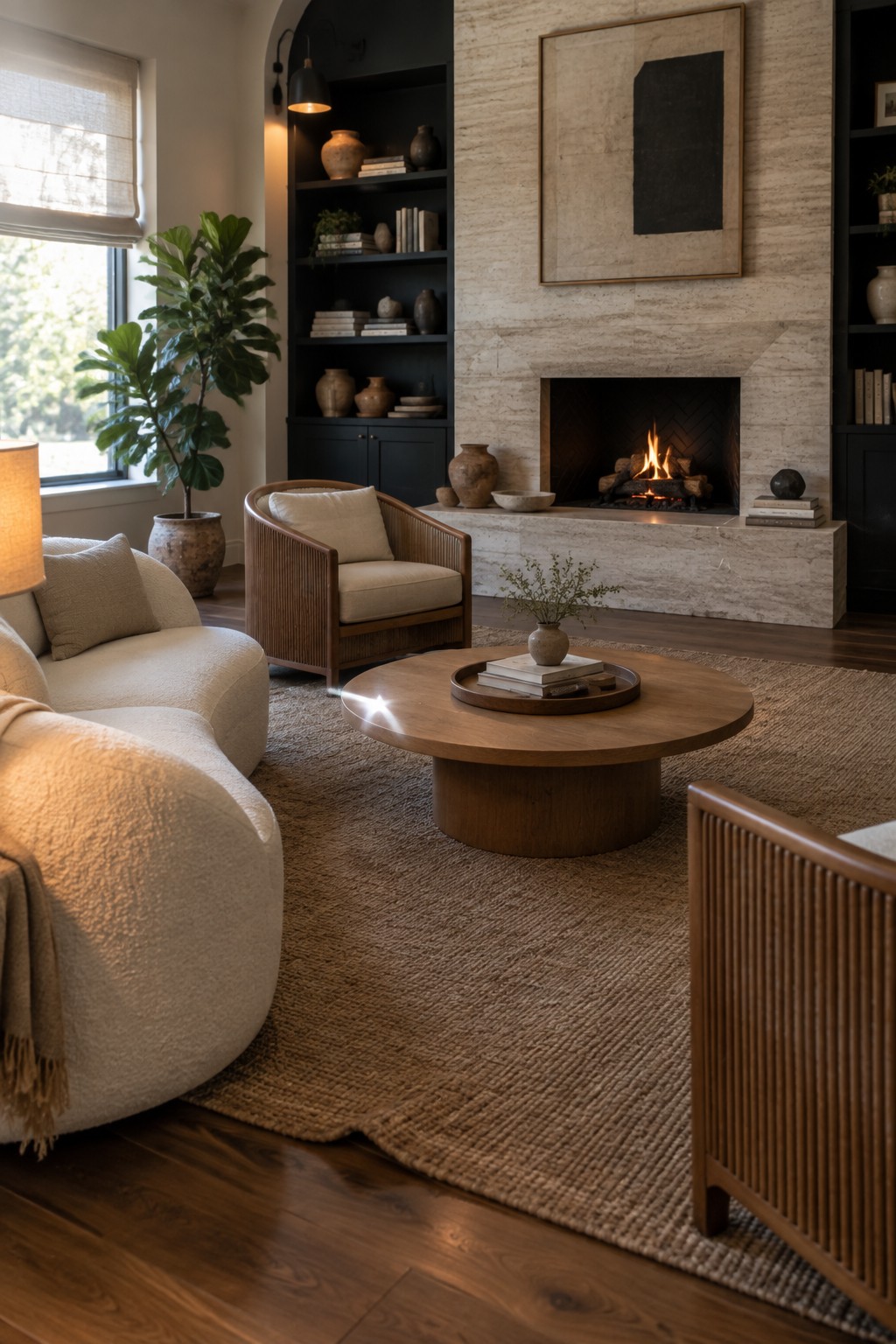
Placing the main seating in a loose circle around the fireplace gives the whole room a clear purpose. The fire becomes the natural spot people turn toward, and the rest of the furniture stays low enough that it does not pull attention away.
This layout works best in living rooms that serve as the main gathering space. Keep the rug large enough to hold all the front legs of the chairs and sofa, and choose a simple coffee table shape that leaves clear paths around it.
Let the Fireplace Anchor the Bedroom
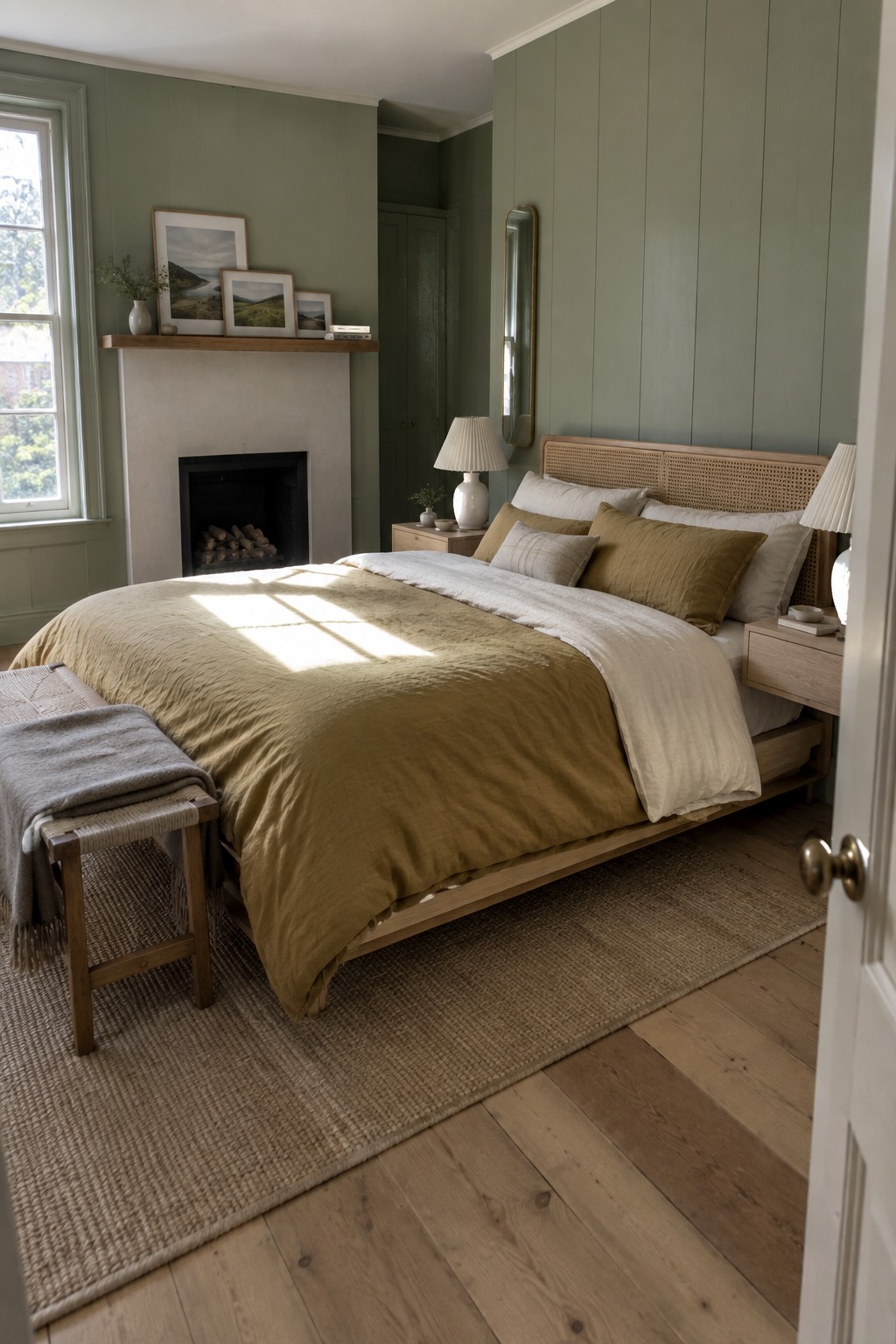
Placing the bed so it faces the fireplace turns the hearth into the main point of the room. The setup feels natural in spaces where the fireplace already sits off to one side, and the bed can sit at a slight angle without blocking the view or the heat.
This works best in bedrooms with decent square footage and a simple wall color that lets the fire stand out. Keep nightstands low and bedding in warm tones so the room stays balanced and nothing competes with the fireplace itself.
Position the Dining Table to Face the Fireplace
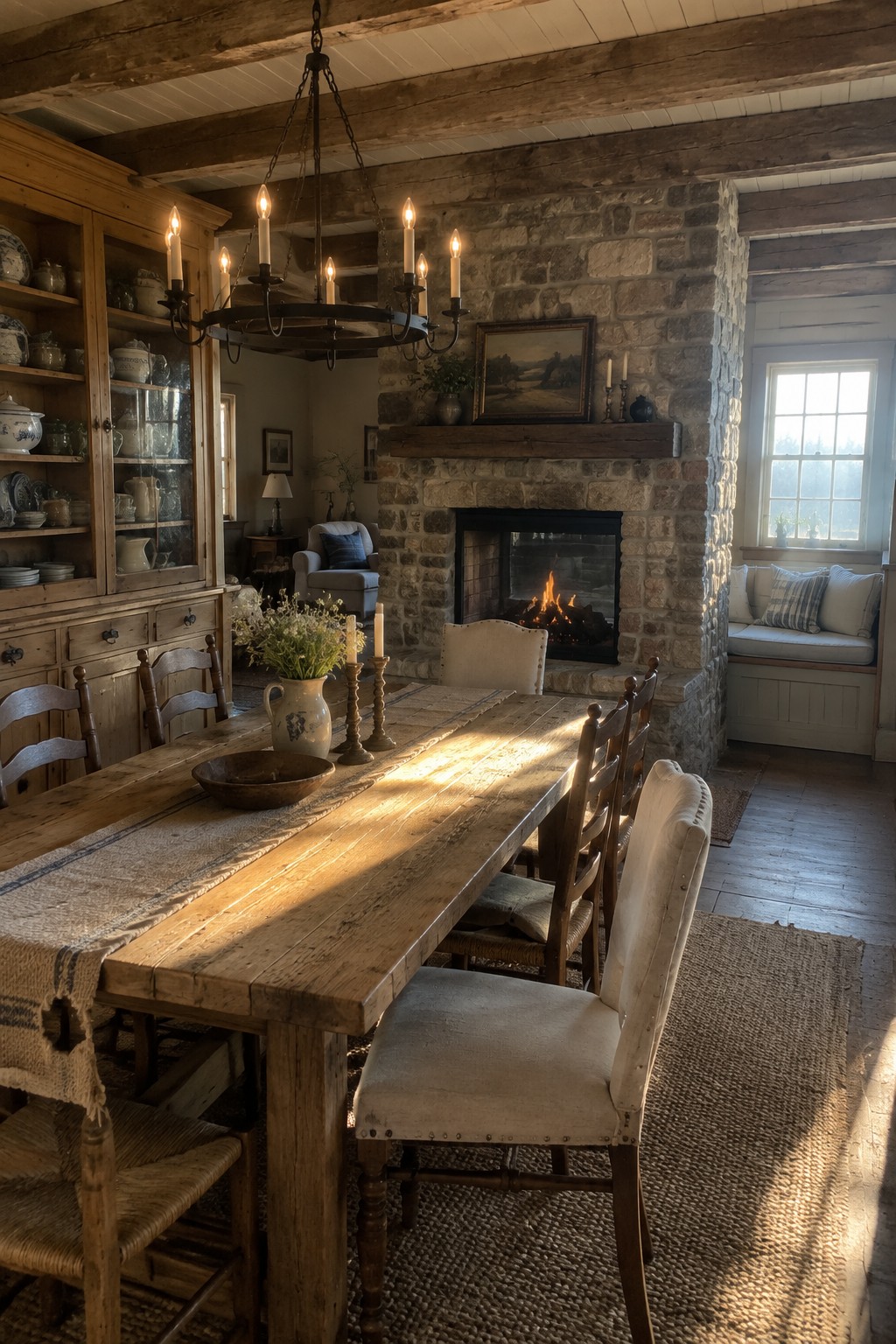
One simple way to make a dining room feel more centered is to line the table up so it faces the fireplace. The fire becomes the natural point everyone looks toward, and the whole space feels warmer and more pulled together without needing much else.
This layout works best in rooms where the fireplace already sits in the middle of a wall and there is enough depth to keep chairs from crowding the hearth. It suits older homes or spaces with thick stone or brick surrounds, since those materials already give off a strong sense of weight and focus.
Add A Planting Ledge To The Fireplace Surround
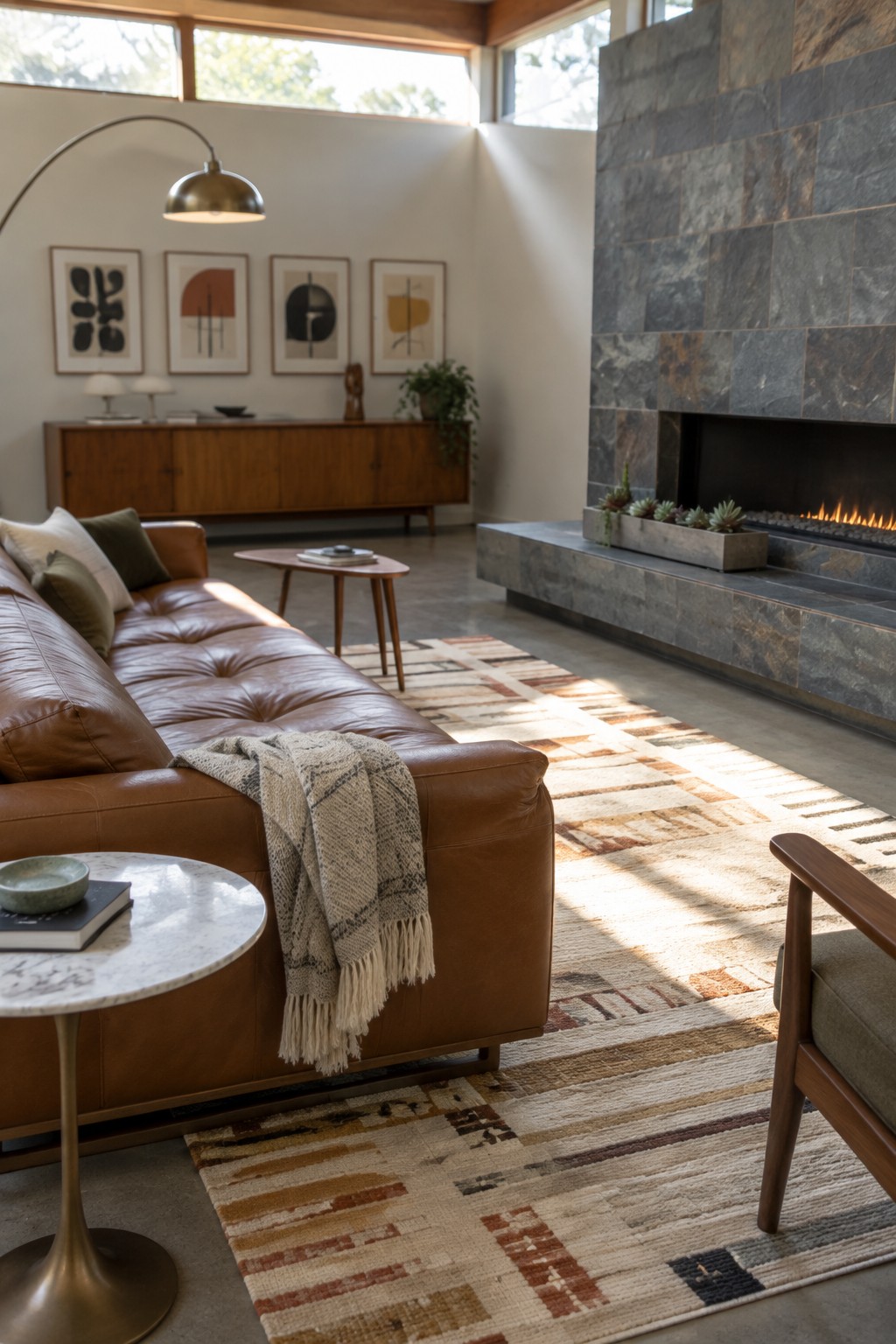
One way to make a fireplace the true center of a room is to run the stone surround out into a low ledge that holds plants. The ledge turns the fireplace into a living feature instead of a flat wall of stone, and it gives the seating area something natural to face.
This works best in rooms with enough floor space for the ledge to feel useful rather than cramped. Choose plants that stay low and need little water so they do not compete with the fire or demand daily attention.
Lean a Bookshelf Beside the Fireplace
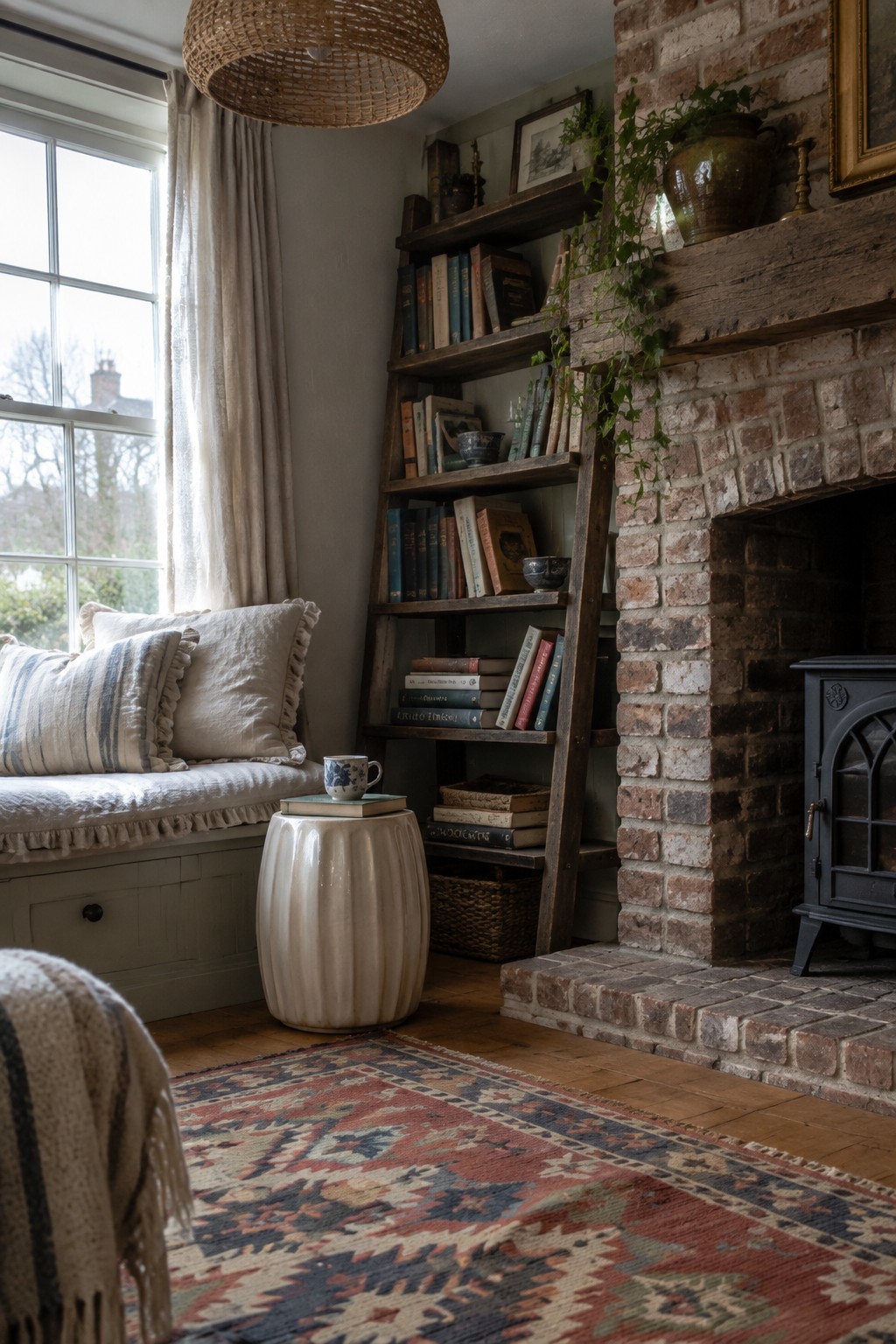
A leaning bookshelf next to the fireplace adds storage without any construction. It gives the area more purpose and keeps books and small objects within reach while the fire stays the main focus.
This works best in smaller rooms or older homes where built-ins feel too heavy. Place the shelf at a slight angle so it stays stable and does not crowd the hearth or block heat.
Built-Ins on Either Side of the Fireplace
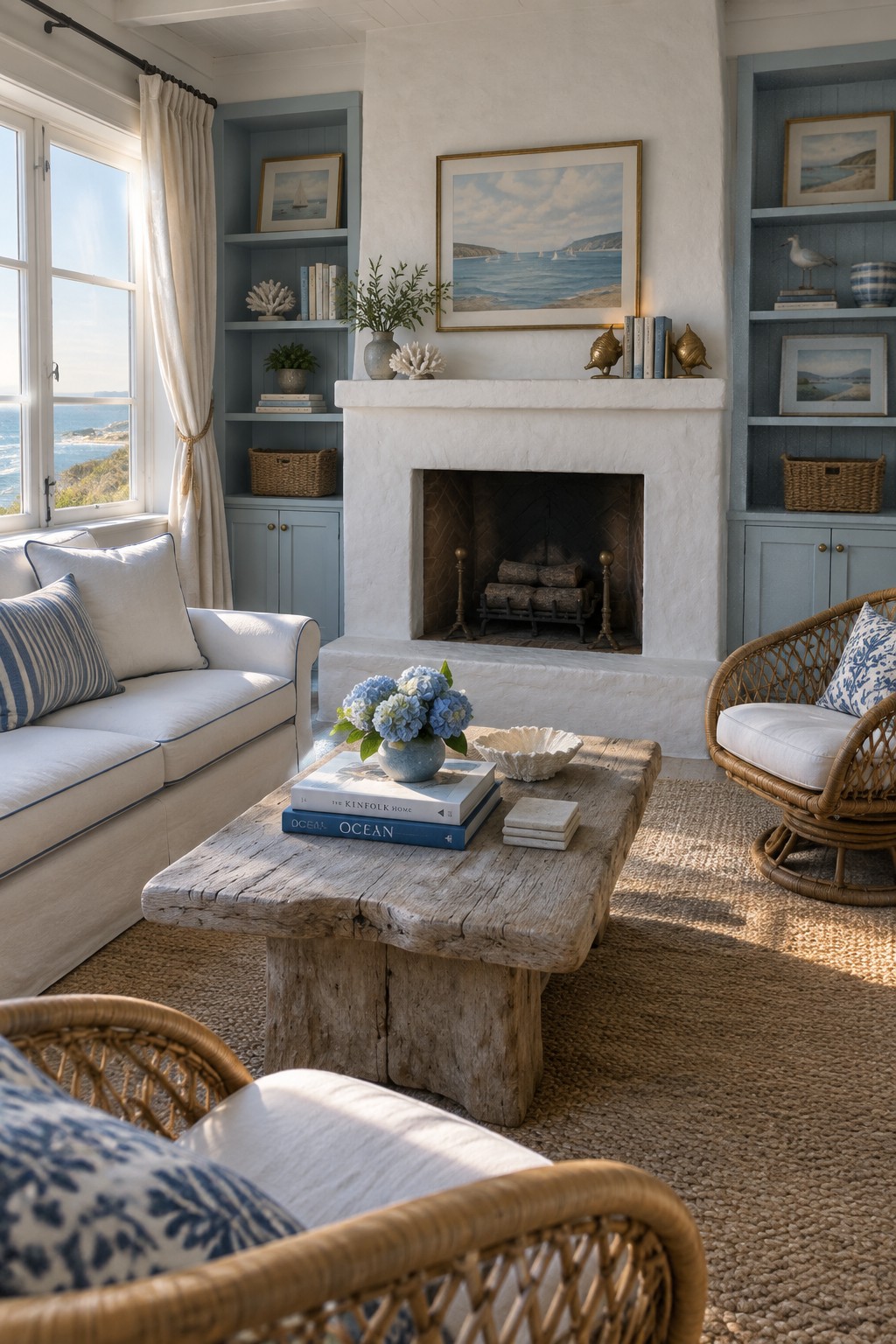
Built-ins placed right next to a fireplace give the whole wall a finished look and add useful space for books and small objects. This setup keeps the fire as the main focus while still letting the room feel lived in and personal. The shelves do not need to be packed full. A few stacked books, a basket, and a couple of simple pieces are often enough.
This works especially well in smaller living rooms where you want storage without adding extra furniture. It suits homes that lean toward cottage or coastal styles, since the open shelves keep things light. Just watch the scale. Shelves that are too deep or too tall can start to crowd the fireplace instead of supporting it.
Face Your Seating Toward The Fireplace
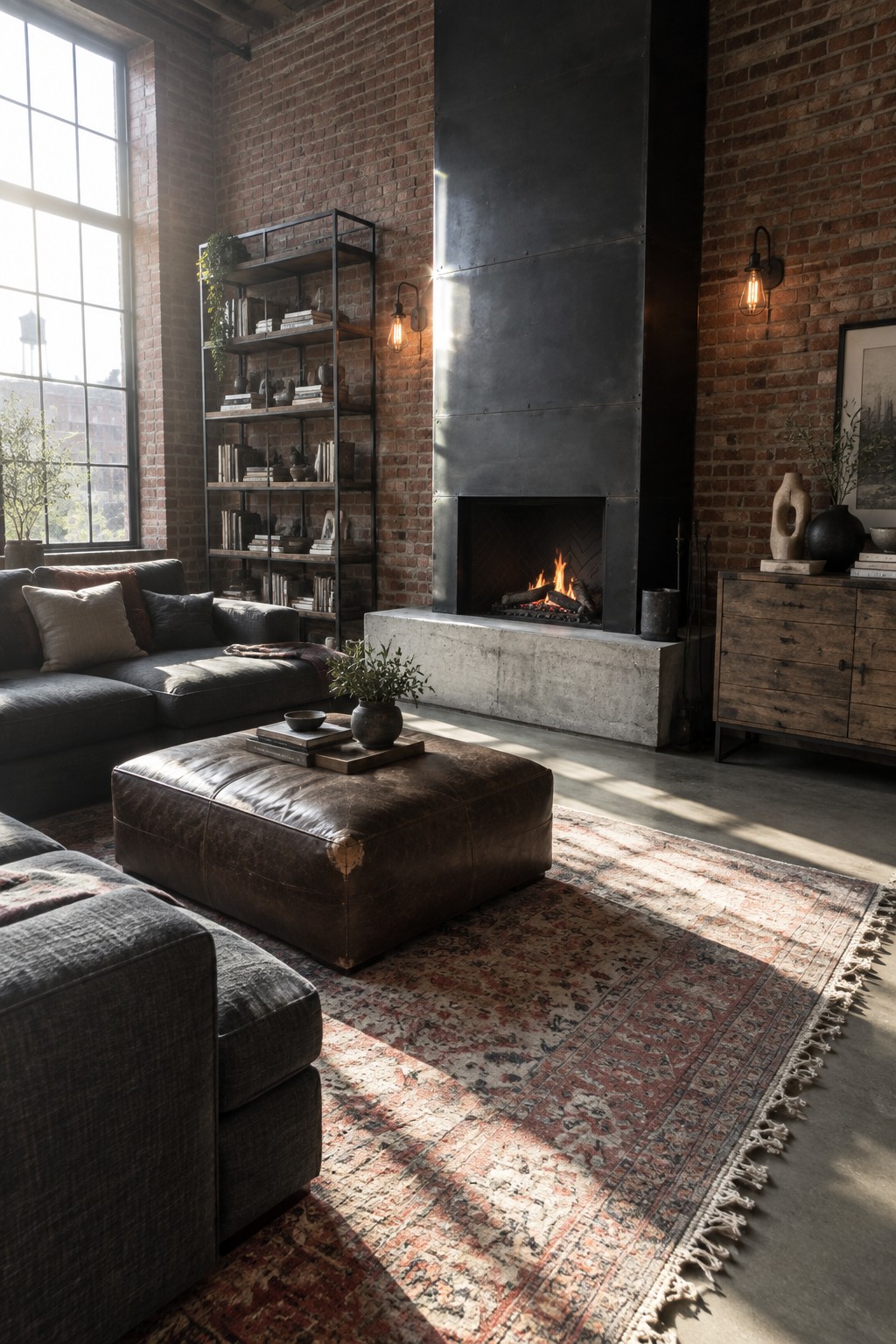
In many living rooms the fireplace already carries a lot of visual weight, so it makes sense to let it shape the rest of the layout. Placing the main sofa and ottoman directly across from it turns the fire into the obvious center of the room without any extra effort.
This approach works best in open spaces where you have room to keep the view clear. Keep other furniture low or to the sides so the fire stays easy to see from the main seats, and leave enough distance for comfortable conversation.
Bookshelves on Both Sides of the Fireplace
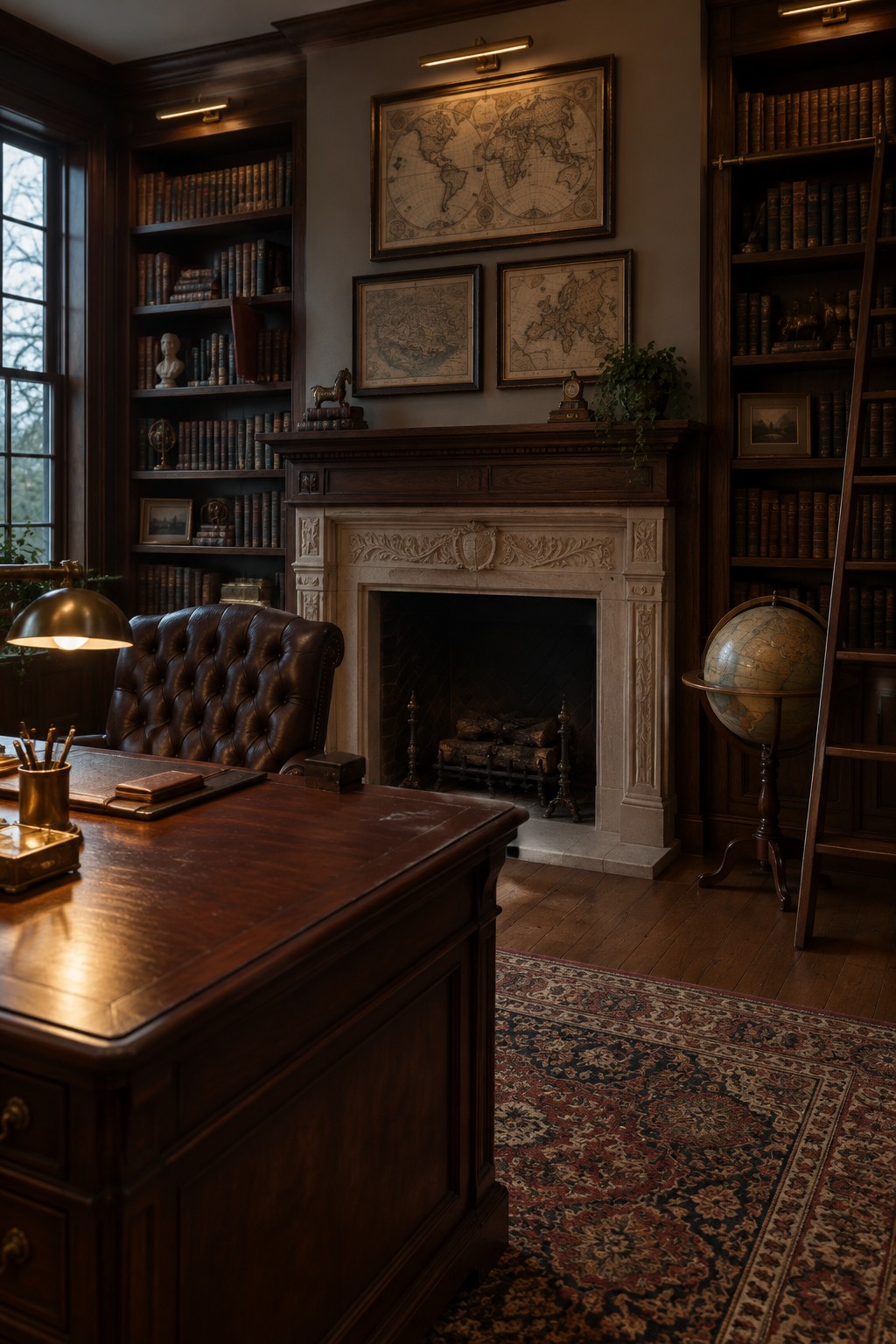
Many older homes already have a fireplace in the study or library. Adding built-in shelves on either side turns that fireplace into the natural center of the room. The books and small objects on the shelves keep the eye moving around the fire instead of letting the wall feel empty.
This setup works best in rooms that are used for reading or desk work. Keep the mantel clear so the fire stays the main point, and choose wood tones that match the trim already in the house. Darker finishes and deeper colors help the whole corner feel warmer without extra effort.
Add Built-In Storage Around the Fireplace
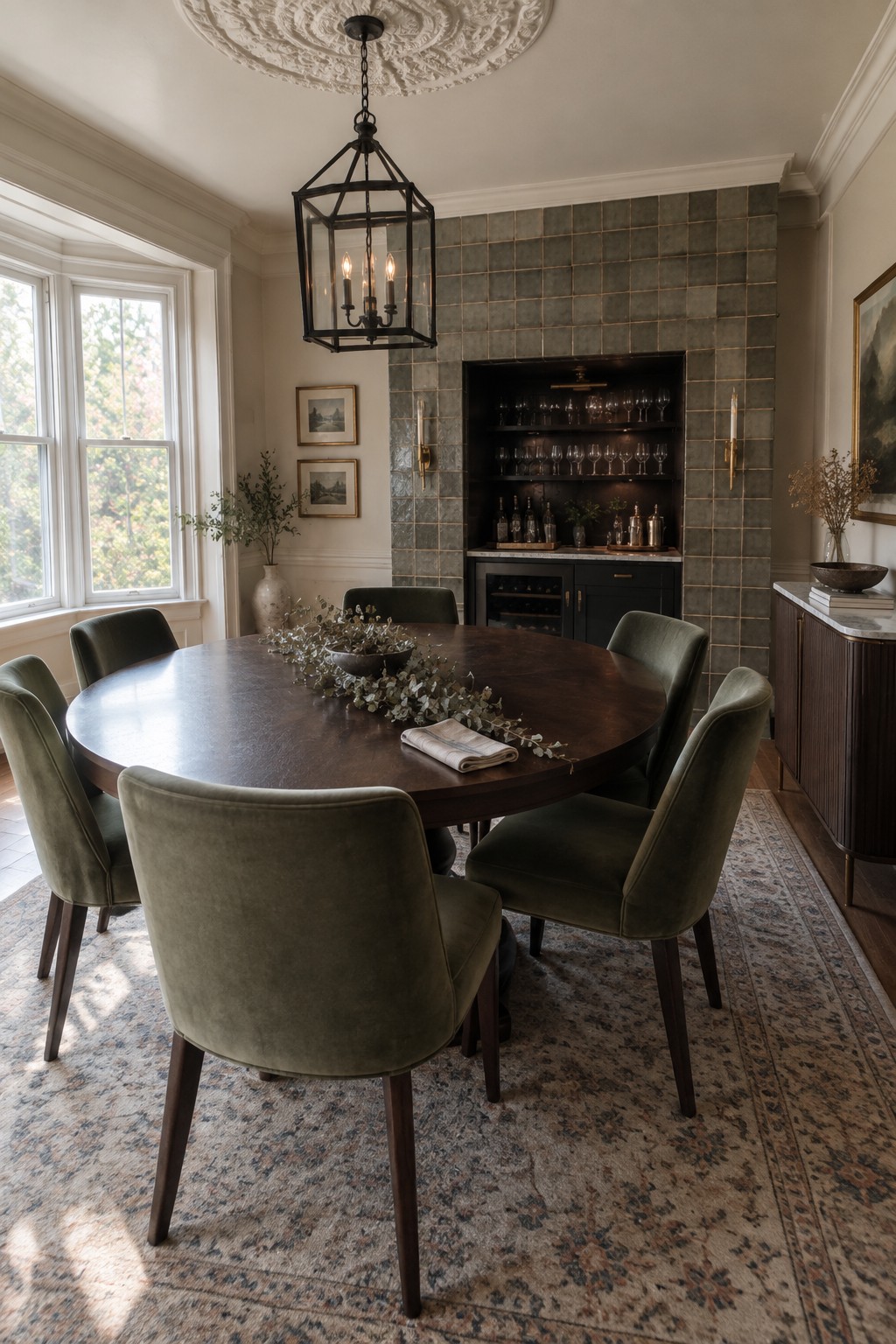
One of the easiest ways to make a dining room feel settled is to build storage right into the fireplace wall. The tile surround gives the whole setup weight, while the open shelves and lower cabinets turn what could be a blank wall into something useful. It keeps the fireplace as the clear focal point without making the room feel crowded.
This approach works especially well in older homes where the dining room and living areas share the same fireplace wall. Keep the shelves for glassware and a few bottles, and use the lower cabinets for table linens or serving pieces. Just make sure the tile color and shelf depth stay simple so the fireplace itself still reads as the main feature.
Arrange Seating Around the Fireplace
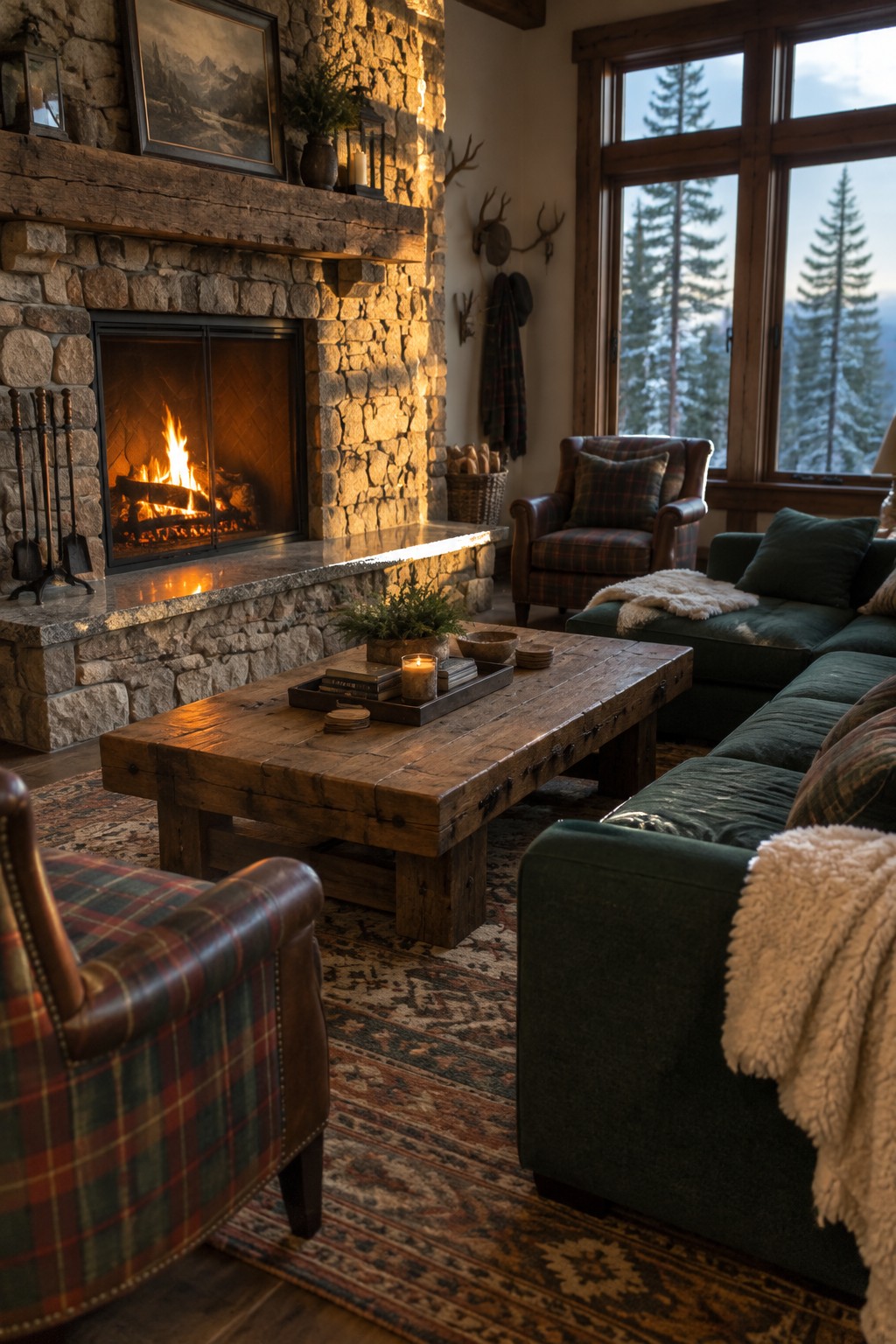
One simple way to make a living room feel warmer is to set the main seats so they face the fireplace directly. The fire becomes the natural spot everyone turns toward, which works especially well in rooms that get used most in the evenings.
This layout suits homes with a solid fireplace wall and enough floor space for a sofa and a couple of chairs. Keep the coffee table low and centered so the path around it stays clear and the whole group stays connected to the heat.
Make The Fireplace Stand Out With A Dark Wall
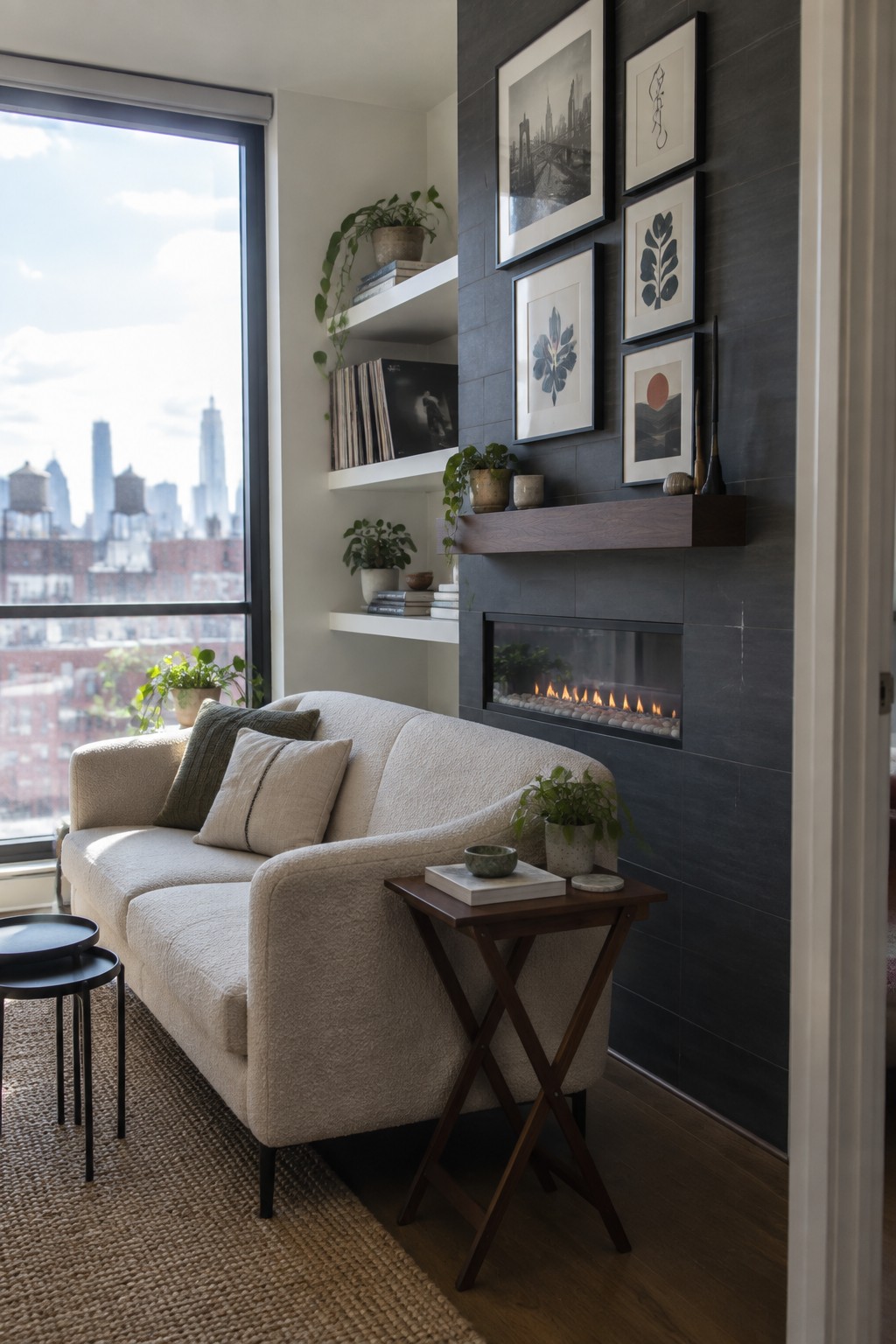
A dark accent wall behind the fireplace gives the whole room a clear center without much extra effort. The contrast pulls the eye right to the fire and makes the space feel more grounded, especially in rooms with lots of light colors or big windows.
This approach works best in smaller living areas where you want one strong focal point. Keep the wall material simple, like tile or painted drywall, and use just a few floating shelves for books or plants so the fire stays the main feature.
Make the Fireplace the Center of Your Open Kitchen and Living Space
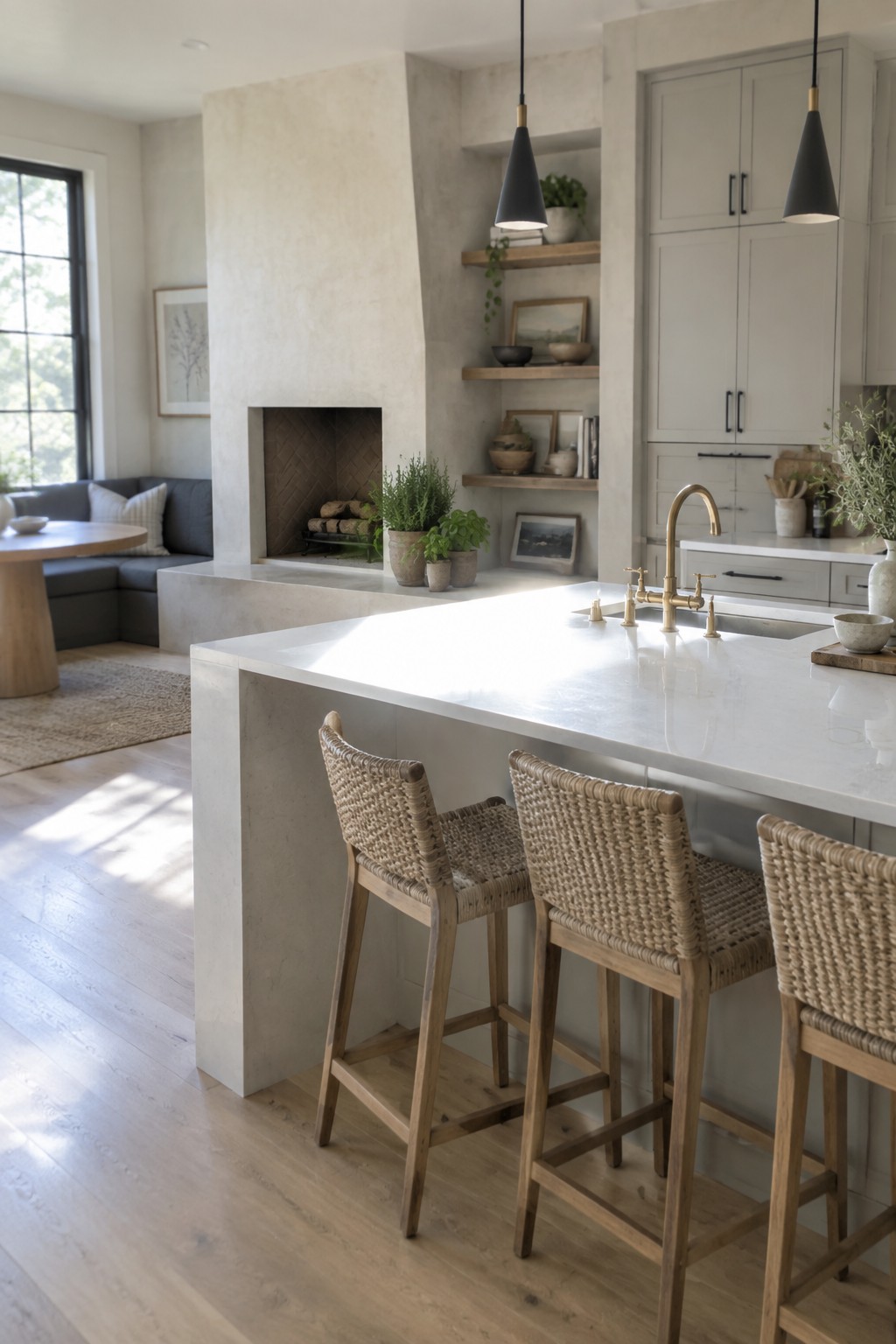
One idea that works well is placing the fireplace where it can be seen from the kitchen work area. This keeps the fire as the main point of interest even when the space is used for cooking and casual meals. The open layout lets the warmth reach both zones without needing extra walls or dividers.
This approach suits homes that combine cooking and living areas in one room. Keep the surfaces around the fire fairly plain so the hearth stays the main focus. It works best when the seating and island are angled to face the fire rather than turned away from it.
A Fireplace As The Center Of A Nursery
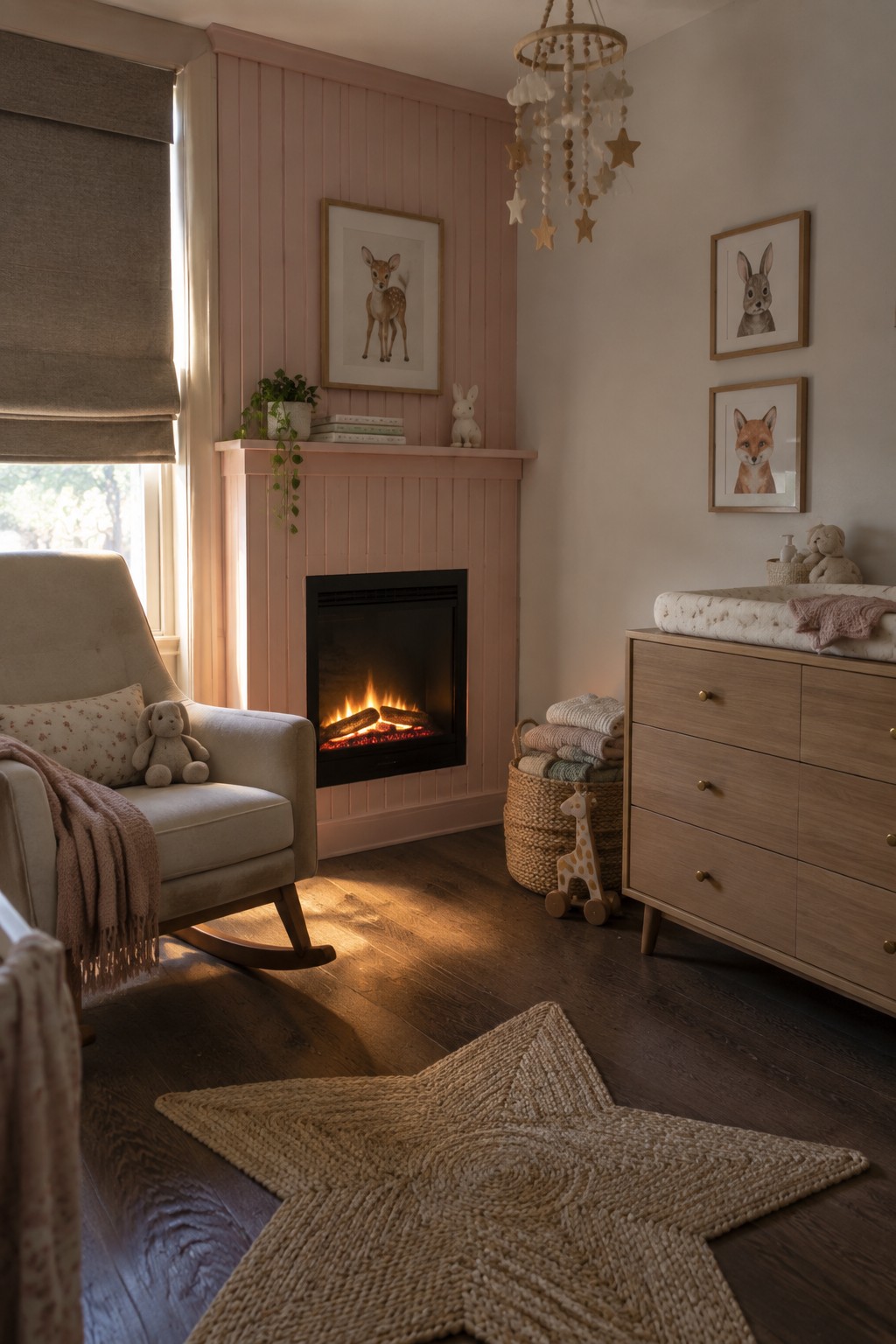
One simple way to make a nursery feel calm and welcoming is to let the fireplace act as the main anchor. The soft pink paneling around the fire keeps the focus gentle while still giving the room a clear center point that works day and night.
This approach suits smaller homes where the nursery also serves as a quiet sitting spot for parents. Keep the rest of the space light with neutral furniture and just a few soft accents so the fire remains the main feature without competing elements crowding in.
Fireplace as Bedroom Focal Point
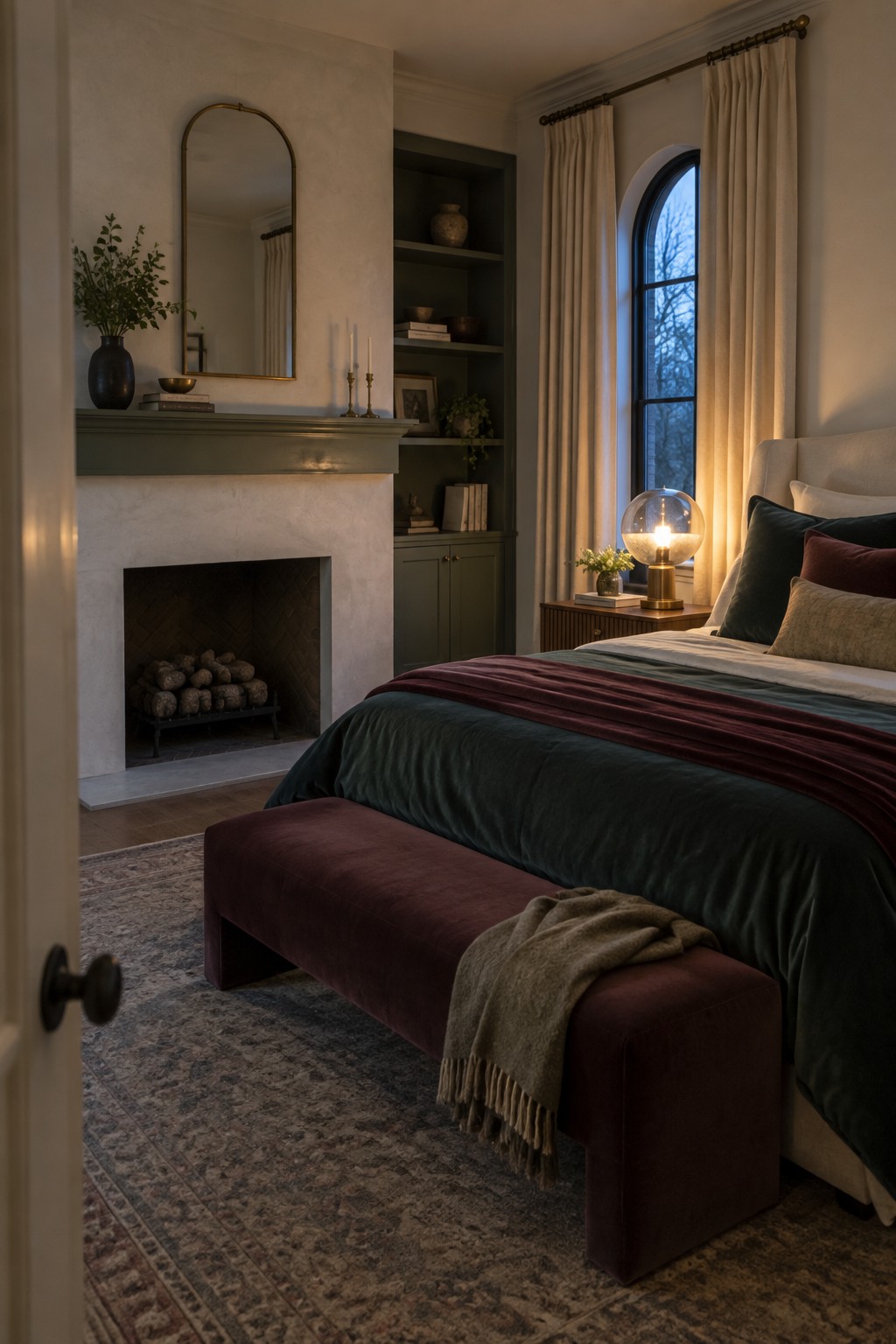
A fireplace can work well as the main anchor in a bedroom because it gives the room a clear center without extra effort. The bed and other pieces can then sit around it in a way that feels balanced and easy to use.
Try this in spaces where the fireplace already sits on a longer wall. Place a bench or low seat in front so the area invites use rather than just sitting empty. It suits homes with decent ceiling height and older layouts where the fire can stay the main feature.
Run a Long Rug Straight to the Fireplace
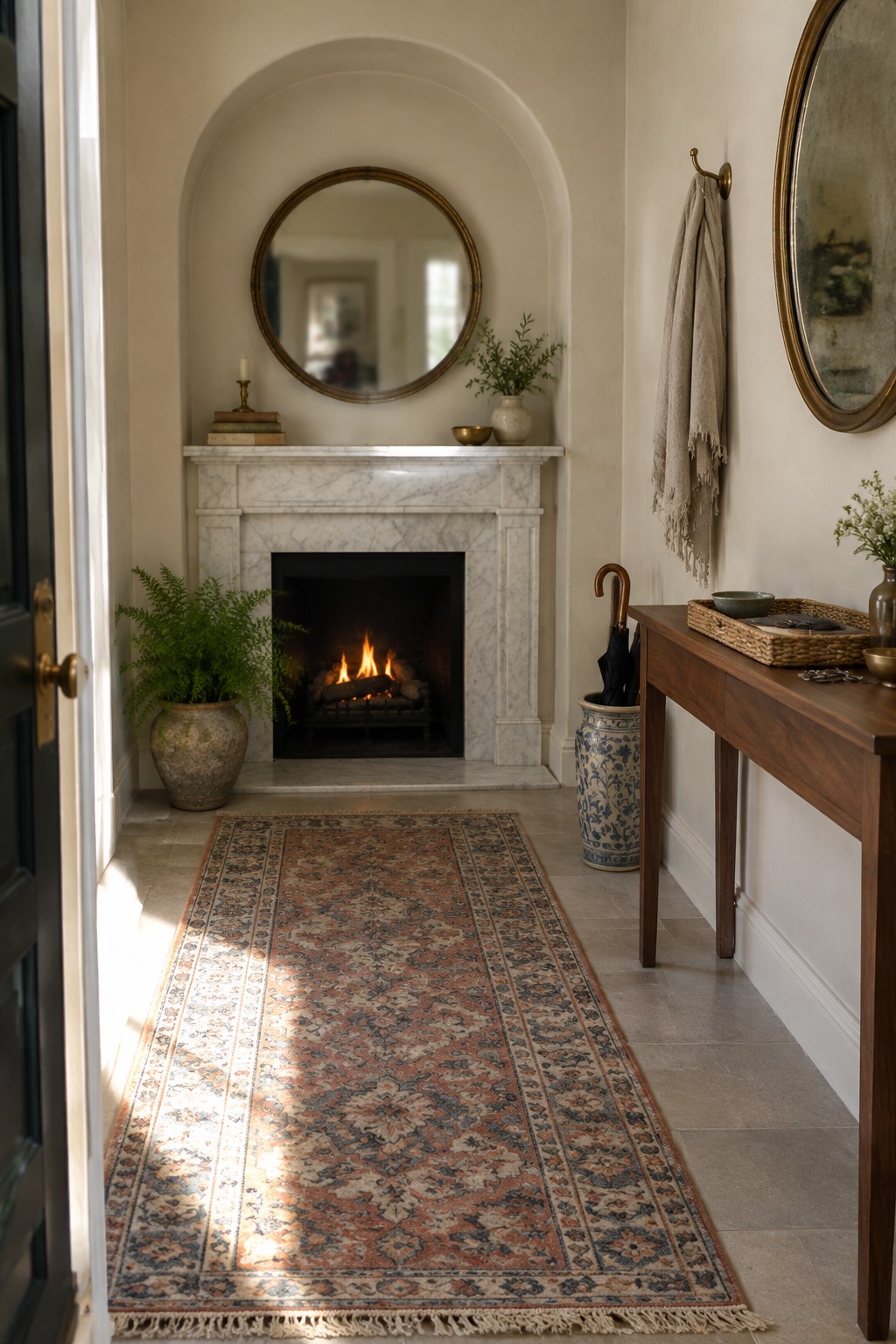
A runner rug gives a narrow space direction and turns the fireplace into the clear destination. The pattern and length keep the eye moving forward instead of stopping at the sides, which helps smaller entries or hallways feel purposeful instead of cramped.
This setup works best in older homes or tight foyers where you want the fire to act as the main point of interest. Choose a durable runner that can take daily steps and keep everything else along the walls fairly quiet so the hearth stays the focus.
Built-In Shelves Around the Fireplace
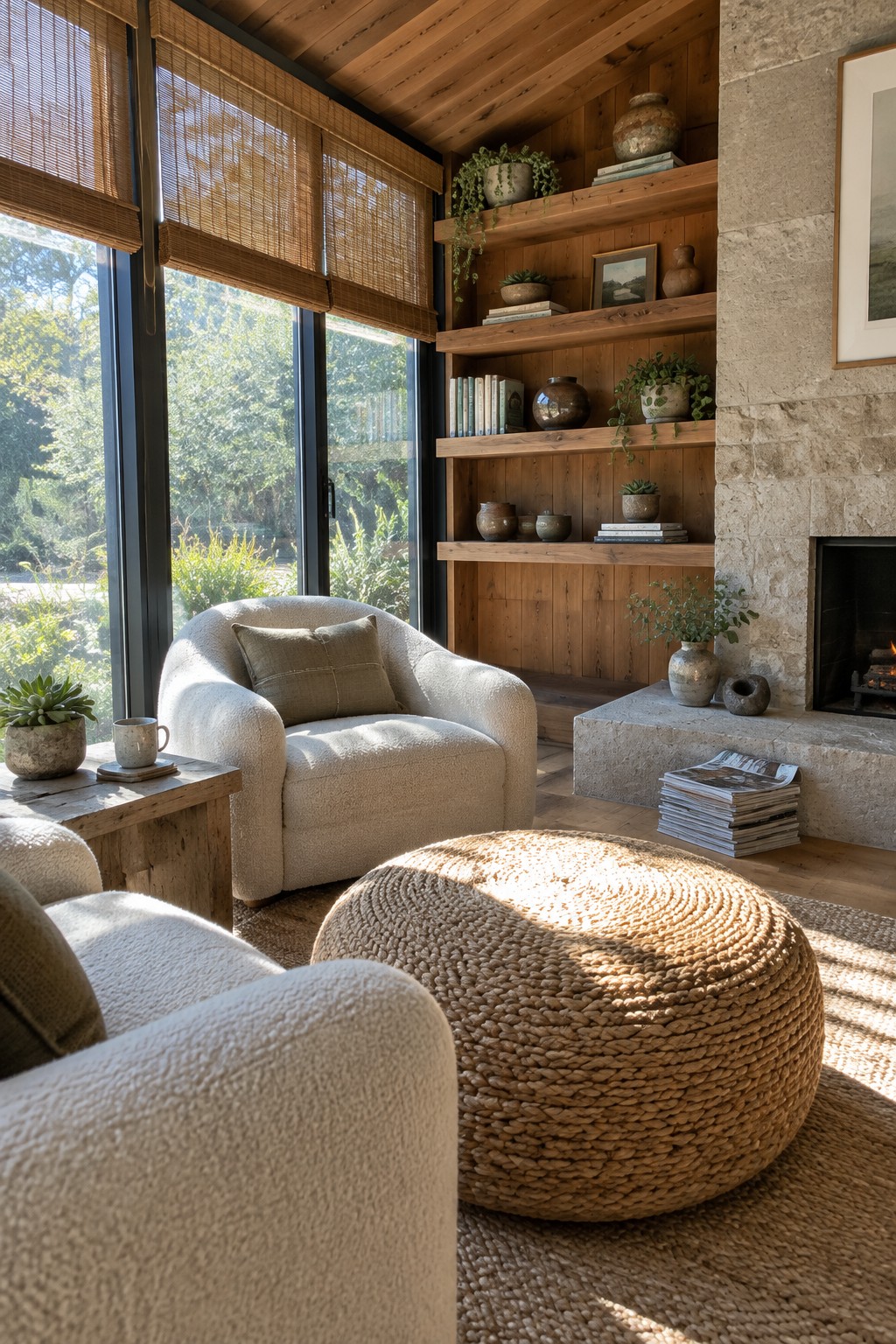
Built-in shelves on either side of a fireplace give the whole room a settled, collected feel without much effort. The wood ties into the stone surround and creates plenty of space for books, pottery, and small plants that add interest without competing with the fire itself.
This setup works best in living rooms that already lean toward natural materials and soft textures. It suits homes where you want the fireplace to feel like the natural center rather than something added later. Keep the shelves balanced so they support the focal point instead of crowding it.
Add a Chaise Lounge in Front of the Fireplace
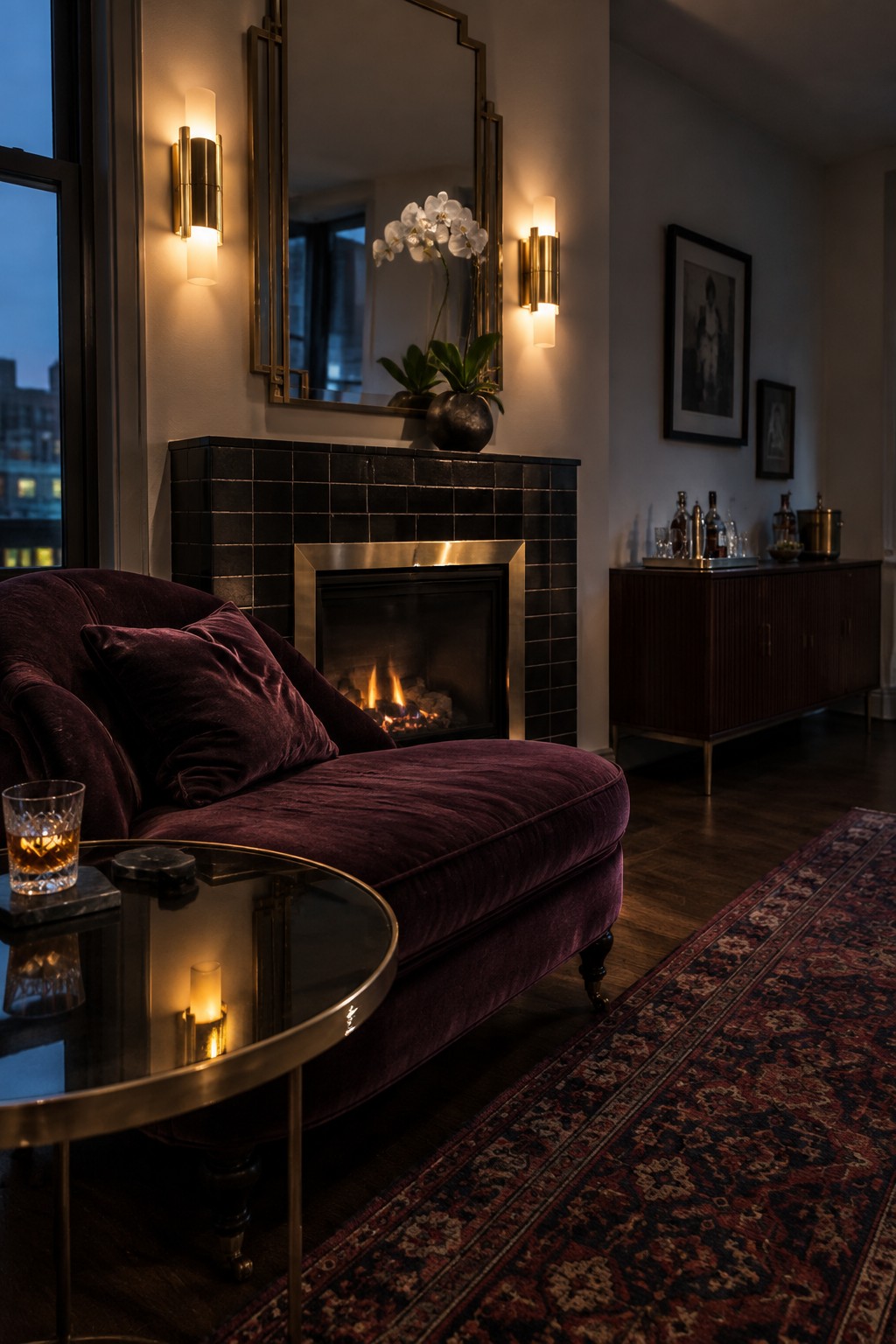
A chaise lounge placed right in front of the fireplace gives the room one clear spot for relaxing. The low profile keeps the view of the fire open while still offering a comfortable place to stretch out with a drink or a book.
This setup works best in medium-sized living rooms where you want to keep seating simple. Leave a little space on either side so people can walk through without feeling blocked.
Thick Timber Mantels Over the Fireplace
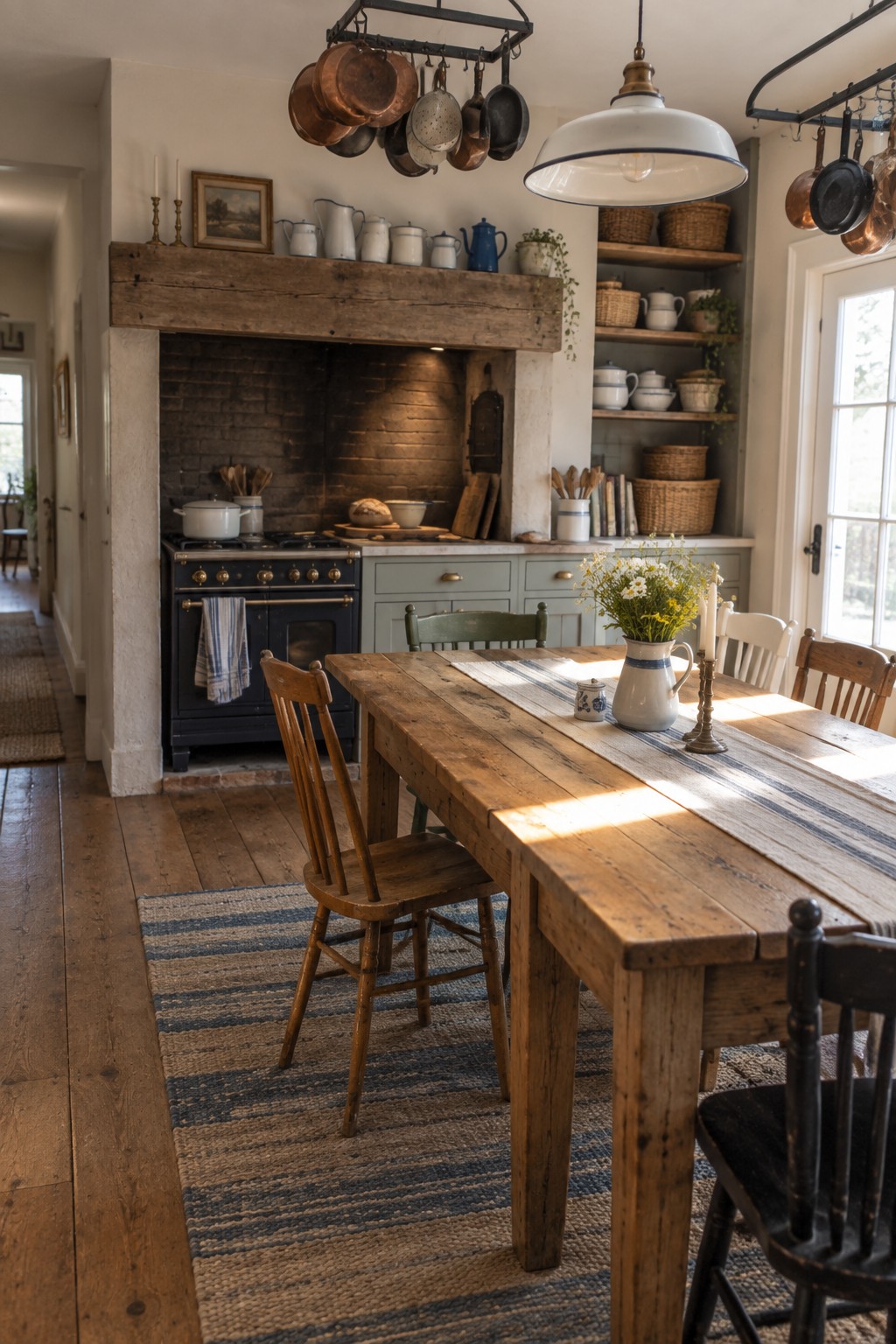
A heavy wooden beam above the firebox gives the whole room a clear center without any extra effort. It works because the mantel is simple, solid, and wide enough to feel permanent, so the eye lands there first even when the stove and shelves are busy.
This approach suits older homes or open kitchen layouts where you want the fireplace to pull everything together. Keep the beam thick and slightly rough so it holds its own against brick and wood floors.
Anchor The Living Room With A Stone Fireplace
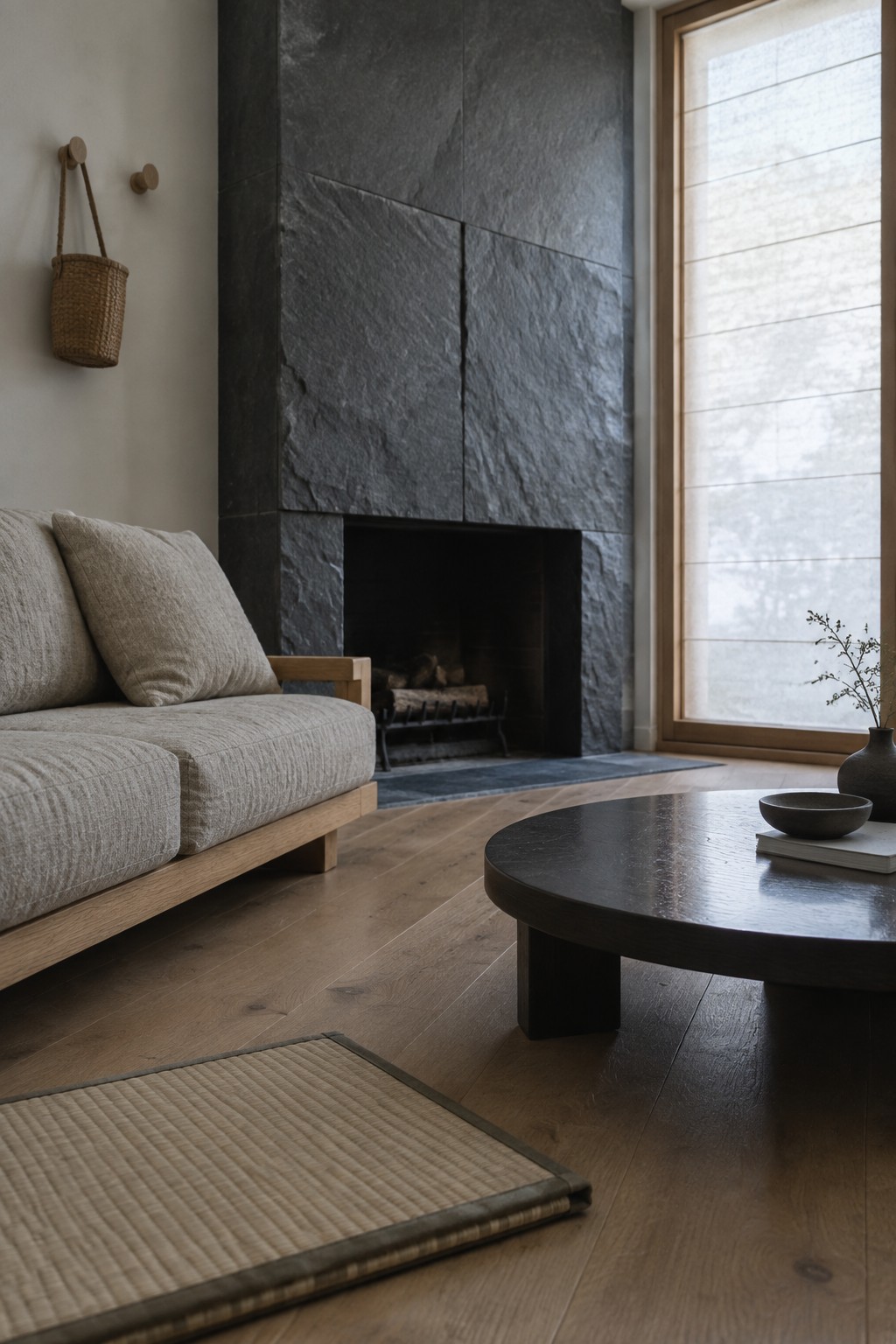
A tall stone fireplace can carry the whole room when the rest of the layout stays simple. The dark surround takes up most of the wall and the low sofa sits right beside it so the fire stays the clear center without any extra layers getting in the way.
This approach works well in homes that already have some height in the room. Keep the coffee table low and the materials quiet so the stone does the work year round instead of competing with busier pieces.
Center the Bedroom on the Fireplace
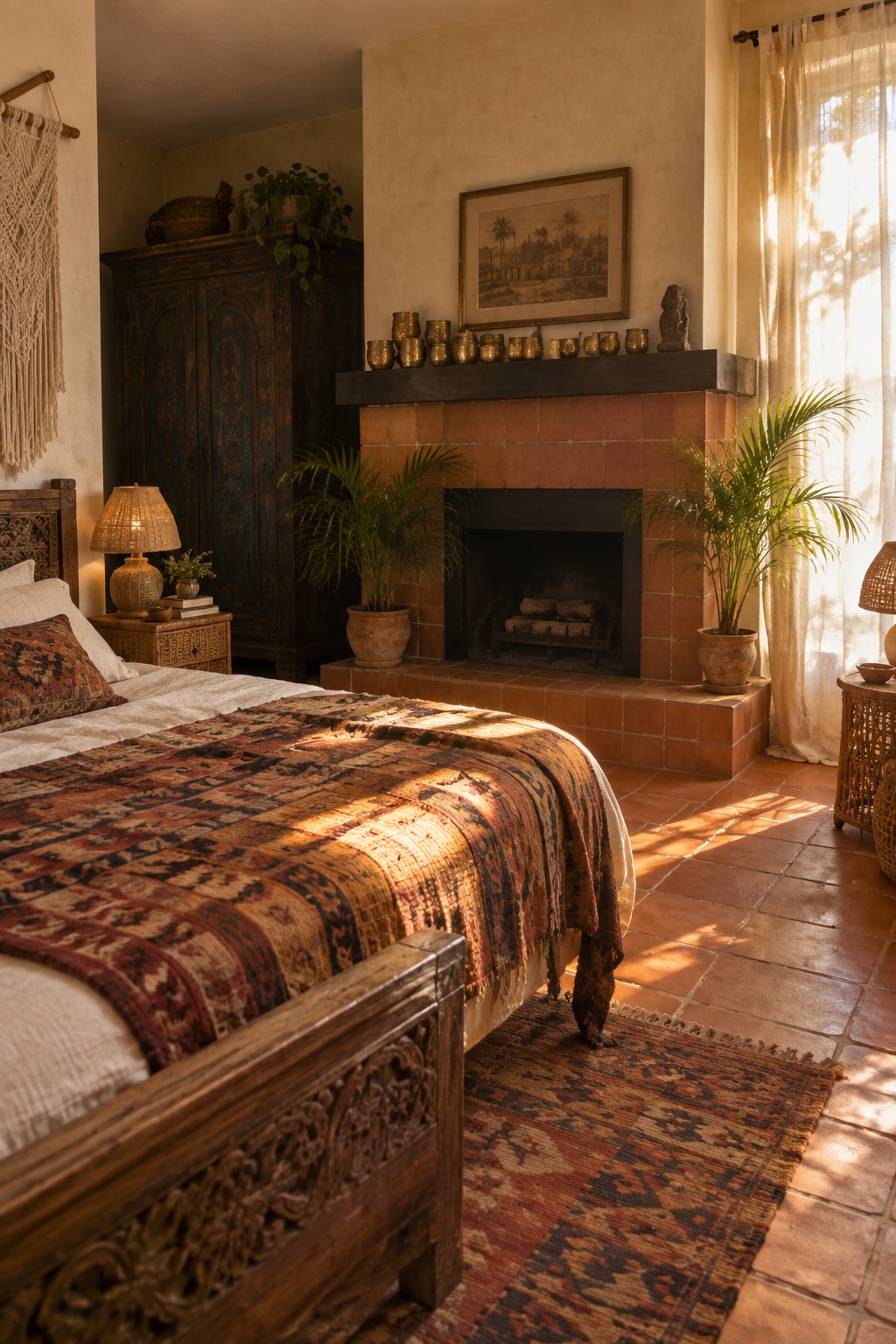
Placing the bed directly across from the fireplace turns that one feature into the natural heart of the room. The warmth draws the eye first, and everything else can stay fairly simple without the space feeling empty or scattered.
This setup works best in bedrooms that already have an existing fireplace or a strong wall for one. Keep the surrounding furniture low and quiet so the fire stays the main event, and add a rug or a couple of chairs nearby if you want a spot to sit and enjoy it in the evening.
Recessing A Fireplace Into A Plain Wall
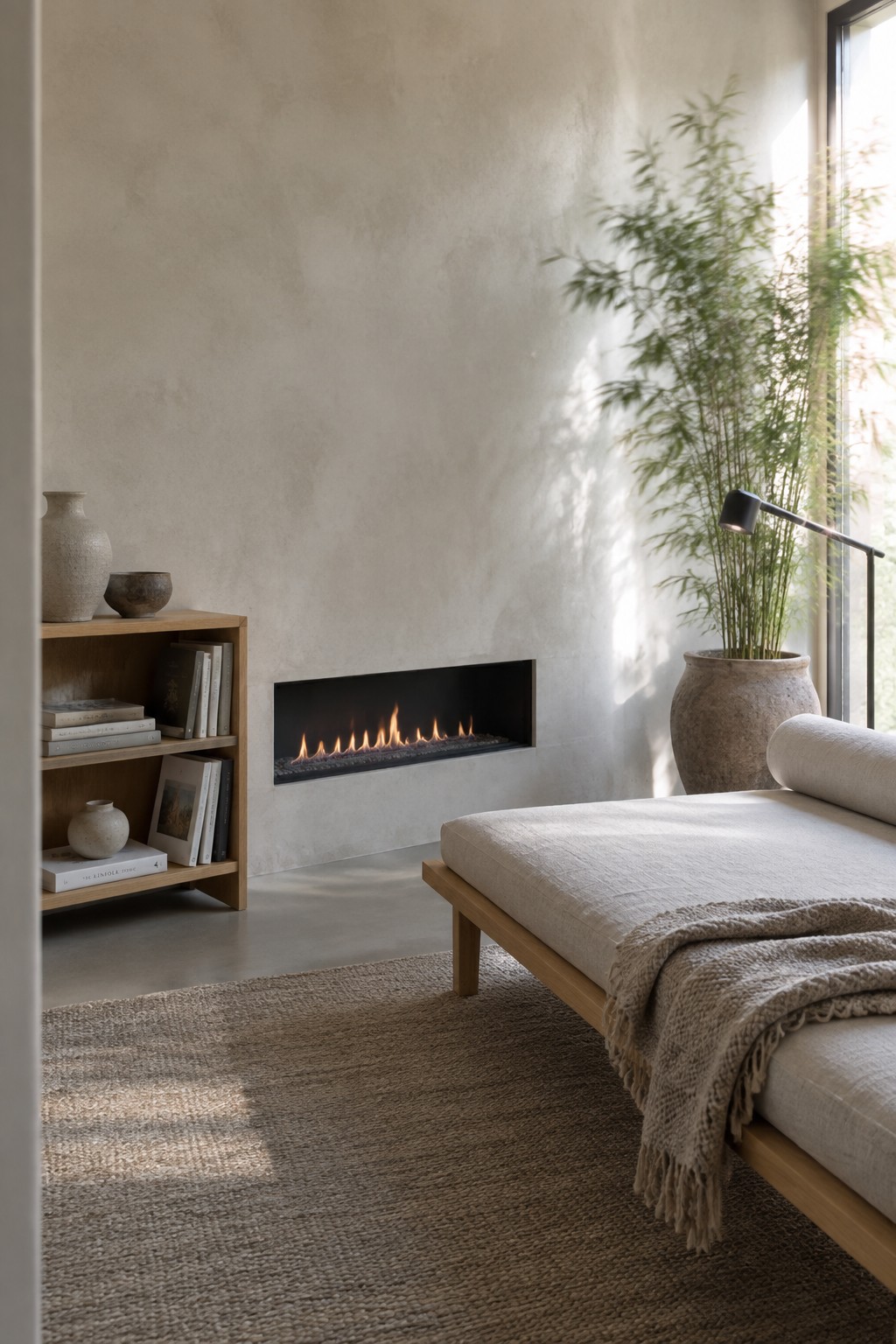
One simple way to make a fireplace the main point in a room is to set it into a wall with almost no trim or detail around it. The fire becomes the only thing that draws attention, and the rest of the space can stay quiet and open.
This approach works well in smaller living areas or rooms where you want a calm feel. Keep the seating low and the materials natural so nothing competes with the flames. A textured plaster wall helps the fireplace blend in while still standing out when it is lit.
Frequently Asked Questions
Q: How do I set up my couch and chairs without blocking the fireplace view? A: Pull your main seating pieces in a gentle curve facing the hearth. Leave at least a few feet of open space in front so the warmth reaches everyone. This keeps the fire as the natural center.
Q: What if my fireplace is old and doesn’t match my modern style? A: Paint the surround a neutral color that blends with your walls. But swap out the old screen for a sleek metal one to bridge the styles.
Q: Should I put lamps near the fireplace or keep that area darker? A: Place one soft lamp on a side table nearby but not directly on the mantel. The fire itself provides the main glow so extra light should stay low and warm. This way the focal point stays the flames.
