

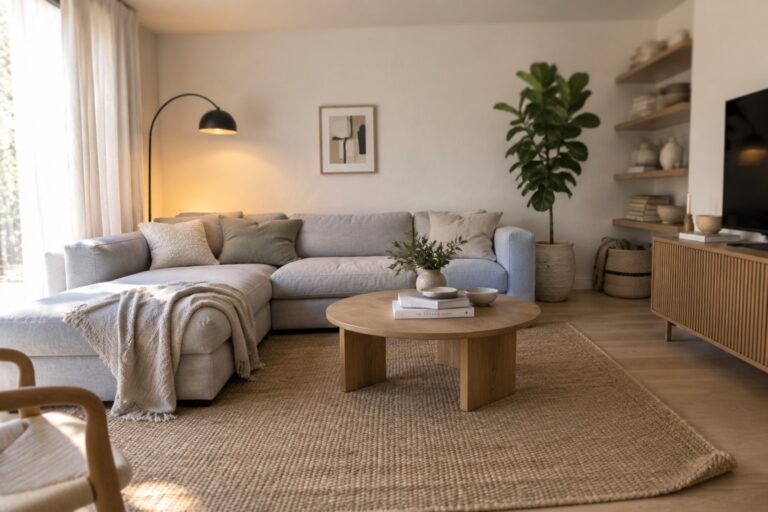
I have noticed that living rooms tend to function better when the main seating piece lines up with how people actually walk in and sit down during the day.
Sectionals can shape the whole space if you think first about conversation spots and the path from the doorway to the kitchen.
The key is daily flow.
Many times I have tried shifting a sectional only to find the original angle already kept the room open without crowding the windows or the TV.
Testing placement against real habits like reading or family movie nights shows which setups hold up once the photos are forgotten.
Sectionals That Shape an Easy Everyday Layout
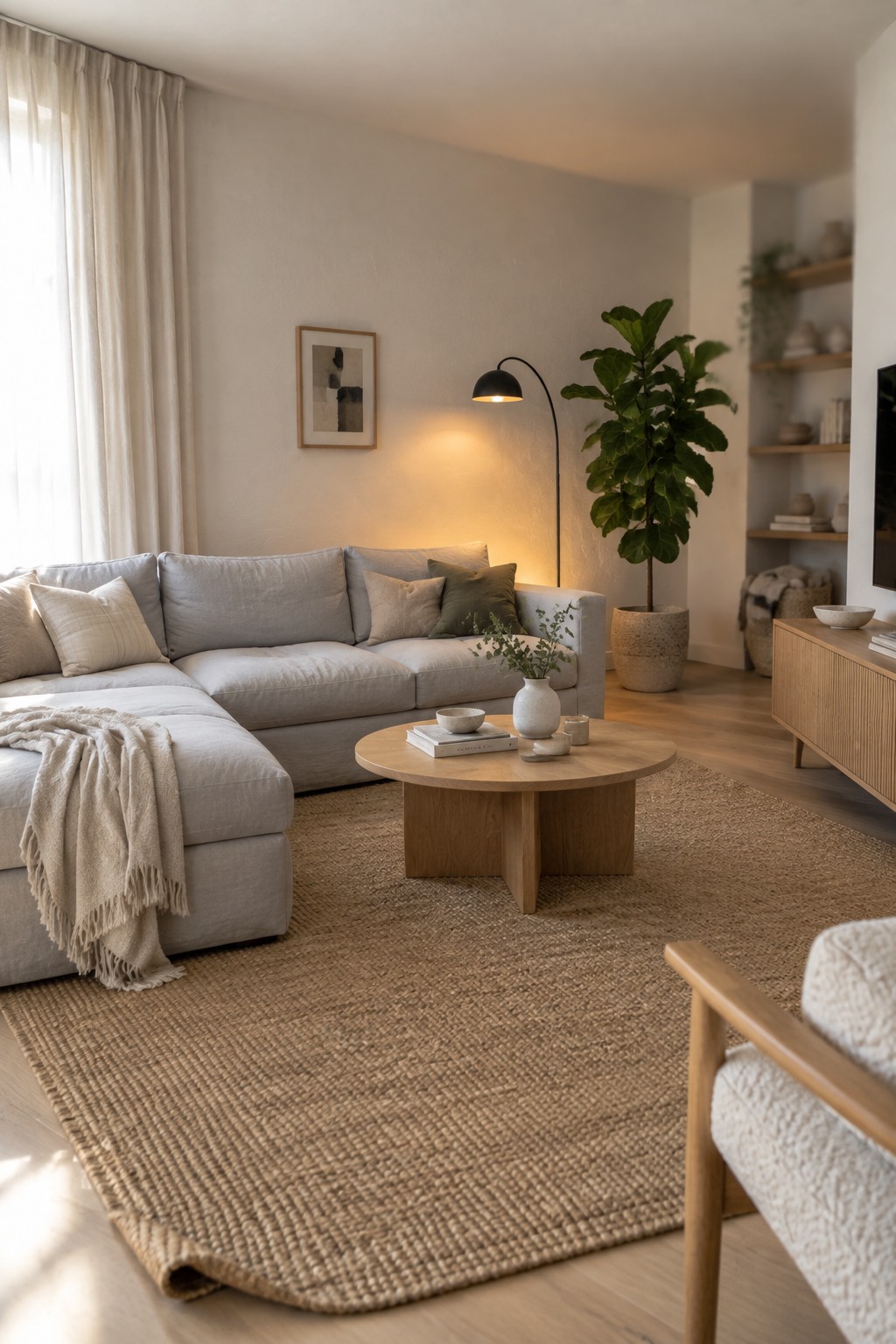
A sectional sofa works well when you want a living room that feels ready for real life instead of just looking neat. It gives you plenty of seats in one piece, so the space stays open and people can spread out without needing extra chairs scattered around.
This setup suits homes where the living room gets daily use rather than staying formal. Keep the fabric light and simple so it does not fight with other pieces, and leave a little breathing room around the edges so the whole area does not feel boxed in.
A Dark Sectional That Grounds The Room
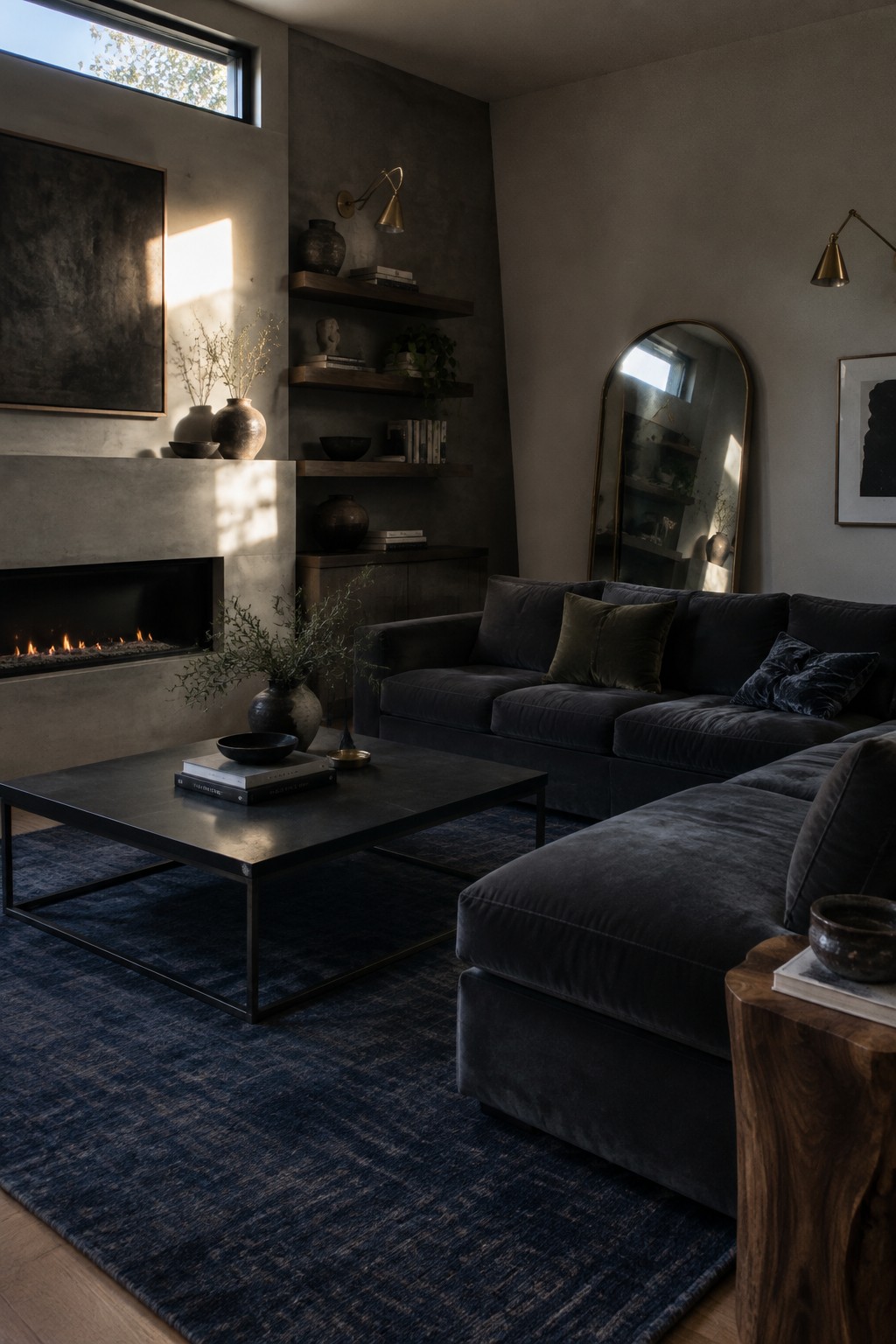
A large sectional in a deep, dark fabric can make a living room feel more contained and restful. It creates a clear seating zone that holds its own against tall ceilings and heavy materials like concrete. The low profile and generous depth help the sofa feel substantial without towering over everything else.
This approach works well in rooms that already have strong architecture or a focal point such as a fireplace. Keep the surrounding palette quiet so the sectional becomes the main anchor rather than competing with too many other elements.
Sectional Seating That Shapes the Room
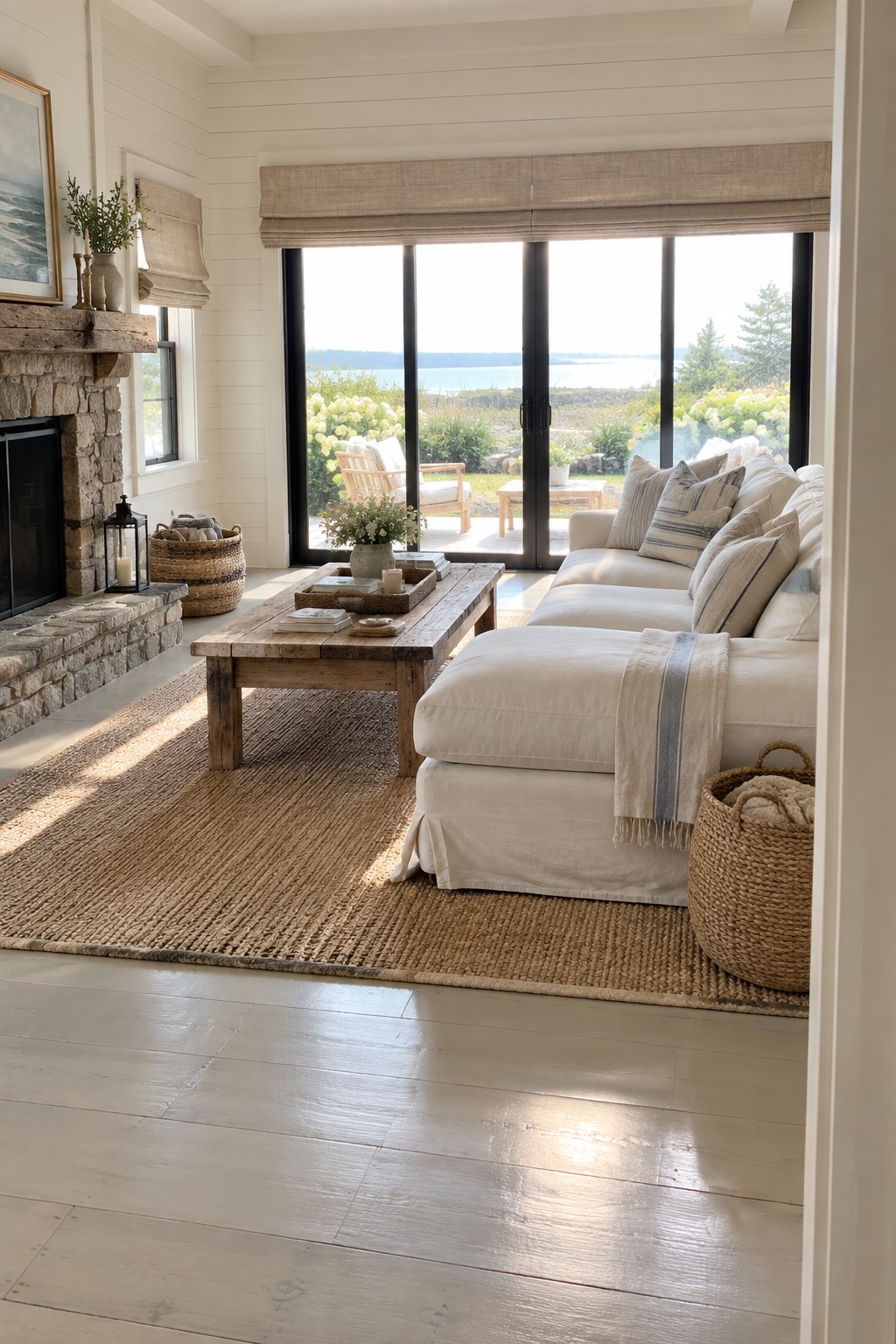
A big sectional can do a lot of the heavy lifting in a living room, especially when the space has high ceilings and large windows. It creates a clear gathering spot without needing lots of extra pieces to fill things out.
This works best in homes with open floor plans or strong views, where you want the seating to feel substantial but not stuffy. Keep the rest of the furniture low and simple so the sectional stays the main focus.
Anchor The Room With A Large Sectional
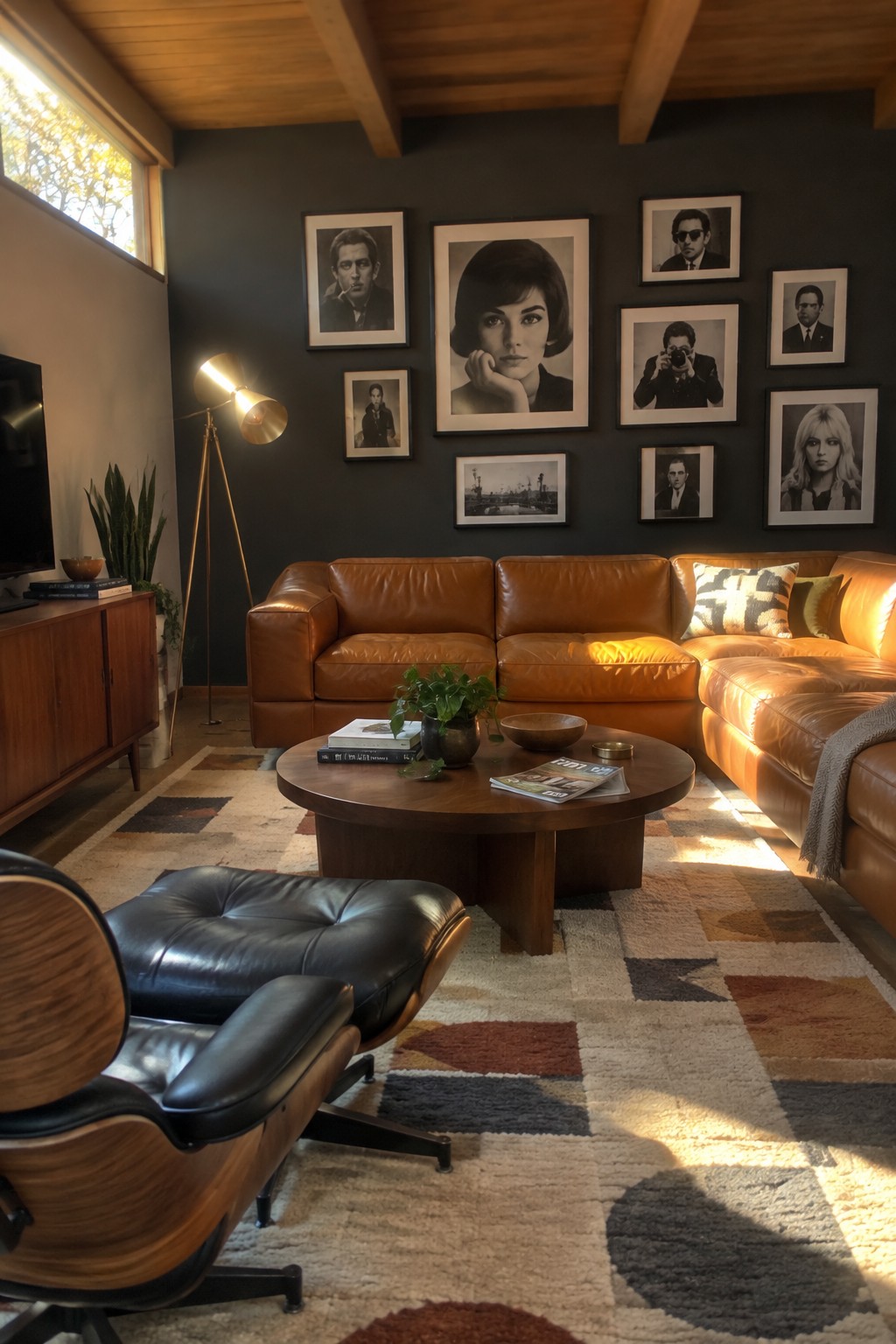
A big sectional can set the whole tone for a living room because it gives you a clear center without a lot of extra pieces. In this setup the sofa stretches across the main wall and pulls everything else into place, from the low table in front to the single lounge chair angled nearby.
This works best in rooms that get steady use, since the sectional creates plenty of seats without crowding the floor. Keep the rest of the furniture low and simple so the sofa stays the main event, and choose a wall color that lets the leather stand out rather than compete.
Sectionals That Organize Open Living Rooms
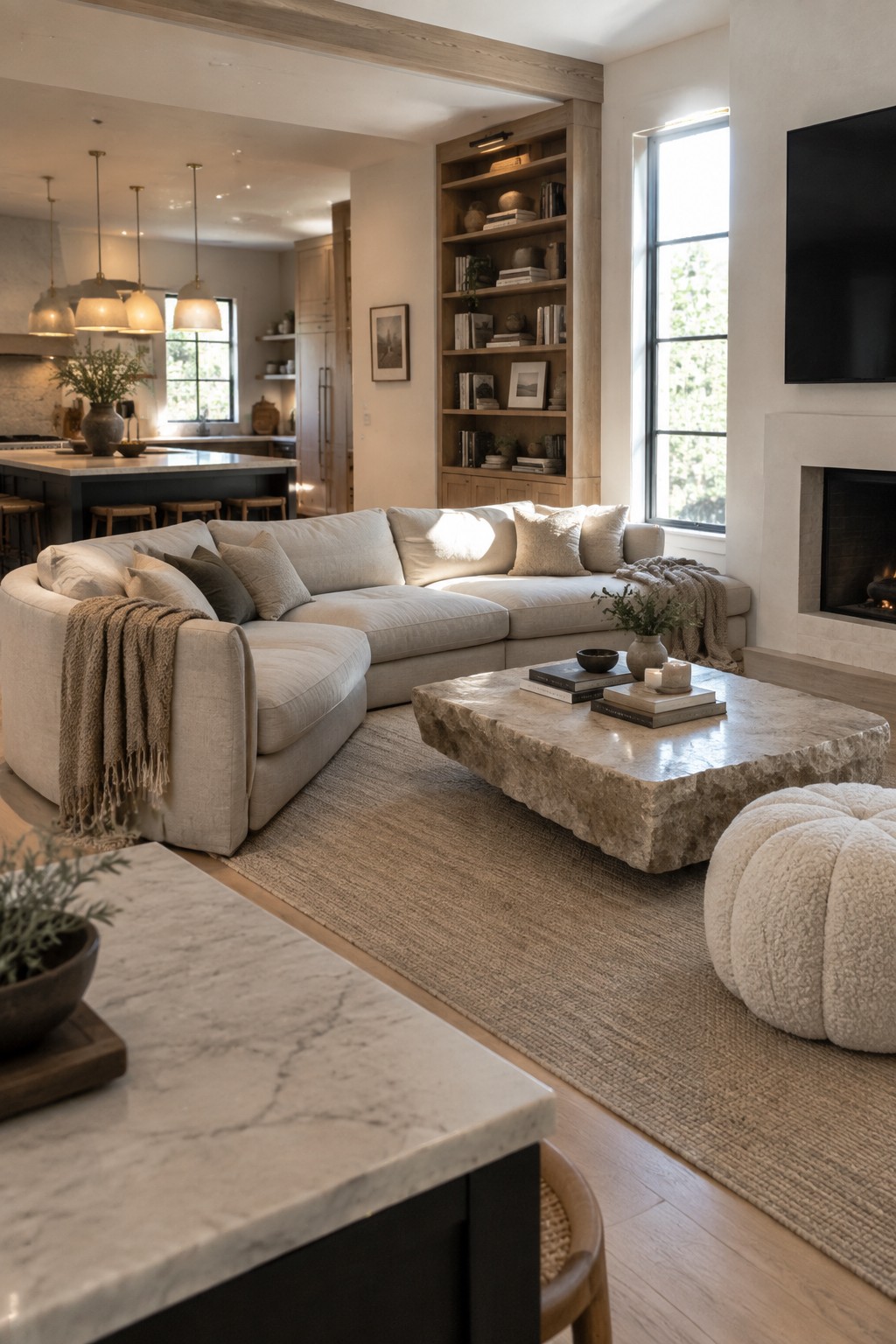
A sectional sofa works well when you want one piece to set the layout in a room that flows into other spaces. The L-shape creates a clear spot for sitting and gathering without adding walls or dividers, and it keeps the area from feeling scattered.
This approach suits bigger rooms or open floor plans where the living space connects to the kitchen. Place the sectional so it faces the main activity areas, and keep the upholstery simple so the room stays light and easy to move around in.
Curved Sectionals That Shape The Room
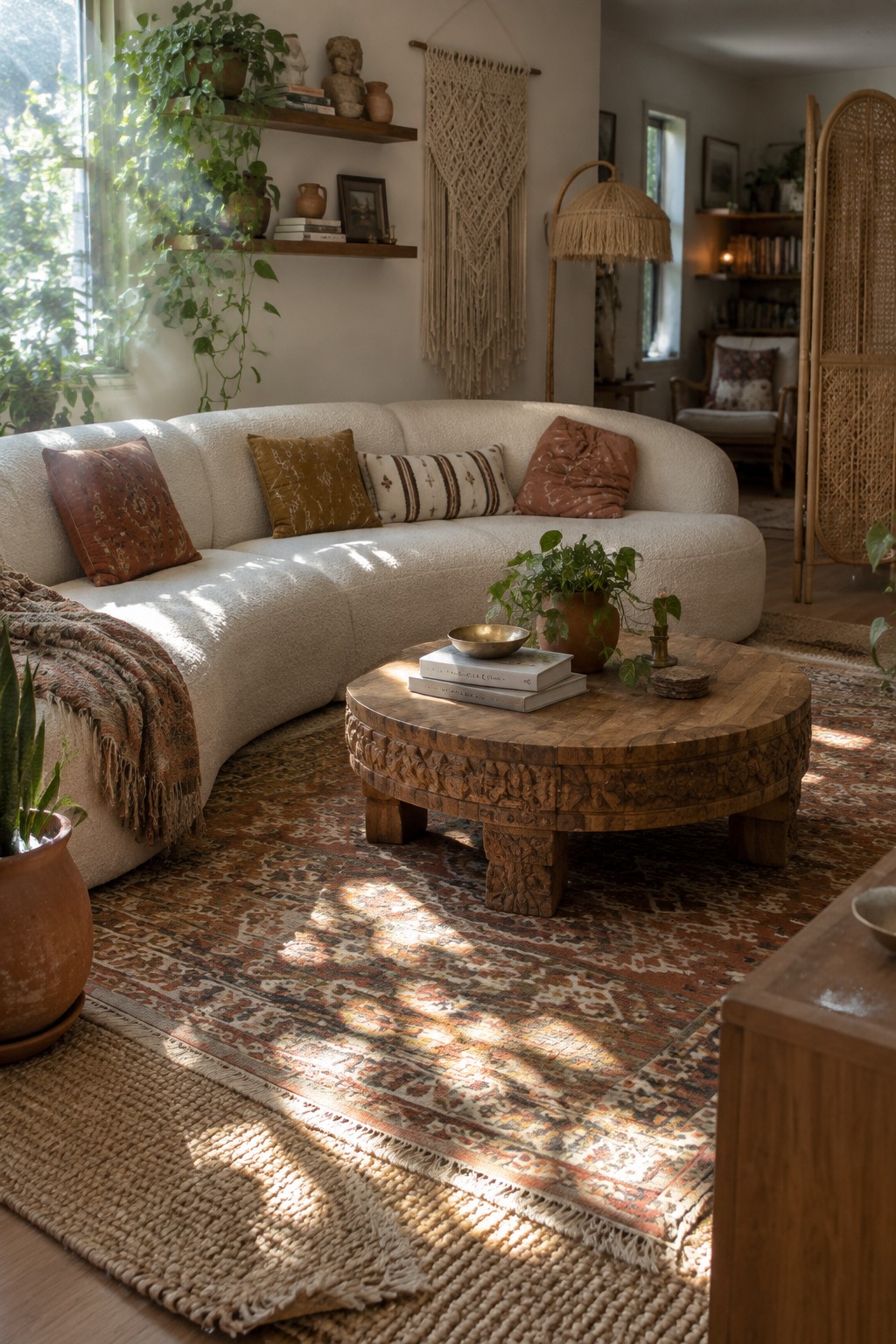
A curved sectional works well when you want the sofa itself to define the seating area. The rounded shape lets the piece sit away from the walls and still feel balanced, which helps in rooms that do not have a natural focal point.
This layout suits open floor plans where you need to zone the living space without adding dividers. Keep the rest of the furniture low and simple so the curve stays the main feature, and leave enough room around the back of the sofa for easy movement.
Sectionals That Balance Fireplaces and Windows
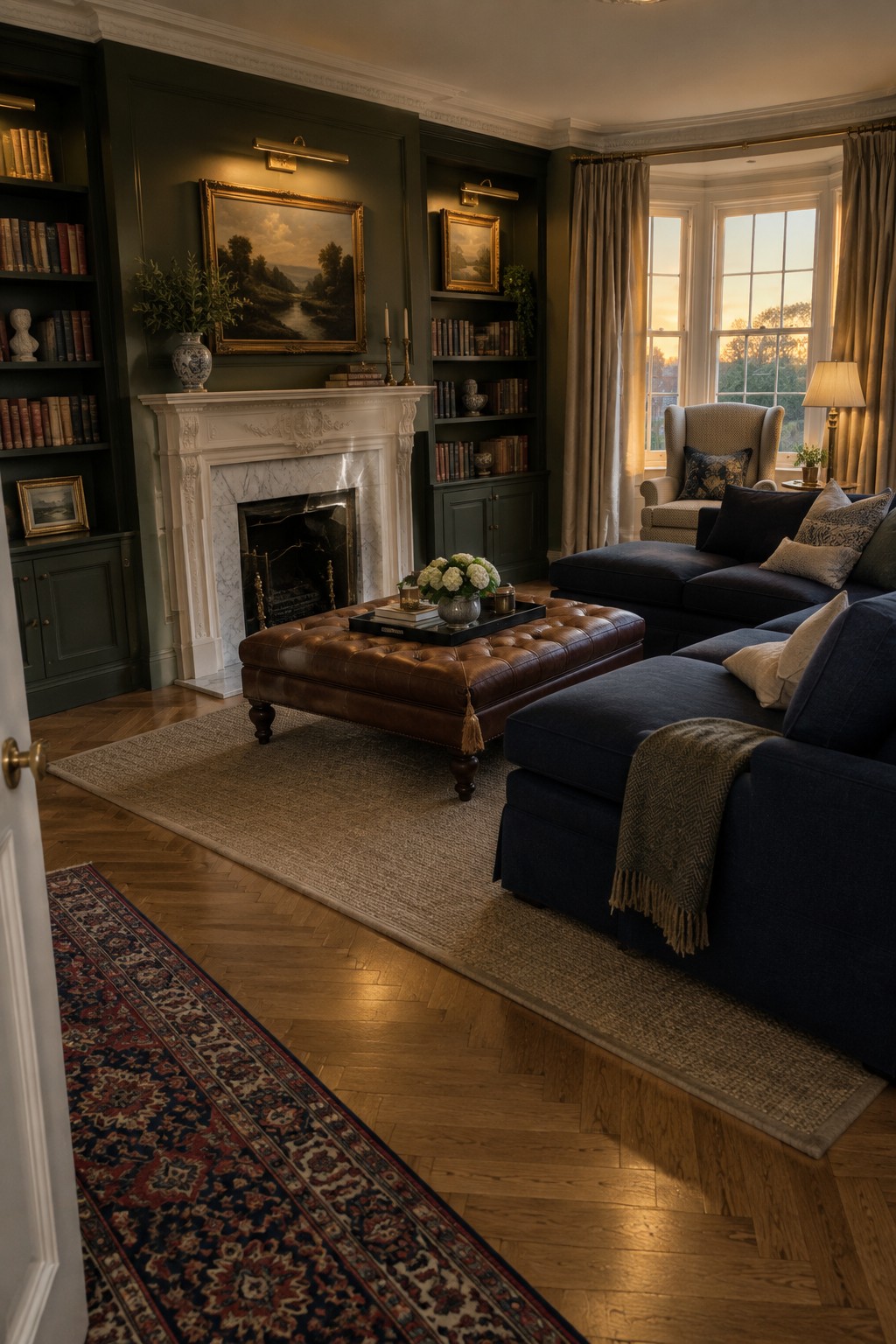
A sectional helps pull a room together when there are two strong focal points competing for attention. Here the sofa faces the fireplace while still leaving space to catch the light from the windows, so the seating feels centered without cutting off either view.
This approach suits older homes where the built-ins and trim already do the heavy work. Keep the sectional in a solid, deeper tone so it settles into the room instead of fighting the wood tones and shelving.
Let The Sectional Anchor The Room
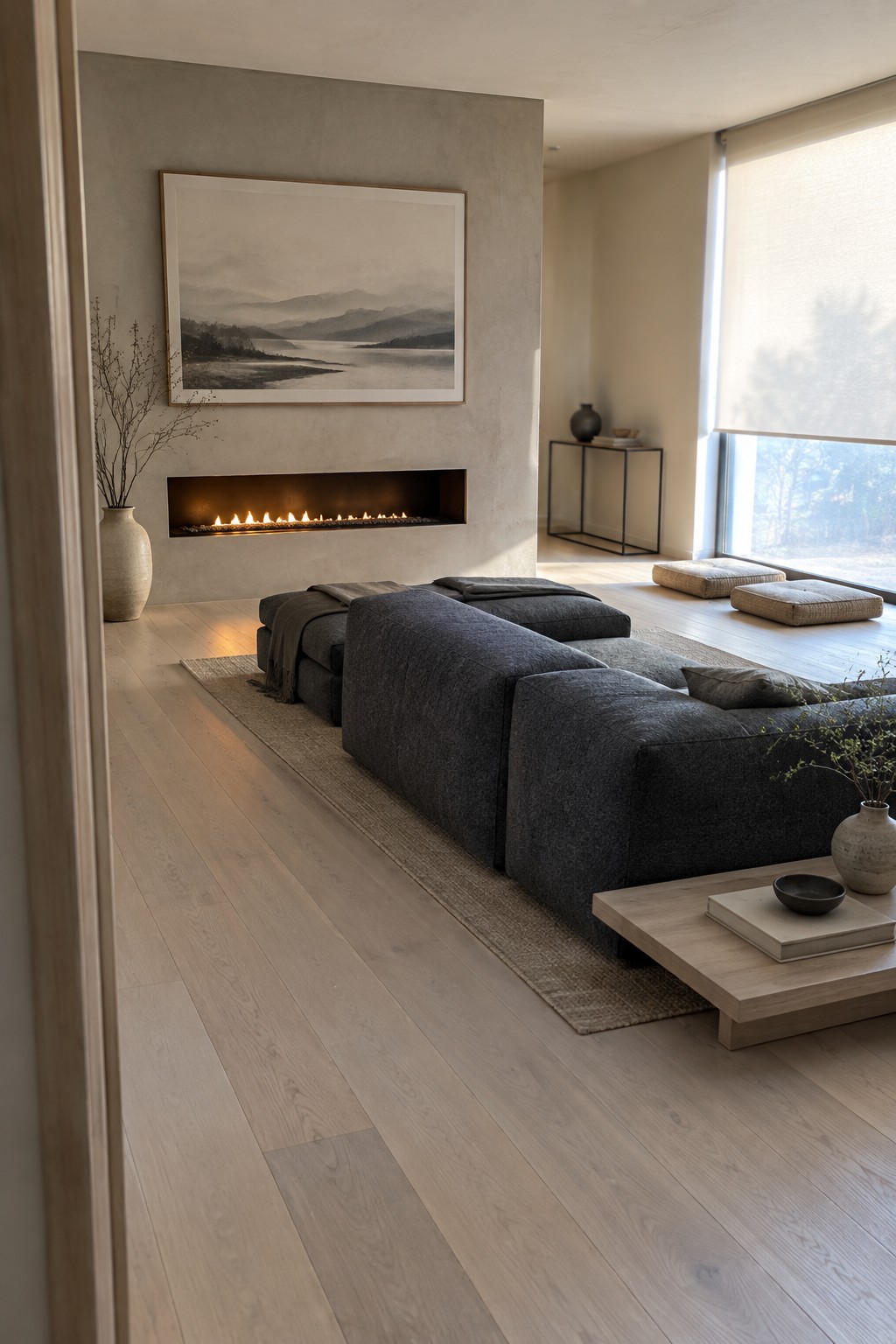
A large sectional can pull a whole living room together when everything else stays quiet. In this setup the sofa sits right in front of the fireplace on a simple rug, giving the space a clear center without extra chairs or side tables crowding in.
This works best in open layouts or rooms with one strong focal point. Keep the walls and floors light, add only a low table or two, and let the sectional take up the main floor space so the room still feels open rather than packed.
Deep Colored Sectionals In Traditional Rooms
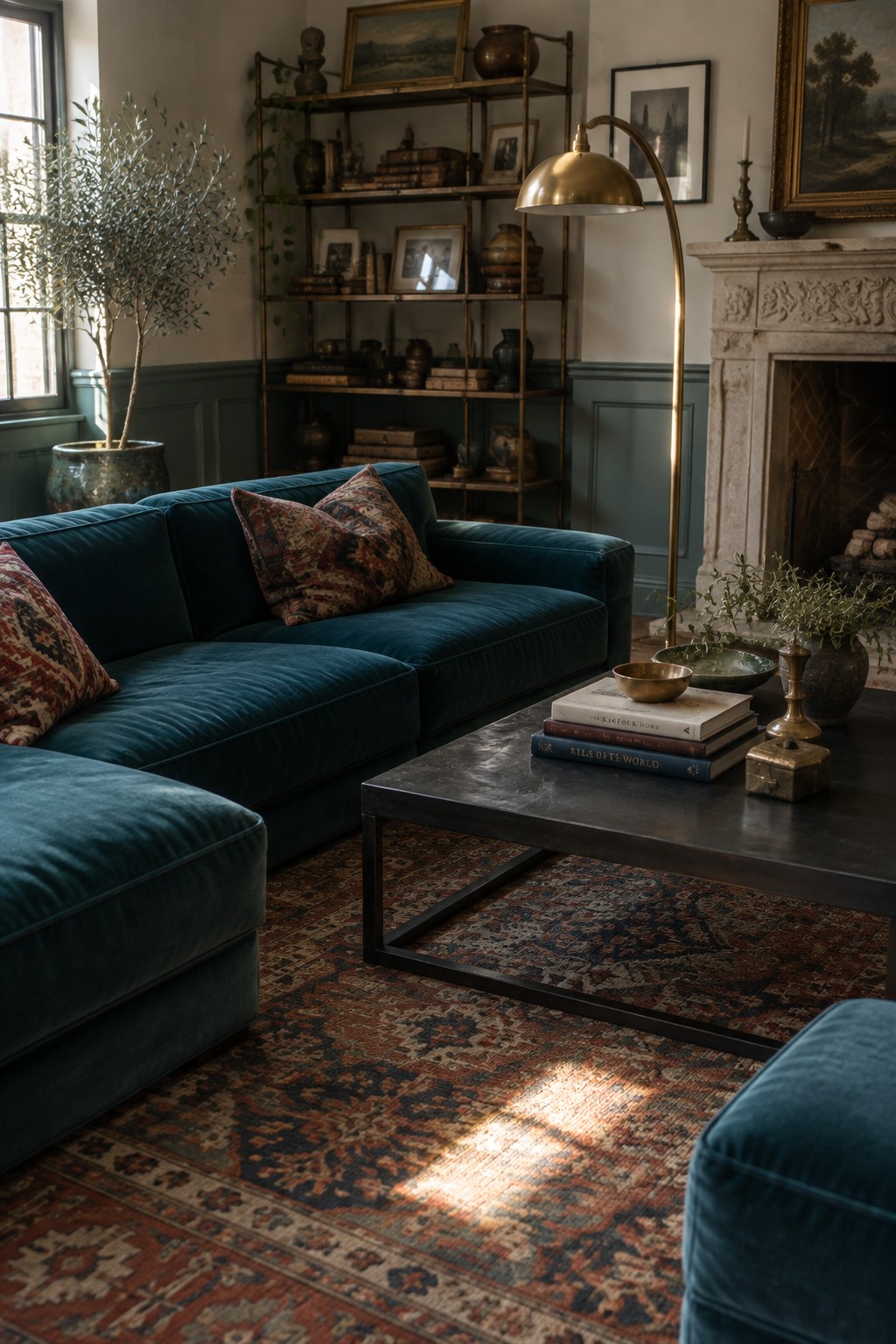
A deep teal sectional gives a room with classic trim and a fireplace an instant focal point without fighting the architecture. The saturated color adds weight and warmth that helps the seating feel like it belongs rather than just filling space.
This works best in homes that already have some age or detail to play against. Make sure the rug underneath is large enough to hold the whole sectional so the arrangement stays grounded instead of looking like separate pieces pushed together.
Curved Sectionals That Follow the View
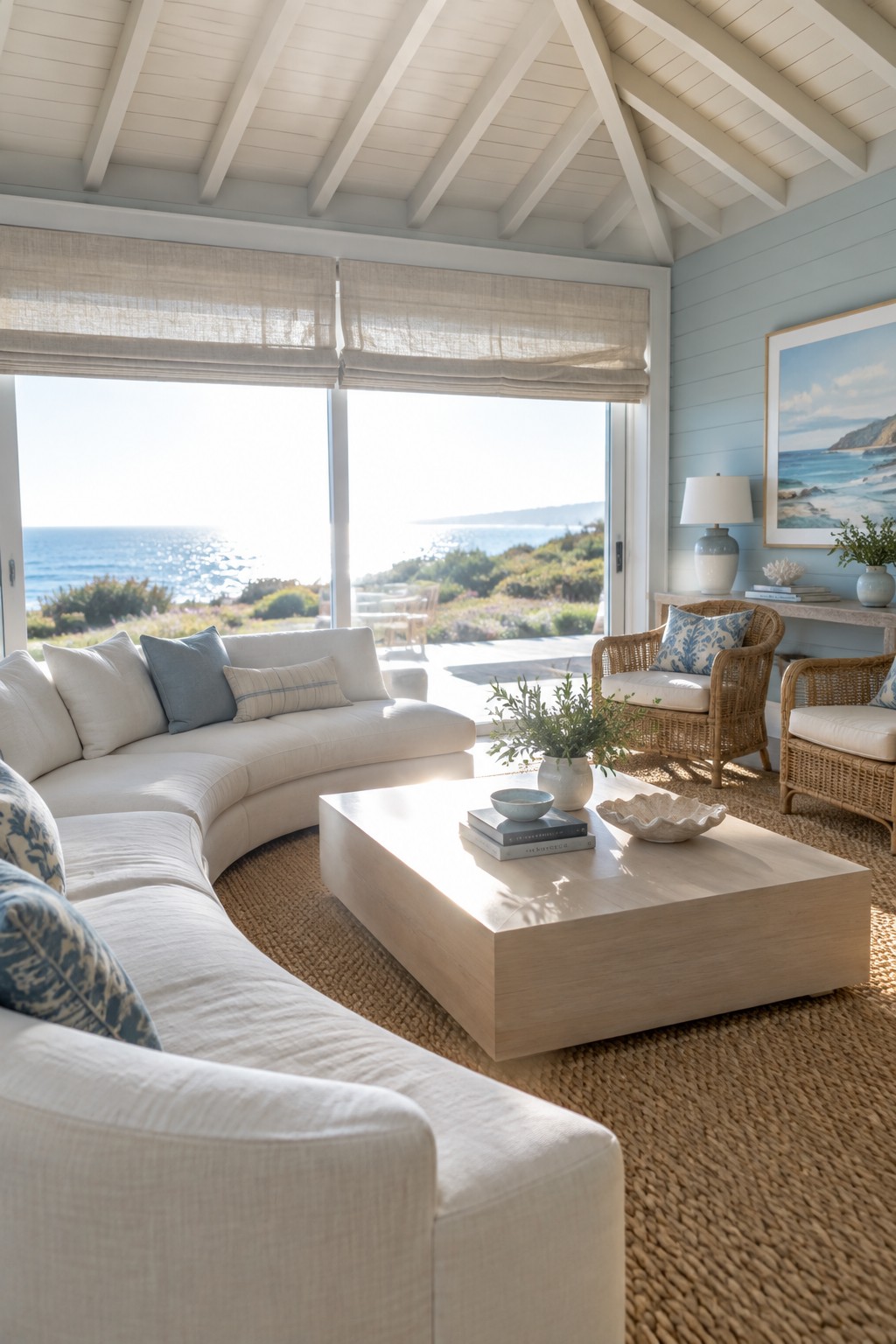
A curved sectional works well when a room has big windows that pull your attention outside. Instead of a straight sofa cutting across the space, the gentle bend lets the seating line up with the glass and keeps the view open from every seat.
This layout suits homes near the coast or any space where the outdoors matters as much as the room itself. Keep the curve soft rather than sharp, and pair it with low tables so nothing blocks the line of sight through the windows.
Sectionals That Anchor Open Loft Rooms
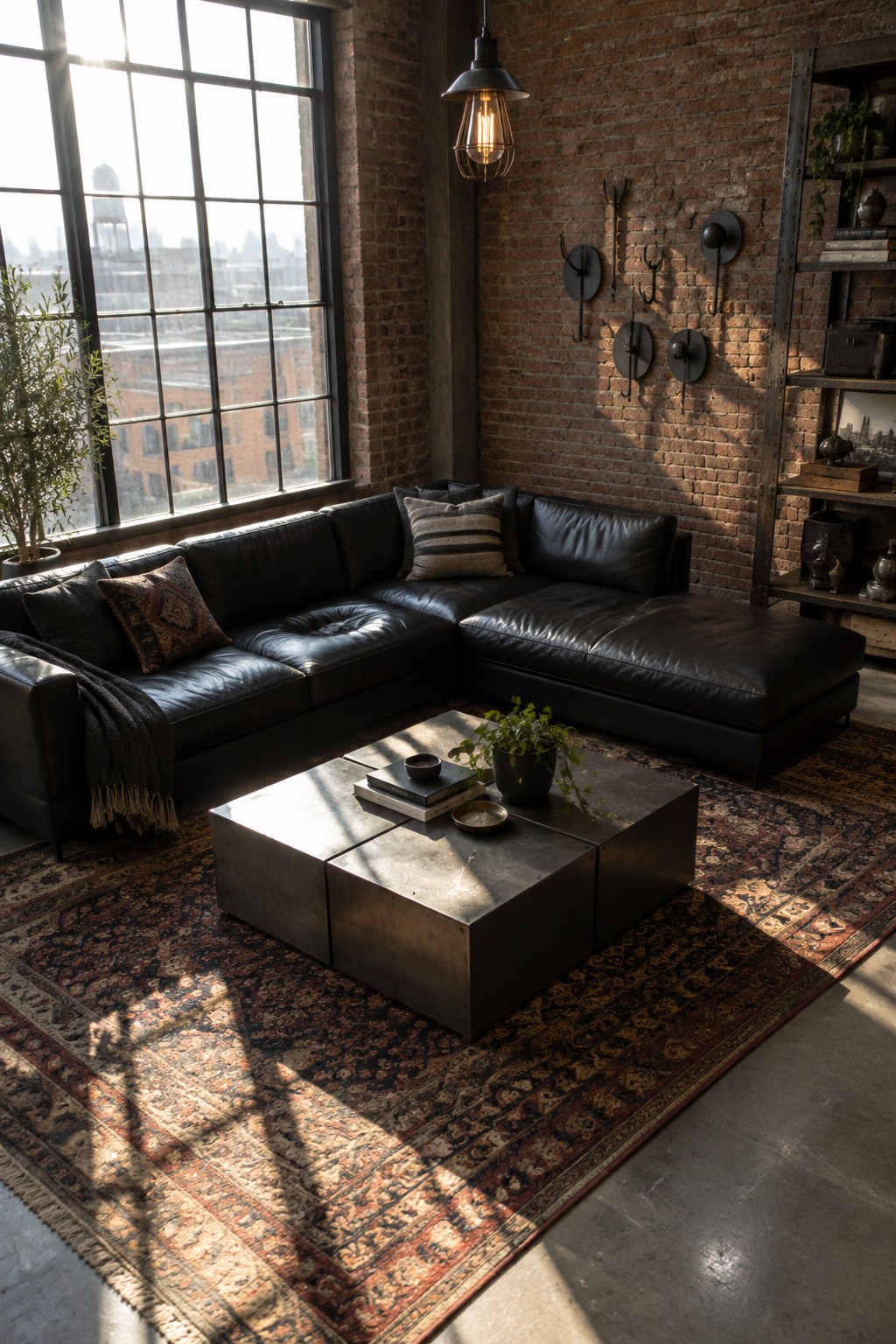
A big sectional gives you a clear way to organize seating when the room has high ceilings and wide floor space. It pulls everything together without needing extra chairs or side tables scattered around the edges.
This setup suits industrial lofts or converted spaces with brick walls and large windows. Keep the sectional low and deep so it feels grounded rather than bulky, and leave enough room on the sides for easy movement.
Sectionals In Bay Window Spots
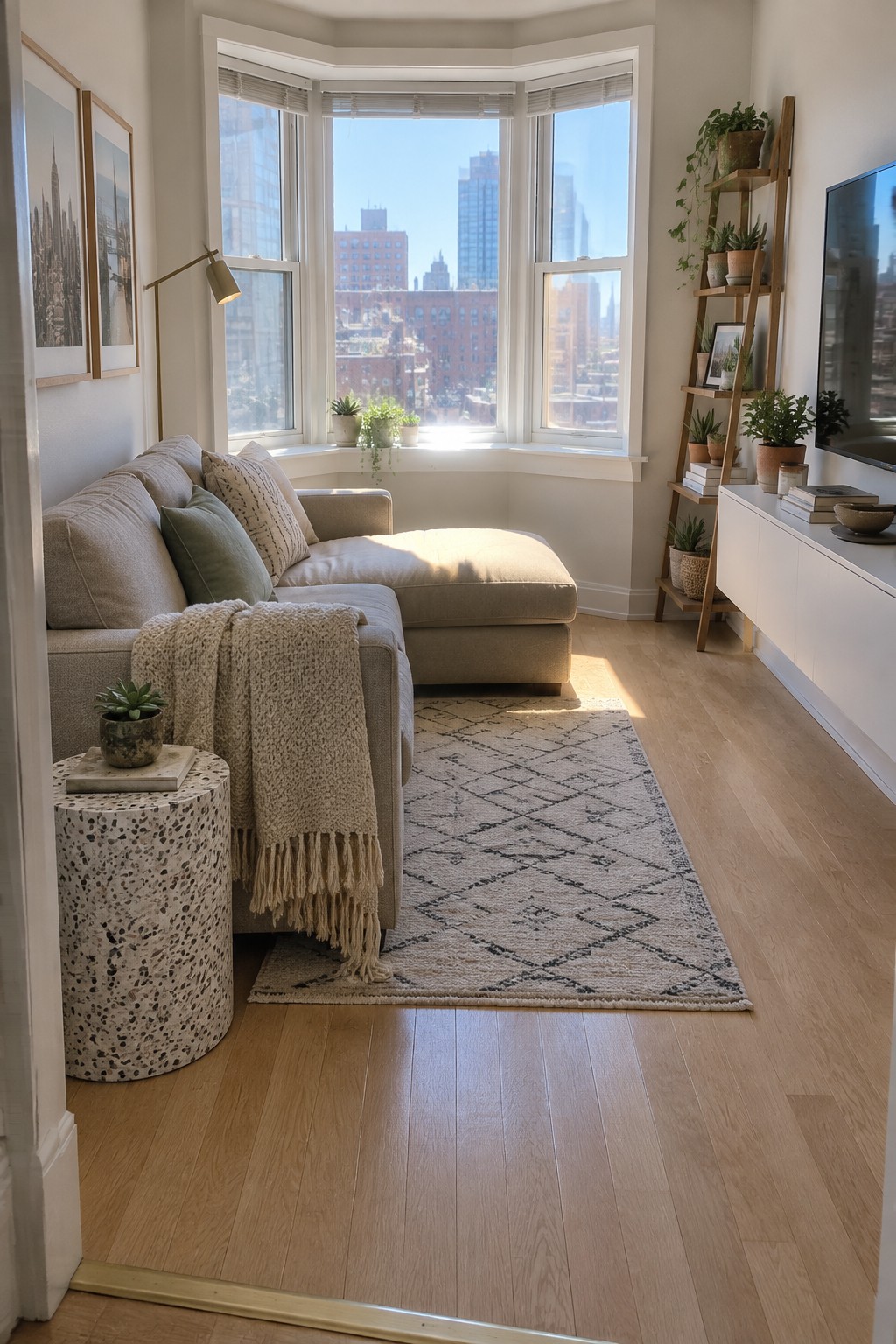
A sectional placed right in a bay window turns that area into the main seating zone without needing extra furniture around it. The window becomes the natural focus, and the sofa takes full advantage of the light and view during the day.
This setup works well in smaller or medium living rooms where you want the seating to feel centered but not closed off. Keep the sectional low and light in color so it does not block the window, and use a rug to mark the space clearly on the floor.
Curved Sectionals For Open Rooms
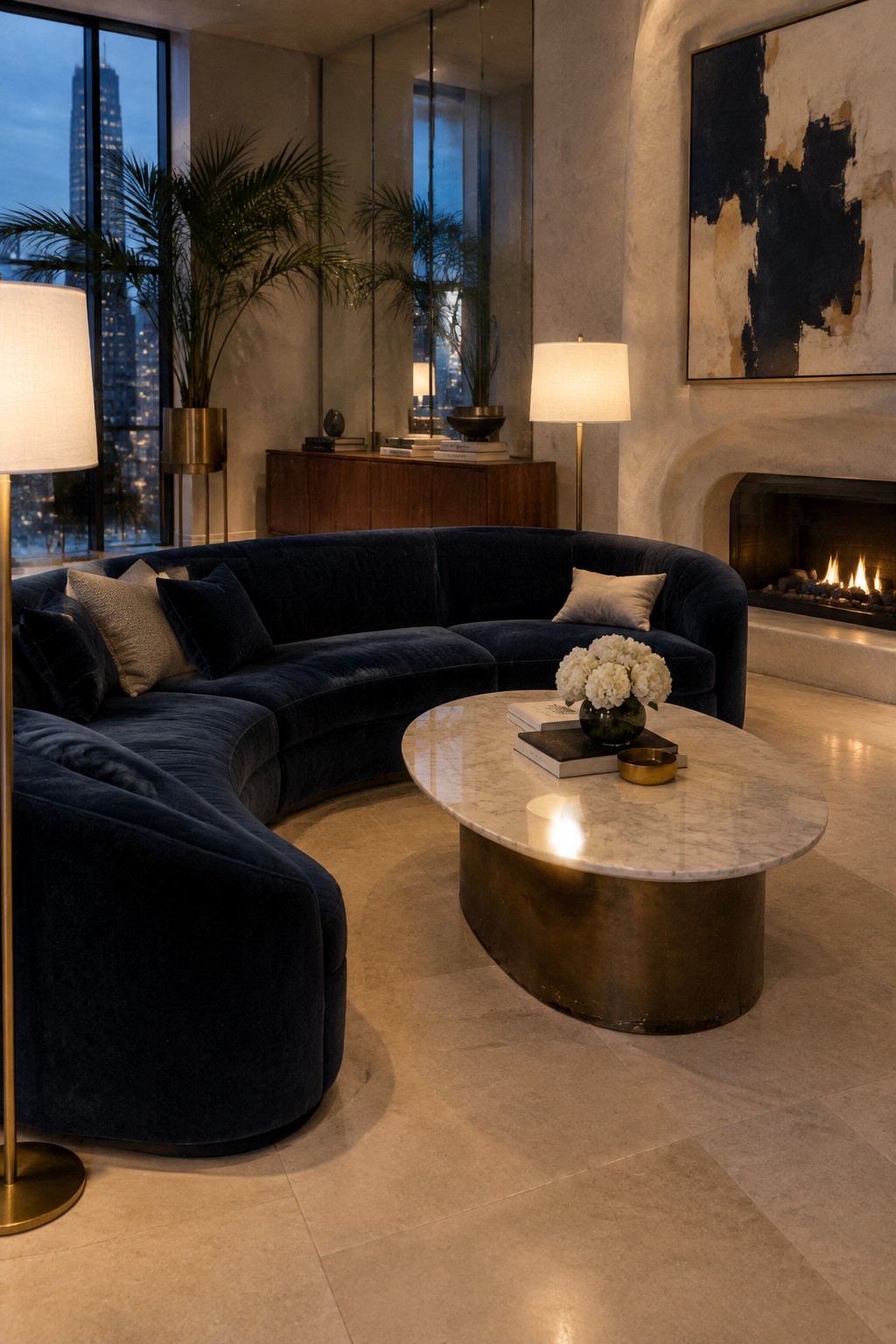
A curved sectional can help pull a large living room together without making it feel chopped up. The shape lets the sofa follow the flow of the space instead of fighting it, which keeps the seating area feeling connected even when the room has high ceilings or big windows.
This layout works best in homes with open plans or rooms that already have strong architectural features like a fireplace. Keep the curve generous so the sofa still feels substantial, and pair it with a low table that sits comfortably inside the arc.
Sectionals That Face the Fireplace
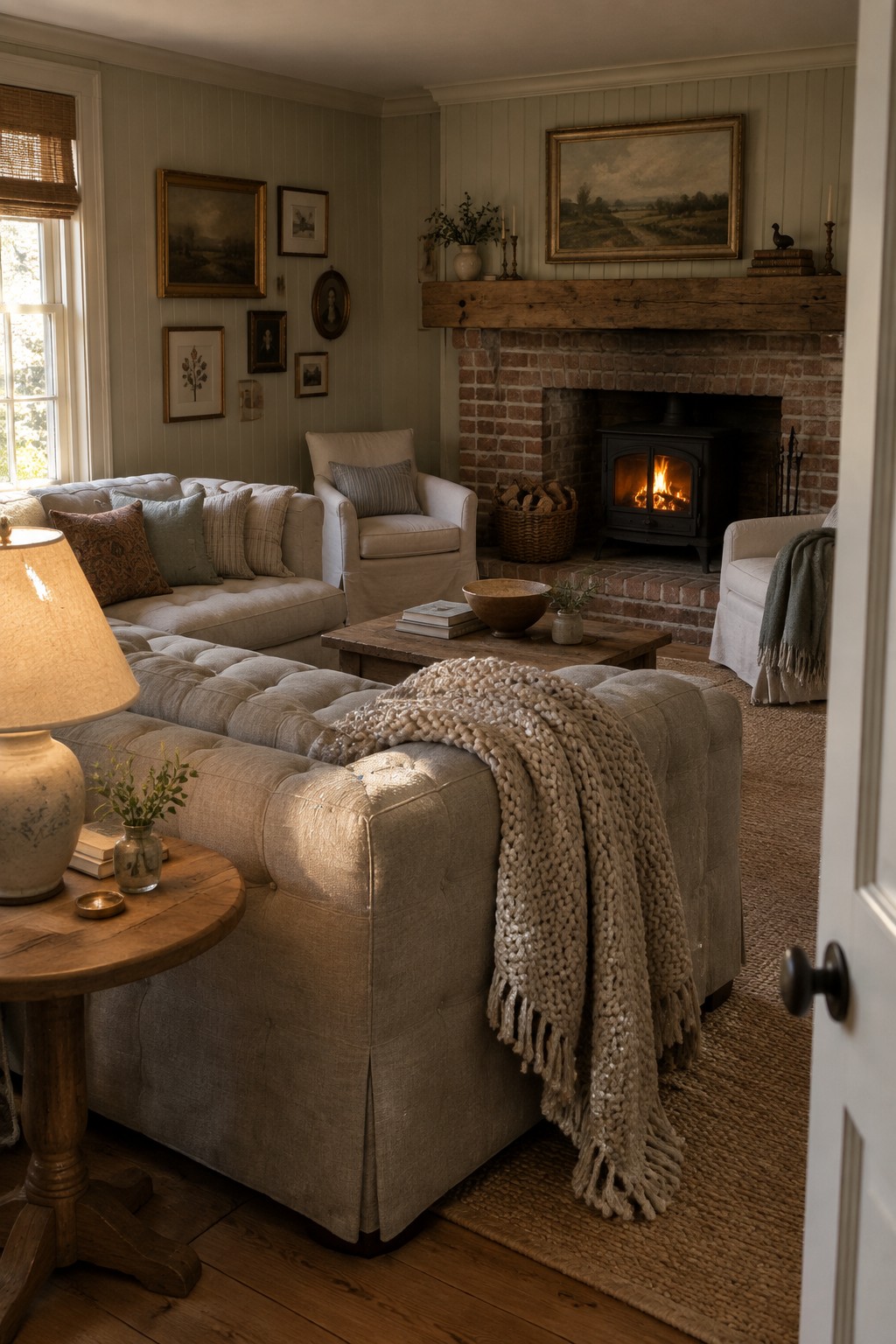
A large sectional works well when it sits directly across from the fire. The layout makes the hearth the center of the room and gives everyone a clear view of the flames without needing extra focal points.
This setup suits older homes or rooms with a solid brick fireplace. Keep the coffee table low and simple so the path stays open, and add one or two side chairs only if the sectional alone cannot seat the whole group.
Sectionals That Anchor Open Living Areas
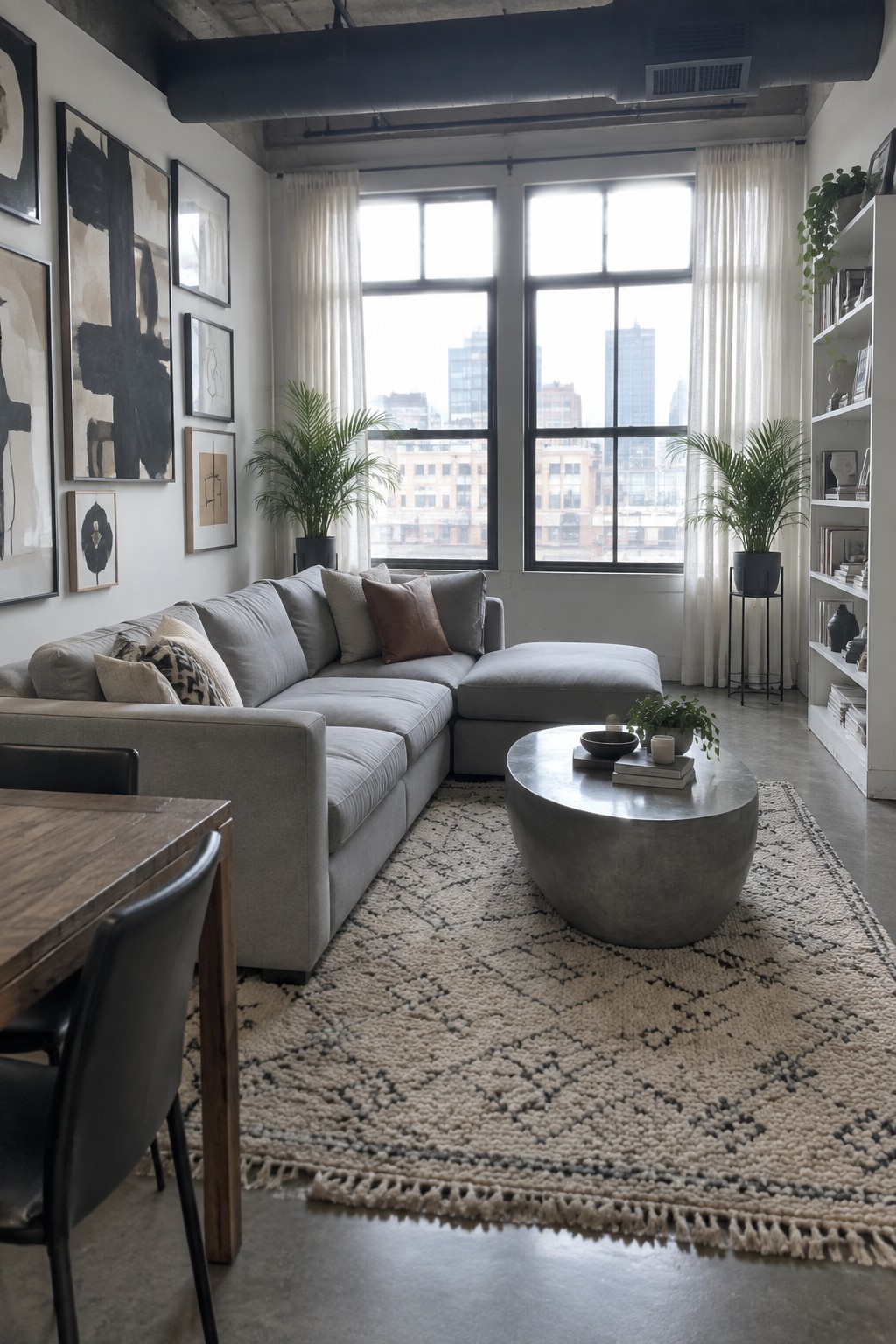
A big sectional can pull an open room together when the space feels too loose. Here the sofa runs along one wall and turns to mark off the living zone, leaving plenty of room for traffic around it.
This layout suits lofts or homes with tall ceilings and large windows. Keep other pieces low and simple so the sectional stays the main event without blocking light or views.
Sectional Seating With A Central Ottoman
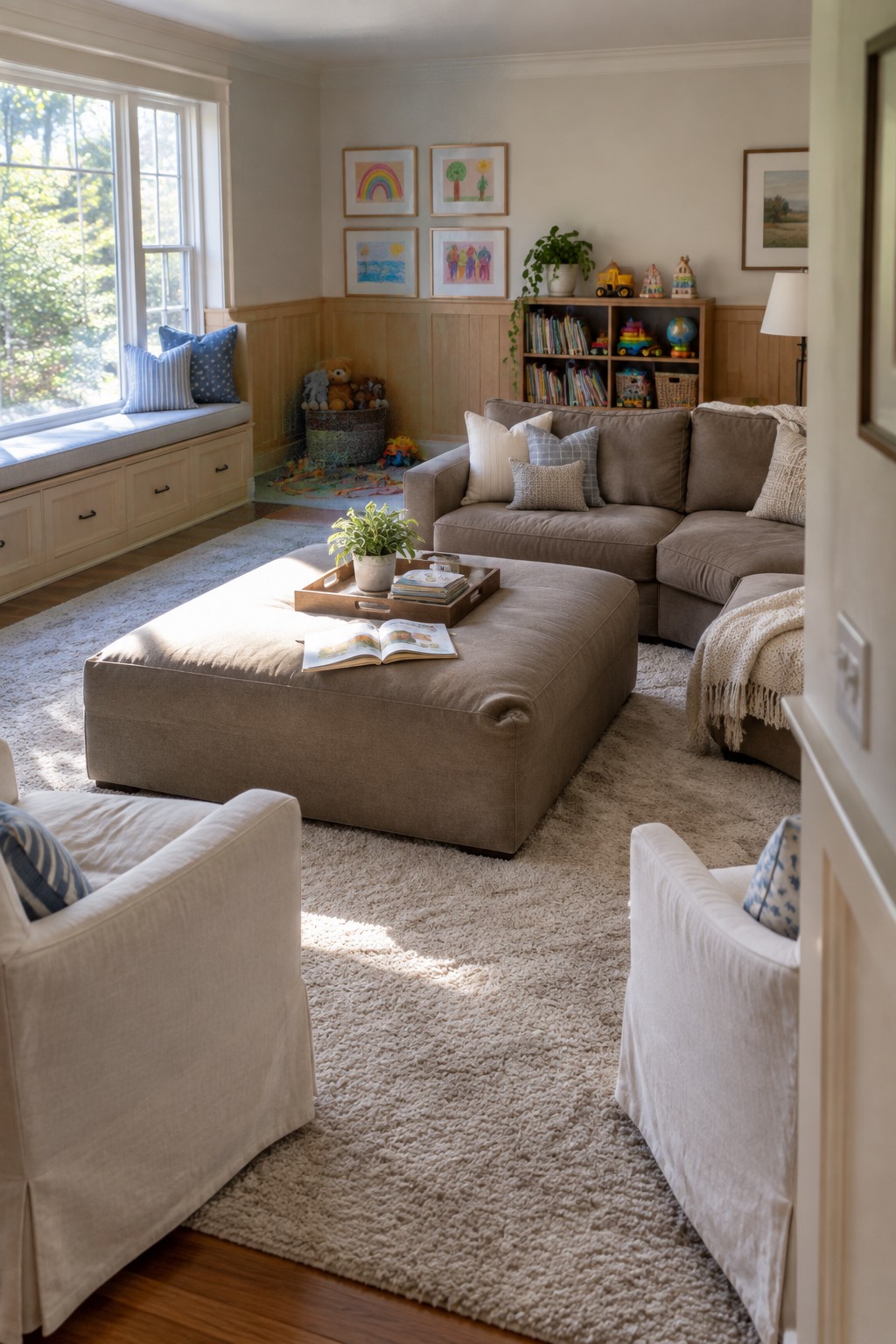
A large ottoman placed right in front of the sectional gives the whole room a clear center without blocking the flow. It works especially well in family spaces where people need room to spread out, rest their feet, or set down books and trays during the day.
This layout suits homes that want flexible seating without adding a bulky coffee table. Choose an ottoman that is sturdy enough to sit on and keep the surrounding chairs light so the sectional stays the main focus.
A Room Built Around a Large Sectional
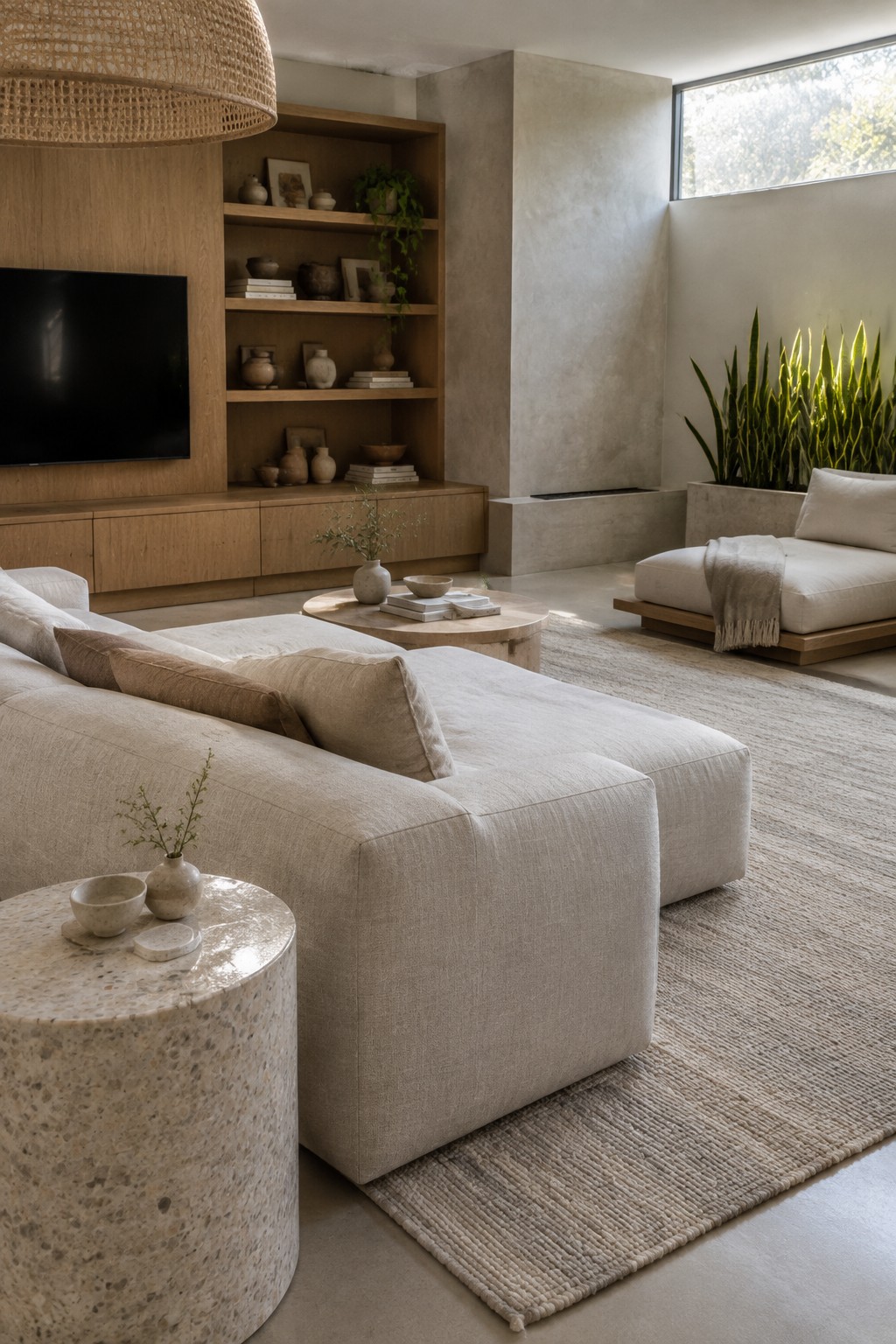
A big sectional can make a living room feel more settled without filling it with extra chairs or sofas. It gives people one clear place to gather while leaving the rest of the space open and easy to move through.
This approach works best in rooms with enough floor space so the sectional does not crowd the walls or block pathways. Pair it with low tables and simple storage like built-in shelves so the sofa remains the main feature instead of competing with other furniture.
A Colored Sectional Sets the Mood
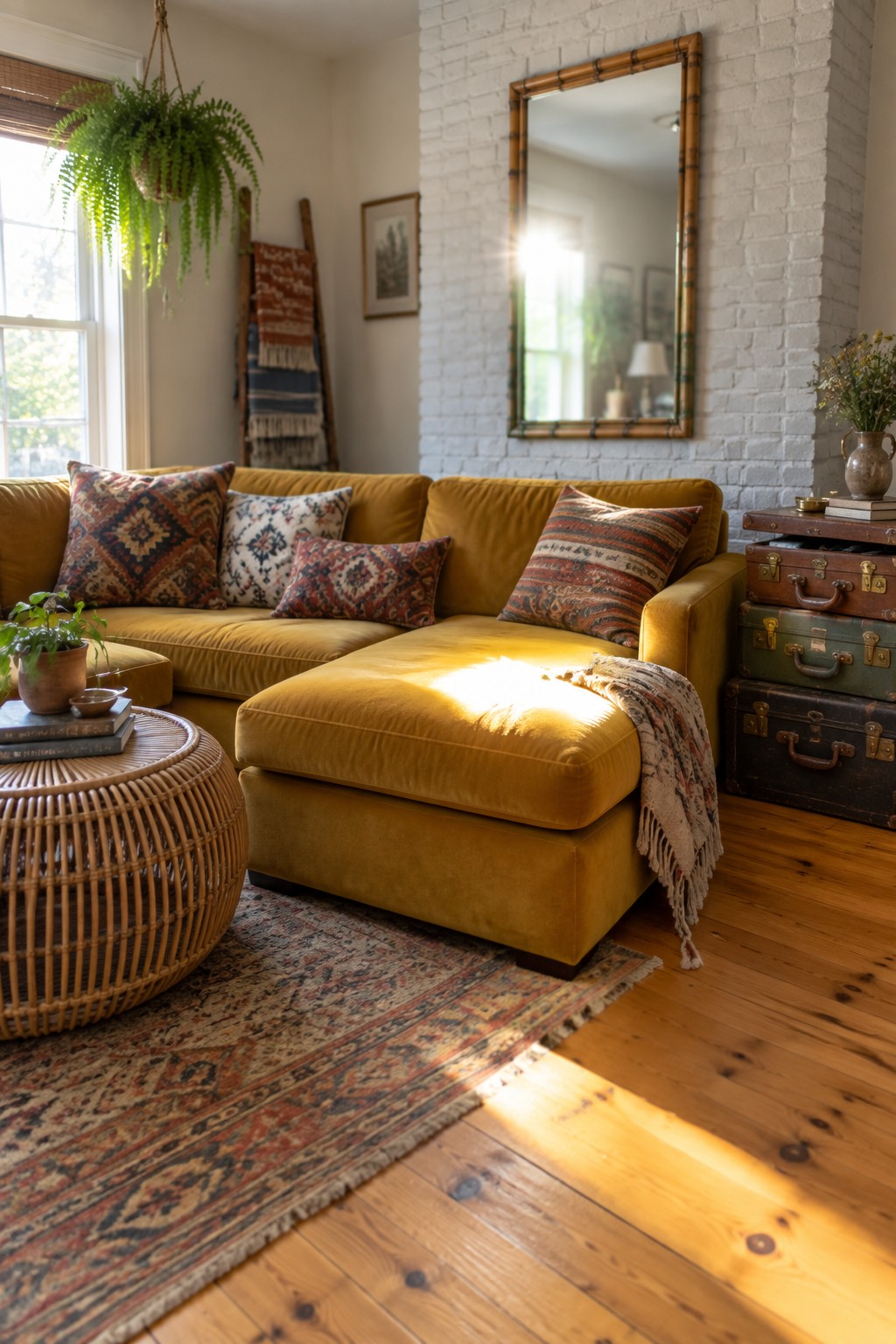
A deep golden sectional can change how a whole room feels. It brings warmth without needing lots of extra pieces, and it stands out nicely against lighter walls and wood floors. The color also helps tie together different patterns and textures in the pillows and rugs.
This works best in rooms that get steady daylight. Keep the rest of the furnishings simple so the sectional stays the main focus, and add just a few natural textures like rattan or linen to balance the strong color.
Corner Sectionals That Open Up The Room
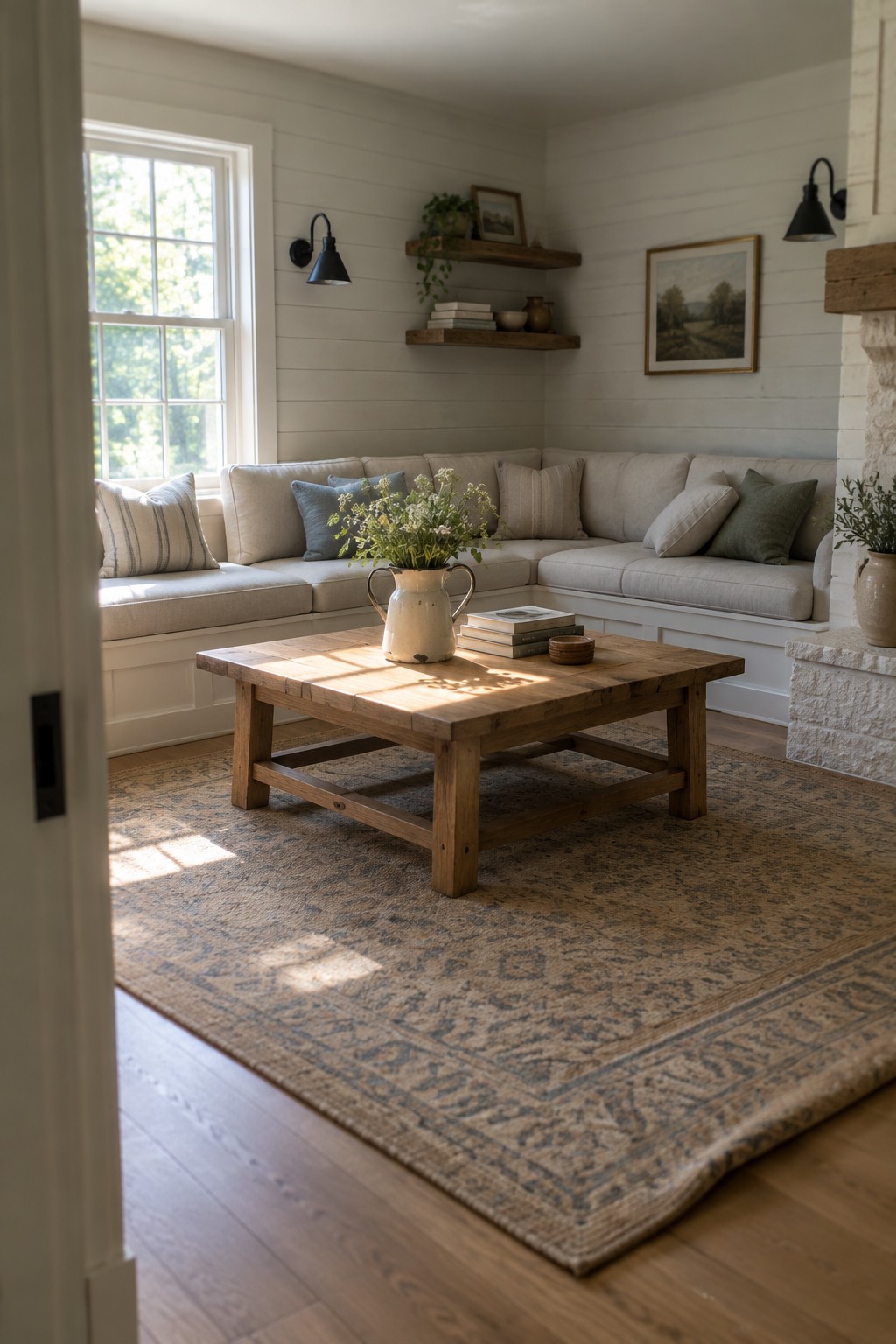
Placing a sectional right into the corner works well when you want plenty of seating without crowding the middle of the room. The sofa follows the walls, which leaves the center open for a coffee table and keeps the space feeling balanced rather than stuffed with furniture.
This layout suits rooms that have a clear corner or alcove to work with, especially if you add a large rug underneath to hold the whole seating area together. Just check the depth of the sectional first so it does not block windows or doorways.
Large Sectional in a Dark Color
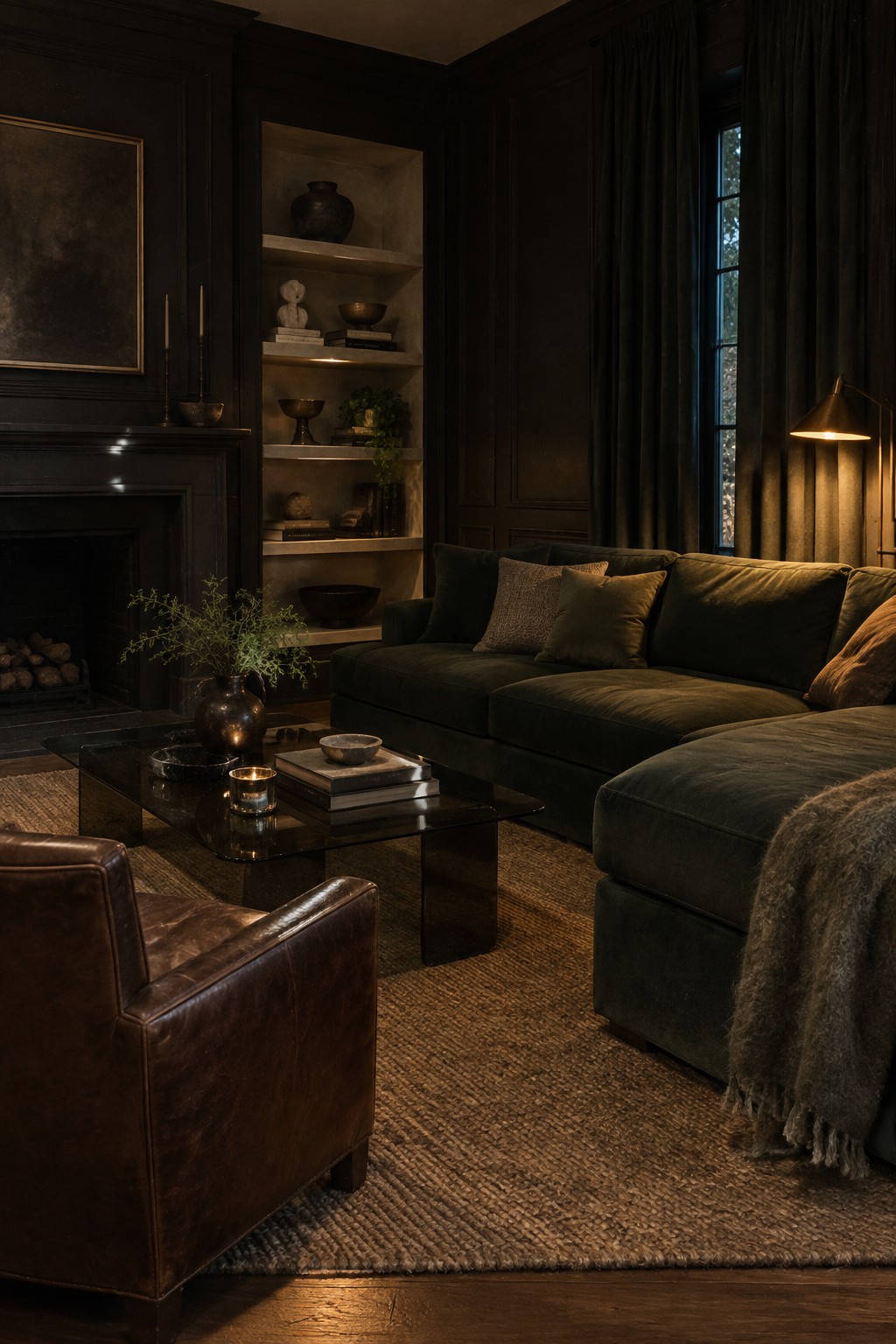
A big sectional in a deep shade can make a living room feel more pulled together and restful. It fills the main seating area in one move, which cuts down on the need for extra chairs and lets the rest of the room stay simple.
This approach suits older homes with dark trim or woodwork, where you want the furniture to feel like it belongs rather than stands out. Keep the scale in mind though, since a sectional this size needs enough floor space so the room does not feel crowded.
Sectionals for Rooms With Big Views
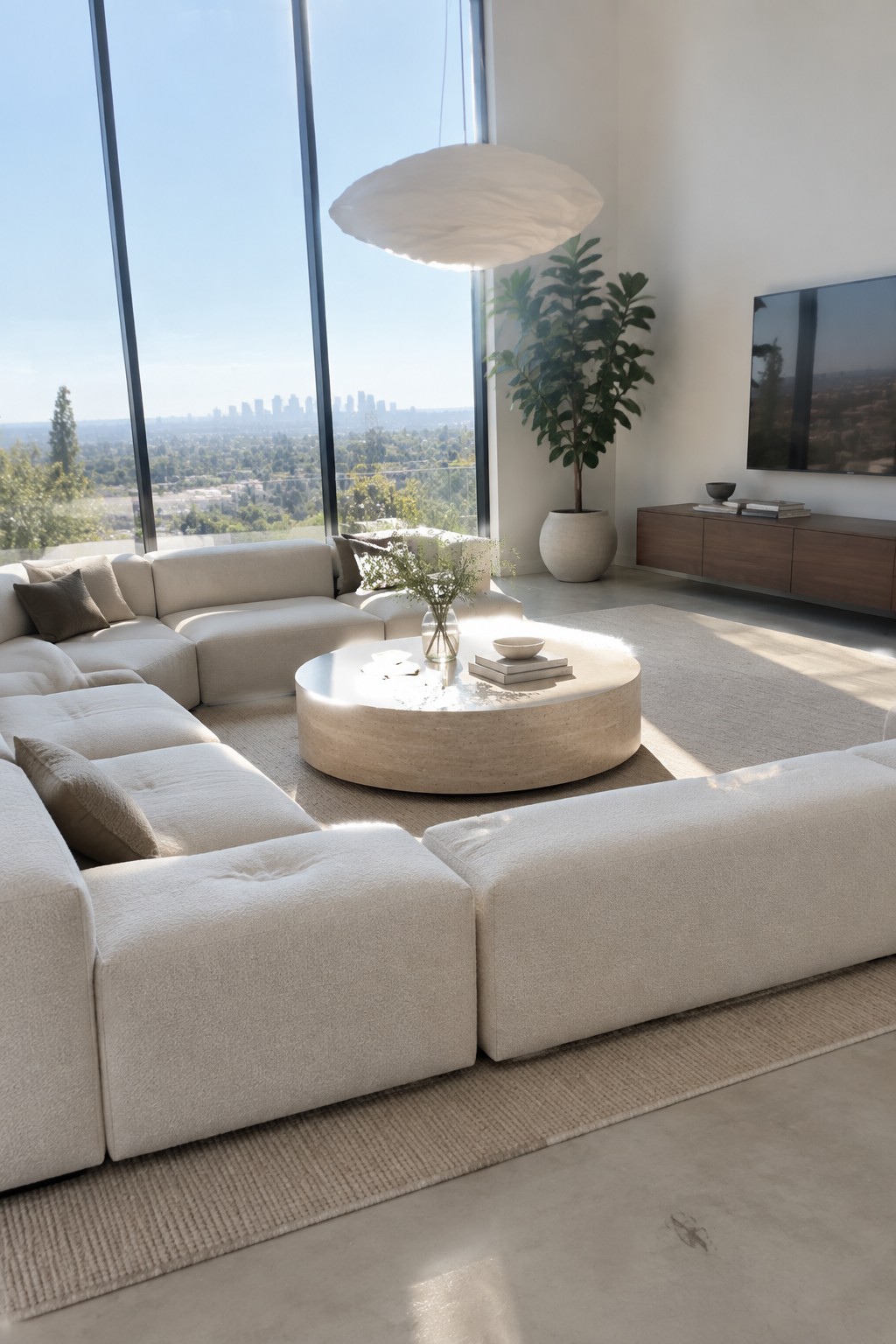
A large sectional can help shape how a room feels when there are big windows and a view outside. Placing it so the main seats face the glass keeps people comfortable while still letting them enjoy what is beyond the room. The low profile and soft fabric also help the seating blend in rather than block the light.
This works best in open living areas where the sectional can stretch out without crowding the space. Leave room to walk around the ends, and keep the coffee table simple so the layout stays easy to move through. Light colors on the sectional can also help the room feel brighter during the day.
Sectionals That Define The Seating Area
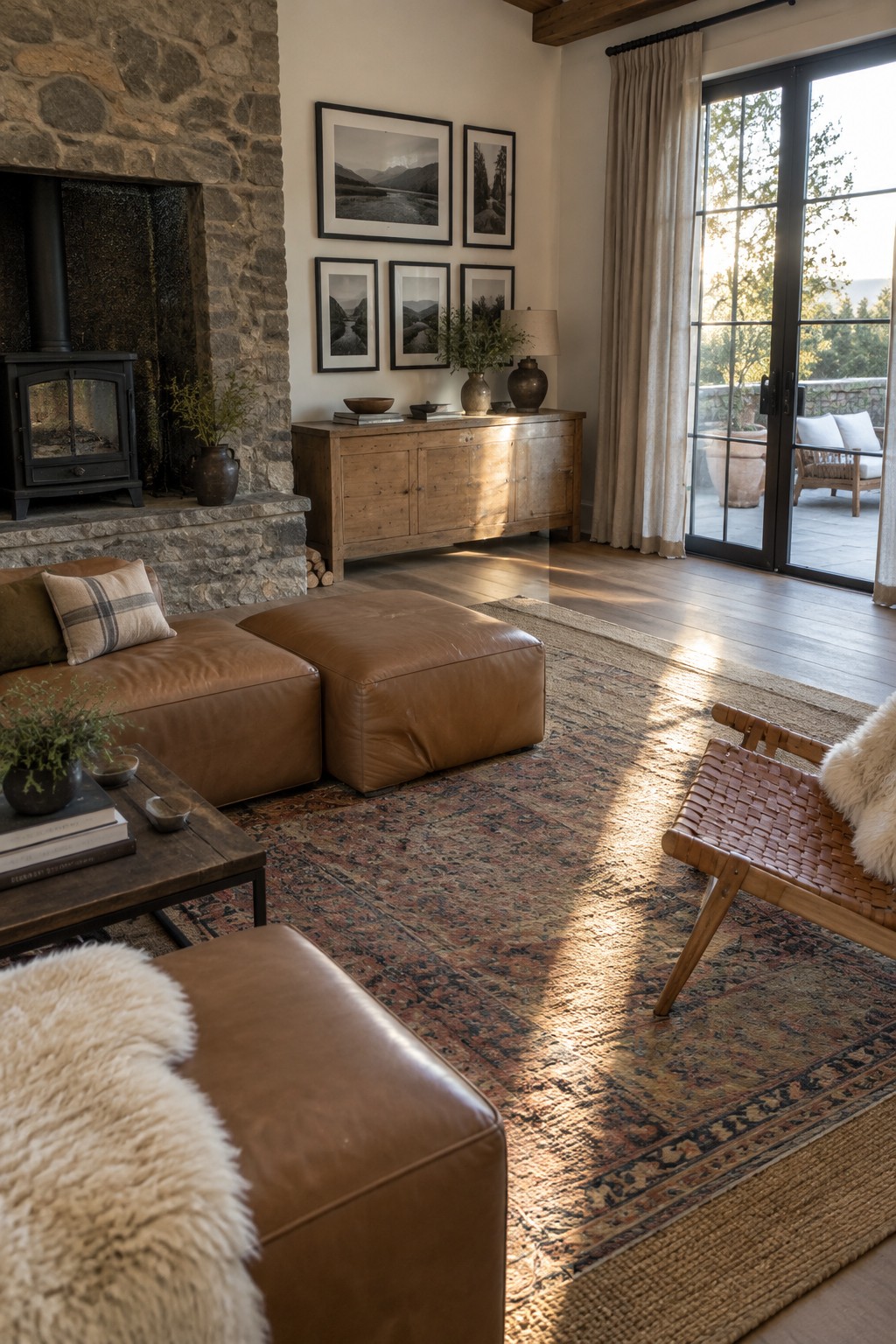
A big sectional can help mark off the main sitting spot in a room that has other strong features like a fireplace and wide glass doors. When the piece is roomy enough to stretch out but still leaves open floor around it, the whole space feels organized without needing extra walls or dividers.
Leather holds up well here and keeps the look simple. Put the sectional on a large rug to make the zone clear, then leave enough space so people can move toward the doors or the fire without stepping over feet. This works best in homes that want one main seating spot instead of lots of small chairs scattered around.
Designing Around a Large Sectional
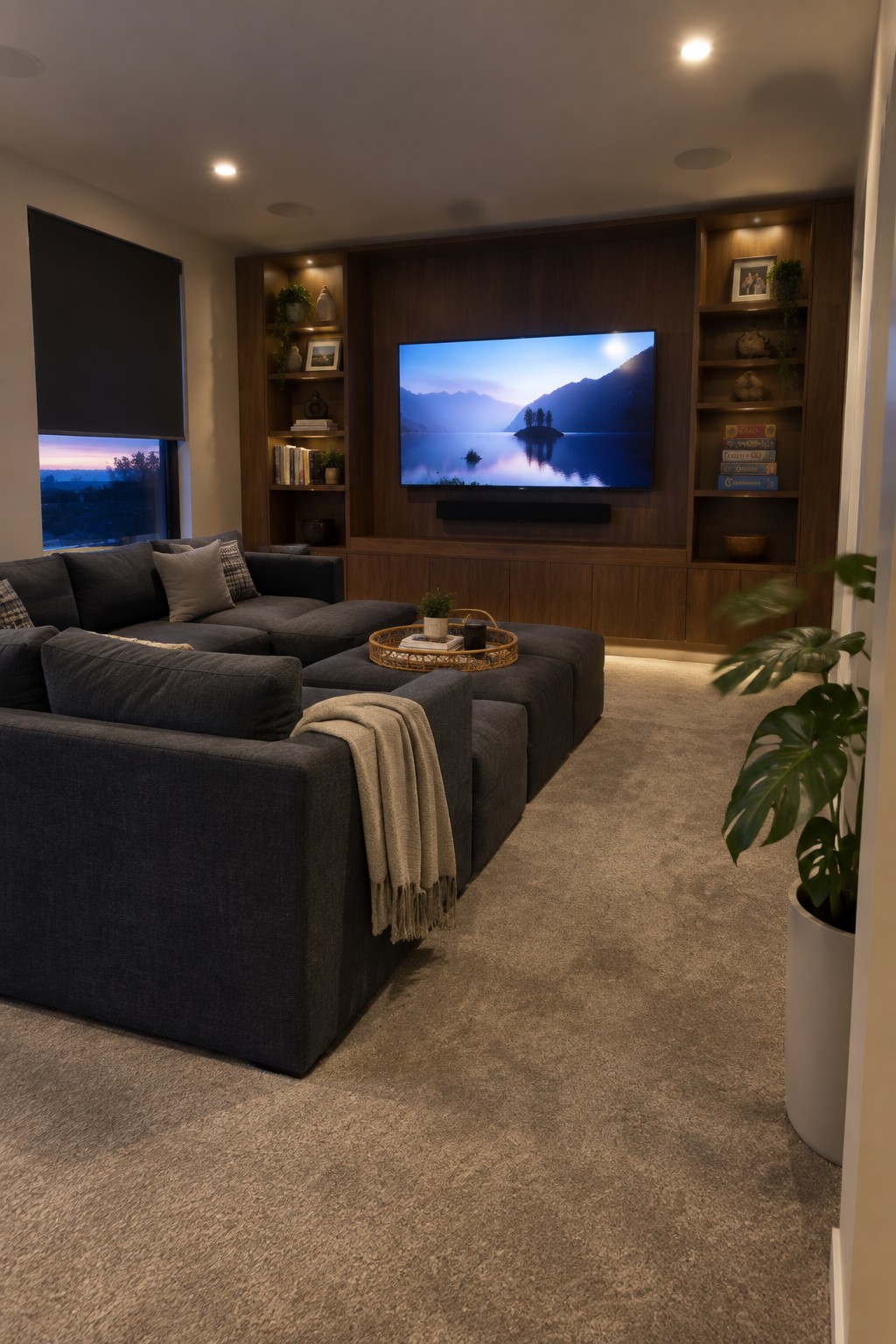
A big sectional can shape how the whole room feels and functions. It sets the main seating area and gives everyone a clear spot to gather without needing extra chairs scattered around.
This works well in spaces where the TV is the focus. Keep other furniture light so the sectional has room to stretch out, and use built-in shelves for storage instead of adding more pieces that crowd the floor.
Frequently Asked Questions
Q: How do I keep my sectional from making the room feel crowded? A: Place it against the longest wall and leave open space on the opposite side. This draws the eye outward and keeps pathways clear for walking through.
Q: What rug size works under a sectional without looking too small? A: Pick one that extends at least twelve inches past the front legs on every side. The extra coverage grounds the seating area and makes the whole setup feel balanced.
Q: Should the sectional face the TV or the windows? A: Angle it toward the feature you use most in the evenings. Natural light from windows can wash out the screen, so test the glare before you settle on a final spot.
Q: How often should I flip the cushions on a sectional? A: Turn them once a month to wear them evenly. This simple step keeps the seats from sagging in the same spots.
