


I have always noticed that Southern traditional rooms lean toward darker woods and richer tones, which can make them feel heavier once you live in them day after day.
Light fabrics and careful editing of patterns help the space breathe without stripping away its familiar character.
Balance matters most.
I tested a few of these lighter touches in my own dining room last year and saw how swapping heavy drapes for simpler linen panels opened up the whole feel while keeping the classic trim details intact.
It is useful to study homes that actually get lived in rather than just styled for a single photo.
Built-Ins Flanking the Fireplace
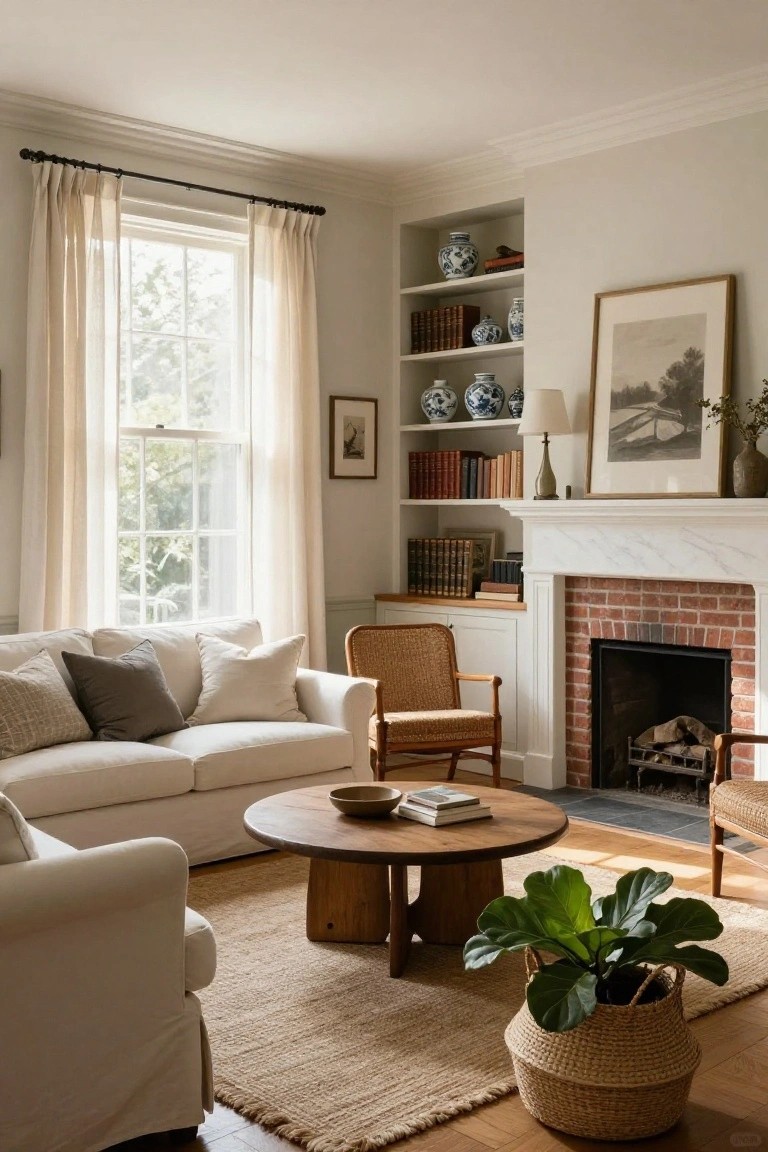
Built-ins on either side of the fireplace add storage and display space without crowding the room. They keep books and a few pieces out in the open while the white paint and open shelves help the whole wall stay light.
This approach suits older homes that already have a traditional layout. Keep the shelves fairly open, stick to a narrow color range for what you display, and the area will feel relaxed instead of heavy.
Round Tables For Better Flow In Dining Rooms
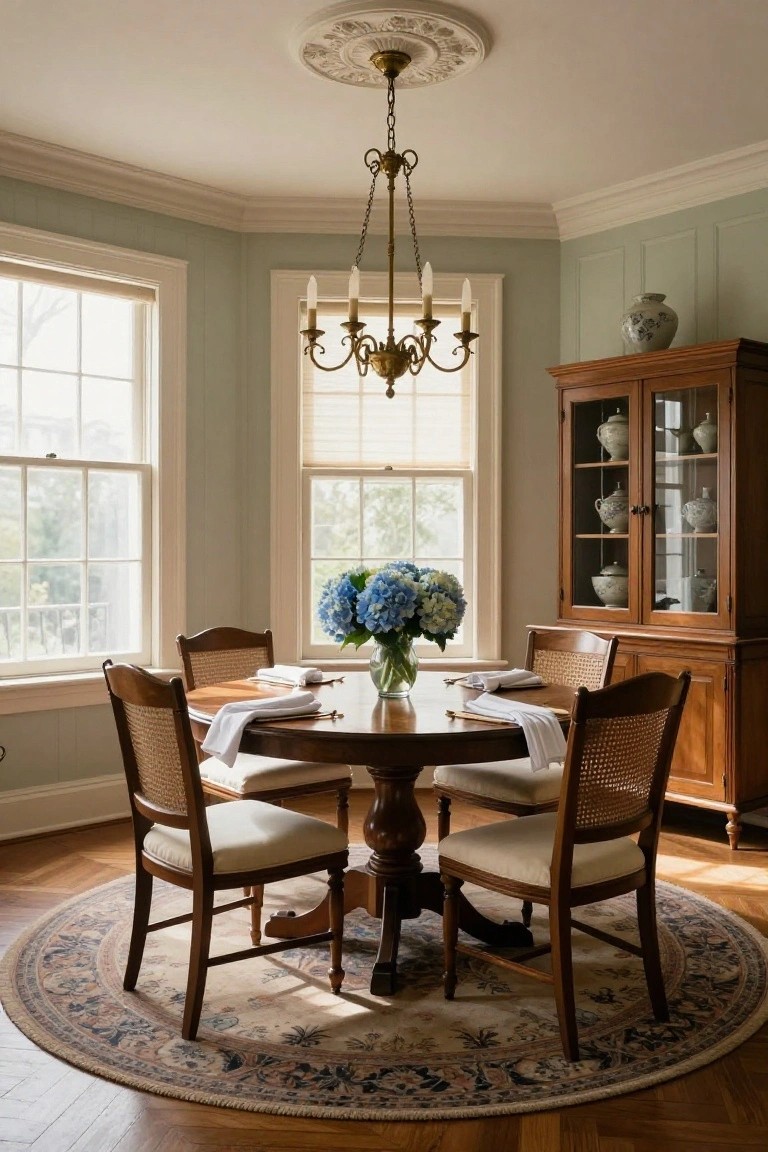
A round dining table often works well in traditional rooms because it avoids the sharp lines that can make a space feel tighter. It also lets people move around the table more easily without bumping into corners or crowding the walls.
This setup suits homes that want a relaxed Southern feel without giving up classic details. Keep the table centered on a large rug so the whole arrangement stays balanced, and leave enough space around the chairs for everyday use.
Keep The Palette Light And Tonal
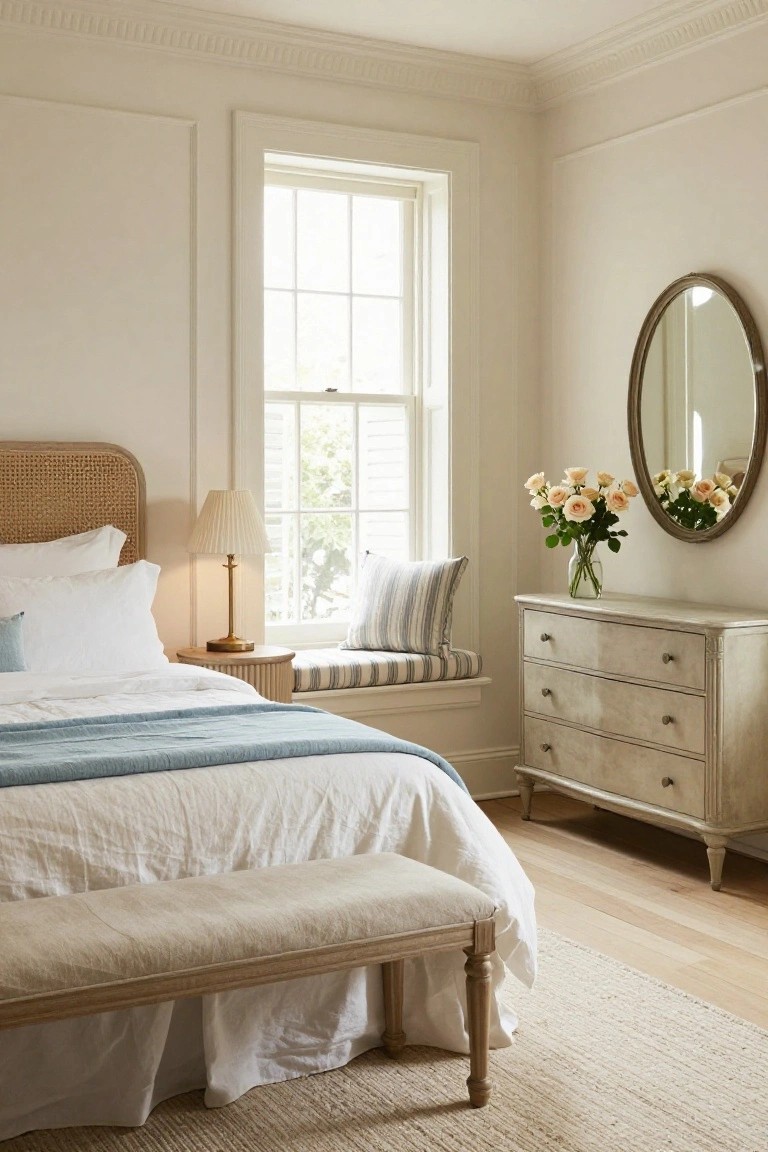
A soft color scheme makes a traditional bedroom feel much more open. White walls, pale wood, and layers of white bedding all work together to bounce light around instead of absorbing it. The small blue accents stay quiet so nothing feels heavy or closed in.
This approach works especially well in older homes with decent natural light. Stick to one or two soft tones and let texture carry the interest. It keeps the room calm without stripping away the traditional details that give it character.
Light Upholstery On Traditional Frames
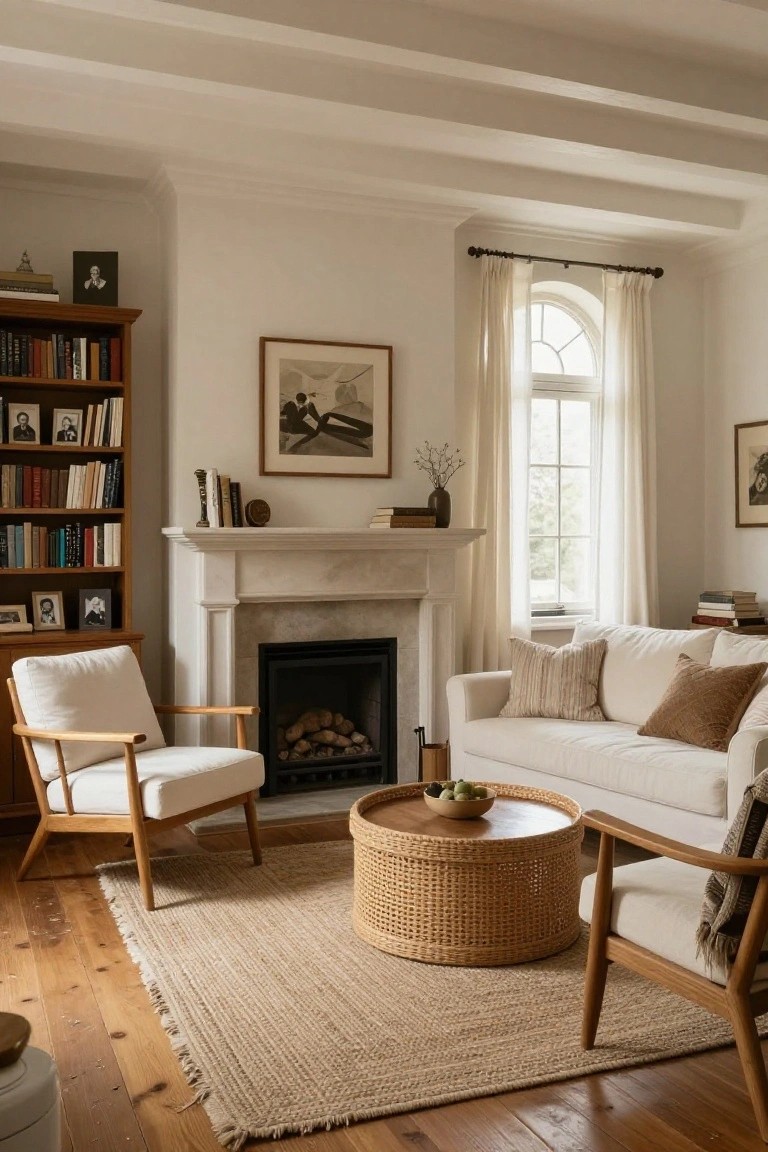
Many traditional rooms lean dark because of heavy wood or deep fabrics. Switching the seating to light upholstery opens everything up and lets the wood tones and trim show without weighing the space down.
This approach suits homes that get steady daylight. Keep the wood tones natural rather than stained dark, and the room stays relaxed instead of stiff.
Built-In Window Seating With Storage Below
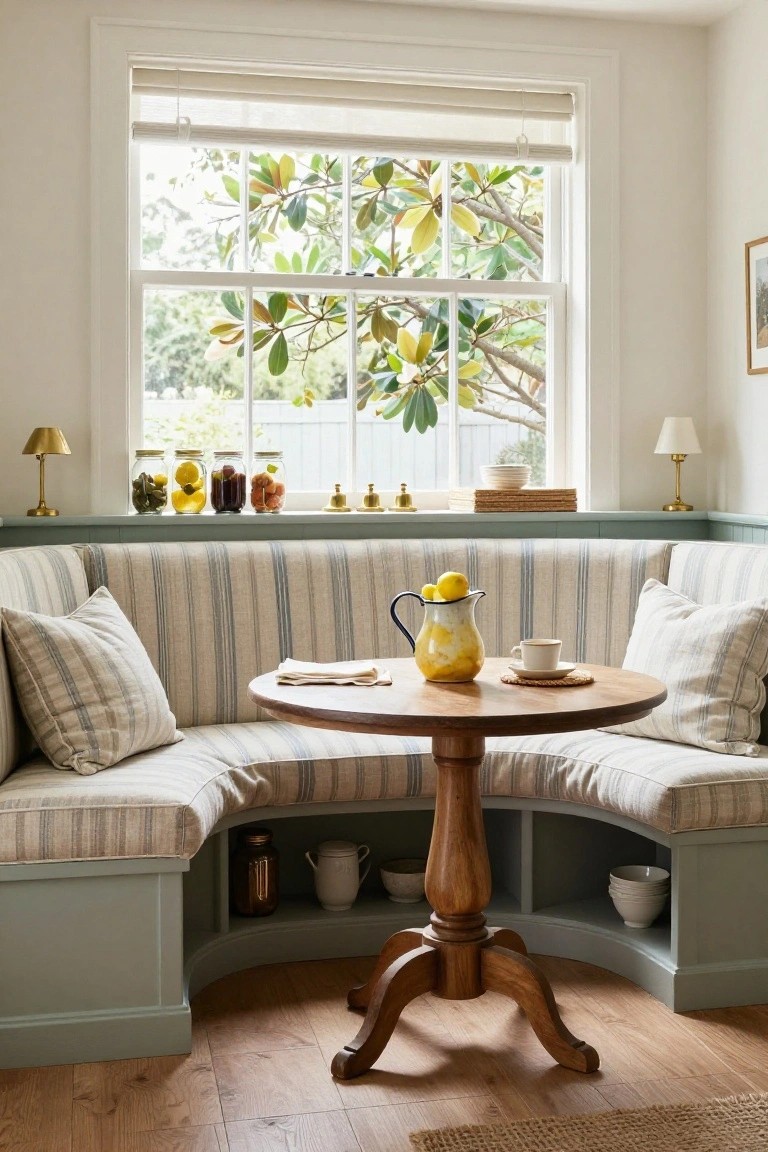
Built-in banquettes make good use of space under a window, especially in rooms that need extra seating without adding bulky furniture. The open areas underneath keep things accessible and help the room stay open and light.
This works best in kitchens or breakfast areas where everyday items need a place to land. Keep the cushions simple and let the storage show through so the whole setup feels relaxed rather than crowded.
Matching Walls And Cabinets In A Soft Blue
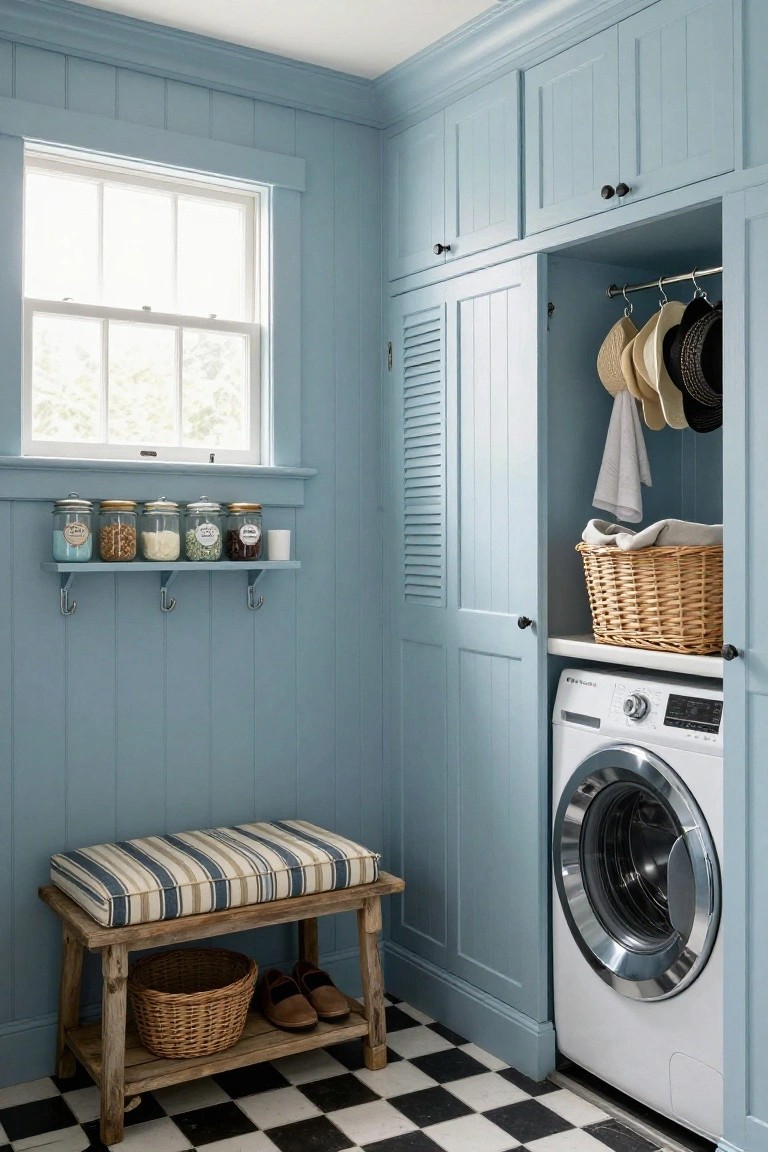
Many laundry rooms end up feeling cluttered because the cabinets stand out against the walls. Using the same soft blue on both creates a calm, connected look that keeps the space from feeling like a separate work zone.
This approach suits older homes or any room where you want the storage to recede. It works best with simple trim and a few open hooks or shelves so the color stays the main feature rather than competing with lots of hardware.
Built-Ins Give a Desk Area Extra Storage
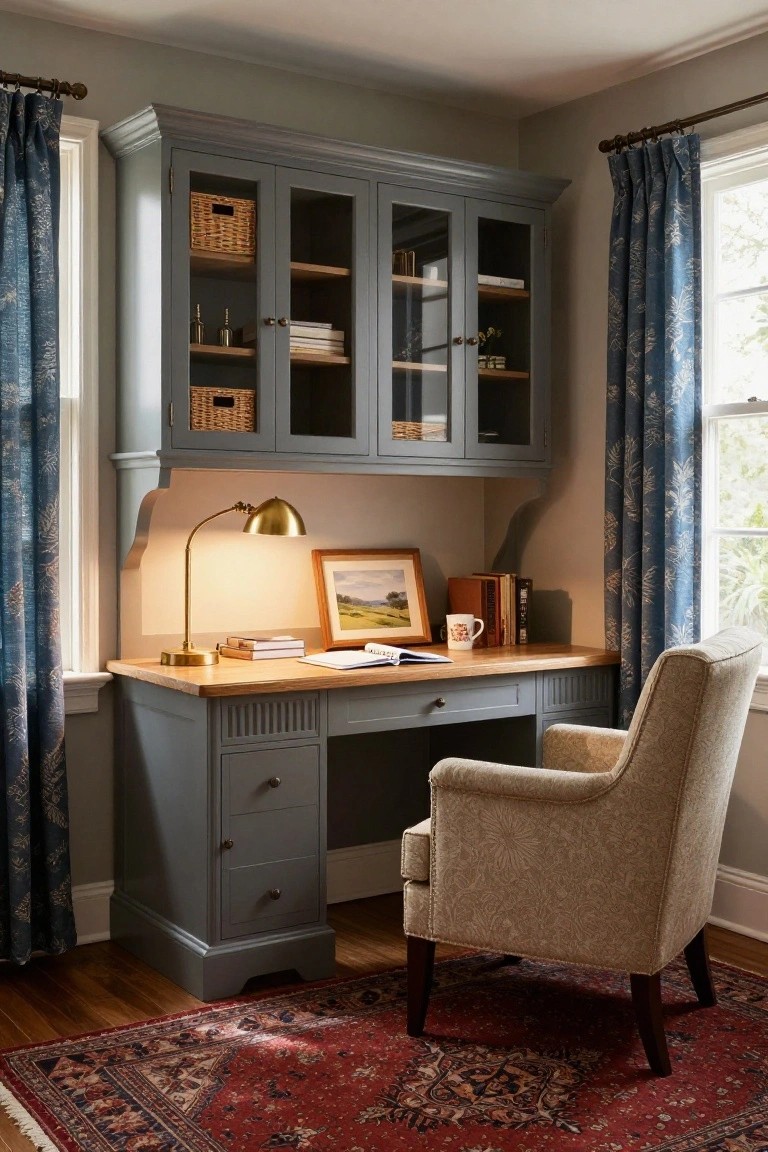
A painted built-in desk with upper cabinetry works well when you want a workspace that stays neat without taking up extra floor space. The cabinet doors and open shelves keep books and supplies out of sight while still close at hand, and the single paint color helps the whole unit blend into the room instead of standing out as separate pieces.
This setup suits traditional homes that already have wood trim and classic details. Choose a soft gray or blue finish and simple hardware so the storage feels calm rather than heavy. It works best in smaller rooms where you need function but still want the space to feel open.
Woven Ceilings in Light Rooms
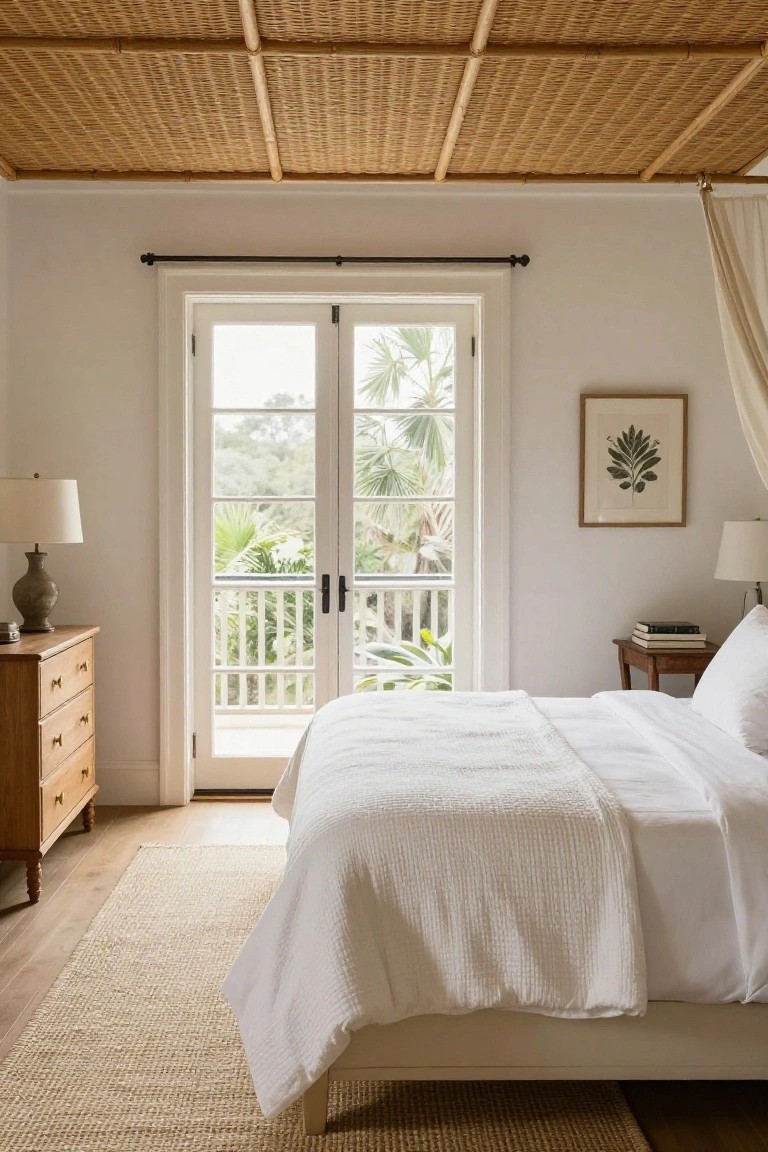
A woven ceiling adds just enough texture to keep a mostly white room from feeling flat. The natural material stays pale enough that it does not pull the space down, and the pattern gives the eye something quiet to rest on without adding color or weight.
This approach works best in bedrooms or sitting rooms where you already have simple walls and furnishings. Keep the rest of the room light so the ceiling texture stays the main detail rather than competing with other patterns.
Console Tables With Room For Baskets
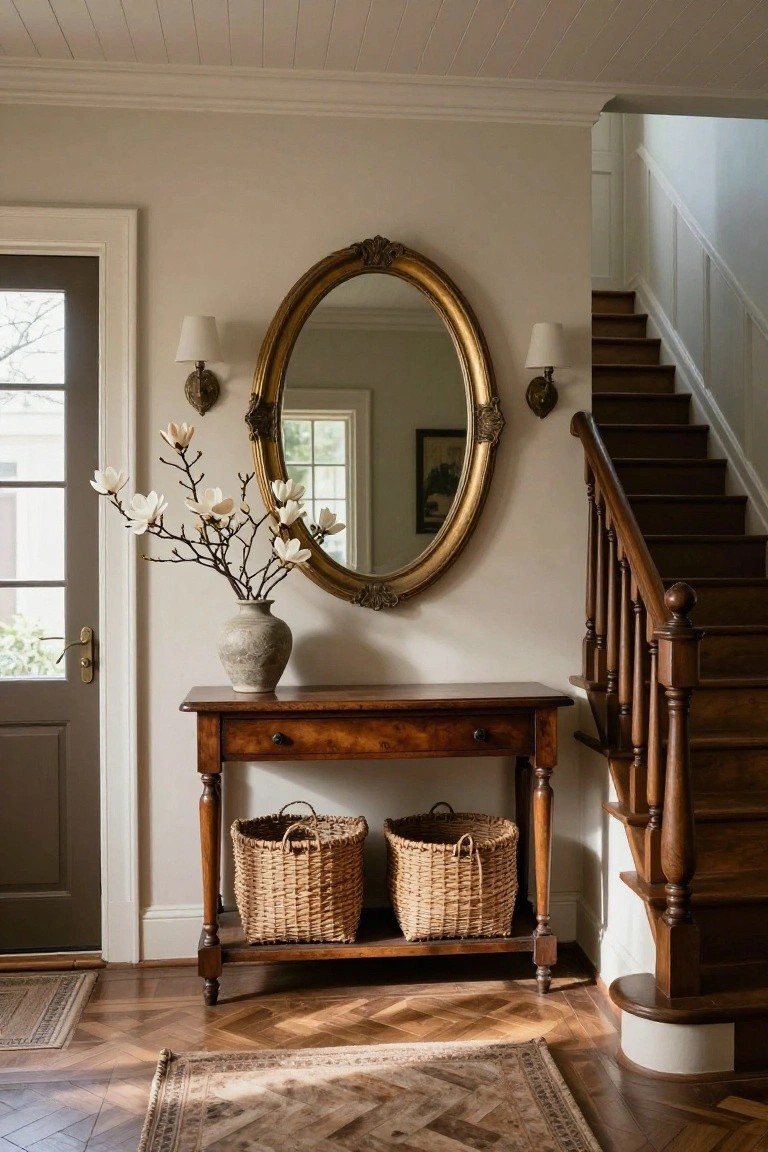
Many entryways feel better when there is a simple place to drop things without creating clutter. An open console leaves the lower area free so you can tuck in a pair of baskets for shoes, leashes, or whatever gets left by the door.
This works best in homes that already have some traditional trim and wood floors. Keep the baskets low and neutral so the table still reads light and the space stays easy to move through.
Light Shutters Keep Traditional Rooms Feeling Open
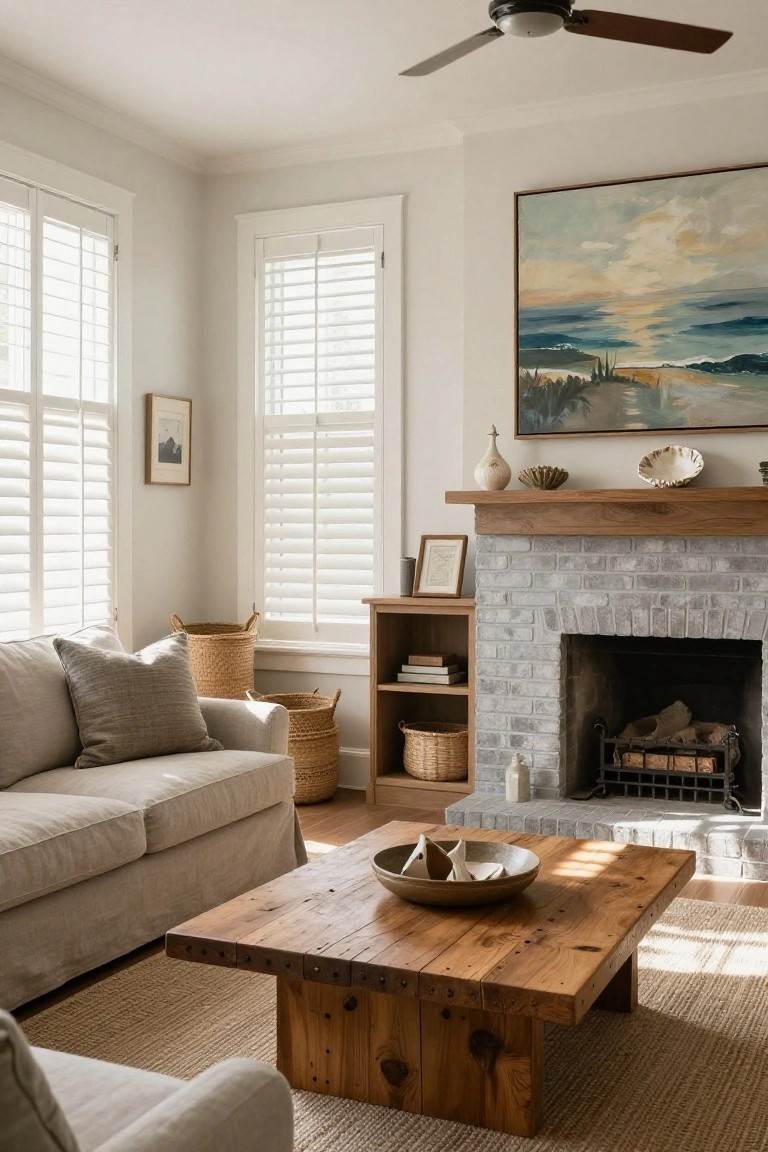
White shutters on the windows let plenty of daylight pour into this living room even on an overcast day. The pale walls and simple fabric sofa work with that light instead of fighting it, so the brick fireplace does not make the space feel heavy or closed in.
This approach works best in older homes that already have good natural light from multiple windows. Keep the shutters painted the same color as the trim and skip heavy curtains if you want the same relaxed look.
Wall-Mounted Sinks For A Lighter Look
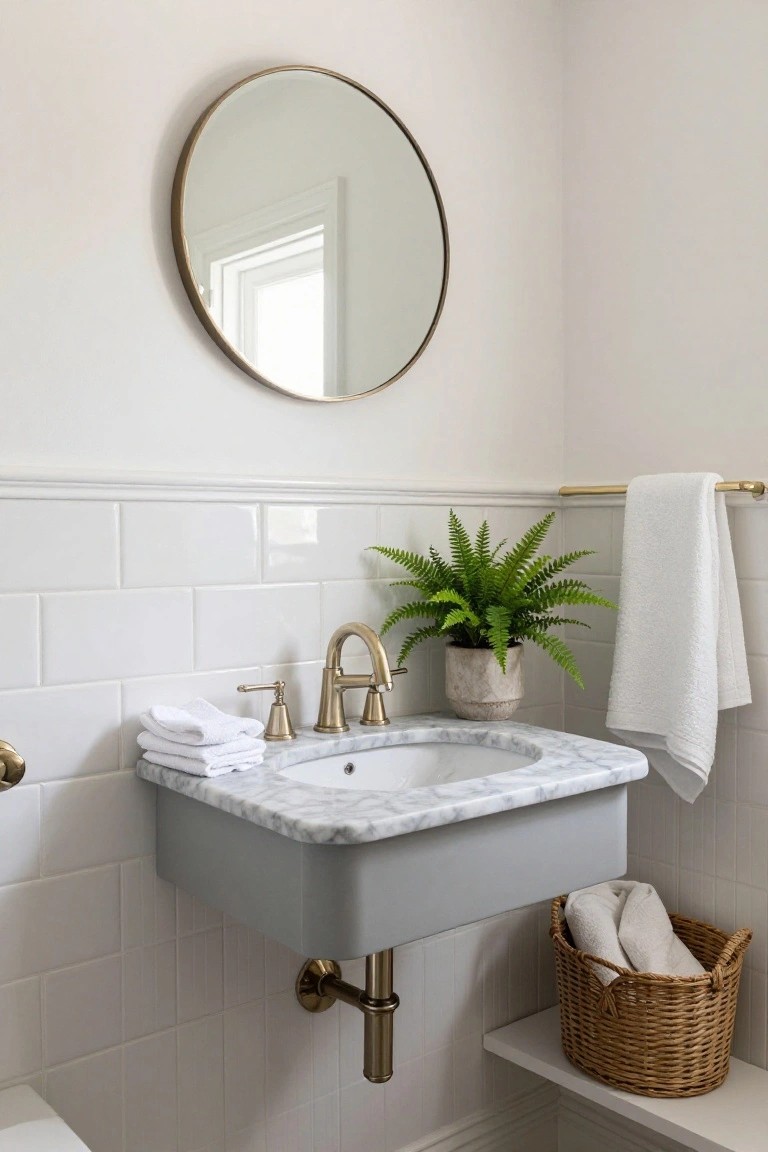
A wall-mounted sink leaves the floor open and keeps a small bathroom from feeling boxed in. The exposed plumbing adds a simple touch that fits the relaxed side of traditional style.
This setup works best in homes with white tile and soft color on the sink itself. It suits everyday baths that need to stay practical while still feeling open and easy to keep clean.
Mirrored Doors To Reflect More Light
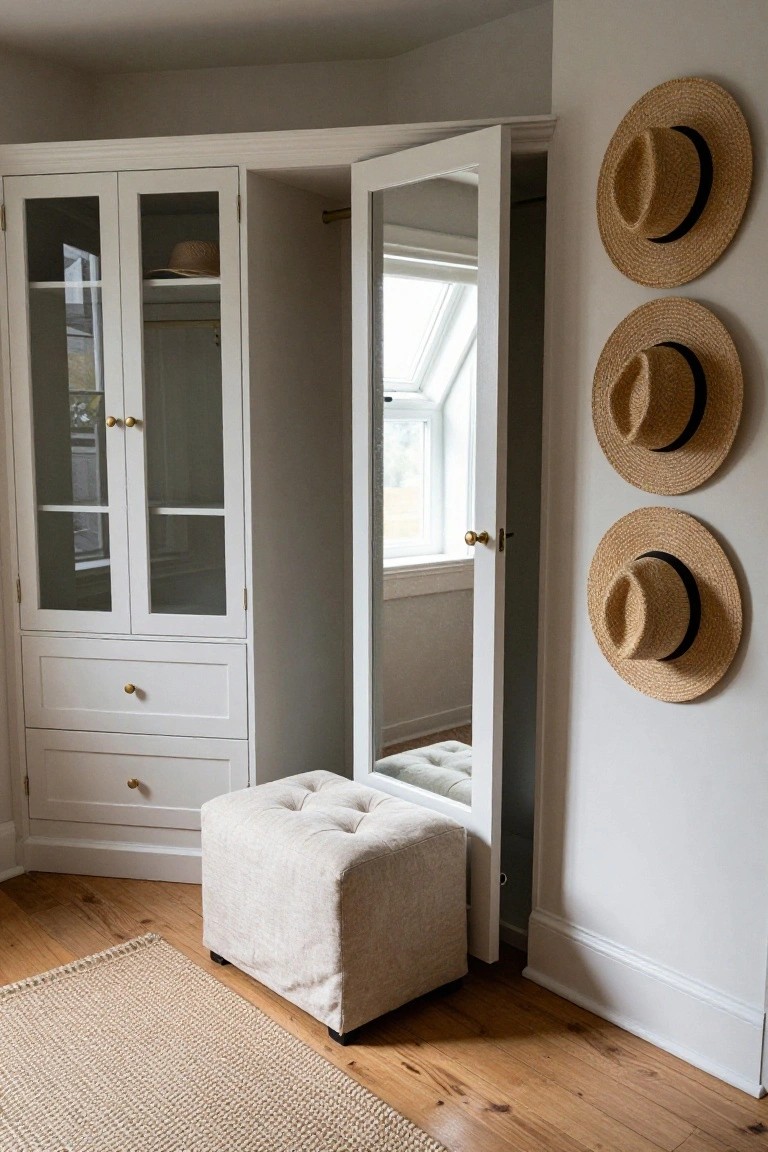
A mirrored door on a closet or dressing area works well because it bounces natural light back into the room and makes the space feel larger. This is especially helpful in traditional homes where windows may be smaller or the layout feels a bit closed in.
Place the mirror on the door rather than a wall so it does not take up extra space. Keep surrounding storage simple and light in color so the reflection stays clear and useful.
Soft Blue Walls For A Calm Nursery
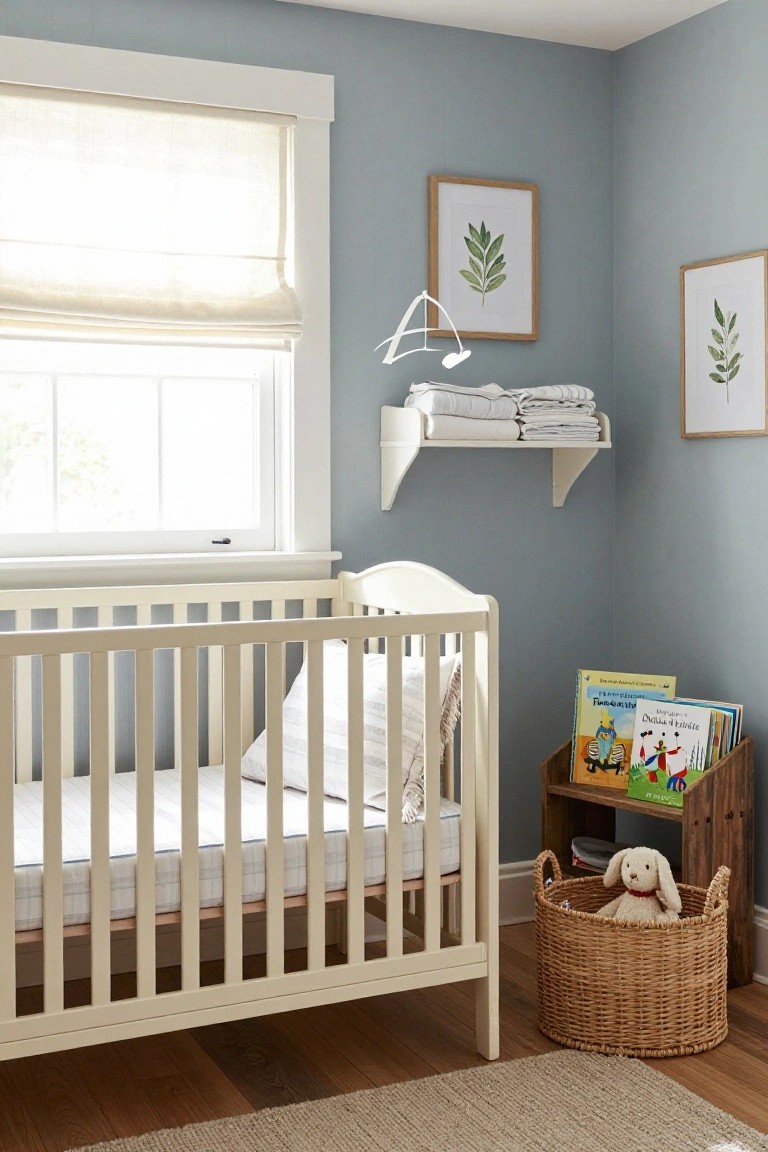
A soft blue-gray wall color gives a nursery a gentle, relaxed feel without making the room feel closed in. It works especially well with white furniture and trim because the contrast keeps the space bright even when natural light is soft.
This color choice suits traditional homes that want a quiet, timeless look in a child’s room. Keep the shade pale and pair it with simple linens so the room stays easy to refresh as the child grows.
Built-In Cabinets Around The Fireplace
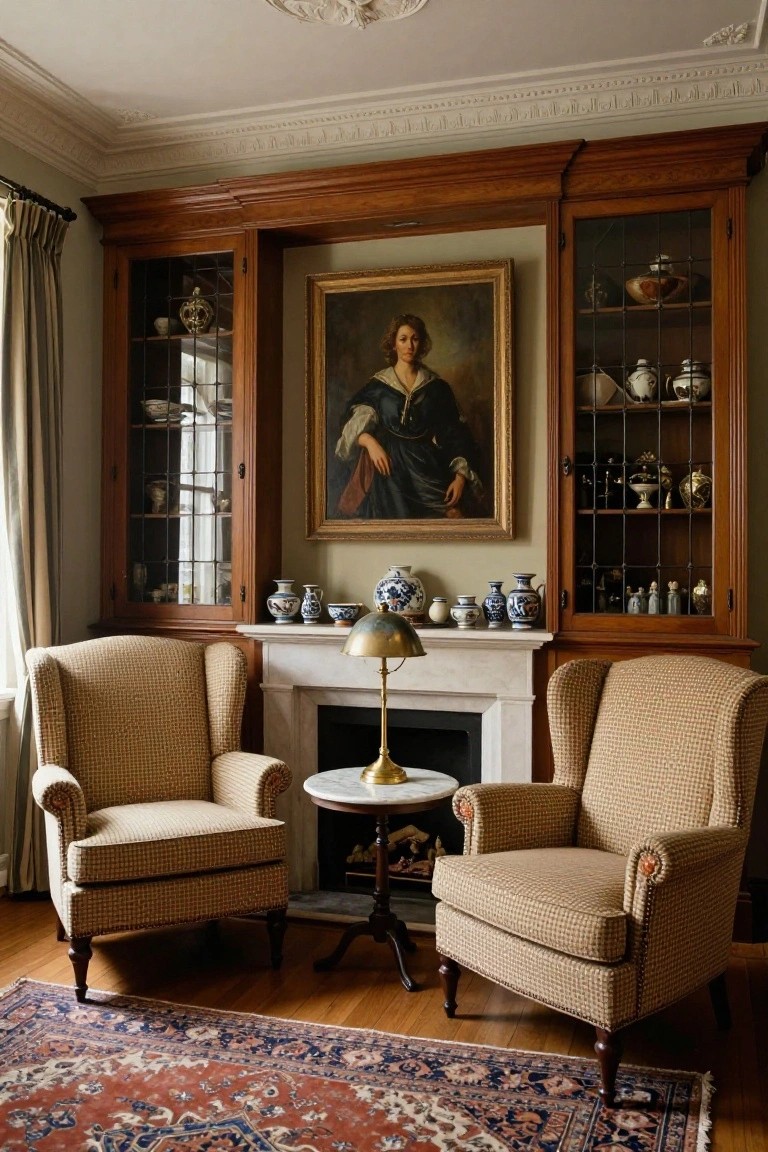
Built-in cabinets placed on either side of a fireplace create a natural focal point while giving the room extra storage without extra pieces of furniture. This setup works well in traditional homes because it keeps the walls from feeling empty and gives a place to display a few collected items without crowding the space.
It suits rooms where you want things to feel balanced and a little more permanent. Match the wood tone to the trim already in the house and keep the shelves from getting too full so the area stays open and easy to live with.
Open Shelving For Copper Pieces

Many kitchens feel brighter when a few favorite pieces sit out on open shelves instead of staying tucked away. The white shelves here let the copper pots add warmth without weighing down the overall look.
This approach works best in homes that already have enough closed storage for the everyday clutter. Keep the number of items small and stick to things you actually use so the shelves stay simple.
White Cabinetry Keeps The Kitchen Feeling Open

White cabinetry works well when you want a kitchen to feel relaxed instead of closed in. It bounces light around the room and makes the space look larger, even with a full set of upper cabinets and a big range hood in place. The marble counters add to that clean effect without adding weight.
This approach suits southern traditional homes that still need to feel practical for daily use. Stick with simple hardware and a few natural textures like woven lights so the room stays warm. Just avoid covering every surface in white if you want a bit more depth.
Woven Accents Keep Traditional Rooms Feeling Light
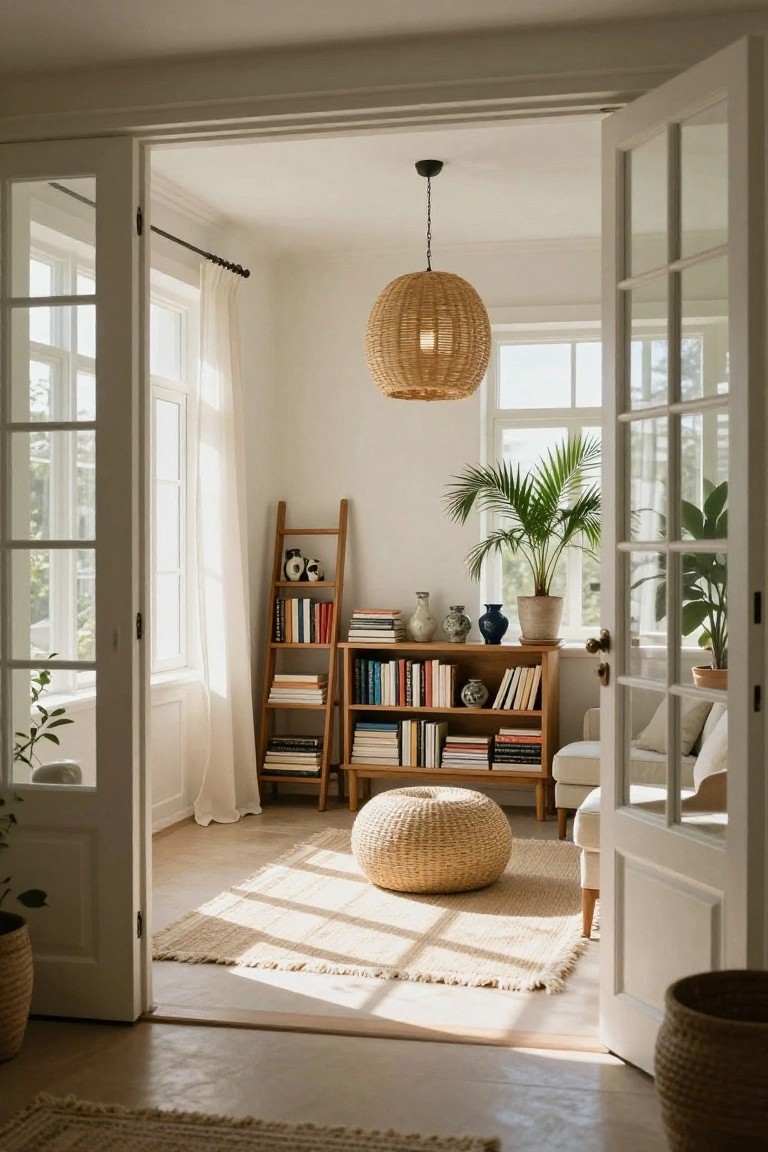
Woven pieces bring natural texture into a room without adding visual weight. A large pendant light or a simple floor pouf can soften the lines of wood furniture and built-in shelves while still letting light move freely through the space.
These accents work best in homes that lean traditional but want an easy, relaxed feel. Keep the base simple with white walls and light wood tones, then add just one or two woven items where sunlight hits them.
Skylights for Attic Sitting Areas
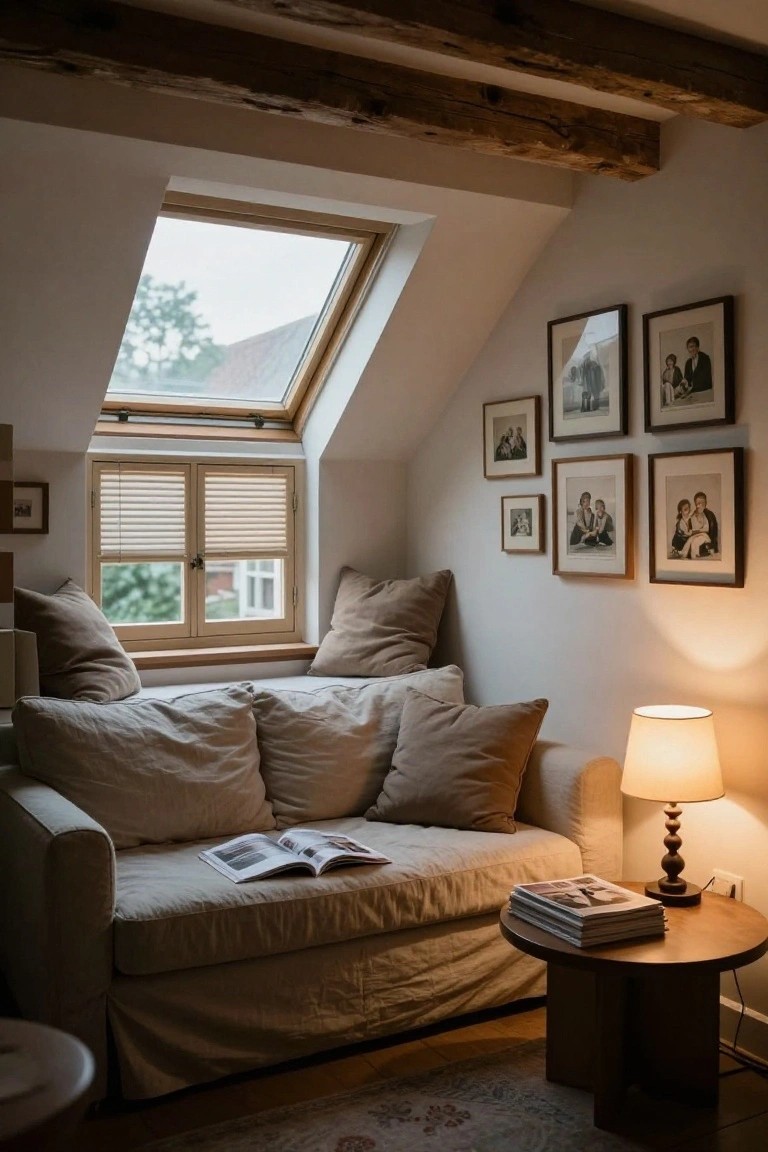
A skylight changes how an attic feels right away. It pulls daylight down into a space that often stays dim, and it keeps the room from feeling closed in even when the ceiling slopes low.
This works best in homes where the attic has enough headroom for a sofa or daybed. Keep the fabrics light and simple so the light stays the main feature. Watch the angle of the sun if the room gets warm in summer.
Open Shelving Under The Vanity
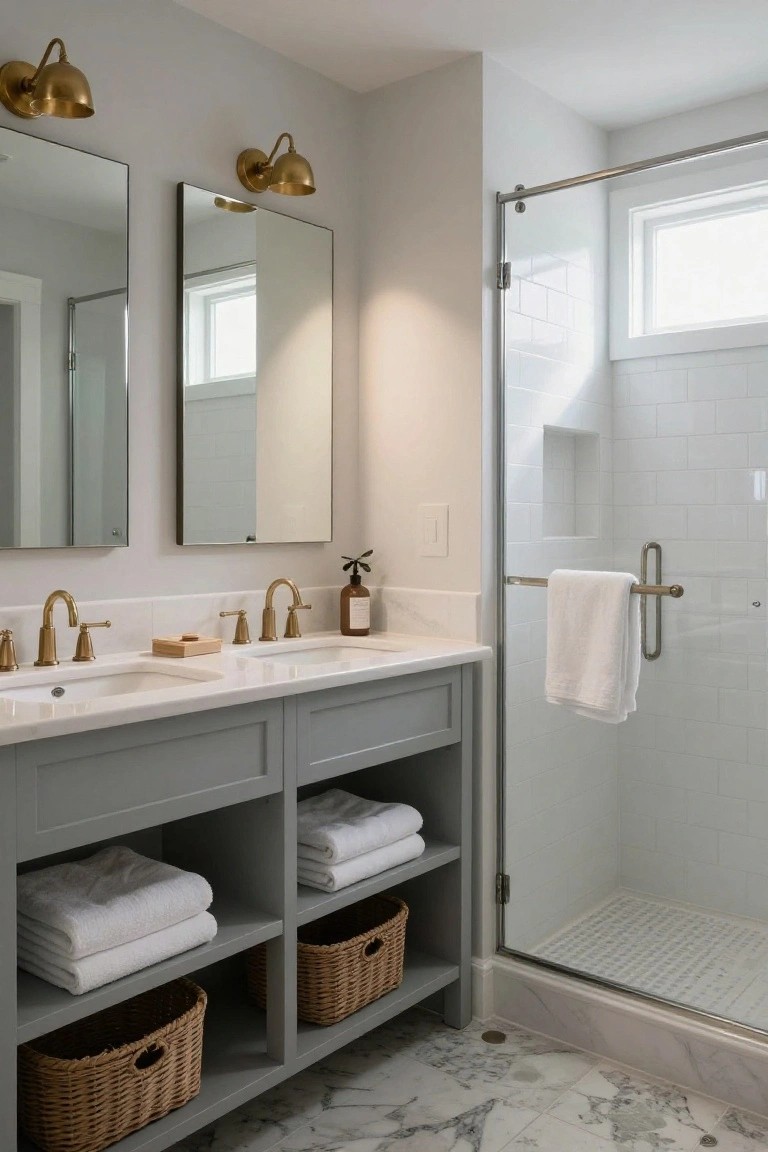
Open shelving below the vanity gives a bathroom a lighter feel because nothing gets hidden away. You can grab towels or supplies without opening doors, and the whole area stays looking simple instead of boxed in.
This works best in homes that already lean traditional but still want an easy, relaxed look. Use matching baskets to hold smaller items so the shelves stay neat, and keep the colors light so the open space does not feel crowded.
Built-In Shelving Around A Window Seat
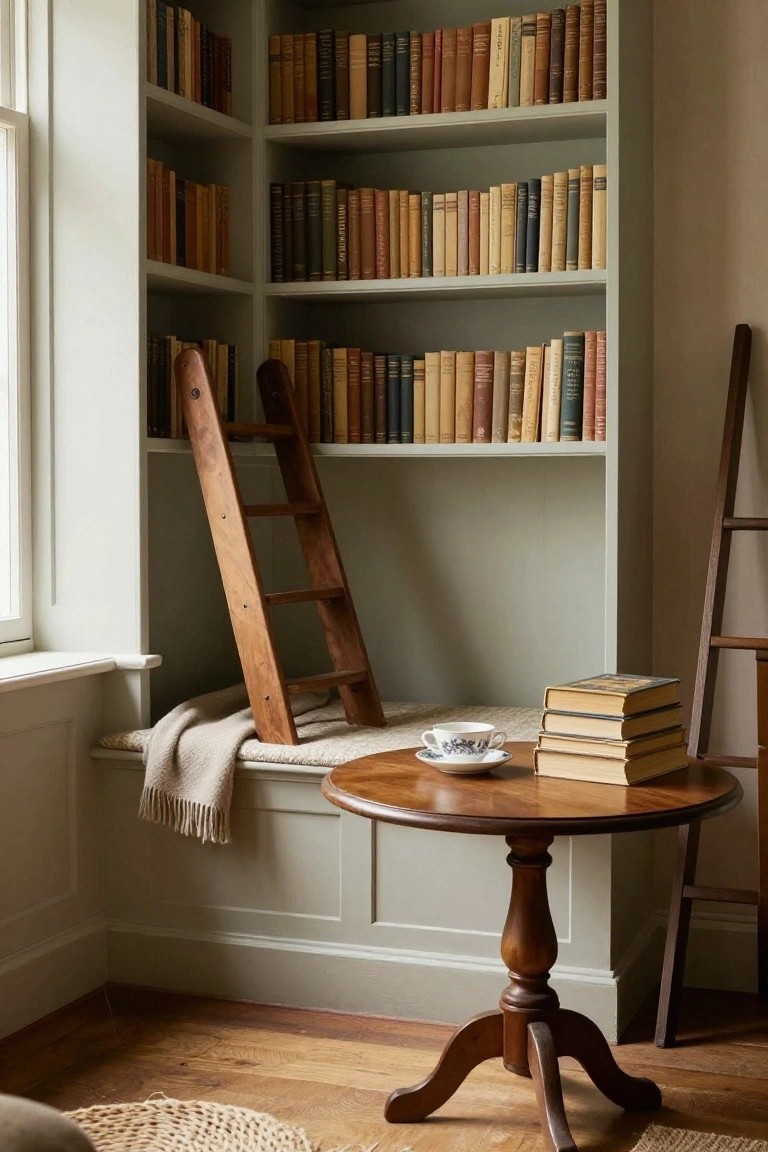
Built-in bookshelves that wrap around a window seat make good use of an awkward corner without adding much furniture. The seat gives you a place to sit and read while the shelves hold plenty of books in one tidy spot.
This works best in homes that already have some trim detail and decent natural light. Keep the colors soft and avoid stacking too many dark books near the window so the whole area stays open and easy to use.
Placing Storage In An Arched Alcove
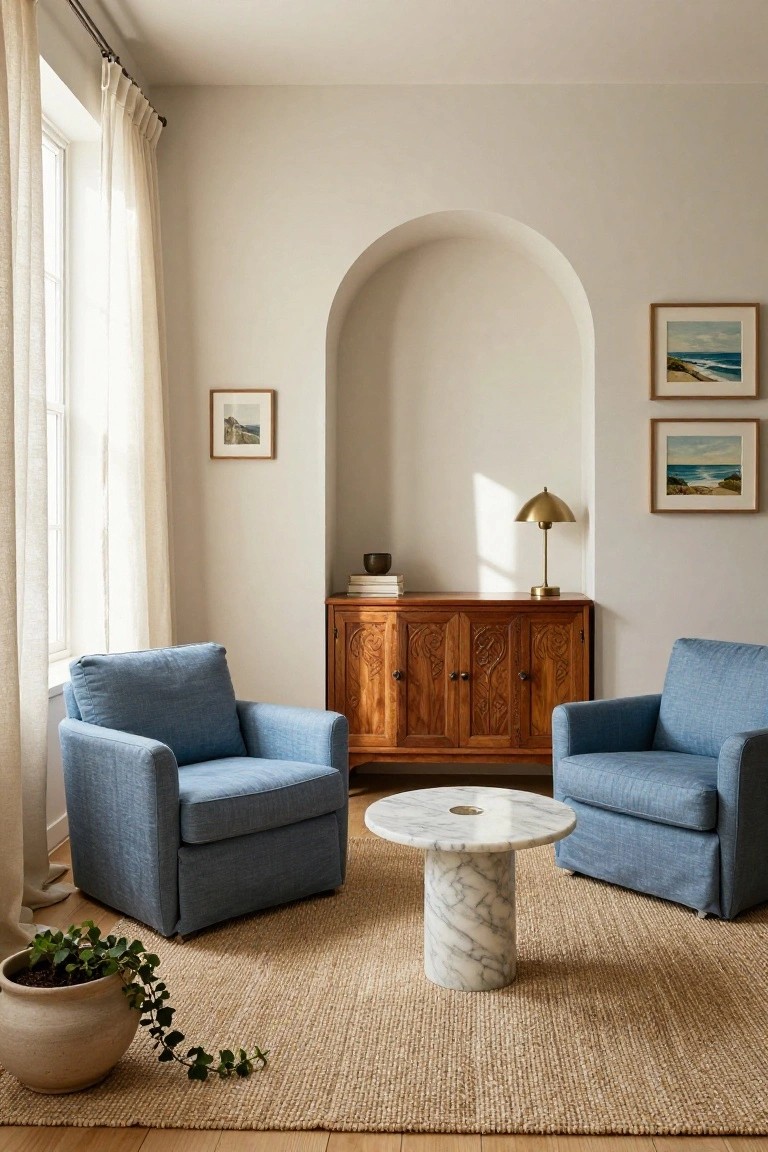
An arched niche can turn a plain wall into a quiet focal point without adding much clutter. The cabinet sits neatly inside it, so the piece feels like part of the room rather than something pushed against a flat surface.
This setup works best in homes with simple trim and light walls. Keep the niche the same color as the surrounding wall so it frames the furniture gently instead of making a bold statement.
Floating Vanities For A Lighter Look
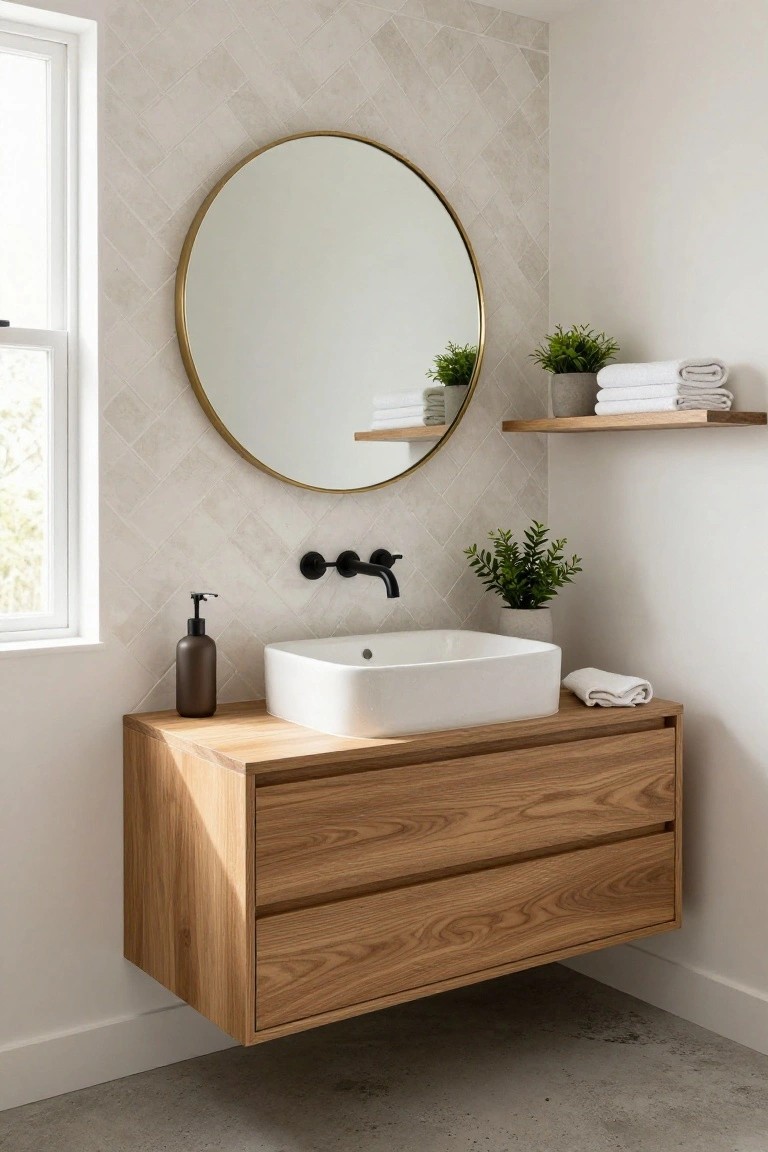
A floating vanity keeps the floor clear underneath, which makes even a modest bathroom feel more open. The wood cabinet still gives you plenty of storage, but the space below stops it from looking bulky against the wall.
This approach suits Southern traditional homes that want a relaxed feel without going fully modern. Keep the finish natural and pair it with light tile or paint so the whole room stays bright rather than heavy.
Mixing Seating Around A Wooden Table
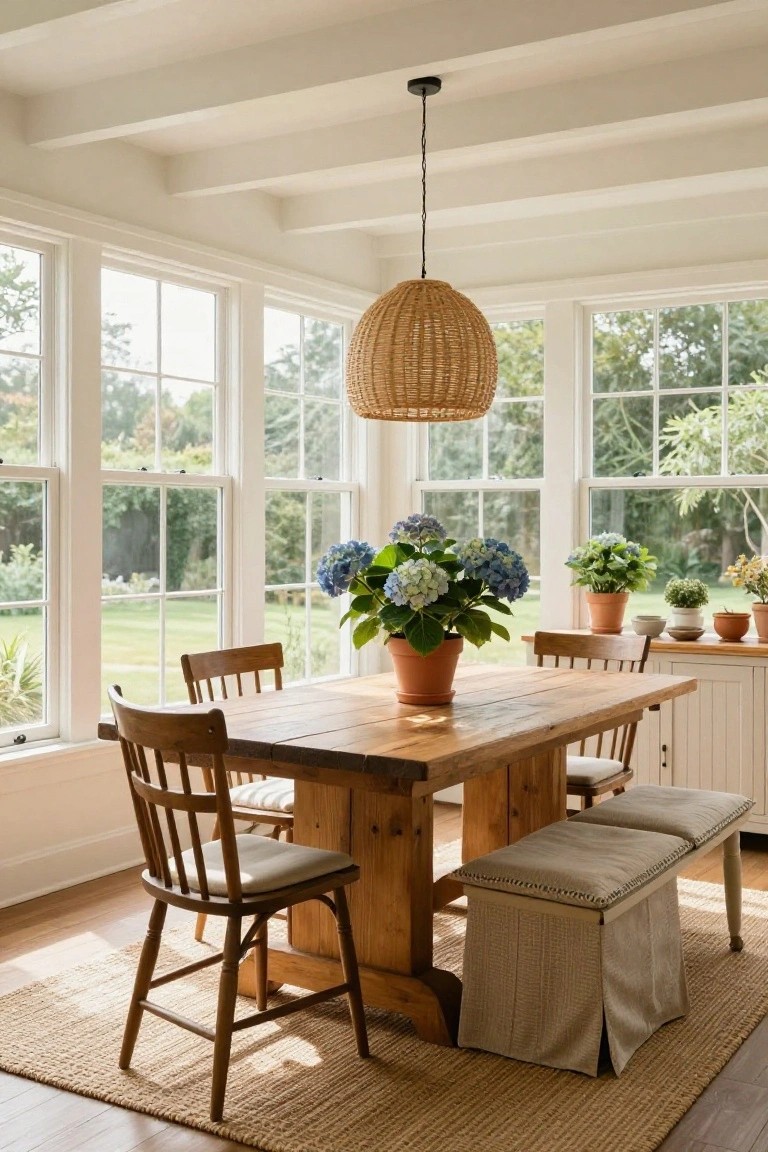
A big wooden table holds its own in a bright room without making things feel heavy. Pairing it with a mix of chairs and a bench keeps the setup simple and ready for regular use rather than special occasions only.
This arrangement works best in homes that already have plenty of windows. The light softens the wood tones and stops the seating mix from looking too busy. Stick with neutral cushions and skip extra layers if the goal is to keep the space feeling open.
Frequently Asked Questions
Q: What paint colors help create that light southern traditional feel? A: Choose warm off whites with a hint of cream. Test them on your walls first to see how they change with your natural light throughout the day.
Q: How should I arrange furniture to keep the room feeling open and relaxed? A: Float a few key pieces away from the walls. This lets light flow underneath and around them for a breezy effect.
Q: Which fabrics make the biggest difference in keeping things airy? A: Linen and cotton work well because they breathe and drape softly. Use them on upholstery and pillows to avoid any heavy or formal look.
